
ADA & Accessibility Considerations for Walk-In Closets
- Why accessibility matters in luxury closet design
- Legal, ethical and market drivers
- User demographics and real-world needs
- Business benefits of accessible luxury
- Key ADA & accessibility requirements for walk-in closets
- Clearances, turning space and approach
- Reach ranges and storage heights
- Doors, thresholds and circulation
- Design strategies to make a modern luxury walk-in closet accessible
- Layout and cabinetry solutions
- Lighting, contrast and sensory considerations
- Smart technology and assistive features
- Materials, hardware and installation best practices
- Hardware choices and operability
- Durability, maintenance and sustainability
- Quality control and verification
- Practical comparison: standard walk-in closet vs accessible modern luxury walk-in closet
- Implementing accessibility without sacrificing modern luxury
- Hidden mechanisms and refined detailing
- Customization and sizing for fit
- Testing and client training
- Murano: custom cabinetry solutions for accessible luxury closets
- References and standards
- FAQ
- 1. What is the minimum aisle width for a walk-in closet to be ADA-compliant?
- 2. Can a luxury aesthetic be preserved while making a closet accessible?
- 3. What are cost-driving elements when upgrading a closet for accessibility?
- 4. How do I decide which storage should be within reachable range?
- 5. Are there recommended materials for durability and maintenance?
- 6. How can I verify my closet meets accessibility needs after installation?
I write from years of experience designing custom cabinetry and luxury interiors, combining practical accessibility standards with the expectations of modern luxury walk in closet owners. In this article I summarize regulatory requirements (including the ADA 2010 Standards), ergonomic reach data, and design strategies that let you achieve an elegant, highly functional walk-in closet that is truly accessible for people with mobility, reach, or sensory impairments. Where applicable I link to authoritative sources so you can verify the standards and apply them to your project.
Why accessibility matters in luxury closet design
Legal, ethical and market drivers
Accessibility is no longer a niche compliance task: it is an essential part of modern residential design. In many jurisdictions—most notably the United States—the 2010 ADA Standards for Accessible Design establish measurable requirements for clearances, reach ranges, door widths and turning spaces. Beyond compliance, accessible design expands your market to aging clients, multi-generational households, and buyers with disabilities. From a brand perspective, accessibility reflects social responsibility and future-proofs the property.
User demographics and real-world needs
Population aging and rising expectations for barrier-free living mean more buyers and homeowners will expect both luxury aesthetics and usable spaces. When I design a modern luxury walk in closet, I consider wheelchair/mobility device users, people with limited reach or grip strength, and users with visual or cognitive disabilities. Understanding these needs leads to specific, testable design choices—lower rods, pull-out shelving, lever hardware, tactile cues, and clear floor plans—that preserve the clean lines and High Quality materials expected in high-end cabinetry.
Business benefits of accessible luxury
Accessible luxury sells. Properties that combine refined finishes with universal usability typically command higher valuations and broader buyer interest. As a custom cabinetry consultant I’ve seen projects win faster approvals and stronger resale performance when an accessible solution is integrated early in the design process rather than retrofitted.
Key ADA & accessibility requirements for walk-in closets
Clearances, turning space and approach
The ADA defines a series of clearances that determine whether a space is accessible. Two critical requirements are wheelchair approach clearances and turning space. The standards commonly used are:
- Clear floor space for a forward or parallel approach: 30 x 48 (762 mm x 1220 mm) minimum in most cases to allow a wheelchair to approach storage or appliances (see ADA guidance). See 2010 ADA Standards.
- Turning or maneuvering space: 60 (1525 mm) diameter turning circle or an equivalent T-shaped turning space to allow a wheelchair to turn around.
These dimensions are purchase- and installation-critical: for example, a center island or island-style cabinetry in a walk-in closet must allow sufficient aisle widths for approach and turning.
Reach ranges and storage heights
The ADA specifies maximum and minimum reach ranges for accessible controls and storage. Typical guidance is that unobstructed forward reach should not exceed 48 (1220 mm) from finished floor, and a high side reach may be limited to 48 or less depending on obstruction; low reach limits are often around 15 (380 mm). These reach ranges should inform the layout of hanging rods, shelves, and accessory storage so users can access commonly used items without assistance.
Practical rule-of-thumb I use: place everyday clothing and daily-use storage within a 15–48 (380–1220 mm) zone; reserve higher shelves for occasional items accessed with step stools or optional motorized solutions.
Doors, thresholds and circulation
Door widths should permit wheelchair passage: a 32 clear opening is a common minimum (depends on door hardware and swing). Thresholds should be low-profile and beveled to avoid tripping or mobility device obstruction. Pocket doors or outward-swinging doors often improve circulating clearances in compact wardrobes. For international projects, compare with regional codes such as EN or ISO standards (e.g., ISO/EN building accessibility references) to ensure compliance across markets.
Design strategies to make a modern luxury walk-in closet accessible
Layout and cabinetry solutions
My typical accessible luxury layout starts with a primary circulation loop that preserves a 60 turning space or ensures that any approach to storage has a 30x48 clear floor area. Cabinetry is zoned so that daily-use items are within reach and specialty storage (seasonal or value items) is higher or lower behind doors.
Design elements I specify include:
- Adjustable-height rods and shelving systems with tool-free adjustment so homeowners can reconfigure as needs change.
- Pull-out shelves and drawers that bring contents to the user; full-extension drawer slides and soft-close mechanisms maintain luxury feel.
- Pull-down wardrobe rods and motorized lifts for higher storage, integrated discreetly into modern panels.
Lighting, contrast and sensory considerations
Lighting is both a luxury and an accessibility feature. Layered lighting—ambient, task, and accent—ensures safe navigation and accurate color rendering for clothing selection. I recommend fixtures that provide high color rendering (CRI 90+ where possible) so fabrics look true. For users with low vision, contrast between cabinet faces and adjacent walls, as well as tactile or illuminated edges, improves wayfinding without compromising a minimal aesthetic. See Color rendering index (CRI) basics for reference.
Smart technology and assistive features
Smart controls can deliver luxury convenience and accessibility simultaneously. Examples I specify include voice-activated lighting, programmable motorized lifts, app-controlled closet organization inventories, and occupancy sensors to automate illumination. Important: these systems should have manual overrides and simple, consistent interfaces so they remain usable if the homeowner prefers tactile or low-tech controls.
Materials, hardware and installation best practices
Hardware choices and operability
Accessibility favors operable hardware—lever pulls, D-pulls, and large-diameter knobs—that require minimal grip strength. For luxury closets I select finishes (brushed metal, matte brass, anodized aluminum) that are durable and match the aesthetic. Drawer and shelf hardware should support smooth, low-resistance operation; soft-close and dampened slides elevate user experience.
Durability, maintenance and sustainability
High-quality materials reduce long-term maintenance—a crucial component of accessible design. I prefer engineered panels with moisture-resistant cores for closet environments, high-wear laminates or veneered surfaces that accept repair, and environmentally certified materials where possible. These choices align with ISO or regional sustainability labels and appeal to discerning buyers.
Quality control and verification
Before final acceptance I verify accessibility with simple on-site checks: measure clearances and reach zones against the ADA or applicable codes, test turning and approach with a mobility device if possible, and validate operation of all motorized lifts and lighting controls. Documenting these checks provides both compliance evidence and client reassurance.
Practical comparison: standard walk-in closet vs accessible modern luxury walk-in closet
| Feature | Standard luxury closet | Accessible modern luxury walk-in closet | Reference |
|---|---|---|---|
| Clear floor space | Often minimal aisles (24–36) to maximize storage | Aisles allow 30x48 approach and 60 turning where feasible | ADA 2010 Standards |
| Storage height | High shelves and fixed rods common (above 60) | Main storage within 15–48 range; pull-down or motorized for higher items | ADA guidance |
| Hardware | Small knobs, hidden edge pulls | Lever-style or D-pulls, easy-grip hardware, full-extension slides | Ergonomic & accessibility design best practices |
| Lighting | Decorative ambient fixtures | Layered lighting, high CRI task lights, illuminated closet zones | CRI reference |
Implementing accessibility without sacrificing modern luxury
Hidden mechanisms and refined detailing
I often specify concealed motorized lifts, integrated pull-out units, and soft-close hardware to preserve a clean visual while delivering accessible function. For example, a high shelf can be made accessible with a low-profile motorized lift hidden behind a single-panel door, preserving the uninterrupted veneer appearance typical of modern luxury walk-ins.
Customization and sizing for fit
Every project requires measurement-led customization. I work with manufacturers to tailor drawer heights, shelf depths, and door clearances to the users' anthropometrics. Custom sizing is especially important in luxury projects where bespoke fit is both an aesthetic and functional requirement.
Testing and client training
After installation I conduct a walk-through and functional tests with the homeowner to confirm that storage zones are within comfortable reach and that motorized systems respond reliably. I provide simple instructions and labels for operation and maintenance to ensure long-term usability.
Murano: custom cabinetry solutions for accessible luxury closets
Based in Foshan, Guangdong, Foshan Murano Smart Home Co., Ltd. is a leading custom wardrobe and cabinet brand with over 20 years of expertise. Murano specializes in integrated design, R&D, production, and sales of high-quality panel furniture and has served clients in over 50 countries, completing more than 1,000 projects worldwide. The company offers comprehensive customization services for all home areas—including bedrooms, living rooms, kitchens, and offices—supported by a dedicated pre-sales and after-sales service. Murano combines advanced production technology with strict quality control to deliver functional yet stylish furniture. Their offerings include tailored sizing, High Quality materials, diverse designs and color options to match any décor. Murano upholds a 'Quality First' principle through precision craftsmanship and superior materials, remaining a trusted choice for durable, well-fitted custom furniture solutions.
If you want a modern luxury walk in closet that meets accessibility goals, Murano can design and manufacture custom cabinetry with adjustable systems, concealed motorized features, High Quality hardware, and finishes that meet both ADA-derived requirements and luxury expectations. Core product lines include Kitchen Cabinet, Bedroom Wardrobe, Interior Doors, Aluminum Frame Glass Door, Bathroom cabinet, and Wall panelling.
Visit Murano's website at https://www.muranocabinet.com/ or contact them via email at [email protected] for consultation and project planning.
References and standards
- 2010 ADA Standards for Accessible Design (U.S. Department of Justice)
- Walk-in closet (Wikipedia) — general context
- Color Rendering Index (CRI) (Wikipedia) — lighting quality considerations
FAQ
1. What is the minimum aisle width for a walk-in closet to be ADA-compliant?
The ADA requires approach clearances and turning areas: generally allow a clear floor approach of 30 x 48 and a turning space of 60 diameter (or equivalent T-shaped space). Exact requirements can vary by configuration and jurisdiction—refer to the 2010 ADA Standards.
2. Can a luxury aesthetic be preserved while making a closet accessible?
Yes. Using concealed mechanisms (motorized pulls, hidden lifts), refined hardware, layered lighting, and consistent materials makes accessibility invisible but effective. My projects demonstrate that accessibility can enhance, not detract from, luxury design.
3. What are cost-driving elements when upgrading a closet for accessibility?
Major cost items include motorized lift systems, custom adjustable cabinetry, full-extension hardware, higher-spec lighting and control systems, and labor for precise installation. Early integration of accessibility in the design phase reduces retrofit costs.
4. How do I decide which storage should be within reachable range?
Make daily-use clothing and frequently accessed items within the 15–48 (380–1220 mm) zone. Reserve high or deep storage for seasonal items and label them clearly. Consider pull-out solutions or motorized lifts for occasional items above reach.
5. Are there recommended materials for durability and maintenance?
Choose moisture-resistant engineered panels for internal closet components, robust drawer slides, and high-CRI lighting integrated with durable fixtures. Finishes should be repairable or refinishable; Murano specifies materials to balance longevity and aesthetics.
6. How can I verify my closet meets accessibility needs after installation?
Measure clearances and reach ranges against ADA or local codes, test turning and approach with a mobility device if possible, operate all motorized and lighting systems, and perform a user walk-through. Document these checks for owner records.
If you'd like help designing or manufacturing a modern luxury walk in closet that meets accessibility requirements, contact Foshan Murano Smart Home Co., Ltd. via their website or email [email protected] to schedule a consultation. I or a Murano specialist can review your space, propose compliant layouts, and deliver a refined custom solution.
Why choose MURANO as your casual home folding bookcase supplier
Bulk Ordering Custom Wardrobes: Pricing and Lead Times
Marketing Playbook: Targeting Developers for Luxury Closets
Eco-friendly materials for custom kitchen cabinets
FAQ
What's MOQ for our kitchen cabinets, wardrobe cabinets or bathroom cabinets?
1 set.
Can we ship the furniture cabinets to customer's port or city?
Yes. Please provide the city name or port name when you send us an inquiry.
What's the payment terms of all our products?
T/T (30% inadvance, the balance shall be paid off before delivery), Western Union or L/C.
What information are needed for getting a quote for our furniture cabinets?
Your size infomation or room drawings.
Can we produce products according to customer's room size?
Yes. All our cabinets are custom size.
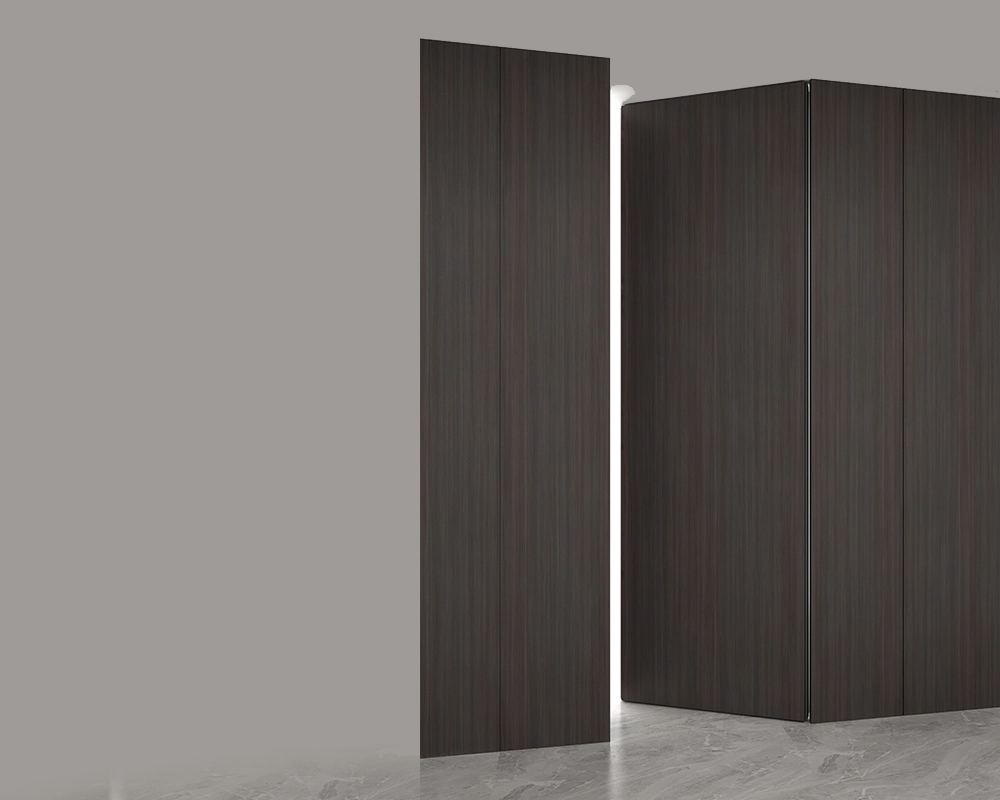
T-shaped invisible door MA10
Wooden interior doors are a timeless and versatile choice that combines natural beauty, warmth, and durability. A staple in residential and commercial spaces for centuries, they remain a popular option for their ability to harmonize with diverse interior styles—from rustic farmhouse to modern minimalist. Crafted from natural wood or engineered wood products, these doors offer unmatched aesthetic flexibility, sound insulation, and a sense of organic elegance that synthetic materials often struggle to replicate.
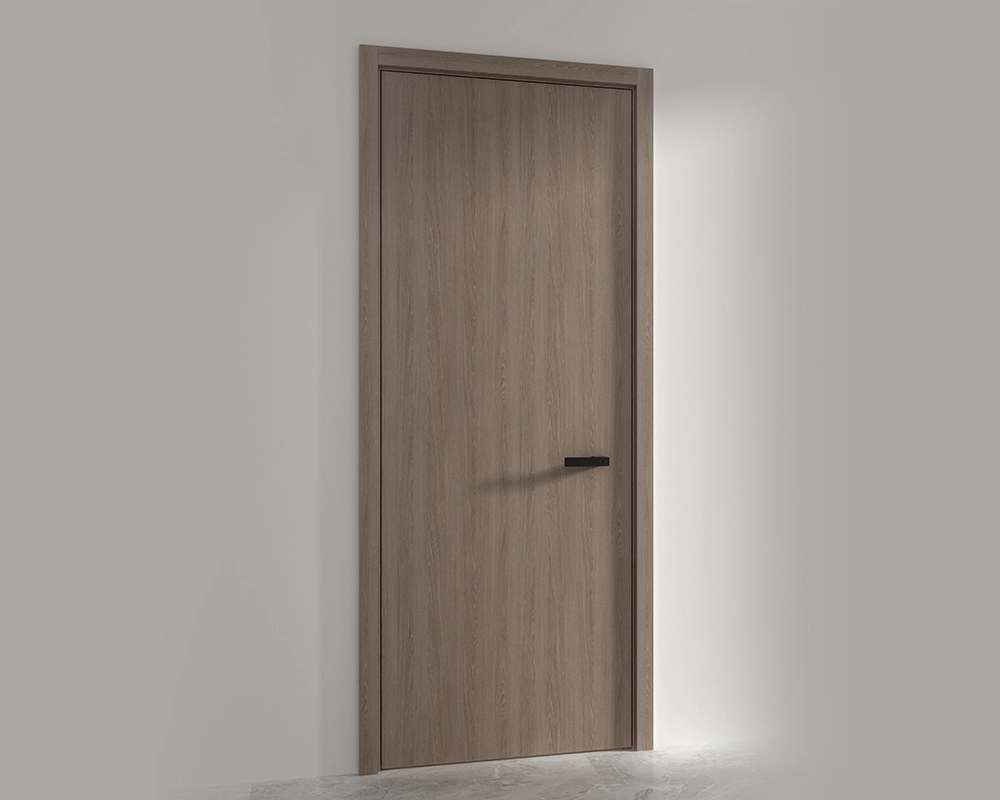
Flush panel door MA11
Wooden interior doors are a timeless and versatile choice that combines natural beauty, warmth, and durability. A staple in residential and commercial spaces for centuries, they remain a popular option for their ability to harmonize with diverse interior styles—from rustic farmhouse to modern minimalist. Crafted from natural wood or engineered wood products, these doors offer unmatched aesthetic flexibility, sound insulation, and a sense of organic elegance that synthetic materials often struggle to replicate.
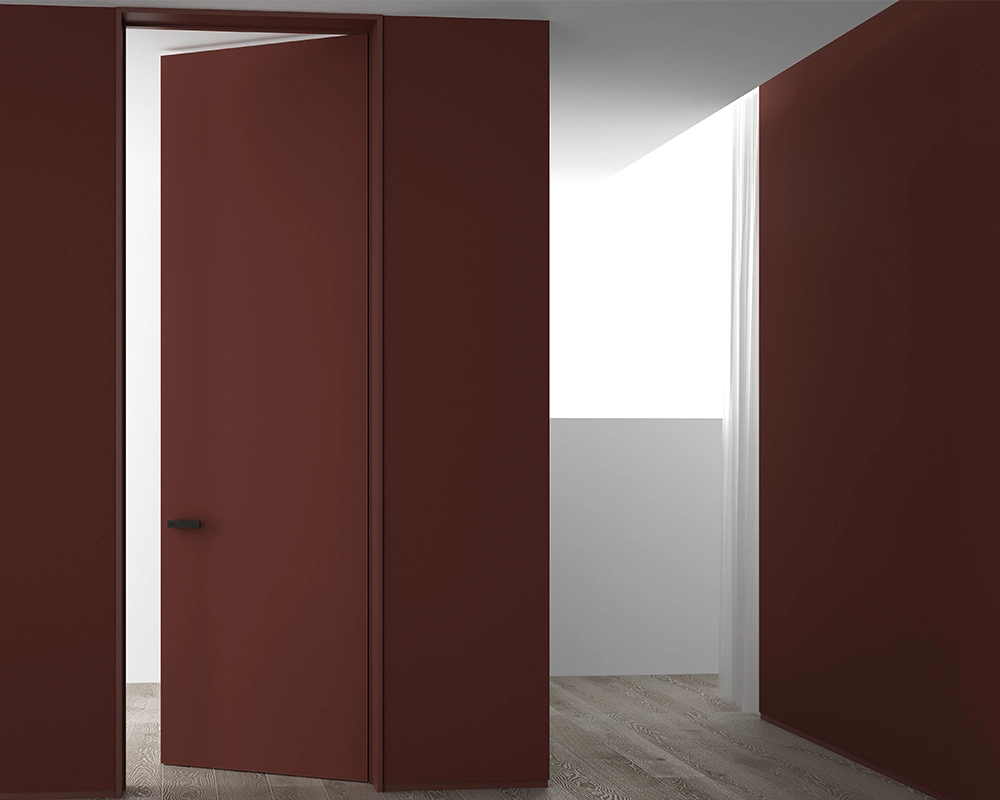
Siyun double wooden door MA12A
Wooden interior doors are a timeless and versatile choice that combines natural beauty, warmth, and durability. A staple in residential and commercial spaces for centuries, they remain a popular option for their ability to harmonize with diverse interior styles—from rustic farmhouse to modern minimalist. Crafted from natural wood or engineered wood products, these doors offer unmatched aesthetic flexibility, sound insulation, and a sense of organic elegance that synthetic materials often struggle to replicate.
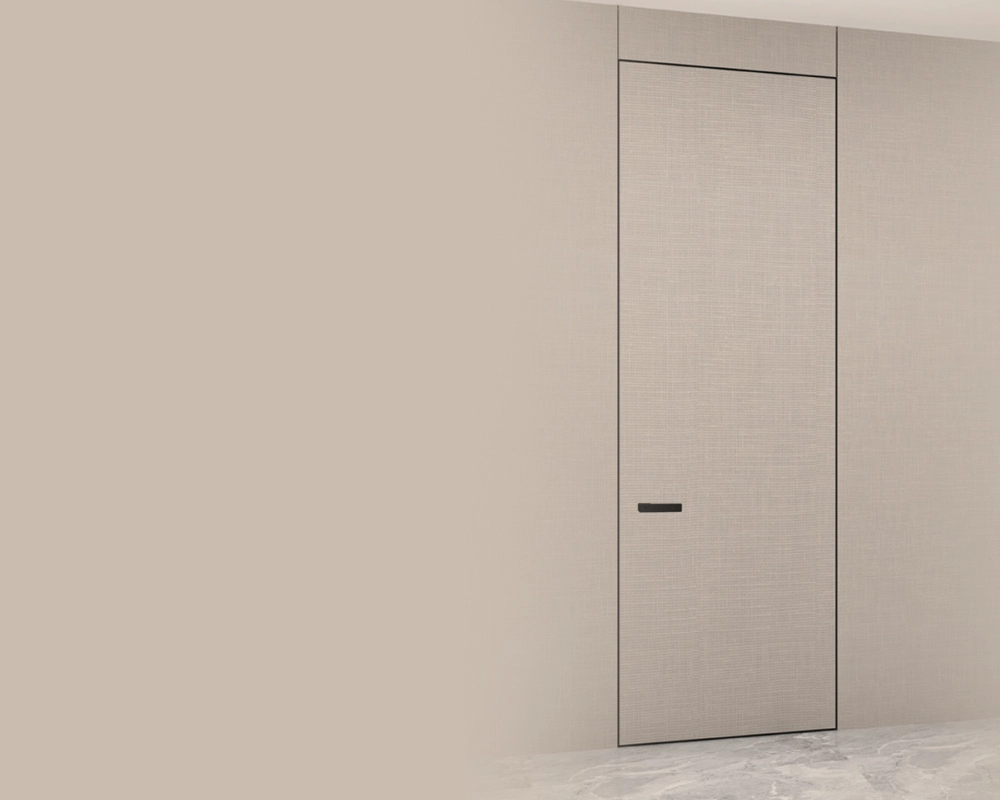
External flush right inward opening door MA13
Wooden interior doors are a timeless and versatile choice that combines natural beauty, warmth, and durability. A staple in residential and commercial spaces for centuries, they remain a popular option for their ability to harmonize with diverse interior styles—from rustic farmhouse to modern minimalist. Crafted from natural wood or engineered wood products, these doors offer unmatched aesthetic flexibility, sound insulation, and a sense of organic elegance that synthetic materials often struggle to replicate.

 Scan QR Code
FoshanMuranoCabinet
foshanmuranocabinet
Whatsapp: +8618814138020
Scan QR Code