
Aluminum vs Wood Frame Glass Doors: Which Is Better?
- Aluminum vs Wood Frame Glass Doors: Which Is Better?
- Why this comparison matters for your project — aluminum frame glass door vs wood
- What is an aluminum frame glass door? Product spotlight: Aluminum Frame Glass Hinged Door - MBB012
- Key comparison criteria: What to evaluate when choosing between aluminum frame glass door and wood frame glass door
- Strength and structural performance: aluminum frame glass door advantages
- Durability and lifespan: long-lasting aluminum frame glass door vs the needs of wood
- Thermal performance and energy efficiency: modern aluminum vs wood frame glass door
- Maintenance and long-term upkeep: lower upkeep for aluminum frame glass door
- Cost considerations: initial price vs life-cycle cost for aluminum frame glass door and wood
- Aesthetics and customization: design flexibility of aluminum frame glass door
- Security and hardware compatibility: robust performance for aluminum frame glass doors
- Sustainability: trade-offs between aluminum frame glass door and responsibly sourced wood
- Comparative table: objective side-by-side view
- When to choose an aluminum frame glass door (practical scenarios)
- When to choose a wood frame glass door
- Real-world performance: installation, glazing, and detailing matter more than material alone
- Brand advantages — why choose our Aluminum Frame Glass Hinged Door - MBB012
- Costs and specification tips when specifying an aluminum frame glass door
- FAQ — Frequently Asked Questions about Aluminum vs Wood Frame Glass Doors
- Q: Are aluminum frame glass doors energy efficient?
- Q: Do aluminum doors corrode in coastal areas?
- Q: How long do wood frame glass doors last compared to aluminum?
- Q: Which is more secure — aluminum or wood frame glass door?
- Q: Can I get custom sizes and finishes for the MBB012 aluminum door?
- How to decide: a short decision guide
- Contact us / View product
- References and Sources

Aluminum vs Wood Frame Glass Doors: Which Is Better?
Why this comparison matters for your project — aluminum frame glass door vs wood
Choosing between an aluminum frame glass door and a wood frame glass door affects appearance, long-term costs, energy performance, security, and maintenance. Whether you're specifying doors for a custom home, a commercial fit-out, or an outdoor living project, this detailed comparison will help you decide which material best meets your priorities.
What is an aluminum frame glass door? Product spotlight: Aluminum Frame Glass Hinged Door - MBB012
Aluminum-frame glass hinged doors are a timeless yet modern architectural solution that combines the strength of aluminum with the transparency and elegance of glass. Designed for both interior and exterior applications, these doors operate on a traditional hinge mechanism, offering a classic swinging motion while delivering contemporary performance. Ideal for entrances, patios, room dividers, or interior spaces, they blend functionality with sleek aesthetics, making them a versatile choice for residential, commercial, and industrial projects.
Product highlight — Aluminum Frame Glass Hinged Door - MBB012: a precision-engineered hinged door with a slim-profile aluminum frame, multi-point locking options, and glazing compatibility for thermal or acoustic requirements. It is designed for durability, low maintenance, and clean modern lines that maximize daylight and sightlines.
Key comparison criteria: What to evaluate when choosing between aluminum frame glass door and wood frame glass door
To make an informed decision, evaluate these criteria: structural strength, durability and lifespan, thermal performance, maintenance needs, cost (initial and life-cycle), aesthetics and customization, sustainability, and security. We'll walk through each factor and show where aluminum and wood typically differ.
Strength and structural performance: aluminum frame glass door advantages
Aluminum is a high-strength, lightweight metal. For larger glass panels and narrow sightlines, an aluminum frame is often superior because it supports greater glass spans with thinner profiles. This allows architects and homeowners to maximize glass area for natural light and unobstructed views.
Wood is structurally adequate for many door sizes but usually requires thicker members to match the strength of aluminum, which reduces glass area and can limit very large, frameless aesthetics.
Durability and lifespan: long-lasting aluminum frame glass door vs the needs of wood
Aluminum frames are inherently corrosion-resistant (especially when anodized or powder-coated) and are less prone to warping, swelling, or rot compared with wood. In exposed exterior conditions—coastal environments with salt spray, high humidity, or frequent storms—aluminum generally provides a longer trouble-free service life.
Wood doors can last decades when properly specified, treated, and maintained, but they are sensitive to moisture cycles, insect attack, and UV exposure. This translates to more frequent inspections, refinishing, and possible repairs over the life of the door.
Thermal performance and energy efficiency: modern aluminum vs wood frame glass door
Traditional aluminum conducts heat much more readily than wood (raw thermal conductivity of aluminum is hundreds of times higher than wood). However, modern aluminum systems use thermal breaks, polyamide isolators, and high-performance glazing to substantially improve energy performance.
Wood has better intrinsic insulation properties than bare aluminum and can perform very well with high-quality glazing. When energy efficiency is the top priority, both materials can meet high-performance targets if paired with appropriate glass, seals, and construction details. For code compliance and low U-values, test data from certified systems (NFRC-rated) should be used in specification.
Maintenance and long-term upkeep: lower upkeep for aluminum frame glass door
Aluminum doors require minimal maintenance: occasional cleaning of tracks and seals, periodic checking of hardware, and repainting only if a finish is cosmetically damaged. Powder-coated finishes can last many years with minimal care.
Wood frames need routine maintenance—sanding, repainting or re-staining, and vigilant sealing of joints and sills—to prevent moisture ingress. This adds ongoing cost and time, particularly in harsh climates.
Cost considerations: initial price vs life-cycle cost for aluminum frame glass door and wood
Initial material cost varies by species and finish for wood and by finish and framing complexity for aluminum. In many markets, basic wood doors can be cheaper upfront than high-performance aluminum systems, but long-term maintenance and replacement cycles can make wood more expensive over 10–20 years. Aluminum systems with thermal breaks and High Quality coatings may have higher initial costs but often lower total cost of ownership.
Aesthetics and customization: design flexibility of aluminum frame glass door
Wood offers warmth, texture, and the ability to mill detailed profiles and bespoke joinery—qualities prized in traditional and high-end residential projects. Wood can be stained or painted to match interior decor.
Aluminum offers sleek, minimalist profiles, consistent factory finishes, and a broad range of powder-coat colors. It is particularly suited to contemporary, industrial, or modern designs and provides precise, repeatable results for large projects or multi-unit developments.
Security and hardware compatibility: robust performance for aluminum frame glass doors
Aluminum frames—when engineered correctly—provide strong anchorage for multi-point locks, heavy-duty hinges, and oversized hardware without causing frame deformation. They are an excellent choice where high security and large glass panels are required.
Wood frames can also accept high-security hardware, but the material’s vulnerability to rot or degradation over time may reduce long-term security unless properly maintained and constructed.
Sustainability: trade-offs between aluminum frame glass door and responsibly sourced wood
Aluminum is highly recyclable; recycled aluminum requires far less energy to produce than primary aluminum. However, the primary production of aluminum is energy-intensive. Using recycled content, long service life, and recyclable end-of-life options improves aluminum’s environmental profile.
Wood can be a low-carbon material if sourced from responsibly managed forests (look for FSC certification). Wood’s embodied carbon can be lower than aluminum, but its longevity and maintenance needs influence its life-cycle impact.
Comparative table: objective side-by-side view
| Attribute | Aluminum Frame Glass Door | Wood Frame Glass Door |
|---|---|---|
| Strength / Thin Profiles | Excellent — supports large glass with slim sightlines | Good — thicker profiles usually required |
| Durability / Rot Resistance | High — corrosion-resistant finishes available | Moderate — prone to rot and insect damage if not maintained |
| Thermal Conductivity (typical) | High raw conductivity; mitigated with thermal breaks (see sources) | Low raw conductivity — inherently better insulator |
| Maintenance | Low — periodic cleaning and hardware check | Higher — refinishing and sealing required |
| Initial Cost | Variable — mid to high depending on thermal breaks/finish | Variable — often lower for basic options, higher for High Quality species |
| Life-cycle Cost | Often lower due to lower maintenance | Often higher due to maintenance and refinishing |
| Aesthetics | Modern, slim, consistent factory finish | Warm, traditional, unique wood grain |
| Sustainability | Recyclable — watch for recycled content and finish | Potentially low carbon if FSC-certified and maintained |
Data sources: see references at the end. For thermal conductivity values of common materials, consult engineering material tables to see the difference in raw thermal conductivity between aluminum and wood (Engineering Toolbox).
When to choose an aluminum frame glass door (practical scenarios)
- You need large glass panels with thin frames to maximize daylight and views.
- The door is exposed to coastal or humid environments where wood maintenance would be onerous.
- You require a low-maintenance solution with consistent factory finishes and long-term dimensional stability.
- Security and hardware integration for heavy-duty locks is a priority.
- Your design calls for a modern, minimalist aesthetic.
When to choose a wood frame glass door
- You prioritize natural warmth, texture, and the craft of fine joinery.
- Your project is interior or in a controlled environment where maintenance is manageable.
- You want to use sustainably sourced timber with low embodied carbon and a natural finish.
- The architectural style is traditional, period, or craftsman and wood is an integral part of the look.
Real-world performance: installation, glazing, and detailing matter more than material alone
Whichever frame material you choose, performance depends heavily on correct detailing: proper sill flashing, high-quality seals and weatherstripping, NFRC-rated glazing, and professional installation. An aluminum frame glass door with poor installation will perform worse than a well-detailed wood door, and vice versa.
Brand advantages — why choose our Aluminum Frame Glass Hinged Door - MBB012
When selecting an aluminum frame glass door, consider manufacturer reputation, test data, and warranty. Our Aluminum Frame Glass Hinged Door - MBB012 delivers several practical advantages:
- Precision-engineered slim profiles that maximize glass without compromising strength.
- Available with thermal break systems and NFRC-rated glazing options for excellent energy performance.
- Durable powder-coat and anodized finishes for long-term color stability and corrosion resistance.
- Multiple locking and hardware configurations including multi-point locking for enhanced security.
- Custom sizing and factory glazing for consistent quality and fast installation.
- Comprehensive warranty and technical support, plus guidance on specifying for different climates and building codes.
Costs and specification tips when specifying an aluminum frame glass door
To get the best value, specify the right glass and thermal options for your climate. In cold climates, pair aluminum frames with low-e coatings, insulated glazing units (double or triple glazing), and verified thermal breaks. For humid or coastal locations, choose marine-grade finishes and regular hardware corrosion protection.
FAQ — Frequently Asked Questions about Aluminum vs Wood Frame Glass Doors
Q: Are aluminum frame glass doors energy efficient?
A: Yes — modern aluminum doors with thermal breaks and high-performance glazing can meet stringent energy codes and offer energy performance comparable to many wood-framed systems. Always use NFRC-rated assemblies for accurate U-factor and solar heat gain information.
Q: Do aluminum doors corrode in coastal areas?
A: Aluminum resists rust (it forms a protective oxide layer), and quality anodized or powder-coat finishes plus stainless-steel hardware significantly reduce corrosion risk. In severe marine exposures, specify marine-grade finishes and scheduled maintenance to extend life.
Q: How long do wood frame glass doors last compared to aluminum?
A: Properly maintained wood doors can last decades, but they require routine refinishing, sealing, and protection from moisture. Aluminum often provides longer low-maintenance service life, especially outdoors.
Q: Which is more secure — aluminum or wood frame glass door?
A: Both can be secure when correctly specified. Aluminum frames can be more dimensionally stable and better at supporting robust locking hardware over time, which is an advantage in high-security applications.
Q: Can I get custom sizes and finishes for the MBB012 aluminum door?
A: Yes. The Aluminum Frame Glass Hinged Door - MBB012 is available in custom sizes, a range of powder-coat colors, anodized finishes, and multiple glazing and hardware options to meet design and performance needs.
How to decide: a short decision guide
1) Prioritize performance and low maintenance? Choose aluminum with thermal break glazing. 2) Prioritize natural aesthetics and are willing to maintain? Consider wood. 3) Need large uninterrupted glass and modern minimal frames? Aluminum is usually the best fit. 4) Concerned about embodied carbon and sustainable sourcing? Seek FSC-certified wood or aluminum with high recycled content and confirm life-cycle assessments.
Contact us / View product
Ready to compare assemblies for your project or see samples? Contact our sales team to discuss Aluminum Frame Glass Hinged Door - MBB012, request performance data (NFRC ratings, U-values, STC where applicable), or schedule a sample. Our technical staff can help you specify glazing, thermal options, and hardware to meet your design and code requirements.
References and Sources
- Engineering Toolbox — Thermal Conductivity of Materials: https://www.engineeringtoolbox.com/thermal-conductivity-d_429.
- U.S. Department of Energy — Energy Saver: Energy-Efficient Windows: https://www.energy.gov/energysaver/energy-efficient-windows
- National Fenestration Rating Council (NFRC): https://www.nfrc.org/
- This Old House — Choosing Exterior Doors (maintenance and material considerations): https://www.thisoldhouse.com/doors/21015388/choose-the-right-front-door
- Forest Stewardship Council (FSC) — Sustainable wood sourcing: https://fsc.org/
- American Architectural Manufacturers Association (AAMA) — Performance standards for fenestration products: https://www.aamanet.org/
- Consumer Reports — Doors buying advice (overview of materials and maintenance): https://www.consumerreports.org/cro/doors.htm
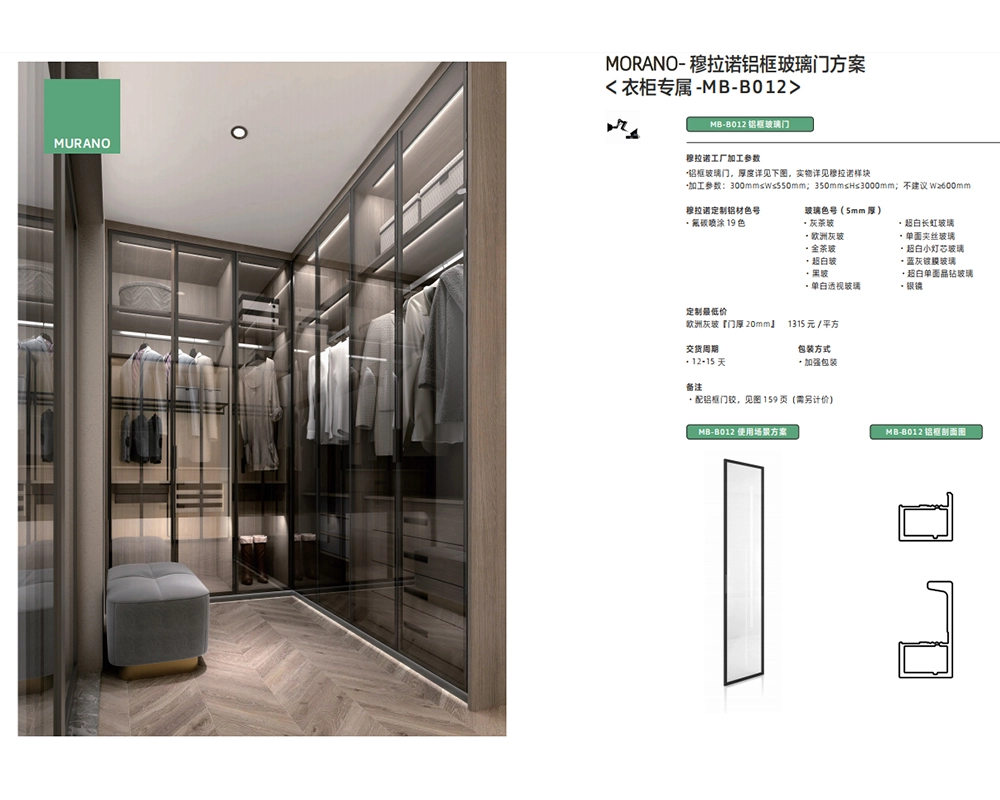
Aluminum Frame Glass Doors: Benefits for Custom Kitchens
Where to Buy home library bookcase
Custom home furniture design tv cabinet Manufacturers and Suppliers
Why choose MURANO as your beautiful home wine cellars supplier
FAQ
What's MOQ for our kitchen cabinets, wardrobe cabinets or bathroom cabinets?
1 set.
Can we produce products according to customer's room size?
Yes. All our cabinets are custom size.
What's the payment terms of all our products?
T/T (30% inadvance, the balance shall be paid off before delivery), Western Union or L/C.
Can we ship the furniture cabinets to customer's port or city?
Yes. Please provide the city name or port name when you send us an inquiry.
What information are needed for getting a quote for our furniture cabinets?
Your size infomation or room drawings.
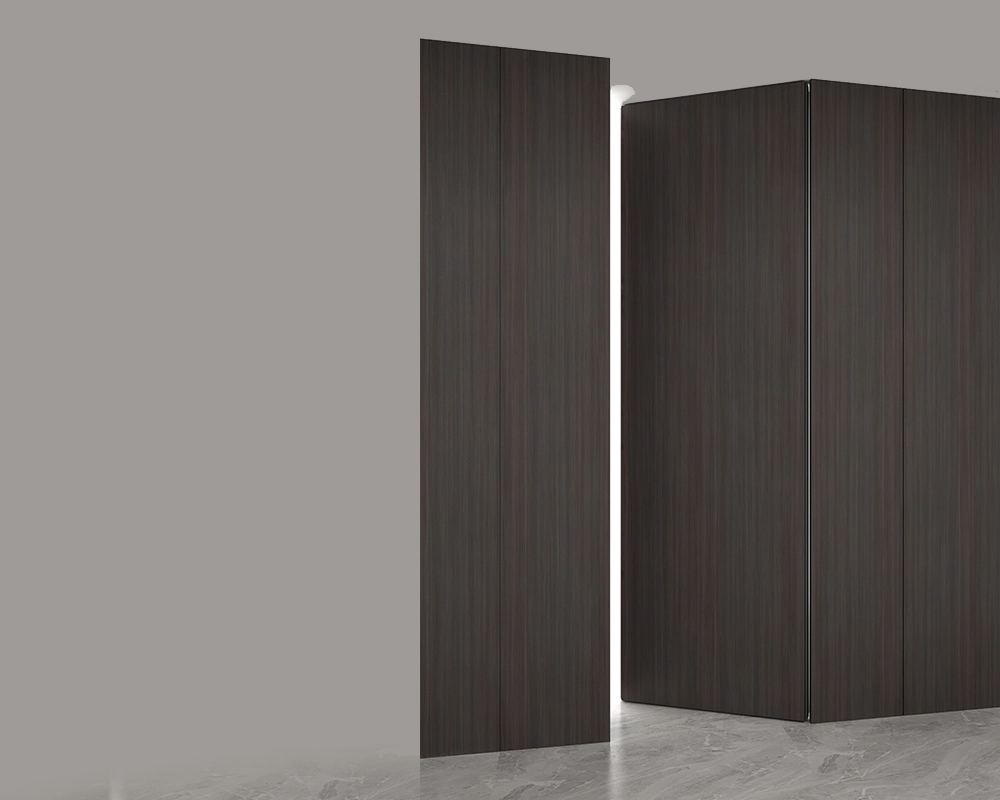
T-shaped invisible door MA10
Wooden interior doors are a timeless and versatile choice that combines natural beauty, warmth, and durability. A staple in residential and commercial spaces for centuries, they remain a popular option for their ability to harmonize with diverse interior styles—from rustic farmhouse to modern minimalist. Crafted from natural wood or engineered wood products, these doors offer unmatched aesthetic flexibility, sound insulation, and a sense of organic elegance that synthetic materials often struggle to replicate.
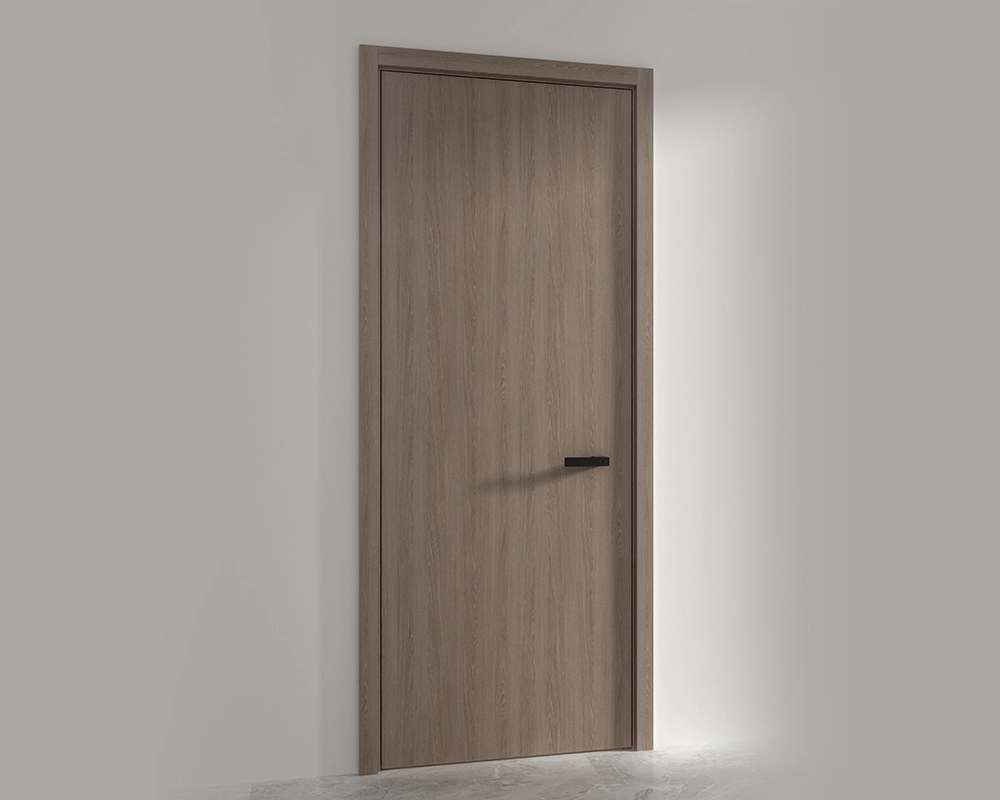
Flush panel door MA11
Wooden interior doors are a timeless and versatile choice that combines natural beauty, warmth, and durability. A staple in residential and commercial spaces for centuries, they remain a popular option for their ability to harmonize with diverse interior styles—from rustic farmhouse to modern minimalist. Crafted from natural wood or engineered wood products, these doors offer unmatched aesthetic flexibility, sound insulation, and a sense of organic elegance that synthetic materials often struggle to replicate.
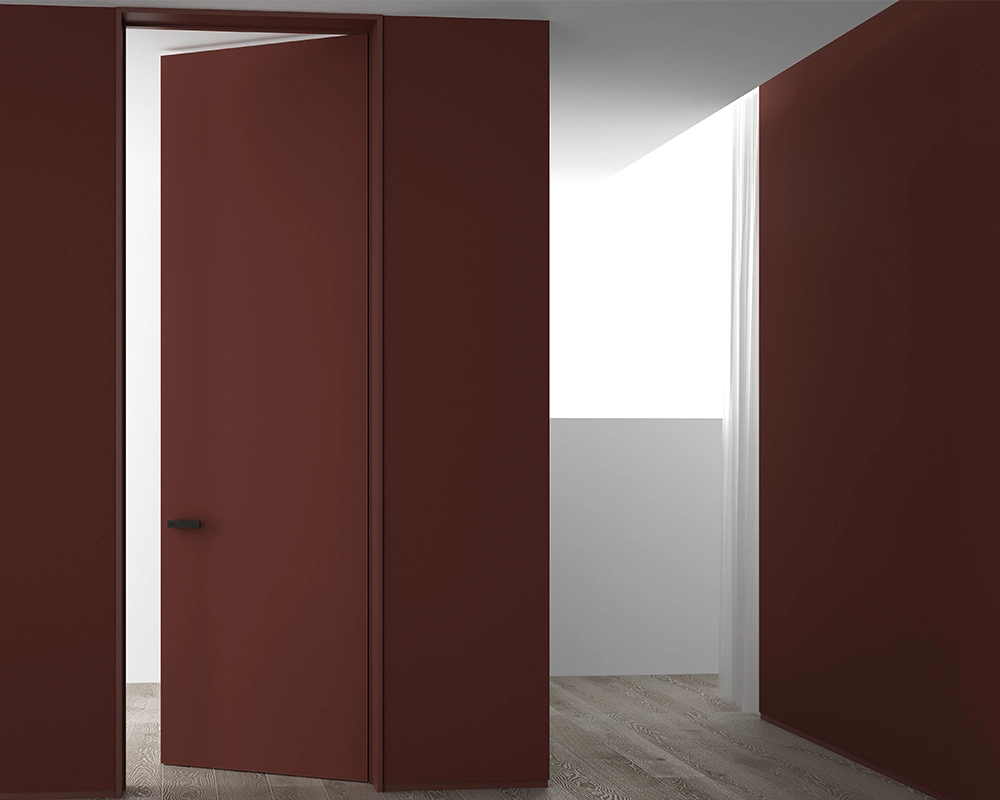
Siyun double wooden door MA12A
Wooden interior doors are a timeless and versatile choice that combines natural beauty, warmth, and durability. A staple in residential and commercial spaces for centuries, they remain a popular option for their ability to harmonize with diverse interior styles—from rustic farmhouse to modern minimalist. Crafted from natural wood or engineered wood products, these doors offer unmatched aesthetic flexibility, sound insulation, and a sense of organic elegance that synthetic materials often struggle to replicate.
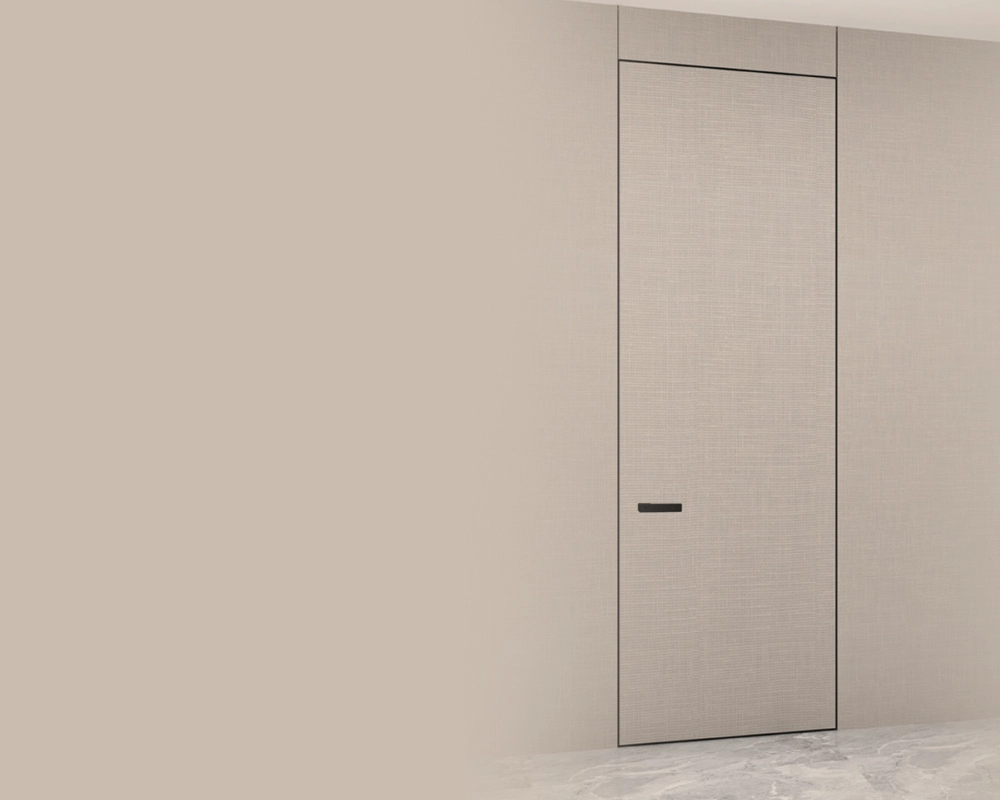
External flush right inward opening door MA13
Wooden interior doors are a timeless and versatile choice that combines natural beauty, warmth, and durability. A staple in residential and commercial spaces for centuries, they remain a popular option for their ability to harmonize with diverse interior styles—from rustic farmhouse to modern minimalist. Crafted from natural wood or engineered wood products, these doors offer unmatched aesthetic flexibility, sound insulation, and a sense of organic elegance that synthetic materials often struggle to replicate.

 Scan QR Code
FoshanMuranoCabinet
foshanmuranocabinet
Whatsapp: +8618814138020
Scan QR Code