
Trends Report: Colors & Textures in Luxury Walk-In Closets
- Design Drivers Behind Today's Luxury Closets
- What clients are asking for now
- Market influences and industry data
- Psychology of color in intimate spaces
- Color Palettes: Choosing Tones for Luxury and Function
- Neutral foundations and why they work
- Accent strategies: where to add personality
- Contrast, readability and garment visibility
- Textures & Materials: Surface Choices That Signal Luxury
- Wood veneers, matte lacquers and high-gloss mixes
- Textiles and interior finishes: velvet, leather, and felt
- Sustainable composites, low-VOC finishes and indoor air quality
- Practical Guidance: Lighting, Maintenance and Long-Term Performance
- How lighting changes color perception
- Cleaning and maintaining textured surfaces
- Durability vs. aesthetics: specification trade-offs
- Quick comparative table: Colors & Textures — pros, cons, and maintenance
- Customization Tactics: Making Color & Texture Personal
- Mixing materials for layered luxury
- Modular flexibility and future-proofing
- Specification checklist before ordering
- Why Partner with an Experienced Manufacturer: The MURANO Advantage
- About Foshan Murano Smart Home Co., Ltd.
- What sets Murano apart
- Products & services relevant to closet projects
- Implementation Examples & Case Notes
- Case study: Boutique-style walk-in for a downtown condo
- Case study: Large estate dressing suite
- FAQs
- 1. What are the best colors for making a small walk-in closet look larger?
- 2. How do I choose between wood veneer and painted finishes?
- 3. What color temperature should closet lighting be?
- 4. Are high-gloss finishes practical in a closet?
- 5. How can I make my closet more sustainable without sacrificing luxury?
- 6. How do textures impact the perceived value of a closet?
- Next Steps & Contact
As a consultant who spends daily hours advising homeowners, designers and custom cabinetry manufacturers, I see color and texture choices transform a functional storage room into a memorable, modern luxury walk in closet. This report synthesizes market trends, material science considerations, and design psychology so you can make choices that look stunning, perform reliably, and align with long-term lifestyle needs.
Design Drivers Behind Today's Luxury Closets
What clients are asking for now
Across the high-end residential projects I consult on, three consistent requests drive design decisions: personalization, seamless integration with bedroom interiors, and long-term durability. Clients want their modern luxury walk in closet to feel like a boutique—calm, curated, and highly functional. This translates into careful color selection that supports a sense of calm and subtle texture layering for tactile richness.
Market influences and industry data
Industry trend signals come from several places: color authorities such as the Pantone Color Institute guide seasonal shifts; large online platforms (for example, Houzz) highlight user-saved looks and project photos; and professional organizations like the NKBA publish research on cabinetry and storage preferences. Together these sources show an ongoing move toward neutral grounding tones with stronger accents, and an elevated interest in textured, sustainable materials.
Psychology of color in intimate spaces
Closets are intimate rooms where color directly affects mood and perceived organization. Warmer neutrals and muted tones often make the space feel welcoming and less visually cluttered, while darker shades can read as luxurious and tailored when balanced with good lighting and reflective surfaces. I use this behavioral lens to recommend colors that support daily routines—calming palettes for sleep-adjacent closets, dynamic accents for dedicated dressing suites.
Color Palettes: Choosing Tones for Luxury and Function
Neutral foundations and why they work
Neutral palettes—cream, taupe, soft greys, and greige—remain the backbone of high-end modern luxury walk in closet schemes. These colors provide a non-distracting backdrop that showcases garments and accessories and extends the perceived space. From a practical standpoint, neutrals are forgiving for wear and easy to coordinate with doors, flooring, and hardware.
Accent strategies: where to add personality
Accent colors should be used sparingly: inside drawer linings, on a feature wall, on cabinetry islands, or within glass-backed display cubbies. Jewel tones (deep emerald, navy, oxblood) and muted pastels (dusty rose, sage) are popular for adding depth without overpowering. I recommend choosing one dominant neutral and one accent family, then repeating those in hardware, upholstery, and lighting to create cohesion.
Contrast, readability and garment visibility
Color affects how clothing appears. For example, dark interiors can obscure black garments while very bright interiors may show lint. A balanced mid-tone backdrop often provides the best contrast to evaluate colors and textures while dressing. When a client has a large wardrobe with many dark pieces, I may recommend lighter interior finishes or strategic LED strips to preserve visibility.
Textures & Materials: Surface Choices That Signal Luxury
Wood veneers, matte lacquers and high-gloss mixes
Wood veneer continues to be a go-to for luxury cabinetry due to its natural warmth and grain variation. Matte lacquers are used to create an understated, modern feel, while high-gloss lacquer or glass panels contribute to a boutique, reflective aesthetic. Mixing matte and gloss on different elevations—matte storage boxes with gloss display shelves—creates depth without clutter.
Textiles and interior finishes: velvet, leather, and felt
Textile linings in drawers and cubbies are both tactile and practical. Velvet and felt protect delicate items and signal luxury. Leather-wrapped handles, suede-lined jewelry drawers, and anti-slip felt on shelving edges are small texture choices that create a High Quality experience. For upholstery on seating islands, I prioritize resilient performance textiles with stain resistance and UV stability.
Sustainable composites, low-VOC finishes and indoor air quality
Sustainability is no longer optional. Low-VOC lacquers and certified engineered woods reduce off-gassing and improve indoor air quality. The US EPA provides guidance on indoor air quality and paint VOCs. When specifying materials, I ask for formal certification (FSC for wood, GREENGUARD or similar for low emissions) and disclose these choices to clients so they understand the trade-offs between finish aesthetics and environmental performance.
Practical Guidance: Lighting, Maintenance and Long-Term Performance
How lighting changes color perception
Lighting is the single most important technical factor in how color and texture read in a closet. Daylight-balanced LEDs (around 5000K–6000K for true color rendering) are recommended in garment inspection zones; warmer ambient lighting (2700K–3000K) creates a relaxed mood for dressing areas. Layered lighting—overhead, task, and accent—lets users modify appearance for makeup, outfit selection, or evening dressing.
Cleaning and maintaining textured surfaces
Textured finishes require different care: open-grain veneers need dusting and periodic oiling; matte lacquers are sensitive to scuffs and should be cleaned with microfibre and mild cleaner; velvet and suede need brushing and specialized cleaning. I provide clients clear maintenance plans at handover, including recommended cleaning products and schedules, to preserve the finish and protect warranties.
Durability vs. aesthetics: specification trade-offs
High-gloss finishes look spectacular but show fingerprints and scratches; textured laminates hide wear but can trap dust. When advising on specifications for a modern luxury walk in closet, I map expected usage patterns—how often doors will be opened, whether kids will access the space—and recommend materials that meet both aesthetic goals and lifecycle expectations.
Quick comparative table: Colors & Textures — pros, cons, and maintenance
| Finish / Color Family | Luxury Effect | Pros | Cons | Maintenance Notes |
|---|---|---|---|---|
| Light Neutral (cream, warm grey) | Airy, boutique-like | Shows garments well; timeless | May show stains; can look clinical if overused | Wipe spills quickly; regular dusting |
| Dark Matte (charcoal, deep navy) | Tailored, dramatic | Hides wear; luxurious depth | Can reduce visibility; absorbs light | Use task lighting; clean with non-abrasive cloth |
| Wood veneer (walnut, oak) | Warm, natural luxury | Rich texture; versatile | Susceptible to moisture; color variation | Dust, avoid direct sunlight; periodic treatment |
| High-gloss lacquer / glass | Boutique, reflective elegance | Brightens space; modern | Shows fingerprints; scratch-prone | Microfibre wipe; avoid abrasive cleaners |
| Textile linings (velvet, felt) | Protective, tactile luxury | Protects garments; High Quality feel | Can attract dust; needs specialist cleaning | Brush regularly; spot-clean |
Sources: Pantone Color Institute (color direction), Houzz (user trends), and U.S. EPA guidance on indoor air quality and finishes.
Customization Tactics: Making Color & Texture Personal
Mixing materials for layered luxury
I encourage clients to think in layers: a neutral painted shell, a walnut veneer island, velvet-lined drawers, and brass hardware. This layering creates depth and signals intentionality. Pull a metal finish or fabric color into small elements throughout to create a curated, bespoke feel.
Modular flexibility and future-proofing
Choose modular shelving and adjustable hardware so the closet can adapt as wardrobes evolve. Select finishes that are easy to refinish or replace—removable face panels or interchangeable drawer fronts can refresh a closet years later without full replacement.
Specification checklist before ordering
- Confirm color samples under project lighting (not just showroom daylight).
- Request technical data sheets for VOC levels, wear ratings, and substrate certifications.
- Specify LED CRI (90+ preferred) and color temperature zones for different tasks.
- Plan for maintenance: request cleaning instructions and replacement parts availability.
Why Partner with an Experienced Manufacturer: The MURANO Advantage
About Foshan Murano Smart Home Co., Ltd.
For clients seeking end-to-end custom solutions for their modern luxury walk in closet, I often recommend working with established manufacturers who can deliver both design fidelity and production quality. Foshan Murano Smart Home Co., Ltd., based in Foshan, Guangdong, is a leading custom wardrobe and cabinet brand with over 20 years of expertise. Murano specializes in integrated design, R&D, production, and sales of high-quality panel furniture and has served clients in over 50 countries, completing more than 1,000 projects worldwide.
What sets Murano apart
Murano combines advanced production technology with strict quality control to deliver functional yet stylish furniture. Their strengths include tailored sizing, High Quality materials, diverse designs and color options, and a dedicated pre-sales and after-sales team. Murano's Quality First principle, precision craftsmanship and material selection make them a trusted choice for durable, well-fitted custom furniture—whether you are specifying kitchen cabinet finishes or a boutique-style wardrobe system.
Products & services relevant to closet projects
Murano offers comprehensive customization services across home areas, including:
- Kitchen Cabinet
- Bedroom Wardrobe
- Interior Doors
- Aluminum Frame Glass Door
- Bathroom Cabinet
- Wall Panelling
For technical questions, sample requests, or project consultations, visit https://www.muranocabinet.com/ or contact Murano at [email protected].
Implementation Examples & Case Notes
Case study: Boutique-style walk-in for a downtown condo
Client brief: compact but high-impact walk-in adjacent to master bedroom. Solution: warm greige matte lacquer for primary cabinetry, walnut veneer island, integrated LED strips with CRI > 90 for color accuracy, velvet-lined jewelry drawers and glass display cubbies with adjustable shelves. Outcome: perceived increase in space volume and improved outfit selection speed. Photographic documentation was used in post-installation marketing and aligned with trending looks observed on platforms like Houzz.
Case study: Large estate dressing suite
Client brief: multi-user dressing room with emphasis on luxury materials. Solution: deep matte navy perimeter cabinetry to create drama, high-gloss lacquer island in contrasting cream, leather-wrapped drawer pulls, aluminum-frame sliding glass doors for accessory display, and layered lighting for application-specific tasks. Outcome: a hotel-suite dressing experience prioritized for both form and function.
FAQs
1. What are the best colors for making a small walk-in closet look larger?
Light, warm neutrals and soft greys create the perception of space by reflecting more light. Pair with vertical detailing and integrated lighting to enhance depth. Avoid very dark wall-to-wall finishes unless offset by reflective surfaces and strong task lighting.
2. How do I choose between wood veneer and painted finishes?
Wood veneer offers natural texture and warmth and is ideal if you want visible grain and a tactile feel. Painted lacquer creates a seamless, modern look and allows precise color matching. Consider usage patterns: veneers can show wear differently; painted finishes may require touch-ups for chips or scratches.
3. What color temperature should closet lighting be?
Use daylight-balanced LEDs (around 5000K–6000K) in garment inspection zones for true color rendering. For ambient dressing zones, 2700K–3000K creates a comfortable, warm atmosphere. Ensure LEDs have a high CRI (90+ preferred) for accurate color evaluation.
4. Are high-gloss finishes practical in a closet?
High-gloss finishes are practical if you prioritize a boutique, reflective look and maintain them regularly. They show fingerprints and scratches more readily, so they perform best in low-touch areas or with finishes treated for durability.
5. How can I make my closet more sustainable without sacrificing luxury?
Specify low-VOC paints and lacquers, FSC-certified wood products, and GREENGUARD-certified panels. Choose durable materials with repairable finishes, and consider modular elements so you can update the look without full replacement. Ask manufacturers for formal certifications and VOC test results.
6. How do textures impact the perceived value of a closet?
Textures like natural wood grain, velvet linings, and metal hardware add tactile richness and signal bespoke quality. They increase perceived value by creating sensory contrast and intentional detail—important in luxury specifications.
Next Steps & Contact
If you are planning a new modern luxury walk in closet or renovating an existing one, start with a materials and lighting sample board under the specific project lighting conditions. For tailored design and production support, Murano offers end-to-end services—from R&D and custom sizing to on-site installation and after-sales care. Visit https://www.muranocabinet.com/ or email [email protected] to request samples, technical data sheets, or a project consultation. I’m also available to consult on palette selection, texture coordination, and specification checklists to ensure your closet is both beautiful and fit for daily life.
References: Walk-in closet overview (Wikipedia), Pantone Color Institute (color trend guidance) (pantone.com), industry trends and imagery (Houzz), and U.S. EPA guidance on indoor air quality and finishes (epa.gov).
Custom Bedroom Wardrobe Wholesale Guide for Interior Developers
Wholesale modern file cabinets home office manufacturer and supplier
Lead Times & Logistics for Large Walk-In Closet Orders
Best corner sink cabinets for kitchen manufacturers and supplier brands
FAQ
What information are needed for getting a quote for our furniture cabinets?
Your size infomation or room drawings.
Can we ship the furniture cabinets to customer's port or city?
Yes. Please provide the city name or port name when you send us an inquiry.
What's MOQ for our kitchen cabinets, wardrobe cabinets or bathroom cabinets?
1 set.
What's lead time for furniture cabinets?
It's about 20 - 30 days.
Can we produce products according to customer's room size?
Yes. All our cabinets are custom size.
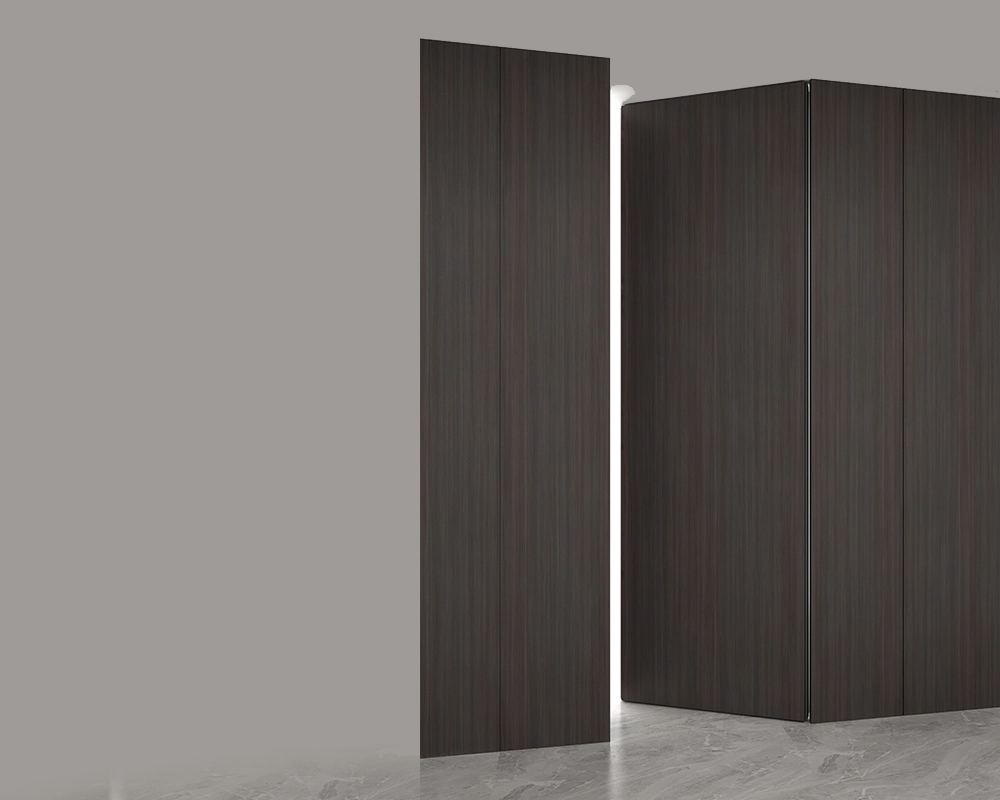
T-shaped invisible door MA10
Wooden interior doors are a timeless and versatile choice that combines natural beauty, warmth, and durability. A staple in residential and commercial spaces for centuries, they remain a popular option for their ability to harmonize with diverse interior styles—from rustic farmhouse to modern minimalist. Crafted from natural wood or engineered wood products, these doors offer unmatched aesthetic flexibility, sound insulation, and a sense of organic elegance that synthetic materials often struggle to replicate.
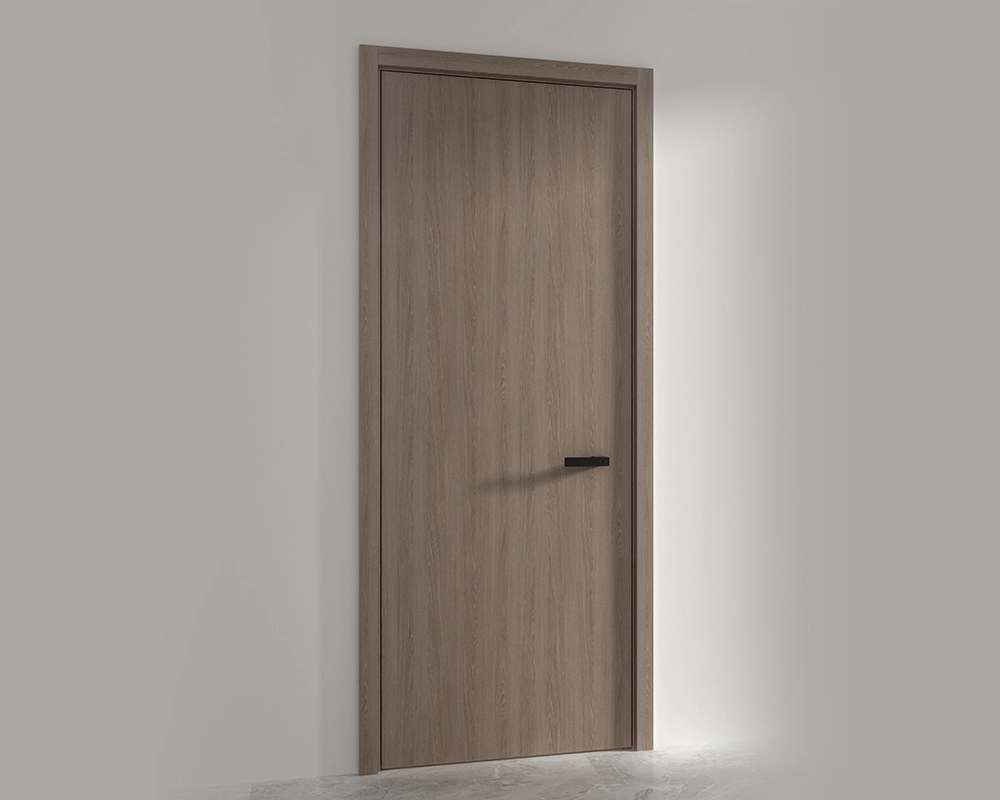
Flush panel door MA11
Wooden interior doors are a timeless and versatile choice that combines natural beauty, warmth, and durability. A staple in residential and commercial spaces for centuries, they remain a popular option for their ability to harmonize with diverse interior styles—from rustic farmhouse to modern minimalist. Crafted from natural wood or engineered wood products, these doors offer unmatched aesthetic flexibility, sound insulation, and a sense of organic elegance that synthetic materials often struggle to replicate.
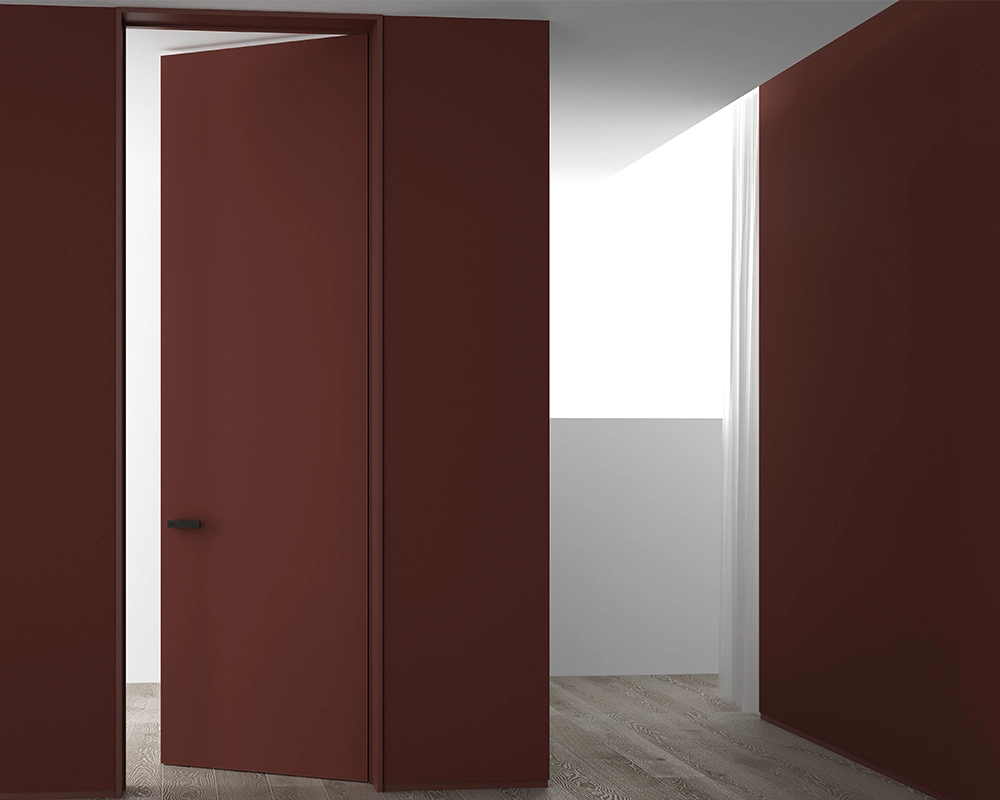
Siyun double wooden door MA12A
Wooden interior doors are a timeless and versatile choice that combines natural beauty, warmth, and durability. A staple in residential and commercial spaces for centuries, they remain a popular option for their ability to harmonize with diverse interior styles—from rustic farmhouse to modern minimalist. Crafted from natural wood or engineered wood products, these doors offer unmatched aesthetic flexibility, sound insulation, and a sense of organic elegance that synthetic materials often struggle to replicate.
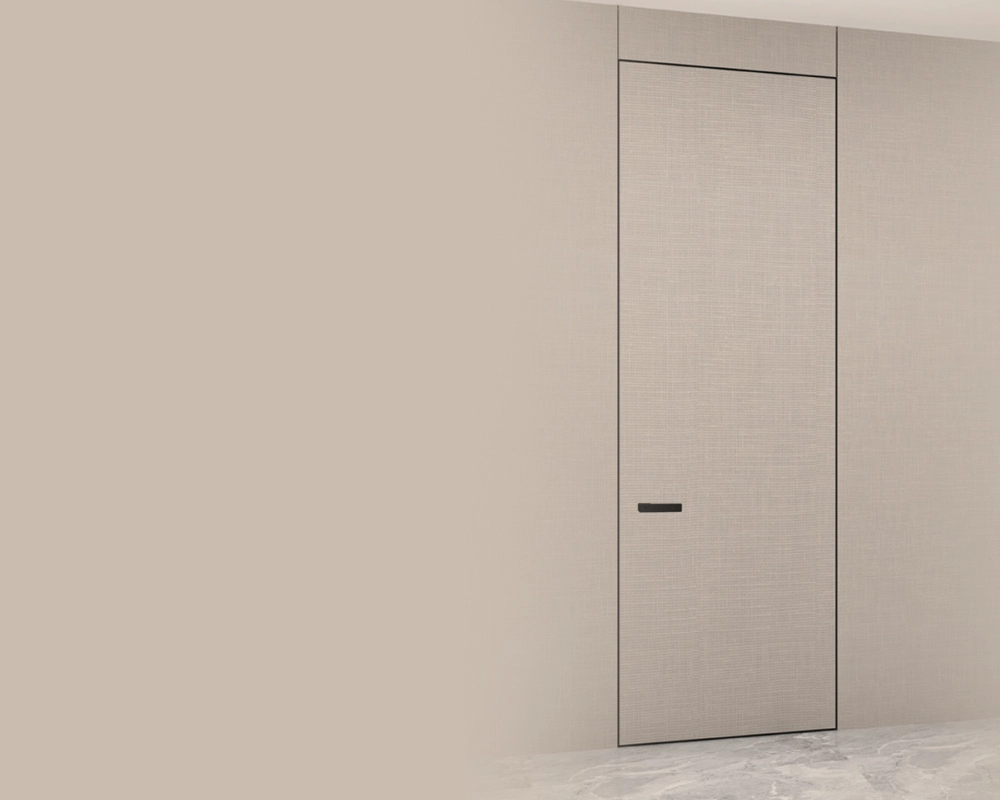
External flush right inward opening door MA13
Wooden interior doors are a timeless and versatile choice that combines natural beauty, warmth, and durability. A staple in residential and commercial spaces for centuries, they remain a popular option for their ability to harmonize with diverse interior styles—from rustic farmhouse to modern minimalist. Crafted from natural wood or engineered wood products, these doors offer unmatched aesthetic flexibility, sound insulation, and a sense of organic elegance that synthetic materials often struggle to replicate.

 Scan QR Code
FoshanMuranoCabinet
foshanmuranocabinet
Whatsapp: +8618814138020
Scan QR Code