
Custom Bedroom Wardrobe Wholesale Guide for Interior Developers
- Understanding developer needs and project constraints
- Project types and scope
- Space planning, tolerances and integration
- User needs and lifecycle expectations
- Design & technical specifications for wholesale custom wardrobes
- Materials: panels, edges and surfaces
- Hardware and internal fittings
- Design for manufacture and installation (DFMI)
- Manufacturing, quality control & compliance
- Quality standards and certifications
- Environmental and health standards
- Factory audits and sample approvals
- Sourcing, pricing, lead times and supplier selection
- Typical commercial terms and what to negotiate
- Comparing materials and cost-performance
- Supplier evaluation checklist
- Working with Foshan Murano Smart Home Co., Ltd. (supplier spotlight)
- Why I recommend Murano for developer projects
- Products, services and technical strengths
- How to engage Murano for wholesale projects
- Logistics, installation and after-sales
- Packing, shipping and customs considerations
- On-site coordination and installation
- Warranty and maintenance
- FAQ
- Q: What is the typical lead time for wholesale custom bedroom wardrobes?
- Q: How do I choose between plywood, MDF and particleboard?
- Q: What certifications should I request from a supplier?
- Q: Can a single supplier handle both kitchen cabinets and bedroom wardrobes for a project?
- Q: What are reasonable warranty terms for wholesale wardrobes?
- Next steps & contact
As an interior developer and consultant with years of hands-on experience in specifying and sourcing custom bedroom wardrobe systems for projects across multiple countries, I wrote this guide to help you make procurement decisions that reduce risk, control cost, and deliver quality built-in wardrobes that satisfy both form and function. The content below combines design guidance, manufacturing and compliance checkpoints, realistic commercial terms, and a supplier checklist you can use when evaluating wholesale partners for bespoke bedroom wardrobes.
Understanding developer needs and project constraints
Project types and scope
Different projects demand different wardrobe strategies. For high-end apartments and villas I specify fully bespoke fitted wardrobes with solid cores, matching wall panelling, integrated lighting and hardware such as soft-close hinges and concealed runners. For mid-market residential blocks, modular panel furniture with configurable modules (hanging, shelving, drawers) and economical face materials can offer the best cost-to-performance ratio. For fast-turnaround projects like rental apartments, pre-engineered modular wardrobes with limited finishes accelerate installation and lower defects.
Space planning, tolerances and integration
Accurate site dimensions and tolerance planning are critical. I insist on site verification or laser measurement before final production drawings. Typical allowances: leave at least 2–3 mm per linear meter for uneven walls when designing floor-to-ceiling wardrobes, and plan for 10–20 mm around skirting or ceiling coves. These small tolerances prevent rework and field modifications that inflate costs and delay handover.
User needs and lifecycle expectations
Wardrobe systems are used daily and must withstand repeated use. Ask: who are the end users, what storage typologies do they need (long-hang, short-hang, shoe storage, accessories), and what lifecycle do you expect (5, 10, 20 years)? For developer projects I commonly recommend designs with replaceable internal modules and accessible fixing points to enable future maintenance or upgrades.
Design & technical specifications for wholesale custom wardrobes
Materials: panels, edges and surfaces
The choice of panel material drives cost, durability and finish options. From my experience, the common panel types are plywood, MDF (medium-density fibreboard), and particleboard/PB with melamine. Each has trade-offs for strength, screw-holding capacity, dimensional stability, and finish compatibility. For wardrobe carcasses I typically specify moisture-resistant plywood or MR-MDF in humid climates, and high-density melamine-faced boards for budget projects. For visible doors, options include painted MDF, veneered plywood, or laminate-coated MDF for cost-effective durability.
Hardware and internal fittings
Hardware quality is non-negotiable for long-term performance. Insist on soft-close hinges, concealed runners for drawers, quality sliding door rollers (for sliding wardrobes), and tested wardrobe lift systems for top-hung clothes rails. For accessories, pick modular organizers, pull-out shoe trays, tie racks and integrated LED lighting that meet safety standards. Hardware brands and lifecycle test certificates should be part of the supplier submission.
Design for manufacture and installation (DFMI)
I always enforce DFMI principles in drawings: use standard panel sizes to reduce waste, minimize bespoke machining that increases per-unit cost, and allow flat-pack options for site-constrained projects. Provide clear joinery details and pre-drill hole positions so the supplier can deliver ready-to-assemble units where appropriate. This reduces on-site labor and installation errors.
Manufacturing, quality control & compliance
Quality standards and certifications
Require suppliers to demonstrate a Quality Management System such as ISO 9001. Quality controls should include incoming raw material inspection, in-process dimensional checks, hardware testing, and final inspection. You can verify a supplier's commitment to quality via published certificates; learn about ISO 9001 here: ISO 9001 – Quality Management.
Environmental and health standards
Formaldehyde emissions and VOCs are important for indoor furniture. For panel materials, demand E1 or CARB Phase 2 compliance where applicable. The Kitchen Cabinet Manufacturers Association provides testing standards and guidance for cabinet performance; see KCMA for reference. Verifiable test reports for emissions and finish durability should be supplied.
Factory audits and sample approvals
Do a factory audit or engage a third-party inspector before placing large orders. I recommend approving pre-production samples and a first-off production sample with the exact finish, hardware and assembly method. Document inspection checklists and acceptance criteria to avoid disputes at delivery.
Sourcing, pricing, lead times and supplier selection
Typical commercial terms and what to negotiate
Wholesale terms vary by volume, finish complexity and shipping. From my projects, typical elements to negotiate include minimum order quantity (MOQ), lead time, payment terms (e.g., 30% deposit, 70% balance on delivery), warranty terms (commonly 1–5 years), and responsibility for customs and freight (FOB, CIF). Here is a practical table summarizing typical ranges you can expect:
| Term | Typical Range (Wholesale) | Notes |
|---|---|---|
| MOQ (linear meter or sets) | 50–200 linear meters / 10–30 complete wardrobes | Smaller MOQs increase unit cost; negotiate modular kits for smaller projects |
| Lead time (production) | 3–8 weeks | Simpler melamine finishes at lower end; painted and veneered finishes take longer |
| Unit cost (per linear meter) | USD 80–450 per linear meter | Depends on material, hardware, integrated lighting and finish |
| Warranty | 1–5 years | Extendable with maintenance contracts |
These ranges are typical market observations and vary by region and specification. For broader industry trends and market size context, see a market overview by Grand View Research: Kitchen Cabinets Market Analysis.
Comparing materials and cost-performance
Below I compare common panel materials to help you decide based on project priorities:
| Material | Durability | Cost | Recommended Use |
|---|---|---|---|
| Plywood | High (good screw-holding, moisture resistance with treated grades) | High | High-end wardrobes, wet-climate projects |
| MDF | Medium (excellent finish quality for paint; sensitive to moisture unless MR-MDF) | Medium | Painted doors, smooth surfaces |
| Particleboard / PB | Lower (cost-effective with melamine facing; less durable in moisture) | Low | Budget projects, laminate-faced cabinetry |
For technical background on MDF and plywood properties see: MDF and Plywood.
Supplier evaluation checklist
When I evaluate a wholesale wardrobe supplier I use this checklist:
- Proof of experience in bedroom wardrobe projects and reference projects with photos.
- Quality certifications (ISO 9001) and test reports for materials and finishes.
- In-house design and R&D capability to adapt details to project standards.
- Capacity to meet lead times and MOQ flexibility.
- After-sales service model and warranty handling process.
- Transparent pricing including packing and shipping calculations.
Working with Foshan Murano Smart Home Co., Ltd. (supplier spotlight)
Why I recommend Murano for developer projects
In my experience sourcing from China, Foshan Murano Smart Home Co., Ltd. stands out for integrated capabilities. Based in Foshan, Guangdong, Murano is a leading custom wardrobe and cabinet brand with over 20 years of expertise in design, R&D, production and sales. They have completed more than 1,000 projects across 50+ countries and maintain a Quality First principle backed by precision craftsmanship and advanced production technology. Learn more at their site: muranocabinet.com.
Products, services and technical strengths
Murano provides full customization for all home areas, including bedrooms, living rooms, kitchens and offices. Their main product lines include Kitchen Cabinet, Bedroom Wardrobe, Interior Doors, Aluminum Frame Glass Door, Bathroom cabinet and Wall panelling. From my assessments, their competitive advantages are:
- End-to-end service: in-house design, sampling, production and dedicated pre-sales/after-sales teams.
- Wide material and finish library and the ability to tailor sizing and joinery for site-specific requirements.
- Strict quality control processes consistent with large-scale export production and multi-country installs.
How to engage Murano for wholesale projects
If you want to evaluate Murano for a project, I recommend the following steps: request corporate and QC certificates, ask for sample boards and a painted door sample, visit the Foshan factory if possible (or commission a third-party audit), and agree POs with sample approval and a defined inspection protocol. Contact them at [email protected] for project enquiries.
Logistics, installation and after-sales
Packing, shipping and customs considerations
For international wholesale shipments, packaging must protect finished surfaces. I insist on full-wrap foam protection for painted doors, edge guards for panels, and clear assembly instructions and part labelling. On customs, verify HS codes for furniture and include country-of-origin documentation; engage a freight forwarder experienced in furniture shipments.
On-site coordination and installation
Provide installers with precise installation drawings and pre-drill locations for fixing where possible. For complex built-ins, a site supervisor should be assigned to coordinate leveling, anchoring to walls, and integration with electrical for LED lighting. This reduces rework and improves client satisfaction.
Warranty and maintenance
Warranty should cover workmanship and hardware for a defined period and include response time commitments. I advise offering an optional maintenance package for developers (annual inspection, hardware replacement discounts) to protect long-term performance and resale value.
FAQ
Q: What is the typical lead time for wholesale custom bedroom wardrobes?
A: Production lead times are typically 3–8 weeks depending on finish complexity and order size. Painted or veneered finishes usually require longer curing and inspection times.
Q: How do I choose between plywood, MDF and particleboard?
A: Choose plywood for high moisture resistance and durability, MDF for excellent painted finishes, and particleboard for lower-cost laminate-faced solutions. Consider the project's lifecycle and site conditions when deciding.
Q: What certifications should I request from a supplier?
A: Request ISO 9001 for quality management, formaldehyde/VOC emission test reports (E1 or CARB Phase 2 compliance), and relevant hardware test reports. Also ask for recent project references and factory audit reports.
Q: Can a single supplier handle both kitchen cabinets and bedroom wardrobes for a project?
A: Yes. Suppliers like Foshan Murano specialize in integrated panel furniture across home zones, which simplifies color-matching, finish continuity and installation coordination.
Q: What are reasonable warranty terms for wholesale wardrobes?
A: Standard warranties range from 1–5 years. I recommend at least a 2-year warranty for workmanship and hardware, with options for extended coverage via maintenance agreements.
Next steps & contact
If you are an interior developer preparing a tender or procurement package, I can help you draft spec sheets, supplier checklists and a sample approval protocol tailored to your region and building codes. For turnkey wholesale solutions, including custom bedroom wardrobes, consider contacting Foshan Murano Smart Home Co., Ltd. directly. Murano's combination of 20+ years of experience, broad product range (Kitchen Cabinet, Bedroom Wardrobe, Interior Doors, Aluminum Frame Glass Door, Bathroom cabinet, Wall panelling), and global project portfolio makes them a reliable partner for developer-scale work. Visit their website: https://www.muranocabinet.com/ or email enquiries to [email protected] to request samples, certifications and lead time proposals.
Contact CTA: For a supplier evaluation checklist or to discuss project-specific wardrobe specifications, email [email protected] or visit Murano Cabinet to view product galleries and case studies.
Top 10 cheap custom made kitchen cabinet doors Manufacturers and Supplier Brands
Custom Bedroom Wardrobe Design Ideas
The oak kitchen cabinet Cost Guide
What are the application scenarios of built in cabinets for home office?
FAQ
Can we ship the furniture cabinets to customer's port or city?
Yes. Please provide the city name or port name when you send us an inquiry.
What's the payment terms of all our products?
T/T (30% inadvance, the balance shall be paid off before delivery), Western Union or L/C.
Can we produce products according to customer's room size?
Yes. All our cabinets are custom size.
What's lead time for furniture cabinets?
It's about 20 - 30 days.
What information are needed for getting a quote for our furniture cabinets?
Your size infomation or room drawings.
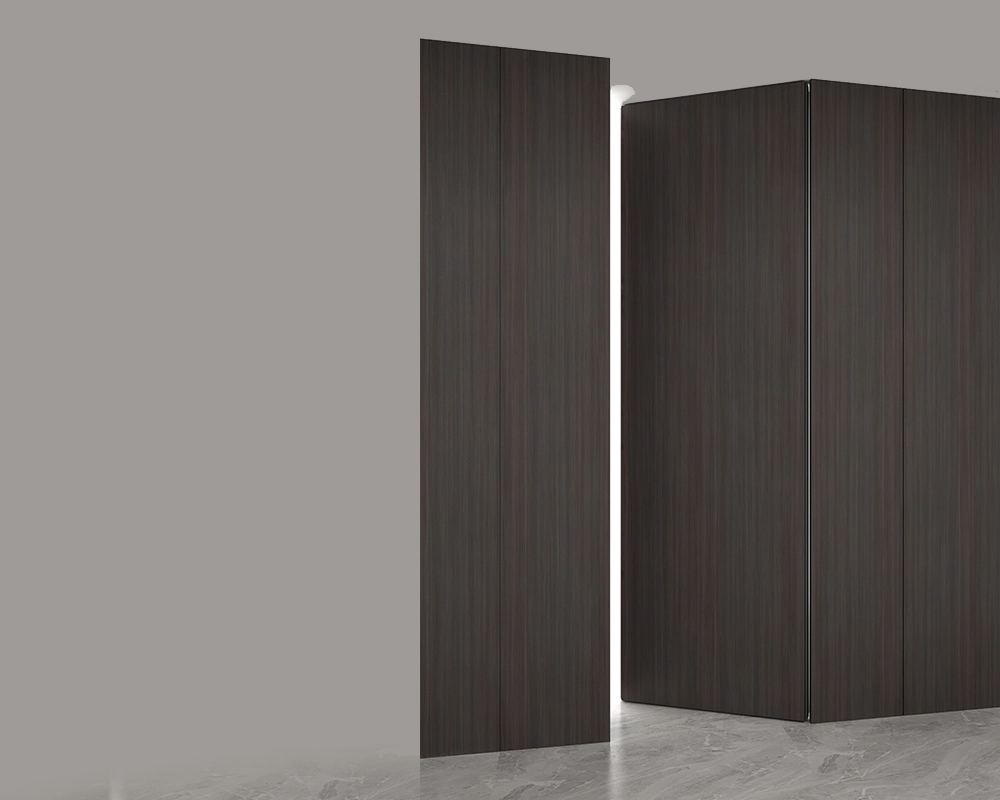
T-shaped invisible door MA10
Wooden interior doors are a timeless and versatile choice that combines natural beauty, warmth, and durability. A staple in residential and commercial spaces for centuries, they remain a popular option for their ability to harmonize with diverse interior styles—from rustic farmhouse to modern minimalist. Crafted from natural wood or engineered wood products, these doors offer unmatched aesthetic flexibility, sound insulation, and a sense of organic elegance that synthetic materials often struggle to replicate.
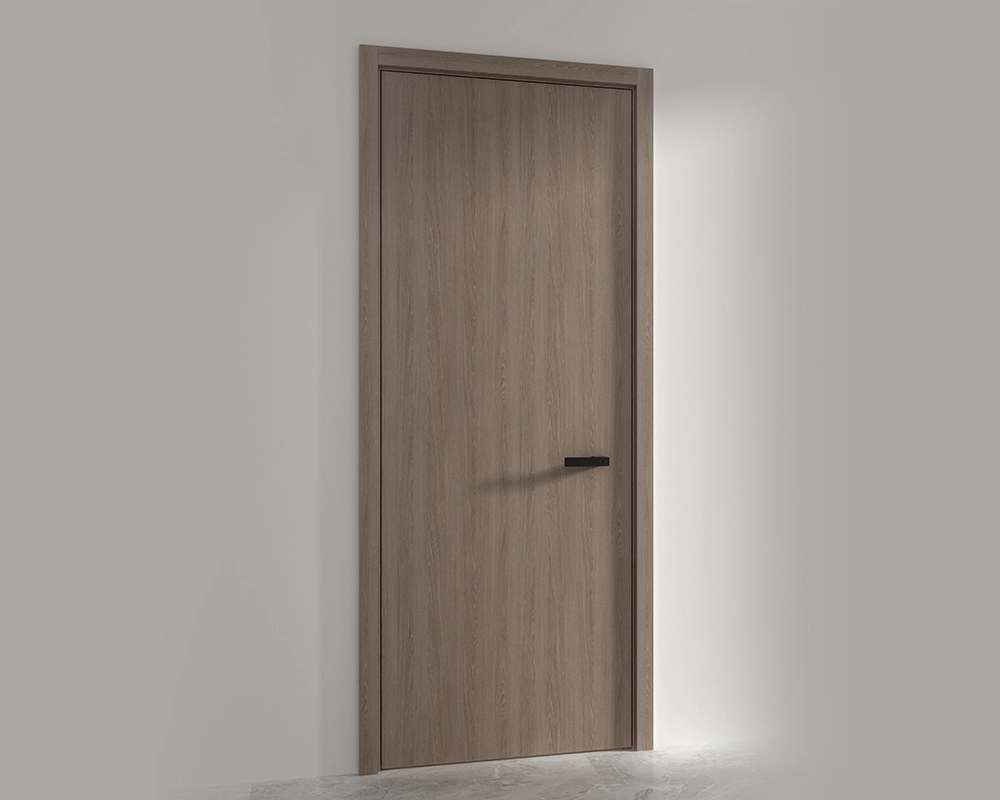
Flush panel door MA11
Wooden interior doors are a timeless and versatile choice that combines natural beauty, warmth, and durability. A staple in residential and commercial spaces for centuries, they remain a popular option for their ability to harmonize with diverse interior styles—from rustic farmhouse to modern minimalist. Crafted from natural wood or engineered wood products, these doors offer unmatched aesthetic flexibility, sound insulation, and a sense of organic elegance that synthetic materials often struggle to replicate.
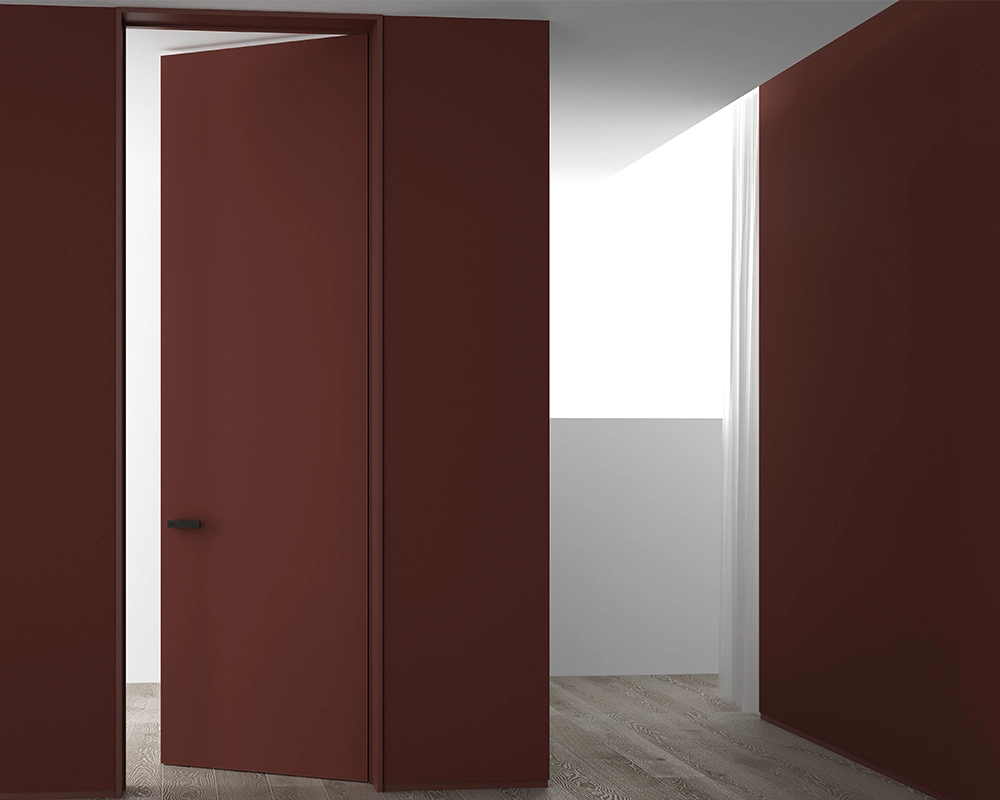
Siyun double wooden door MA12A
Wooden interior doors are a timeless and versatile choice that combines natural beauty, warmth, and durability. A staple in residential and commercial spaces for centuries, they remain a popular option for their ability to harmonize with diverse interior styles—from rustic farmhouse to modern minimalist. Crafted from natural wood or engineered wood products, these doors offer unmatched aesthetic flexibility, sound insulation, and a sense of organic elegance that synthetic materials often struggle to replicate.
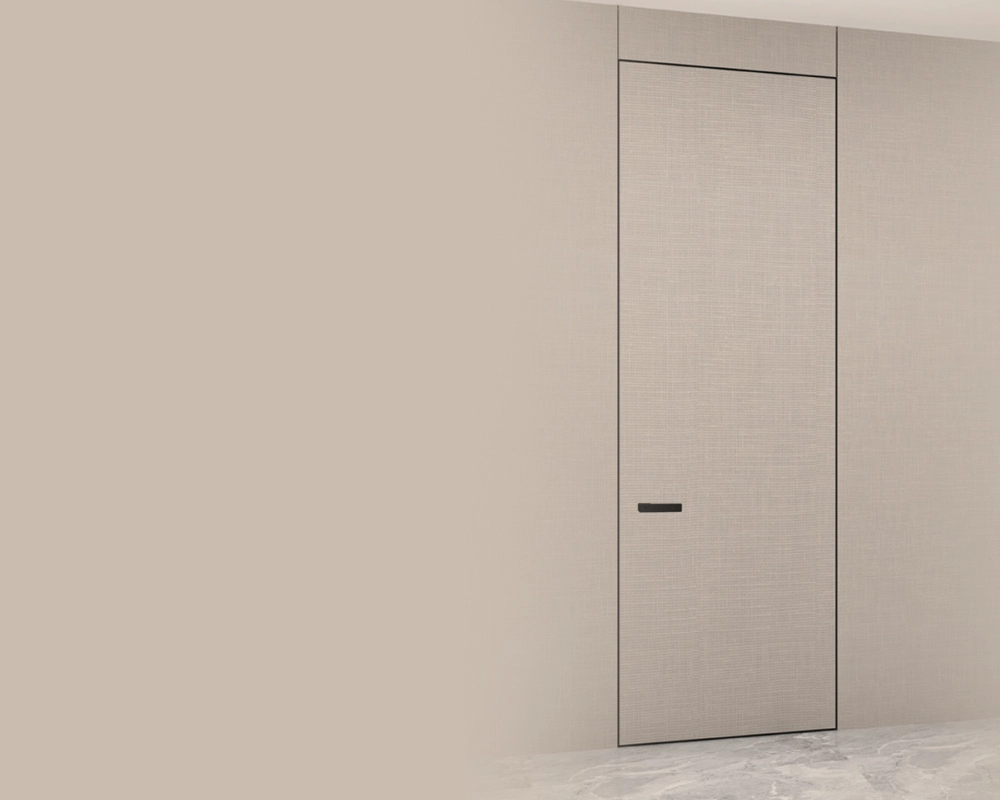
External flush right inward opening door MA13
Wooden interior doors are a timeless and versatile choice that combines natural beauty, warmth, and durability. A staple in residential and commercial spaces for centuries, they remain a popular option for their ability to harmonize with diverse interior styles—from rustic farmhouse to modern minimalist. Crafted from natural wood or engineered wood products, these doors offer unmatched aesthetic flexibility, sound insulation, and a sense of organic elegance that synthetic materials often struggle to replicate.

 Scan QR Code
FoshanMuranoCabinet
foshanmuranocabinet
Whatsapp: +8618814138020
Scan QR Code