
How Custom Closets Improve ROI in Multi-Unit Housing
- Why storage is a revenue driver: the business case for built-in storage
- How bedroom closets and wardrobes affect tenant demand and pricing
- Evidence and market signals
- Quantifying ROI: cost categories and benefit levers
- Cost vs. benefit comparison: off‑the‑shelf vs. custom solutions
- Design principles that maximize return from bedroom closets and wardrobes
- Operational benefits: turnover, maintenance, and resident satisfaction
- Implementation strategies for different product types and portfolios
- Vendor selection checklist: ensuring quality and predictable ROI
- Case guidance: sample financial model (simplified)
- Why choose an experienced partner: Murano’s advantage in custom wardrobes
- MURANO competitive strengths
- Typical Murano product lines relevant to multifamily
- Practical tips for rollout and pilot programs
- Risk factors and how to mitigate them
- Conclusion: integrating bedroom closets and wardrobes into asset strategy
- Frequently Asked Questions (FAQs)
- 1. How much rent High Quality can I expect from custom bedroom closets and wardrobes?
- 2. Are custom closets worth the higher upfront cost versus modular solutions?
- 3. What is the typical payback period for closet upgrades in multifamily?
- 4. How do I ensure manufacturer quality and timely delivery?
- 5. Can custom wardrobes be adapted for different tenant groups (seniors, students, families)?
- 6. How should I pilot a closet upgrade?
- References
Why storage is a revenue driver: the business case for built-in storage
Multi‑unit housing operators increasingly treat interior finishes and storage solutions as revenue-generating investments. Properly designed bedroom closets and wardrobes do more than hold clothes — they shape perceived unit quality, enable higher effective rents, reduce turnover friction, and lower long‑term maintenance costs. This article translates those qualitative benefits into a practical ROI framework you can use when specifying custom closet systems for multifamily, student housing, senior living, and build‑to‑rent communities.
How bedroom closets and wardrobes affect tenant demand and pricing
Demand drivers in multifamily markets center on convenience and perceived value. Surveys and market studies repeatedly show storage and organization rank among top apartment features that influence a renter’s decision. Well‑executed bedroom closets and wardrobes create a higher perceived-quality unit for little additional square footage, allowing owners to command rent High Qualitys or differentiate new product in competitive submarkets.
Qualitative benefits that translate to price power:
- Perception of higher finish level (walk‑in closet vs. rod in a recess)
- Functional storage that reduces need for offsite storage units
- Improved staging/photos for listings — better marketing images raise inquiry rates
Evidence and market signals
Industry research from housing and real‑estate analytics shows amenities and interior quality are correlated with rent High Qualitys and faster lease‑up. Property teams that invest in targeted interior upgrades — including tailored storage — typically see shorter vacancy periods and improved retention vs. peer product with basic fittings.
Quantifying ROI: cost categories and benefit levers
To evaluate ROI for custom bedroom closets and wardrobes, separate costs and benefits into clear buckets:
- Costs: materials, manufacturing, installation, design & permits (if structural), and minor unit downtime.
- Benefits: higher rent, faster lease‑up, lower tenant turnover/rehab costs, increased resale value, improved energy/space efficiency (where integrated), and reduced tenant requests/complaints.
Example benefit levers that are commonly realized by owners:
- Rent High Quality: Markets vary widely, but thoughtfully designed storage can justify $10–$100+ per month per unit depending on size and submarket.
- Lease speed: Better presentation and higher perceived value often shorten marketing time by days to weeks, lowering lost rental income.
- Lower turnover costs: Less unit modification between tenants and fewer complaints about storage reduce turnover labor and material costs.
Cost vs. benefit comparison: off‑the‑shelf vs. custom solutions
Choosing between cheap modular units and higher‑quality custom bedroom closets and wardrobes is a common decision. The table below summarizes typical tradeoffs to help asset managers compare options.
| Metric | Off‑the‑shelf (modular) | Custom built‑in closets & wardrobes |
|---|---|---|
| Fit to unit layout | Standard sizes; may leave wasted space | Tailored to alcoves and irregular walls; maximizes usable volume |
| Durability & finish | Basic materials; faster wear | Higher‑grade panels, hardware; longer lifecycle |
| Initial cost | Lower per piece | Higher upfront, but lower long‑term replacement cost |
| Customization (storage planning) | Limited | Designed for target tenant profile (e.g., families vs. professionals) |
| Perceived value/marketing | Lower | High: used in listings and tours |
| ROI horizon | Short‑term | Medium to long‑term — often better lifecycle ROI |
Design principles that maximize return from bedroom closets and wardrobes
Good design converts storage into measurable outcomes. When specifying custom systems, prioritize the following:
- Space efficiency: shelving, drawers, and hanging zones sized for common occupant needs (double‑hang vs. single hang, shoe storage, accessories).
- Durable hardware: soft‑close drawers, reliable tracks, and warrantyable hinges reduce maintenance calls.
- Flexible configurations: adjustable shelves and modular inserts allow future reconfiguration for different tenant types.
- Finish coordination: neutral colors and high‑quality panels that match unit finishes boost perceived quality.
- Lighting and ventilation: integrated LED strips and ventilated designs improve usability and reduce complaints.
Each of these design choices reduces lifecycle costs or increases perceived value, directly impacting rent and retention.
Operational benefits: turnover, maintenance, and resident satisfaction
Custom bedroom closets and wardrobes simplify daily operations in three ways:
- Lower turnover scope — built‑in storage reduces tenant modifications and the need for repair/replacement between leases.
- Fewer service requests — quality hardware and finishes reduce maintenance frequency.
- Higher resident satisfaction — easier storage solutions are commonly cited in tenant satisfaction surveys, improving renewal rates.
When modeling ROI, include reduced maintenance headcount or vendor hours, and increased renewal probability as recurring benefits.
Implementation strategies for different product types and portfolios
Your approach should reflect portfolio strategy and unit mix:
- Class A new development: invest in higher‑end custom wardrobes to market as a High Quality amenity and justify top‑tier rents.
- Value‑add renovation: target select units or floorplans where storage upgrades produce the largest rent uplift per dollar spent.
- Affordable or senior housing: focus on durable, accessible configurations (lower rods, pull‑out shelves) that reduce long‑term service costs.
Vendor selection checklist: ensuring quality and predictable ROI
Choosing the right manufacturer/partner for bedroom closets and wardrobes is critical. Evaluate potential vendors against these criteria:
- Track record in multi‑unit projects and relevant certifications
- Design support and measurement accuracy (site measurement, digital templates)
- Manufacturing capacity and lead times to match construction schedules
- Warranty terms and after‑sales service for replacements and repairs
- Material options and finish libraries to match interior standards
Case guidance: sample financial model (simplified)
Below is a simplified model to visualize ROI for a 100‑unit building considering a custom closet upgrade. Figures are illustrative; replace with local cost and rent data for accuracy.
| Item | Per unit | Total (100 units) |
|---|---|---|
| Upgrade cost (materials + install) | $900 | $90,000 |
| Expected rent High Quality | $25 / month | $25 x 100 = $2,500 / month |
| Annual additional revenue | $30,000 | |
| Simple payback | ~3 years (90,000 / 30,000) | |
| Other benefits (qualitative) | Faster lease‑up, reduced turnover, increased renewals — extend effective ROI | |
Note: local market rents, vacancy impact, and installation costs will change the payback period. Use this framework with your actual numbers.
Why choose an experienced partner: Murano’s advantage in custom wardrobes
When scaling custom bedroom closets and wardrobes across multi‑unit portfolios, partnering with an experienced manufacturer is crucial. Foshan Murano Smart Home Co., Ltd., based in Foshan, Guangdong, is a leading custom wardrobe and cabinet brand with over 20 years of expertise. Murano specializes in integrated design, R&D, production, and sales of high‑quality panel furniture and has served clients in over 50 countries, completing more than 1,000 projects worldwide. Their end‑to‑end service includes pre‑sales consultation, precise site measurement, and after‑sales support — all important to keep projects on schedule and to protect ROI.
MURANO competitive strengths
- Comprehensive customization for bedrooms, living rooms, kitchens, and offices — enabling consistent finishes across units.
- Advanced production technology and strict quality control to deliver durable, well‑fitted furniture.
- Tailored sizing, High Quality materials, and diverse design and color options for unified building aesthetics.
- Quality First principle: precision craftsmanship and materials that reduce lifecycle maintenance.
- Proven international experience: delivered projects across 50+ countries and 1,000+ installations.
Typical Murano product lines relevant to multifamily
Murano’s main products include: Kitchen Cabinet, Bedroom Wardrobe, Interior Doors, Aluminum Frame Glass Door, Bathroom Cabinet, and Wall Panelling. These product lines enable developers to coordinate kitchens and closets with doors and wall finishes for a cohesive living experience that supports higher rents and resident satisfaction.
Practical tips for rollout and pilot programs
Best practice for portfolio upgrades is to pilot in a subset of units and track performance. Steps:
- Select representative floorplans in a building or across 1–2 buildings.
- Install custom bedroom closets and wardrobes in vacant or rehab units to avoid rental disruption.
- Track metrics for 6–12 months: rent achieved, days on market, renewal rate, maintenance tickets.
- Compare pilot results with control units to validate rent uplift and lifecycle savings.
- Scale up in tranches with a vetted vendor to capture volume pricing and consistent quality.
Risk factors and how to mitigate them
Potential risks include supplier delays, installation quality issues, and mismatched design to tenant profile. Mitigation strategies:
- Choose vendors with multifamily experience and clear SLAs.
- Specify warranty and replace‑on‑fail clauses for hardware and finishes.
- Use pilot data to refine designs and tenant targeting before full rollout.
Conclusion: integrating bedroom closets and wardrobes into asset strategy
Custom bedroom closets and wardrobes are a strategic upgrade for multi‑unit housing when specified and executed with clear financial objectives. They increase perceived quality, enable rent High Qualitys, reduce operational friction, and strengthen marketing. By piloting, measuring, and partnering with experienced manufacturers like Murano, owners and developers can reliably convert closet upgrades into positive returns.
Frequently Asked Questions (FAQs)
1. How much rent High Quality can I expect from custom bedroom closets and wardrobes?
Rent High Quality varies by market and unit type. Many markets see High Qualitys from a modest $10 up to $100+ per month depending on the scale of the upgrade and local demand. Use a local pilot to quantify the real uplift in your portfolio.
2. Are custom closets worth the higher upfront cost versus modular solutions?
For many owners the answer is yes: custom closets fit better, last longer, reduce replacement and maintenance frequency, and provide a higher marketing value that can produce a faster payback than cheaper modular options. Consider lifecycle costs and tenant profile when deciding.
3. What is the typical payback period for closet upgrades in multifamily?
Payback commonly falls in the 2–5 year range depending on upgrade cost and achieved rent High Quality. Using a portfolio model and pilot data gives the most robust estimate.
4. How do I ensure manufacturer quality and timely delivery?
Require project references, documented quality control processes, production lead times, and penalties or remedies for missed deadlines in the contract. A supplier with integrated design and production capabilities improves predictability.
5. Can custom wardrobes be adapted for different tenant groups (seniors, students, families)?
Yes. Design flexibility (lower rods, pull‑out drawers, adjustable shelves, and accessible hardware) allows the same base system to be tailored to the needs of different tenant demographics, improving usability and satisfaction.
6. How should I pilot a closet upgrade?
Choose representative floorplans, upgrade a small percentage of units, and measure rent, days on market, renewals, and maintenance tickets over 6–12 months. Compare to control units to validate benefits before scaling.
Ready to evaluate a pilot or view product options? Contact Foshan Murano Smart Home Co., Ltd. for project consultation, detailed product catalogs, and sample projects. Murano offers turnkey services from design through after‑sales support to help you realize predictable ROI from custom bedroom closets and wardrobes.
References
- Closet — Wikipedia. https://en.wikipedia.org/wiki/Closet (accessed 2025‑12‑28)
- Harvard Joint Center for Housing Studies, The State of the Nation’s Housing 2023. https://www.jchs.harvard.edu/state-nations-housing-2023 (accessed 2025‑12‑28)
- Remodeling Magazine, Cost vs. Value (annual). https://www.remodeling.hw.net/cost-vs-value/ (accessed 2025‑12‑28)
- CBRE Multifamily Research — market reports and insights. https://www.cbre.com/real-estate-services/multifamily (accessed 2025‑12‑28)
- National Multifamily Housing Council (NMHC) — research and operational best practices. https://www.nmhc.org/ (accessed 2025‑12‑28)
- Houzz Research — consumer preferences for storage and organization (Houzz & Home Study). https://www.houzz.com/ (accessed 2025‑12‑28)
Why choose MURANO as your wood file cabinets for home office supplier
Custom kitchen and joinery Manufacturers and Suppliers
Top innovative tv cabinet for contemporary homes Manufacturers and Suppliers
Sustainable Closet Materials for Eco-Friendly Developments
FAQ
What's the payment terms of all our products?
T/T (30% inadvance, the balance shall be paid off before delivery), Western Union or L/C.
What's lead time for furniture cabinets?
It's about 20 - 30 days.
Can we ship the furniture cabinets to customer's port or city?
Yes. Please provide the city name or port name when you send us an inquiry.
What's MOQ for our kitchen cabinets, wardrobe cabinets or bathroom cabinets?
1 set.
What information are needed for getting a quote for our furniture cabinets?
Your size infomation or room drawings.
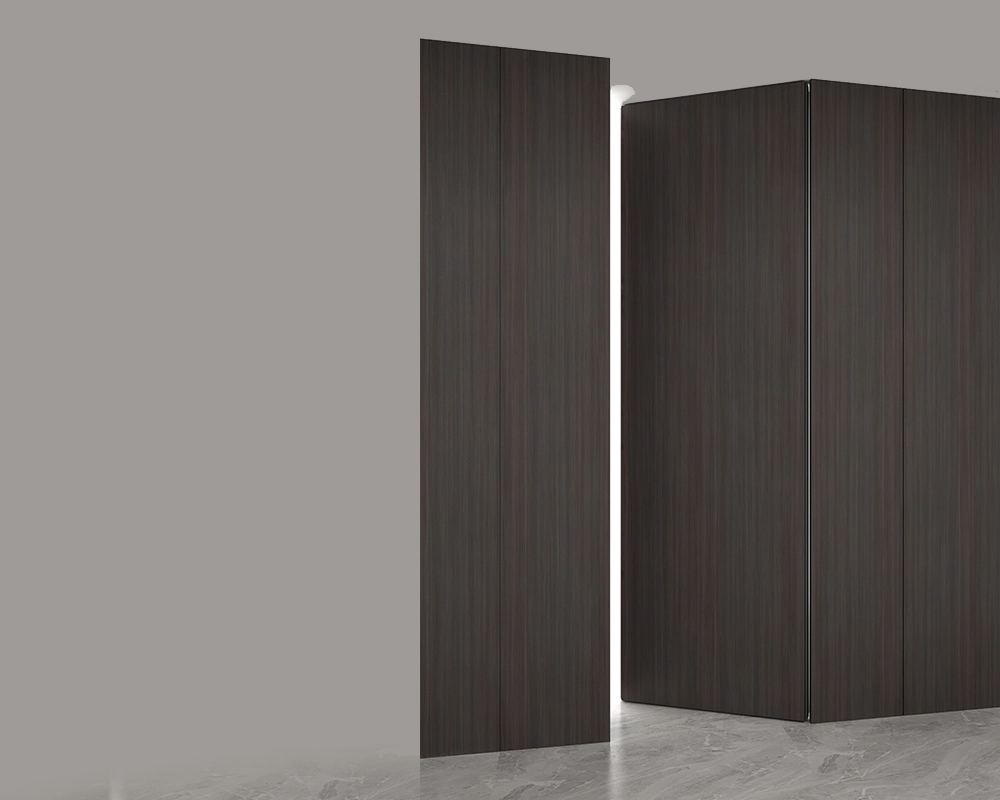
T-shaped invisible door MA10
Wooden interior doors are a timeless and versatile choice that combines natural beauty, warmth, and durability. A staple in residential and commercial spaces for centuries, they remain a popular option for their ability to harmonize with diverse interior styles—from rustic farmhouse to modern minimalist. Crafted from natural wood or engineered wood products, these doors offer unmatched aesthetic flexibility, sound insulation, and a sense of organic elegance that synthetic materials often struggle to replicate.
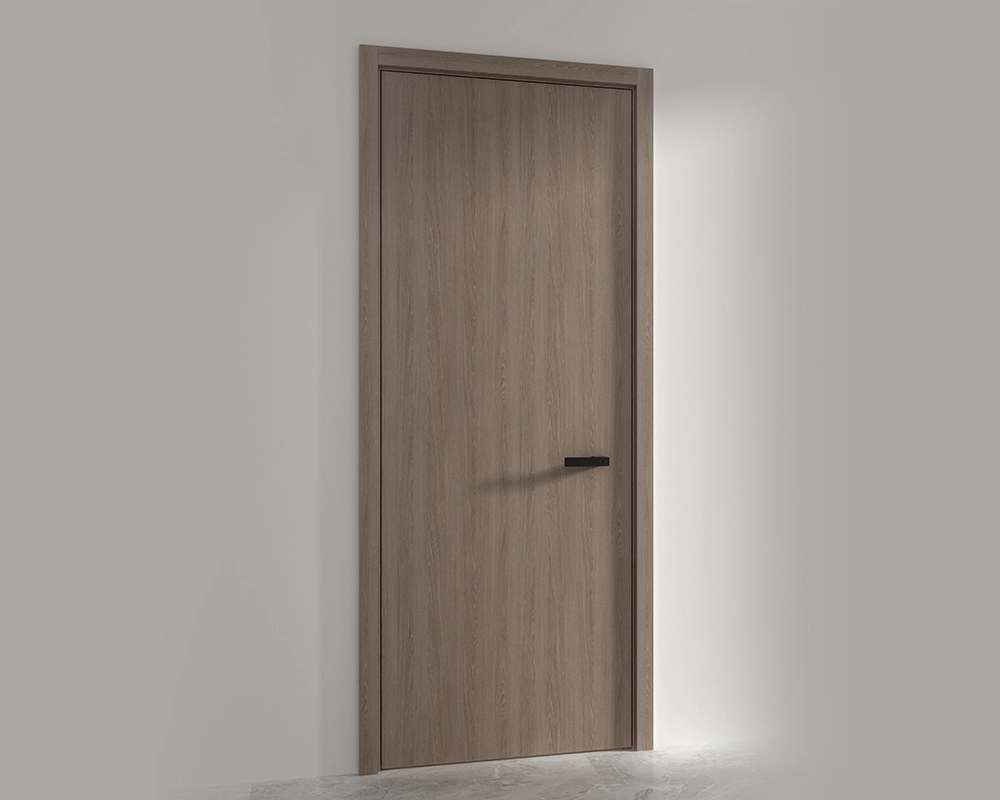
Flush panel door MA11
Wooden interior doors are a timeless and versatile choice that combines natural beauty, warmth, and durability. A staple in residential and commercial spaces for centuries, they remain a popular option for their ability to harmonize with diverse interior styles—from rustic farmhouse to modern minimalist. Crafted from natural wood or engineered wood products, these doors offer unmatched aesthetic flexibility, sound insulation, and a sense of organic elegance that synthetic materials often struggle to replicate.
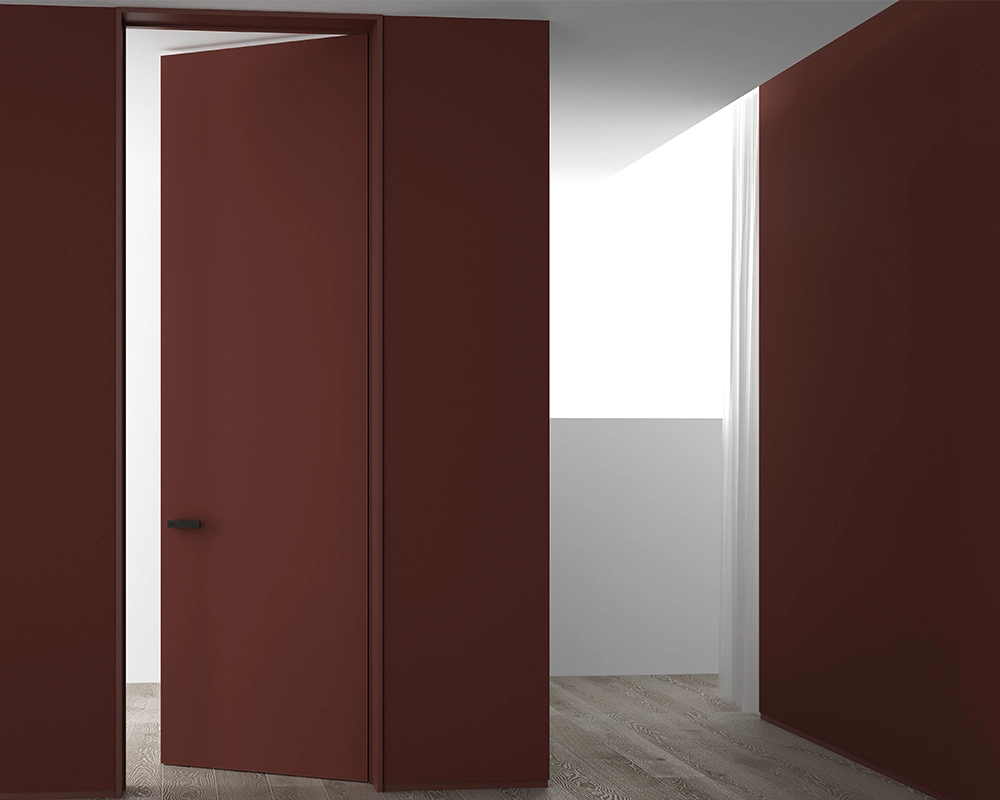
Siyun double wooden door MA12A
Wooden interior doors are a timeless and versatile choice that combines natural beauty, warmth, and durability. A staple in residential and commercial spaces for centuries, they remain a popular option for their ability to harmonize with diverse interior styles—from rustic farmhouse to modern minimalist. Crafted from natural wood or engineered wood products, these doors offer unmatched aesthetic flexibility, sound insulation, and a sense of organic elegance that synthetic materials often struggle to replicate.
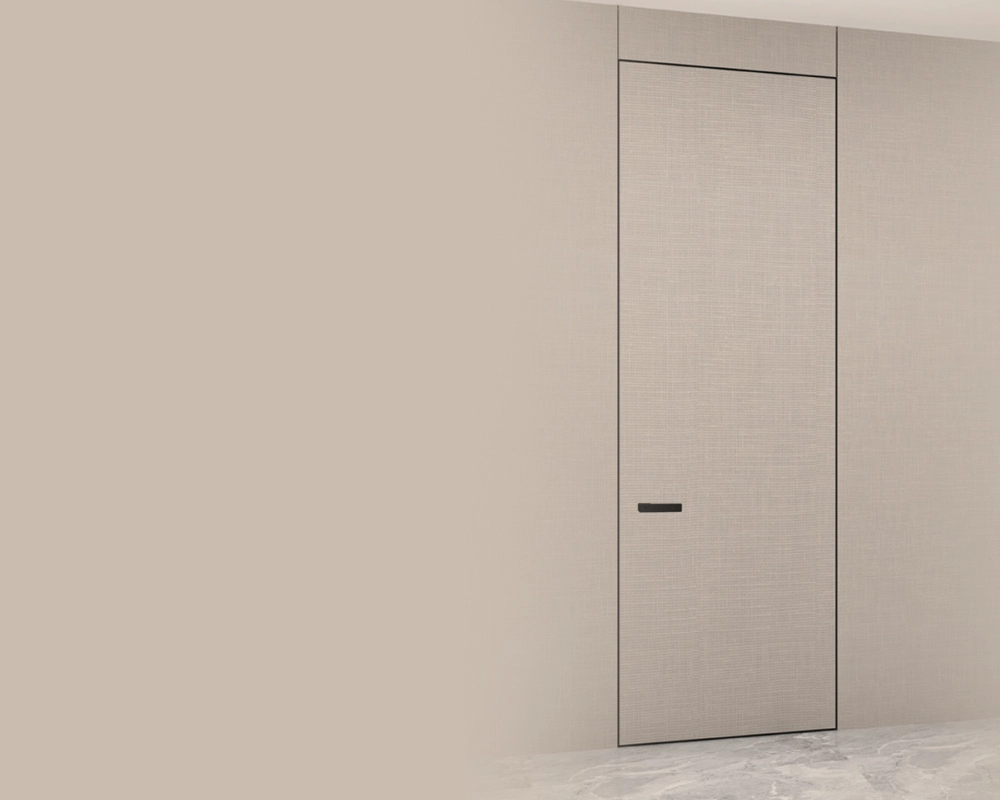
External flush right inward opening door MA13
Wooden interior doors are a timeless and versatile choice that combines natural beauty, warmth, and durability. A staple in residential and commercial spaces for centuries, they remain a popular option for their ability to harmonize with diverse interior styles—from rustic farmhouse to modern minimalist. Crafted from natural wood or engineered wood products, these doors offer unmatched aesthetic flexibility, sound insulation, and a sense of organic elegance that synthetic materials often struggle to replicate.

 Scan QR Code
FoshanMuranoCabinet
foshanmuranocabinet
Whatsapp: +8618814138020
Scan QR Code