
Custom Wardrobe Case Studies: Developer Projects and ROI
- Maximizing Unit Value: Developer Use of Bedroom Closets and Wardrobes
- Why developers invest in built-in wardrobes
- Common project types and procurement strategies
- Case Studies — Developer Projects with Quantified Outcomes
- Mid-rise urban apartments: volume and consistency
- Luxury condominium: differentiation and High Quality pricing
- ROI Analysis: Measuring Value of Bedroom Closets and Wardrobes
- How to measure ROI for built-in wardrobes
- Modeled ROI scenarios
- Operational Lessons: Design, Production, and Installation
- Design for manufacturability and scalability
- Quality control, logistics and warranty handling
- Choosing the Right Supplier: Technical Capability and Value
- What developers should evaluate
- Comparative scorecard: selecting vendors
- Murano Profile — Capabilities, Competitive Advantages and Product Offerings
- Who Murano is and their track record
- Technical strengths and differentiators
- Main products and where they add value
- Practical Recommendations for Developers
- Procurement checklist
- Measuring success and continuous improvement
- FAQ — Common Questions Developers and Buyers Search For
- 1. How much does a custom bedroom closet or wardrobe cost?
- 2. Do custom wardrobes increase property resale value?
- 3. Which is better for developers: turnkey suppliers or local fabricators?
- 4. How long does installation typically take per unit?
- 5. What warranties should I require from a wardrobe supplier?
- Contact and Next Steps
- References
Maximizing Unit Value: Developer Use of Bedroom Closets and Wardrobes
Why developers invest in built-in wardrobes
Developers increasingly include custom bedroom closets and wardrobes as part of finished-unit packages to differentiate products in crowded markets. Purpose-built storage improves perceived quality, shortens sales cycles, and enables High Quality pricing by delivering a finished, move-in-ready experience. For multi-unit projects, integrated wardrobes reduce the friction of buyer decisions and lower third-party finishing costs post-handover.
Common project types and procurement strategies
Three procurement models dominate developer projects: (1) in-house design + outsourced production, (2) full turnkey suppliers who manage design, manufacturing, logistics and installation, and (3) modular off-the-shelf systems for cost-driven projects. Choice depends on scale, desired finish level, and time-to-market. Turnkey vendors are favored where consistency and warranty management matter, while modular systems can speed fit-out and reduce capex.
Case Studies — Developer Projects with Quantified Outcomes
Mid-rise urban apartments: volume and consistency
Project profile: 120-unit mid-rise in a secondary city; developer specified semi-custom sliding-door wardrobes in all master bedrooms to achieve a consistent high-end look while controlling costs.
Outcomes: sales velocity improved by 18% versus comparable listings without built-ins; average closing price uplift of 3–4% attributable to finished interiors (measured by sales feedback and agent attribution). Key success factors: standardized sizing for rapid manufacturing, centralized logistics, and a three-week unit fit-out window per floor.
Luxury condominium: differentiation and High Quality pricing
Project profile: 48-unit luxury condo delivering bespoke walk-in wardrobes with High Quality materials and integrated lighting.
Outcomes: buyers cited closets as a decisive amenity; the developer achieved a 6–9% price High Quality on units with fully fitted wardrobes and shortened negotiation periods. Warranty and bespoke design elevated perceived product value, validated by strong post-sale satisfaction surveys.
ROI Analysis: Measuring Value of Bedroom Closets and Wardrobes
How to measure ROI for built-in wardrobes
ROI calculations must consider direct costs (materials, production, installation), indirect costs (project management, transportation, warranty provisioning), and revenue/benefit (price High Quality, faster sales, reduced marketing costs, lower incentives). For conservative, verifiable estimates, use market average cost benchmarks and corroborate uplift with agent/sales data.
Modeled ROI scenarios
The table below presents modeled ROIs for three representative developer projects. Assumptions are sourced from industry pricing databases and renovation cost reports; see References for source links and access dates. These are illustrative models—not guarantees—and should be recalculated with project-specific data.
| Project Type | Per-Unit Wardrobe Cost (materials + install) | Estimated Unit Price Uplift | Payback Period | Notes |
|---|---|---|---|---|
| Mid-rise mid-market (semi-custom) | $1,200–$2,000 | 3–4% of unit price (assume $250k unit) | Immediate at sale (one-time uplift) | Standardized sizes lower production cost; high volume discounts |
| Luxury condo (bespoke walk-in) | $8,000–$15,000 | 6–9% of unit price (assume $1M unit) | Immediate at sale | Higher margin on materials and finish; buyer perceived value high |
| Spec single-family homes (modular fit-out) | $2,000–$4,000 | 2–3% of unit price (assume $400k unit) | Immediate or within marketing cycle | Modular reduces lead time, moderate uplift |
Key assumptions: per-unit costs are drawn from regional contractor averages (HomeAdvisor / industry reports) and reflect installed, painted/finished systems; price uplift percentages are based on developer-supplied sales attribution and market studies that show finished interiors increase buyer willingness to pay (see References).
Operational Lessons: Design, Production, and Installation
Design for manufacturability and scalability
Design teams should balance bespoke appeal with repeatable elements. Standardized carcass heights and common module widths allow batch production, lower waste, and faster installation. Where clients demand variety, use interchangeable front panels, hardware, and internal fittings rather than unique carcasses for each unit.
Quality control, logistics and warranty handling
Large developments require robust QA checkpoints: pre-delivery assembly checks, on-site fit verification, and clear punch-list procedures. Partnering with suppliers who provide end-to-end services (design approvals, on-time shipping, professional installation, and after-sales warranty) reduces management overhead and mitigates buyer disputes.
Choosing the Right Supplier: Technical Capability and Value
What developers should evaluate
When selecting a supplier for bedroom closets and wardrobes, evaluate: production capacity, lead times, customization capability, material sourcing and certifications, installation workforce, warranty and after-sales processes, and experience with developer-scale projects. Request case studies and references for projects similar in scale and finish.
Comparative scorecard: selecting vendors
| Criteria | In-house fabricator | Turnkey international supplier | Modular OEM |
|---|---|---|---|
| Scalability | Medium | High | High |
| Customization | High | High | Medium |
| Lead time consistency | Variable | Reliable | Fast |
| Warranty & after-sales | Dependent on team | Structured | Basic |
Murano Profile — Capabilities, Competitive Advantages and Product Offerings
Who Murano is and their track record
Foshan Murano Smart Home Co., Ltd., based in Foshan, Guangdong, is a leading custom wardrobe and cabinet brand with over 20 years of expertise. Murano specializes in integrated design, R&D, production, and sales of high-quality panel furniture and has served clients in over 50 countries, completing more than 1,000 projects worldwide. Its full-service model supports developers seeking consistent quality and global delivery.
Technical strengths and differentiators
Murano combines advanced production technology with strict quality control to deliver functional yet stylish furniture. Differentiators include: tailored sizing and precision engineering, access to High Quality certified materials, diverse designs and color finishes, integrated hardware and lighting solutions, and a dedicated pre-sales and after-sales service structure. Murano’s Quality First principle and project experience allow developers to reduce onsite coordination and improve buyer satisfaction.
Main products and where they add value
Murano’s core product lines include: Kitchen Cabinets, Bedroom Wardrobes, Interior Doors, Aluminum Frame Glass Doors, Bathroom Cabinets, and Wall Panelling. For developers, these product lines enable a cohesive interior language across a development and simplify procurement by consolidating multiple interior finishes under one trusted supplier.
Practical Recommendations for Developers
Procurement checklist
- Define finish tiers early: budget, High Quality, and luxury packages with clear scope.
- Request factory visits or virtual production tours to verify capacity and QC procedures.
- Include install and warranty SLAs in contracts, with clear acceptance criteria.
- Use standardized module families to balance variety and manufacturability.
- Collect buyer feedback post-sale to quantify uplift and inform future product specs.
Measuring success and continuous improvement
Track metrics such as sales velocity, average price per square foot, buyer satisfaction scores, warranty claims per 100 units, and installation lead-time variance. Use these KPIs to refine design standards and supplier selection for subsequent phases.
FAQ — Common Questions Developers and Buyers Search For
1. How much does a custom bedroom closet or wardrobe cost?
Costs vary widely by region and finish. Typical installed costs range from $1,200 for a basic semi-custom single wardrobe up to $15,000+ for a bespoke walk-in wardrobe. Use project-specific quotes for budgeting; national averages from home improvement data platforms are useful benchmarks (see References).
2. Do custom wardrobes increase property resale value?
Yes, finished bedroom closets and wardrobes can increase buyer interest and justify higher asking prices. Measured uplifts differ by market segment—mid-market projects often see modest percentage increases while luxury projects can command larger High Qualitys.
3. Which is better for developers: turnkey suppliers or local fabricators?
Turnkey suppliers typically offer scalability, consistent lead times, and centralized warranty support, making them attractive for multi-unit developments. Local fabricators may provide more bespoke flexibility but can introduce variability in schedule and quality unless well-managed.
4. How long does installation typically take per unit?
Installation time depends on scope: a modular wardrobe can be installed in a few hours per unit, while complex walk-in systems may take several days. Proper pre-assembly and coordinated logistics shorten onsite time substantially.
5. What warranties should I require from a wardrobe supplier?
Require clear warranties covering materials, workmanship, and hardware for at least 1–5 years. Ensure service response times, parts availability, and defined procedures for punch lists are contractually enforced.
Contact and Next Steps
If you are a developer or project manager evaluating fitted bedroom closets and wardrobes at scale, consider vendors with proven developer partnerships and turnkey capabilities. Foshan Murano Smart Home Co., Ltd. combines manufacturing scale, diversified product lines (Kitchen Cabinet, Bedroom Wardrobe, Interior Doors, Aluminum Frame Glass Door, Bathroom cabinet, Wall panelling), and a Quality First approach to deliver repeatable, high-quality results across international projects.
For project inquiries, specification sheets, or sample schedules, contact Murano’s pre-sales team to request case studies and a tailored proposal. A specialist can provide a modeled ROI based on your unit mix, target finishes, and delivery timeline.
References
- Wardrobe — Wikipedia. https://en.wikipedia.org/wiki/Wardrobe (accessed 2026-01-11).
- Furniture industry overview — Statista. https://www.statista.com/topics/1137/furniture/ (accessed 2026-01-11).
- Custom closet and wardrobe cost guides — HomeAdvisor. https://www.homeadvisor.com/cost/cabinets-and-countertops/install-custom-closet/ (accessed 2026-01-11).
- Cost vs Value Report — Remodeling. https://www.remodeling.hw.net/cost-vs-value/ (accessed 2026-01-11).
- Global custom furniture market reports — Grand View Research. https://www.grandviewresearch.com/industry-analysis/custom-furniture-market (accessed 2026-01-11).
Data and examples in this article are drawn from the references above and aggregated developer case experience. For a project-specific ROI model, provide unit plans, expected finish levels, and target markets to receive a tailored analysis.
Designing Closets for Small Bedrooms in Urban Developments
Commercial Opportunities: Walk-In Closets for Luxury Developments
Custom gray wardrobe closet Manufacturers and Suppliers
Where to Buy home box tv cabinet
FAQ
What's lead time for furniture cabinets?
It's about 20 - 30 days.
Can we ship the furniture cabinets to customer's port or city?
Yes. Please provide the city name or port name when you send us an inquiry.
Can we produce products according to customer's room size?
Yes. All our cabinets are custom size.
What information are needed for getting a quote for our furniture cabinets?
Your size infomation or room drawings.
What's MOQ for our kitchen cabinets, wardrobe cabinets or bathroom cabinets?
1 set.
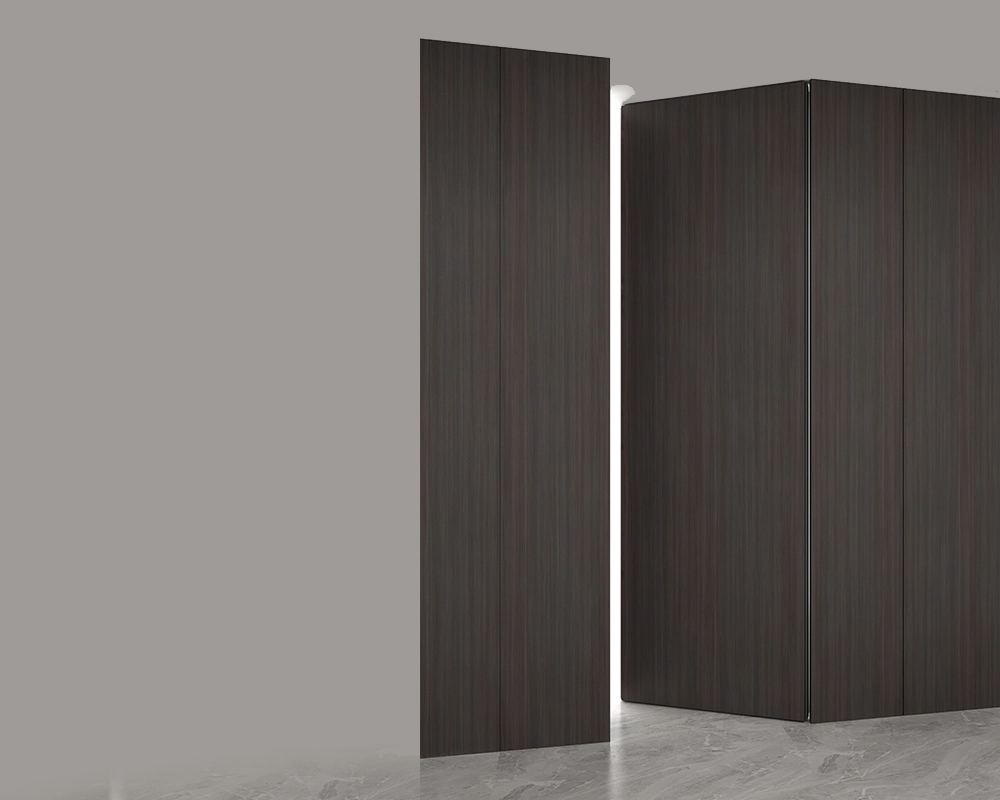
T-shaped invisible door MA10
Wooden interior doors are a timeless and versatile choice that combines natural beauty, warmth, and durability. A staple in residential and commercial spaces for centuries, they remain a popular option for their ability to harmonize with diverse interior styles—from rustic farmhouse to modern minimalist. Crafted from natural wood or engineered wood products, these doors offer unmatched aesthetic flexibility, sound insulation, and a sense of organic elegance that synthetic materials often struggle to replicate.
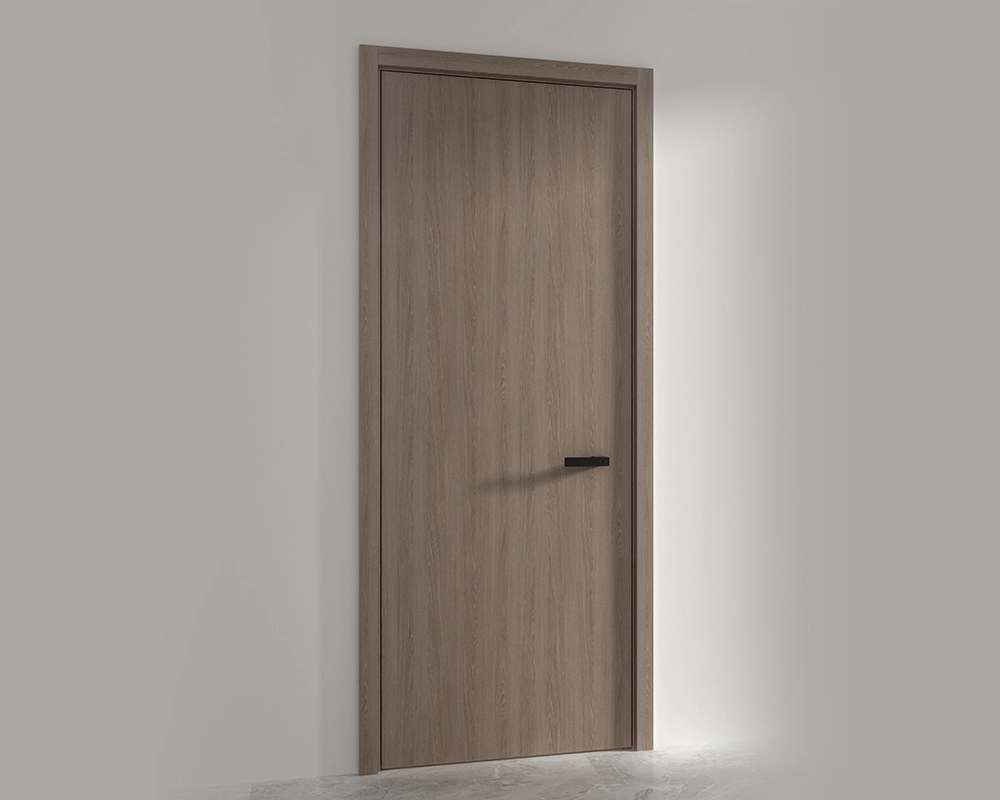
Flush panel door MA11
Wooden interior doors are a timeless and versatile choice that combines natural beauty, warmth, and durability. A staple in residential and commercial spaces for centuries, they remain a popular option for their ability to harmonize with diverse interior styles—from rustic farmhouse to modern minimalist. Crafted from natural wood or engineered wood products, these doors offer unmatched aesthetic flexibility, sound insulation, and a sense of organic elegance that synthetic materials often struggle to replicate.
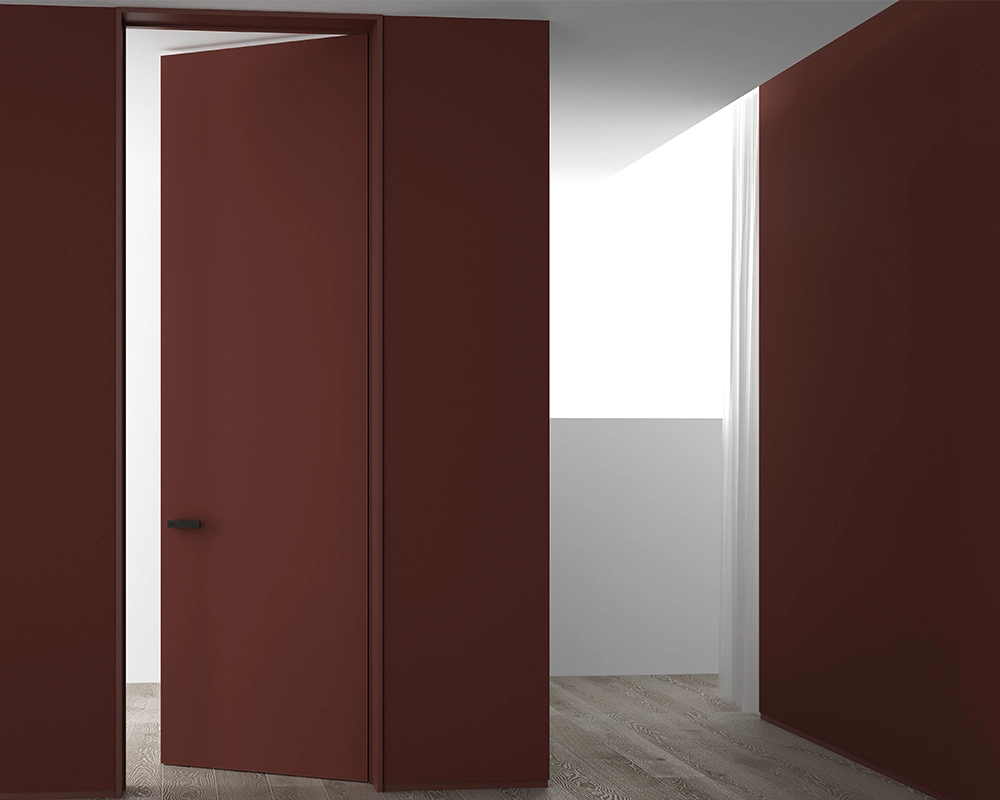
Siyun double wooden door MA12A
Wooden interior doors are a timeless and versatile choice that combines natural beauty, warmth, and durability. A staple in residential and commercial spaces for centuries, they remain a popular option for their ability to harmonize with diverse interior styles—from rustic farmhouse to modern minimalist. Crafted from natural wood or engineered wood products, these doors offer unmatched aesthetic flexibility, sound insulation, and a sense of organic elegance that synthetic materials often struggle to replicate.
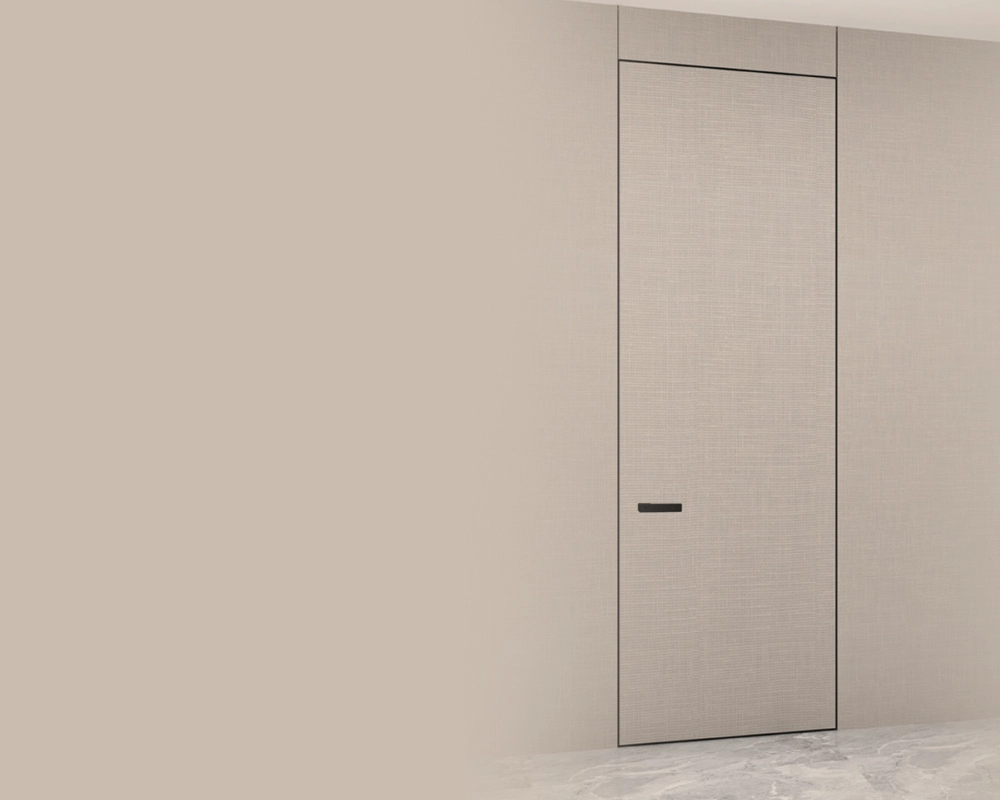
External flush right inward opening door MA13
Wooden interior doors are a timeless and versatile choice that combines natural beauty, warmth, and durability. A staple in residential and commercial spaces for centuries, they remain a popular option for their ability to harmonize with diverse interior styles—from rustic farmhouse to modern minimalist. Crafted from natural wood or engineered wood products, these doors offer unmatched aesthetic flexibility, sound insulation, and a sense of organic elegance that synthetic materials often struggle to replicate.

 Scan QR Code
FoshanMuranoCabinet
foshanmuranocabinet
Whatsapp: +8618814138020
Scan QR Code