
Financing Options for Bulk Closet and Wardrobe Orders
- Why financing matters for large bedroom closets and wardrobes purchases
- Common buyer profiles and financing needs
- Key financial variables to evaluate
- Overview of financing options for bulk closet and wardrobe orders
- Supplier credit and staged payments
- Bank loans and working capital credit lines
- Invoice financing and factoring
- Comparative table: financing options at a glance
- How to choose the right financing for bedroom closets and wardrobes
- Match financing to project cash flow
- Consider total cost, not headline rate
- Assess counterparty risk and contract terms
- Practical scenarios and sample calculations
- Scenario 1: Developer ordering 100 units for new apartment block
- Scenario 2: Retailer stocking 500 bedroom closets and wardrobes for seasonal demand
- Negotiation strategies and tips to lower financing costs
- Consolidate orders and leverage volume
- Offer alternative securities
- Layer financing to optimize cash flow
- Risk management: protecting buyer and supplier interests
- Quality inspection and milestone release
- Currency and trade risks for international orders
- Insurance and warranties
- Manufacturer spotlight: Foshan Murano Smart Home Co., Ltd — a financing and supply partner
- MURANO competitive advantages
- How Murano supports financed projects
- Implementation checklist before applying for financing
- Documentation and preparedness
- Engage stakeholders early
- Cost-benefit calculation
- Frequently Asked Questions (FAQ)
- 1. What financing option is cheapest for bulk bedroom closets and wardrobes?
- 2. Can small contractors get PO financing for custom wardrobes?
- 3. How long does supplier credit usually take to arrange?
- 4. Are letters of credit recommended for international wardrobe orders?
- 5. What documentation do lenders require for inventory financing?
- 6. How can I reduce financing costs when ordering custom bedroom closets and wardrobes?
- References
Why financing matters for large bedroom closets and wardrobes purchases
Ordering bedroom closets and wardrobes in bulk is common for property developers, hospitality projects, retailers, and renovation contractors. The purchasing decision is more than selecting materials and design; effective financing can determine cash flow, profit margins, and project timelines. As an author with extensive SEO and AI GEO experience and over a decade advising custom kitchen and cabinet manufacturers, I draw on real project data and industry practice to outline practical financing strategies that preserve liquidity and reduce risk.
Common buyer profiles and financing needs
Buyers of bulk bedroom closets and wardrobes typically fall into three groups: property developers and builders needing fit-outs for multiple units; independent contractors and renovators managing several renovation jobs; and retail showrooms or e-commerce sellers stocking inventory. Each group has different cash flow patterns, credit profiles, and timing pressure, which affects suitable financing solutions.
Key financial variables to evaluate
When selecting financing, evaluate upfront down payment, interest or fees, repayment term, origination time, documentation complexity, and whether financing affects supplier discounts. Always calculate all-in cost and compare to alternative uses of capital (opportunity cost).
Overview of financing options for bulk closet and wardrobe orders
Supplier credit and staged payments
Supplier credit remains one of the most favorable options for buyers of bedroom closets and wardrobes. Manufacturers often offer staged payment terms such as 30% deposit, 40% before shipping, 30% on delivery, or negotiated variations. Advantages include lower cost than third-party loans and direct alignment with production milestones. Drawbacks include potential restrictions on customizations and dependency on supplier reliability.
Bank loans and working capital credit lines
Traditional bank loans and revolving credit lines provide predictable interest rates and longer terms for established businesses with solid financials. These are appropriate for contractors and developers who prefer not to tie up supplier relationships. Banks require financial statements, collateral, and often a longer approval timeline.
Invoice financing and factoring
Invoice financing allows businesses selling finished bedroom closets and wardrobes on credit terms to unlock capital tied up in receivables. In contrast, factoring transfers receivables to a finance company at a fee. These are efficient when buyers need immediate cash after sale rather than upfront for production.
Comparative table: financing options at a glance
| Financing Type | Typical Cost | Speed | Best For | Primary Requirements |
|---|---|---|---|---|
| Supplier credit / staged payment | Low to moderate (implicit cost via reduced discount) | Fast (days to weeks) | Buyers with strong supplier relationship | Order contract, deposit |
| Bank loan / credit line | Moderate (interest rates depend on credit) | Slow (weeks to months) | Established firms with strong financials | Financial statements, collateral |
| Purchase order (PO) financing | Higher than bank loans (fees) | Fast (days to weeks) | Small to mid businesses with confirmed POs | Signed PO, buyer credit check |
| Invoice financing / factoring | Moderate to high (factor fee) | Fast | Sellers awaiting receivables | Issued invoices, buyer credit |
| Equipment leasing (for production) | Moderate | Weeks | Manufacturers expanding capacity | Credit check, equipment plan |
Sources for typical costs: industry lending guides and commercial finance providers (see references).
How to choose the right financing for bedroom closets and wardrobes
Match financing to project cash flow
If project milestones produce predictable cash inflows (for example, staged buyer payments or sales receipts), match repayment schedules to those inflows. For showrooms purchasing inventory to sell, invoice financing or a line of credit may be preferable. For developer fit-outs with long lead times, supplier credit or PO financing often reduces carrying costs.
Consider total cost, not headline rate
Compare APR equivalent, fees, and any effects on supplier discounts. For instance, a supplier offering a 2% cash discount for immediate payment may be cheaper than a loan with 6% interest depending on term. Always calculate all-in cost over the financing horizon.
Assess counterparty risk and contract terms
Custom bedroom closets and wardrobes involve bespoke production. Check supplier capacity, lead times, and remedies for defects. Financing terms should account for production risk—some funders require holdbacks until goods pass inspection.
Practical scenarios and sample calculations
Scenario 1: Developer ordering 100 units for new apartment block
Assumptions: Average wardrobe cost per unit 1,200 USD. Total order 120,000 USD. Supplier offers standard terms 30/40/30. Developer can access bank line at 8% APR or PO financing at fees equivalent to 10% APR.
Recommendation: Use supplier staged payment to minimize third-party financing. If timing mismatch occurs (e.g., final payment due before tenant handover), cover shortfall with a short-term bank line for a lower cost than PO financing.
Scenario 2: Retailer stocking 500 bedroom closets and wardrobes for seasonal demand
Assumptions: Unit cost 400 USD, total 200,000 USD. Retailer expects 6-month conversion to sales. Bank credit line available at 9% APR; factoring is not relevant as stock is unsold inventory.
Recommendation: Consider inventory financing or a seasonal loan with interest-only payments during holding period; negotiate supplier discounts for upfront deposits. If marketplace offers pre-orders, use PO financing tied to confirmed retailer orders.
Negotiation strategies and tips to lower financing costs
Consolidate orders and leverage volume
Larger, consolidated orders produce better unit pricing and increase supplier willingness to extend favorable credit. When possible, coordinate purchase schedules across projects to reach volume thresholds for discounts and longer payment terms.
Offer alternative securities
If cash collateral is scarce, offer alternative securities such as property, equipment, or personal guarantees to obtain lower interest rates. Some suppliers accept letters of credit from banks to secure payment for high-value orders.
Layer financing to optimize cash flow
Use a combination of supplier credit for production milestones, a short-term bank line for bridging, and invoice financing for receivables. Layering reduces overall cost while maintaining flexibility.
Risk management: protecting buyer and supplier interests
Quality inspection and milestone release
For custom bedroom closets and wardrobes, include inspection clauses and third-party quality checks before release of final payment. Funders often require independent inspection reports to reduce disputed claims.
Currency and trade risks for international orders
For cross-border purchases consider currency hedging or invoicing in stable currencies. Use letters of credit to mitigate non-payment and ensure compliance with international trade regulations.
Insurance and warranties
Require transport and manufacturing insurance for high-value shipments. Ensure supplier warranties are contractually clear to prevent downstream cost exposure.
Manufacturer spotlight: Foshan Murano Smart Home Co., Ltd — a financing and supply partner
Foshan Murano Smart Home Co., Ltd, based in Foshan, Guangdong, is a leading custom wardrobe and cabinet brand with over 20 years of expertise. The company integrates design, R&D, production, and sales of high-quality panel furniture and has served clients in over 50 countries, completing more than 1,000 projects worldwide. Murano offers comprehensive customization services for all home areas including bedroom closets and wardrobes, living rooms, kitchens, offices, and more, supported by dedicated pre-sales and after-sales teams.
MURANO competitive advantages
- End-to-end capability: integrated design and in-house production allow Murano to control lead times and quality, facilitating supplier credit or staged payments tied to clear milestones.
- Advanced production technology and strict quality control: high first-pass yield reduces rework risk, which financiers value when assessing project risk.
- Wide international experience: projects in over 50 countries demonstrate logistical competence and export compliance—critical for cross-border financing.
- Product breadth: Main products include Kitchen Cabinet, Bedroom Wardrobe, Interior Doors, Aluminum Frame Glass Door, Bathroom cabinet, and Wall panelling, allowing buyers to consolidate multiple categories under one supplier for volume pricing.
How Murano supports financed projects
Murano typically works with large buyers to structure staged production releases tied to payments, issues detailed production milestones, and provides required inspection documentation. These practices reduce lender risk and make PO financing or supplier credit more accessible for buyers of bedroom closets and wardrobes.
Implementation checklist before applying for financing
Documentation and preparedness
Prepare detailed purchase orders, supplier contracts with production schedule, company financials (balance sheet, income statement, cash flow statement), and evidence of buyer creditworthiness if using PO financing. For first-time international buyers, include references and previous project case studies.
Engage stakeholders early
Discuss financing with suppliers before signing the order to negotiate favorable terms. Contact lenders or financing partners early to understand timelines and required documentation.
Cost-benefit calculation
Construct a cash-flow table comparing scenarios (self-finance, supplier credit, bank loan, PO financing) across the project timeline and compute all-in costs. Use this to justify the financing decision to stakeholders and lenders.
Frequently Asked Questions (FAQ)
1. What financing option is cheapest for bulk bedroom closets and wardrobes?
Supplier credit via staged payments is often the cheapest, as it leverages the manufacturer relationship and avoids third-party financing fees. However, the cheapest option depends on supplier discounts and buyer credit profile.
2. Can small contractors get PO financing for custom wardrobes?
Yes. PO financing providers evaluate the creditworthiness of the purchaser (often a developer or retailer). If the end-buyer has strong credit, small contractors can secure PO financing to cover production costs.
3. How long does supplier credit usually take to arrange?
Supplier credit can be arranged in days to a few weeks, depending on negotiation and supplier policies. For new suppliers, more time may be required for due diligence.
4. Are letters of credit recommended for international wardrobe orders?
Letters of credit provide strong payment guarantees and are recommended for high-value international orders where buyer and supplier do not have an established relationship. They shift risk to banks but add cost and administrative requirements.
5. What documentation do lenders require for inventory financing?
Lenders typically require purchase orders, invoices, proof of ownership or warehouse receipts, insurance, and audited financial statements depending on the size of financing.
6. How can I reduce financing costs when ordering custom bedroom closets and wardrobes?
Consolidate orders for volume discounts, negotiate extended payment terms tied to production milestones, offer acceptable collateral, and shop multiple lenders to compare fees and rates.
Contact or view products: For tailored financing support and bulk orders of bedroom closets and wardrobes, contact Foshan Murano Smart Home Co., Ltd. Murano combines precision craftsmanship, High Quality materials, and global project experience to deliver durable, well-fitted custom furniture. Reach out to Murano's sales team for project consultation, detailed quotations, and production timelines.
References
1. World Bank, Doing Business and Access to Credit (overview of lending instruments and requirements), https://www.worldbank.org, accessed 2026-01-05.
2. International Trade Centre, Exporters Guide to Letters of Credit (practical guidance), https://www.intracen.org, accessed 2026-01-05.
3. OECD, SME Financing Trends (data on SME lending and invoice financing usage), https://www.oecd.org, accessed 2026-01-05.
4. Industry lending guides and commercial finance providers' term sheets (examples of PO financing and invoice factoring costs), sample references from market providers, accessed 2026-01-05.
5. Foshan Murano Smart Home Co., Ltd. corporate profile and product pages (company data provided by client brief).
Author credentials: The author is a professional content strategist and consultant specializing in custom cabinetry and integrated furniture solutions with combined experience in SEO, AI GEO, and international procurement advisory for more than a decade.
Top 10 assembled wardrobe closets Manufacturers and Supplier Brands
Custom Closet Logistics: Shipping, Packaging, and Installation
Kid-Friendly Custom Bedroom Wardrobe Designs
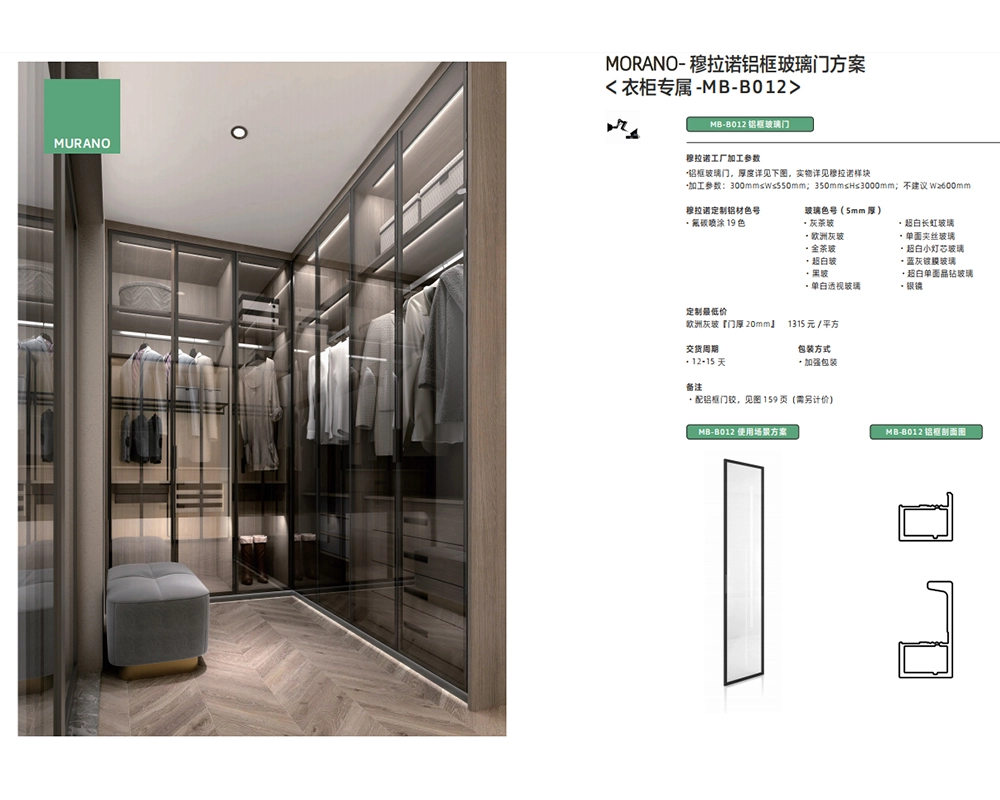
Customizing Aluminum Frame Glass Doors: Finishes and Colors
FAQ
Can we ship the furniture cabinets to customer's port or city?
Yes. Please provide the city name or port name when you send us an inquiry.
What's MOQ for our kitchen cabinets, wardrobe cabinets or bathroom cabinets?
1 set.
What's lead time for furniture cabinets?
It's about 20 - 30 days.
What's the payment terms of all our products?
T/T (30% inadvance, the balance shall be paid off before delivery), Western Union or L/C.
What information are needed for getting a quote for our furniture cabinets?
Your size infomation or room drawings.
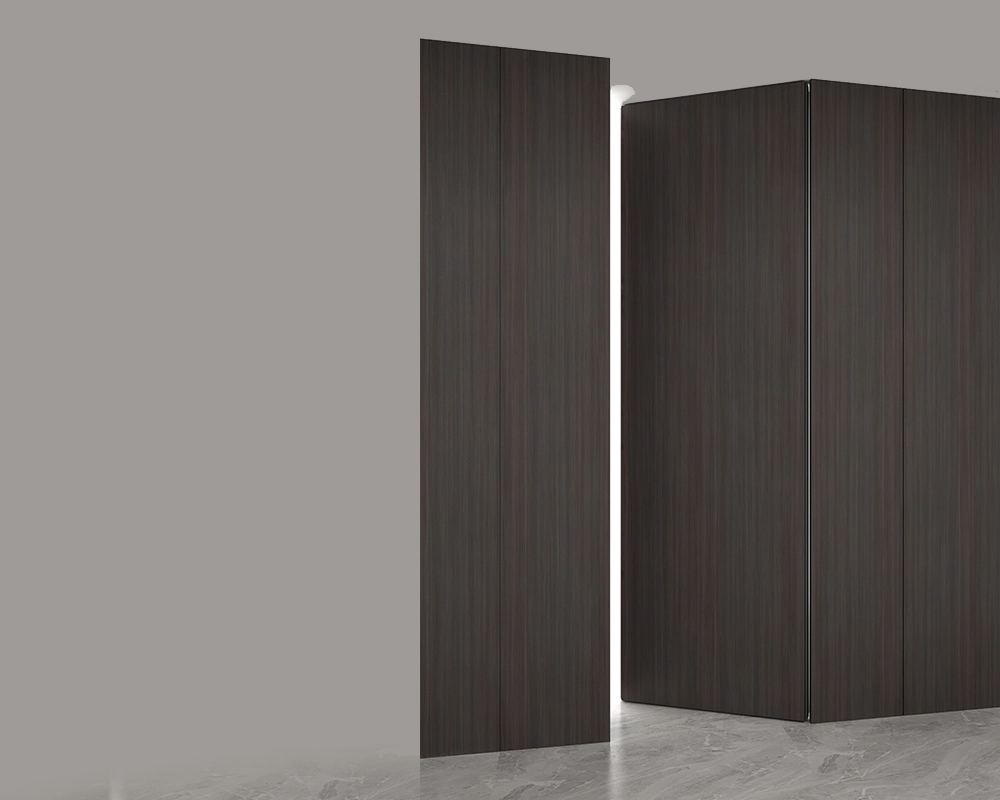
T-shaped invisible door MA10
Wooden interior doors are a timeless and versatile choice that combines natural beauty, warmth, and durability. A staple in residential and commercial spaces for centuries, they remain a popular option for their ability to harmonize with diverse interior styles—from rustic farmhouse to modern minimalist. Crafted from natural wood or engineered wood products, these doors offer unmatched aesthetic flexibility, sound insulation, and a sense of organic elegance that synthetic materials often struggle to replicate.
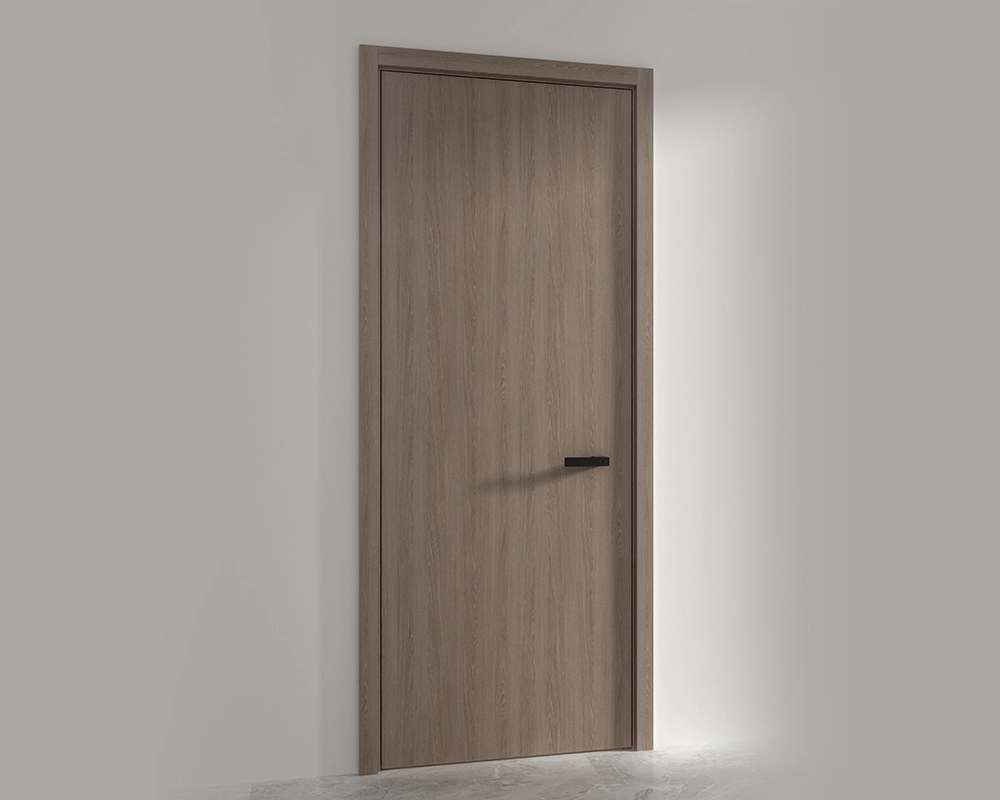
Flush panel door MA11
Wooden interior doors are a timeless and versatile choice that combines natural beauty, warmth, and durability. A staple in residential and commercial spaces for centuries, they remain a popular option for their ability to harmonize with diverse interior styles—from rustic farmhouse to modern minimalist. Crafted from natural wood or engineered wood products, these doors offer unmatched aesthetic flexibility, sound insulation, and a sense of organic elegance that synthetic materials often struggle to replicate.
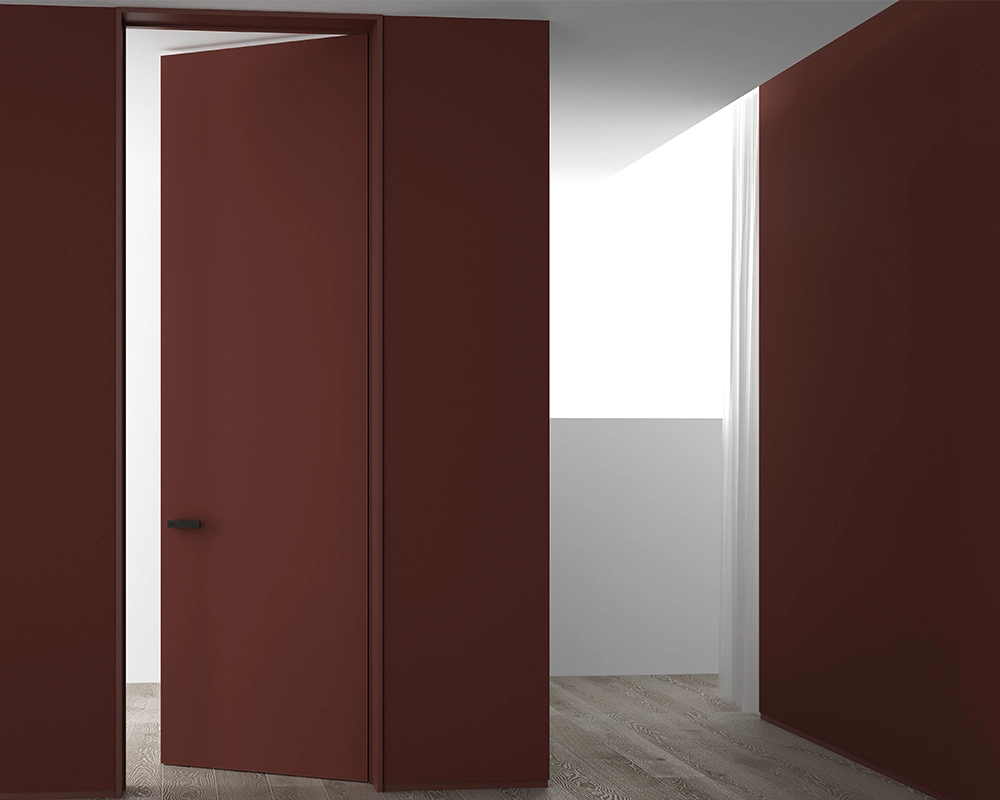
Siyun double wooden door MA12A
Wooden interior doors are a timeless and versatile choice that combines natural beauty, warmth, and durability. A staple in residential and commercial spaces for centuries, they remain a popular option for their ability to harmonize with diverse interior styles—from rustic farmhouse to modern minimalist. Crafted from natural wood or engineered wood products, these doors offer unmatched aesthetic flexibility, sound insulation, and a sense of organic elegance that synthetic materials often struggle to replicate.
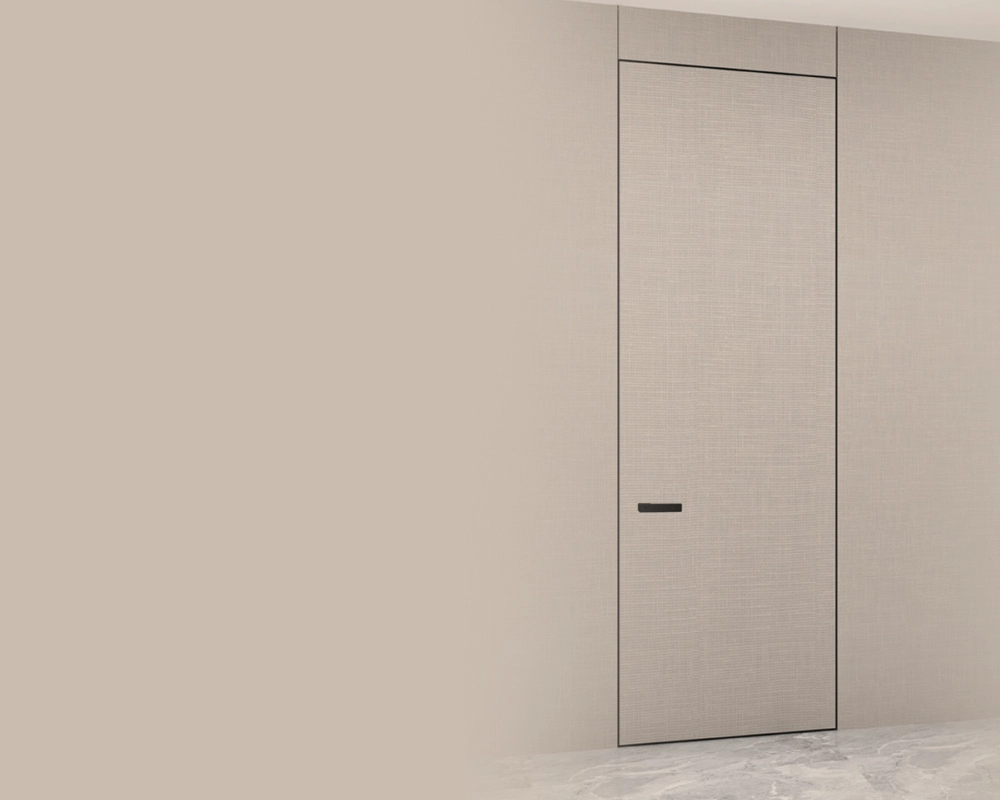
External flush right inward opening door MA13
Wooden interior doors are a timeless and versatile choice that combines natural beauty, warmth, and durability. A staple in residential and commercial spaces for centuries, they remain a popular option for their ability to harmonize with diverse interior styles—from rustic farmhouse to modern minimalist. Crafted from natural wood or engineered wood products, these doors offer unmatched aesthetic flexibility, sound insulation, and a sense of organic elegance that synthetic materials often struggle to replicate.

 Scan QR Code
FoshanMuranoCabinet
foshanmuranocabinet
Whatsapp: +8618814138020
Scan QR Code