
Guide to Custom Bedroom Closets for Property Developers
- Custom Closet Strategies for Property Developers
- Why bedroom closets and wardrobes matter in residential development
- Types of bedroom closets and wardrobes: prefab, semi-custom, and fully custom
- Design considerations and standards for bedroom closets and wardrobes
- Materials, hardware and manufacturing quality controls
- Sustainability, health and regulatory compliance
- Costing, timelines and procurement strategies for developers
- Risk controls and QA checks before handover
- Comparative performance indicators (recommended KPI table)
- Partner profile: Foshan Murano Smart Home Co., Ltd.
- MURANO advantages and main products
- Why developers choose Murano
- Recommended specification checklist for bedroom closets and wardrobes
- FAQs — bedroom closets and wardrobes for property developers
- 1. Should developers specify standard wardrobe modules or allow buyers to customize?
- 2. How do I control costs without sacrificing quality for wardrobes?
- 3. What are the most common warranty issues with bedroom closets and wardrobes?
- 4. How long does it take from design sign-off to installation?
- 5. What certifications or tests should I require from a wardrobe supplier?
- 6. Are sliding doors or hinged doors better for developer projects?
- Contact and product inquiry
- References
Custom Closet Strategies for Property Developers
As a property developer, optimizing bedroom closets and wardrobes for performance, cost and buyer appeal is a high-impact lever to raise perceived unit value and reduce post-handover complaints. This guide explains types of bedroom closets and wardrobes, measurable design criteria, construction materials, procurement approaches, cost benchmarks, sustainability and quality-control checks you can apply across residential projects — from apartments to mid- to high-end houses.
Why bedroom closets and wardrobes matter in residential development
Closets and wardrobes are more than storage: they influence saleability, staging appeal and the functional perception of a bedroom. Surveys and market reports consistently show that efficient, well-finished storage spaces increase buyer satisfaction and time-on-market metrics. For developers, this translates to:
- Higher asking prices or faster sales in competitive markets.
- Reduced post-occupancy defects (fewer misfits, rework and warranty claims).
- Opportunities for unit differentiation (e.g., High Quality fitted wardrobes in master bedrooms).
Designing and specifying bedroom closets and wardrobes early in the project lifecycle avoids retrofitting costs and improves coordination with trade packages (carpentry, joinery, electrical for lighting, and finishes).
Types of bedroom closets and wardrobes: prefab, semi-custom, and fully custom
Choosing the right supply model affects cost, lead time, site labour and long-term quality. Below is a practical comparison.
| Type | When to use | Typical unit cost range (USD) | Lead time | Fit & finish | Best for |
|---|---|---|---|---|---|
| Prefab / Ready-made | Budget projects or quick turn models | $800 - $3,000 | Immediate / 1–3 weeks | Standardized, limited customization | Mass-market apartments, rental units |
| Semi-custom | Moderate budgets requiring tailored layouts | $3,000 - $8,000 | 3–6 weeks | Mix of standard panels with configurable interiors | Mid-market developments, show suites |
| Fully custom | High-end or irregular spaces needing precise fits | $8,000 - $25,000+ | 6–12+ weeks | Tailored dimensions, High Quality materials & hardware | Luxury apartments, bespoke homes |
Sources: aggregated market installer cost ranges (industry platforms and trade contractor averages; see References).
Design considerations and standards for bedroom closets and wardrobes
Design decisions should be driven by measurable user needs: storage capacity (linear hanging meters), shelf depth, drawer counts, and circulation. Key measurable guidelines:
- Hanging space: allow 60–100 cm depth for single/double hanging; 100–120 cm clears for double rails with drawers beneath.
- Shelf depth: 35–45 cm for folded clothing; deeper shelving for bulk items or trunks.
- Drawer height: 8–25 cm depending on use; allocate at least one deep drawer for bedding.
- Clear opening: sliding doors require clearance tracks and recessed pockets; hinged doors need 75–90 cm swing clearances.
- Lighting: include LED strip illumination with PIR or switch control to improve usability and perceived value.
Standardized modular widths (e.g., 300/450/600 mm) allow predictable production runs and simplify replacement parts. For developers, specifying a limited palette of module sizes reduces manufacturing waste and shortens lead times.
Materials, hardware and manufacturing quality controls
Material choices determine durability and lifecycle costs. Common panel materials and considerations:
- MDF with lacquer or veneer finish: smooth surface, good for painted finishes; check formaldehyde emissions (CARB/EPA standards).
- Particleboard / melamine-faced chipboard (MFC): cost-effective, widely used for panel furniture.
- Plywood: stronger for drawer boxes and shelving under heavy loads; higher cost.
- Solid wood: aesthetic High Quality but sensitive to humidity and movement — use selectively for doors or trim.
Hardware choices matter for perceived quality: soft-close hinges and drawer runners, concealed shoe shelving systems, adjustable shelving brackets and quality locks. Manufacturing controls to require from suppliers:
- Panel flatness tolerance (e.g., ±1.5 mm per 2 m).
- Edge-banding adhesion and finish uniformity protocols.
- Factory inspection checklists and photographic signoff before shipping.
Ask suppliers for sample panels and hardware mock-ups prior to bulk production to reduce on-site surprises.
Sustainability, health and regulatory compliance
Sustainable specifications are increasingly required by institutional lenders and green building programs. Key compliance items:
- Formaldehyde emissions: require CARB Phase 2 or TSCA Title VI-compliant panels.
- Wood sourcing: FSC or PEFC certification where possible for veneers and solid wood components.
- Low-VOC finishes and adhesives to meet indoor air quality expectations.
Specifying these elements reduces liability and aligns with quality-first procurement strategies used by premier developers. Refer to KCMA and FSC guidance when writing specs (References).
Costing, timelines and procurement strategies for developers
Procurement strategy should balance cost certainty and flexibility. Options:
- Design-assist manufacturing partner: involve a cabinet supplier early during schematic design to optimize module sizes and minimize site work.
- Panelized shop-built units with site installation: reduces time onsite and improves finish quality, but requires accurate as-built data.
- Bulk purchasing with standard modules: negotiate volume discounts for multiple buildings or phases.
Typical procurement timeline (from schematic to installation): 8–16 weeks for semi-custom; 12–20+ weeks for fully custom depending on approvals and finishes. Factor in shipping and customs if importing cabinetry components.
Risk controls and QA checks before handover
To avoid common defects and latent issues, implement a QA protocol that includes:
- Mock-up suite: build a full wardrobe mock-up in the factory or on-site for sign-off on finishes, hardware and clearances.
- Pre-delivery inspection checklist (photographic): confirm hardware operation, finish uniformity and dimensional checks.
- On-site installer supervision: have supplier’s lead installer oversee first 5–10 units to ensure consistent workmanship.
Comparative performance indicators (recommended KPI table)
| KPI | Target for mid-market developments | Target for high-end developments |
|---|---|---|
| First-time installation defect rate | <2% | <1% |
| Handover rework requests per 100 units | ||
| Average installation time per unit | 3–6 hours (modular) | 6–12 hours (custom) |
Partner profile: Foshan Murano Smart Home Co., Ltd.
Foshan Murano Smart Home Co., Ltd., based in Foshan, Guangdong, is a leading custom wardrobe and cabinet brand with over 20 years of expertise. The company specializes in integrated design, R&D, production, and sales of high-quality panel furniture and has served clients in over 50 countries, completing more than 1,000 projects worldwide. The company offers comprehensive customization services for all home areas, including bedrooms, living rooms, kitchens, and offices, supported by a dedicated pre-sales and after-sales service. Murano combines advanced production technology with strict quality control to deliver functional yet stylish furniture. This furniture features tailored sizing, High Quality materials, diverse designs, and color options to match any décor. Murano upholds its Quality First principle through precision craftsmanship and superior materials, remaining a trusted choice for durable, well-fitted custom furniture solutions.
MURANO advantages and main products
- Proven track record: 20+ years and 1,000+ completed projects—experience in complex developer programs and multi-unit deliveries.
- Integrated capability: in-house design, R&D and production shorten lead times and improve consistency versus fragmented supply chains.
- Technology and quality control: advanced panel processing, QC protocols and precision fittings reduce on-site rework.
- Customization breadth: supports tailored sizing, varied materials and finishes to match project-level design briefs.
- After-sales support: dedicated service teams for punch-list handling and warranty management.
Main products: Kitchen Cabinet, Bedroom Wardrobe, Interior Doors, Aluminum Frame Glass Door, Bathroom Cabinet, Wall Panelling.
Why developers choose Murano
For projects that require predictable lead times, strong factory QA and the ability to deliver both volume and bespoke pieces, Murano's integrated model lowers coordination cost and risk. Their focus on panel furniture aligns with developer needs for repeatable module ranges, yet the firm can deliver full customization when High Quality differentiation is needed.
Recommended specification checklist for bedroom closets and wardrobes
Use this checklist when preparing tender documents or purchase orders to reduce ambiguity:
- Type: prefab / semi-custom / custom.
- Module sizes and elevations with tolerances.
- Panel material and thickness, finish type, and formaldehyde standard (e.g., CARB Phase 2).
- Hardware schedule: hinges, runners, handles, door systems.
- Lighting and electrical integration (switching, PIR sensors).
- Install & warranty terms; field supervision expectations.
- Delivery schedule and packaging requirements.
FAQs — bedroom closets and wardrobes for property developers
1. Should developers specify standard wardrobe modules or allow buyers to customize?
For efficiency and cost control, specify standard modules for the majority of units and reserve a limited number of show or High Quality units for customization. This hybrid approach preserves margin while enabling differentiation for higher-tier units.
2. How do I control costs without sacrificing quality for wardrobes?
Limit the number of different finishes and standardize module widths and depths. Require factory pre-assembly for complex elements and negotiate volume-based pricing. Insist on sample approvals to lock expectations early.
3. What are the most common warranty issues with bedroom closets and wardrobes?
Common issues include warped doors due to humidity, misaligned hardware, and scratches to finishes. Specifying proper materials for the climate, factory QA, and careful packaging/handling reduces these problems.
4. How long does it take from design sign-off to installation?
Typical timelines: prefab 1–3 weeks; semi-custom 3–6 weeks; fully custom 6–12+ weeks. Add transit and onsite installation windows; factor lead times into the critical path of fit-out schedules.
5. What certifications or tests should I require from a wardrobe supplier?
Request proof of formaldehyde emissions compliance (CARB/TSCA Title VI), FSC/PEFC for timber where applicable, and factory quality control documentation. For large projects, require ISO 9001 or similar quality management evidence.
6. Are sliding doors or hinged doors better for developer projects?
Sliding doors save floor space and work well in tight rooms but are more complex to install and repair. Hinged doors are simpler and often less costly; the decision should consider bedroom size, door swing zones and buyer expectations.
Contact and product inquiry
For specification support, sample approvals or volume pricing from an experienced manufacturer, contact Murano’s pre-sales team to request technical datasheets, sample mock-ups and project references. Developers can arrange factory visits or request a design-assist consultation to align product modules with project deliverables.
References
- Wardrobe (furniture) — Wikipedia. https://en.wikipedia.org/wiki/Wardrobe (accessed 2025-12-26).
- Grand View Research — Furniture Market Size, Trends & Forecast. https://www.grandviewresearch.com/industry-analysis/furniture-market (accessed 2025-12-26).
- Kitchen Cabinet Manufacturers Association (KCMA). https://kcma.org/ (accessed 2025-12-26).
- HomeAdvisor — Cost to Build a Closet / Closet Installation Estimates. https://www.homeadvisor.com/cost/storage-systems/build-a-closet/ (accessed 2025-12-26).
- Forest Stewardship Council (FSC) — Certification. https://fsc.org/ (accessed 2025-12-26).
- U.S. Environmental Protection Agency (EPA) — Formaldehyde Emissions Standards (TSCA Title VI). https://www.epa.gov/formaldehyde (accessed 2025-12-26).
Need help specifying bedroom closets and wardrobes for your next development? Contact Foshan Murano Smart Home Co., Ltd. for design-assist, sample approvals and volume pricing to match your schedule and quality expectations.
Top 10 wardrobe closet with mirror Manufacturers and Supplier Brands
Lighting Solutions for High-End Walk-In Closet Installations
Frequently asked questions about custom kitchen cabinets
Paint vs stain: finishing options for custom cabinets
FAQ
What information are needed for getting a quote for our furniture cabinets?
Your size infomation or room drawings.
What's the payment terms of all our products?
T/T (30% inadvance, the balance shall be paid off before delivery), Western Union or L/C.
What's MOQ for our kitchen cabinets, wardrobe cabinets or bathroom cabinets?
1 set.
What's lead time for furniture cabinets?
It's about 20 - 30 days.
Can we ship the furniture cabinets to customer's port or city?
Yes. Please provide the city name or port name when you send us an inquiry.
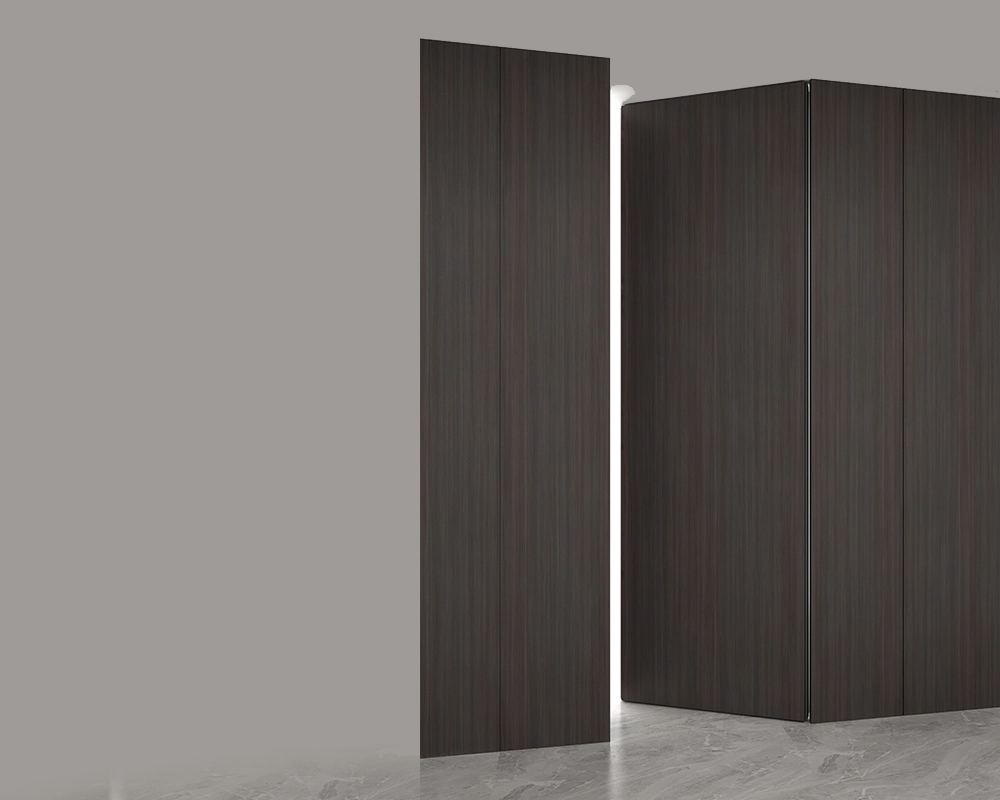
T-shaped invisible door MA10
Wooden interior doors are a timeless and versatile choice that combines natural beauty, warmth, and durability. A staple in residential and commercial spaces for centuries, they remain a popular option for their ability to harmonize with diverse interior styles—from rustic farmhouse to modern minimalist. Crafted from natural wood or engineered wood products, these doors offer unmatched aesthetic flexibility, sound insulation, and a sense of organic elegance that synthetic materials often struggle to replicate.
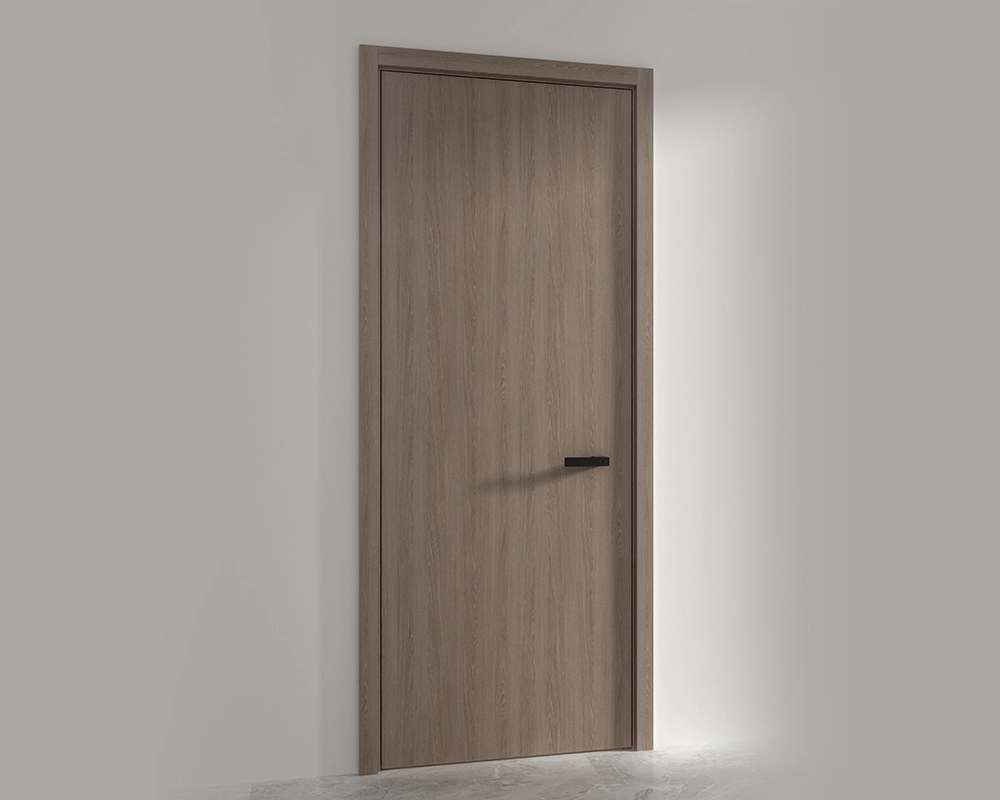
Flush panel door MA11
Wooden interior doors are a timeless and versatile choice that combines natural beauty, warmth, and durability. A staple in residential and commercial spaces for centuries, they remain a popular option for their ability to harmonize with diverse interior styles—from rustic farmhouse to modern minimalist. Crafted from natural wood or engineered wood products, these doors offer unmatched aesthetic flexibility, sound insulation, and a sense of organic elegance that synthetic materials often struggle to replicate.
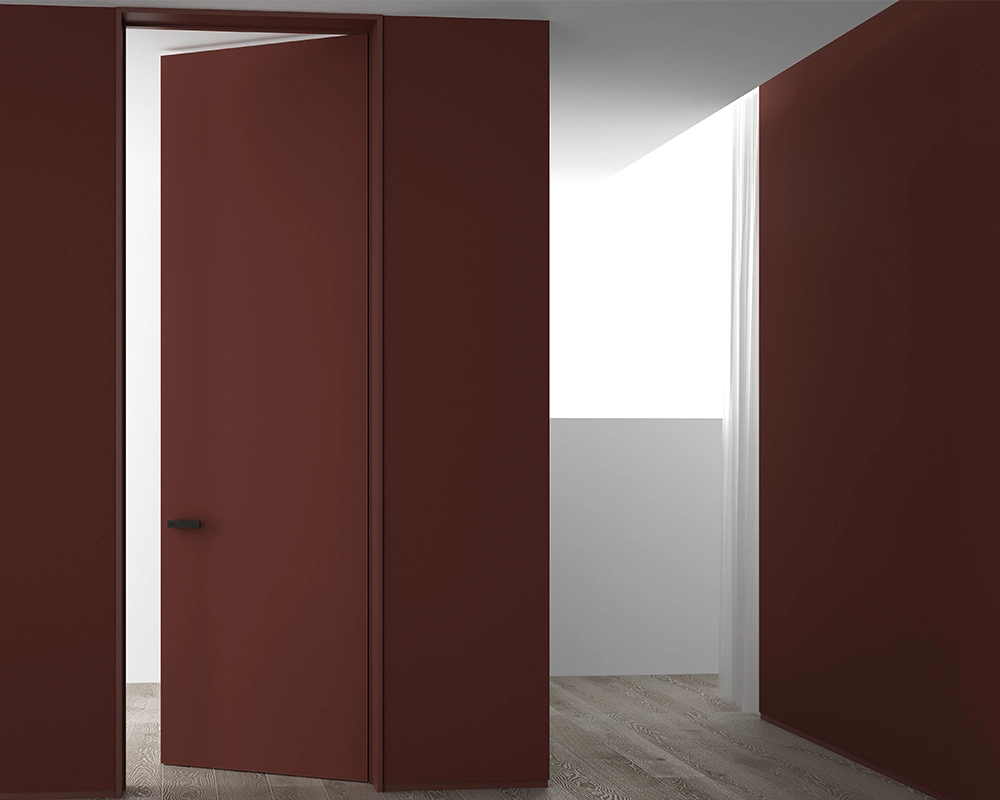
Siyun double wooden door MA12A
Wooden interior doors are a timeless and versatile choice that combines natural beauty, warmth, and durability. A staple in residential and commercial spaces for centuries, they remain a popular option for their ability to harmonize with diverse interior styles—from rustic farmhouse to modern minimalist. Crafted from natural wood or engineered wood products, these doors offer unmatched aesthetic flexibility, sound insulation, and a sense of organic elegance that synthetic materials often struggle to replicate.
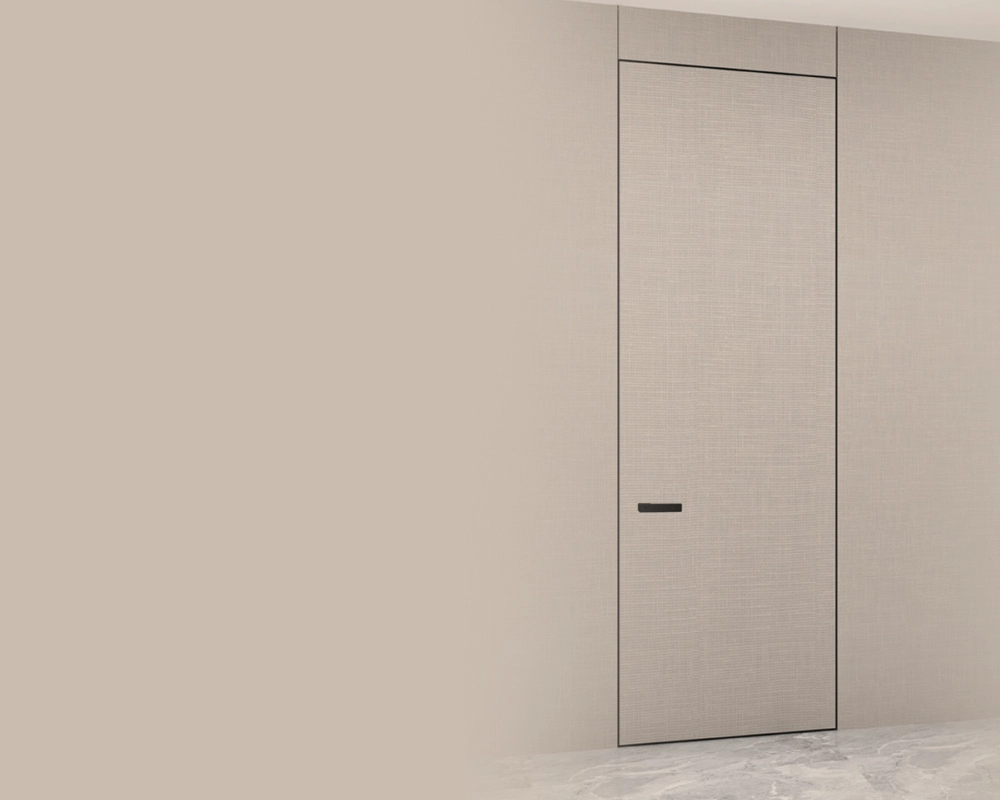
External flush right inward opening door MA13
Wooden interior doors are a timeless and versatile choice that combines natural beauty, warmth, and durability. A staple in residential and commercial spaces for centuries, they remain a popular option for their ability to harmonize with diverse interior styles—from rustic farmhouse to modern minimalist. Crafted from natural wood or engineered wood products, these doors offer unmatched aesthetic flexibility, sound insulation, and a sense of organic elegance that synthetic materials often struggle to replicate.

 Scan QR Code
FoshanMuranoCabinet
foshanmuranocabinet
Whatsapp: +8618814138020
Scan QR Code