
Installation Guide for Aluminum Frame Glass Cabinet Doors
- Installation Guide for Aluminum Frame Glass Cabinet Doors
- Why choose an aluminum frame glass door for your cabinets?
- Product overview: Aluminum Frame Glass Hinged Door - MBB012
- Tools and materials needed for installing an aluminum frame glass door
- Pre-installation inspection and accurate measurements for an aluminum frame glass door
- Recommended clearances, glass thickness, and hinge selection (quick reference)
- Step-by-step installation of the Aluminum Frame Glass Hinged Door - MBB012
- Aligning and adjusting hinges for smooth operation of your aluminum frame glass door
- Sealing, weatherproofing and finishing touches for aluminum frame glass door installations
- Common installation issues and troubleshooting for aluminum frame glass doors
- Maintenance and care for aluminum frame glass doors
- Safety, code and compliance considerations for glass cabinet doors
- Why choose our Aluminum Frame Glass Hinged Door - MBB012 (brand advantages)
- FAQ — Frequently asked questions about aluminum frame glass doors
- Contact us / View product
- Sources and references

Installation Guide for Aluminum Frame Glass Cabinet Doors
Why choose an aluminum frame glass door for your cabinets?
The aluminum frame glass door combines lightweight strength, corrosion resistance, and a modern aesthetic—making it an excellent choice for cabinet applications where visibility, style, and longevity matter. An aluminum frame glass door brings a high-end look to kitchen display cabinets, office storage, retail displays, and custom joinery while delivering functional performance such as smooth opening and low maintenance.
Product overview: Aluminum Frame Glass Hinged Door - MBB012
Aluminum-frame glass hinged doors are a timeless yet modern architectural solution that combines the strength of aluminum with the transparency and elegance of glass. Designed for both interior and exterior applications, these doors operate on a traditional hinge mechanism, offering a classic swinging motion while delivering contemporary performance. Ideal for entrances, patios, room dividers, or interior spaces, they blend functionality with sleek aesthetics, making them a versatile choice for residential, commercial, and industrial projects.
The Aluminum Frame Glass Hinged Door - MBB012 is engineered specifically for reliable hinged operation, clear sightlines, and easy installation in cabinet openings. This guide covers a professional installation process tailored to the product and general aluminum frame glass door cabinet solutions.
Tools and materials needed for installing an aluminum frame glass door
Gathering the right tools and materials before starting significantly speeds up the installation and reduces errors. For installing the Aluminum Frame Glass Hinged Door - MBB012, prepare the following:
- Power drill with screwdriver bits
- Tape measure and combination square
- Level (48-inch recommended for cabinets)
- Non-marring clamps or toggle clamps
- Soft rubber mallet
- Silicone or neutral-cure sealant (interior or exterior rated per use)
- Appropriate hinge fasteners (usually #6 or #8 wood/composite screws or machine screws with anchors for metal frames)
- Protective gloves and safety glasses
- Shims (plastic or composite)
- Masking tape and clean cloth for finishing
- Optional: weatherstripping material for exterior or humid environments
Pre-installation inspection and accurate measurements for an aluminum frame glass door
Proper measurements and inspection eliminate most fit and alignment problems. Before installing the Aluminum Frame Glass Hinged Door - MBB012:
- Confirm the cabinet opening width, height and depth at three vertical and horizontal points to detect any out-of-plumb or out-of-square conditions.
- Check the door frame and glass for any shipping damage—chips in the glass or scratches on the aluminum frame must be recorded and reported immediately.
- Verify hinge locations: identify top and bottom hinge centers and make sure the substrate can accept screws or anchors safely.
- Confirm glass type: safety glazing (tempered or laminated) is required in many jurisdictions for doors—ensure the MBB012 delivered meets local code requirements.
Recommended clearances, glass thickness, and hinge selection (quick reference)
Below is a compact comparison table to help choose the right clearances, glass thickness, and hinge types for cabinet installations using an aluminum frame glass door.
| Item | Typical Recommendation | Notes / Source |
|---|---|---|
| Reveal / Side clearance | 2–3 mm per side (total 4–6 mm) | Allows smooth swing and thermal expansion. See industry install guidance. |
| Top / Bottom clearance | 2–4 mm | Prevents scraping and allows hinge tolerance. |
| Glass thickness (cabinet doors) | 4–6 mm (tempered) | Thicker glass (8–10 mm) for large doors. Safety glazing recommended (GANA). |
| Hinge type | Concealed European hinge or butt hinge rated for glass/aluminum | Choose hinges with adjustable plates for alignment (CRL, hardware manufacturers). |
Table sources: industry standards and glazing guidance—see sources at article end.
Step-by-step installation of the Aluminum Frame Glass Hinged Door - MBB012
Follow these steps carefully to achieve a professional installation:
- Prepare the opening. Ensure the cabinet opening is level and square. Remove dust and obstructions. If the cabinet face has a veneer or finish edge, inspect screw pull-out strength.
- Dry-fit the door. Place the MBB012 door into the opening to check clearances. Confirm even gaps on sides and top/bottom per the recommended clearances table.
- Mark hinge positions. With the door in position, mark hinge screw hole centers on the cabinet stile or frame using a pencil through hinge mounting plate holes. If installing onto a metal frame, mark anchor positions.
- Pilot drill and reinforce. Pre-drill pilot holes for wood or composite stiles. Use appropriate anchors for particleboard or metal substrates. Avoid over-drilling; use depth stops if available.
- Attach hinges to the door frame. Fasten hinge plates to the aluminum frame first if the design requires, then attach to the cabinet. For MBB012, follow manufacturer torque recommendations to avoid compressing gaskets or damaging frames.
- Secure top hinge first, then bottom. Fasten the top hinge loosely, then secure the bottom hinge. Use shims if the door is not plumb. Tighten incrementally while checking alignment and gap with a feeler gauge or tape.
- Adjust hinge settings for optimal operation. Most modern cabinet hinges offer 3-way adjustment (height, depth, side). Use these to center the door and set the reveal. See the hinge adjustment section below for details.
- Seal and finish. If required, apply a thin bead of neutral-cure silicone between the aluminum frame and the cabinet surface for interior humidity control or exterior weatherproofing. Remove excess with masking tape for a clean line.
- Install hardware and stops. Attach door pulls, locks or magnetic catches as needed. Check swing and ensure the door closes without binding.
- Final inspection and testing. Open and close the door 20–30 cycles to seat the hinge and ensure consistent performance. Re-check fasteners after initial cycles.
Aligning and adjusting hinges for smooth operation of your aluminum frame glass door
Correct hinge adjustment ensures long-term, quiet operation:
- Side adjustment: Moves the door left/right to equalize side gaps. Use the side screw on the hinge to center the door.
- Height adjustment: Raises or lowers the door. Typically adjusted by loosening the hinge mounting screws and changing shim height or using an integrated height screw.
- Depth adjustment: Sets how far the door sits on the frame (in/out) to align flush with adjacent doors or face frame.
Make small changes (1–2 mm) per adjustment and re-test the swing. For heavy doors, add an additional support hinge to prevent sag over time.
Sealing, weatherproofing and finishing touches for aluminum frame glass door installations
For interior cabinet doors, sealing is primarily aesthetic and moisture-protective. For exterior or humid-area installations (e.g., wet bars, outdoor cabinets), use the following best practices:
- Use neutral-cure silicone compatible with aluminum and glass to avoid chemical reactions that may mar finishes.
- Apply low-profile weatherstripping around the perimeter if the cabinet must block dust or insects.
- Ensure drainage paths for condensation in exterior or semi-exposed installations; do not seal drainage weep holes if present in underlying frame systems.
- Mask off finishes prior to applying sealant to keep lines clean; remove masking within the cure time window recommended by the sealant manufacturer.
Common installation issues and troubleshooting for aluminum frame glass doors
Problems during or after installation are usually symptomatic of measurement or substrate issues. Here are common issues and fixes:
- Door binds or rubs: Check for out-of-square opening. Shim the cabinet or adjust hinge depth/side settings. Verify the frame was not distorted during handling.
- Uneven gaps: Loosen hinge screws and re-center the door using side and height adjustments. Confirm hinge plates are mounted at identical offsets.
- Loose screws in particleboard: Use larger diameter screws, glued-in hardwood plugs, or proper anchors to improve hold.
- Rattling or noise: Tighten all fasteners, add minimal felt or rubber washers between metal contact surfaces, and check hinge preload.
- Condensation on glass: Ensure ventilation inside cabinets; for exterior units use thermal breaks if required by application.
Maintenance and care for aluminum frame glass doors
Minimal maintenance keeps MBB012 doors looking and functioning like new:
- Clean glass with non-abrasive cleaners (ammonia-free for certain coated glass). Wipe aluminum frames with mild detergent and a soft cloth.
- Lubricate hinge pivot points annually with a silicone-based lubricant to avoid attracting dust.
- Inspect screws and fasteners yearly and retighten as necessary—especially in seaside or high-vibration environments.
- Promptly address any frame dents or finish scratches to limit corrosion in outdoor settings.
Safety, code and compliance considerations for glass cabinet doors
Local building codes and safety standards may require safety glazing for doors (tempered or laminated glass). Before installation:
- Confirm glass type provided with the MBB012—tempered glass is commonly required for doors and large panels (check jurisdictional requirements).
- Follow manufacturer-specified load limits for hinge spacing and door dimensions to prevent premature failure.
- Comply with fire-rating or egress requirements if the door is used in exit pathways—most cabinet doors are not egress components, but code awareness is critical in commercial settings.
Why choose our Aluminum Frame Glass Hinged Door - MBB012 (brand advantages)
When selecting an aluminum frame glass door like the Aluminum Frame Glass Hinged Door - MBB012, consider the following product and brand advantages:
- Engineered for reliability: MBB012 uses precision extruded aluminum profiles and factory-sealed glass units to ensure long-term performance with minimal maintenance.
- Versatile application: Suitable for interior display cabinets, retail showcases, room dividers, and certain exterior uses when specified with appropriate seals and hardware.
- Adjustable hardware: Designed with adjustable hinge interfaces to simplify on-site alignment and reduce labor time.
- Quality control and safety: Supplied with safety glazing options and finished to resist corrosion in indoor environments; testing and batch documentation available on request.
- Customization and support: We offer custom sizes, glass types (clear, low-iron, frosted), and hardware finishes to match project specifications, supported by installation documentation and technical support.
FAQ — Frequently asked questions about aluminum frame glass doors
Q: Are aluminum frame glass cabinet doors suitable for kitchens?
A: Yes. The MBB012 is ideal for kitchen display cabinets. Use tempered glass and a corrosion-resistant finish if near sinks or cooktops.
Q: What glass thickness is recommended for cabinet doors?
A: For typical cabinets, 4–6 mm tempered glass provides a good balance of weight and rigidity. Larger doors may require thicker glass; consult product specifications.
Q: Can I install the MBB012 on frameless cabinets?
A: Yes. The door can be mounted to frameless cabinets with appropriate hinge plates and reinforcements (use backing blocks or reinforced screw anchors as needed).
Q: How do I prevent the door from sagging over time?
A: Use correctly rated hinges and consider adding a third hinge for taller or heavier doors. Ensure proper fastener engagement in the substrate.
Q: Is the frame finish resistant to corrosion?
A: The MBB012’s aluminum frame comes with anodized or powder-coated finish options to resist corrosion in interior settings. For coastal or exterior use, specify higher-grade finishes and check warranty terms.
Contact us / View product
If you’re ready to order or need project-specific guidance for the Aluminum Frame Glass Hinged Door - MBB012, contact our sales and technical team for a specification sheet, installation drawings, and lead times. Click to view product details or reach out for a personalized installation quote.
Sources and references
The following authoritative sources informed the recommendations and technical guidance in this
- Glass Association of North America (GANA) — guidance on safety glazing and tempered glass recommendations. (https://www.glasswebsite.com)
- CR Laurence (CRL) — hardware selection and hinge adjustment best practices. (https://www.crlaurence.com)
- The Aluminum Association — information on aluminum performance and finishes. (https://www.aluminum.org)
- Manufacturer product literature and typical cabinet installation practices from recognized hardware suppliers and architectural glazing manuals.
Note: Always confirm local code requirements and manufacturer instructions for glass type, safety glazing, and weatherproofing prior to installation.
Warranty & Service Models for High-End Closet Systems
Top 5 bookcase for home office Company List and Products Compared
Top Materials & Finishes for a Custom Bedroom Wardrobe
Custom Bedroom Wardrobe Design Ideas
FAQ
What's lead time for furniture cabinets?
It's about 20 - 30 days.
What's the payment terms of all our products?
T/T (30% inadvance, the balance shall be paid off before delivery), Western Union or L/C.
Can we ship the furniture cabinets to customer's port or city?
Yes. Please provide the city name or port name when you send us an inquiry.
What information are needed for getting a quote for our furniture cabinets?
Your size infomation or room drawings.
What's MOQ for our kitchen cabinets, wardrobe cabinets or bathroom cabinets?
1 set.
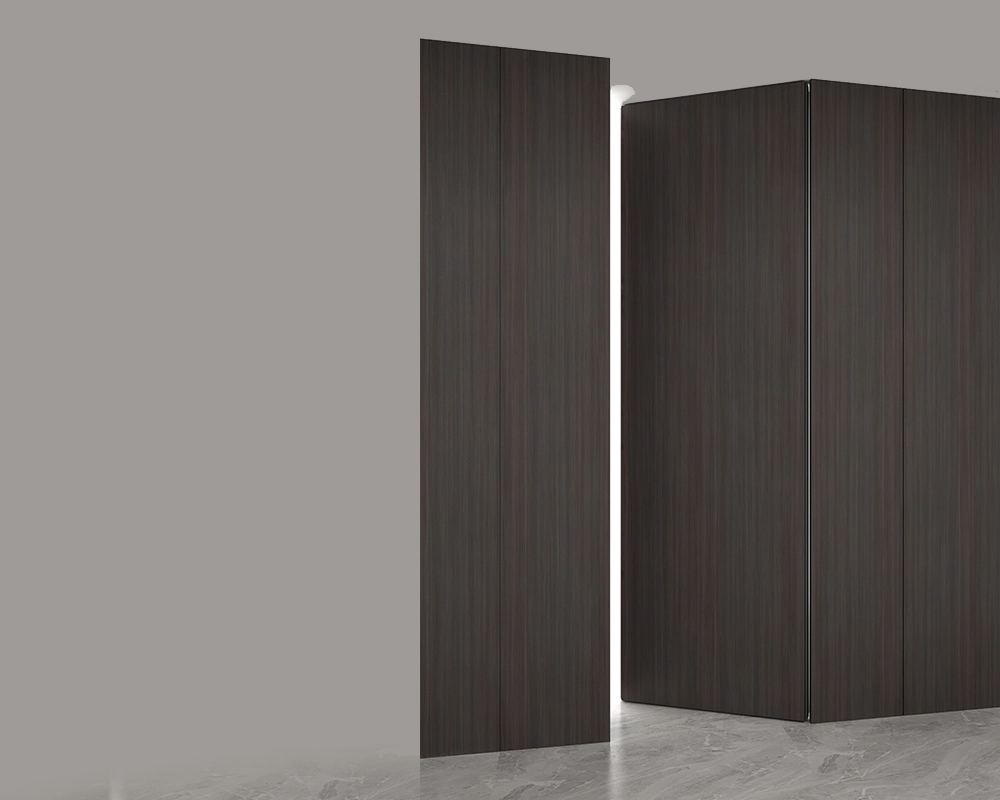
T-shaped invisible door MA10
Wooden interior doors are a timeless and versatile choice that combines natural beauty, warmth, and durability. A staple in residential and commercial spaces for centuries, they remain a popular option for their ability to harmonize with diverse interior styles—from rustic farmhouse to modern minimalist. Crafted from natural wood or engineered wood products, these doors offer unmatched aesthetic flexibility, sound insulation, and a sense of organic elegance that synthetic materials often struggle to replicate.
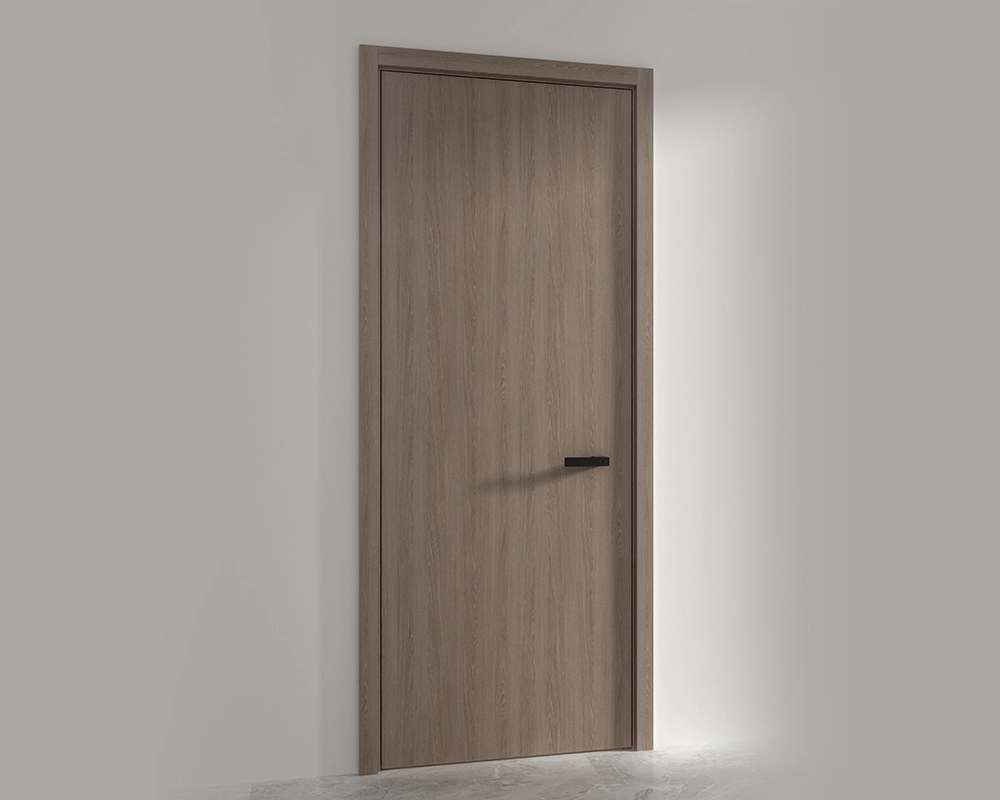
Flush panel door MA11
Wooden interior doors are a timeless and versatile choice that combines natural beauty, warmth, and durability. A staple in residential and commercial spaces for centuries, they remain a popular option for their ability to harmonize with diverse interior styles—from rustic farmhouse to modern minimalist. Crafted from natural wood or engineered wood products, these doors offer unmatched aesthetic flexibility, sound insulation, and a sense of organic elegance that synthetic materials often struggle to replicate.
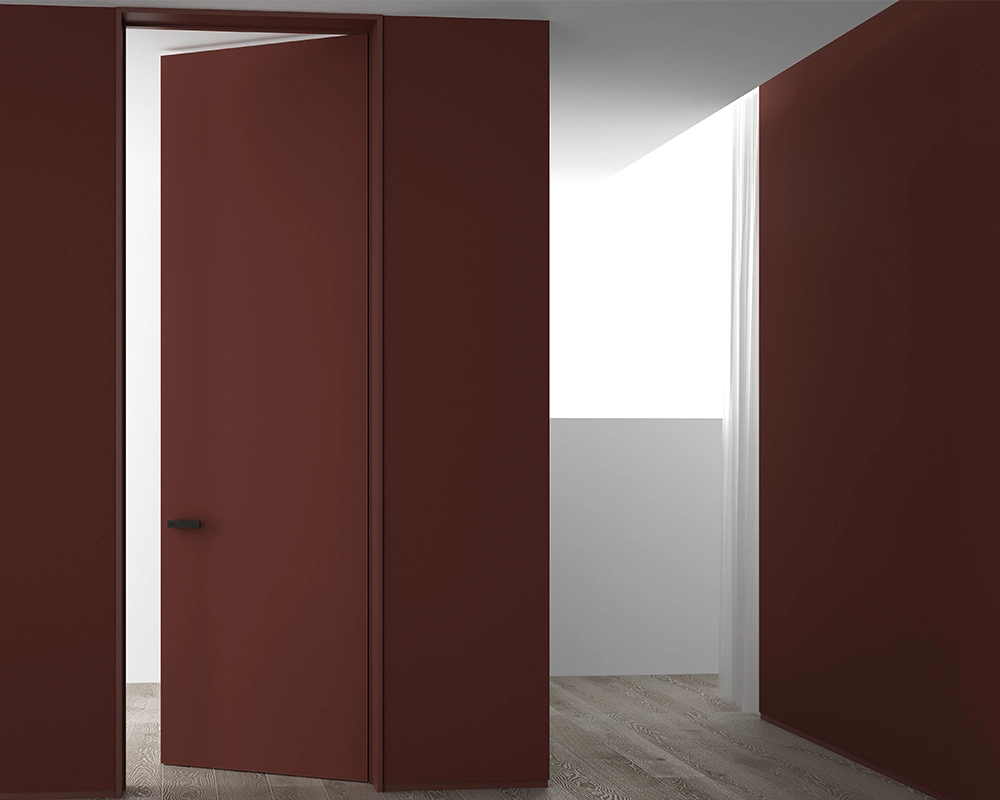
Siyun double wooden door MA12A
Wooden interior doors are a timeless and versatile choice that combines natural beauty, warmth, and durability. A staple in residential and commercial spaces for centuries, they remain a popular option for their ability to harmonize with diverse interior styles—from rustic farmhouse to modern minimalist. Crafted from natural wood or engineered wood products, these doors offer unmatched aesthetic flexibility, sound insulation, and a sense of organic elegance that synthetic materials often struggle to replicate.
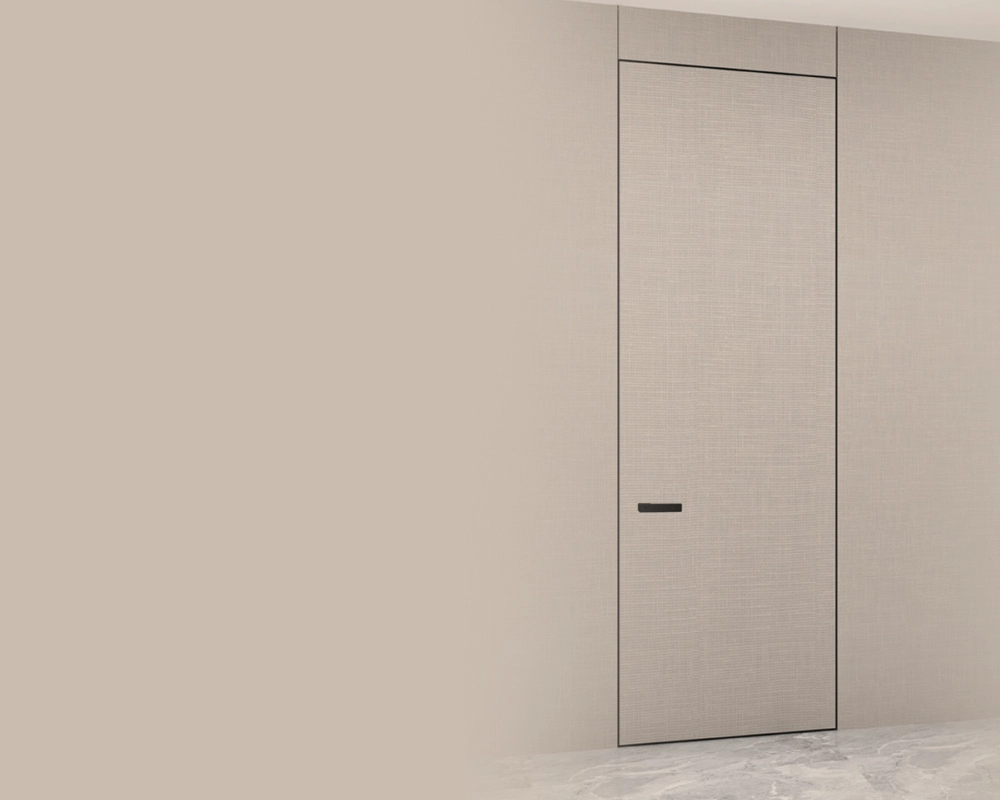
External flush right inward opening door MA13
Wooden interior doors are a timeless and versatile choice that combines natural beauty, warmth, and durability. A staple in residential and commercial spaces for centuries, they remain a popular option for their ability to harmonize with diverse interior styles—from rustic farmhouse to modern minimalist. Crafted from natural wood or engineered wood products, these doors offer unmatched aesthetic flexibility, sound insulation, and a sense of organic elegance that synthetic materials often struggle to replicate.

 Scan QR Code
FoshanMuranoCabinet
foshanmuranocabinet
Whatsapp: +8618814138020
Scan QR Code