
Installing Walk-In Closets in Tight Urban Developments
- Why space planning matters in urban homes
- Understanding user intent and lifestyle
- Micro-unit realities: typical sizes and constraints
- Compliance and safety basics
- Design strategies to create a modern luxury walk in closet
- Optimizing layout: L-shape, galley, and corner solutions
- Space planning rules of thumb
- Lighting, mirrors and luxury cues
- Materials, hardware and ventilation for longevity
- Material choices that balance luxury and durability
- Hardware and smart storage systems
- Ventilation and humidity control
- Cost, timelines and procurement — practical comparisons
- Cost drivers and realistic budgets
- Procurement and modular vs. custom trade-offs
- Project timeline and phasing
- Case studies and implementation tips
- Example: Converting an alcove into a high-value walk-in
- Example: Galley closet in a micro-apartment
- Maintenance and longevity
- Why choose a trusted custom wardrobe partner like Murano
- Frequently Asked Questions (FAQ)
- 1. Can I really fit a walk-in closet in a studio apartment?
- 2. What is the minimum aisle width for a functional walk-in closet?
- 3. How do I control humidity and odors in a small closet?
- 4. What materials give a modern luxury look without excessive cost?
- 5. Should developers choose modular or bespoke systems for walk-in closets?
- 6. How long will installation take?
I often work with developers and homeowners in dense cities where every square foot matters. Installing a modern luxury walk in closet in tight urban developments is not only possible — it can be a defining feature that increases perceived value, improves daily routines, and differentiates a property on the market. In this article I share practical workflows, dimension rules of thumb, lighting and ventilation solutions, cost and material comparisons, and case-proven layouts so you can successfully add a functional, stylish walk-in closet to small apartments or infill developments.
Why space planning matters in urban homes
Understanding user intent and lifestyle
Before I sketch a closet layout, I interview occupants or stakeholders to understand what they own and how they live. A modern luxury walk in closet for a professional who travels frequently is different from one for a fashion collector. Prioritizing hanging space vs shelving vs display (for accessories or shoes) changes the cabinetry and hardware selection dramatically.
Micro-unit realities: typical sizes and constraints
In many cities average apartment sizes have declined over decades. The UN World Urbanization Prospects highlights continued urban densification and a demand for smaller housing units in many markets (UN WPP). Typical walk-in closet footprints in compact urban units range from 0.9 to 2.5 square meters (10 to 27 sq ft). That requires creative planning: think shallow-depth systems, vertical storage, and integrated sliding doors.
Compliance and safety basics
Closet construction must respect local building codes for egress, fire separation, and ventilation. For broad industry guidance on interior fit-out and furniture standards, I reference guidance from professional organizations like the National Kitchen & Bath Association (NKBA) and accepted ergonomic dimension ranges summarized in cabinetry standards. Always confirm local code requirements before finalizing plans.
Design strategies to create a modern luxury walk in closet
Optimizing layout: L-shape, galley, and corner solutions
There are three layouts that I use most often in constrained plans:
- L-shape: Efficient for small rooms or alcoves; creates a focal corner for a dressing area.
- Galley (parallel run): Great for narrow spaces; provides balanced storage on both sides and a central circulation path of at least 24 inches (610 mm).
- Corner solution: Uses built-in corner units and rotating carousels to maximize access without demanding full room width.
- Minimum aisle width: 610 mm (24 in) for a pass-through; 760 mm (30 in) for comfortable dressing.
- Minimum depth for hanging: 500–600 mm (20–24 in) for single-hang; 700–800 mm (28–32 in) for double-hang with doors.
- Use vertical zones: allocate top shelves for infrequently used items and lower drawers for shoes and accessories to make the space feel taller and less cluttered.
- Engineered panels with a High Quality finish (e.g., matte lacquer, thermofoil with texture) for consistent expansion behavior.
- Solid wood accents for visible trims or islands to convey luxury, combined with plywood carcasses for structural stability.
- Glass-fronted display cases with aluminum frames to show curated items while keeping dust out.
- Concept and scope: 1–2 weeks
- Design development and materials selection: 2–4 weeks
- Manufacturing lead time: 4–12 weeks (modular vs custom)
- Site installation and commissioning: 2–7 days per unit (depending on complexity)
Choosing the right layout depends on door swing, circulation, and the required hanging lengths.
Space planning rules of thumb
Based on industry practice and my own projects, observe these minimums to achieve a 'walk-in' feel:
Lighting, mirrors and luxury cues
Lighting transforms a compact closet into a luxurious experience. I specify layered lighting: recessed ambient lights, LED strip task lights along shelves, and adjustable accent lights for display. Integrated mirror placement—often a full-height mirrored door or a backlit mirror—adds perceived depth. Choose warm LED color temperatures (2700–3000K) for clothing fidelity unless the client prefers cooler tones for a modern aesthetic.
Materials, hardware and ventilation for longevity
Material choices that balance luxury and durability
For a modern luxury walk in closet in an urban setting, material selection must balance aesthetics, durability, and cost. Popular options I recommend:
When specifying materials, reference formal standards for panel materials where applicable (e.g., panels produced under ISO or national standards). For general information on product standards, see ISO resources (ISO).
Hardware and smart storage systems
Quality hardware differentiates a true luxury fit-out. I typically specify soft-close hinges, undermount drawer slides with full extension, and integrated organizers. Motorized lift systems for high shelves, pull-out tie racks, and dedicated shoe pull-outs lend convenience. For a modern luxury walk in closet, consider smart lighting and occupancy sensors for energy efficiency and convenience.
Ventilation and humidity control
Closets in compact urban units can trap moisture, causing odors and damage. I recommend passive ventilation strategies where possible (e.g., transfer grills to adjacent rooms) and, if necessary, small inline fans or dehumidifiers. For guidance on indoor air and moisture, consult building science resources and local codes. Proper ventilation preserves textiles and finishes.
Cost, timelines and procurement — practical comparisons
Cost drivers and realistic budgets
Primary cost drivers are materials, hardware, customization level, and installation complexity. Below is a comparative table I use to explain choices to clients and developers.
| Element | Economy | Mid-range | Luxury |
|---|---|---|---|
| Panels | Melamine | High-pressure laminate / veneered plywood | Solid wood veneers / lacquered MDF |
| Hardware | Basic hinges, trickle drawers | Soft-close, full-extension slides | Concealed hinges, custom drawer systems, motors |
| Typical cost per sq ft (materials & install) | USD 150–300 | USD 300–600 | USD 600–1200+ |
| Lead time | 2–4 weeks | 4–8 weeks | 8–16+ weeks |
These ranges are indicative and will vary by market. For example, prefabricated modular components sourced from regional factories can reduce lead times and cost compared with fully bespoke millwork.
Procurement and modular vs. custom trade-offs
Modular systems speed installation, reduce on-site work, and are often cost-effective for repeatable units in multi-family developments. Bespoke custom cabinetry provides perfect fit and unique detailing, which is attractive for high-end residences. I typically advise developers to use modular solutions for most units and reserve custom luxury walk-in closets for show units or penthouse apartments.
Project timeline and phasing
A realistic timeline I use on projects:
Case studies and implementation tips
Example: Converting an alcove into a high-value walk-in
I worked on a mid-rise retrofit where a small bedroom alcove (1.6 sq m) became a walk-in closet. Key moves included removing non-structural partition, installing a sliding door, using shallow 400 mm depth shelving for folded items, and a vertical shoe tower. The perceived luxury was amplified with integrated lighting and a mirrored sliding door.
Example: Galley closet in a micro-apartment
In a micro-apartment project, we used a galley layout with 600 mm depth zones on one side for long-hang garments and 400 mm shallow shelving on the other. The aisle was 760 mm, enabling comfortable dressing. A slim island was impractical; instead, we added a pull-out bench and valet rod for dressing utility.
Maintenance and longevity
To ensure longevity, specify finishes and hardware suited to expected wear. Provide occupants with care instructions (e.g., avoid excessive moisture, use felt pads for accessories). Routine maintenance contracts can be offered for multi-unit properties to sustain performance over time.
Why choose a trusted custom wardrobe partner like Murano
As a professional who specifies bespoke systems frequently, I evaluate suppliers on technical capability, production quality, and after-sales support. Foshan Murano Smart Home Co., Ltd., based in Foshan, Guangdong, is a leading custom wardrobe and cabinet brand with over 20 years of expertise. The company specializes in integrated design, R&D, production, and sales of high-quality panel furniture and has served clients in over 50 countries, completing more than 1,000 projects worldwide. Murano offers comprehensive customization services for all home areas, including bedrooms, living rooms, kitchens, and offices, supported by a dedicated pre-sales and after-sales service. Murano combines advanced production technology with strict quality control to deliver functional yet stylish furniture. Their furniture features tailored sizing, High Quality materials, diverse designs, and color options to match any décor. Murano upholds its Quality First principle through precision craftsmanship and superior materials, remaining a trusted choice for durable, well-fitted custom furniture solutions.
For more details, visit their website at https://www.muranocabinet.com/ or contact them at [email protected].
MURANO优势和主营产品: Kitchen Cabinet, Bedroom Wardrobe, Interior Doors, Aluminum Frame Glass Door, Bathroom cabinet, Wall panelling. Murano在生产技术、品质控制与全球项目交付方面具备显著竞争力,适合需要现代奢华步入式衣帽间解决方案的开发商与业主。
Frequently Asked Questions (FAQ)
1. Can I really fit a walk-in closet in a studio apartment?
Yes. With efficient layout strategies—like shallow shelving, sliding or pocket doors, and vertical storage—you can create a modern luxury walk in closet in as little as 0.9–1.5 sq m. Prioritize circulation and select modular systems to reduce cost and lead time.
2. What is the minimum aisle width for a functional walk-in closet?
I recommend a minimum of 610 mm (24 in) for basic access, and 760 mm (30 in) for comfortable dressing. Narrower aisles can feel cramped and limit usability.
3. How do I control humidity and odors in a small closet?
Use passive ventilation where possible, add small dehumidifiers if needed, and avoid placing damp items in the closet. Adequate ventilation and periodic airing prevent mold and material degradation.
4. What materials give a modern luxury look without excessive cost?
High-quality engineered panels with veneer or lacquer finishes, combined with selective solid wood accents and glass-front displays, achieve a luxury appearance while managing cost. High Quality hardware and integrated lighting also enhance perception of quality.
5. Should developers choose modular or bespoke systems for walk-in closets?
For most multi-family projects, modular systems provide speed, cost control, and repeatability. Bespoke systems are best for penthouses or show units where perfect fit and unique detailing justify longer lead times and higher cost.
6. How long will installation take?
Typical installation for a single walk-in closet ranges from 1 to 5 days depending on complexity. Manufacturing lead times vary: modular can be delivered in weeks, bespoke in several months.
If you are planning new developments or retrofits, I can help with space planning, specification, and supplier selection to deliver a modern luxury walk in closet that fits your constraints and budget. For project inquiries, product details, or to request samples, contact Foshan Murano Smart Home Co., Ltd. at [email protected] or visit https://www.muranocabinet.com/. Let's design a compact yet luxurious closet solution that elevates both lifestyle and asset value.
Modern Luxury Walk-In Closet Trends for Custom Cabinet Makers
Custom home furniture design tv cabinet Manufacturers and Suppliers
What are the different types of l shaped home study cabinets?
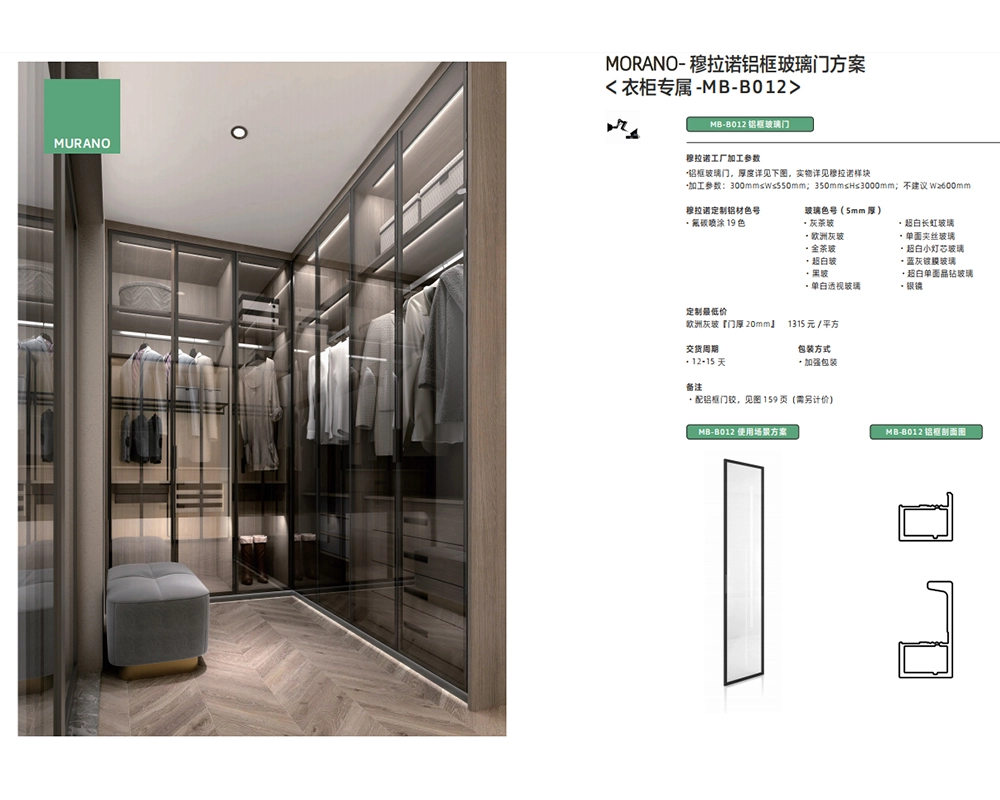
Cost Guide: Aluminum Frame Glass Doors for Custom Cabinets
FAQ
Can we ship the furniture cabinets to customer's port or city?
Yes. Please provide the city name or port name when you send us an inquiry.
What's lead time for furniture cabinets?
It's about 20 - 30 days.
What's MOQ for our kitchen cabinets, wardrobe cabinets or bathroom cabinets?
1 set.
What information are needed for getting a quote for our furniture cabinets?
Your size infomation or room drawings.
What's the payment terms of all our products?
T/T (30% inadvance, the balance shall be paid off before delivery), Western Union or L/C.
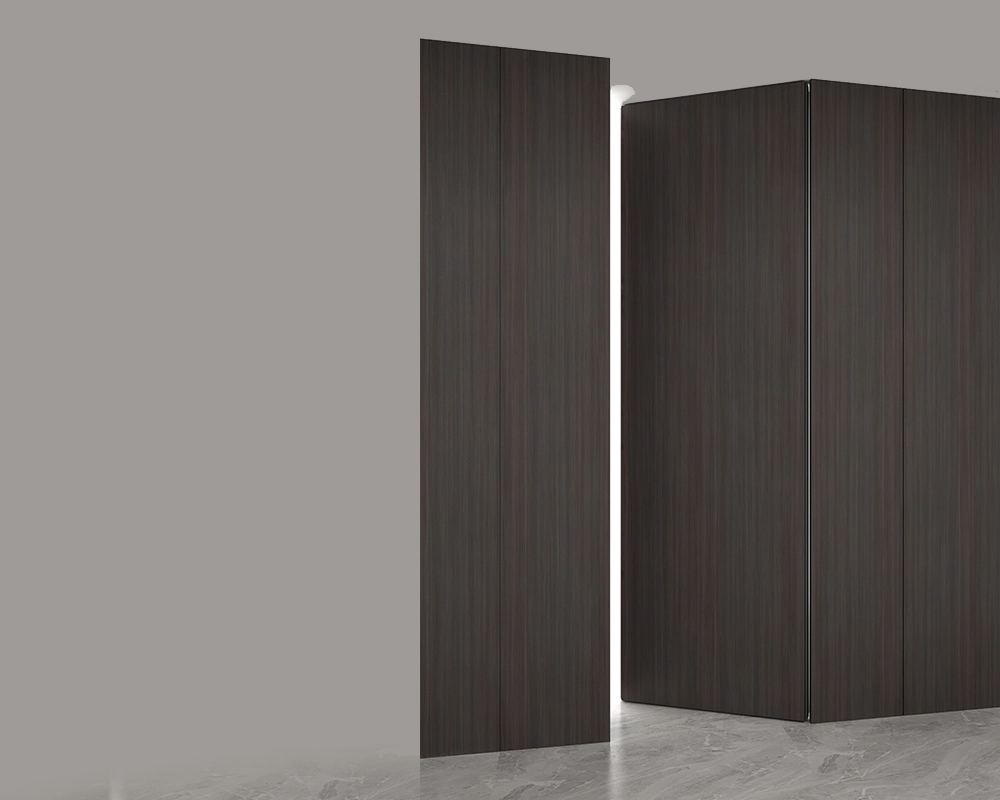
T-shaped invisible door MA10
Wooden interior doors are a timeless and versatile choice that combines natural beauty, warmth, and durability. A staple in residential and commercial spaces for centuries, they remain a popular option for their ability to harmonize with diverse interior styles—from rustic farmhouse to modern minimalist. Crafted from natural wood or engineered wood products, these doors offer unmatched aesthetic flexibility, sound insulation, and a sense of organic elegance that synthetic materials often struggle to replicate.
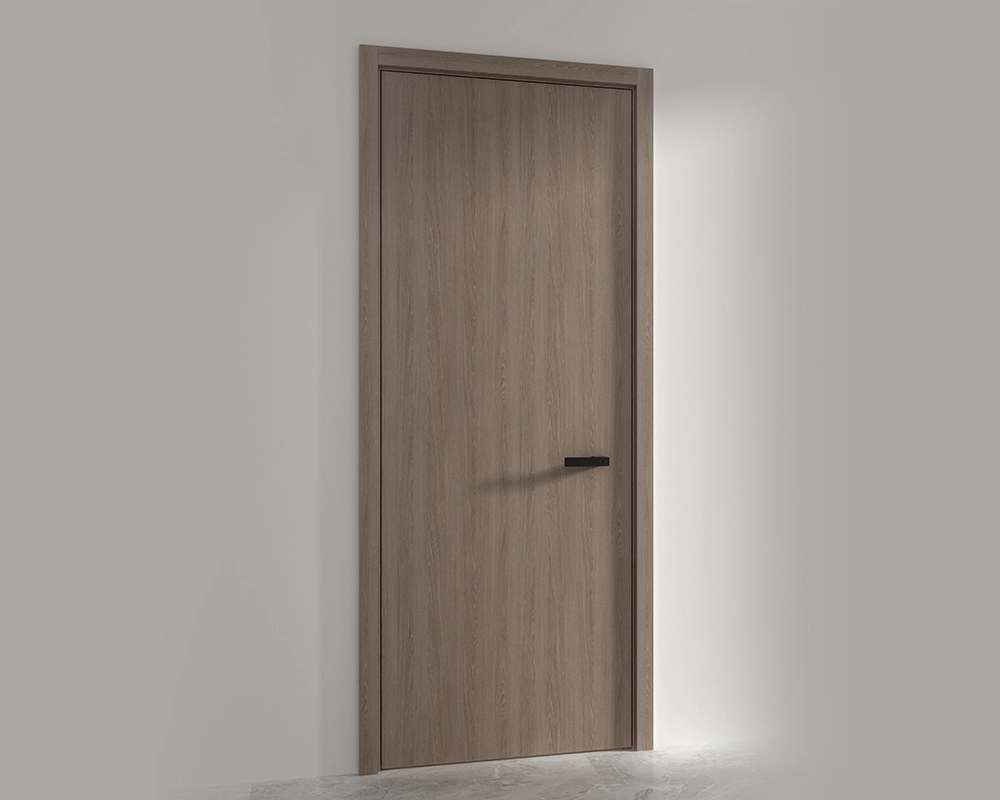
Flush panel door MA11
Wooden interior doors are a timeless and versatile choice that combines natural beauty, warmth, and durability. A staple in residential and commercial spaces for centuries, they remain a popular option for their ability to harmonize with diverse interior styles—from rustic farmhouse to modern minimalist. Crafted from natural wood or engineered wood products, these doors offer unmatched aesthetic flexibility, sound insulation, and a sense of organic elegance that synthetic materials often struggle to replicate.
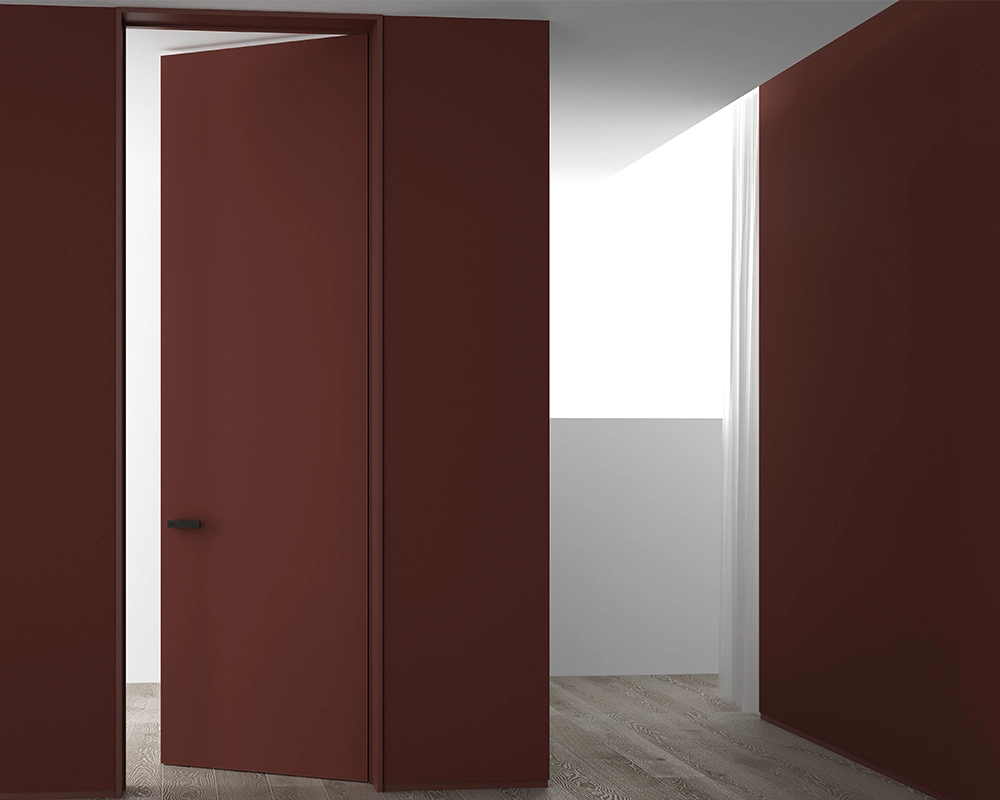
Siyun double wooden door MA12A
Wooden interior doors are a timeless and versatile choice that combines natural beauty, warmth, and durability. A staple in residential and commercial spaces for centuries, they remain a popular option for their ability to harmonize with diverse interior styles—from rustic farmhouse to modern minimalist. Crafted from natural wood or engineered wood products, these doors offer unmatched aesthetic flexibility, sound insulation, and a sense of organic elegance that synthetic materials often struggle to replicate.
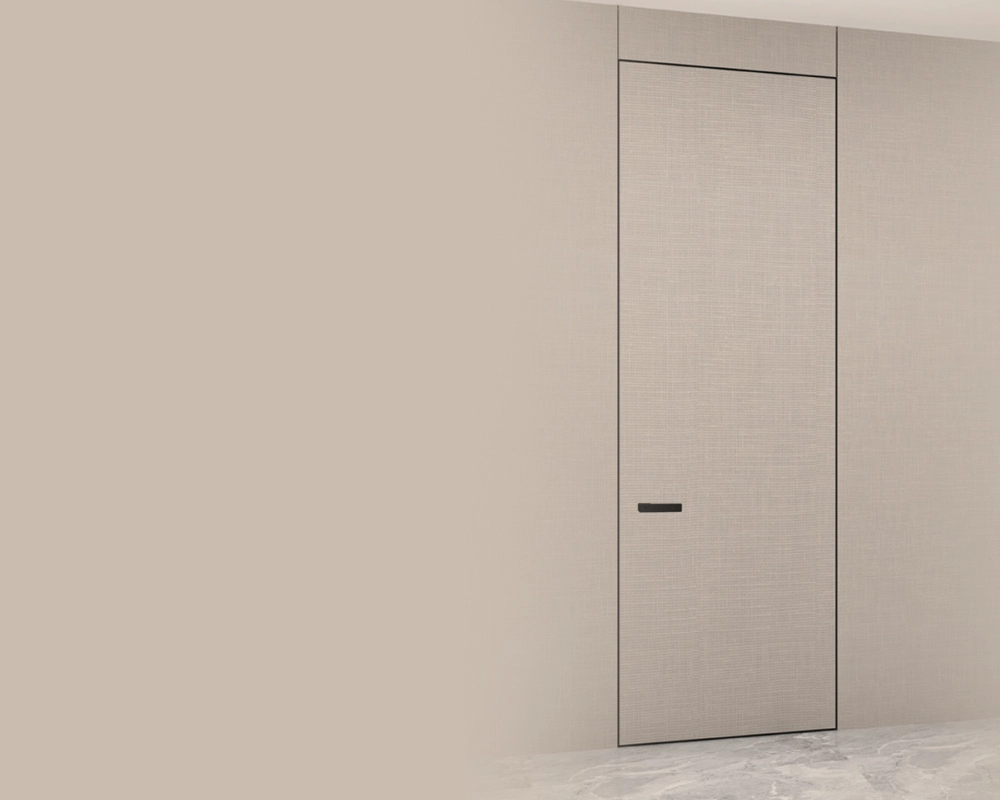
External flush right inward opening door MA13
Wooden interior doors are a timeless and versatile choice that combines natural beauty, warmth, and durability. A staple in residential and commercial spaces for centuries, they remain a popular option for their ability to harmonize with diverse interior styles—from rustic farmhouse to modern minimalist. Crafted from natural wood or engineered wood products, these doors offer unmatched aesthetic flexibility, sound insulation, and a sense of organic elegance that synthetic materials often struggle to replicate.

 Scan QR Code
FoshanMuranoCabinet
foshanmuranocabinet
Whatsapp: +8618814138020
Scan QR Code