
Lead Times & Logistics for Large Walk-In Closet Orders
- Why lead times matter in custom furniture projects
- Impact on project schedules and client expectations
- Financial and contractual implications
- Quality control versus speed trade-offs
- Phases and realistic lead-time breakdowns
- Design and approval
- Sampling, finishing approvals, and prototypes
- Production and finishing
- Logistics options and transit-time comparison
- Shipping modes: ocean, air, and courier
- Transit-time and cost trade-offs (comparison)
- Customs, duties, and documentation
- Risk mitigation, quality assurance, and scheduling tactics
- Critical-path planning and buffer allocations
- Factory audits and third-party inspections
- Packing standards and protection strategies
- Contracting, procurement, and supplier selection
- Choosing the right manufacturer
- Lead-time clauses and penalties
- Inventory strategies and phased deliveries
- Practical checklist: pre-order to installation
- Pre-order (0–4 weeks)
- Production & shipping (4–16+ weeks)
- Installation & handover (1–3 weeks)
- Why work with an experienced partner: Murano’s capabilities
- Data-driven examples and timelines (sample scenarios)
- Scenario A — Luxury penthouse, 1 full walk-in closet system (single-country)
- Scenario B — Multi-residence rollout (20 units), overseas manufacturing
- Why empirical planning matters
- References and standards
- FAQ — Frequently Asked Questions
- 1. What is a realistic lead time for a modern luxury walk in closet?
- 2. Can lead times be accelerated and at what cost?
- 3. What are common causes of delay for large closet orders?
- 4. How should I plan for installation space and on-site logistics?
- 5. Are warranties and after-sales services typically included?
- 6. How does sourcing from Foshan affect timelines and costs?
Planning large-scale installations of modern luxury walk in closet systems requires more than a design eye — it demands rigorous lead-time management, dependable logistics, and clear communication between client, designer, manufacturer, and installers. This guide provides an operational roadmap: realistic timelines, shipping comparisons, risk mitigation strategies, quality checkpoints tied to industry practices, and concrete actions you can take to ensure on-time delivery and flawless installation for high-end, customized closet projects.
Why lead times matter in custom furniture projects
Impact on project schedules and client expectations
Large walk-in closet projects are often part of broader renovation or new-construction timelines. Delays in wardrobes/cabinetry ripple across finishing trades (flooring, painting, electrical), potentially incurring late-penalty costs and client dissatisfaction. Accurate lead-time forecasting helps align milestones — final walkthroughs, furniture deliveries, and handover dates — reducing change orders and schedule drift.
Financial and contractual implications
Manufacturing and logistics lead times affect cash flow, deposit schedules, and contract clauses (liquidated damages, force majeure). For high-value modern luxury walk in closet orders, manufacturers frequently require staged payments: design deposit, production deposit, and balance before shipment or upon delivery. Understanding timing reduces financial exposure and the need for expedited (costly) remedies.
Quality control versus speed trade-offs
Rushing bespoke components — tailored drawer systems, integrated lighting, or specialty finishes — increases risk of defects. Allocating adequate time for prototyping, QA inspections, and touch-ups ensures the finished closet system reflects the luxury standard clients expect. Reference: ISO 9001 quality-management principles can guide production and inspection processes (ISO 9001).
Phases and realistic lead-time breakdowns
Design and approval
Custom projects begin with site surveys, concept design, and technical drawings. For complex, large walk-in closet orders expect 1–4 weeks for initial design iterations and client approvals. If architectural coordination is required (e.g., altering load-bearing walls or integrating HVAC), add time for engineering reviews and permits.
Sampling, finishing approvals, and prototypes
High-end projects typically require physical samples for finishes, hardware, and glass/aluminum combinations. Sample lead times vary from 3 days for standard materials to 2–3 weeks for bespoke laminates or specialty veneers. Prototype modules or mockups (recommended for complex islands or integrated systems) add 1–3 weeks but reduce rework during production.
Production and finishing
Production lead time depends on factory capacity, order complexity, and material availability. Typical ranges (validative industry practice):
| Phase | Typical Duration | Notes |
|---|---|---|
| Small batch/custom components | 2–4 weeks | Simple modular wardrobes, off-the-shelf hardware |
| Large bespoke projects | 6–12 weeks | Complex finishes, integrated lighting, custom joinery |
| High-complexity or low-volume specialty items | 12+ weeks | Exotic veneers, imported hardware, special coatings |
Source and context: These ranges align with standard custom furniture timelines and manufacturing lead-time practices commonly observed in international cabinetry manufacturing hubs such as Foshan (see Foshan).
Logistics options and transit-time comparison
Shipping modes: ocean, air, and courier
For large walk-in closet shipments, ocean freight (containerized) is the most cost-effective, but slower. Air freight is faster yet significantly more expensive and limited by cargo size. Courier or express services are suitable for urgent small components (hardware, electronics) but not entire systems.
Transit-time and cost trade-offs (comparison)
| Mode | Typical Transit Time | Relative Cost | Best Use |
|---|---|---|---|
| Full container (FCL) ocean | 30–45 days (Asia to North America/Europe) | Low per-unit cost | Complete closet systems, furniture modules |
| Less-than-container (LCL) ocean | 35–50 days | Moderate (higher per-unit) | Smaller orders, consolidated shipments |
| Air freight | 2–10 days | High (5–10x ocean) | Urgent parts, limited panels |
| Road (intercontinental via rail+truck) | 10–25 days (e.g., China-Europe rail routes) | Moderate | Time-sensitive Europe/Asia deliveries |
Reference context: Intermodal freight options and container shipping principles are documented in supply-chain resources (see: Intermodal freight transport and Container ship).
Customs, duties, and documentation
Customs clearance is often an overlooked time sink. Typical items to prepare: commercial invoice, packing list, bill of lading, certificates of origin, and any product-specific compliance documents. Delays due to incorrect HS codes or missing documentation can add 1–7+ days. For regulated finishes or materials, check destination-country import restrictions early.
Risk mitigation, quality assurance, and scheduling tactics
Critical-path planning and buffer allocations
Create a Gantt-style schedule with critical milestones: survey complete, design approved, sample approval, production start, quality inspection, shipment cut-off, and installation start. Add contingency buffers: 10–20% for design/approval, 15–30% for production when first ordering with a new factory, and 10–20% for international logistics depending on seasonality.
Factory audits and third-party inspections
On-site factory audits reduce surprises. Key audit points: production capacity, finishing booths, CNC machinery, QA processes (measurement, glue/joint tests), and packing standards (crating, moisture protection). For high-value modern luxury walk in closet systems, employ third-party pre-shipment inspections (PSI) to check dimensions, finish consistency, and hardware function before loading.
Packing standards and protection strategies
Proper packing prevents costly on-site repairs. Recommended packaging includes edge protection, individual module crating, desiccants for humid routes, and clear assembly labeling. Contractually require photos and a digital packing list before shipment to accelerate customs clearance and damage claims processing.
Contracting, procurement, and supplier selection
Choosing the right manufacturer
Key selection criteria for modern luxury walk in closet suppliers: proven luxury project experience, understanding of bespoke joinery, portfolio with references, production capacity aligned to your schedule, and robust after-sales support. Verify claims by requesting client references and photo-documented project timelines.
Lead-time clauses and penalties
Include clear lead-time definitions in contracts: define start date (e.g., design sign-off or deposit receipt), acceptable tolerances (days/weeks), and remedies for delays (discounts, expedited shipping at manufacturer cost). Also include acceptable quality levels (AQL) and repair/replacement turnarounds for damaged items upon delivery.
Inventory strategies and phased deliveries
For large multi-unit projects, phased deliveries (by room or floor) can smooth installation, reduce on-site storage needs, and limit risk exposure. Alternatively, keeping critical spare parts in local inventory (drawers, runners, specific hardware) mitigates downtime for repairs. This is especially useful when lead times for replacement components exceed a month.
Practical checklist: pre-order to installation
Pre-order (0–4 weeks)
- Complete site survey; confirm dimensions and services.
- Finalize design and detailed drawings; acquire client approval.
- Confirm material availability and sample sign-off.
- Agree on production schedule, payment terms, and lead-time clauses.
Production & shipping (4–16+ weeks)
- Request production start photos and weekly updates.
- Schedule third-party inspection before shipment.
- Confirm shipping mode, ETA, and customs documents.
- Plan on-site logistics (crane access, parking, receiving team).
Installation & handover (1–3 weeks)
- Prepare site: clear furniture, protect floors, ensure HVAC/power lines are in place.
- Sequence installation: base units, panels, doors, hardware, lighting.
- Conduct client walkthrough and punch-list; schedule any remedial work.
Why work with an experienced partner: Murano’s capabilities
For global developers, designers, and homeowners ordering modern luxury walk in closet systems at scale, partnering with an experienced manufacturer reduces risk. Foshan Murano Smart Home Co., Ltd., based in Foshan, Guangdong, is a leading custom wardrobe and cabinet brand with over 20 years of expertise. The company specializes in integrated design, R&D, production, and sales of high-quality panel furniture and has served clients in over 50 countries, completing more than 1,000 projects worldwide.
Murano offers comprehensive customization services for all home areas, including bedrooms, living rooms, kitchens, and offices, supported by a dedicated pre-sales and after-sales service. Murano combines advanced production technology with strict quality control to deliver functional yet stylish furniture. This furniture features tailored sizing, High Quality materials, diverse designs, and color options to match any décor. Murano upholds its Quality First principle through precision craftsmanship and superior materials, remaining a trusted choice for durable, well-fitted custom furniture solutions.
Competitive differentiators:
- Two decades of manufacturing experience and a global project portfolio (>1,000 projects), demonstrating consistency in delivery.
- Integrated service model: design → R&D → production → QA → logistics → after-sales, reducing coordination friction and lead-time uncertainty.
- Advanced production facilities in Foshan — a recognized manufacturing hub — enabling scalable capacity and competitive ocean-shipping options (Foshan).
- Strict quality controls guided by recognized quality-management practices (ISO 9001 principles) and third-party inspection readiness.
Murano’s core products include Kitchen Cabinet, Bedroom Wardrobe, Interior Doors, Aluminum Frame Glass Door, Bathroom cabinet, and Wall panelling. For inquiries and project consultations, visit https://www.muranocabinet.com/ or email [email protected].
Data-driven examples and timelines (sample scenarios)
Scenario A — Luxury penthouse, 1 full walk-in closet system (single-country)
Design & approval: 2 weeks. Production: 6 weeks. Local delivery & installation: 1 week. Total: ~9 weeks. This scenario uses local or regional manufacturing to minimize customs and ocean transit time.
Scenario B — Multi-residence rollout (20 units), overseas manufacturing
Design & approvals (standardized modules): 3–4 weeks. Production: 10–12 weeks (batch scheduling). Ocean shipping (FCL): 30–45 days. On-site installation phased across 4 weeks. Total: ~6–7 months. Phased deliveries and pre-inspection reduce on-site disruptions.
Why empirical planning matters
Large projects often shift from bespoke one-offs to semi-standardized modules to reduce per-unit lead time and cost while retaining luxury finishes — a strategy that cuts production variation and enables batch manufacturing efficiencies.
References and standards
Industry resources that support timelines and logistics planning:
- ISO 9001 — Quality management systems: https://www.iso.org/iso-9001-quality-management.
- Intermodal freight transport and container shipping concepts: https://en.wikipedia.org/wiki/Intermodal_freight_transport, https://en.wikipedia.org/wiki/Container_ship
- Cabinet (furniture) manufacturing context: https://en.wikipedia.org/wiki/Cabinet_(furniture)
FAQ — Frequently Asked Questions
1. What is a realistic lead time for a modern luxury walk in closet?
For a single high-end closet manufactured regionally: expect 8–12 weeks from final design sign-off to installation. For larger or fully bespoke orders produced overseas, the timeline often extends to 16–28+ weeks when including shipping and customs.
2. Can lead times be accelerated and at what cost?
Yes. Acceleration strategies include paying for air freight for critical components, prioritizing factory scheduling (at a High Quality), or reducing customization to standardized modules. Expedited options can increase costs by 2–10x for logistics and add surcharge fees for production prioritization.
3. What are common causes of delay for large closet orders?
Top causes: late design changes, material shortages, factory capacity constraints, customs/document issues, and inadequate packing leading to rework. Early communication and fixed design approvals mitigate most of these risks.
4. How should I plan for installation space and on-site logistics?
Ensure a 1–2 week clear window for installation with protected floors, available power for tools and lighting, and confirmed access points for large crates. Coordinate with installers about parking, elevator usage, and potential lifting gear for heavy modules.
5. Are warranties and after-sales services typically included?
Reputable manufacturers include warranties for workmanship and hardware. Confirm warranty duration, scope (finish, structural, hardware), and the lead time for replacement parts. Murano provides dedicated pre-sales and after-sales service to support installations and repairs.
6. How does sourcing from Foshan affect timelines and costs?
Foshan is a major furniture-manufacturing cluster, offering competitive production costs and established export logistics. While ocean transit from China adds time, consolidated production expertise and volume capacity can reduce overall unit costs and deliver consistent quality when managed by an experienced supplier.
Contact & next steps: For project-specific lead-time estimates, sample requests, or factory-capacity confirmations, contact Foshan Murano Smart Home Co., Ltd. via https://www.muranocabinet.com/ or email [email protected]. Our team can provide tailored timelines, inspection options, and logistics planning for your modern luxury walk in closet project.
Get in touch: For a quote or detailed scheduling plan, reach out to Murano at [email protected] or visit www.muranocabinet.com. Let our 20+ years of experience minimize your risk and deliver the luxury closet your project requires.
Custom laundry room base cabinets Manufacturers and Suppliers
Contracts & Specifications Template for Closet Suppliers
Why choose MURANO as your wood file cabinets for home office supplier
Custom bathroom vanity and mirror Manufacturers and Suppliers
FAQ
What's lead time for furniture cabinets?
It's about 20 - 30 days.
Can we ship the furniture cabinets to customer's port or city?
Yes. Please provide the city name or port name when you send us an inquiry.
What information are needed for getting a quote for our furniture cabinets?
Your size infomation or room drawings.
Can we produce products according to customer's room size?
Yes. All our cabinets are custom size.
What's MOQ for our kitchen cabinets, wardrobe cabinets or bathroom cabinets?
1 set.
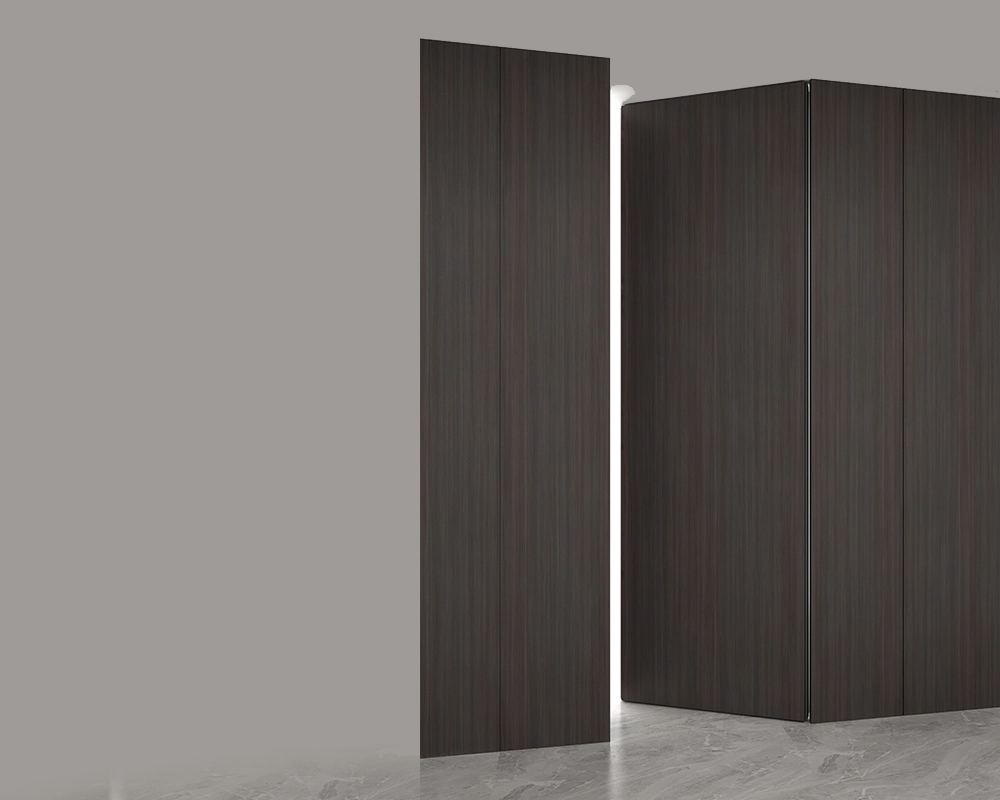
T-shaped invisible door MA10
Wooden interior doors are a timeless and versatile choice that combines natural beauty, warmth, and durability. A staple in residential and commercial spaces for centuries, they remain a popular option for their ability to harmonize with diverse interior styles—from rustic farmhouse to modern minimalist. Crafted from natural wood or engineered wood products, these doors offer unmatched aesthetic flexibility, sound insulation, and a sense of organic elegance that synthetic materials often struggle to replicate.
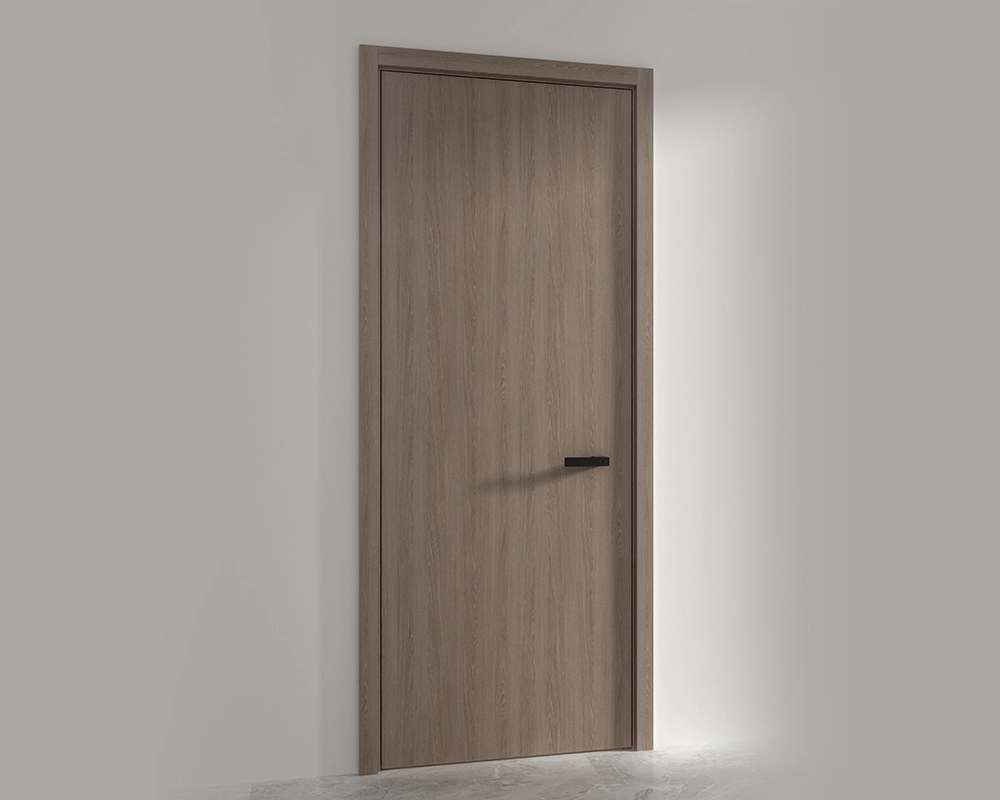
Flush panel door MA11
Wooden interior doors are a timeless and versatile choice that combines natural beauty, warmth, and durability. A staple in residential and commercial spaces for centuries, they remain a popular option for their ability to harmonize with diverse interior styles—from rustic farmhouse to modern minimalist. Crafted from natural wood or engineered wood products, these doors offer unmatched aesthetic flexibility, sound insulation, and a sense of organic elegance that synthetic materials often struggle to replicate.
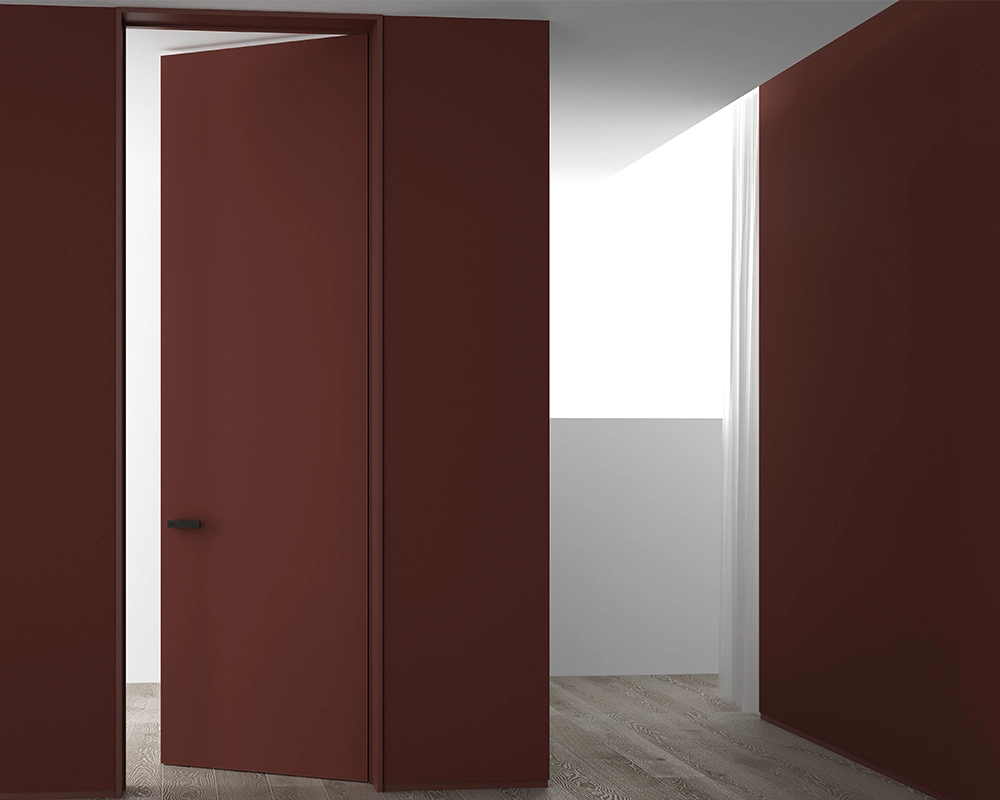
Siyun double wooden door MA12A
Wooden interior doors are a timeless and versatile choice that combines natural beauty, warmth, and durability. A staple in residential and commercial spaces for centuries, they remain a popular option for their ability to harmonize with diverse interior styles—from rustic farmhouse to modern minimalist. Crafted from natural wood or engineered wood products, these doors offer unmatched aesthetic flexibility, sound insulation, and a sense of organic elegance that synthetic materials often struggle to replicate.
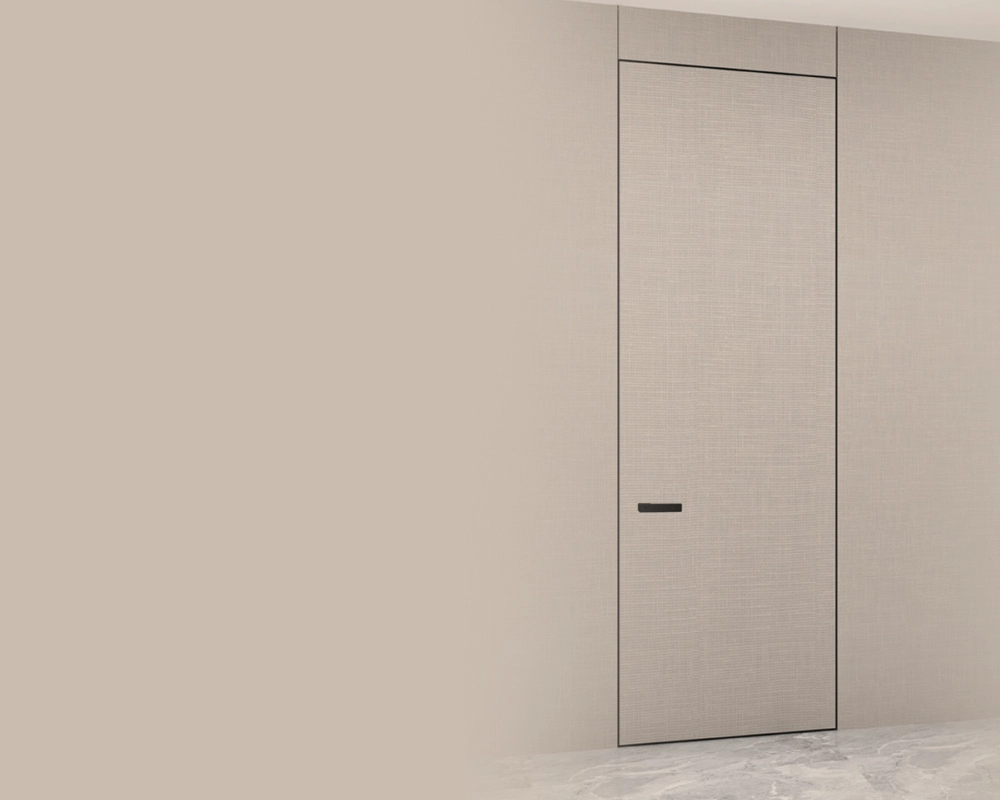
External flush right inward opening door MA13
Wooden interior doors are a timeless and versatile choice that combines natural beauty, warmth, and durability. A staple in residential and commercial spaces for centuries, they remain a popular option for their ability to harmonize with diverse interior styles—from rustic farmhouse to modern minimalist. Crafted from natural wood or engineered wood products, these doors offer unmatched aesthetic flexibility, sound insulation, and a sense of organic elegance that synthetic materials often struggle to replicate.

 Scan QR Code
FoshanMuranoCabinet
foshanmuranocabinet
Whatsapp: +8618814138020
Scan QR Code