
Marketing Playbook: Targeting Developers for Luxury Closets
- Understanding Developer Incentives and Project Workflows
- Why developers specify built-ins
- Where closets fit in the developer lifecycle
- Key stakeholders and decision triggers
- Positioning Your Modern Luxury Walk In Closet Offering
- Product differentiation: beyond aesthetics
- Technical documentation that wins specifications
- Spec-writing templates and clauses
- Go-to-Market Strategies and Sales Channels
- Direct-developer outreach and commercial sales play
- Partnerships with architecture and interior firms
- Trade and channel strategies
- Commercial Models, Pricing, and KPIs
- Pricing models developers prefer
- KPIs and performance metrics to track
- Comparative table: standard closet vs. modern luxury walk in closet
- Operationalizing Scale and Reducing Developer Risk
- Manufacturing and logistics best practices
- Quality assurance and post-install support
- Case-ready partner example: Foshan Murano Smart Home Co., Ltd.
- Go-to-Market Playbook: Step-by-step Outreach
- 30/60/90 day rollout
- Sales enablement collateral
- Measuring success
- Regulatory and Standards References
- Standards to cite in specs
- Frequently Asked Questions (FAQ)
- 1. How much additional value does a modern luxury walk in closet add to a unit?
- 2. What lead times should developers expect for customized closets?
- 3. How do I ensure on-site installation aligns with the construction schedule?
- 4. What warranties should I require from a supplier?
- 5. How do I manage finish consistency across multiple units or towers?
- Contact and Next Steps
I write this playbook from twenty-plus years advising developers and manufacturing custom cabinetry. If your objective is to get modern luxury walk in closet specifications into mid-to-high-rise residential, condo, or custom-home developments, you need a developer-focused approach: speak ROI, build risk-mitigation into your specs, and make procurement frictionless. Below I outline a structured, evidence-based marketing and commercial playbook that helps design teams, procurement, and sales converge on specifying and installing High Quality closets at scale.
Understanding Developer Incentives and Project Workflows
Why developers specify built-ins
Developers prioritize three measurable outcomes: perceived buyer value (upgrades that increase sale velocity/pricing), construction schedule reliability, and predictable cost lines. A modern luxury walk in closet is often a high-visibility upgrade that influences purchase decisions and can be included in a unit’s standard finish pack for High Quality tiers. I focus messaging on quantifiable uplift (time-to-sale, average price improvement) and logistical certainty (pre-fabrication, installation windows).
Where closets fit in the developer lifecycle
Closet specification typically occurs during the design-development and procurement phases. To influence selection, you must engage architects/design teams during schematic design and be present during FF&E or finish schedule approvals. I recommend a two-track engagement: (1) technical spec support — drawings, CAD/BIM families, and performance data; (2) commercial support — pricing ladders, lead times, and warranty commitments.
Key stakeholders and decision triggers
Stakeholders: project developers, architects, interior designers, project managers, procurement teams, and sales/leasing directors. Decision triggers include market studies showing buyer preferences, budget reforecasts, and change-order windows. I advise tracking these triggers and aligning proof points—mockups, finishes samples, and ROI analyses—timed to approval cycles.
Positioning Your Modern Luxury Walk In Closet Offering
Product differentiation: beyond aesthetics
Luxury is functional as well as visual. When I sell cupboards and closets to developers I position features that reduce life-cycle costs and improve buyer satisfaction: durable panel materials, soft-close hardware, modular fittings that allow unit reconfiguration, integrated lighting, and ventilation to protect garments. These features directly reduce call-backs and increase perceived value.
Technical documentation that wins specifications
Provide architects with editable CAD/BIM families, detailed finish schedules, and NTS (nonskid, fire-rating, VOC) data. Reference standards such as ISO 9001 for quality systems (ISO 9001) and industry best practices (Architectural Woodwork Institute: AWI) to reassure procurement and compliance teams. Also include material safety and VOC data where applicable.
Spec-writing templates and clauses
Use contract-friendly language offering warranty terms (e.g., 5–10 years on manufacturing defects), lead-time guarantees, and stated acceptance criteria for on-site installation. Include allowance language for finish upgrades, and pre-approval samples for color/veneer matching. A well-crafted spec clause reduces review cycles and accelerates procurement sign-off.
Go-to-Market Strategies and Sales Channels
Direct-developer outreach and commercial sales play
My direct-sales playbook has three pillars: relationship mapping, project-timed outreach, and turnkey quoting. Map developer portfolios, identify upcoming projects, and deliver tailored proposals that include fixed-scope pricing, installation windows synchronized with the construction schedule, and mockup costs. Offer pilot units or model-home installations to let sales/leasing teams experience the product first-hand.
Partnerships with architecture and interior firms
Architect and interior design partnerships are high-leverage. Offer continuing-education sessions, lunch-and-learns, and CEU credits where applicable. Co-develop palette books and CAD libraries. Architects prefer vendors who reduce their risk: modular systems, consistent tolerances, and reliable delivery.
Trade and channel strategies
Channels that work: direct B2B sales to developers, channel partners for local install, and selective retailing for upgrades. For large-scale projects, favor a single-source supplier model to simplify logistics. Use specification incentives (volume pricing, staggered invoicing) to win multi-building or multi-project commitments.
Commercial Models, Pricing, and KPIs
Pricing models developers prefer
Developers prefer transparent, predictable pricing: fixed-price per unit, per-linear-foot pricing, and configurable upgrade packs. Offering a standard package (base modern luxury walk in closet) with two levels of upgrades (High Quality hardware and bespoke finishes) simplifies decision-making.
KPIs and performance metrics to track
Track specification-to-order conversion rate, average lead time variance, defect rate (ppm or % of units with touch-ups), and impact on sales velocity (days-on-market) for units with walk-in closets. Present these KPIs in quarterly reports to developer customers to maintain relationships and justify price adjustments.
Comparative table: standard closet vs. modern luxury walk in closet
| Feature | Standard Closet | Modern Luxury Walk In Closet |
|---|---|---|
| Materials | Laminate or basic MDF | High Quality panels, veneers, aluminum/glass accents |
| Hardware | Basic hinges/rods | Soft-close, adjustable fittings, integrated accessories |
| Lighting | None or basic overhead | Integrated LED task and accent lighting |
| Warranty | Limited | Extended, 5+ years |
| Buyer Appeal | Functional | High perceived luxury and resale value |
Operationalizing Scale and Reducing Developer Risk
Manufacturing and logistics best practices
To serve developers you need consistent tolerances and predictable lead times. I recommend using factories with ISO 9001-certified quality systems and ERP-driven order control to reduce errors. Pre-assembly and kit-based deliveries minimize site labor and speed installation windows.
Quality assurance and post-install support
Documented inspection checklists, on-site acceptance protocols, and responsive warranty teams reduce long-term liability. Reference AWI workmanship standards (AWI) when defining acceptance criteria to align expectations.
Case-ready partner example: Foshan Murano Smart Home Co., Ltd.
As a practical example, Foshan Murano Smart Home Co., Ltd., based in Foshan, Guangdong, is a leading custom wardrobe and cabinet brand with over 20 years of expertise. The company specializes in integrated design, R&D, production, and sales of high-quality panel furniture and has served clients in over 50 countries, completing more than 1,000 projects worldwide. Murano offers comprehensive customization services for all home areas—bedrooms, living rooms, kitchens, and offices—supported by dedicated pre-sales and after-sales service. Their strengths align with developer needs:
- Advanced production technology and strict quality control for consistent tolerances and predictable lead times.
- Tailored sizing, High Quality materials, and diverse designs to match any décor, useful for model units and upgrade tiers.
- Quality First principle backed by precision craftsmanship, reducing post-installation defects and callbacks.
Murano’s flagship products—Kitchen Cabinet, Bedroom Wardrobe, Interior Doors, Aluminum Frame Glass Door, Bathroom cabinet, and Wall panelling—can be bundled into developer finish packages to create a coherent, High Quality unit experience. For inquiries, visit https://www.muranocabinet.com/ or email [email protected].
Go-to-Market Playbook: Step-by-step Outreach
30/60/90 day rollout
First 30 days: map developer targets, prepare BIM assets and spec templates, build a pilot offer. 60 days: engage architects and run sample installations in model homes. 90 days: convert pilot projects into broader project-level agreements with volume pricing and logistics commitments.
Sales enablement collateral
Equip reps with developer-focused ROI sheets, install video, warranty brochures, and comparative spec sheets. Provide digital showrooms and AR/VR visualizations to accelerate interior design sign-off.
Measuring success
Measure conversion rate of specifications to purchase orders, average order size, and on-time delivery percentage. Report outcomes to developer stakeholders quarterly and iterate product and service levels to improve metrics.
Regulatory and Standards References
Standards to cite in specs
Use ISO 9001 as evidence of quality management systems (ISO 9001). For material and finish performance, reference industry resources and guidelines from the Architectural Woodwork Institute (AWI) and, where relevant, national building codes. For general context on storage history and cultural expectations, see the Wikipedia entry on walk-in closet (Walk-in closet).
Frequently Asked Questions (FAQ)
1. How much additional value does a modern luxury walk in closet add to a unit?
Value varies by market, but studies and market practice show High Quality closets can reduce days-on-market and allow for price High Qualitys in the range of 3–7% for high-end units. Always validate with local comps and A/B testing in model homes.
2. What lead times should developers expect for customized closets?
Standard lead times depend on factory capacity and customization level. Typical ranges: modular standard finishes 4–6 weeks; bespoke veneer/heads-up customization 8–12 weeks. Manufacturers with robust ERP and pre-fabrication capabilities can reduce these windows.
3. How do I ensure on-site installation aligns with the construction schedule?
Use kit-based deliveries and pre-installation inspections. Agree on an installation window in the contract, and include penalties or remedies for missed dates. Mockup installations in model units are invaluable for smoothing schedule risks.
4. What warranties should I require from a supplier?
Require documented warranties covering manufacturing defects (5+ years recommended), hardware guarantees, and installation workmanship for a minimum of 1 year. Include after-sales response SLAs for touch-ups and replacements.
5. How do I manage finish consistency across multiple units or towers?
Lock down color and veneer batches, require factory inspection photos, and request sample boards approved early in the design phase. Tighter procurement windows and single-source manufacturing reduce variance.
Contact and Next Steps
If you want help converting these strategies into a spec-ready package for an upcoming project, I can create developer-facing proposals, BIM families, finish books, and pilot installation plans. For a production partner who can deliver at scale with strict quality control, consider Foshan Murano Smart Home Co., Ltd. Visit their site: https://www.muranocabinet.com/ or email [email protected] to request project references and sample schedules.
Execute this playbook by aligning technical spec support, developer-tailored commercial terms, and on-the-ground installation reliability. Do that, and you move modern luxury walk in closet solutions from a nice-to-have into a developer-specified competitive advantage.
Hardware & Accessories Spec Sheet for Luxury Closets
DIY vs Professional Custom Wardrobe Installation Guide
Warranty & Service Models for High-End Closet Systems
Why choose MURANO as your white oak kitchen cabinets supplier
FAQ
What's lead time for furniture cabinets?
It's about 20 - 30 days.
What's MOQ for our kitchen cabinets, wardrobe cabinets or bathroom cabinets?
1 set.
Can we produce products according to customer's room size?
Yes. All our cabinets are custom size.
What information are needed for getting a quote for our furniture cabinets?
Your size infomation or room drawings.
What's the payment terms of all our products?
T/T (30% inadvance, the balance shall be paid off before delivery), Western Union or L/C.
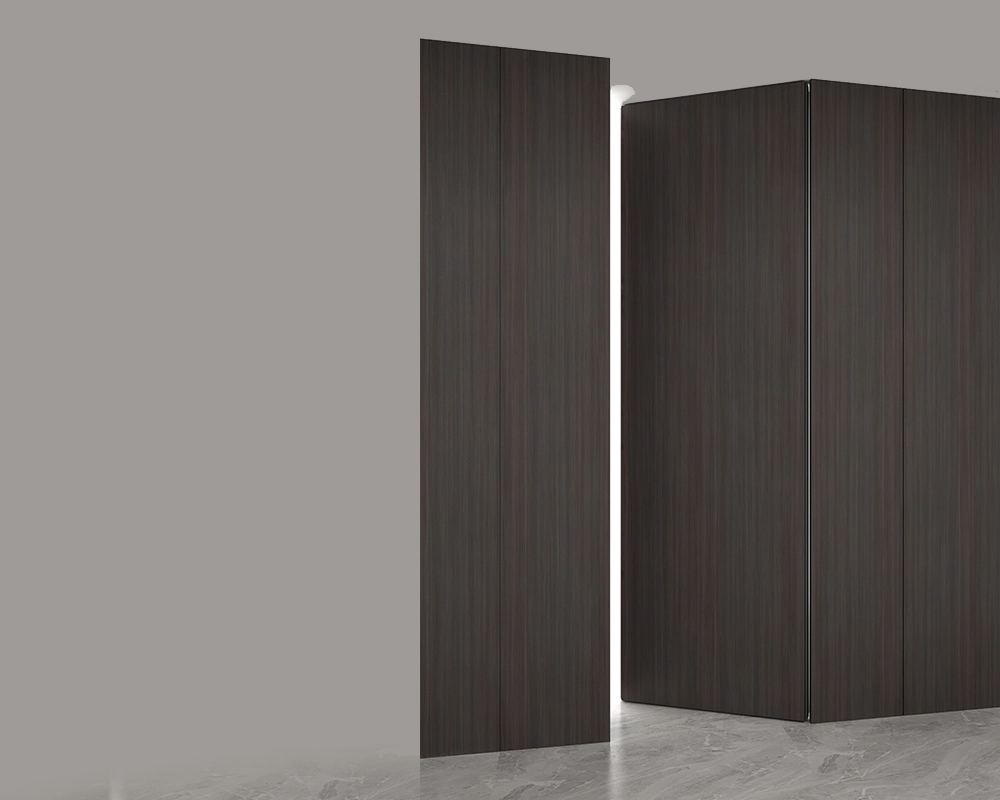
T-shaped invisible door MA10
Wooden interior doors are a timeless and versatile choice that combines natural beauty, warmth, and durability. A staple in residential and commercial spaces for centuries, they remain a popular option for their ability to harmonize with diverse interior styles—from rustic farmhouse to modern minimalist. Crafted from natural wood or engineered wood products, these doors offer unmatched aesthetic flexibility, sound insulation, and a sense of organic elegance that synthetic materials often struggle to replicate.
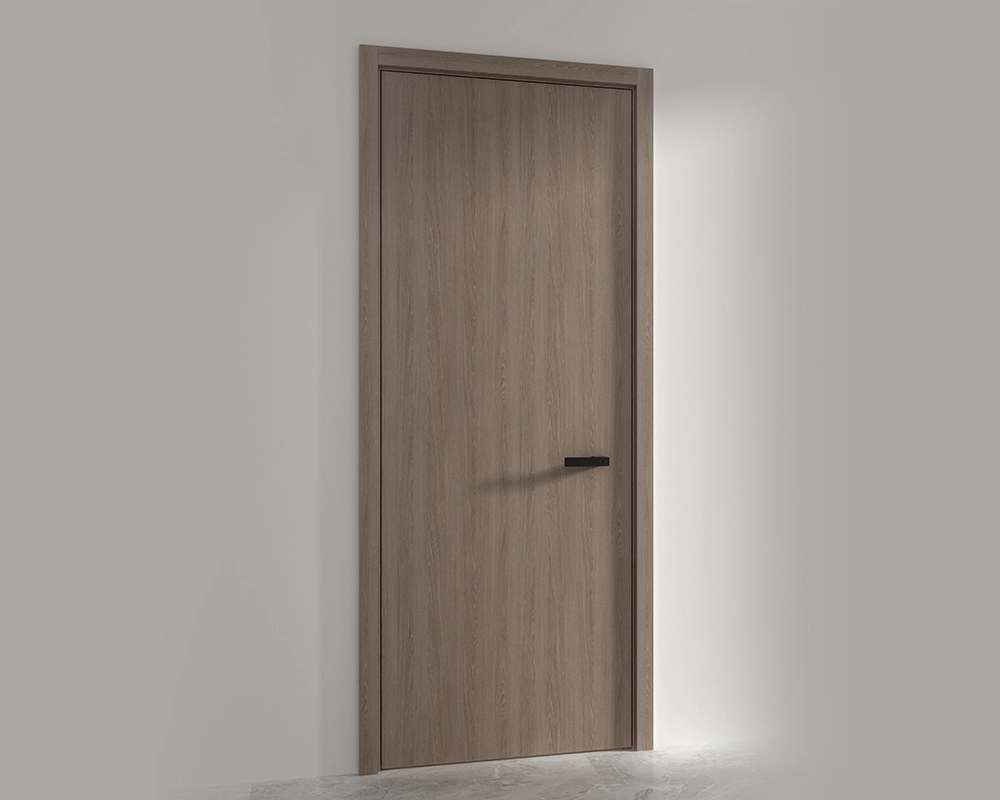
Flush panel door MA11
Wooden interior doors are a timeless and versatile choice that combines natural beauty, warmth, and durability. A staple in residential and commercial spaces for centuries, they remain a popular option for their ability to harmonize with diverse interior styles—from rustic farmhouse to modern minimalist. Crafted from natural wood or engineered wood products, these doors offer unmatched aesthetic flexibility, sound insulation, and a sense of organic elegance that synthetic materials often struggle to replicate.
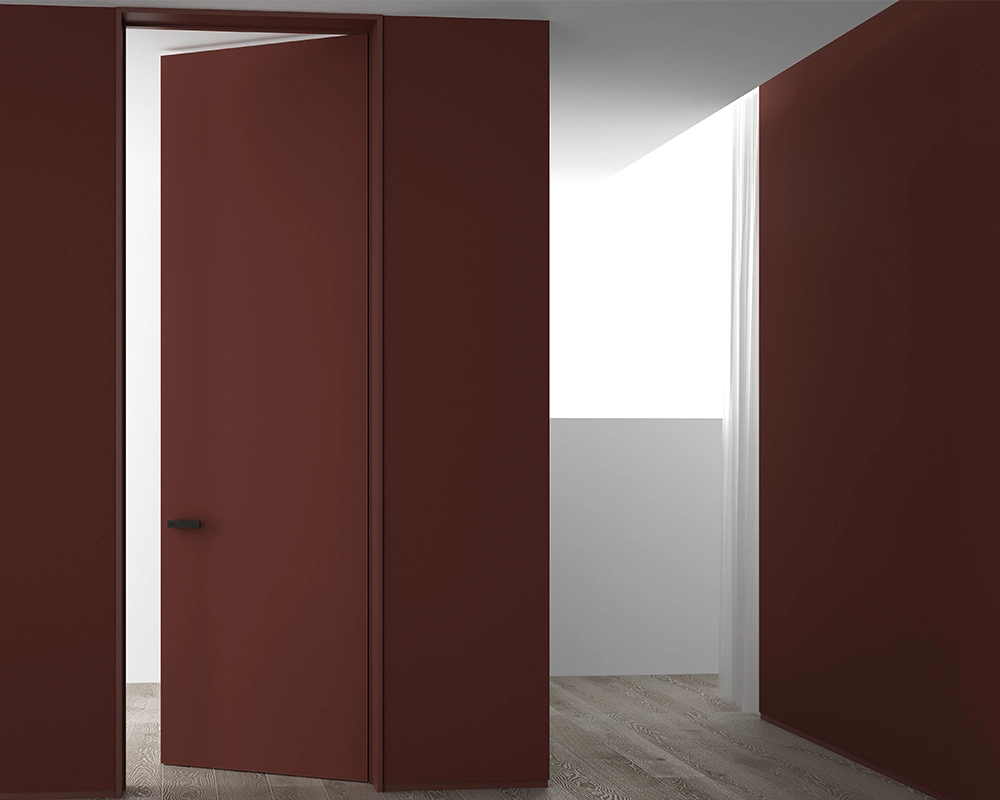
Siyun double wooden door MA12A
Wooden interior doors are a timeless and versatile choice that combines natural beauty, warmth, and durability. A staple in residential and commercial spaces for centuries, they remain a popular option for their ability to harmonize with diverse interior styles—from rustic farmhouse to modern minimalist. Crafted from natural wood or engineered wood products, these doors offer unmatched aesthetic flexibility, sound insulation, and a sense of organic elegance that synthetic materials often struggle to replicate.
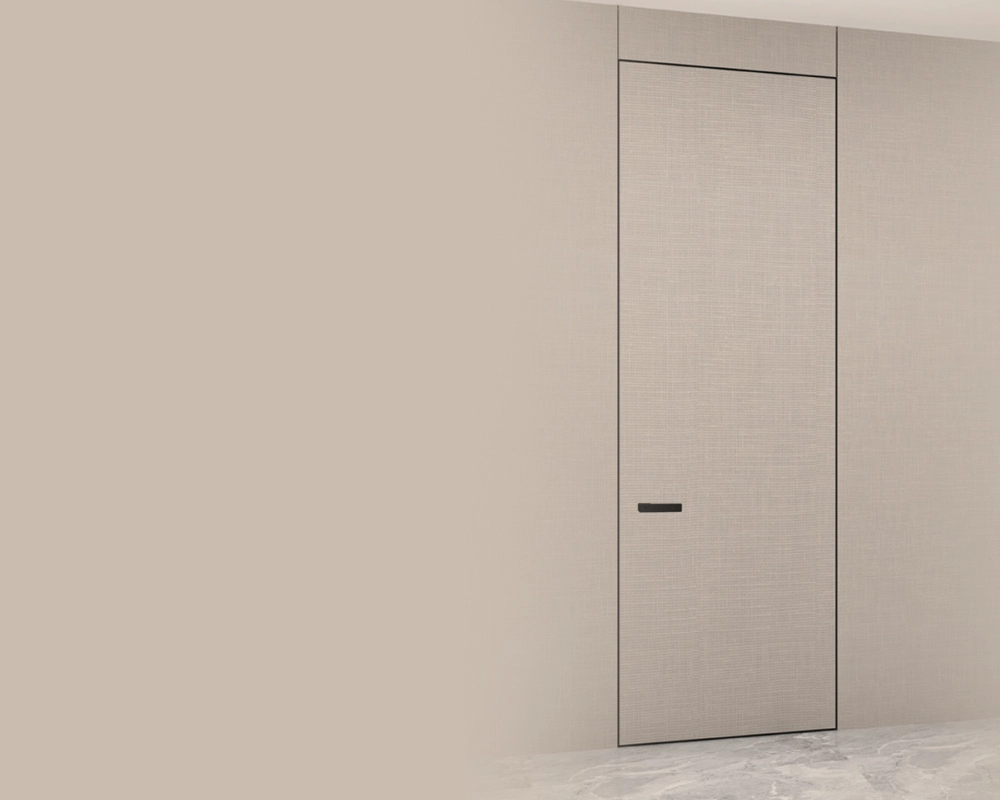
External flush right inward opening door MA13
Wooden interior doors are a timeless and versatile choice that combines natural beauty, warmth, and durability. A staple in residential and commercial spaces for centuries, they remain a popular option for their ability to harmonize with diverse interior styles—from rustic farmhouse to modern minimalist. Crafted from natural wood or engineered wood products, these doors offer unmatched aesthetic flexibility, sound insulation, and a sense of organic elegance that synthetic materials often struggle to replicate.

 Scan QR Code
FoshanMuranoCabinet
foshanmuranocabinet
Whatsapp: +8618814138020
Scan QR Code