
Materials Comparison for Custom Bedroom Wardrobes
- Choosing the Right Materials for a Durable Custom Bedroom Wardrobe
- Why material choice matters for your Custom Bedroom Wardrobe
- Common materials overview used in Custom Bedroom Wardrobes
- Solid wood: when a Custom Bedroom Wardrobe should be solid timber
- Plywood: balanced performance for Custom Bedroom Wardrobe carcasses
- MDF: finish-friendly material for Custom Bedroom Wardrobe doors
- Particleboard / Melamine-Faced Chipboard: cost-effective Custom Bedroom Wardrobe solutions
- Metal and aluminum components for Custom Bedroom Wardrobe frames and sliding doors
- Finishes and surfacing: impact on performance of a Custom Bedroom Wardrobe
- Cost breakdown and lifecycle economics for a Custom Bedroom Wardrobe
- Climate and installation considerations for Custom Bedroom Wardrobe material selection
- Sustainability and indoor air quality for Custom Bedroom Wardrobe materials
- Practical recommendations by budget and use case for Custom Bedroom Wardrobe
- Comparative technical data references used for Custom Bedroom Wardrobe materials
- How Foshan Murano Smart Home Co., Ltd. supports material selection for Custom Bedroom Wardrobe projects
- MURANO product strengths & main offerings related to Custom Bedroom Wardrobe
- Choosing the right combination: practical example for a Custom Bedroom Wardrobe
- FAQ — Custom Bedroom Wardrobe Materials
- 1. What material is best for a long-lasting Custom Bedroom Wardrobe?
- 2. Is MDF acceptable for wardrobe doors?
- 3. Can I use particleboard in humid climates?
- 4. How do I balance cost vs durability when choosing materials?
- 5. How important is certification (FSC, CARB2) for wardrobe materials?
- 6. What maintenance do different wardrobe materials require?
- Contact and product consultation
- References
Choosing the Right Materials for a Durable Custom Bedroom Wardrobe
Why material choice matters for your Custom Bedroom Wardrobe
When planning a Custom Bedroom Wardrobe, the material you choose determines longevity, appearance, cost, weight, environmental impact and required maintenance. Homeowners frequently underestimate how the wrong material affects door operation, hardware longevity, resistance to humidity, and indoor air quality. This guide helps you choose the best material based on real-world use cases (family homes, humid climates, tight budgets or high-end design goals) and provides verifiable data to support those choices.
Common materials overview used in Custom Bedroom Wardrobes
Most custom wardrobes are built from one or a combination of: solid wood, plywood, medium-density fibreboard (MDF), particleboard (often melamine-faced), high-density fibreboard (HDF), metal/aluminum, and various surface finishes such as veneer, laminate, acrylic or lacquer. Below is a concise comparison to help you quickly see differences in cost, durability and performance.
| Material | Typical Density (kg/m³) | Expected Lifespan (typical) | Moisture Resistance | Relative Cost | Finish Options | Environmental / Emissions Notes |
|---|---|---|---|---|---|---|
| Solid wood | 400–900 (species-dependent) | 25–100+ years (proper care) | Low to moderate (swells with humidity unless treated) | High | Stain, paint, oil, lacquer, veneer | Renewable if certified; natural but can warp; low added formaldehyde |
| Plywood | 300–800 (type-dependent) | 15–30+ years | Good (cross-laminated construction resists warping) | Medium–High | Veneer, paint, laminate | Varies by adhesive; exterior/low-emission grades available |
| MDF (Medium-density fibreboard) | 600–800 | 10–25 years | Poor (sensitive to water unless sealed) | Medium | Paint, laminate, veneer, thermofoil | Can emit formaldehyde unless CARB/EPA-compliant panels are used |
| Particleboard / Chipboard (MFC) | 600–800 | 5–15 years | Poor (swells quickly if wet) | Low | Melamine, laminate, veneer | Often lower-grade adhesives; choose low-emission certified products |
| Solid-surface / Acrylic / High gloss panels | Varies | 10–30 years (surface-dependent) | Good (surface resists moisture) | Medium–High | High-gloss, matte, custom colors | Surface may be plastic-based; check recyclability |
| Metal / Aluminum frame | High (metal) | 20–50+ years | Excellent | Medium–High | Powder coat, anodized, paint | Durable and recyclable but energy-intensive to produce |
Solid wood: when a Custom Bedroom Wardrobe should be solid timber
Pros: unmatched aesthetics, ability to refinish, excellent longevity and structural strength. Solid wood is ideal for statement wardrobes and traditional designs where visible end-grain and joinery are desirable.
Cons: cost is significantly higher; wood is sensitive to humidity and can expand/contract—requiring careful selection of species and finishing. For humid regions solid wood doors should be well sealed or designed with appropriate allowances for movement.
Recommendation: Choose solid wood for visible surfaces and structural elements when the client wants a High Quality, long-term investment and is prepared for higher cost and maintenance.
Plywood: balanced performance for Custom Bedroom Wardrobe carcasses
Pros: plywood offers strong dimensional stability, good screw-holding, and superior moisture resistance compared to MDF and particleboard. It's often used for carcasses and shelving in higher-quality custom wardrobes.
Cons: visible ply edges need edge-banding or veneer; higher cost than particleboard but often cheaper than solid wood panels of similar thickness.
Recommendation: Plywood is the best all-round choice for carcasses and shelves when you want a durable Custom Bedroom Wardrobe without the High Quality cost of solid wood.
MDF: finish-friendly material for Custom Bedroom Wardrobe doors
Pros: MDF has a smooth, uniform surface ideal for painted or wrapped (veneered/thermofoil) doors and detailed profiles. It machines cleanly and is widely used for high-gloss or lacquered finishes.
Cons: poor moisture resistance and heavier than plywood. MDF edges require proper sealing. Low-grade MDF can emit formaldehyde—use CARB2 or equivalent low-emission panels.
Recommendation: Use moisture-resistant MDF for painted doors in dry environments; avoid MDF in high-humidity areas unless properly sealed and elevated from wet floors.
Particleboard / Melamine-Faced Chipboard: cost-effective Custom Bedroom Wardrobe solutions
Pros: lowest material cost, comes pre-finished (melamine), easy to purchase in large panel sizes, widely used for affordable custom wardrobes.
Cons: low moisture resistance, weaker screw-holding capacity, shorter lifespan. Not recommended for load-bearing shelving in heavy-use scenarios unless reinforced.
Recommendation: Use particleboard for budget-conscious projects where melamine finishes and tight budgets are primary constraints. Prefer thicker panels and reinforce shelves where heavy loads are expected.
Metal and aluminum components for Custom Bedroom Wardrobe frames and sliding doors
Pros: excellent durability, slim profiles, good for sliding systems and contemporary looks, excellent in humid environments. Aluminum frames with glass or laminate panels are popular for modern wardrobes.
Cons: can be more expensive for full-metal constructions; design needs to account for thermal expansion and hardware tolerances.
Recommendation: Choose metal frames for sliding door systems or when slim, modern aesthetics and moisture resistance are priorities.
Finishes and surfacing: impact on performance of a Custom Bedroom Wardrobe
Finishes (veneer, laminate, melamine, acrylic, lacquer) dramatically change both aesthetics and maintenance. Veneers give the look of solid wood with less movement; high-pressure laminate (HPL) is very durable and moisture resistant; acrylics and UV lacquers give high-gloss aesthetics but require careful handling to avoid scratches.
Selection tip: match the finish to the function—HPL or melamine for heavy-use areas, veneer or lacquer for high-end visible doors, acrylic for High Quality high-gloss looks.
Cost breakdown and lifecycle economics for a Custom Bedroom Wardrobe
When evaluating cost, consider total lifecycle cost (initial material & installation + maintenance + replacement frequency). A higher upfront cost (solid wood or high-grade plywood) can be justified by longer lifespan and lower replacement frequency. Lower-cost options (particleboard) may seem attractive but often require earlier replacement, particularly in humid or high-use settings.
Rule of thumb: pay attention to carriage and hardware quality (hinges, drawer slides) — poor hardware will fail regardless of panel quality.
Climate and installation considerations for Custom Bedroom Wardrobe material selection
Humidity: In coastal or high-humidity climates, plywood, metal, HPL and properly sealed surfaces outperform MDF and particleboard. Temperature swings: allow panel movements in design (avoid rigid butt joints on large solid boards).
On-site conditions: always store panels acclimatized in the installation room for 48–72 hours before installation to reduce post-installation warping.
Sustainability and indoor air quality for Custom Bedroom Wardrobe materials
Key considerations: certification (FSC/PEFC), low-emission adhesives (CARB2/EPA TSCA Title VI), and reclaimed or renewable materials. Formaldehyde emissions are a real concern with some engineered boards—look for panels certified as low-E0/E1 or CARB2 compliant and for third-party certification like FSC for solid wood.
Health note: WHO and regulatory agencies provide guidance on formaldehyde exposure—using certified low-emission panels reduces indoor air quality risks.
Practical recommendations by budget and use case for Custom Bedroom Wardrobe
- High-end / longevity-focused: plywood carcass + solid-wood or veneered doors + quality hardware.
- Mid-range: plywood carcass + MDF or veneered doors (sealed) + HPL on high-use surfaces.
- Budget: melamine-faced particleboard for carcasses with reinforced shelving; avoid in humid environments.
- Humid climates: plywood or metal frames, HPL or thermoformed surfaces; avoid raw MDF or particleboard at floor level.
Comparative technical data references used for Custom Bedroom Wardrobe materials
Density and material behavior data above are drawn from material science and industry references where typical ranges are reported; exact properties vary by species, grade and manufacturing process. See references at the end for source links.
How Foshan Murano Smart Home Co., Ltd. supports material selection for Custom Bedroom Wardrobe projects
Foshan Murano Smart Home Co., Ltd., based in Foshan, Guangdong, is a leading custom wardrobe and cabinet brand with over 20 years of expertise. Murano specializes in integrated design, R&D, production and sales of high-quality panel furniture and has served clients in over 50 countries, completing more than 1,000 projects worldwide. The company offers comprehensive customization services for all home areas, including bedrooms, living rooms, kitchens and offices, supported by dedicated pre-sales and after-sales service.
Murano combines advanced production technology with strict quality control to deliver functional yet stylish furniture. Their advantages for Custom Bedroom Wardrobe projects include tailored sizing, High Quality material sourcing (including plywood, MDF and surface options), diverse design and color choices, and precision craftsmanship that ensures well-fitted installations. Murano’s Quality First principle, together with experience in project execution and international reach, makes it a trusted partner for durable, well-fitted custom wardrobe solutions.
MURANO product strengths & main offerings related to Custom Bedroom Wardrobe
MURANO’s competitive points:
- End-to-end capability: integrated design, R&D and production for consistent quality control.
- Material versatility: experience using plywood, MDF, laminates, acrylics and metal frames.
- Project experience: over 1,000 completed global projects—proven installation and QC processes.
- Service orientation: pre-sales consulting to specify materials that match climate and budget; after-sales support.
- Quality control: stringent inspection and adherence to low-emission panel standards as required.
Main product categories: Kitchen Cabinet, Bedroom Wardrobe, Interior Doors, Aluminum Frame Glass Door, Bathroom Cabinet, Wall Panelling.
Choosing the right combination: practical example for a Custom Bedroom Wardrobe
Example brief: a family in a coastal city wants a durable, mid-priced wardrobe with sliding doors and a modern look. Recommended spec:
- Carcass: exterior-grade plywood (13–18 mm) for shelves and sides for moisture resistance.
- Doors: aluminum frame sliding system with HPL or acrylic panels for moisture resistance and minimal maintenance.
- Internal fittings: hardwood or plywood drawers with soft-close slides; reinforced shelving (20–25 mm) for heavy loads.
- Finishes: HPL for exposed horizontal surfaces; veneer or lacquer for visible verticals as desired.
This blend balances cost, longevity and resistance to coastal humidity while delivering a modern aesthetic.
FAQ — Custom Bedroom Wardrobe Materials
1. What material is best for a long-lasting Custom Bedroom Wardrobe?
For longevity with balanced cost and performance, high-quality plywood carcasses combined with solid wood or veneered doors provide the best life expectancy and stability. Pair with High Quality hardware for best results.
2. Is MDF acceptable for wardrobe doors?
Yes—MDF is excellent for painted or detailed doors in dry indoor environments. Use moisture-resistant MDF and seal edges if humidity is a concern.
3. Can I use particleboard in humid climates?
Particleboard is not recommended for humid climates due to swelling risk. If used, ensure strategic elevation from floors, use moisture barriers and choose melamine or HPL surfaces to protect edges.
4. How do I balance cost vs durability when choosing materials?
Define the required lifespan first. If aiming for 15+ years, invest in plywood or solid-wood fronts and quality hardware. For a short-term solution (5–10 years), melamine-faced particleboard and economical fittings may suffice.
5. How important is certification (FSC, CARB2) for wardrobe materials?
Very important. FSC/PEFC ensure responsible wood sourcing; CARB2/EPA-compliant panels reduce formaldehyde emissions improving indoor air quality. Always request certificates for engineered boards when possible.
6. What maintenance do different wardrobe materials require?
Solid wood: periodic polishing and humidity control. Plywood: minimal, keep dry. MDF/particleboard with laminate: wipe-clean surfaces; avoid excess water. Metal/aluminum: wipe and check hardware seals.
Contact and product consultation
If you’re planning a Custom Bedroom Wardrobe and need a material recommendation, detailed quotation or project consultation, contact Foshan Murano Smart Home Co., Ltd. for expert guidance, sample panels and project references. Visit Murano’s sales team to review material samples, finishes and tailored solutions for your space.
References
- Wood — Wikipedia. https://en.wikipedia.org/wiki/Wood (accessed 2025-06-01).
- Plywood — Wikipedia. https://en.wikipedia.org/wiki/Plywood (accessed 2025-06-01).
- Medium-density fibreboard — Wikipedia. https://en.wikipedia.org/wiki/Medium-density_fibreboard (accessed 2025-06-01).
- Particle board — Wikipedia. https://en.wikipedia.org/wiki/Particle_board (accessed 2025-06-01).
- World Health Organization — Formaldehyde facts and indoor air quality guidance. https://www.who.int/news-room/fact-sheets/detail/formaldehyde (accessed 2025-06-01).
- The Engineered Wood Association (APA) — general resource on plywood and engineered wood properties. https://www.apawood.org/ (accessed 2025-06-01).
- Forest Stewardship Council (FSC) — certification information. https://fsc.org (accessed 2025-06-01).
Budgeting tips for custom kitchen cabinets
Integrating Smart Tech into Modern Luxury Walk-In Closets
Custom home plans with walk in pantry Manufacturers and Suppliers
Frequently asked questions about custom kitchen cabinets
FAQ
What's the payment terms of all our products?
T/T (30% inadvance, the balance shall be paid off before delivery), Western Union or L/C.
Can we ship the furniture cabinets to customer's port or city?
Yes. Please provide the city name or port name when you send us an inquiry.
What's MOQ for our kitchen cabinets, wardrobe cabinets or bathroom cabinets?
1 set.
Can we produce products according to customer's room size?
Yes. All our cabinets are custom size.
What information are needed for getting a quote for our furniture cabinets?
Your size infomation or room drawings.
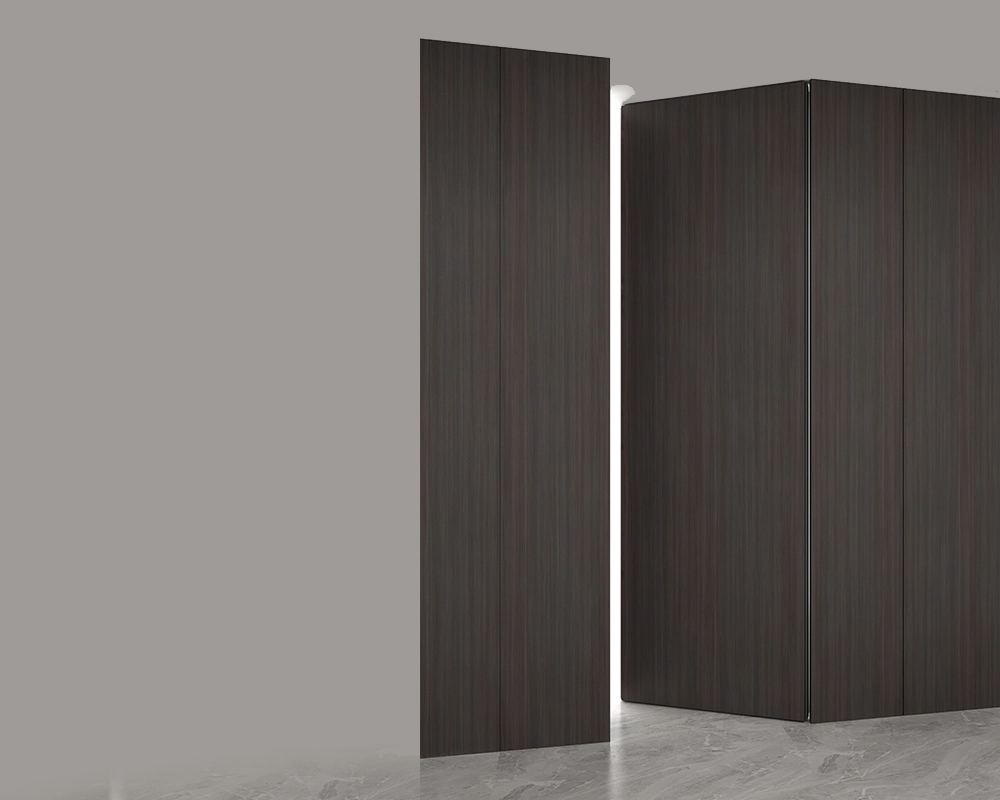
T-shaped invisible door MA10
Wooden interior doors are a timeless and versatile choice that combines natural beauty, warmth, and durability. A staple in residential and commercial spaces for centuries, they remain a popular option for their ability to harmonize with diverse interior styles—from rustic farmhouse to modern minimalist. Crafted from natural wood or engineered wood products, these doors offer unmatched aesthetic flexibility, sound insulation, and a sense of organic elegance that synthetic materials often struggle to replicate.
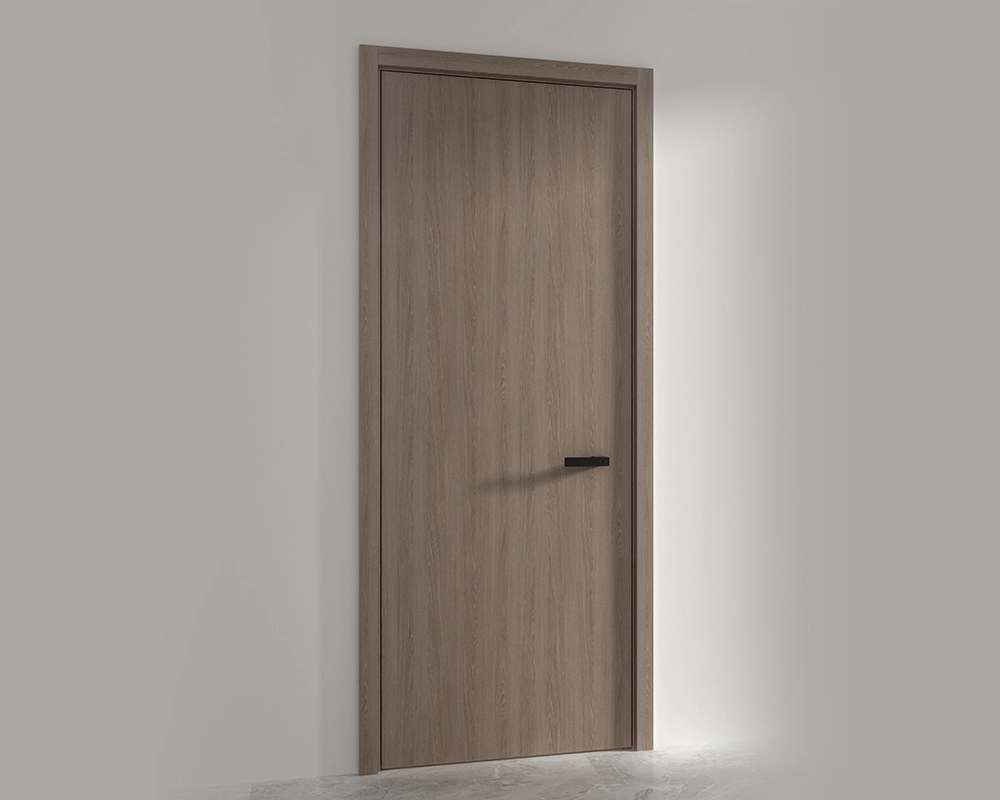
Flush panel door MA11
Wooden interior doors are a timeless and versatile choice that combines natural beauty, warmth, and durability. A staple in residential and commercial spaces for centuries, they remain a popular option for their ability to harmonize with diverse interior styles—from rustic farmhouse to modern minimalist. Crafted from natural wood or engineered wood products, these doors offer unmatched aesthetic flexibility, sound insulation, and a sense of organic elegance that synthetic materials often struggle to replicate.
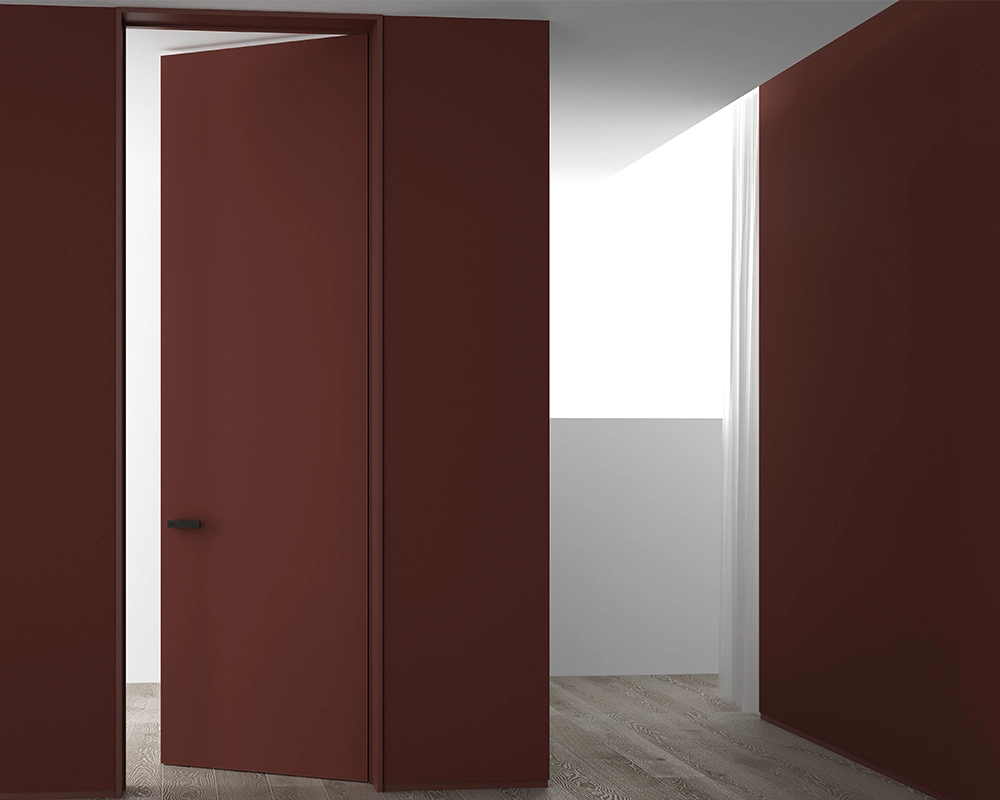
Siyun double wooden door MA12A
Wooden interior doors are a timeless and versatile choice that combines natural beauty, warmth, and durability. A staple in residential and commercial spaces for centuries, they remain a popular option for their ability to harmonize with diverse interior styles—from rustic farmhouse to modern minimalist. Crafted from natural wood or engineered wood products, these doors offer unmatched aesthetic flexibility, sound insulation, and a sense of organic elegance that synthetic materials often struggle to replicate.
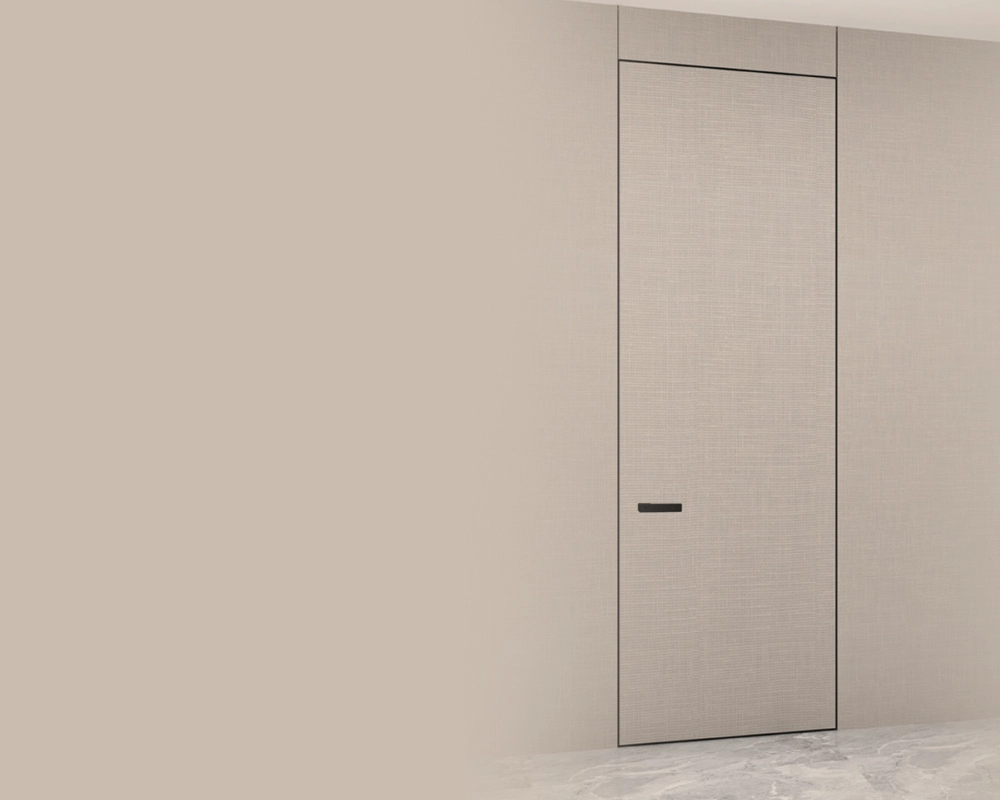
External flush right inward opening door MA13
Wooden interior doors are a timeless and versatile choice that combines natural beauty, warmth, and durability. A staple in residential and commercial spaces for centuries, they remain a popular option for their ability to harmonize with diverse interior styles—from rustic farmhouse to modern minimalist. Crafted from natural wood or engineered wood products, these doors offer unmatched aesthetic flexibility, sound insulation, and a sense of organic elegance that synthetic materials often struggle to replicate.

 Scan QR Code
FoshanMuranoCabinet
foshanmuranocabinet
Whatsapp: +8618814138020
Scan QR Code