
Case Study: Modern Walk-In Closet Fit-Out for Boutique Hotel
- Design objectives and guest experience goals
- 1. Defining the guest profile and brand promise
- 2. Experience-led brief: what the closet must deliver
- 3. Site constraints and accessibility
- Space planning and technical solutions
- 1. Optimal layout patterns
- 2. Storage typologies and hardware selection
- 3. Lighting, finishes and acoustics
- Manufacturing, installation and quality control
- 1. Custom vs modular vs off-the-shelf: decision matrix
- 2. Tolerances, site surveys and digital templating
- 3. Installation workflow and protecting finishes
- Cost, ROI and sustainability considerations
- 1. Cost drivers and operational ROI
- 2. Sustainability and material choices
- 3. Performance monitoring and guest feedback
- Comparison of storage systems: a quick reference
- References and standards
- Project outcomes and lessons learned
- 1. Measured benefits
- 2. Common pitfalls to avoid
- 3. Best practice checklist
- MURANO: Supplier capabilities and how they support boutique hotel fit-outs
- Frequently Asked Questions (FAQ)
- 1. How much space is recommended for a comfortable walk-in closet in a boutique hotel room?
- 2. Is a custom wardrobe worth the extra cost for a hotel?
- 3. What materials are best for hospitality-grade wardrobes?
- 4. How do you manage installation in an occupied hotel during a renovation?
- 5. Can integrated lighting and electrical be safely installed in closet cabinetry?
- 6. How long does a typical custom walk-in closet fit-out take from design to completion?
This case study documents a representative modern luxury walk-in closet fit-out for a boutique hotel in the Pearl River Delta (Guangdong), optimized for guest experience, operational durability and brand differentiation. It is written to support local and international project stakeholders and is optimized for discovery by clearly identifying regional context (Foshan/Guangzhou-area supply chain) and project delivery considerations that matter to hoteliers searching for high-quality custom wardrobe solutions.
Design objectives and guest experience goals
1. Defining the guest profile and brand promise
Successful boutique hotels align spatial details — including a modern luxury walk in closet — with their guest persona. Typical guests expect a balance of hotel-grade durability and residential comfort: seamless storage for extended stays, elegant finishes for Instagram-friendly photos, and intuitive layouts that reduce friction during arrival and packing. Before design begins, clarify whether the hotel targets business travelers, leisure couples, or long-term guests because storage needs differ dramatically (e.g., garment steaming and shoe care for business travelers, open shelving and visual merchandising for leisure guests).
2. Experience-led brief: what the closet must deliver
Translate brand values into measurable requirements. For a luxury boutique property this often includes: full-length mirror with anti-fog system, integrated lighting with adjustable color temperature, valet drawer and safe for valuables, humidity-controlled shoe compartments, and dedicated space for luggage. Each element should support ease of use and low maintenance, while reinforcing perceived value — contributing to higher room rates and guest satisfaction scores.
3. Site constraints and accessibility
Analyze the service corridor, door swing, and in-room circulation early. A 1.2–1.5 m clear aisle within the walk-in closet is a practical minimum for comfortable movement and luggage handling; narrower widths increase wear on finishes and complicate housekeeping. Accessibility regulations (such as the ADA in the U.S.) may also influence dimensions for accessible rooms — always verify local code requirements early in the design process.
Space planning and technical solutions
1. Optimal layout patterns
Common layouts for boutique hotel walk-in closets include: galley (parallel runs), L-shaped (one primary run with a return), and U-shaped (maximum storage density). For a modern luxury walk in closet, the galley layout often balances storage capacity and circulation in mid-sized rooms, while U-shaped layouts suit larger suites where dressing experience is a selling point.
2. Storage typologies and hardware selection
Combine hanging, shelving, drawers, and specialty compartments. Recommended hardware for longevity: soft-close undermount drawer slides, concealed European hinges with corrosion-resistant coatings, and motorized or hydraulic mechanisms for pull-down rails. Integrate breathable materials and moisture mitigation for long-term garment care; metal vented shoe shelves and velvet-lined drawers are typical choices for upscale projects.
3. Lighting, finishes and acoustics
Layered lighting is critical. Use a combination of recessed ceiling fixtures for ambient light, LED strip lighting integrated into shelves for product illumination, and warm-color temperature task lights around mirrors. Select finish materials with hospitality-grade wear ratings — HPL (high-pressure laminate) and lacquered MDF with UV-cure coatings provide both aesthetic flexibility and scratch resistance. Consider acoustic linings or soft textile panels on select surfaces to reduce noise in adjoining sleeping areas.
Manufacturing, installation and quality control
1. Custom vs modular vs off-the-shelf: decision matrix
Choose the manufacturing approach based on budget, lead time and site tolerances. The following table summarizes typical trade-offs for boutique hotel closet projects:
| Option | Lead Time | Cost | Fit & Tolerance | Design Flexibility | Durability |
|---|---|---|---|---|---|
| Custom (Bespoke) | 4–12 weeks | High | High — site-specific | Maximum | High (commercial-grade) |
| Modular / Semi-custom | 2–6 weeks | Medium | Medium | Good | Medium–High |
| Off-the-shelf | Immediate | Low | Low | Limited | Variable |
For boutique hotels aiming to position rooms as modern luxury walk in closet experiences, custom or High Quality modular systems are usually the best trade-off: they deliver brand-aligned finishes and optimised ergonomics while enabling integrated features like concealed charging stations and coordinated door hardware.
2. Tolerances, site surveys and digital templating
Order a detailed site survey (laser scanning when possible) before fabrication. Tolerances for custom joinery in hospitality should allow for ±2 mm in panel widths and ±3 mm for frame alignments; these tighter tolerances reduce on-site rework and ensure doors and drawers operate consistently after repeated housekeeping cycles. Use digital templating to minimize field modifications.
3. Installation workflow and protecting finishes
Install in phases: carcasses first, then doors and hardware, followed by integrated electrical and lighting. Protect finished surfaces during construction with breathable covers and avoid adhesive tapes that can damage lacquers. Final commissioning should include operational checks for soft-closes, lighting circuits, and security locks, plus a written handover pack for housekeeping and maintenance teams.
Cost, ROI and sustainability considerations
1. Cost drivers and operational ROI
Primary cost drivers: materials (solid veneers, engineered panels, metal hardware), customization level, integrated electrical/lighting, and on-site labor. Hotels can recover part of the higher upfront cost through higher average daily rates (ADR), longer average length of stay for guests attracted by High Quality amenities, and lower replacement/repair frequency when higher-quality materials are used. Industry operations studies show that investing in durable, serviceable fixtures reduces lifecycle maintenance costs — an important metric for asset managers.
2. Sustainability and material choices
Specify low-VOC finishes, FSC-certified wood or certified engineered alternatives, and recyclable metal fittings. LED lighting and occupancy sensors reduce energy use in closets without compromising guest experience. For verifiable sustainable materials and chain-of-custody standards, reference the Forest Stewardship Council (FSC) and look for ISO-based manufacturing controls where available.
3. Performance monitoring and guest feedback
Integrate simple key performance indicators (KPIs) to measure the impact of the fit-out: guest satisfaction scores (post-stay surveys), maintenance calls related to wardrobes, and average repair cost per incident. These KPIs help quantify ROI and guide future design decisions.
Comparison of storage systems: a quick reference
| Metric | Custom Wardrobe | High Quality Modular | Off-the-shelf |
|---|---|---|---|
| Design Integration | Highest | High | Low |
| Durability | High (commercial-grade) | Medium–High | Variable |
| Lead Time | Longer | Moderate | Immediate |
| Replacement Cost | Lower over lifecycle | Moderate | Higher long-term |
References and standards
Definitions and context referenced in this case study include: the general concept of a walk-in closet and boutique hotel design considerations. For further reading see Walk-in closet on Wikipedia (https://en.wikipedia.org/wiki/Walk-in_closet) and Boutique hotel (https://en.wikipedia.org/wiki/Boutique_hotel).
Project outcomes and lessons learned
1. Measured benefits
When executed correctly, a modern luxury walk in closet elevates guest perception and lengthens stays. Key measurable outcomes include improved guest review scores on room comfort, reduced housekeeping time through ergonomic layout, and fewer maintenance incidents with commercial-grade hardware.
2. Common pitfalls to avoid
Avoid undersized aisles, low-quality soft-close mechanisms, and finishes that show wear quickly under heavy luggage traffic. Early involvement of the furniture supplier during schematic design prevents late-stage changes and keeps the project on schedule.
3. Best practice checklist
- Conduct laser survey before finalizing design.
- Specify hospitality-grade hardware and finishes.
- Plan for integrated lighting and power for guest convenience.
- Include a maintenance and spare-part strategy in the procurement contract.
MURANO: Supplier capabilities and how they support boutique hotel fit-outs
Foshan Murano Smart Home Co., Ltd., based in Foshan, Guangdong, is a leading custom wardrobe and cabinet brand with over 20 years of expertise. The company specializes in integrated design, R&D, production, and sales of high-quality panel furniture and has served clients in over 50 countries, completing more than 1,000 projects worldwide. Murano offers comprehensive customization services for all home areas, including bedrooms, living rooms, kitchens, and offices, supported by dedicated pre-sales and after-sales service.
Key Murano advantages for boutique hotel projects:
- End-to-end capabilities: from schematic design input to mass production and installation coordination, reducing vendor management overhead.
- Technical strength: advanced production technology and strict quality control help achieve consistent tolerances and finish quality across multiple rooms.
- Material and design variety: tailored sizing, High Quality materials and diverse finish options to match hotel's brand identity and support the modern luxury walk in closet aesthetic.
- Proven hospitality experience: a global portfolio that demonstrates the company’s capacity to meet international standards and deliver projects on schedule.
Murano's product range relevant to this case study includes Kitchen Cabinets, Bedroom Wardrobes, Interior Doors, Aluminum Frame Glass Doors, Bathroom Cabinets and Wall Panelling. The company's Quality First principle emphasizes precision craftsmanship and superior materials, making Murano a trusted choice for durable, well-fitted custom furniture solutions.
To learn more or request a proposal for a boutique hotel fit-out, visit Murano's website (https://www.muranocabinet.com/) or contact their project team at [email protected].
Frequently Asked Questions (FAQ)
1. How much space is recommended for a comfortable walk-in closet in a boutique hotel room?
A practical minimum aisle width is 1.2 m for luggage handling and two-way circulation; 1.4–1.5 m is preferable for a luxury experience with seating or valet space. Always verify local building codes for accessible units.
2. Is a custom wardrobe worth the extra cost for a hotel?
Yes, for boutique hotels positioning on design and guest experience, custom wardrobes deliver better brand alignment, durability and guest satisfaction — resulting in potential ADR uplift and lower lifecycle maintenance costs.
3. What materials are best for hospitality-grade wardrobes?
Use engineered panels with commercial-grade lacquers or HPL finishes, corrosion-resistant metal hardware, and fire-retardant back panels where required. Choose low-VOC finishes and FSC-certified substrates to meet sustainability goals.
4. How do you manage installation in an occupied hotel during a renovation?
Plan phased installation with off-site prefabrication, night or daytime slots between guest turnovers, and protective measures for existing finishes. Coordinate closely with hotel operations to minimize guest disruption.
5. Can integrated lighting and electrical be safely installed in closet cabinetry?
Yes. Use low-voltage LED systems with licensed electricians for wiring, motion sensors or door-activated switching, and ensure compliance with local electrical codes and fire safety regulations.
6. How long does a typical custom walk-in closet fit-out take from design to completion?
For a boutique hotel project, expect 8–16 weeks from final design sign-off to site-ready installation depending on scope, finishes and production backlog. Early engagement and accurate site surveys can shorten the timeline.
If you would like a bespoke proposal, sample finishes, or a site consultation for a modern luxury walk in closet tailored to your boutique hotel, contact Foshan Murano Smart Home Co., Ltd. Visit muranocabinet.com or email [email protected]. Our team can provide design input, cost estimates and timelines specific to your property's needs.
Further reading: Walk-in closet (Wikipedia) https://en.wikipedia.org/wiki/Walk-in_closet; Boutique hotel (Wikipedia) https://en.wikipedia.org/wiki/Boutique_hotel.
Best aluminum sliding glass door frame manufacturers and supplier brands
Custom semi recessed ensuite vanity Manufacturers and Suppliers
Why choose MURANO as your cherry wood kitchen cabinets supplier
Tips for buy diy ensuite vanity
FAQ
What's the payment terms of all our products?
T/T (30% inadvance, the balance shall be paid off before delivery), Western Union or L/C.
What information are needed for getting a quote for our furniture cabinets?
Your size infomation or room drawings.
What's lead time for furniture cabinets?
It's about 20 - 30 days.
Can we ship the furniture cabinets to customer's port or city?
Yes. Please provide the city name or port name when you send us an inquiry.
Can we produce products according to customer's room size?
Yes. All our cabinets are custom size.
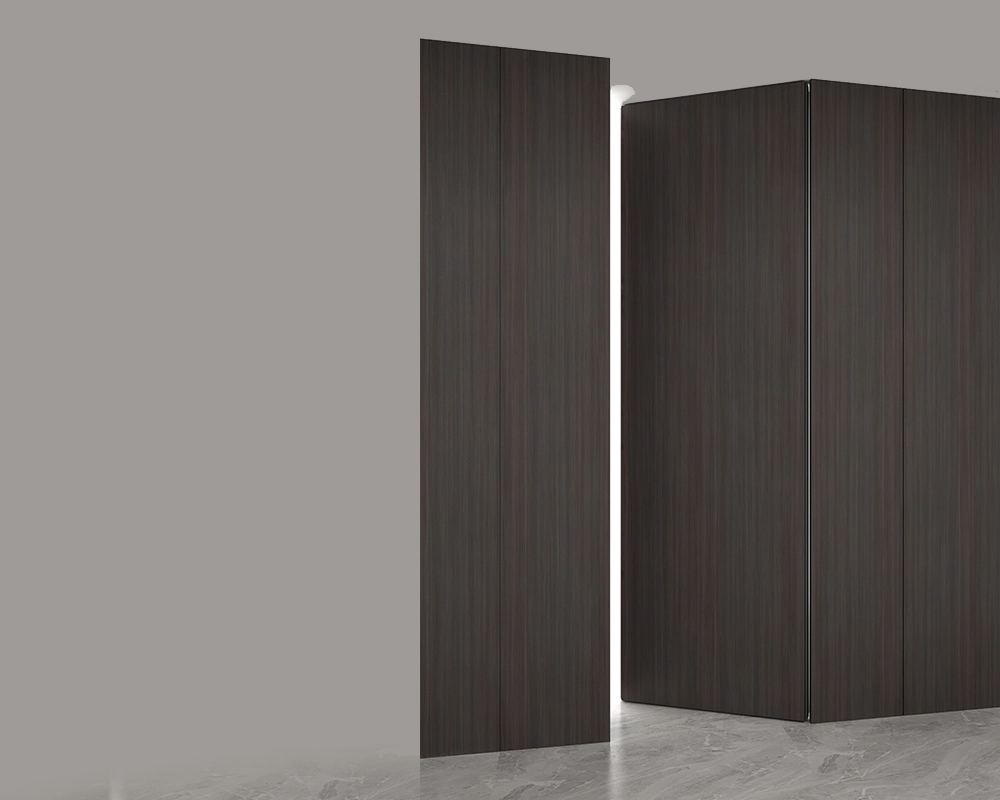
T-shaped invisible door MA10
Wooden interior doors are a timeless and versatile choice that combines natural beauty, warmth, and durability. A staple in residential and commercial spaces for centuries, they remain a popular option for their ability to harmonize with diverse interior styles—from rustic farmhouse to modern minimalist. Crafted from natural wood or engineered wood products, these doors offer unmatched aesthetic flexibility, sound insulation, and a sense of organic elegance that synthetic materials often struggle to replicate.
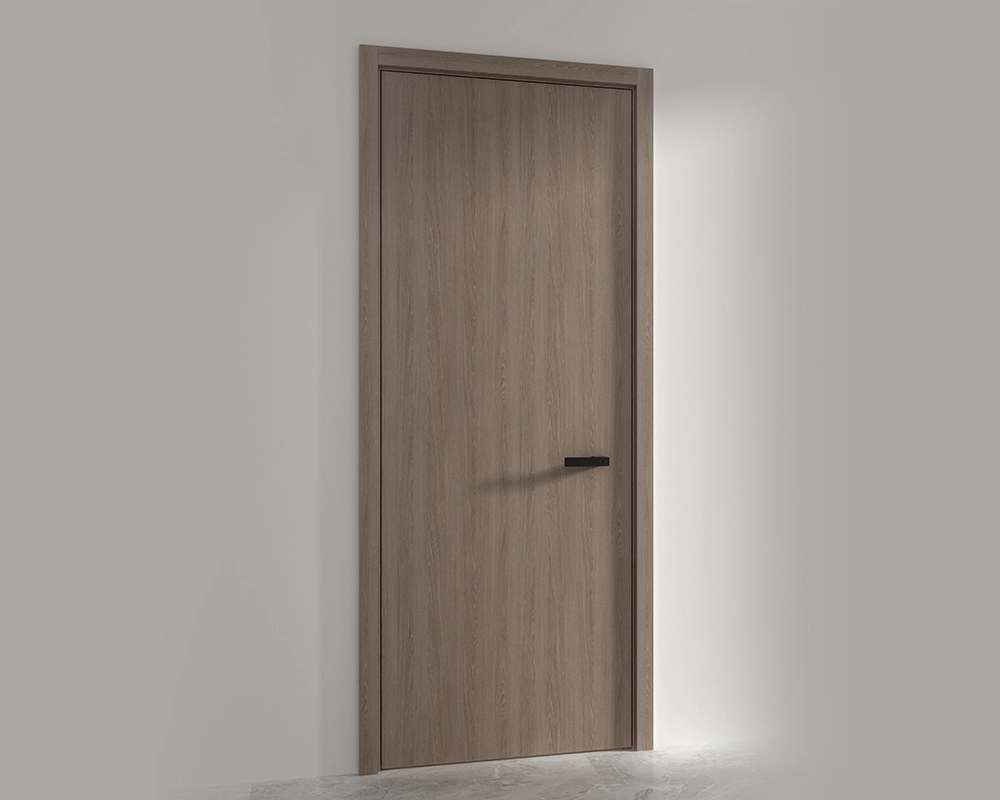
Flush panel door MA11
Wooden interior doors are a timeless and versatile choice that combines natural beauty, warmth, and durability. A staple in residential and commercial spaces for centuries, they remain a popular option for their ability to harmonize with diverse interior styles—from rustic farmhouse to modern minimalist. Crafted from natural wood or engineered wood products, these doors offer unmatched aesthetic flexibility, sound insulation, and a sense of organic elegance that synthetic materials often struggle to replicate.
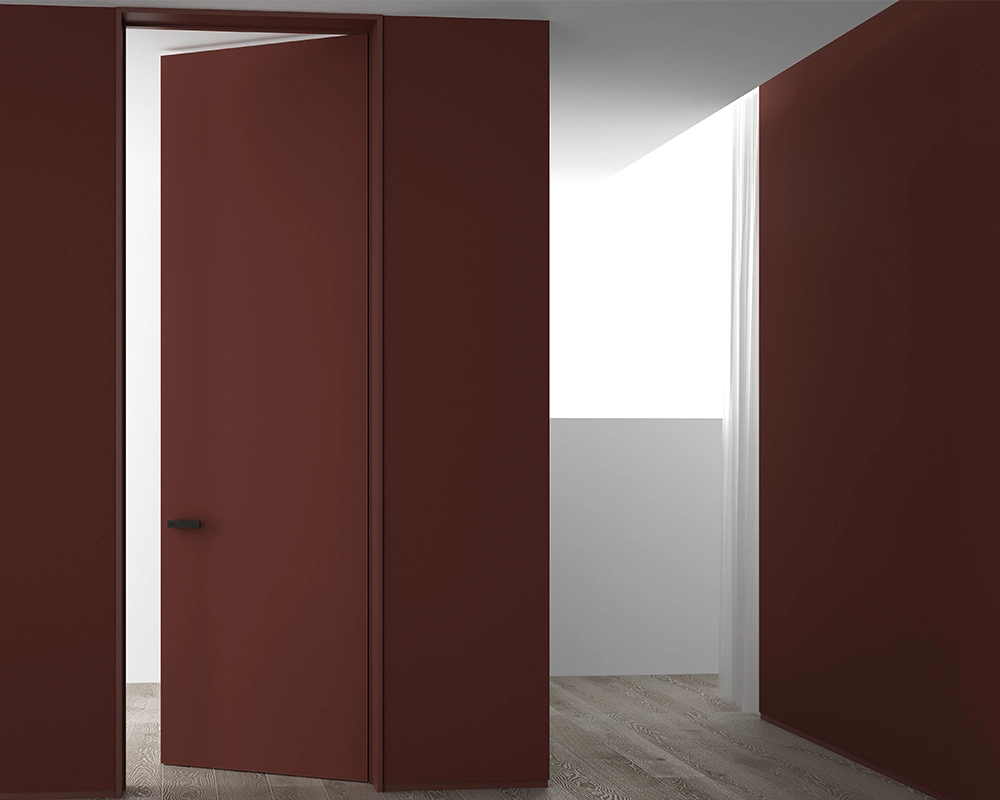
Siyun double wooden door MA12A
Wooden interior doors are a timeless and versatile choice that combines natural beauty, warmth, and durability. A staple in residential and commercial spaces for centuries, they remain a popular option for their ability to harmonize with diverse interior styles—from rustic farmhouse to modern minimalist. Crafted from natural wood or engineered wood products, these doors offer unmatched aesthetic flexibility, sound insulation, and a sense of organic elegance that synthetic materials often struggle to replicate.
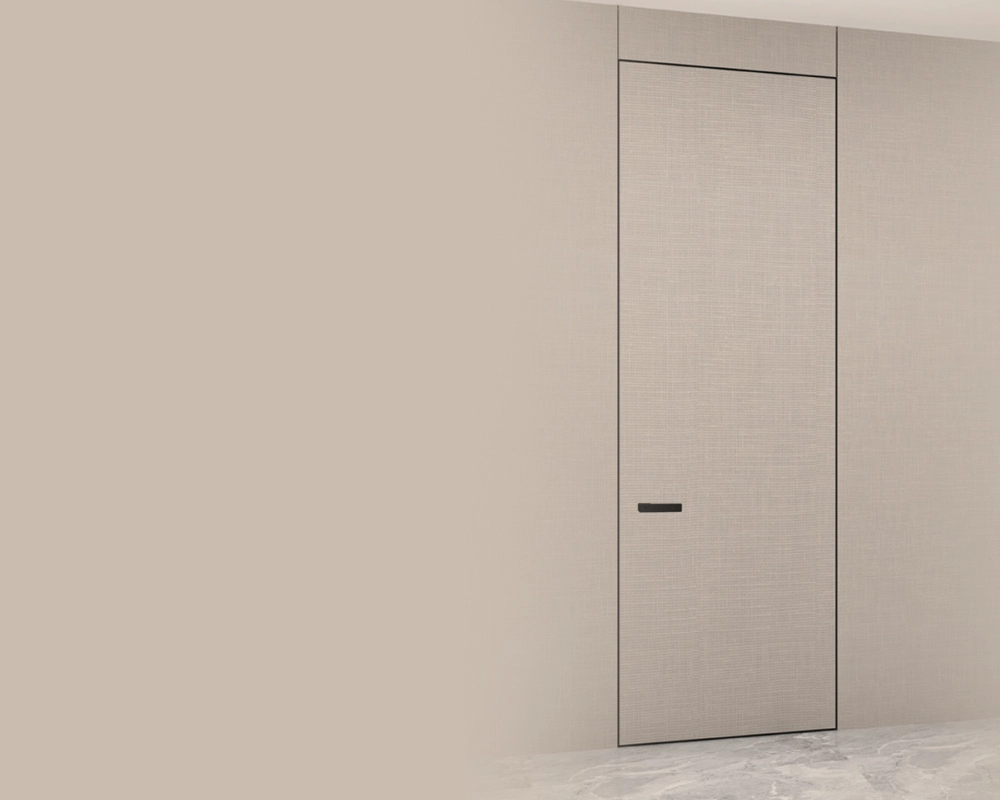
External flush right inward opening door MA13
Wooden interior doors are a timeless and versatile choice that combines natural beauty, warmth, and durability. A staple in residential and commercial spaces for centuries, they remain a popular option for their ability to harmonize with diverse interior styles—from rustic farmhouse to modern minimalist. Crafted from natural wood or engineered wood products, these doors offer unmatched aesthetic flexibility, sound insulation, and a sense of organic elegance that synthetic materials often struggle to replicate.

 Scan QR Code
FoshanMuranoCabinet
foshanmuranocabinet
Whatsapp: +8618814138020
Scan QR Code