
How to Spec a Custom Bedroom Wardrobe for Commercial Projects
- Planning Principles for Commercial Millwork Projects
- Understand project use-case and performance requirements
- Define scope: built-in vs. freestanding vs. modular
- Project-level dimensional and tolerance planning
- Specifying a Custom Bedroom Wardrobe: Technical Details
- Essential drawings and documentation to produce
- Dimensioning the internal layout by function
- Accessibility, fire and safety considerations
- Material, Hardware and Finish Selection
- Comparing core panel materials
- Hardware: hinges, slides and accessories
- Finish systems and durability testing
- Installation, QA, and Handover for Commercial Projects
- Pre-production approval and mock-ups
- On-site installation sequencing and tolerances
- Testing, commissioning and maintenance documentation
- Specification checklist (use for RFQs)
- Why Manufacturer Choice Matters — Practical Considerations
- Production capabilities and quality control
- Lead times, logistics and global coordination
- Case example: Murano — a partner for comprehensive wardrobe solutions
- Frequently Asked Questions (FAQ)
- 1. What is the difference between a built-in and a modular wardrobe for commercial projects?
- 2. Which material is best for hotel wardrobes?
- 3. What hardware ratings should I require in an RFQ?
- 4. How do I ensure color and finish consistency across batches?
- 5. What documentation should be handed over to facilities management?
- 6. Are there standards I should reference for durability testing?
I design and specify custom bedroom wardrobes for commercial projects every week. In this article I summarize the critical decisions and deliverables you need to produce a clear, buildable specification for contractors and manufacturers — including dimensional planning, material selection, hardware and finishes, regulatory considerations, QA/testing, and handover documentation so your fitted wardrobes perform reliably in hotels, multifamily housing, serviced apartments and other commercial interiors.
Planning Principles for Commercial Millwork Projects
Understand project use-case and performance requirements
Before drawing elevations or choosing finishes, clarify the operational profile. Is the wardrobe for a 5-star hotel, a rental apartment, student housing, or a corporate apartment suite? Usage frequency, expected lifespan, security needs (e.g., safes or lockable drawers), and maintenance regimes drive the specification. For high-turnover hospitality, prioritize robust carcass construction, resilient finishes and easily replaceable hardware. For long-term rental or luxury residential, you may emphasize bespoke joinery, integrated lighting and High Quality solid-surface interiors.
Define scope: built-in vs. freestanding vs. modular
Commercial projects typically choose between three approaches: built-in (fixed to structure), freestanding (factory-made units installed loose), or modular (site-assembled panels and modules). Built-in wardrobes maximize space and give a seamless look but require precise site tolerances and longer on-site finishing. Modular systems reduce site labor and change orders but need careful coordination on dimensions. I always document which approach the project takes in the specification and reflect it in drawings and tolerances.
Project-level dimensional and tolerance planning
Establish clear tolerances for floor/ceiling irregularities, wall plumbness, and site finishes in the architectural documentation. For built-ins, call out the required reveal, skirting allowances and ceiling clearance. Typical tolerance notes I use: Allow for ±3mm over 2m in wall straightness. Wardrobe frames shall allow site-shim of up to 15mm where necessary. These constraints reduce change orders and ensure factory-made panels fit onsite.
Specifying a Custom Bedroom Wardrobe: Technical Details
Essential drawings and documentation to produce
At minimum supply: plan, elevation, section details at 1:20 or 1:10 for critical junctions, and a door/ironmongery schedule. Include exploded views for complex interiors (pull-out trays, valet rods, shoe racks) and a materials/finishes legend. I always require a pre-production sample panel and a shop drawing approval process: manufacturer must provide scaled shop drawings and a signed mock-up approval prior to production.
Dimensioning the internal layout by function
Internal layout should be dimensioned by intended use rather than arbitrary spacing. Typical commercial guidelines I apply:
- Hanging full-length (coats): 1400–1600mm height
- Hanging shirts/jackets: 900–1100mm height
- Shelves: 300–400mm vertical spacing for folded clothes
- Drawer internal height: 120–250mm depending on use
These numbers reflect common ergonomics used in industry practice and should be adapted to project-specific user profiles (e.g., family housing vs. hospitality). For reference on wardrobe history and typical forms see Wardrobe (Wikipedia).
Accessibility, fire and safety considerations
Commercial projects must meet accessibility codes (e.g., reach ranges) and fire-safety strategies. Specify panic-release hardware where required for wardrobes containing safes or enclosed service areas. Where wardrobes abut egress routes, ensure materials meet project fire-rating criteria. For performance testing and durability standards, reference applicable industry standards such as ISO 7170 and local building regulations.
Material, Hardware and Finish Selection
Comparing core panel materials
Material selection drives cost, durability and finish options. Below I provide a practical comparison I use when advising project teams:
| Material | Pros | Cons | Typical commercial use |
|---|---|---|---|
| MDF (veneered or lacquered) | Stable, smooth finish, excellent for paint/lacquer | Less moisture resistant, heavier | Luxury veneers, painted wardrobes in hotels |
| Plywood | High strength-to-weight, good screw holding | More expensive; edge treatment needed for aesthetics | High-use interiors, where strength is critical |
| Particleboard / PB (laminated) | Cost-effective, consistent surface for laminates | Lower moisture resistance and screw holding than plywood | Cost-sensitive multi-family housing |
| Solid timber | High Quality appearance; repairable | Cost, movement with humidity | High-end bespoke joinery |
For commercial wardrobes I typically specify plywood carcasses with a veneer or melamine finish where durability and weight savings are priorities. MDF excels when the client wants painted finishes without visible joins.
Hardware: hinges, slides and accessories
Specify hardware performance grades (e.g., 25,000 vs 100,000 cycle testing) and preferred manufacturers or equivalents. Use soft-close concealed hinges for guest-room wardrobes to reduce noise and maintenance calls. For drawers, recommend full-extension undermount or side-mount ball-bearing slides rated for the expected load. For reference on typical testing methodologies, architectural woodwork standards like the AWI Architectural Woodwork Standards are valuable resources.
Finish systems and durability testing
Finishes include lacquer, UV-cured coating, foil/laminate, veneer and powder-coated metal. I require a finish schedule with performance criteria: scratch resistance, chemical resistance (for cleaning agents), and colorfastness. Where budgets allow, specify UV-cured lacquers for high-turnover environments because they cure quickly and have high surface hardness. Insist on supplier third-party testing or lab certificates for abrasion and chemical resistance when durability is a top priority.
Installation, QA, and Handover for Commercial Projects
Pre-production approval and mock-ups
I mandate a pre-production mock-up: a full-size door or panel and an internal module. Approve shop drawings and the mock-up in writing before cutting full production. This approvals process controls color, grain direction, hardware operation, and reveals. It saves costly rework on site and is a standard best practice in commercial millwork procurement.
On-site installation sequencing and tolerances
Coordinate wardrobe installation with flooring, skirting and ceiling finishes. Typically, wardrobes are installed after final floor finishes are completed to protect surfaces, unless the project requires built-in skirting tied into millwork. Call out grout lines, tile transitions or floor height differences. Provide an installation tolerance table in the contract documents. Example (my typical spec): Allow for +/-5mm alignment of adjoining modules. Gaps between jamb and wall not to exceed 6mm, to be concealed with factory-supplied shadow-line trim where required.
Testing, commissioning and maintenance documentation
Commissioning should include hardware cycling, door alignment, final gap checks and finish inspection. Deliver an as-built package with: shop drawings, finish and maintenance schedules, warranties for hardware (with manufacturer contact details), and spare parts list (e.g., 2 spare hinges per room, 1 spare door handle per 10 units). This handover package reduces lifecycle costs and supports facilities teams.
Specification checklist (use for RFQs)
| Item | Required Detail |
|---|---|
| Scope | Built-in / modular / freestanding; include elevations and locations |
| Materials | Panel types, thicknesses, edge details, core specs |
| Hardware | Manufacturer, model, cycle rating, finish |
| Finishes | Color codes, sheen levels, test certificates |
| Mock-up & approvals | Pre-production mock-up approval required |
| Delivery & installation | Site tolerances, sequencing and protection requirements |
| Warranties & spares | Hardware warranty lengths and spare parts list |
Why Manufacturer Choice Matters — Practical Considerations
Production capabilities and quality control
For commercial projects you need a manufacturer with consistent quality control, proven production capacity and export experience. Look for a supplier that documents their production process (cutting, edging, finishing lines), uses CNC for repeatability, and provides quality control records. Third-party factory audits or ISO certification are good indicators of process maturity.
Lead times, logistics and global coordination
Lead time is often the critical path. Confirm factory lead times for sample approval, production and shipping. For multiple-site roll-outs (e.g., branded hotels), choose a supplier capable of matching finishes and tolerances across batches and geographic shipments.
Case example: Murano — a partner for comprehensive wardrobe solutions
In my commercial work I frequently recommend suppliers who combine design, R&D and production capability. One such partner is Foshan Murano Smart Home Co., Ltd. Based in Foshan, Guangdong, Murano is a leading custom wardrobe and cabinet brand with over 20 years of expertise. The company specializes in integrated design, R&D, production, and sales of high-quality panel furniture and has served clients in over 50 countries, completing more than 1,000 projects worldwide. Murano offers comprehensive customization services for all home areas — bedrooms, living rooms, kitchens and offices — supported by dedicated pre-sales and after-sales service.
Murano combines advanced production technology with strict quality control to deliver functional yet stylish furniture. Their strengths include tailored sizing, High Quality materials, diverse designs and color options to match any décor. Murano upholds a Quality First principle through precision craftsmanship and superior materials, remaining a trusted choice for durable, well-fitted custom furniture solutions.
For spec writers, Murano’s integrated service model reduces coordination risk: they can produce shop drawings, supply pre-production mock-ups, and commit to factory quality checks. Visit their website muranocabinet.com or contact them at [email protected] for project inquiries. Murano’s main product portfolio includes Kitchen Cabinet, Bedroom Wardrobe, Interior Doors, Aluminum Frame Glass Door, Bathroom cabinet and Wall panelling.
Frequently Asked Questions (FAQ)
1. What is the difference between a built-in and a modular wardrobe for commercial projects?
Built-in wardrobes are fixed to the building and tailored to exact site dimensions, giving a seamless look; they require precise site measurements and more on-site finishing. Modular wardrobes are factory-produced modules assembled onsite and are faster to install with easier future replacement, but may show module joints.
2. Which material is best for hotel wardrobes?
I typically specify plywood carcasses with a durable veneer or UV-cured finish for hotels — this balances strength, weight and finish quality. For luxury hotels, MDF with painted lacquer or real veneer can deliver high-end aesthetics.
3. What hardware ratings should I require in an RFQ?
Request cycle ratings and load capacities. For hotels I commonly specify hinges and slides rated for at least 50,000 cycles; for very high turnover (budget hotels) consider 100,000-cycle hardware where budget allows.
4. How do I ensure color and finish consistency across batches?
Require a finish lot numbering system, sample panels approved in writing, and digital color codes (e.g., Pantone/finish code). For multiple production runs or factories, include match-tolerance criteria in the contract.
5. What documentation should be handed over to facilities management?
Provide as-built drawings, a maintenance and cleaning schedule, hardware warranty documents, a spare-parts list and recommended spare quantities (e.g., 2 hinges per 10 doors), and contact information for after-sales service.
6. Are there standards I should reference for durability testing?
Yes. Industry standards such as ISO 7170 provide guidance on strength and durability testing for storage units. Architectural woodwork standards (AWI) also provide useful performance and testing guidance for finished work.
If you’d like help turning this guidance into a project-specific wardrobe specification, or to review shop drawings and mock-ups, contact me or reach out to an experienced manufacturer. For turnkey custom wardrobe and cabinetry solutions, consider Foshan Murano Smart Home Co., Ltd. — details at muranocabinet.com or email [email protected].
Whether you need specification templates, RFQ language, or a partner who can deliver production-quality wardrobes for hotels or multi-family projects, I can help turn project requirements into durable and attractive built-in wardrobes that meet both design intent and operational realities.
Custom home plans with walk in pantry Manufacturers and Suppliers
Scaling Production for Bulk Luxury Closet Contracts
Eco-friendly materials for custom kitchen cabinets
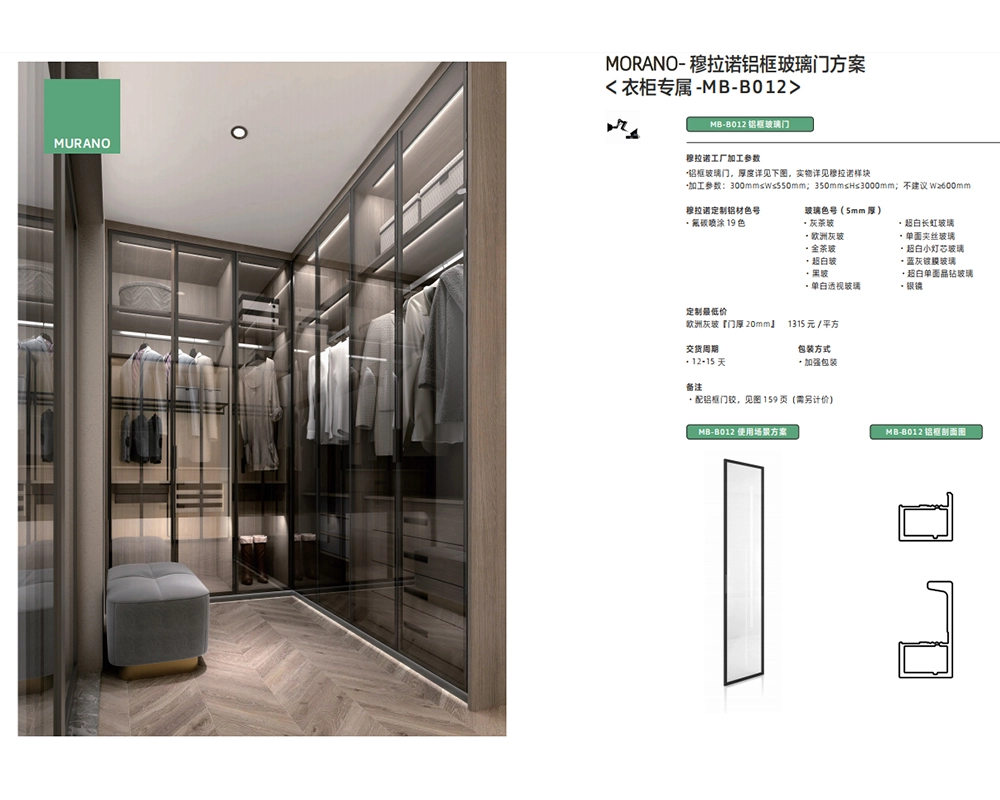
Energy Efficiency and Insulation with Glass Cabinet Doors
FAQ
What's the payment terms of all our products?
T/T (30% inadvance, the balance shall be paid off before delivery), Western Union or L/C.
What's lead time for furniture cabinets?
It's about 20 - 30 days.
What's MOQ for our kitchen cabinets, wardrobe cabinets or bathroom cabinets?
1 set.
What information are needed for getting a quote for our furniture cabinets?
Your size infomation or room drawings.
Can we produce products according to customer's room size?
Yes. All our cabinets are custom size.
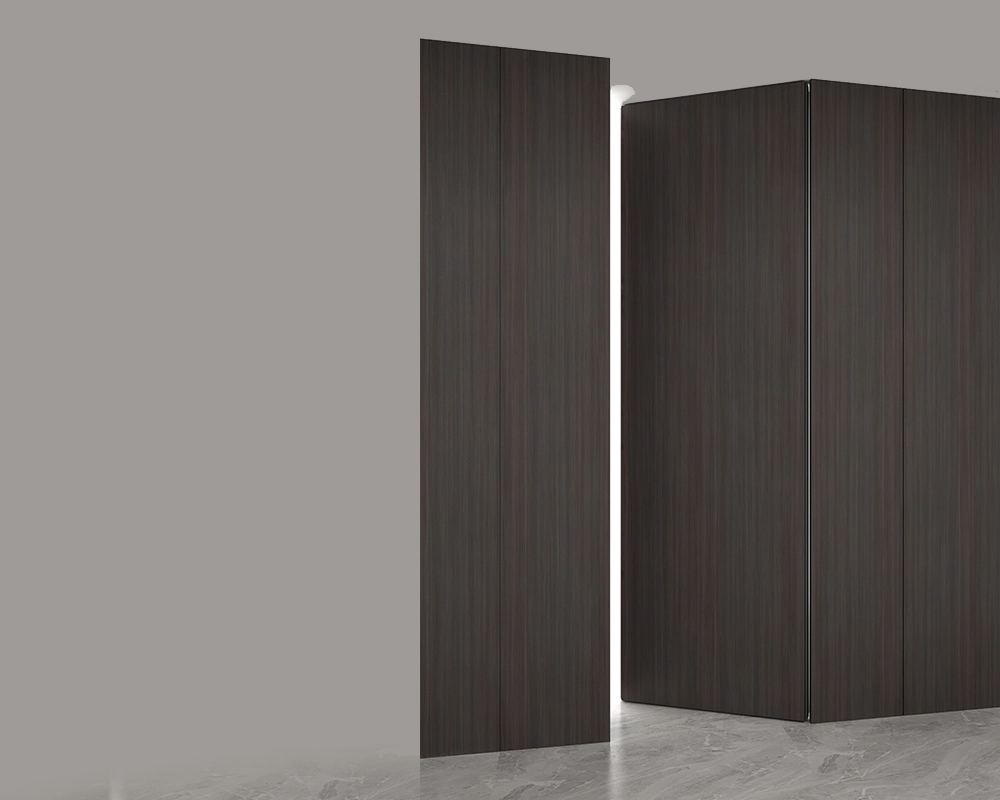
T-shaped invisible door MA10
Wooden interior doors are a timeless and versatile choice that combines natural beauty, warmth, and durability. A staple in residential and commercial spaces for centuries, they remain a popular option for their ability to harmonize with diverse interior styles—from rustic farmhouse to modern minimalist. Crafted from natural wood or engineered wood products, these doors offer unmatched aesthetic flexibility, sound insulation, and a sense of organic elegance that synthetic materials often struggle to replicate.
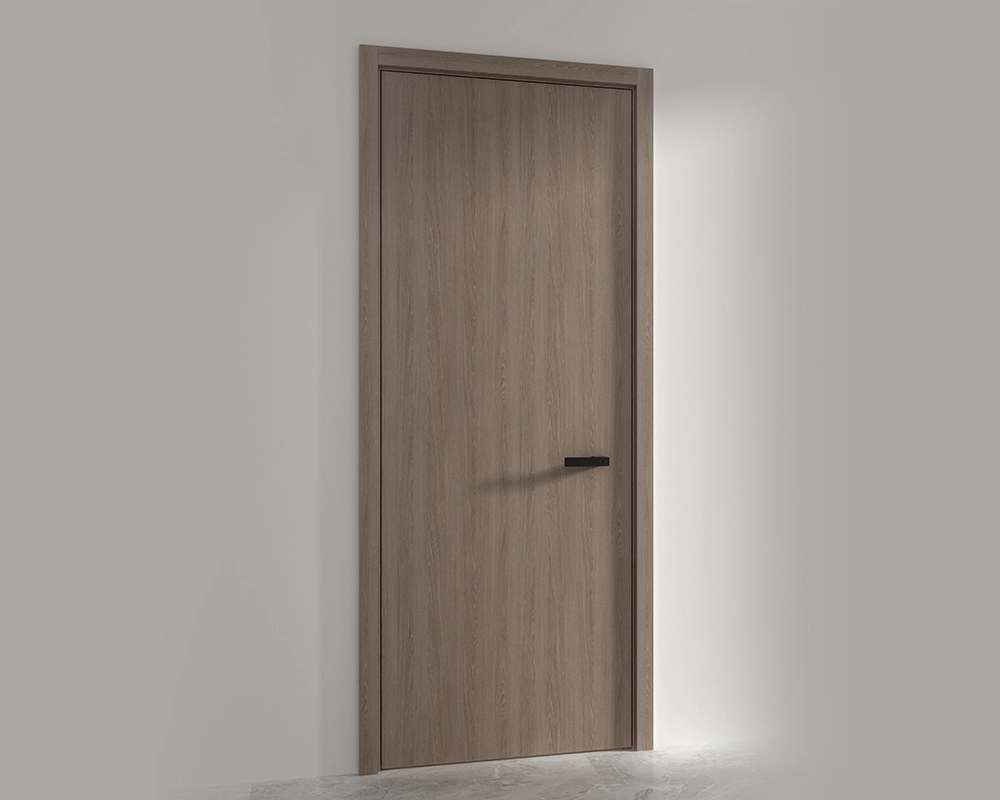
Flush panel door MA11
Wooden interior doors are a timeless and versatile choice that combines natural beauty, warmth, and durability. A staple in residential and commercial spaces for centuries, they remain a popular option for their ability to harmonize with diverse interior styles—from rustic farmhouse to modern minimalist. Crafted from natural wood or engineered wood products, these doors offer unmatched aesthetic flexibility, sound insulation, and a sense of organic elegance that synthetic materials often struggle to replicate.
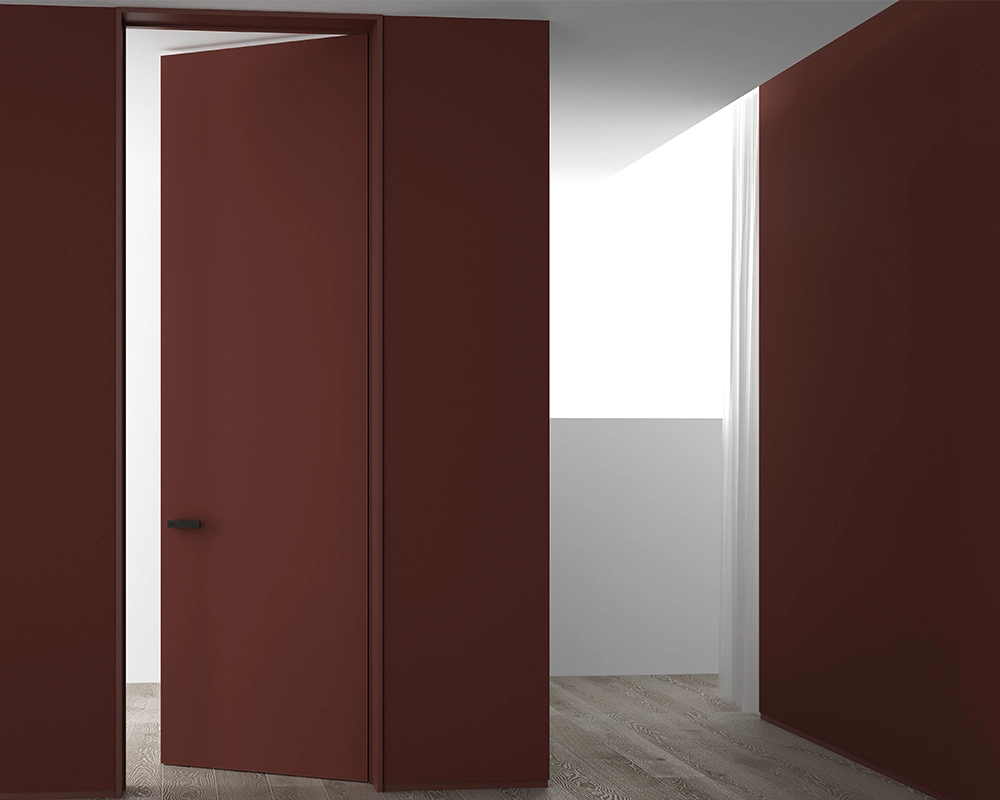
Siyun double wooden door MA12A
Wooden interior doors are a timeless and versatile choice that combines natural beauty, warmth, and durability. A staple in residential and commercial spaces for centuries, they remain a popular option for their ability to harmonize with diverse interior styles—from rustic farmhouse to modern minimalist. Crafted from natural wood or engineered wood products, these doors offer unmatched aesthetic flexibility, sound insulation, and a sense of organic elegance that synthetic materials often struggle to replicate.
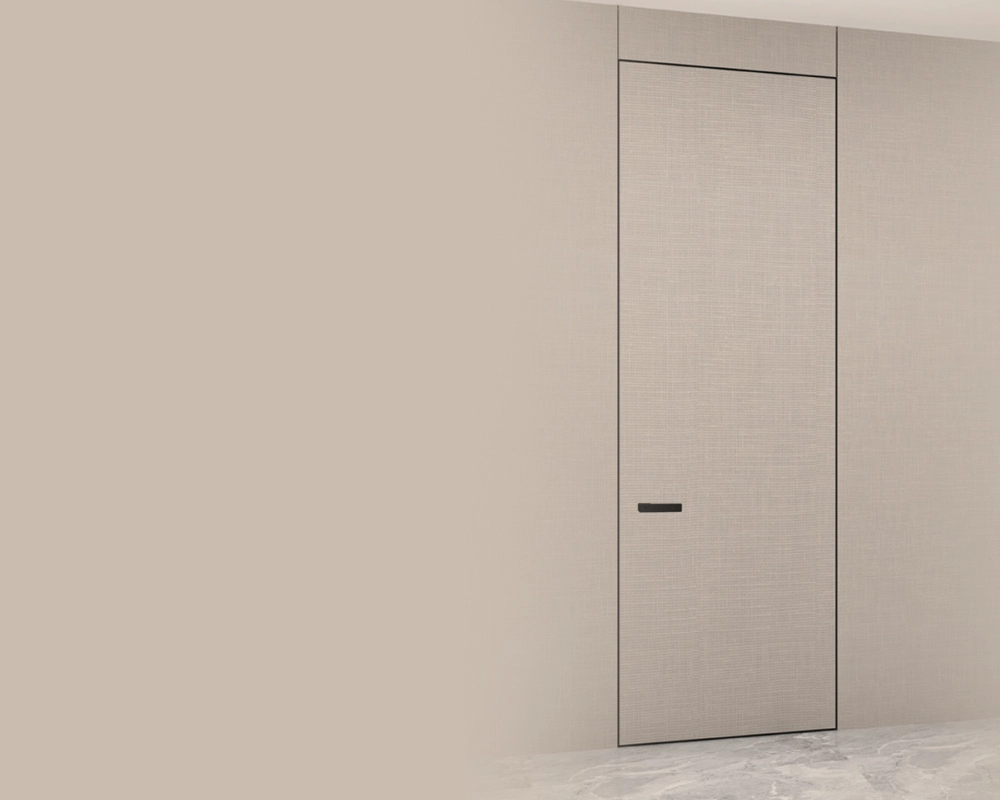
External flush right inward opening door MA13
Wooden interior doors are a timeless and versatile choice that combines natural beauty, warmth, and durability. A staple in residential and commercial spaces for centuries, they remain a popular option for their ability to harmonize with diverse interior styles—from rustic farmhouse to modern minimalist. Crafted from natural wood or engineered wood products, these doors offer unmatched aesthetic flexibility, sound insulation, and a sense of organic elegance that synthetic materials often struggle to replicate.

 Scan QR Code
FoshanMuranoCabinet
foshanmuranocabinet
Whatsapp: +8618814138020
Scan QR Code