
Visual Merchandising: Presenting Luxury Closets to Buyers
- Understanding buyer psychology
- Visual triggers that sell
- Sensory cues: materials, finish, and touch
- Scale, proportion, and personalization
- Designing the modern luxury walk in closet experience
- Layout and flow
- Lighting strategy: layered and intentional
- Storage systems and hardware
- Visual merchandising techniques for showrooms and sales presentations
- Staging and curated vignettes
- Signage, information hierarchy, and storytelling
- Digital augmentation: AR, virtual tours, and configurators
- Measuring impact and operationalizing for production
- KPIs and testing showroom elements
- Quality control and standards
- Production-ready documentation and handoff
- From showroom to supply: why partner matters
- Production capability and global delivery
- Murano’s competitive strengths and technical credentials
- What Murano delivers for a modern luxury walk in closet
- Practical checklist to present a modern luxury walk in closet
- Frequently Asked Questions (FAQ)
- 1. How much does a modern luxury walk in closet typically cost?
- 2. How long does it take to design and deliver a custom walk-in closet?
- 3. What lighting specifications should I demand for accurate color rendering?
- 4. Are digital tools like AR/VR worth implementing in my showroom?
- 5. What warranties and quality assurances should I look for?
- 6. How can I maintain a consistent luxury experience across multiple locations?
I often tell clients that a modern luxury walk in closet isn't just cabinetry — it's a staged experience that must convince a buyer in a matter of minutes. In this article I outline practical visual merchandising strategies to present luxury closets to buyers, combining design, materials, lighting, storytelling and measurable KPIs. I draw on industry standards and reputable sources such as the Walk-in closet and Visual merchandising references, as well as best-practice guidance from organizations like the National Kitchen & Bath Association (NKBA) and quality frameworks such as ISO 9001. Below I walk through buyer psychology, design details, staging techniques, measurement approaches, and how to operationalize what sells — including how Foshan Murano Smart Home Co., Ltd. can support high-end bespoke solutions.
Understanding buyer psychology
Visual triggers that sell
Buyers of a modern luxury walk in closet are buying confidence and aspiration as much as storage. Visual triggers that increase perceived value include consistent materials, visible joinery quality, and curated contents (outfits, accessories, shoes) that show the closet in use. Studies of consumer behavior indicate that consumers judge product quality quickly from visual cues — the first 3–7 seconds matter in forming an impression (Consumer behavior overview).
Sensory cues: materials, finish, and touch
Tactile sensations—soft-close drawers, solid-feeling door panels, and authentic wood or High Quality laminate finishes—reinforce luxury. I recommend placing material samples and a short tactile demo area in the showroom so buyers can feel drawer slides, hinges, edge banding, and handle finishes. These small interactions reduce perceived risk and build trust.
Scale, proportion, and personalization
Perception of space affects perceived value. A well-proportioned hanging zone, a visible shoe gallery, and designated zones for jewelry and belts communicate organization and lifestyle fit. Include at least one clearly labeled personalization option (e.g., bespoke drawer sizing or integrated laundry hamper) in every display, because buyers equate customization with luxury.
Designing the modern luxury walk in closet experience
Layout and flow
A buyer should be able to mentally inhabit the space. Design for a natural path: entry, outfit selection, dressing mirror, and accessories. I typically design a central island or bench as an anchor that provides storage and staging space, while keeping circulation at 90 cm (36 inches) minimum where wheelchair or two people might pass — this aligns with common accessibility guidance cited by interior-design bodies such as the NKBA (NKBA).
Lighting strategy: layered and intentional
Lighting transforms materials and highlights key merchandise. Use a three-layer approach: ambient (soft ceiling or concealed cove), task (adjustable strip LEDs over hanging zones and drawers), and accent (spot LEDs for shoe shelves or jewelry). I follow Illuminating Engineering Society (IES) principles for layering light (IES). For color rendering, specify CRI >90 LEDs to show fabric and finishes accurately.
Storage systems and hardware
Buyers of a modern luxury walk in closet expect modularity and High Quality hardware: soft-close runners, push-to-open drawers, integrated dividers, and pullout accessories. Present clear options at the point of decision (e.g., glass-fronted drawers vs. solid-front, metal vs. leather handles) and use direct comparisons so buyers can make trade-offs quickly.
Visual merchandising techniques for showrooms and sales presentations
Staging and curated vignettes
Staging should tell a lifestyle story. I create three vignettes per display: daywear (professional), eveningwear (dressy), and casual (weekend). Each vignette is limited to 6–10 curated items to avoid clutter and to spotlight storage solutions (e.g., watch trays, tie racks). Use real garments where possible — synthetic mannequins or sample garments that look high-quality.
Signage, information hierarchy, and storytelling
Effective signage uses hierarchy: name of module, primary benefit, price band (if shown), and customization lead time. A small placard that says Custom island with hidden jewelry tray — fits 120 watches or similar specific claims increases buyer confidence more than generic statements. Add a brief provenance note when High Quality materials are shown (e.g., European oak veneer — FSC certified). For credibility, reference standards like ISO 9001 for manufacturing quality where relevant.
Digital augmentation: AR, virtual tours, and configurators
Augmented reality (AR) room visualization and online configurators reduce decision friction. I advise integrating an iPad-based AR app in the showroom and a web-based configurator so buyers can try different finishes, layouts, and lighting. According to industry practice, digital tools improve conversion by allowing immediate personalization and price estimation (visual merchandising principles).
Measuring impact and operationalizing for production
KPIs and testing showroom elements
Define measurable KPIs: time-on-display, conversion rate by module, average order value (AOV), and feature-add rate (percentage of orders that add High Quality modules like pullout shoe racks). Use A/B testing: show two similar layouts with different lighting or staging to measure differences in engagement and conversion.
Quality control and standards
To translate a staged experience into consistent product, follow quality-management systems (e.g., ISO 9001) and material certification. I also recommend service-level agreements for lead times, tolerance specifications for panel fits, and vendor audits. For lighting and electricals, refer to the Illuminating Engineering Society (IES) and local electrical codes.
Production-ready documentation and handoff
Successful merchandising programs include detailed BOMs, finish schedules, and install guides. Provide a showroom kit to sales teams: material sample sets, a mirror for in-situ photos, QR codes to the configurator, and quick comparison cards for common customer questions like How long to customize? or What warranties apply?
| Showroom Feature | Perceived Luxury | Sales Impact (qualitative) |
|---|---|---|
| Layered Lighting (CRI >90) | High | High |
| Curated Vignettes | High | High |
| Material Touch Samples | Medium–High | Medium |
| Digital Configurator / AR | Medium | High (for engagement) |
From showroom to supply: why partner matters
Production capability and global delivery
Translating a staged modern luxury walk in closet into hundreds of unique orders requires production discipline. I prefer partners with integrated design, R&D, and manufacturing to reduce miscommunication between concept and product. One such partner is Foshan Murano Smart Home Co., Ltd. — a company with over 20 years in custom wardrobe and cabinet manufacturing, serving clients in 50+ countries and completing more than 1,000 projects worldwide.
Murano’s competitive strengths and technical credentials
Murano combines advanced production technology with strict quality control. Their competitive advantages include tailored sizing to fit nonstandard spaces, a broad palette of High Quality materials and color options, and a dedicated pre-sales and after-sales support team. The company emphasizes Quality First through precision craftsmanship and selection of durable materials — attributes that are critical when promising a luxury experience consistently across projects.
What Murano delivers for a modern luxury walk in closet
Murano offers comprehensive customization services across home areas — Kitchen Cabinet, Bedroom Wardrobe, Interior Doors, Aluminum Frame Glass Door, Bathroom Cabinet, and Wall Panelling — enabling coherent, coordinated interiors. For showrooms, Murano can deliver display kits, sample panels, and full-scale show modules, with logistical experience for international delivery. For inquiries, visit https://www.muranocabinet.com/ or email [email protected].
Practical checklist to present a modern luxury walk in closet
- Create 3 curated vignettes (day, evening, casual).
- Implement layered lighting with CRI >90 for task and accent lights.
- Provide tactile demo station for hardware and finishes.
- Include AR/configurator tools for immediate personalization.
- Display clear signage with benefits, customization options, and lead times.
- Measure KPIs: time-on-display, conversion, AOV, and feature-add rate.
- Partner with a manufacturer that enforces ISO-level quality processes for predictable delivery.
Frequently Asked Questions (FAQ)
1. How much does a modern luxury walk in closet typically cost?
Costs vary widely depending on materials, hardware, size, and customization. Expect a High Quality range when you choose solid-wood veneers, integrated lighting, and high-end hardware. For accurate budgeting, request a showroom-based estimate using your desired configuration and finishes.
2. How long does it take to design and deliver a custom walk-in closet?
Design can take 1–3 weeks depending on complexity and approvals. Manufacturing and delivery typically range from 4–12 weeks. A reliable partner with established production processes can often shorten lead times — always confirm timeline SLAs in writing.
3. What lighting specifications should I demand for accurate color rendering?
Specify LED fixtures with CRI >90 and a color temperature between 2700K (warmer) and 3500K (neutral) depending on material tone. Use layered lighting for functionality and to highlight merchandise.
4. Are digital tools like AR/VR worth implementing in my showroom?
Yes. AR and online configurators significantly improve engagement and allow buyers to visualize customized options in situ. They also reduce decision time and can increase order value by exposing buyers to High Quality upgrades.
5. What warranties and quality assurances should I look for?
Request documented warranties for finishes, hardware, and installations. Verify the manufacturer’s quality system (e.g., ISO 9001 compliance) and ask for references or completed project case studies.
6. How can I maintain a consistent luxury experience across multiple locations?
Standardize display modules, provide a showroom kit (samples, lighting specs, signage), and centralize training for sales staff. Use a single production partner with documented QC processes to ensure consistent finishes and tolerances.
If you want to explore staged concepts or need a turnkey solution to present modern luxury walk in closets to buyers, I recommend speaking with experienced manufacturers who combine design, R&D, production and global logistics. Foshan Murano Smart Home Co., Ltd. is an example of such a partner — with over 20 years of expertise, comprehensive customization services, and a proven track record across more than 1,000 projects worldwide. Their product range includes Kitchen Cabinet, Bedroom Wardrobe, Interior Doors, Aluminum Frame Glass Door, Bathroom Cabinet, and Wall Panelling. Learn more at https://www.muranocabinet.com/ or contact them at [email protected].
Ready to convert more buyers with compelling modern luxury walk in closet presentations? Reach out for consultancy, showroom planning, or direct product inquiries.
Scaling Production for Bulk Luxury Closet Contracts
Trends in Bedroom Wardrobes: Materials, Colors, Hardware
Top 5 luxury automated wardrobe for walk-in closets Company List and Products Compared
How Custom Closets Improve ROI in Multi-Unit Housing
FAQ
What information are needed for getting a quote for our furniture cabinets?
Your size infomation or room drawings.
What's MOQ for our kitchen cabinets, wardrobe cabinets or bathroom cabinets?
1 set.
Can we ship the furniture cabinets to customer's port or city?
Yes. Please provide the city name or port name when you send us an inquiry.
What's the payment terms of all our products?
T/T (30% inadvance, the balance shall be paid off before delivery), Western Union or L/C.
Can we produce products according to customer's room size?
Yes. All our cabinets are custom size.
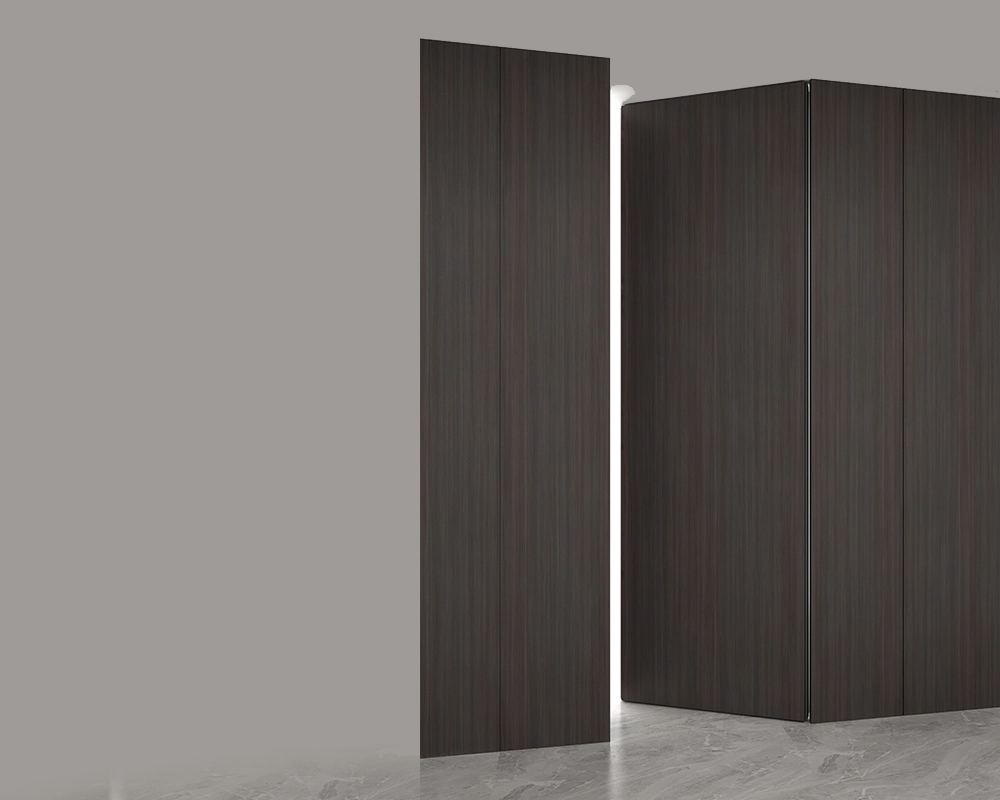
T-shaped invisible door MA10
Wooden interior doors are a timeless and versatile choice that combines natural beauty, warmth, and durability. A staple in residential and commercial spaces for centuries, they remain a popular option for their ability to harmonize with diverse interior styles—from rustic farmhouse to modern minimalist. Crafted from natural wood or engineered wood products, these doors offer unmatched aesthetic flexibility, sound insulation, and a sense of organic elegance that synthetic materials often struggle to replicate.
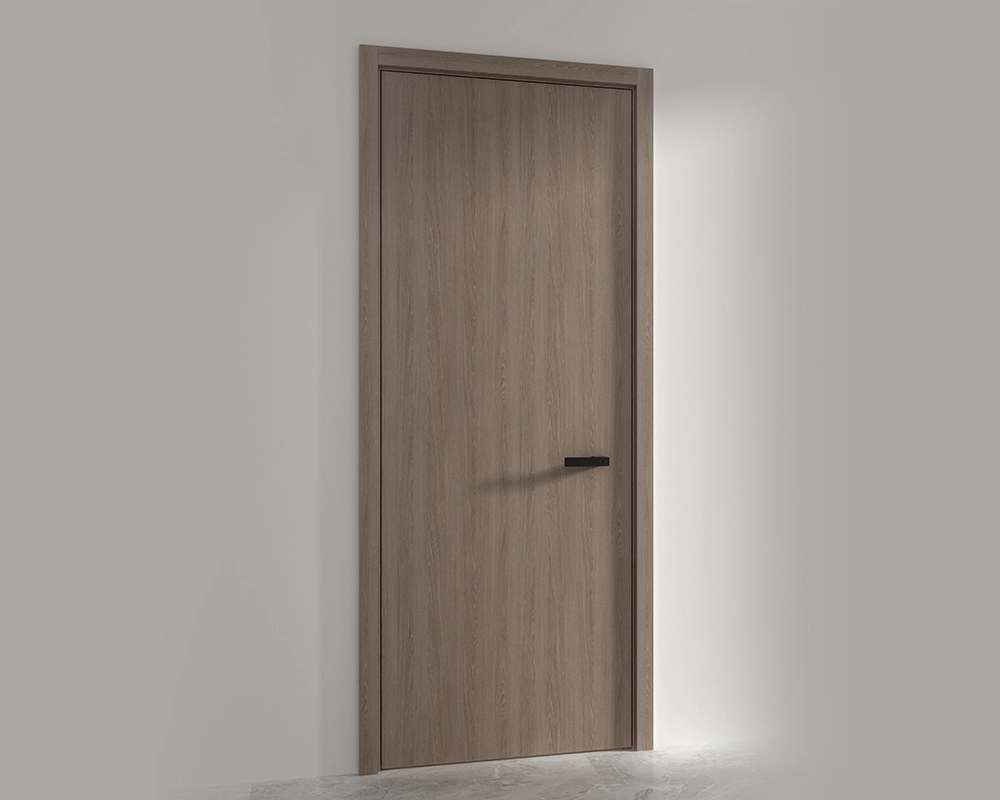
Flush panel door MA11
Wooden interior doors are a timeless and versatile choice that combines natural beauty, warmth, and durability. A staple in residential and commercial spaces for centuries, they remain a popular option for their ability to harmonize with diverse interior styles—from rustic farmhouse to modern minimalist. Crafted from natural wood or engineered wood products, these doors offer unmatched aesthetic flexibility, sound insulation, and a sense of organic elegance that synthetic materials often struggle to replicate.
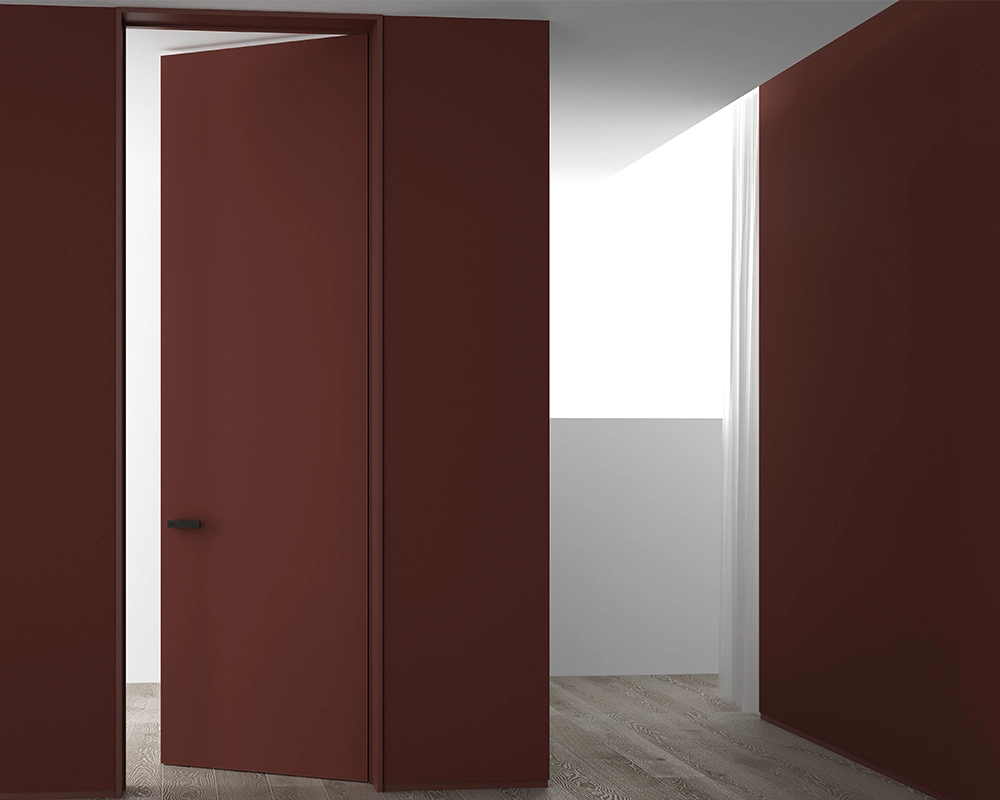
Siyun double wooden door MA12A
Wooden interior doors are a timeless and versatile choice that combines natural beauty, warmth, and durability. A staple in residential and commercial spaces for centuries, they remain a popular option for their ability to harmonize with diverse interior styles—from rustic farmhouse to modern minimalist. Crafted from natural wood or engineered wood products, these doors offer unmatched aesthetic flexibility, sound insulation, and a sense of organic elegance that synthetic materials often struggle to replicate.
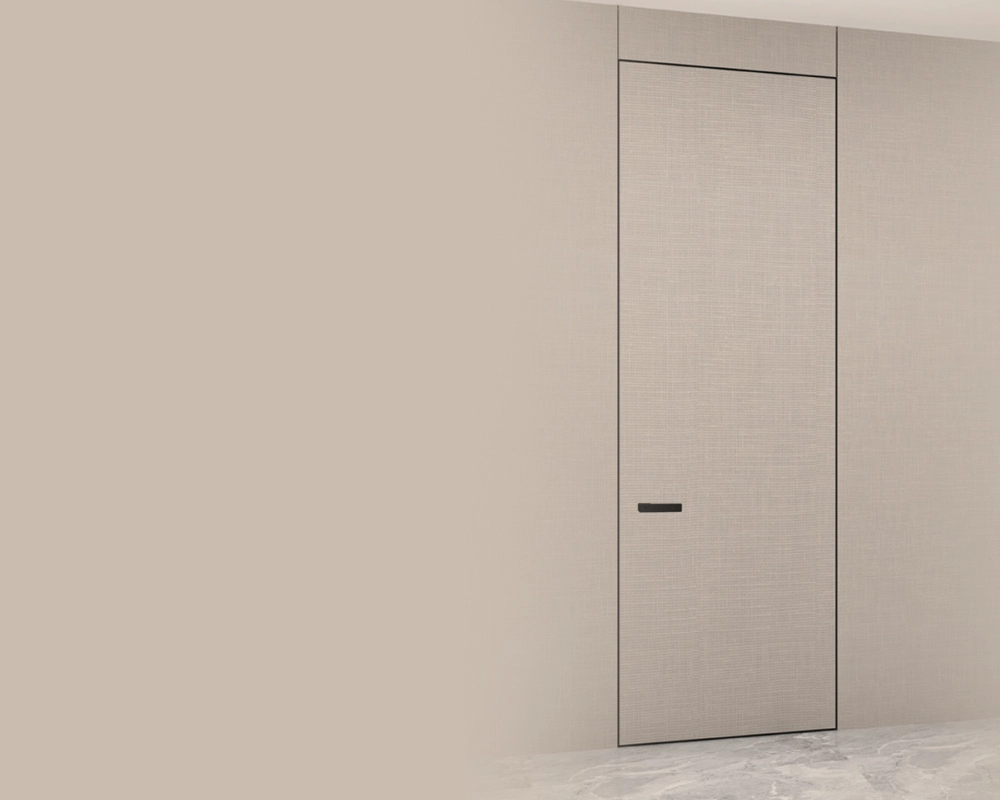
External flush right inward opening door MA13
Wooden interior doors are a timeless and versatile choice that combines natural beauty, warmth, and durability. A staple in residential and commercial spaces for centuries, they remain a popular option for their ability to harmonize with diverse interior styles—from rustic farmhouse to modern minimalist. Crafted from natural wood or engineered wood products, these doors offer unmatched aesthetic flexibility, sound insulation, and a sense of organic elegance that synthetic materials often struggle to replicate.

 Scan QR Code
FoshanMuranoCabinet
foshanmuranocabinet
Whatsapp: +8618814138020
Scan QR Code