
Get Catalog
Light
Dark
System
What Are the Key Differences Between Custom and Pre-Made Kitchen and Joinery?
Friday, 01/2/2026
Wondering about the key differences between custom and pre-made kitchen and joinery? Learn about design flexibility, budget, quality, lead time & more to choose the best for your renovation.
- What Are the Key Differences Between Custom and Pre-Made Kitchen and Joinery?
- 1. Design Flexibility & Space Adaptability
- 2. Budget & Cost Efficiency
- 3. Quality & Durability
- 4. Lead Time & Installation Speed
- 5. Maintenance & Repairability
- Which Should You Choose: Custom or Pre-Made Kitchen and Joinery?
- Final Thoughts
What Are the Key Differences Between Custom and Pre-Made Kitchen and Joinery?
Planning a kitchen renovation or upgrading your home’s joinery? One of the biggest decisions you’ll face is choosing between custom and pre-made kitchen and joinery. Both options have their merits, but the right choice depends on your budget, space, style preferences, and long-term needs. In this guide, we’ll break down the key differences between custom and pre-made kitchen and joinery—so you can make an informed decision that aligns with your home goals.
First, let’s clarify the basics: Kitchen and joinery refers to the built-in or fitted elements in your kitchen, such as cabinets, drawers, shelves, countertops, and even custom storage solutions (like pantry units or pull-out organizers). Pre-made (or ready-made) options are mass-produced in standard sizes and styles, while custom joinery is designed and crafted specifically for your space and needs. Now, let’s dive into their core differences.
1. Design Flexibility & Space Adaptability
The most significant difference between custom and pre-made kitchen and joinery lies in design flexibility—especially when dealing with non-standard spaces.
Custom Kitchen and Joinery: If your kitchen has awkward corners, sloped ceilings, uneven walls, or an unusual layout (common in older homes or unique architectural designs), custom joinery is your best bet. Custom solutions are built to measure, meaning every inch of your space is utilized. You have full control over the design: from the size and shape of cabinets to the type of hardware, finishes, and internal storage features (think pull-out spice racks, built-in wine racks, or custom drawer dividers). This flexibility also lets you match the joinery to your home’s overall style—whether it’s modern minimalist, traditional rustic, or contemporary industrial.
Pre-Made Kitchen and Joinery: Pre-made options come in fixed standard sizes (e.g., 60cm, 80cm, 100cm cabinets) and limited styles. They work well for kitchens with regular, rectangular layouts and standard ceiling heights. While some pre-made lines offer minor customizations (like choosing between a few finishes or adding basic hardware), you’ll always be restricted by the manufacturer’s specifications. If you have a small kitchen, narrow nook, or odd-shaped space, pre-made joinery may leave gaps or waste valuable storage area.
2. Budget & Cost Efficiency
Budget is a top concern for most homeowners, and this is where pre-made and custom kitchen and joinery differ drastically.
Pre-Made Kitchen and Joinery: Pre-made options are almost always more budget-friendly. Since they’re mass-produced, manufacturers can keep production costs low—and those savings are passed on to you. They’re ideal if you’re working with a tight budget or planning a quick renovation (e.g., flipping a house or preparing a rental property). You can also save on installation costs, as pre-made joinery is designed for easy, quick assembly.
Custom Kitchen and Joinery: Custom joinery comes with a higher price tag. The cost of custom design, materials, and skilled craftsmanship adds up—usually 50-100% more than pre-made options. However, it’s important to view custom joinery as a long-term investment. High-quality custom work is built to last, and it can increase your home’s resale value (homebuyers often pay a premium for custom, well-designed kitchens). Additionally, you won’t have to replace or modify the joinery later if your needs change, which saves money in the long run.
3. Quality & Durability
When it comes to longevity, the quality of materials and construction makes all the difference between custom and pre-made kitchen and joinery.
Custom Kitchen and Joinery: Custom joinery typically uses higher-quality materials (solid wood, premium plywood, or high-grade MDF) and superior construction techniques. Skilled craftsmen pay attention to details like dovetail joints (for drawers), reinforced corners, and precise fitting—all of which make the joinery more durable and resistant to wear and tear. Custom pieces are also finished by hand, ensuring a smooth, flawless look that’s hard to replicate with mass-produced items.
Pre-Made Kitchen and Joinery: To keep costs low, pre-made joinery often uses lower-grade materials (like particleboard or thin MDF) and basic construction methods (e.g., stapled joints instead of dovetails). While some high-end pre-made lines offer better quality, they still can’t match the durability of custom work. Pre-made cabinets may start to warp, chip, or sag over time—especially with heavy use (e.g., storing heavy pots and pans) or exposure to moisture (common in kitchens).
4. Lead Time & Installation Speed
If you’re in a hurry to finish your kitchen renovation, lead time is a crucial factor to consider.
Pre-Made Kitchen and Joinery: Pre-made options are ready to buy and install immediately. You can pick them up from a home improvement store or have them delivered within a few days. Installation is also fast—most pre-made joinery can be assembled and fitted in a weekend by a professional (or even a handy DIYer). This makes pre-made joinery perfect for time-sensitive projects.
Custom Kitchen and Joinery: Custom work takes time. The design process (consultation, measurements, drafts) can take 1-2 weeks, and production can take 4-8 weeks (or longer for complex designs). Installation also takes longer, as each piece is fitted individually. If you’re not in a rush, this lead time is worth it for a perfect fit—but it’s not ideal if you need to finish your renovation quickly.
5. Maintenance & Repairability
How easy is it to maintain and repair your kitchen and joinery? This is another key difference between the two options.
Custom Kitchen and Joinery: Custom joinery is easier to repair because it’s made with high-quality materials and standard-sized hardware (or hardware that’s easy to source). If a drawer slides breaks or a cabinet door gets damaged, a craftsman can easily replace the part without replacing the entire unit. Custom finishes are also more durable, so they’re easier to clean and maintain (just wipe with a damp cloth and mild soap).
Pre-Made Kitchen and Joinery: Pre-made joinery can be harder to repair. Many mass-produced units use proprietary hardware (which is hard to find replacements for), and low-grade materials may not hold up to repairs. If a pre-made cabinet gets damaged, you may have to replace the entire unit— which is costly and time-consuming. Pre-made finishes are also more prone to scratching and chipping, so they require more frequent touch-ups.

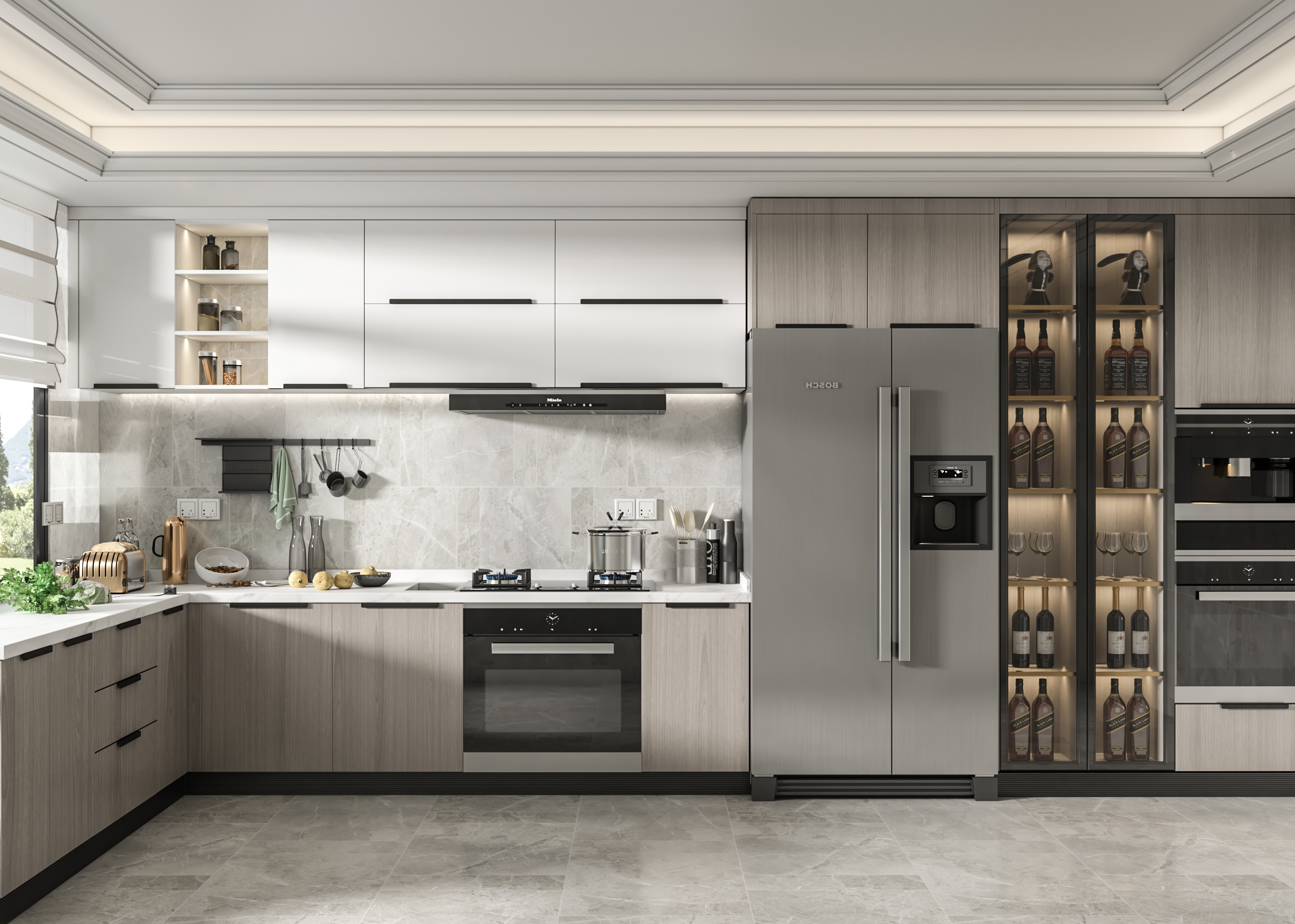
Which Should You Choose: Custom or Pre-Made Kitchen and Joinery?
Now that you know the key differences, here’s a quick guide to help you choose:
-
Choose pre-made kitchen and joinery if: You have a tight budget, a standard kitchen layout, need a quick renovation, or are renovating a rental property.
-
Choose custom kitchen and joinery if: You have an unusual kitchen layout, want a unique design, prioritize quality and durability, are willing to invest in long-term value, or have specific storage needs.
Final Thoughts
There’s no “one-size-fits-all” answer when it comes to custom vs. pre-made kitchen and joinery. Both options have their place—your choice depends on your budget, space, style, and timeline. By understanding the key differences outlined in this guide, you can make a decision that works for your home and your needs. Whether you opt for pre-made convenience or custom perfection, a well-chosen kitchen and joinery will enhance the functionality and beauty of your kitchen for years to come.
Recommended for you
How to Make Traditional Kitchen Cabinets Look Modern
Why a PET Metal Brass Kitchen Cabinet is a Smart Investment for Your Home
Is a PET Metal Brass Kitchen Cabinet Durable? Pros and Cons Revealed

The 10 Costly Mistakes to Avoid When Hiring a Custom Bedroom Wardrobe Manufacturer in 2026 [Expert Advice]
Prdoucts Categories
FAQ
FAQ
What's the payment terms of all our products?
T/T (30% inadvance, the balance shall be paid off before delivery), Western Union or L/C.
What's MOQ for our kitchen cabinets, wardrobe cabinets or bathroom cabinets?
1 set.
What's lead time for furniture cabinets?
It's about 20 - 30 days.
Can we ship the furniture cabinets to customer's port or city?
Yes. Please provide the city name or port name when you send us an inquiry.
What information are needed for getting a quote for our furniture cabinets?
Your size infomation or room drawings.
You may also like
T-shaped invisible door MA10
Flush panel door MA11
Siyun double wooden door MA12A
External flush right inward opening door MA13
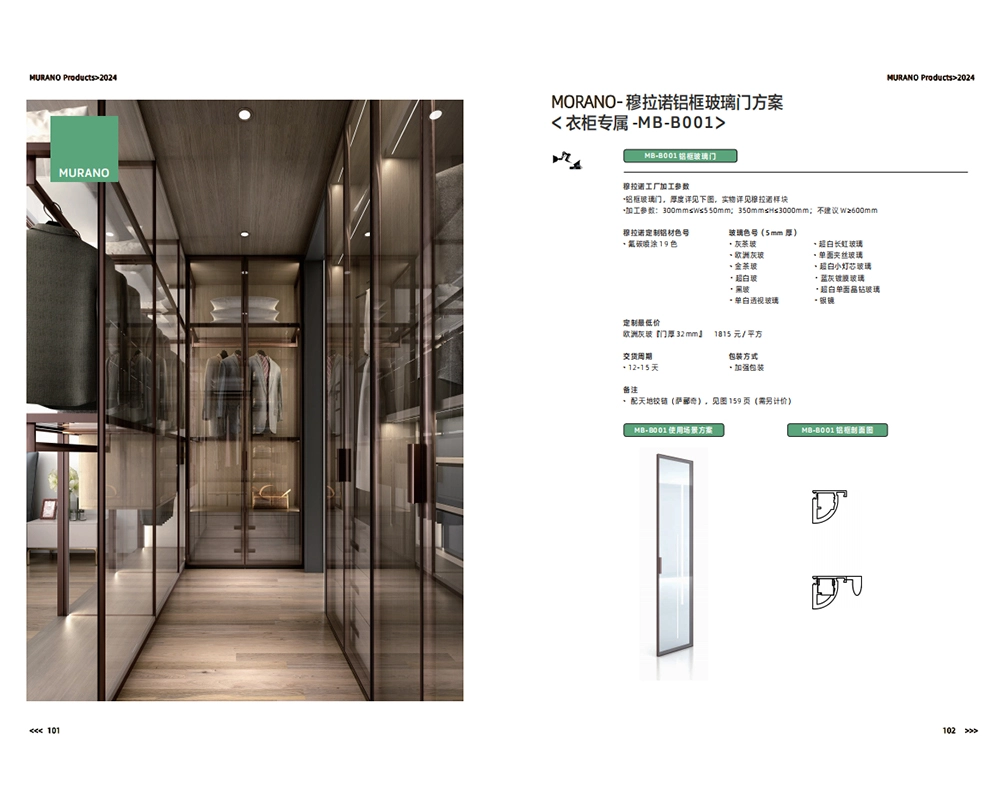
Aluminum Frame Glass Hinged Door - MBB001
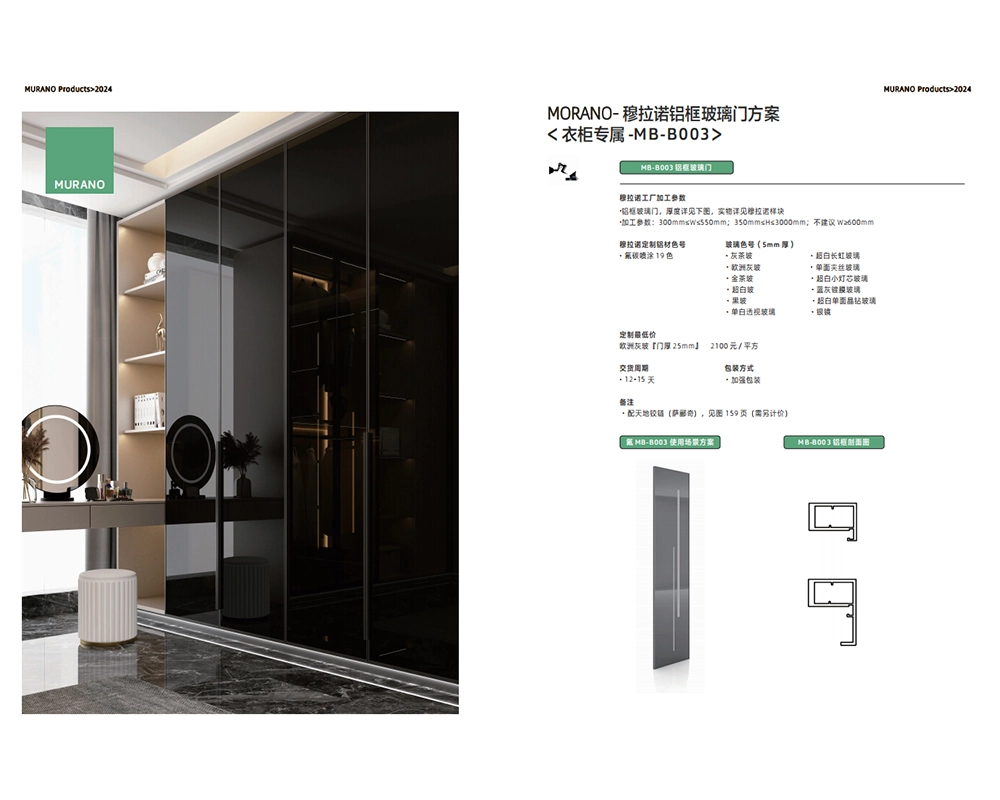
Aluminum Frame Glass Hinged Door - MBB003
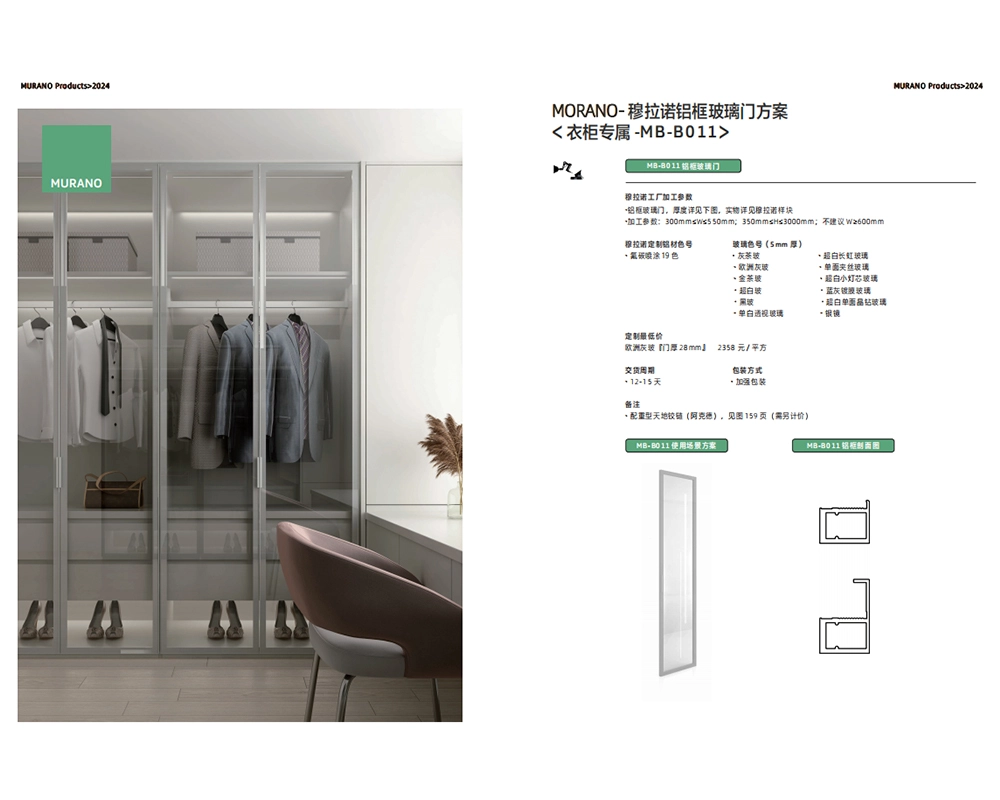
Aluminum Frame Glass Hinged Door - MBB011
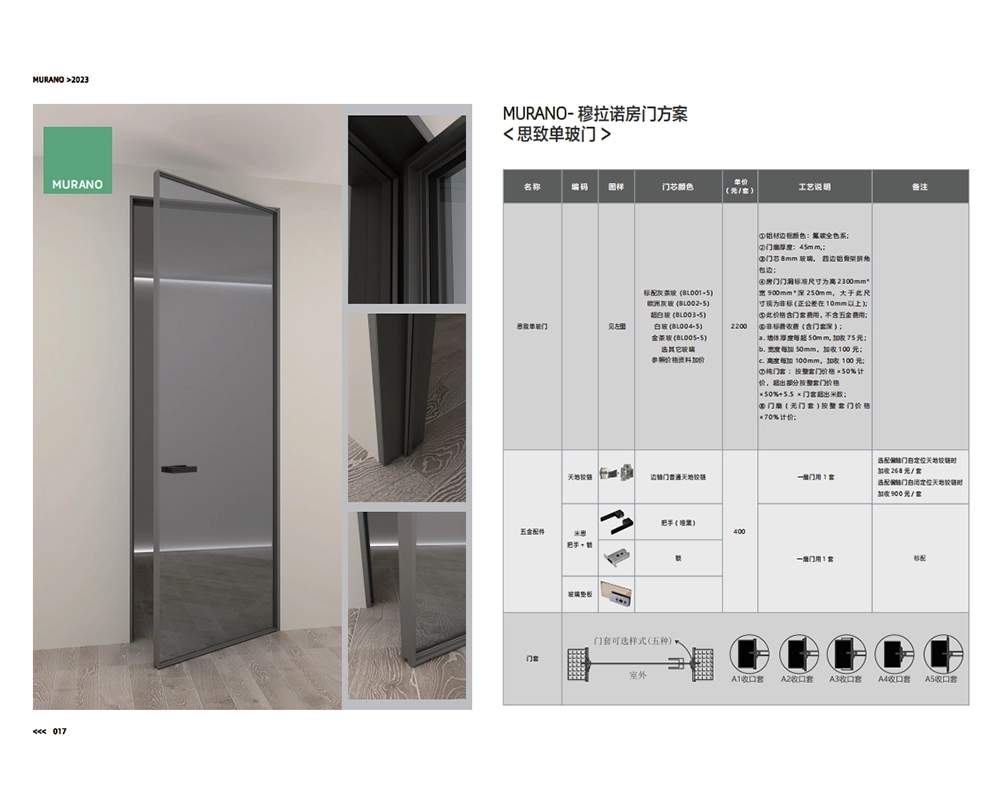
SZ Single side glass interior door
Request a Free Consultation And Price Estimate
Get in touch with Murano today for a personalized consultation, and let us bring your vision to life. Fill out the form below or contact Murano directly to start your journey toward a beautifully tailored home!"

 Scan QR Code
FoshanMuranoCabinet
foshanmuranocabinet
Whatsapp: +8618814138020
Scan QR Code