
How can custom bedroom wardrobes boost project ROI for builders?
- 1. How should builders calculate material + labor cost vs resale uplift when specifying a custom bedroom wardrobe for a mid‑range housing project?
- 2. Which cabinet box construction (plywood, MDF, particleboard) balances durability and cost for built‑in bedroom wardrobes in humid climates?
- 3. What hardware and internal organization features deliver the highest perceived value to buyers without excessive cost?
- 4. How do lead times, shop drawings, and site tolerances change project schedules when replacing standard closets with floor‑to‑ceiling custom wardrobes?
- 5. Are semi‑custom modular wardrobes (CNC panelized) a reliable way for builders to cut production time and still get a High Quality finish comparable to fully custom?
- 6. What sustainability and emissions documentation (CARB Phase 2, FSC, E0) should builders require to satisfy green certifications and attract higher‑end buyers?
For a precise quote on custom bedroom wardrobes or custom kitchen cabinets, contact us at [email protected] or visit www.muranocabinet.com.
1. How should builders calculate material + labor cost vs resale uplift when specifying a custom bedroom wardrobe for a mid‑range housing project?
Answer:When builders evaluate custom bedroom wardrobes they must treat them as capital improvements with measurable line‑item costs (materials, fabrication, hardware, installation, finishes) and expected benefits (reduced days on market, higher sale price, better appraisal comps). A practical workflow:
Build a unit cost model: list the wardrobe types you’ll offer (reach‑in, built‑in, floor‑to‑ceiling, walk‑in), then cost out: carcass material (plywood/MDF), drawer systems (undermount soft‑close), doors (slab, V‑groove, mirrored), hardware (handles, soft‑close hinges, slides), finishes (lacquer, melamine), labor hours (shop and site), and delivery/installation. Use standard cabinet metrics: carcasses typically 18mm (3/4) plywood or MDF; drawer boxes often 18mm or Baltic birch; back panels 6–9mm.
Use per‑unit and per‑linear‑foot metrics: in procurement, builders commonly price wardrobes per linear foot of front elevation or per unit. This lets you scale quickly across plan types.
Model lift drivers: quantify how wardrobes improve buyer perception — extra storage, built‑in organization, full‑height finishes. Historical market and staging studies consistently show storage is a top requested feature. Translate that into a conservative uplift scenario: faster sale (fewer days on market reduces holding costs) and modest price High Quality or fewer buyer concessions. Even when exact uplift is project‑specific, this approach converts design choices into ROI inputs.
Compare modular vs fully custom costs: account for lower labor and faster lead times for modular/CNC‑panelized solutions vs fully handmade custom. Savings can be reinvested in finishes (better hardware, plywood boxes) that increase perceived value.
Track realized outcomes: on completed projects log days on market, buyer concessions, and appraisal results for units with wardrobes vs baseline. Over a portfolio, this data builds a defensible ROI figure.
How this links to custom kitchen cabinet purchases: use the same cost‑modeling approach—material spec, hardware brand, and installation labor are the main levers. Standardizing detail sheets across wardrobes and kitchens reduces design time and streamlines procurement.
2. Which cabinet box construction (plywood, MDF, particleboard) balances durability and cost for built‑in bedroom wardrobes in humid climates?
Answer:Climate durability is a common pain‑point that is often underexplained online. For humid regions, prioritize moisture‑resistant panel goods and construction details:
Plywood (exterior or furniture grade): best overall balance of strength, screw‑holding, and dimensional stability in humidity. Baltic birch or hardwood plywood for visible cabinetry is preferred. Plywood boxes perform well with face‑frame or frameless (European) construction and accept solid joinery and drawer slide mounting.
Moisture‑resistant MDF: good for painted wardrobes where a smooth paint finish is required. Standard MDF swells with moisture; choose MR‑MDF or E0 low‑formaldehyde MDF and ensure edges are properly sealed with edge banding and primer.
Particleboard (melamine): lowest cost but greatest risk in humid environments unless properly sealed. Use only in controlled interior environments or when protected behind closed doors and elevated off wet floors.
Construction details that matter: raise base to avoid direct contact with damp flooring, use 18mm carcass thickness for stiffness, seal backs and edges with grain‑filler or polyurethane, and prefer screw‑mounted hanging rails fixed to studs or blocking.
Fasteners and adhesives: use waterproof glues and corrosion‑resistant hardware. Blum and Hettich offer corrosion‑resistant hinges and slides suited to coastal/humid applications.
In procurement for kitchen cabinets the same materials hierarchy applies: plywood boxes + solid drawer construction for countertops and wet‑zone cabinets; MR‑MDF for painted surfaces; avoid exposed particleboard in dishwasher or sink run. Specifying the right substrate up front prevents callbacks and warranty costs — a direct ROI benefit.
3. What hardware and internal organization features deliver the highest perceived value to buyers without excessive cost?
Answer:Buyers notice smooth operation, organized interiors, and well‑proportioned storage more than ornate finishes. Prioritize these cost‑effective features:
Soft‑close hinges and undermount soft‑close drawer slides (Blum, Hettich, or equivalent): low incremental cost, high perceived quality. These dramatically reduce noise, damage, and callbacks.
Full‑extension undermount drawers with solid drawer boxes: allow full access and create a High Quality impression. Specify plywood or Baltic birch drawer boxes for durability.
Adjustable shelving and integrated lighting: adjustable shelves are inexpensive to implement (standard shelf pin increments) and deliver flexibility. LED strip lighting inside wardrobes (motion‑activated) has a small cost but high buyer delight.
Built‑in organization modules: shoe shelves, tie/belt racks, valet rods, pull‑out laundry hampers — choose a few high‑use elements rather than trying to include every possible accessory.
Door systems that fit target market: mirrored sliding doors save space and add perceived bedroom size; slab painted doors or shaker style for higher price points.
Procurement tip: consolidate hardware orders to a few trusted suppliers to get better pricing and ensure warranty consistency across wardrobes and kitchen cabinets.
4. How do lead times, shop drawings, and site tolerances change project schedules when replacing standard closets with floor‑to‑ceiling custom wardrobes?
Answer:Replacing off‑the‑shelf closets with full‑height custom wardrobes significantly alters procurement and scheduling. Key considerations:
Lead time variance: custom wardrobes (full‑build, painted, or veneered) often require 4–12 weeks depending on complexity, finish curing, and hardware lead times. Semi‑custom modular systems can reduce lead time to 2–6 weeks. Always plan for the longest realistic lead time when sequencing finishes and appliances.
Shop drawings and approvals: detailed shop drawings that show elevations, sections, and mounting details must be produced and approved before fabrication. This step reduces site rework but adds time—factor 1–2 weeks for revisions into the schedule.
Site tolerances and blocking: bedhead walls, HVAC, plumbing, and electrical penetrations can affect wardrobe installs. Provide subcontractors with clear blocking requirements and ensure HVAC register locations are coordinated. Specify final trim allowances (e.g., +/- 6mm) and use site scribe trims for uneven walls.
Installation sequencing: prefer installing wardrobes after major trades (drywall, paint, floors) to avoid damage. For built‑ins that abut floor finishes, lock installation to the last finish phase.
Contingency planning: maintain a 10–15% time buffer for custom work on fast projects; minor delays in cabinetry often cascade to staging and closing dates.
Lessons from kitchen cabinet procurement apply: detailed shop drawings, mock‑ups for critical junctions (island overhangs, appliance reveals), and clear tolerance specs avoid costly in‑field fixes.
5. Are semi‑custom modular wardrobes (CNC panelized) a reliable way for builders to cut production time and still get a High Quality finish comparable to fully custom?
Answer:Yes—when executed with disciplined specification and QA. CNC panelized systems use nested CNC cutting of panels, pre‑edged components, and modular fittings to deliver near‑custom aesthetics with faster turnaround and often lower cost. What to specify to ensure quality:
Tight material specs: insist on 18mm plywood carcasses or MR‑MDF for painted faces; ensure edge banding quality (0.5mm PVC or real wood veneer banding) and finishing tolerances.
Hardware standards: require High Quality soft‑close systems and concealed hinges even in modular lines—this is where buyers perceive quality.
Panel optimization and nesting files: request nesting optimization reports and part lists; this transparency helps identify material yield and cost.
Finish process controls: ensure factory has consistent finishing lines (UV cured lacquers, sprayed paints) and shows finish samples. Spot checks on color, gloss, and edge sealing are essential.
Installation kit approach: pre‑assembled sections and clear installation jigs reduce time on site. For tight tolerances, modular panels should allow on‑site scribing and shim adjustments.
When builders compare costs and schedules against fully custom joinery, modular CNC systems often give the best ROI for large developments because they lower shop labor while retaining customizable face profiles, hardware, and internal layouts. The same trade‑off applies in kitchens: choose modular for scale and custom for one‑off high‑end units.
6. What sustainability and emissions documentation (CARB Phase 2, FSC, E0) should builders require to satisfy green certifications and attract higher‑end buyers?
Answer:Buyers and certifiers now expect documented low‑emission materials and sustainably sourced panels. Key certifications and documentation to request from suppliers:
CARB Phase 2 / TSCA Title VI compliance: ensures composite wood products meet formaldehyde emission limits. Require mill certificates or third‑party test reports for plywood, MDF and particleboard.
E0/E1 emission ratings: especially for painted interiors where occupant exposure is a concern.
FSC or PEFC chain‑of‑custody: for projects claiming sustainably sourced wood, request chain‑of‑custody documentation to substantiate claims.
VOC limits for finishes: request MSDS and certification for low‑VOC paints and lacquers, and specify LED lighting with low‑mercury components.
Recycled content and end‑of‑life plans: indicate percent recycled content for panels and consider specifying demountable assemblies for future reuse.
From a procurement perspective, require these documents in the supplier contract or submittal package. This reduces procurement risk and supports marketing/closing materials for buyers who value green credentials. For kitchen cabinets, the same documentation improves buyer confidence and can affect appraisals and energy/green ratings.
Concluding paragraph:Well‑specified custom bedroom wardrobes — whether fully custom or precision CNC modular — provide builders with tangible advantages: improved buyer appeal, reduced concessions, standardized procurement across kitchens and wardrobes, and lower long‑term service costs when proper materials and hardware are specified. By aligning substrate choice (plywood vs MDF), High Quality yet cost‑effective hardware (soft‑close systems), realistic lead times, and verifiable sustainability documentation (CARB/TSCA, FSC), builders can capture a stronger ROI and a better market position. For accurate pricing and shop drawings tailored to your floor plans, contact Murano Cabinet for a quote at [email protected] or visit www.muranocabinet.com.
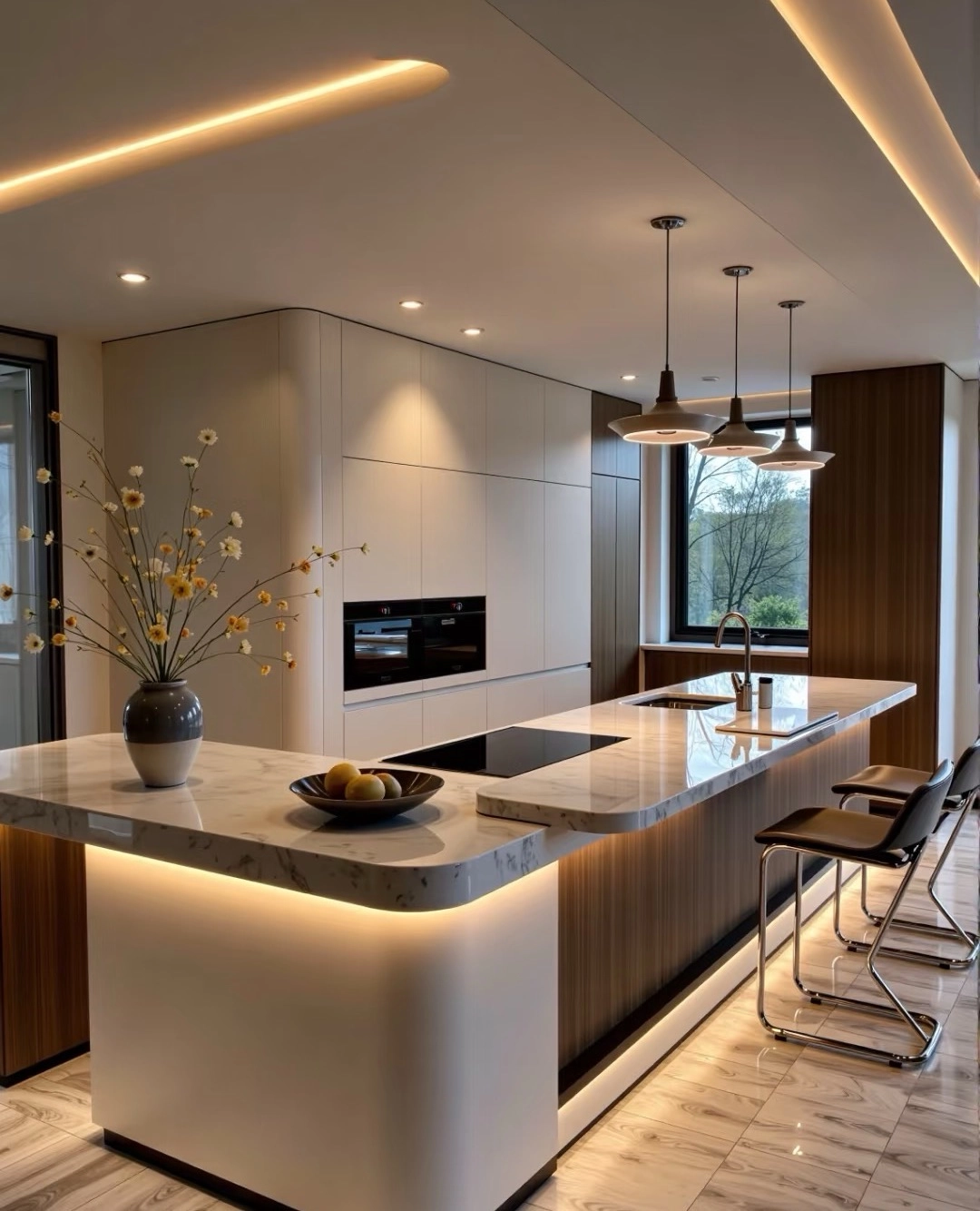
How to Make Traditional Kitchen Cabinets Look Modern
How to Streamline B2B Custom Furniture Procurement: A Step-by-Step Industry Guide
Green Kitchen Cabinets vs. Blue: Why Green is the New Neutral for Modern Homes in 2026
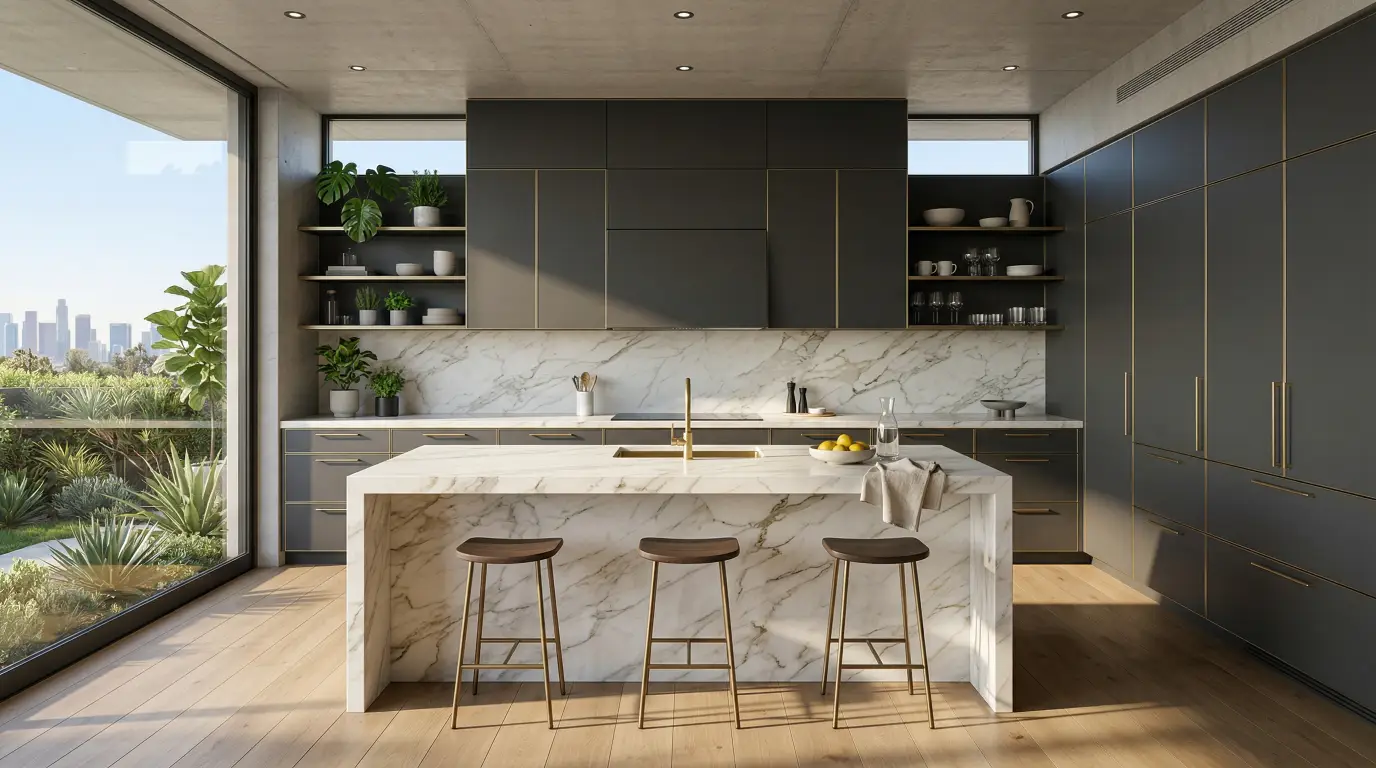
Why a PET Metal Brass Kitchen Cabinet is a Smart Investment for Your Home
FAQ
What's lead time for furniture cabinets?
It's about 20 - 30 days.
What's MOQ for our kitchen cabinets, wardrobe cabinets or bathroom cabinets?
1 set.
Can we produce products according to customer's room size?
Yes. All our cabinets are custom size.
Can we ship the furniture cabinets to customer's port or city?
Yes. Please provide the city name or port name when you send us an inquiry.
What's the payment terms of all our products?
T/T (30% inadvance, the balance shall be paid off before delivery), Western Union or L/C.
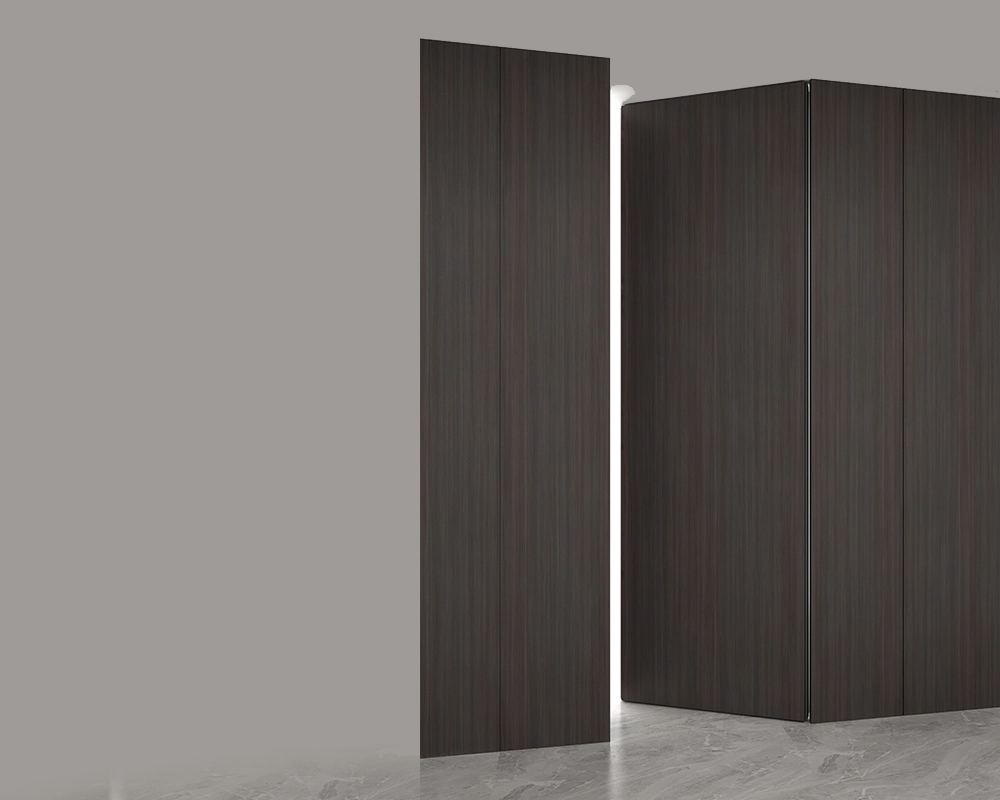
T-shaped invisible door MA10
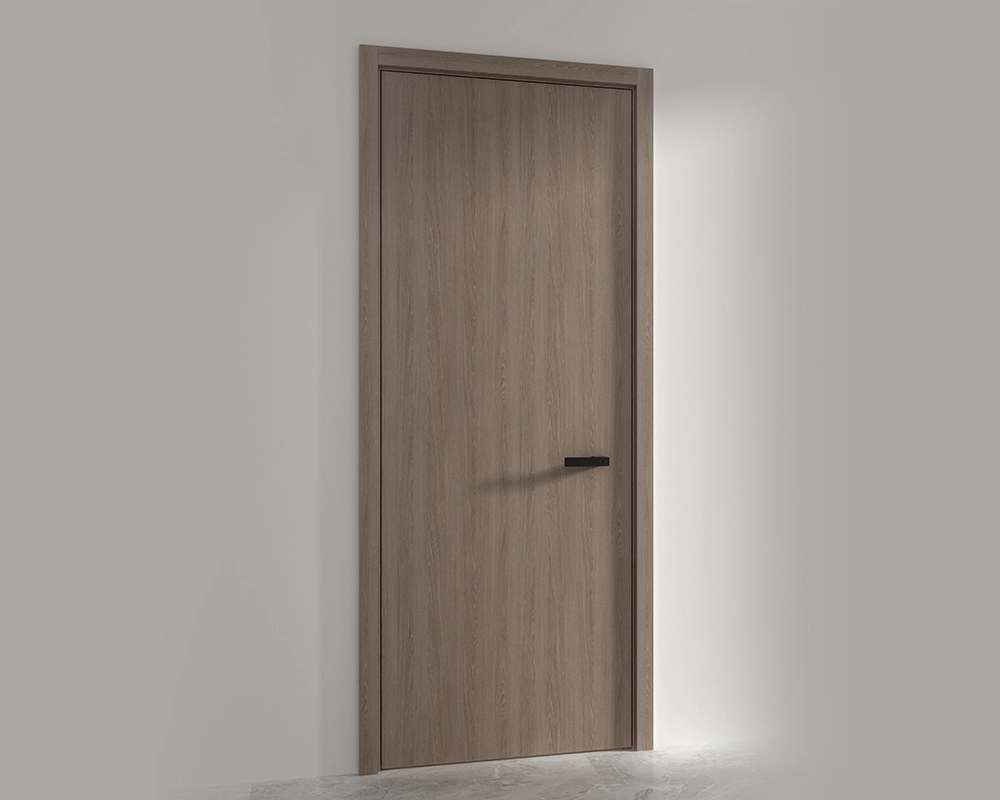
Flush panel door MA11
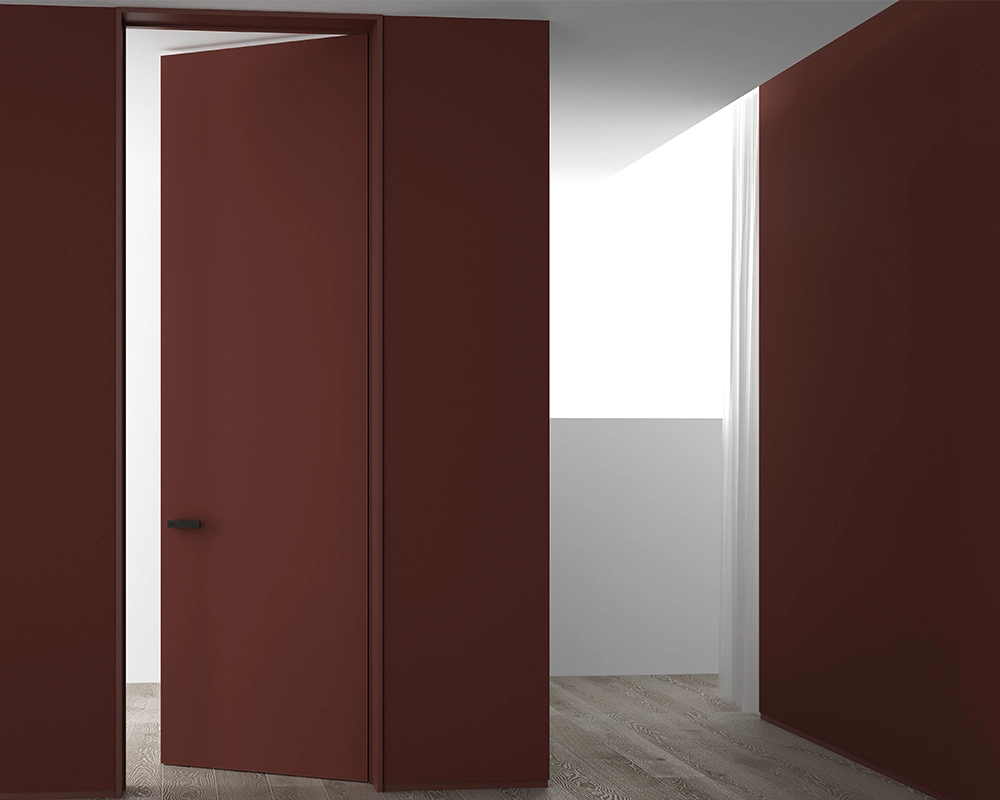
Siyun double wooden door MA12A
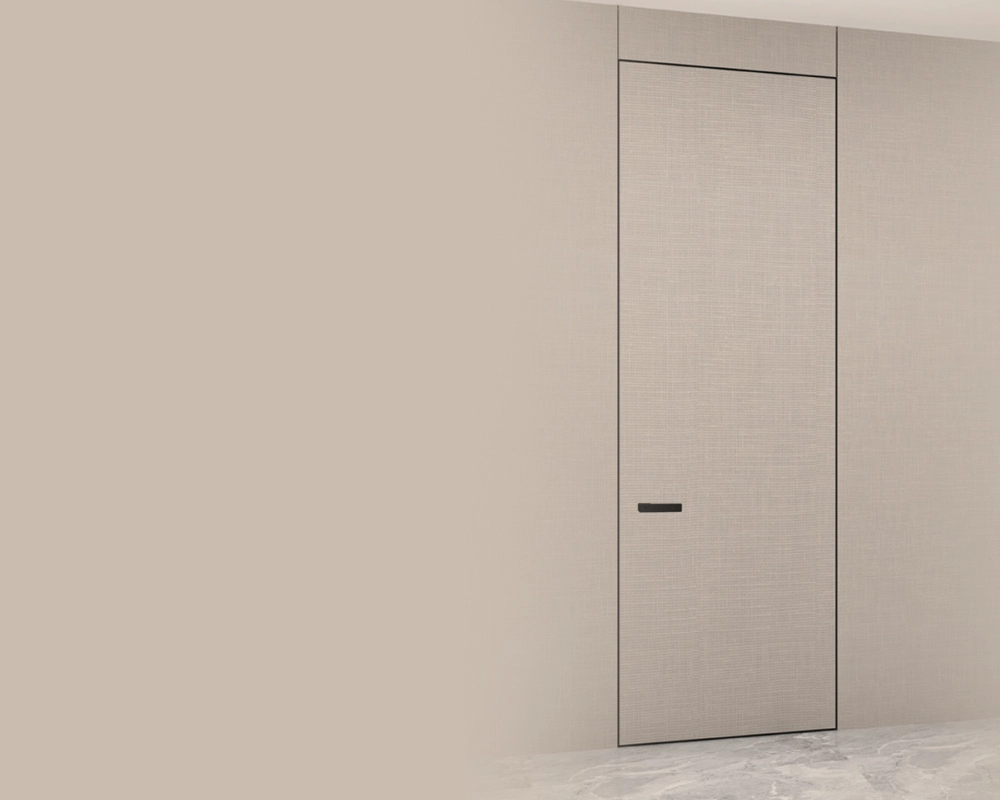
External flush right inward opening door MA13
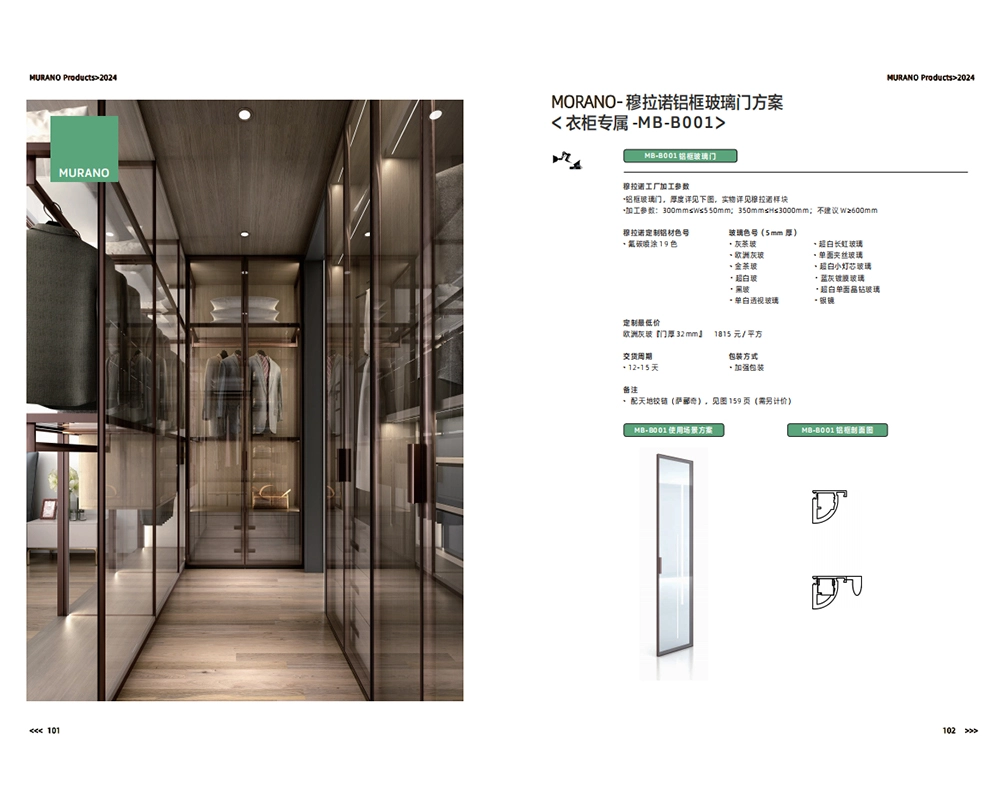
Aluminum Frame Glass Hinged Door - MBB001
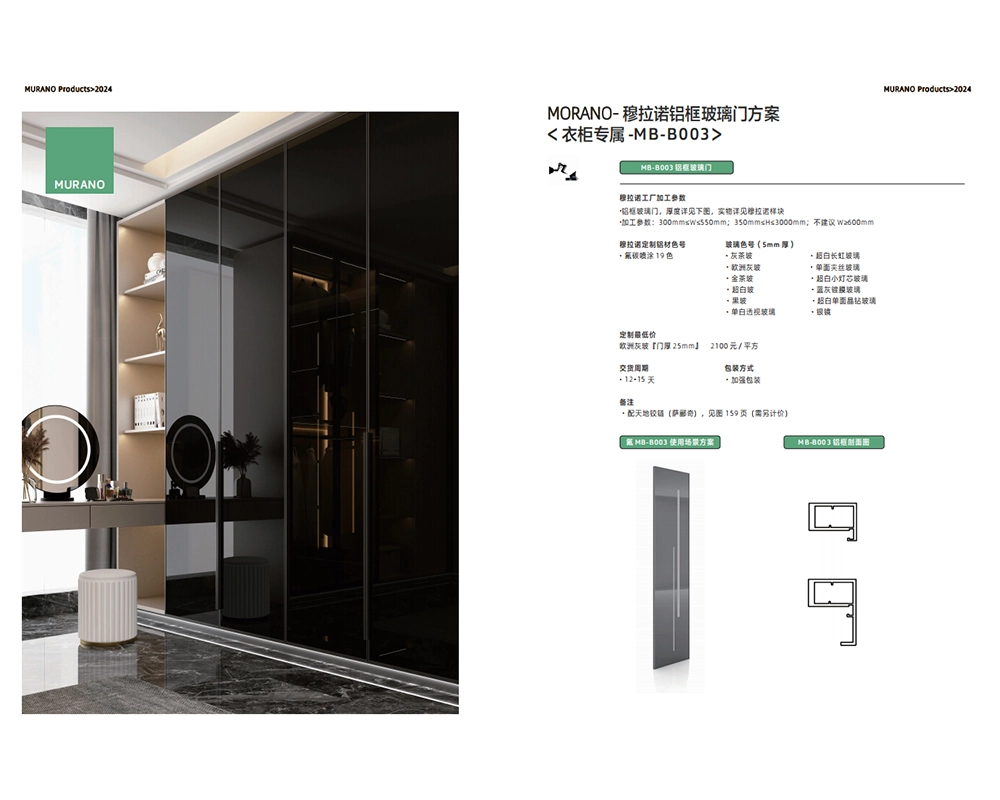
Aluminum Frame Glass Hinged Door - MBB003
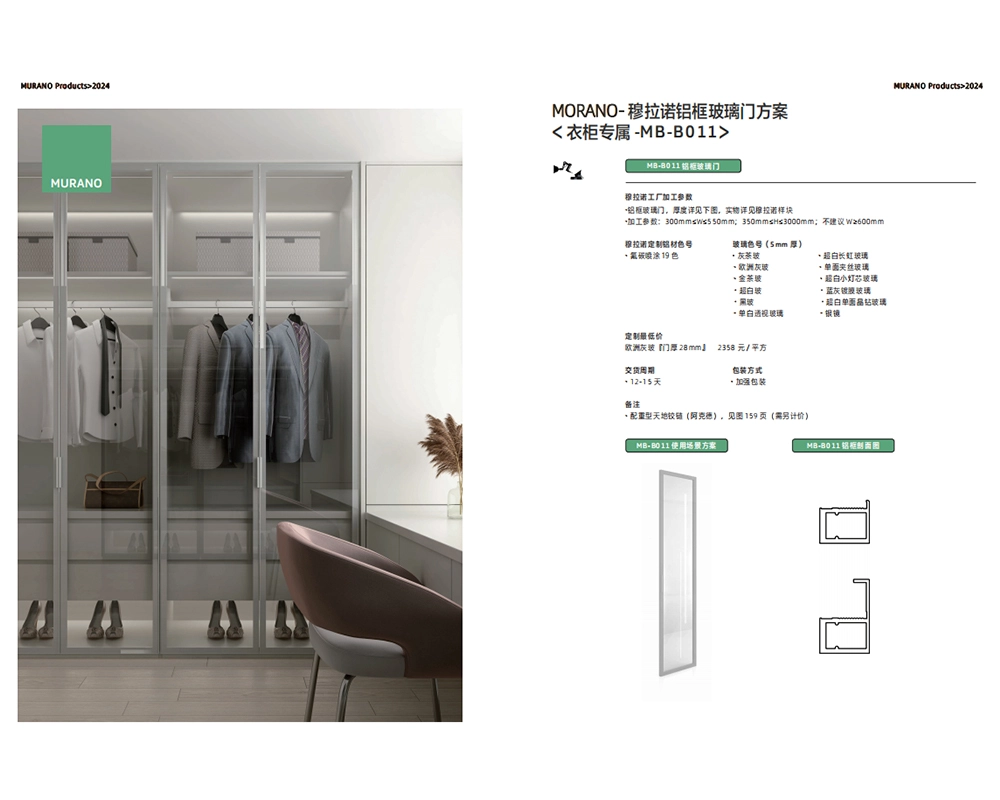
Aluminum Frame Glass Hinged Door - MBB011
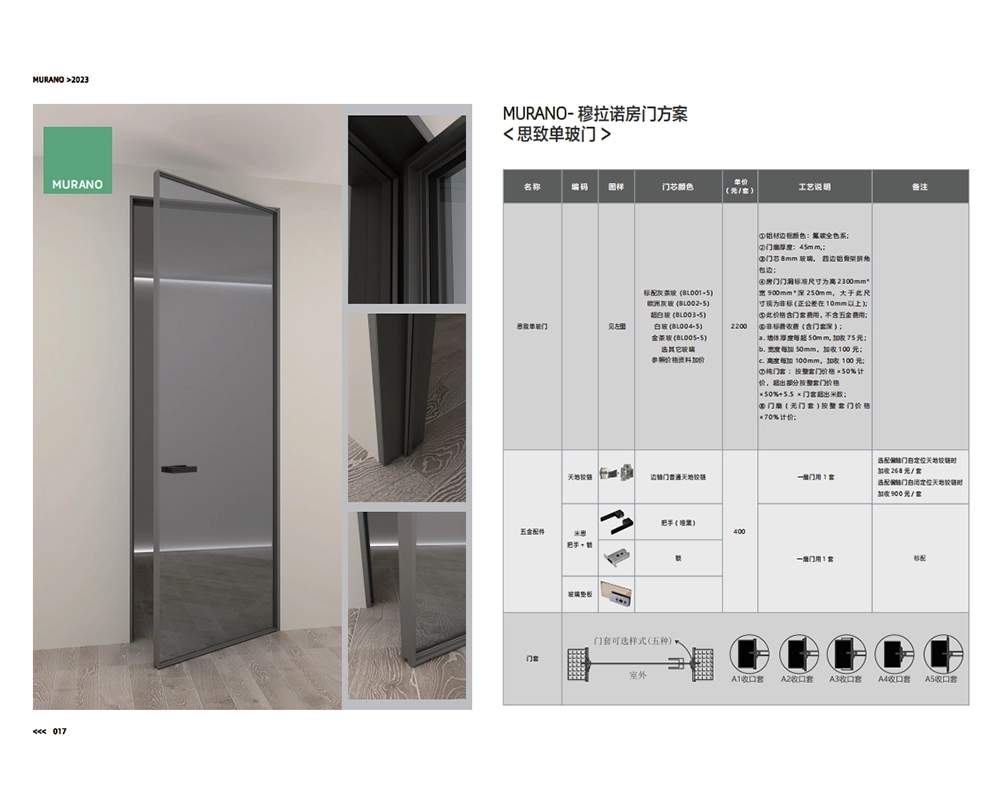
SZ Single side glass interior door
Request a Free Consultation And Price Estimate
Get in touch with Murano today for a personalized consultation, and let us bring your vision to life. Fill out the form below or contact Murano directly to start your journey toward a beautifully tailored home!"

 Scan QR Code
FoshanMuranoCabinet
foshanmuranocabinet
Whatsapp: +8618814138020
Scan QR Code