
Get Catalog
Light
Dark
System
How to Design Functional Kitchen and Joinery for Small Spaces?
Saturday, 01/31/2026
- How to Design Functional Kitchen and Joinery for Small Spaces?
- 1. Start with a Space-Saving Kitchen Layout
- 2. Maximize Vertical Storage with Custom Joinery
- 3. Prioritize Multi-Purpose & Compact Features
- 4. Choose Space-Saving Materials & Finishes
- 5. Optimize Workflow & Accessibility
- 6. Custom Joinery to Complement Small Kitchens
- Common Mistakes to Avoid
- Conclusion
How to Design Functional Kitchen and Joinery for Small Spaces?
Small spaces—whether compact apartments, cozy cottages, or homes with limited square footage—demand intentional design, especially when it comes to kitchens and joinery. These areas are the heart of the home, tasked with serving daily cooking, storage, and living needs, yet they often face the challenge of balancing functionality and style without feeling cramped. The key to designing functional kitchen and joinery for small spaces lies in maximizing every inch, prioritizing versatility, and eliminating clutter—turning tight quarters into efficient, inviting areas that work as hard as you do.
Many homeowners assume small spaces mean sacrificing functionality or style, but with the right design strategies, custom kitchen and joinery can transform even the tiniest nooks into high-performing spaces. From clever storage solutions to space-saving layouts and multi-purpose furniture, this guide breaks down actionable tips to design functional kitchen and joinery for small spaces, helping you make the most of your limited square footage.
1. Start with a Space-Saving Kitchen Layout
The layout of your small kitchen is the foundation of its functionality. Choosing the right configuration ensures smooth workflow, maximizes storage, and avoids wasted space. For small areas, prioritize layouts that minimize footprint while keeping the essential work triangle (sink, stove, refrigerator) efficient.
-
Galley Layout: Ideal for narrow kitchens (1.5–2.5m wide), this linear layout features cabinets and appliances along two parallel walls. It minimizes traffic flow disruptions and maximizes counter space, making it perfect for solo cooks or small families. Opt for slim-depth cabinets (40–45cm) to avoid crowding the walkway (keep at least 70cm between walls).
-
L-Shaped Layout: A versatile choice for small square or rectangular kitchens, this layout wraps around two adjacent walls, utilizing corner space that would otherwise go unused. It creates a natural work triangle and leaves the center of the room open, making it feel more spacious. Add a compact kitchen island (if space allows, 80×80cm minimum) for extra counter and storage space.
-
One-Wall Layout: Perfect for ultra-small spaces (under 5㎡), this layout places all cabinets, appliances, and countertops along a single wall. It saves floor space and creates an open, uncluttered feel. Use floor-to-ceiling cabinets to maximize vertical storage and avoid upper cabinets if you want to keep the wall visually light.
2. Maximize Vertical Storage with Custom Joinery
In small spaces, vertical space is your greatest asset—yet it’s often underutilized. Custom joinery designed to reach from floor to ceiling eliminates wasted space and adds ample storage, while keeping the area organized and clutter-free.
-
Floor-to-Ceiling Cabinets: Install custom floor-to-ceiling kitchen cabinets to store bulky items (pans, appliances, seasonal cookware) on upper shelves, while keeping daily essentials at eye level. Use pull-out shelves or lazy susans for upper cabinets to avoid reaching into dark corners.
-
Wall-Mounted Joinery: Add wall-mounted shelves, floating cabinets, or open shelving above countertops or beside the stove to store frequently used items (spices, mugs, cookbooks) without taking up floor space. Choose slim-profile shelves (15–20cm deep) to avoid overwhelming the room.
-
Corner Joinery Solutions: Corners are often wasted in small kitchens, but custom joinery can turn them into functional storage. Install a corner pull-out cabinet (Lazy Susan, magic corner) or a diagonal cabinet to access items easily, or add a corner bench with hidden storage for seating and extra space.
3. Prioritize Multi-Purpose & Compact Features
In small spaces, every element should serve multiple purposes. Custom kitchen and joinery with built-in versatility ensures you get the most out of every piece, without sacrificing functionality.
-
Multi-Purpose Kitchen Island: If space allows, a compact kitchen island can act as a countertop, dining table, and storage unit. Choose an island with built-in drawers or shelves for cookware, and add stools for seating. Opt for a foldable island that can be tucked away when not in use for ultra-small spaces.
-
Hidden Appliance Storage: Integrate small appliances (microwave, toaster, coffee maker) into custom cabinets or pull-out units to keep countertops clutter-free. Use a built-in microwave above the stove or a pull-out appliance garage to hide items when not in use, maintaining a streamlined look.
-
Convertible Joinery: Design custom joinery that adapts to your needs—e.g., a fold-down table attached to kitchen cabinets (for dining or food prep) that can be folded up when not in use, or a built-in desk area in the kitchen for working from home.
-
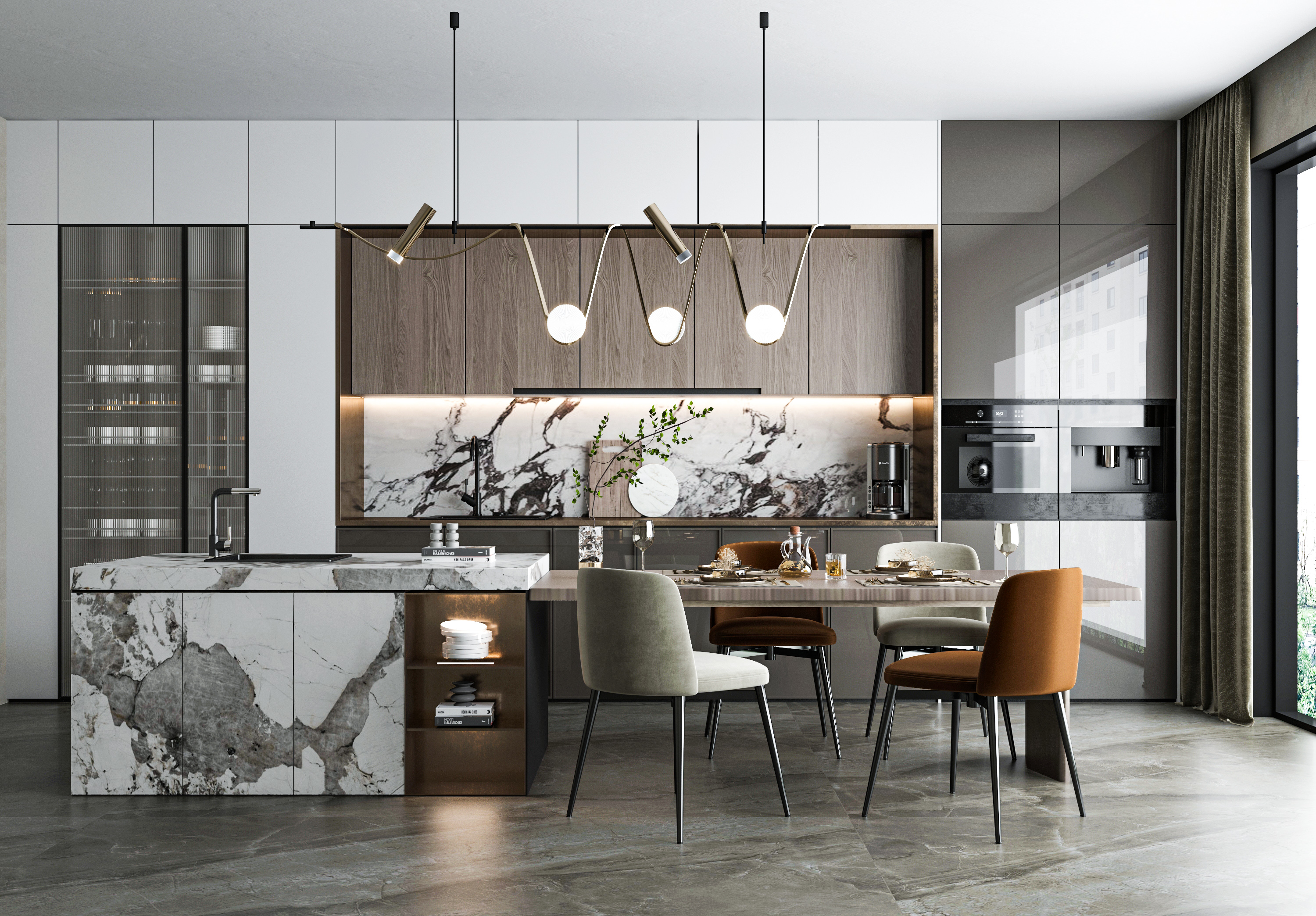
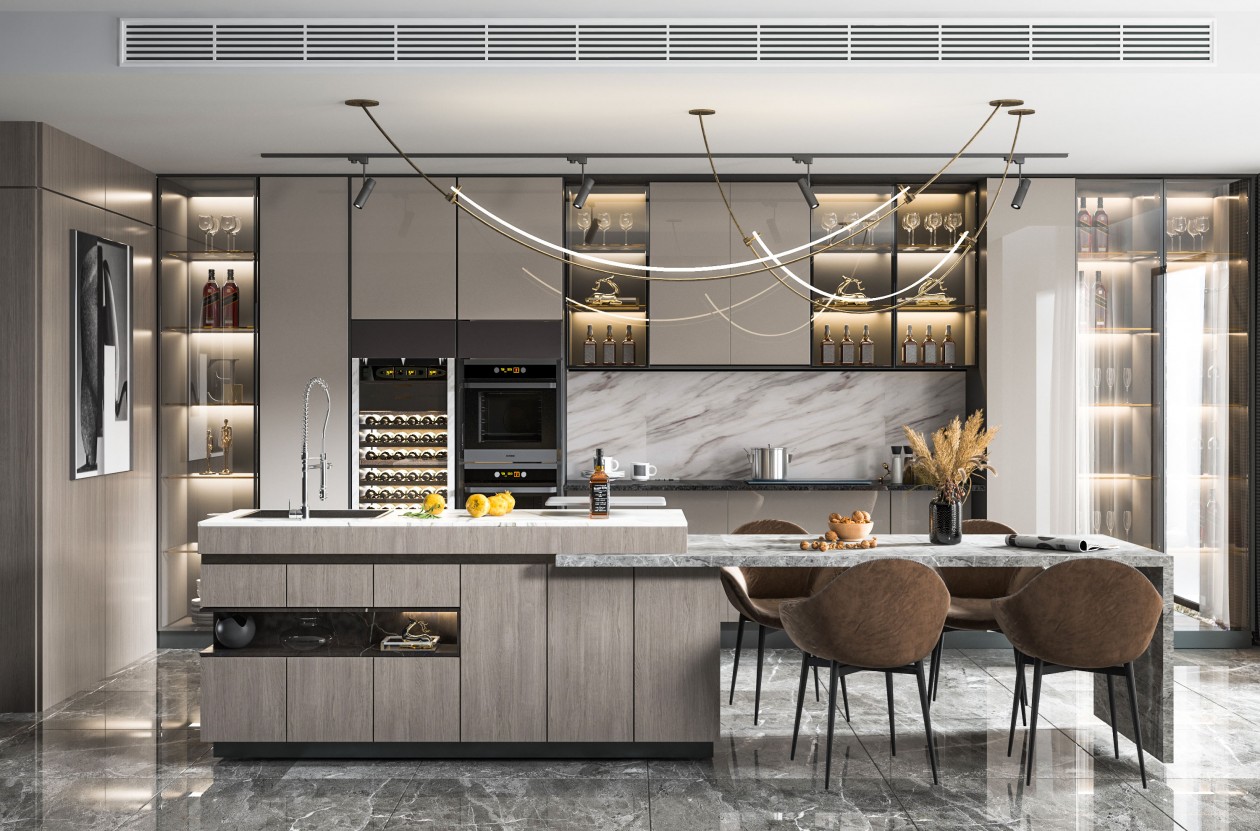
4. Choose Space-Saving Materials & Finishes
The materials and finishes you choose for your small kitchen and joinery can impact how spacious the area feels. Opt for light, reflective materials and sleek finishes to create the illusion of more space, while prioritizing durability for daily use.
-
Light Colors & Reflective Surfaces: Use light-colored cabinets (white, gray, beige) and countertops (quartz, marble, light wood) to brighten the space and reflect natural light, making it feel larger. Add a glass backsplash or high-gloss cabinet finishes to enhance light reflection.
-
Slim & Streamlined Hardware: Choose handleless cabinets (push-to-open or touch-latch) or slim, minimalist hardware (matte black or brushed nickel pulls) to avoid visual clutter and create smooth, clean lines. This makes the space feel more open and less cramped.
-
Space-Saving Materials: Use thin-profile materials for countertops (2cm quartz) and cabinet doors to save depth, or opt for open shelving (glass or light wood) instead of upper cabinets to keep the wall visually light. Avoid heavy, dark materials that can make the space feel closed-in.
5. Optimize Workflow & Accessibility
Functionality in small kitchens hinges on efficient workflow—ensuring every item is within easy reach and the space is easy to navigate. Custom joinery can be designed to align with your daily routine, making cooking and cleaning easier.
-
Zone Your Kitchen: Divide your small kitchen into functional zones (prep, cooking, storage, cleaning) to streamline workflow. For example, place the sink near the prep area, the stove near storage for cookware, and the refrigerator near the entrance for easy access.
-
Easy-Access Storage: Use pull-out drawers, sliding shelves, and basket organizers in custom cabinets to access items at the back without digging. Add a spice rack near the stove, a utensil drawer next to the sink, and a pull-out trash can to keep the area organized.
-
Keep Walkways Clear: Ensure there’s at least 70cm of clear space for walking between cabinets, appliances, and the island. Avoid placing large items (e.g., a tall refrigerator) in narrow walkways, as this can disrupt workflow and make the space feel cramped.
6. Custom Joinery to Complement Small Kitchens
Custom joinery shouldn’t stop at the kitchen—extending functional design to adjacent spaces (living room, dining area) ensures cohesion and maximizes overall space efficiency in small homes.
-
Built-In Storage Units: Install custom built-in shelves or cabinets that connect the kitchen to the living room, creating a seamless transition and extra storage. Use the same materials and finishes as the kitchen cabinets to maintain a cohesive look.
-
Dining Nook Joinery: Add a built-in bench with hidden storage in a small dining nook adjacent to the kitchen. Pair it with a compact table that can be folded or extended, saving floor space while providing seating for meals.
-
Entryway Joinery: Design a custom entryway cabinet near the kitchen to store shoes, coats, and bags, keeping these items out of the kitchen and maintaining a clutter-free space.
Common Mistakes to Avoid
Steer clear of these pitfalls to ensure your small kitchen and joinery are as functional as possible:
-
Overcrowding with Cabinets: While storage is important, too many cabinets can make the space feel closed-in. Prioritize essential storage and use open shelving or multi-purpose features instead.
-
Ignoring Vertical Space: Wasting upper walls on empty space or small shelves means missing out on valuable storage—always opt for floor-to-ceiling joinery when possible.
-
Choosing Bulky Appliances: Large appliances (e.g., a full-size refrigerator, double oven) take up too much space in small kitchens. Opt for compact, slim-profile appliances or built-in models to save space.
-
Using Dark, Heavy Finishes: Dark cabinets, countertops, or flooring can make small spaces feel even smaller—stick to light, reflective materials to brighten the area.
Conclusion
Designing functional kitchen and joinery for small spaces is all about intentionality—maximizing vertical space, prioritizing multi-purpose features, and choosing materials that enhance spaciousness. Custom solutions are key, as they allow you to tailor every detail to your space and lifestyle, turning tight quarters into efficient, stylish areas that work for you.
By focusing on space-saving layouts, vertical storage, versatile joinery, and efficient workflow, you can create a small kitchen and joinery that feels open, organized, and functional—proving that size doesn’t have to limit style or usability. With careful planning and custom design, even the smallest spaces can become the heart of your home.
Recommended for you
How to Make Traditional Kitchen Cabinets Look Modern
The 10 Costly Mistakes to Avoid When Hiring a Custom Bedroom Wardrobe Manufacturer in 2026 [Expert Advice]
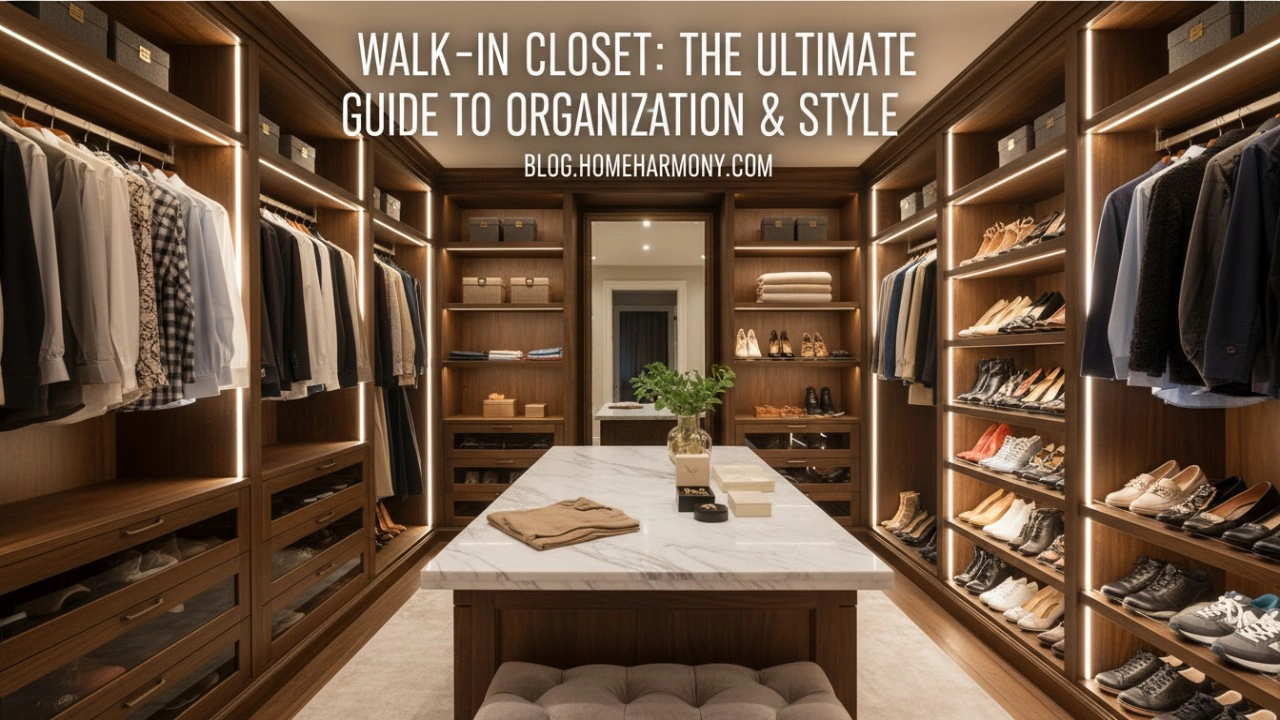
Walk-In Closet vs. Reach-In: Which Layout Actually Adds the Most Value to Your Home? (2026 Guide)
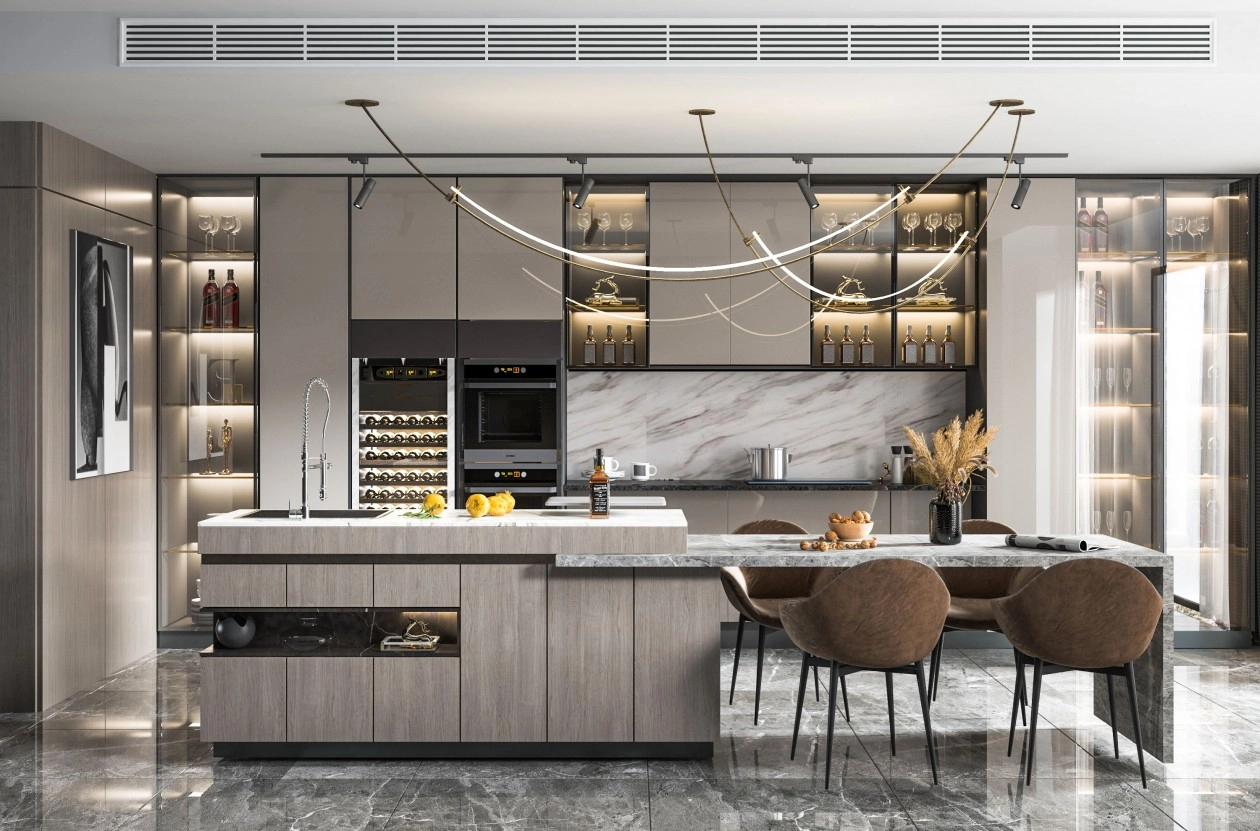
Where to Find Reliable Custom Kitchen Cabinet Manufacturers in China?
Prdoucts Categories
FAQ
FAQ
What's the payment terms of all our products?
T/T (30% inadvance, the balance shall be paid off before delivery), Western Union or L/C.
Can we produce products according to customer's room size?
Yes. All our cabinets are custom size.
What's MOQ for our kitchen cabinets, wardrobe cabinets or bathroom cabinets?
1 set.
What's lead time for furniture cabinets?
It's about 20 - 30 days.
Can we ship the furniture cabinets to customer's port or city?
Yes. Please provide the city name or port name when you send us an inquiry.
You may also like
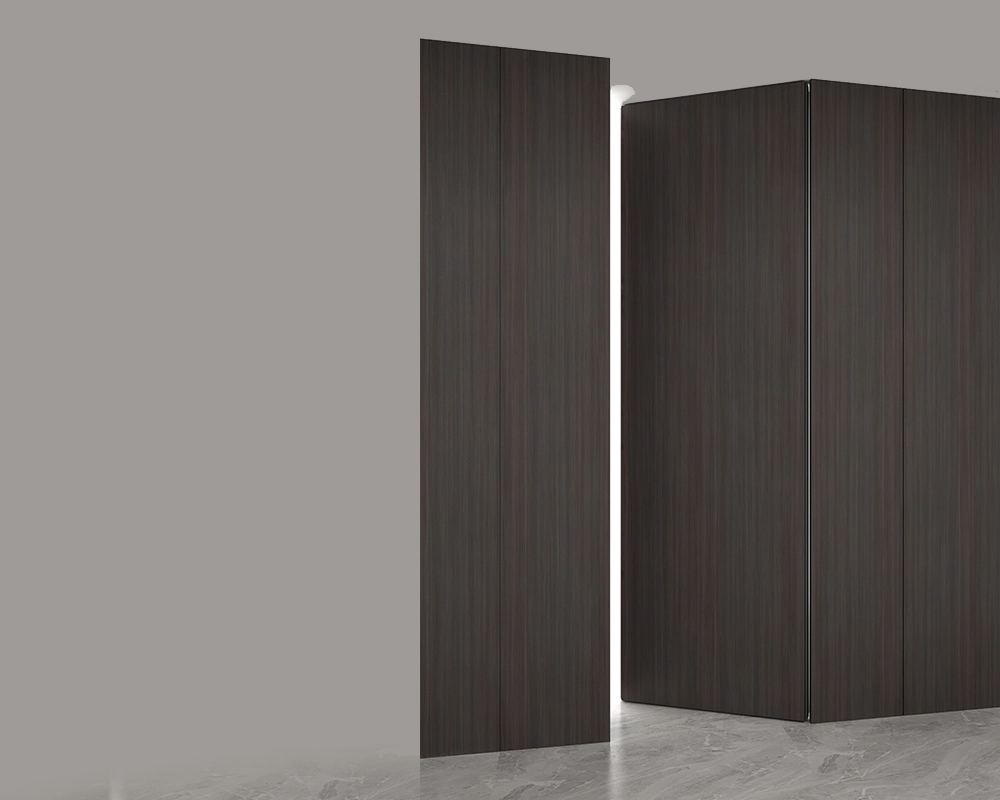
T-shaped invisible door MA10
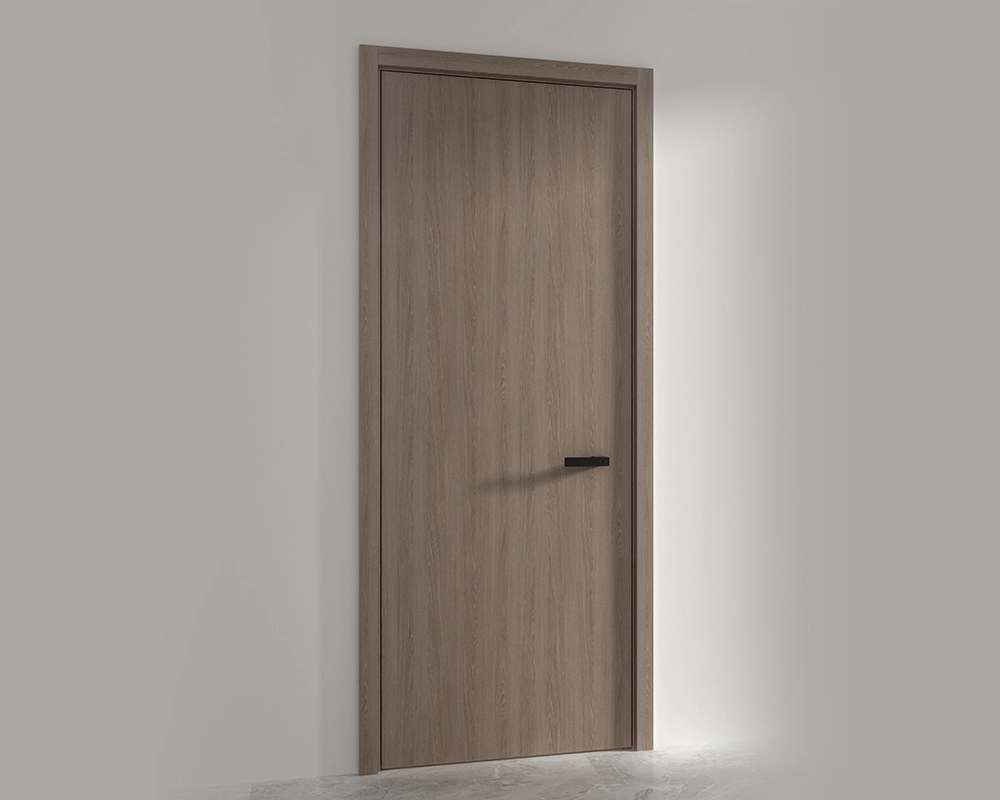
Flush panel door MA11
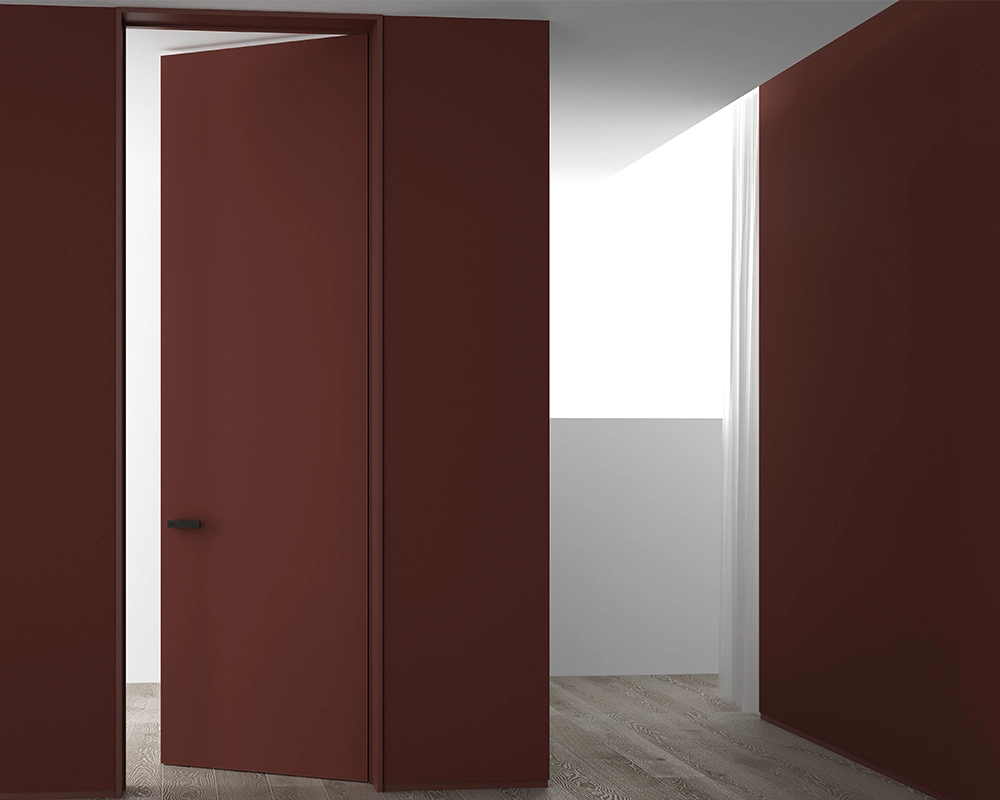
Siyun double wooden door MA12A
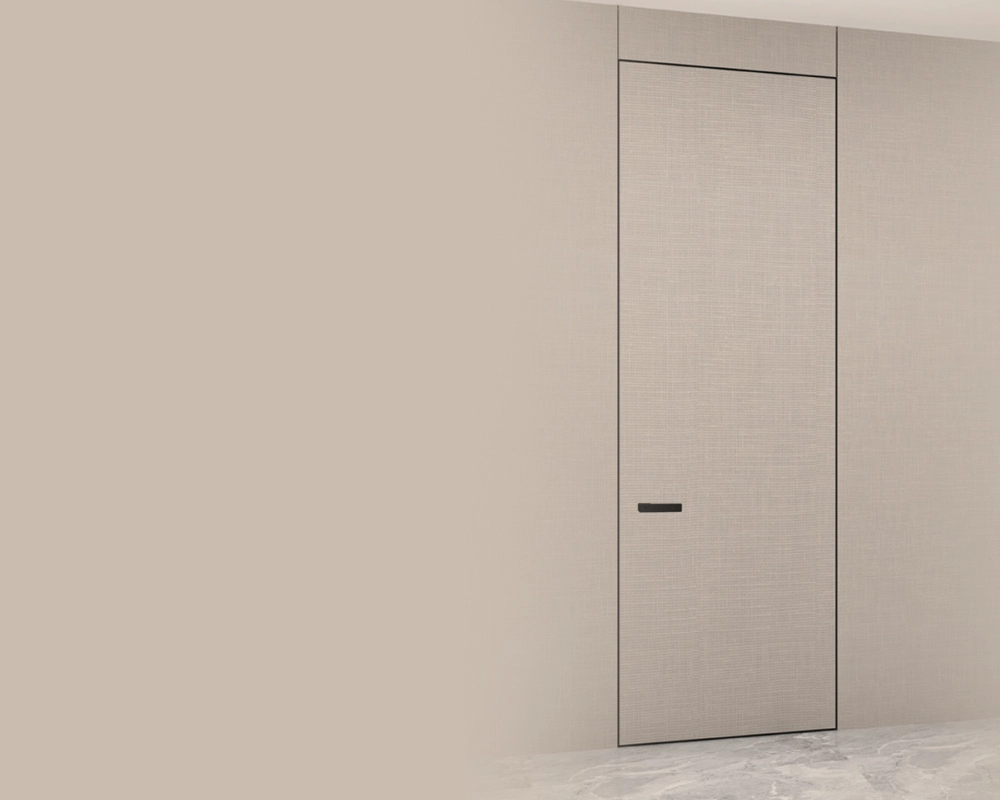
External flush right inward opening door MA13
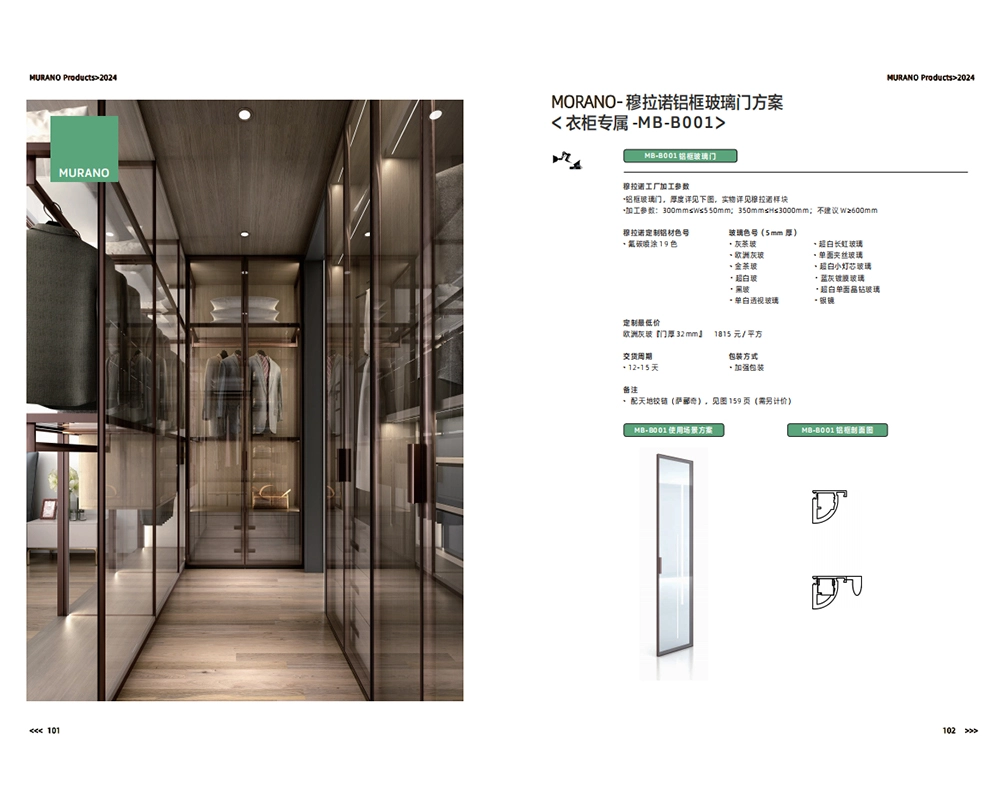
Aluminum Frame Glass Hinged Door - MBB001
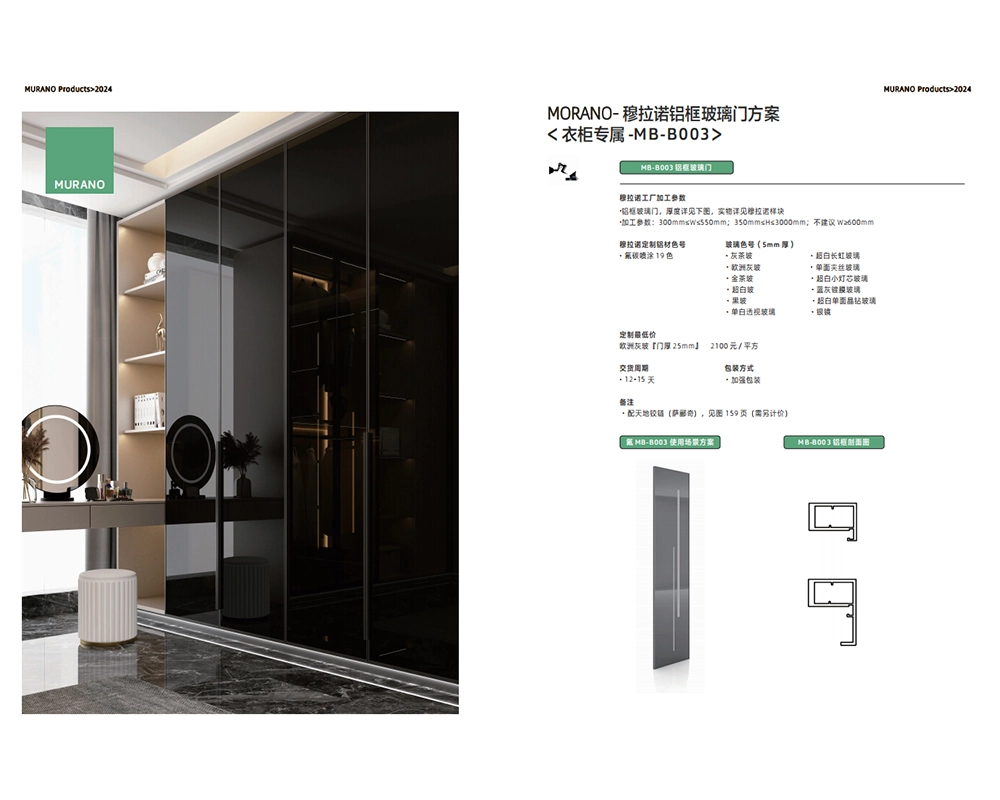
Aluminum Frame Glass Hinged Door - MBB003
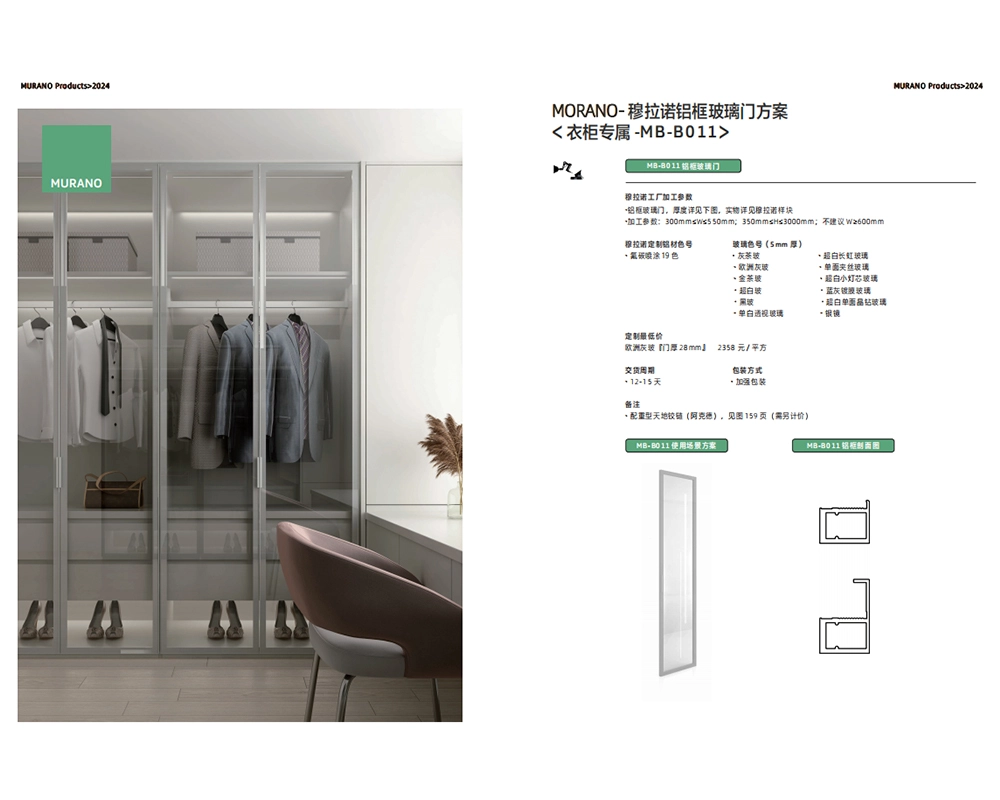
Aluminum Frame Glass Hinged Door - MBB011
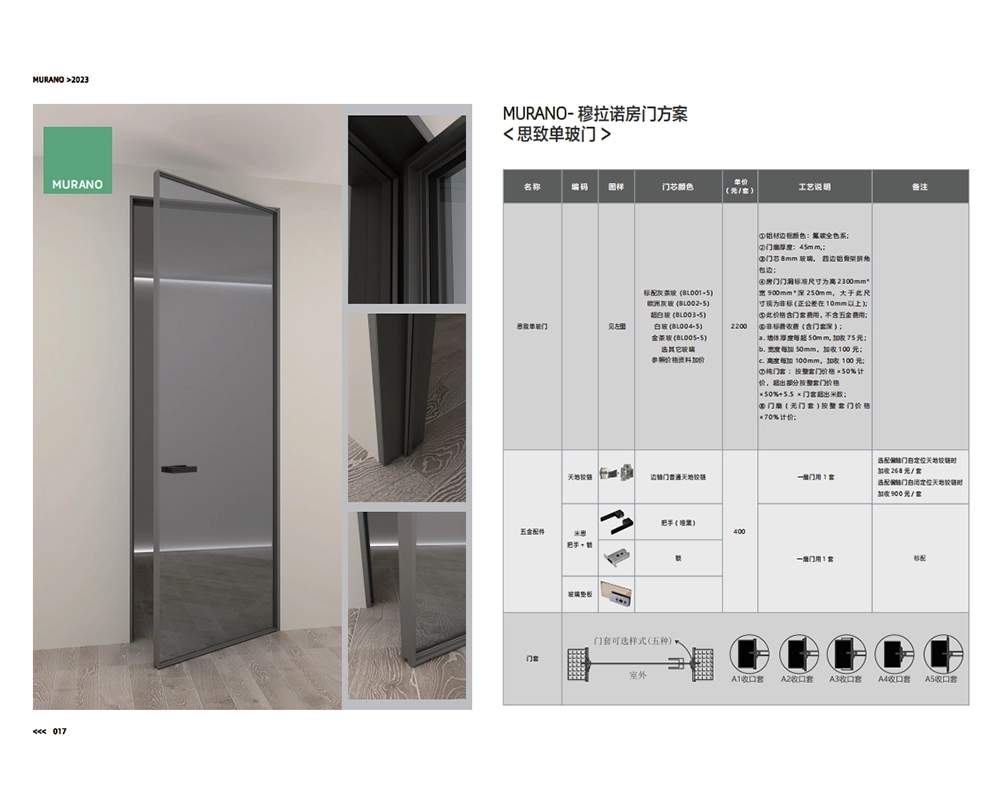
SZ Single side glass interior door
Request a Free Consultation And Price Estimate
Get in touch with Murano today for a personalized consultation, and let us bring your vision to life. Fill out the form below or contact Murano directly to start your journey toward a beautifully tailored home!"

 Scan QR Code
FoshanMuranoCabinet
foshanmuranocabinet
Whatsapp: +8618814138020
Scan QR Code