
Energy Efficiency and Insulation with Glass Cabinet Doors
- Energy Efficiency and Insulation with Glass Cabinet Doors: Aluminum Frame Glass Hinged Door - MBB012
- What is an aluminum frame glass door and why it matters for insulation
- Thermal performance basics for aluminum frame glass doors
- Why insulation matters specifically for glass cabinet doors
- Glazing options and their impact on insulation
- How glazing choices affect cabinet and room-level insulation
- Frame design matters: thermal breaks and warm-edge spacers
- Air leakage, seals, and proper installation
- Acoustic benefits and multi-functional insulation
- Energy modeling and expected savings: a practical example
- Costs vs. return on investment (ROI)
- Retrofit, customization and specification tips for builders and designers
- Maintenance, durability and lifecycle considerations
- Why choose Aluminum Frame Glass Hinged Door - MBB012 for energy-efficient projects
- Brand advantages — why our product stands out
- Frequently Asked Questions (FAQ)
- Q: Can glass cabinet doors be energy efficient?
- Q: What is a thermal break and is it necessary for aluminum frames?
- Q: How do I choose between double and triple glazing?
- Q: How long do IGUs last and how will I know when they need replacement?
- Q: Will upgrading to an energy-efficient door pay back the cost?
- Contact us to view product specifications or request a quote
- References

Energy Efficiency and Insulation with Glass Cabinet Doors: Aluminum Frame Glass Hinged Door - MBB012
What is an aluminum frame glass door and why it matters for insulation
Aluminum frame glass doors pair the strength and slim profiles of aluminum with the visual clarity of glass. The Aluminum Frame Glass Hinged Door - MBB012 is designed for both interior and exterior use and operates on a traditional hinge mechanism. As contemporary projects increasingly demand transparency without sacrificing thermal comfort, selecting the right aluminum frame glass door becomes a functional and energy-focused decision. Good design and specification will minimize heat loss, reduce drafts, control solar heat gain, and improve occupant comfort.
Thermal performance basics for aluminum frame glass doors
To evaluate energy performance, three primary metrics are used:
- U-value (or U-factor) — measures the rate of heat transfer. Lower is better; lower U-values mean better insulation.
- R-value — the inverse of U-value; higher means better resistance to heat flow.
- SHGC (Solar Heat Gain Coefficient) — the fraction of solar radiation admitted through a window or door. Lower values limit solar heat gain.
Aluminum as a material is thermally conductive, so aluminum frames without thermal breaks can create pathways for heat loss and cold bridging. For the MBB012 and similar products, performance is improved by using thermal breaks, insulated glazing units (IGUs), low-emissivity coatings, and warm-edge spacers.
Why insulation matters specifically for glass cabinet doors
Glass cabinet doors are often used for display cabinetry, pantry doors, office partitions, and patio or balcony doors. Even when used on interior walls, they influence:
- Thermal comfort: Large glazed surfaces can create cold or hot spots if poorly specified.
- Energy use: In exterior-facing cabinetry or interior partitions that affect HVAC zones, glazing performance affects heating and cooling loads.
- Humidity control: Proper glazing reduces condensation risk on surfaces, protecting finishes and stored items.
Choosing an energy-aware aluminum frame glass door reduces operating costs and extends the life of interior environments.
Glazing options and their impact on insulation
Glazing choice is the single largest determinant of thermal performance for a glass door. The main options are single, double (insulated), and triple glazing, plus coatings and gas fills:
- Single glazing — low insulation, higher risk of condensation and heat loss.
- Double glazing (IGU) — two panes separated by a spacer and filled with air or gas (argon/krypton) provides substantially better insulation.
- Triple glazing — further reduces heat transfer and improves acoustic performance, useful in cold climates.
- Low-E coatings — reflective thin films that reduce long-wave infrared heat transfer without blocking visible light.
- Gas fills — argon or krypton between panes reduce convection and conduction inside the cavity.
Typical ranges (approximate; actual values depend on glass specs and framing):
| Configuration | Typical U-value (W/m²·K) | Primary benefit |
|---|---|---|
| Single glazing (clear) | ~5.8–6.0 | Minimal insulation; low cost |
| Double glazing (air filled) | ~2.8–3.6 | Improved insulation; common standard |
| Double glazing (argon, low-E) | ~1.4–2.2 | Good thermal performance for many climates |
| Triple glazing (low-E, krypton) | ~0.8–1.6 | Best insulation in cold climates |
Sources for ranges: U.S. Department of Energy, NFRC and industry performance studies (listed in References).
How glazing choices affect cabinet and room-level insulation
For interior cabinets used in conditioned spaces, double-glazed, low-E units often offer the best balance of cost, transparency and thermal control. For exterior doors or doors in extreme climates, opt for higher-performance IGUs (double with argon or triple with krypton) to minimize conductive and radiative heat transfer.
Frame design matters: thermal breaks and warm-edge spacers
Because aluminum conducts heat quickly, the frame design is crucial. Key frame features to specify for the MBB012 or any aluminum frame glass door include:
- Thermal break: Insulating material (often polyamide) separating interior and exterior aluminum to reduce heat transfer.
- Profile depth and chambering: Deeper/more-chambered profiles can reduce conduction.
- Warm-edge spacers: Spacers between glass panes that reduce thermal bridging at the edge and limit condensation.
Combining thermal breaks with high-performance glazing yields the best overall U-values for hinged doors like the MBB012.
Air leakage, seals, and proper installation
Even the best glazing and frames will underperform if the door is poorly sealed or installed. For hinged doors:
- Ensure continuous perimeter gaskets and compression seals.
- Specify adjustable hinges and thresholds to achieve uniform compression for long-term airtightness.
- Use appropriate thresholds and sweeps to minimize infiltration at the sill without impeding operation.
Air infiltration is measured as cubic feet per minute per foot (cfm/ft) at a given pressure. Lower infiltration reduces heating and cooling losses and improves occupant comfort.
Acoustic benefits and multi-functional insulation
Insulating glazing also improves acoustic performance. Double and triple glazing reduce sound transmission, which is valuable for cabinetry in high-traffic areas, office partitions or hospitality settings. When specifying an aluminum frame glass door, select IGUs with appropriate thickness and cavity depth to balance thermal and acoustic goals.
Energy modeling and expected savings: a practical example
Actual energy savings depend on climate, orientation, area of glazing, and existing building performance. As a simple illustrative scenario:
- Replacing single-pane glazed doors with double-pane low-E IGUs can reduce heat transfer by roughly 40%–60% depending on conditions.
- Upgrading from single to modern double low-E with argon could reduce annual heating/cooling costs for a given room by ~5%–15% (varies by climate).
Example quick estimate (illustrative): In a temperate climate, a conditioned room with a 2 m² exterior glazed door originally single-pane might consume $200/year attributable to that door's heat loss. Upgrading to double low-E argon IGU could reduce that to $120–$150/year—saving $50–$80 per year. Actual numbers should be calculated using local energy rates and detailed heat-loss models.
For conservative, climate-specific estimates, consult the U.S. Department of Energy Energy Saver tools and NFRC certified product data.
Costs vs. return on investment (ROI)
High-performance glazing and thermal breaks add upfront cost, but lower operating costs, reduced HVAC strain, and higher occupant comfort provide long-term value. For projects where energy efficiency or building certification (e.g., LEED) is a priority, specifying the MBB012 with appropriate IGUs and thermal breaks provides measurable benefits.
Retrofit, customization and specification tips for builders and designers
When specifying or retrofitting an aluminum frame glass door such as the MBB012, consider:
- Use NFRC-rated glazing packages for reliable U-value and SHGC data.
- Specify low-E coatings appropriate to climate: low-E coatings that reduce winter heat loss are different than those optimized for solar control in hot climates.
- Choose argon for common double-glazed units and krypton for narrow cavities or where maximum performance is needed.
- Coordinate with installers to ensure thermal breaks remain continuous and gaskets are compressed correctly at installation.
Maintenance, durability and lifecycle considerations
Aluminum frames are highly durable and low maintenance. For longevity and sustained thermal performance:
- Maintain weatherstripping and replace worn gaskets promptly.
- Keep drainage weep paths clear to avoid water intrusion that can compromise seals.
- Inspect IGUs for signs of seal failure (fogging or condensation between panes) and replace affected units to restore insulation.
Why choose Aluminum Frame Glass Hinged Door - MBB012 for energy-efficient projects
The Aluminum Frame Glass Hinged Door - MBB012 is a balanced solution for those seeking slim profiles, hinged operation and the ability to specify high-performance glazing. Key advantages:
- Design flexibility — suitable for interior and exterior applications: entrances, patios, room dividers and cabinetry.
- Compatibility with performance glazing — accepts double and triple IGUs, low-E coatings and gas fills to meet energy targets.
- Robust aluminum structure — allowing narrow sightlines and modern aesthetics while supporting thermal break integration.
When specified with thermal breaks, warm-edge spacers and high-performance IGUs, the MBB012 competes well with other frame materials in long-term energy performance and lifecycle cost.
Brand advantages — why our product stands out
Our manufacturing and design practices focus on delivering energy-conscious glazing solutions:
- Custom engineering: We offer tailored glazing packages (low-E, argon/krypton fills, bespoke glass thicknesses) to meet specific U-value targets.
- Quality assurance: NFRC-equivalent testing protocols are used during development, and we provide certified performance sheets on request.
- Installation support: We provide installation guides and training to ensure thermal breaks and seals are integrated correctly for best performance.
- Warranty and service: Backed warranties and local service networks reduce lifecycle risk and protect your investment.
Frequently Asked Questions (FAQ)
Q: Can glass cabinet doors be energy efficient?
A: Yes. When combined with insulated glazing units (IGUs), low-E coatings, gas fills, and thermally broken frames, glass cabinet doors and hinged doors like the MBB012 can substantially reduce heat transfer and condensation compared to single-pane glass.
Q: What is a thermal break and is it necessary for aluminum frames?
A: A thermal break is a non-metal insulating barrier between interior and exterior aluminum sections. It is necessary for aluminum frames if you want to achieve good thermal performance and avoid cold bridging.
Q: How do I choose between double and triple glazing?
A: Choose double glazing with low-E and argon for most temperate climates and interior applications. Triple glazing is recommended for very cold climates or where maximum sound reduction and insulation are required. Consider cost, weight, and frame compatibility.
Q: How long do IGUs last and how will I know when they need replacement?
A: Well-made IGUs can last 10–25 years depending on quality and environment. Signs of failure include permanent fogging or condensation between panes, which indicates a broken seal.
Q: Will upgrading to an energy-efficient door pay back the cost?
A: Payback depends on climate, energy prices, and installation specifics. Typical energy reductions for glazing upgrades vary; consult a localized energy model for accurate ROI. In many cases, energy savings plus improved comfort and reduced HVAC strain offer attractive lifecycle value.
Contact us to view product specifications or request a quote
If you are specifying doors for a project or want certified U-values and performance data for the Aluminum Frame Glass Hinged Door - MBB012, contact our sales team for product datasheets, NFRC-equivalent performance reports and customization options. Request a quote or technical consultation to ensure the best glazing package for your energy and design goals.
References
- U.S. Department of Energy, Office of Energy Efficiency & Renewable Energy, Energy Saver. https://www.energy.gov/energysaver (general guidance on windows and doors)
- National Fenestration Rating Council (NFRC). https://www.nfrc.org (rating procedures and performance data)
- Lawrence Berkeley National Laboratory, WINDOW User’s Manual and technical resources. https://windows.lbl.gov/ (data on glazing U-values and coatings)
- ENERGY STAR program guidance for windows, doors and skylights. https://www.energystar.gov (efficiency labeling and savings estimates)
For certified performance data specific to the Aluminum Frame Glass Hinged Door - MBB012, please contact our technical sales team; we provide NFRC-equivalent test reports and custom glazing performance simulations on request.
Why choose MURANO as your laundry room with white cabinets supplier
Lead Times, MOQ & Pricing for OEM Custom Bedroom Wardrobe Orders
How to Choose the luxen home shabby-chic distressed storage and wine cabinet manufacturer and supplier ?
Why choose MURANO as your wood file cabinets for home office supplier
FAQ
What's the payment terms of all our products?
T/T (30% inadvance, the balance shall be paid off before delivery), Western Union or L/C.
What's MOQ for our kitchen cabinets, wardrobe cabinets or bathroom cabinets?
1 set.
What information are needed for getting a quote for our furniture cabinets?
Your size infomation or room drawings.
Can we ship the furniture cabinets to customer's port or city?
Yes. Please provide the city name or port name when you send us an inquiry.
What's lead time for furniture cabinets?
It's about 20 - 30 days.
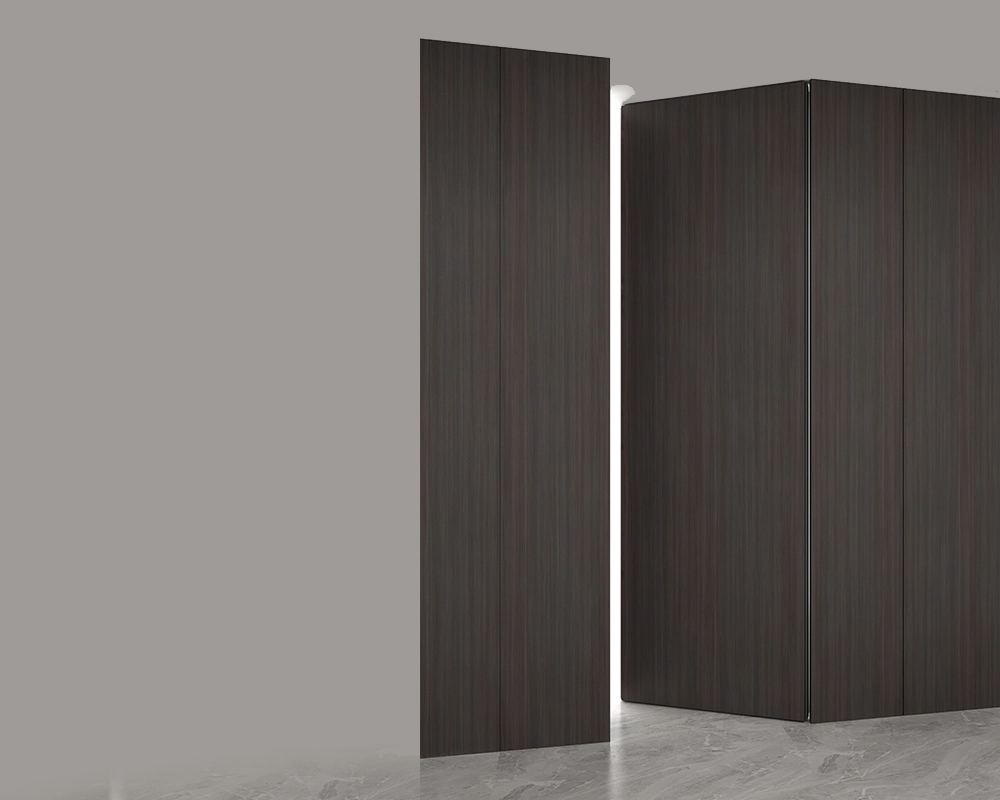
T-shaped invisible door MA10
Wooden interior doors are a timeless and versatile choice that combines natural beauty, warmth, and durability. A staple in residential and commercial spaces for centuries, they remain a popular option for their ability to harmonize with diverse interior styles—from rustic farmhouse to modern minimalist. Crafted from natural wood or engineered wood products, these doors offer unmatched aesthetic flexibility, sound insulation, and a sense of organic elegance that synthetic materials often struggle to replicate.
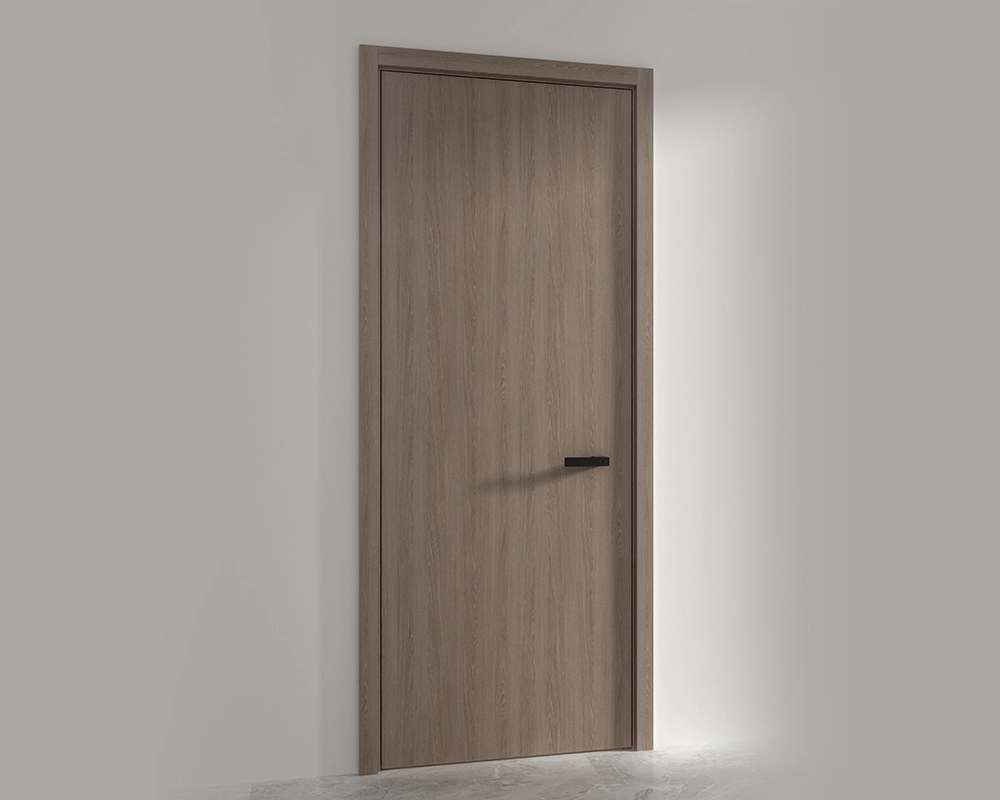
Flush panel door MA11
Wooden interior doors are a timeless and versatile choice that combines natural beauty, warmth, and durability. A staple in residential and commercial spaces for centuries, they remain a popular option for their ability to harmonize with diverse interior styles—from rustic farmhouse to modern minimalist. Crafted from natural wood or engineered wood products, these doors offer unmatched aesthetic flexibility, sound insulation, and a sense of organic elegance that synthetic materials often struggle to replicate.
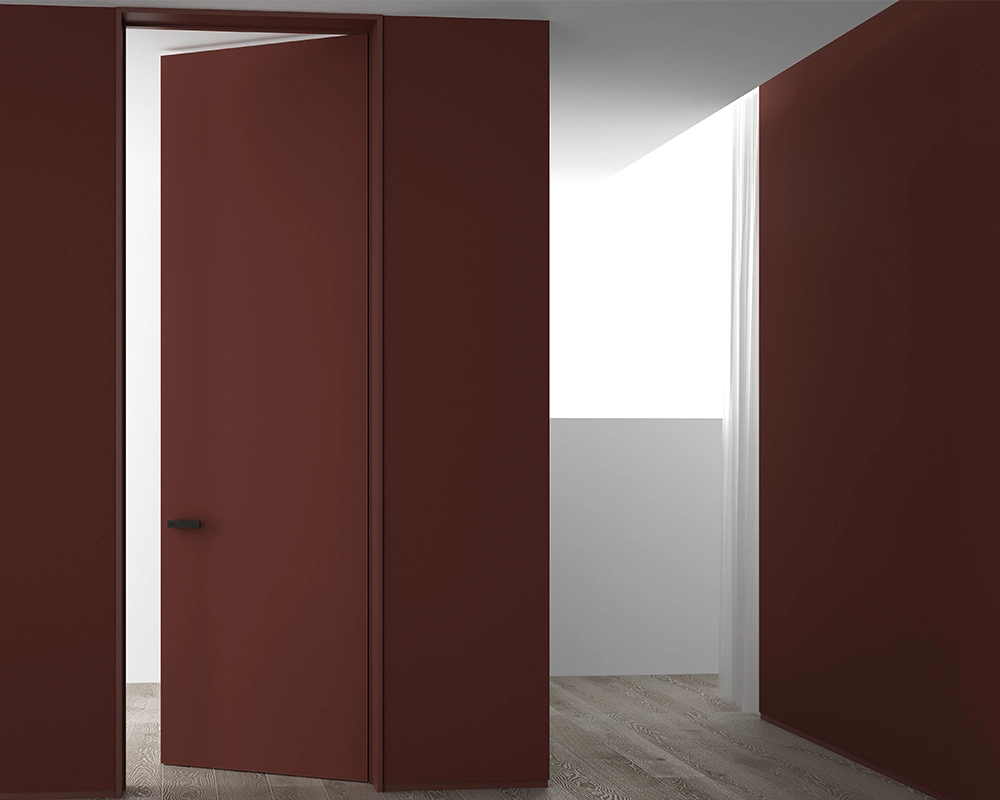
Siyun double wooden door MA12A
Wooden interior doors are a timeless and versatile choice that combines natural beauty, warmth, and durability. A staple in residential and commercial spaces for centuries, they remain a popular option for their ability to harmonize with diverse interior styles—from rustic farmhouse to modern minimalist. Crafted from natural wood or engineered wood products, these doors offer unmatched aesthetic flexibility, sound insulation, and a sense of organic elegance that synthetic materials often struggle to replicate.
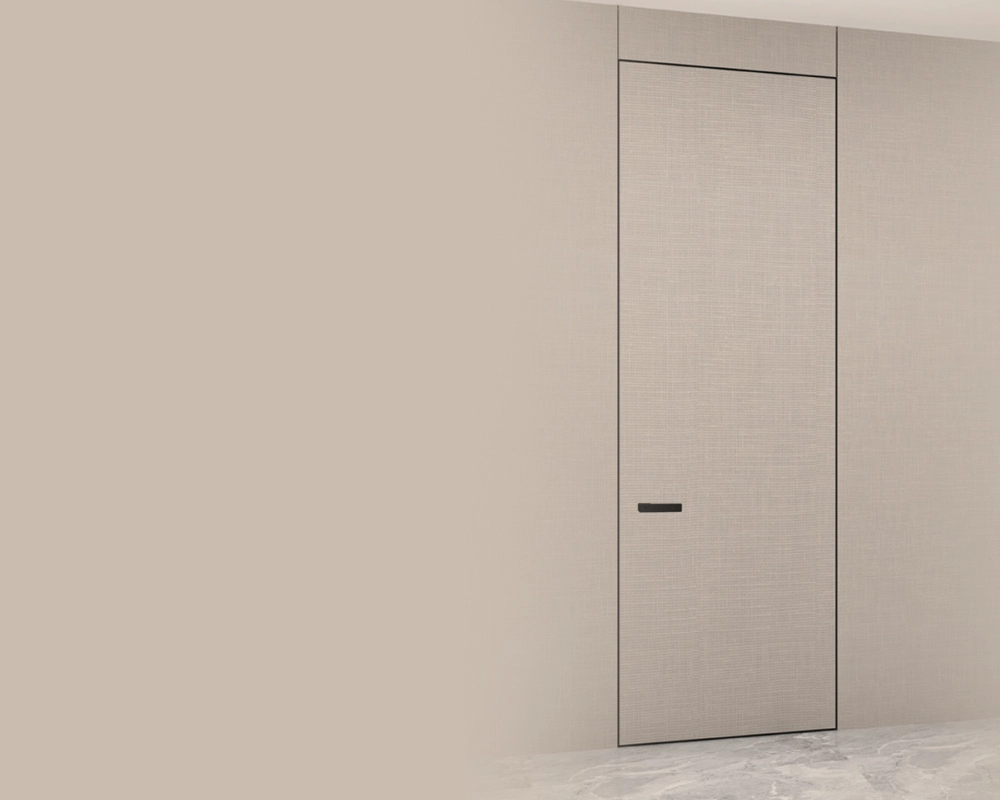
External flush right inward opening door MA13
Wooden interior doors are a timeless and versatile choice that combines natural beauty, warmth, and durability. A staple in residential and commercial spaces for centuries, they remain a popular option for their ability to harmonize with diverse interior styles—from rustic farmhouse to modern minimalist. Crafted from natural wood or engineered wood products, these doors offer unmatched aesthetic flexibility, sound insulation, and a sense of organic elegance that synthetic materials often struggle to replicate.

 Scan QR Code
FoshanMuranoCabinet
foshanmuranocabinet
Whatsapp: +8618814138020
Scan QR Code