
How to Choose Glass Types for Aluminum Frame Cabinet Doors
- How to Choose Glass Types for Aluminum Frame Cabinet Doors
- Introduction: Why glass choice matters for an aluminum frame glass door
- Product Spotlight: Aluminum Frame Glass Hinged Door - MBB012
- Key performance criteria when selecting glass for your aluminum frame glass door
- Overview of common glass types for aluminum frame glass door applications
- Comparing glass types: strength, safety, thermal and acoustic performance for aluminum frame glass door use
- Selecting glass based on application: interior cabinets vs exterior doors for aluminum frame glass door
- Thickness, edgework, and hardware compatibility for the Aluminum Frame Glass Hinged Door - MBB012
- Acoustic, security and privacy strategies for aluminum frame glass door installations
- Cleaning, maintenance and durability considerations for aluminum frame glass door glazing
- Cost vs. lifecycle value: choosing the right investment for an aluminum frame glass door
- Practical selection checklist for an aluminum frame glass door (quick specification template)
- Brand advantage: why choose our Aluminum Frame Glass Hinged Door - MBB012 and service
- Frequently Asked Questions (FAQ) about glass for aluminum frame glass door
- Contact us / View product
- References and further reading

How to Choose Glass Types for Aluminum Frame Cabinet Doors
Introduction: Why glass choice matters for an aluminum frame glass door
Choosing the correct glass for an aluminum frame glass door affects appearance, safety, thermal performance, acoustics, privacy and long-term value. Whether you are specifying an interior cabinet entrance or a glazed exterior unit, the glass decision is not cosmetic only: it impacts user experience, building code compliance and lifecycle costs. This guide explains the main glass types, compares their properties, and gives practical selection criteria tailored for the Aluminum Frame Glass Hinged Door - MBB012.
Product Spotlight: Aluminum Frame Glass Hinged Door - MBB012
Aluminum-frame glass hinged doors are a timeless yet modern architectural solution that combines the strength of aluminum with the transparency and elegance of glass. Designed for both interior and exterior applications, these doors operate on a traditional hinge mechanism, offering a classic swinging motion while delivering contemporary performance. Ideal for entrances, patios, room dividers, or interior spaces, they blend functionality with sleek aesthetics, making them a versatile choice for residential, commercial, and industrial projects.
Key performance criteria when selecting glass for your aluminum frame glass door
Before selecting a glass type for an aluminum frame glass door, prioritize the criteria that matter most to the project. Typical priorities include:
- Safety and impact resistance (for code and user protection)
- Thermal performance (U-factor and solar heat gain in exterior applications)
- Acoustic insulation (for noisy environments)
- Privacy and light diffusion (for cabinets, bathrooms, or partitions)
- Aesthetics (clarity, tint, pattern, edge finish)
- Durability and maintenance (resistance to scratches, fogging, staining)
- Compatibility with hardware (hinges, seals, gaskets used on the MBB012)
Decide which factors are primary — for example, a cabinet in a public space may prioritize safety and scratch resistance, while an exterior entry door emphasizes thermal performance and weather resistance.
Overview of common glass types for aluminum frame glass door applications
Understanding glass types is the foundation of specification. Below are the most commonly used glasses for aluminum framed doors and cabinet applications:
- Annealed glass — standard float glass; economical but breaks into large, sharp shards, so often unsuitable where safety glazing is required.
- Tempered (toughened) glass — heat-treated for strength; breaks into small, granular pieces, reducing injury risk. Good for doors and high-use cabinet glazing.
- Laminated glass — two or more glass plies bonded with a PVB or SGP interlayer; holds shards on impact, offers security and improved sound control.
- Insulated Glass Units (IGUs) — two or more panes separated by a spacer and sealed; improves thermal performance for exterior doors.
- Low-E (low emissivity) coated glass — thin metallic coating that reduces heat transfer and solar heat gain; commonly combined with IGUs.
- Patterned, frosted or acid-etched glass — provides privacy and decorative effects while still admitting light; commonly used in cabinet doors.
- Heat-strengthened glass — between annealed and fully tempered; higher strength than annealed but different break pattern and limitations depending on code.
Comparing glass types: strength, safety, thermal and acoustic performance for aluminum frame glass door use
Use the following quick comparison when narrowing options for an aluminum frame glass door. The table summarizes typical performance and relative cost. (Relative cost and performance depend on thickness, coating, and local market.)
| Glass Type | Strength / Safety | Thermal Performance | Acoustic Performance | Privacy / Aesthetics | Relative Cost |
|---|---|---|---|---|---|
| Annealed | Low; unsafe for doors where impact likely | Poor alone | Poor | Clear; can be patterned | Low |
| Tempered | High; safety glazing for doors | Moderate | Moderate | Clear; available tinted | Medium |
| Laminated | Very high; retains shards; good for security | Moderate (better when laminated IGU) | Good (PVB/SGP interlayer reduces sound transmission) | Clear or tinted; decorative interlayers possible | High |
| IGU (double/triple glazed) | Depends on panes (use tempered for safety) | High (low U-factor with low-E) | Better than single pane | Clear; coatings available | High |
| Low-E coated | Depends on base glass | Significantly improved (reduces heat transfer) | Neutral | Clear; slightly different tint | Medium-High |
| Patterned / Frosted | Depends on substrate (tempered recommended) | Moderate | Moderate | High privacy; decorative | Medium |
Sources for general performance characteristics include the Glass Association of North America (GANA) and the U.S. Department of Energy (see references).
Selecting glass based on application: interior cabinets vs exterior doors for aluminum frame glass door
Match glass type to function:
- Interior cabinet doors: prioritize aesthetics, scratch resistance and privacy. Frosted tempered glass or patterned toughened glass are excellent choices for the aluminum frame glass door in kitchens, bathrooms or display cabinetry because they offer safe breakage behavior and pleasing light diffusion.
- Room dividers and internal hinged doors: tempered or laminated glass provides safety and acoustic control. Laminated is preferred when sound reduction and security are important.
- Exterior entry doors: use IGUs with tempered or laminated panes plus a low-E coating for thermal performance; consider laminated for security and tempered for safety where building codes require.
Thickness, edgework, and hardware compatibility for the Aluminum Frame Glass Hinged Door - MBB012
Glass thickness and edge finishing matter for both performance and fit. Common thicknesses for framed hinged doors range from 4 mm (for decorative cabinet glazing) to 10 mm or more for exterior or high-traffic doors. The Aluminum Frame Glass Hinged Door - MBB012 is designed to accept standard glazing thicknesses; confirm the exact glazing pocket and gasket specification with your supplier. Important considerations:
- Use tempered or laminated glass where building codes require safety glazing.
- Edgework (flat polished, seamed, or beveled) must match the frame profile and gasket design to prevent stress points that can lead to breakage.
- Thicker glass increases weight; verify hinge ratings and adjust reinforcement or hinge selection accordingly for the MBB012.
- IGUs require properly sized spacers and setting blocks; allow for thermal expansion within the frame.
Acoustic, security and privacy strategies for aluminum frame glass door installations
If acoustic privacy or forced-entry resistance is important, laminated glass with a PVB or SGP interlayer provides dual benefits: it keeps fragments bonded after impact (security) and improves sound transmission loss. For higher STC ratings, specify asymmetric pane thicknesses or add laminated IGUs. For visual privacy in cabinets or bathrooms, choose frosted, acid-etched or patterned glass; you can combine privacy glass with laminates or tempering for safety.
Cleaning, maintenance and durability considerations for aluminum frame glass door glazing
Select glass coatings and interlayers that simplify maintenance. Low-E coatings help thermal performance but require appropriate cleaning solutions to avoid damaging the coating — use non-abrasive, alcohol-based cleaners recommended by the glass manufacturer. Laminated glass resists delamination when properly installed; ensure sealant compatibility to prevent moisture ingress. For exterior apps, choose stainless fasteners and gaskets that resist atmospheric corrosion to maintain the seal around IGUs and prevent fogging.
Cost vs. lifecycle value: choosing the right investment for an aluminum frame glass door
Initial glass cost varies widely; rather than focusing solely on purchase price, assess lifecycle benefits. Low-E IGUs reduce heating and cooling loads and can deliver energy savings over time (see Energy.gov references). Laminated glass may cost more initially but reduces replacement and liability risk. For high-use doors like the Aluminum Frame Glass Hinged Door - MBB012 in public or commercial spaces, invest in tempered or laminated glass to avoid higher long-term costs associated with breakage and repairs.
Practical selection checklist for an aluminum frame glass door (quick specification template)
Use this checklist when specifying glass for the MBB012 or other aluminum frame glass door products:
- Application: interior cabinet / interior door / exterior entry
- Safety requirement: tempered or laminated (per code)
- Thermal requirement: IGU with low-E for exterior
- Acoustic requirement: laminated or laminated IGU
- Privacy/aesthetics: frosted / patterned / tinted / decorative interlayer
- Thickness and edge finish: confirm glazing pocket and hinge capacity
- Hardware compatibility: hinge rating, gaskets, setting blocks
- Maintenance: coating care instructions and cleaning compatibility
- Warranty and testing: request product data sheets and test reports
Brand advantage: why choose our Aluminum Frame Glass Hinged Door - MBB012 and service
When you select the Aluminum Frame Glass Hinged Door - MBB012, you benefit from:
- Customization: glazing thickness, laminated or IGU options, and decorative glass choices matched to your project.
- Quality control: doors factory-tested for frame tolerances and glazing retention; documentation available on request.
- Compliance support: guidance on local code requirements for safety glazing and energy performance.
- Integrated hardware options: hinges rated for thicker laminated or IGU glass to ensure long-term performance.
- After-sales support: installation instructions, maintenance guides, and warranty coverage to reduce risk.
Frequently Asked Questions (FAQ) about glass for aluminum frame glass door
Q: Do I need tempered glass for my aluminum frame glass door?
A: If the glass is in a location subject to human impact (doors, sidelights near doors, low glazing), building codes commonly require safety glazing — tempered or laminated glass. Check local codes and consult the MBB012 glazing specifications.
Q: Can I use IGU with the Aluminum Frame Glass Hinged Door - MBB012?
A: Yes — the MBB012 supports insulated glass units within specified thickness ranges; verify hinge ratings and frame pocket depth for your IGU thickness.
Q: Which glass type gives the best sound reduction?
A: Laminated glass (especially with PVB or SGP interlayers) and laminated IGUs provide the best sound attenuation. Performance depends on pane thickness, interlayer, and assembly.
Q: How do I maintain low-E or coated glass?
A: Use manufacturer-recommended non-abrasive cleaners; avoid harsh chemicals or abrasive pads that can degrade the coating. Regular cleaning prevents buildup and maintains clarity and thermal performance.
Q: Is laminated glass more expensive than tempered?
A: Typically yes, laminated glass and IGUs cost more upfront than single-pane tempered glass, but they offer additional security, acoustic and retention benefits that can justify the cost depending on application.
Contact us / View product
If you need help selecting the right glass for your aluminum frame glass door project or want to review technical details for the Aluminum Frame Glass Hinged Door - MBB012, contact our sales team or view the product page. Our specialists can provide sample swatches, performance data, and installation guidance to ensure the correct glazing choice for your application.
References and further reading
- Glass Association of North America (GANA) — Practical information on tempered, laminated and insulated glass performance.
- U.S. Department of Energy (Energy.gov) — Information on glazing, low-E coatings and energy performance of windows and doors.
- National Fenestration Rating Council (NFRC) — Ratings for U-factor and solar heat gain coefficients for glazed units.
- ASTM Standards (e.g., ASTM C1048 for heat-treated flat glass) — industry standards for glass performance and safety.
For product data sheets, installation details and custom glazing options for the Aluminum Frame Glass Hinged Door - MBB012, please contact our technical sales team.
Why choose MURANO as your white oak kitchen cabinets supplier
OEM/ODM home wine bar cabinet Manufacturers and Suppliers
Maintaining and cleaning custom kitchen cabinets
Cost-Saving Tips for Premium Walk-In Closet Projects
FAQ
What's lead time for furniture cabinets?
It's about 20 - 30 days.
Can we ship the furniture cabinets to customer's port or city?
Yes. Please provide the city name or port name when you send us an inquiry.
What's MOQ for our kitchen cabinets, wardrobe cabinets or bathroom cabinets?
1 set.
What information are needed for getting a quote for our furniture cabinets?
Your size infomation or room drawings.
What's the payment terms of all our products?
T/T (30% inadvance, the balance shall be paid off before delivery), Western Union or L/C.
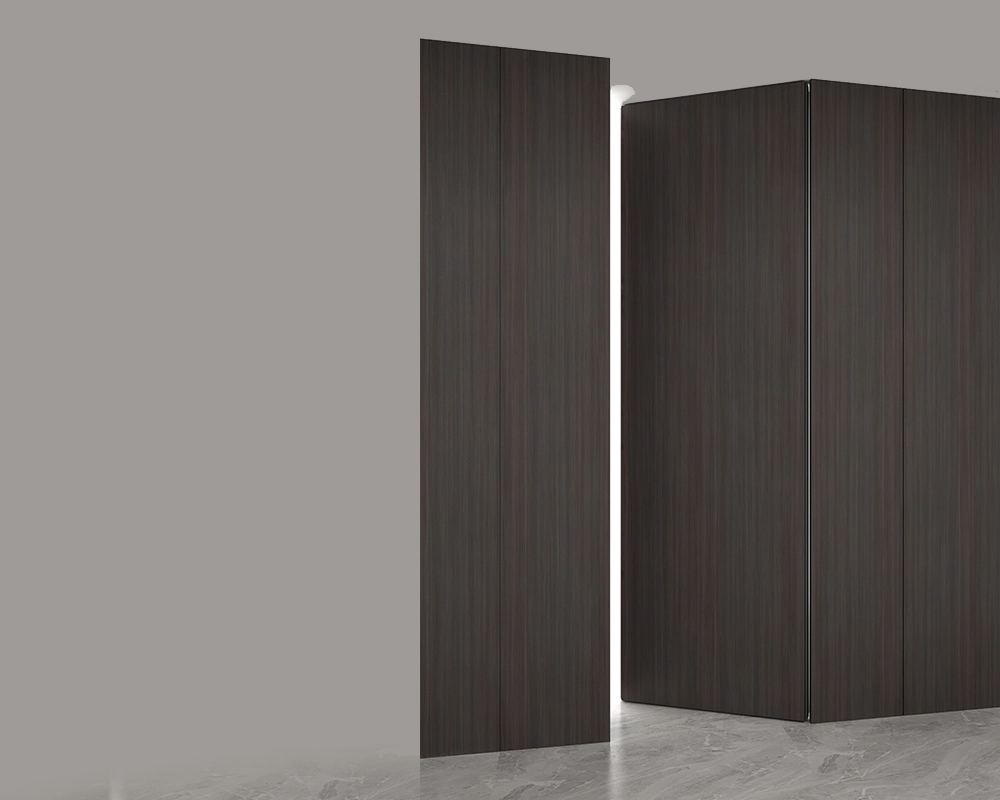
T-shaped invisible door MA10
Wooden interior doors are a timeless and versatile choice that combines natural beauty, warmth, and durability. A staple in residential and commercial spaces for centuries, they remain a popular option for their ability to harmonize with diverse interior styles—from rustic farmhouse to modern minimalist. Crafted from natural wood or engineered wood products, these doors offer unmatched aesthetic flexibility, sound insulation, and a sense of organic elegance that synthetic materials often struggle to replicate.
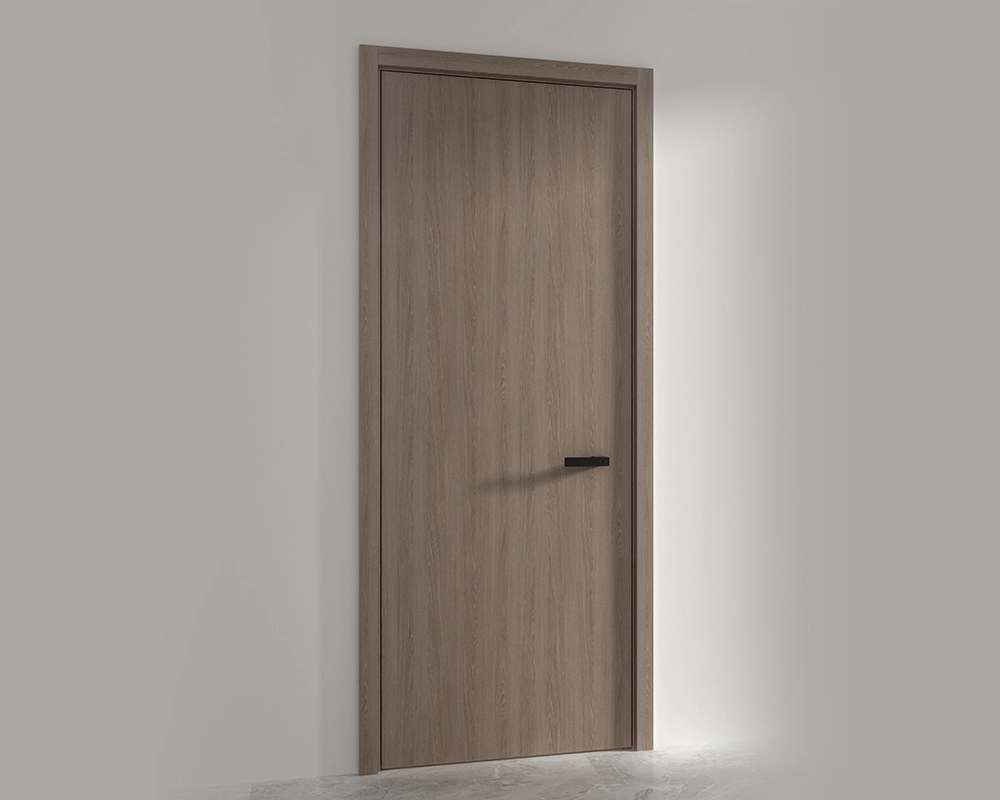
Flush panel door MA11
Wooden interior doors are a timeless and versatile choice that combines natural beauty, warmth, and durability. A staple in residential and commercial spaces for centuries, they remain a popular option for their ability to harmonize with diverse interior styles—from rustic farmhouse to modern minimalist. Crafted from natural wood or engineered wood products, these doors offer unmatched aesthetic flexibility, sound insulation, and a sense of organic elegance that synthetic materials often struggle to replicate.
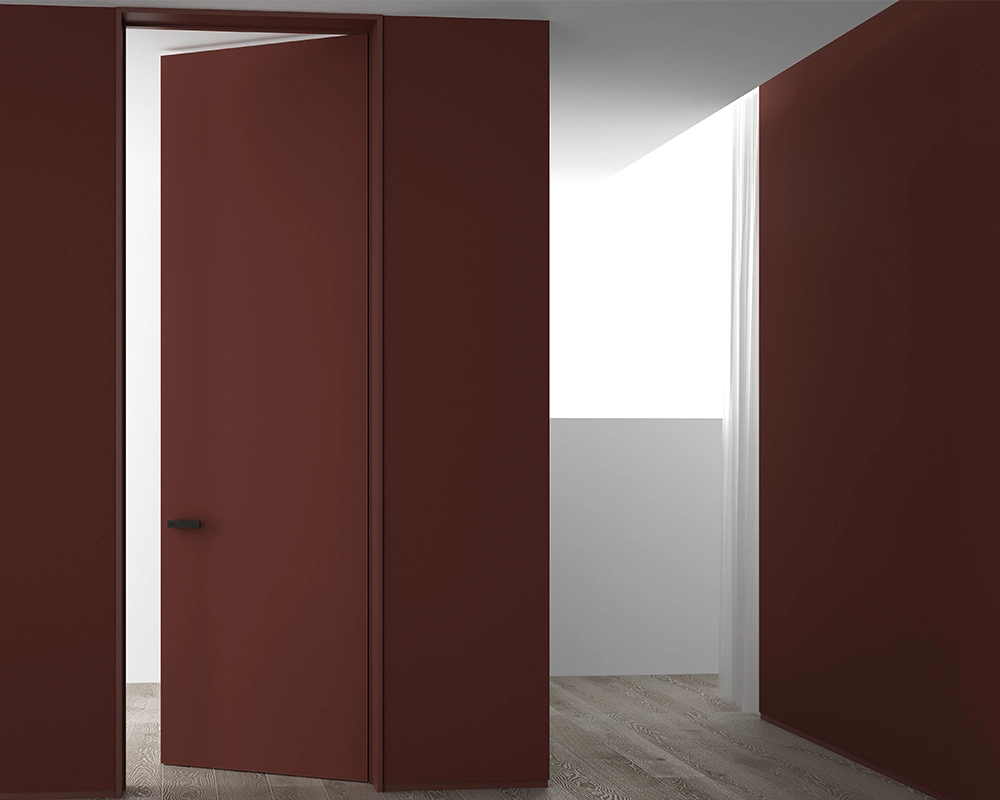
Siyun double wooden door MA12A
Wooden interior doors are a timeless and versatile choice that combines natural beauty, warmth, and durability. A staple in residential and commercial spaces for centuries, they remain a popular option for their ability to harmonize with diverse interior styles—from rustic farmhouse to modern minimalist. Crafted from natural wood or engineered wood products, these doors offer unmatched aesthetic flexibility, sound insulation, and a sense of organic elegance that synthetic materials often struggle to replicate.
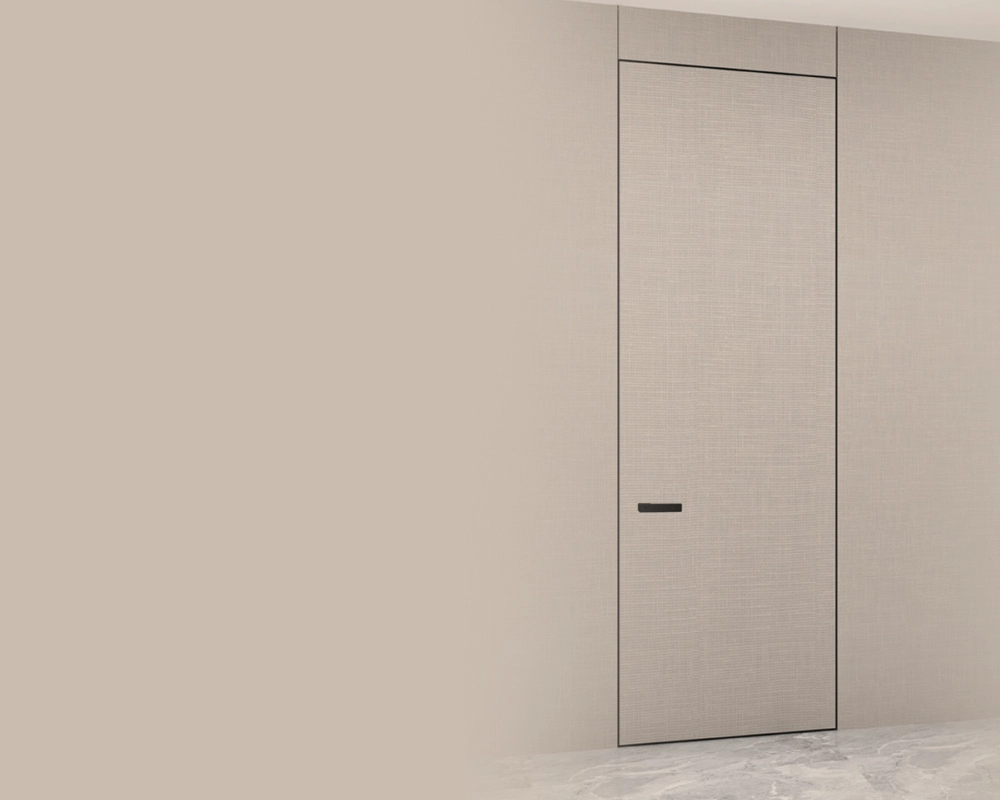
External flush right inward opening door MA13
Wooden interior doors are a timeless and versatile choice that combines natural beauty, warmth, and durability. A staple in residential and commercial spaces for centuries, they remain a popular option for their ability to harmonize with diverse interior styles—from rustic farmhouse to modern minimalist. Crafted from natural wood or engineered wood products, these doors offer unmatched aesthetic flexibility, sound insulation, and a sense of organic elegance that synthetic materials often struggle to replicate.

 Scan QR Code
FoshanMuranoCabinet
foshanmuranocabinet
Whatsapp: +8618814138020
Scan QR Code