
Maintaining and cleaning custom kitchen cabinets
- How to Preserve the Beauty and Functionality of Your Kitchen Cabinets
- Why custom kitchen cabinet maintenance matters
- Understand your cabinet materials and finishes
- Daily and weekly maintenance routine for custom kitchen cabinets
- Deep cleaning: step-by-step for different finishes
- Cleaning supplies and tools to keep on hand
- Table: Cleaning methods by material, recommended frequency, and cautions
- Removing grease, stains, and smoke residue
- Hardware and hinge maintenance for custom kitchen cabinets
- Preventive measures to minimize wear and damage
- Small repairs and touch-ups you can do yourself
- When to refinish, repair, or replace custom kitchen cabinets
- Table: Typical lifespan and common interventions
- Professional refinishing and when to call a specialist
- Murano advantage: how Foshan Murano Smart Home supports maintenance and longevity
- Cost-effective tips to extend the life of your custom kitchen cabinet
- FAQ — Frequently Asked Questions
- 1. How often should I clean my custom kitchen cabinet?
- 2. Can I use vinegar or ammonia to clean cabinet finishes?
- 3. How do I remove water rings or minor stains from wood cabinets?
- 4. My cabinet veneer is peeling at the edge—what should I do?
- 5. When is refinishing better than replacing cabinets?
- 6. What cleaners should I avoid for custom kitchen cabinets?
- Contact and product consultation
- References
How to Preserve the Beauty and Functionality of Your Kitchen Cabinets
Why custom kitchen cabinet maintenance matters
Custom kitchen cabinets are an investment in both the function and look of your home. Proper maintenance prolongs lifespan, prevents costly repairs, preserves finish and fit, and helps retain resale value. Unlike mass-produced cabinets, custom kitchen cabinet assemblies often use tailored dimensions, High Quality materials, and specific finishes that respond differently to cleaners, humidity, and wear — so a one-size-fits-all approach to cleaning can do more harm than good.
Understand your cabinet materials and finishes
Before choosing cleaning products or maintenance routines, identify what your custom kitchen cabinet is made from and its finish: solid wood (stained or painted), veneered plywood, medium-density fiberboard (MDF) with paint or laminate, thermofoil, or engineered panels with lacquer. Each reacts differently to water, solvents, abrasives, and heat. If you have documentation from your cabinet maker or label on the door, follow those care recommendations first.
Daily and weekly maintenance routine for custom kitchen cabinets
Regular, gentle cleaning prevents buildup of grease and grime that accelerates finish deterioration and causes sticky surfaces. Adopt a simple routine:
- Daily: Wipe spills immediately with a soft, damp microfiber cloth; dry the area right away to avoid moisture penetration.
- Weekly: Use a pH-neutral cleaner or a mild dish soap solution (1 tsp dish soap per quart of warm water) to remove cooking oils and fingerprints. Apply with a damp cloth, then rinse and dry.
- Monthly: Check for loose hardware, seeping joints, or finish wear. Tighten hinges and handles gently with correct-size drivers to avoid stripping screws.
These routines are widely recommended by kitchen-care experts and home-improvement authorities to reduce long-term damage and maintain appearance (see references).
Deep cleaning: step-by-step for different finishes
For periodic deep cleaning (every 3–6 months depending on use), follow finish-specific steps:
- Painted wood and MDF: Use a mild, non-abrasive cleaner. Avoid ammonia-based products that can dull paint. Test in an inconspicuous area first.
- Stained and varnished solid wood: Use wood-appropriate cleaners or a diluted wood soap. Avoid soaking; finish can soften with excessive water.
- Laminate and thermofoil: Use non-abrasive all-purpose cleaner or diluted dish soap. Avoid high heat and strong solvents which can delaminate edges.
- High-gloss lacquer: Use a microfiber cloth and a gentle cleaner made for lacquer finishes to prevent micro-scratches and hazing.
Detailed care saves finishes and helps retain the custom look of your cabinetry.
Cleaning supplies and tools to keep on hand
Recommended tools and safe cleaners:
- Microfiber cloths (soft, lint-free)
- Soft natural-bristle brushes for crevices and molding
- pH-neutral wood cleaner, mild dish soap
- Non-abrasive sponge (no scouring pads on finished surfaces)
- Quality furniture polish only when indicated by manufacturer (avoid silicone-only polishes)
Using the right tools prevents scratches, water streaks, and finish stripping.
Table: Cleaning methods by material, recommended frequency, and cautions
| Material/Finish | Recommended Cleaner | Frequency | Cautions |
|---|---|---|---|
| Painted MDF/Solid wood (paint) | Mild dish soap solution; pH-neutral cleaner | Weekly; deep clean every 3–6 months | Avoid ammonia and abrasive pads; blot spills; test cleaners |
| Stained/varnished wood | Wood soap or diluted dish soap; occasional wood cleaner | Weekly dusting; deep clean every 3–6 months | No soaking; dry immediately to avoid swelling |
| Laminate | Non-abrasive all-purpose cleaner or dish soap | Weekly; deep clean every 3–6 months | Avoid strong solvents and excessive heat; check edges for delamination |
| Thermofoil | Mild detergent solution | Weekly; deep clean every 3–6 months | Do not use high heat or sharp scrapers; edges prone to lifting |
| High-gloss lacquer | Specialty lacquer-safe cleaner; microfiber only | Weekly dusting; careful deep clean as needed | Micro-scratches show easily; avoid abrasive cloths |
Sources for best practices include home-improvement authorities and cabinet-care guides (references below).
Removing grease, stains, and smoke residue
Grease and smoke are the most common cabinet enemies in kitchens. For grease:
- Start with a warm dish-soap solution—grease dissolves in surfactant-based cleaners.
- For stubborn residues, use a paste of baking soda and water applied gently with a soft cloth, then rinse and dry.
- Avoid harsh degreasers on painted and lacquered surfaces unless manufacturer-approved.
For smoke residue, use a trisodium phosphate (TSP) substitute as directed, testing first. Always ventilate the area when using stronger cleaners.
Hardware and hinge maintenance for custom kitchen cabinets
Hardware is small but critical. Regularly:
- Inspect and tighten screws; replace stripped screws to maintain door alignment.
- Lubricate hinges and drawer slides annually with a silicone-based lubricant (not cooking oil).
- Clean metal hardware with a mild cleaner suitable for its finish (brass, chrome, stainless).
Proper hardware care reduces stress on cabinet faces and prevents sagging or binding doors.
Preventive measures to minimize wear and damage
Prevention reduces maintenance time and costs. Consider these steps:
- Install range hood ventilation to capture grease and smoke at the source.
- Use door stoppers and soft-close hinges to reduce slamming and shock to joints.
- Place mats or trays under small appliances that can leak or vibrate.
- Control humidity: keep kitchen relative humidity between 30–50% to protect wood components.
Small repairs and touch-ups you can do yourself
Minor scratches and chips are fixable without full refinishing:
- Use color-matched repair markers or wax sticks for small scratches on stained wood.
- For paint chips, sand lightly, apply primer, and touch up with matching paint.
- Replace gasket seals on drawers and re-glue loose veneer edges with a thin bead of wood glue clamped until set.
Keep a repair kit with touch-up markers, wood glue, small clamps, and matching paint or finish for quick fixes.
When to refinish, repair, or replace custom kitchen cabinets
Deciding whether to refinish, repair, or replace depends on structural integrity, style, and cost:
- Refinish when you like the layout and boxes but the finish is worn. Refinishing is cost-effective for solid wood doors and high-quality veneers.
- Repair when issues are localized: hinge replacement, drawer slide swaps, or panel replacements can restore functionality.
- Replace when boxes are warped, mold is present, or the layout no longer fits lifestyle needs. For outdated storage solutions or badly water-damaged cabinets, replacement often offers better long-term value.
Use the table below to compare typical service life and cost considerations.
Table: Typical lifespan and common interventions
| Component | Typical lifespan | Common fix | When to replace |
|---|---|---|---|
| Cabinet boxes (plywood/solid wood) | 20+ years with good care | Re-sand/paint doors; hinge replacement | Severe warping, mold, structural failure |
| Doors & drawer fronts | 10–30 years depending on finish | Refinish, replace fronts for style change | Cracked or delaminated veneers, irreparable damage |
| Hardware & slides | 5–15 years | Replace hinges/slides | Repeated failure or obsolete parts |
Professional refinishing and when to call a specialist
Call a pro if you're dealing with large-scale water damage, pervasive mold, structural problems, or if you want a color/finish change across an entire kitchen with a uniform result. Professionals have spray equipment, controlled environments, and finish knowledge that produce longer-lasting outcomes than DIY approaches. For custom kitchen cabinet projects, professional service also ensures that door gaps, reveal lines, and hardware alignment meet the original custom standards.
Murano advantage: how Foshan Murano Smart Home supports maintenance and longevity
Foshan Murano Smart Home Co., Ltd., based in Foshan, Guangdong, brings over 20 years of expertise in custom wardrobe and cabinet production. Murano integrates design, R&D, production, and sales to deliver panel furniture with quality-driven materials and tight process controls. For owners of custom kitchen cabinets from Murano, typical advantages include tailored sizing, consistent finishing protocols, and access to pre-sales and after-sales support that can advise on correct cleaners, replacement parts, and repair services.
Murano's strengths and product range relevant to cabinet maintenance:
- Quality-first manufacturing and strict QC, reducing early defects and ensuring longer service life.
- Advanced production technology that yields consistent finishes which are easier to maintain.
- Products: Kitchen Cabinet, Bedroom Wardrobe, Interior Doors, Aluminum Frame Glass Door, Bathroom Cabinet, Wall Panelling — enabling coordinated interior surfaces that simplify care routines across adjacent areas.
- Global experience: served clients in over 50 countries with more than 1,000 completed projects — indicating practical knowledge of diverse climates and user needs.
Choosing a reputable custom cabinet maker like Murano reduces long-term maintenance headaches because precise fabrication and material selection minimize common failure modes such as misaligned doors, uneven finishes, and premature wear.
Cost-effective tips to extend the life of your custom kitchen cabinet
Small investments yield big returns:
- Install a good ventilation hood—reduces grease deposition and finish deterioration.
- Use soft-close hardware to minimize mechanical stress.
- Adopt seasonal checks: humidity control, hinge tightening, and finish touch-ups.
- Follow manufacturer-recommended cleaners to avoid warranty issues.
FAQ — Frequently Asked Questions
1. How often should I clean my custom kitchen cabinet?
Wipe spills daily and perform a mild cleaning weekly. Deep-cleaning every 3–6 months is recommended depending on cooking frequency and exposure to grease.
2. Can I use vinegar or ammonia to clean cabinet finishes?
Avoid ammonia on painted and lacquered finishes; white vinegar diluted in water is safe for some finishes but always test a small, hidden area first. For wood finishes, use a wood-approved cleaner.
3. How do I remove water rings or minor stains from wood cabinets?
Try a wood furniture polish or a small amount of non-gel toothpaste on a soft cloth for shallow marks; for deeper stains, consult a professional to avoid sanding through the finish.
4. My cabinet veneer is peeling at the edge—what should I do?
Re-glue the loose veneer with PVA wood glue and clamp it until set. For larger delamination, contact your cabinet maker or a professional for repair or replacement of the panel.
5. When is refinishing better than replacing cabinets?
Refinishing is appropriate when cabinet boxes are structurally sound and you want to change color or refresh the finish. Replace if boxes are warped, moldy, or the layout doesn’t meet your needs.
6. What cleaners should I avoid for custom kitchen cabinets?
Avoid abrasive powders, scouring pads, straight acetone or paint thinners, and strong alkaline cleaners that can strip finishes. Always consult your cabinet manufacturer's care instructions.
Contact and product consultation
If you need customized maintenance guidance, replacement parts, or a consultation for new custom kitchen cabinet solutions, Murano provides pre-sales and after-sales support for projects worldwide. Visit Murano’s product pages or contact their customer service for tailored advice on finishes, hardware upgrades, and maintenance kits to keep your cabinets functioning and looking their best.
References
- This Old House — How to Clean Kitchen Cabinets. https://www.thisoldhouse.com/cleaning/21364075/how-to-clean-kitchen-cabinets (accessed 2025-11-29).
- Bob Vila — How to Clean Kitchen Cabinets. https://www.bobvila.com/articles/how-to-clean-kitchen-cabinets/ (accessed 2025-11-29).
- The Home Depot — How to Clean Kitchen Cabinets. https://www.homedepot.com/c/ah/how-to-clean-kitchen-cabinets/9ba683603be9fa5395fab901a3b (accessed 2025-11-29).
- The Wood Database — Species and finish considerations. https://www.wood-database.com/ (accessed 2025-11-29).
Eco-friendly materials for custom kitchen cabinets
Spec Guide: Modern Walk-In Closet Cabinet Materials & Finishes
The 10 Key Factors in home office built in office cabinets That Affect Cost
Case Study: Modern Walk-In Closet Fit-Out for Boutique Hotel
FAQ
What's the payment terms of all our products?
T/T (30% inadvance, the balance shall be paid off before delivery), Western Union or L/C.
Can we ship the furniture cabinets to customer's port or city?
Yes. Please provide the city name or port name when you send us an inquiry.
Can we produce products according to customer's room size?
Yes. All our cabinets are custom size.
What information are needed for getting a quote for our furniture cabinets?
Your size infomation or room drawings.
What's MOQ for our kitchen cabinets, wardrobe cabinets or bathroom cabinets?
1 set.
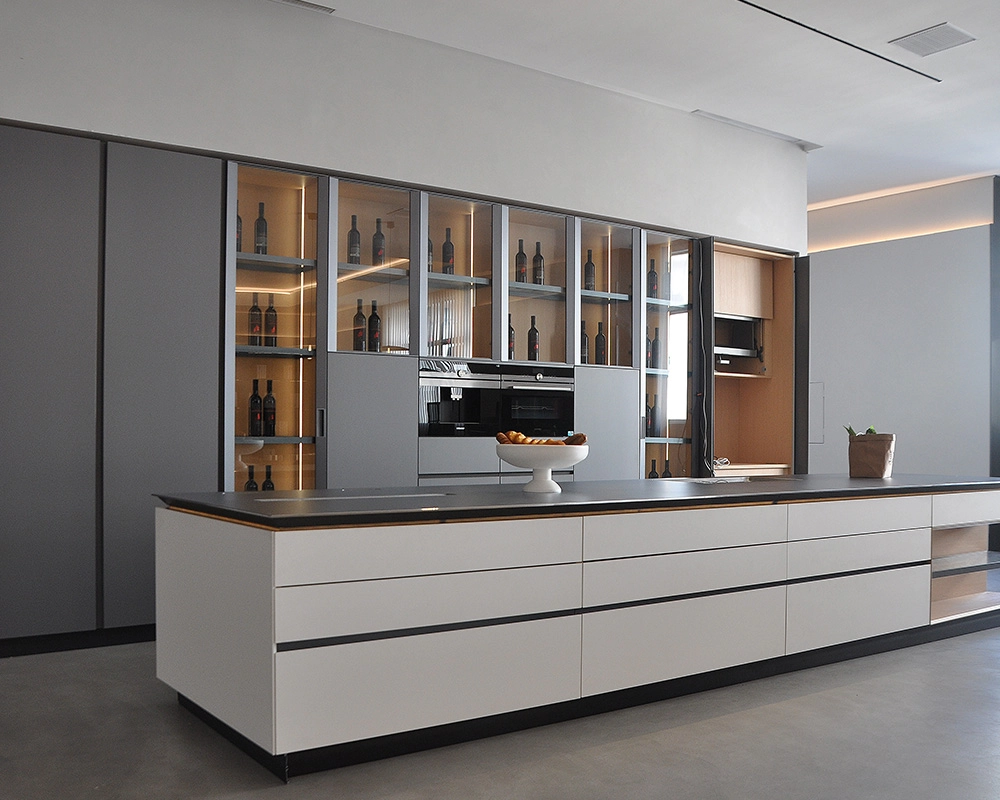
EB Metallic Finish Kitchen Cabinet
I shape the kitchen cabinet with an island design, which integrates the EB metallic series of white and gray colors, together with oak elements, to create luxury vibes of modern minimalist style in the kitchen area.
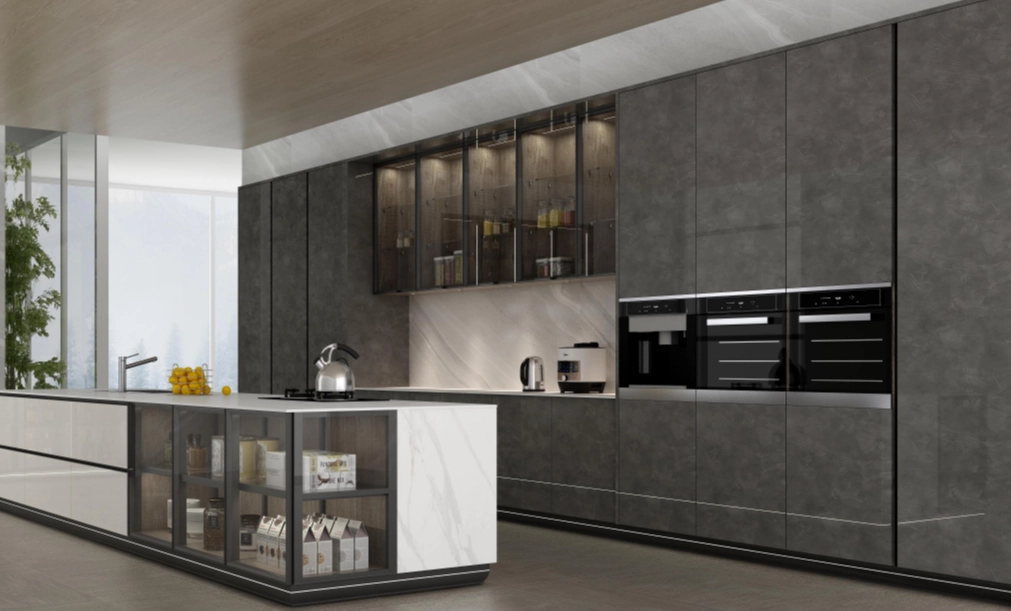
UV marble color high glossy Kitchen Cabinet
I Shape Kitchen Cabinet with island design, mixed with high glossy UV marble color and aluminum frame glass doors
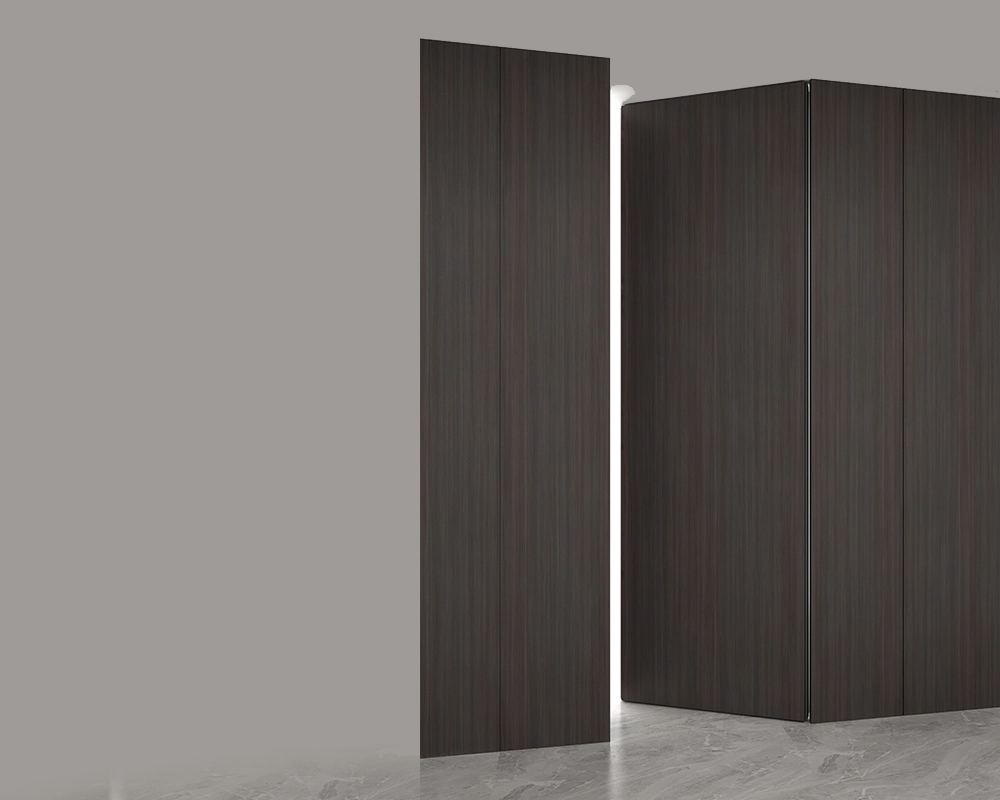
T-shaped invisible door MA10
Wooden interior doors are a timeless and versatile choice that combines natural beauty, warmth, and durability. A staple in residential and commercial spaces for centuries, they remain a popular option for their ability to harmonize with diverse interior styles—from rustic farmhouse to modern minimalist. Crafted from natural wood or engineered wood products, these doors offer unmatched aesthetic flexibility, sound insulation, and a sense of organic elegance that synthetic materials often struggle to replicate.
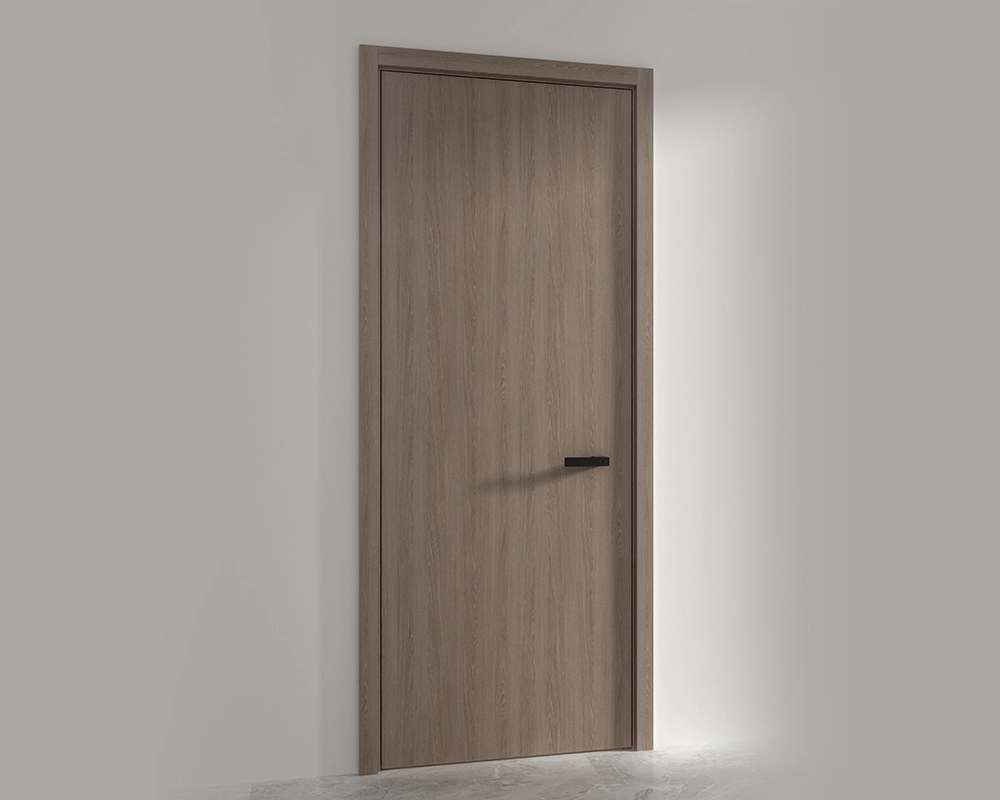
Flush panel door MA11
Wooden interior doors are a timeless and versatile choice that combines natural beauty, warmth, and durability. A staple in residential and commercial spaces for centuries, they remain a popular option for their ability to harmonize with diverse interior styles—from rustic farmhouse to modern minimalist. Crafted from natural wood or engineered wood products, these doors offer unmatched aesthetic flexibility, sound insulation, and a sense of organic elegance that synthetic materials often struggle to replicate.

 Scan QR Code
FoshanMuranoCabinet
foshanmuranocabinet
Whatsapp: +8618814138020
Scan QR Code