
Spec Guide: Modern Walk-In Closet Cabinet Materials & Finishes
- Design Principles for High-End Closet Spaces
- Spatial planning & workflow
- Lighting and ergonomics
- Storage typologies
- Materials Selection: Core Substrates and Their Performance
- Solid wood and hardwood veneers
- Engineered wood: MDF, plywood, HDF
- Metal and glass structural components
- Surface Finishes & Hardware: Aesthetic and Durability Trade-offs
- Lacquers, UV-cured finishes, and acrylics
- Laminate, melamine, thermofoil pros/cons
- Handles, hinges, slides, and soft-close systems
- Specifying for Longevity, Sustainability & Budget
- Moisture, wear, and maintenance specs
- Sustainable certifications and VOCs
- Cost-based spec strategies and lifecycle
- Manufacturer profile: Foshan Murano Smart Home Co., Ltd.
- Specification Examples & Field Notes
- Sample spec excerpt — painted door
- Sample spec excerpt — shelving
- Site and handover considerations
- FAQ — Modern Luxury Walk-In Closet Materials & Finishes
- 1. What interior material is best for a humid bathroom-adjacent walk-in closet?
- 2. Are veneers durable enough for a luxury look?
- 3. How do I choose between high-gloss lacquer and HPL?
- 4. What hardware specs should I demand?
- 5. How do I ensure low VOCs in finishes?
- 6. Can I mix materials in a single closet to reduce cost but keep a luxury look?
- Contact & Next Steps
The modern luxury walk in closet combines show-stopping aesthetics with rigorous functional requirements: precise tolerances, durable surfaces, integrated lighting and hardware, and tailored storage solutions. This spec guide is written for architects, interior designers, and informed homeowners specifying high-end wardrobe cabinetry. It focuses on materials, finishes, hardware selection and sustainability criteria that influence longevity, cost and perceived luxury. Semantic concepts addressed include bespoke closet systems, high-end cabinetry, built-in storage, luxury closet finishes and custom wardrobe solutions.
Design Principles for High-End Closet Spaces
Spatial planning & workflow
Begin specifications by documenting function: who uses the closet, typical garment mix (long coats, suits, shoes), and adjacency (ensuite, dressing room). A modern luxury walk in closet often separates zones for daily wear, formal wear and accessories—this drives depths (600–800 mm for hanging; 300–400 mm for shelving) and aisle widths (min. 900 mm for two-sided closets; 1200–1500 mm for dressing areas). Use durable substrates in high-touch zones (drawers, shoe shelves) and lighter materials where loads are lower.
Lighting and ergonomics
Integrated LED lighting affects finishes (matte vs high-gloss reflectivity) and heat/VOC considerations. Specify low-heat, dimmable LEDs with color-rendering index (CRI) ≥ 90 for accurate garment color perception. Plan for sensor switches and strip channels in cabinet reveals. Ergonomic heights: shelving at 400–1600 mm for accessibility; pull-out trouser racks and jewelry trays at comfortable reach zones (800–1200 mm).
Storage typologies
Define storage typologies as part of the spec: full-height hanging, double-hang, shoe display (angled shelves or pull-out racks), drawers with cutlery/divider systems for accessories, and open vs closed display bays. Each typology has different material and finish demands—for example, open display needs UV-stable, scratch-resistant finishes to retain High Quality appearance over time.
Materials Selection: Core Substrates and Their Performance
Solid wood and hardwood veneers
Solid wood (oak, walnut, maple) provides unmistakable luxury, tactile warmth and good reparability. However, solid wood is susceptible to movement with humidity and is costlier. For consistent dimensional stability and aesthetic continuity, hardwood veneers on engineered cores are commonly used in luxury walk-in closets. Veneer allows matching grain patterns across panels and keeps the perception of solid timber while reducing cost and movement risk.
Engineered wood: MDF, plywood, HDF
Engineered cores are the backbone of modern cabinetry. MDF (medium-density fiberboard) gives a smooth surface ideal for painted finishes and lacquers; plywood offers superior screw holding and moisture resistance—preferred for drawer boxes and structural elements. HDF and moisture-resistant variants (MR-MDF, marine-grade plywood) are useful near bathrooms or humid climates.
Metal and glass structural components
Aluminum framing and tempered glass create contemporary looks and thin-profile doors. Metal components (bars, shoe racks) must be specified with corrosion-resistant finishes (anodized aluminum, stainless steel 304 or 316 for coastal installations). Glass types—clear, low-iron, frosted, or laminated—affect perceived depth and light transmission; safety glazing is required in door applications.
Key substrate comparison:
| Material | Strength & Stability | Moisture Resistance | Best Use | Relative Cost |
|---|---|---|---|---|
| Solid hardwood | High (but seasonal movement) | Low (sensitive) | Visible panels, trim, island tops | High |
| Plywood | Very good (structural) | Good (best of engineered woods) | Cabinet carcasses, shelving | Medium–High |
| MDF (paint grade) | Good (stable, smooth) | Low–Medium (use MR-MDF for humid) | Painted doors, intricate profiles | Medium |
| HDF / Particleboard (melamine) | Moderate | Low (use with caution) | Budget carcasses, melamine-sheathed cabinets | Low |
Sources for material properties include the Wikipedia entries for MDF and plywood which summarize composition and common uses: MDF and Plywood.
Surface Finishes & Hardware: Aesthetic and Durability Trade-offs
Lacquers, UV-cured finishes, and acrylics
High-gloss lacquer or acrylic finishes create a luxurious, reflective surface favored in modern luxury walk in closet designs. UV-cured coatings offer rapid curing, excellent hardness and lower VOC emissions compared with traditional solvent-based lacquers. For long-term appearance, prioritize finishes with high scratch and chemical resistance. Note: high gloss shows fingerprints and scratches more readily; consider satin or velvet finishes in high-touch zones.
Laminate, melamine, thermofoil pros/cons
Laminate (high-pressure laminate, HPL) and melamine are cost-effective, highly scratch- and stain-resistant finishes. Thermofoil offers seamless edges and paint-like appearance at lower cost but can delaminate with heat and moisture exposure. For walk-in closets where garments and accessories share space with lighting and occasional steam from nearby bathrooms, HPL on plywood cores balances cost and performance well.
Handles, hinges, slides, and soft-close systems
Hardware determines user experience. Full-extension soft-close drawer slides and soft-close hinges are standard in luxury applications. Specify load ratings (kg) for drawers (e.g., 60–100 kg for heavy-duty wardrobe drawers). Popular hardware systems such as Blum or Hettich have verifiable technical datasheets—look for tested cycles (e.g., 50,000+ cycles) and certified corrosion resistance for finishes. Concealed runners and push-to-open mechanisms affect the visible minimalism of a modern luxury walk-in closet.
Finish comparison table:
| Finish Type | Appearance | Durability | Maintenance | Typical Use |
|---|---|---|---|---|
| UV-cured lacquer / acrylic | High gloss to satin | High (hard surface) | Wipe with microfibre; careful with abrasives | Visible doors, islands |
| HPL / Laminate | Matte to textured | Very high (scratch & stain) | Low | Carcasses, open shelving |
| Veneer (sealed) | Natural wood look | Medium–High | Periodic cleaning and oiling depending on sealer | Luxury surfaces, visible panels |
| Thermofoil | Seamless painted look | Medium (risk of edge delamination) | Low; avoid heat | Budget painted look solutions |
Specifying for Longevity, Sustainability & Budget
Moisture, wear, and maintenance specs
Include explicit environmental tolerances in specifications: maximum dimensional movement at 50% RH, allowable surface hardness (e.g., pencil hardness for finishes), and cleaning protocols. For example, MDF painted doors should be specified as MR-MDF if relative humidity may exceed 60% intermittently. Detail warranty expectations: finish warranty (years), hinge/slide cycle rating and expected service life.
Sustainable certifications and VOCs
For environmentally conscious projects, call out certifications: FSC or PEFC for timber sourcing, CARB Phase 2 or TSCA Title VI compliance for formaldehyde emissions in composite wood, and GreenGuard/CA Section 01350 for low-VOC materials. The U.S. EPA provides guidance on composite wood and formaldehyde standards: EPA - Composite Wood. Specify adhesives and finishes with low VOC labels to maintain indoor air quality in enclosed closet spaces.
Cost-based spec strategies and lifecycle
Adopt a tiered specification: High Quality face materials (veneers, lacquer) on visible, high-impact elevations; engineered cores and HPL in hidden carcasses. Consider lifecycle costing: a higher upfront investment in plywood carcasses and quality slides often reduces service calls and replacements, lowering total cost of ownership. Define allowable tolerances (flatness, gap sizes) and inspection criteria at handover to avoid disputes.
Practical specification checklist (to include in drawings and schedules):
- Panel schedule with substrate, thickness, finish and edge treatment.
- Hardware schedule with supplier part numbers, load ratings and finish codes.
- Lighting schedule (CRI, kelvin, dimming protocol) and power locations.
- Sustainability/certification requirements and acceptable product substitutions.
Manufacturer profile: Foshan Murano Smart Home Co., Ltd.
For projects requiring reliable manufacturing and customization, Foshan Murano Smart Home Co., Ltd., based in Foshan, Guangdong, offers over 20 years of experience producing custom wardrobes and cabinets. Murano specializes in integrated design, R&D, production and sales of high-quality panel furniture and has delivered more than 1,000 projects across 50+ countries. Their strengths relevant to modern luxury walk in closets include advanced production technology, strict quality control, tailored sizing, and a wide selection of High Quality materials and finishes. Murano's main products include Kitchen Cabinets, Bedroom Wardrobes, Interior Doors, Aluminum Frame Glass Doors, Bathroom Cabinets and Wall Panelling.
Why consider Murano for your spec-compliant closet project:
- End-to-end customization from concept to installation—reduces risk when specifying complex finishes and integrated lighting.
- Proven international experience with export-grade packaging and QA processes suited to high-end residential projects.
- Technical support for material selection and finish matching, ensuring consistency across lacquered surfaces, veneers and metal systems.
Murano emphasizes a Quality First principle, precision craftsmanship and durable materials to deliver well-fitted custom furniture solutions—attributes valuable when specifying a modern luxury walk in closet that must perform aesthetically and functionally over decades.
Specification Examples & Field Notes
Sample spec excerpt — painted door
Door: 18 mm MR-MDF core, primed and sprayed with UV-cured polyurethane lacquer, 2K system, 30% sheen (satin), edges radius 2 mm, concealed soft-close hinge (blum CLIP top 110°, stainless finish), 10-year finish warranty. Install tolerance: gaps 1.5–2.5 mm, flatness 1.0 mm/1000 mm.
Sample spec excerpt — shelving
Shelves: 18–25 mm birch plywood with HPL finish (0.7 mm), cantilever supports rated to 40 kg per shelf, routed front edge to receive soft PVC edge lamination. Finish to match adjacent veneer (color code reference in finish schedule).
Site and handover considerations
Require manufacturer on-site supervision during first installation to verify reveal alignment and integration of lighting and door hardware. Include a commissioning checklist for LED circuits, sensors and dimming to ensure consistent operation post-handover.
FAQ — Modern Luxury Walk-In Closet Materials & Finishes
1. What interior material is best for a humid bathroom-adjacent walk-in closet?
For humid adjacencies specify marine-grade plywood or MR-MDF with sealed edges and HPL or lacquer finishes with moisture-resistant adhesives. Avoid standard particleboard or non-MR MDF near humidity sources.
2. Are veneers durable enough for a luxury look?
Yes—when properly sealed and applied on stable cores (plywood or MDF). Veneers provide natural grain and can be repaired selectively. Use protective clear coats for higher abrasion resistance.
3. How do I choose between high-gloss lacquer and HPL?
Choose lacquer or acrylic for a High Quality reflective aesthetic and seamless joins; choose HPL where scratch/stain resistance and lower maintenance are priorities. Consider mixed approaches: lacquer on focal doors, HPL on carcasses.
4. What hardware specs should I demand?
Specify full-extension soft-close runners with a minimum cycle rating (50,000 cycles+), concealed hinges with soft-close dampers, and corrosion-resistant finishes for metal. Include supplier part numbers and require manufacturer approval for substitutions.
5. How do I ensure low VOCs in finishes?
Specify UV-cured or waterborne finishes with VOC testing and certification (e.g., GREENGUARD, CA Section 01350). Require MSDS and product VOC data in the submittal process.
6. Can I mix materials in a single closet to reduce cost but keep a luxury look?
Yes—use a visible High Quality face (veneer, lacquer) with engineered cores and HPL in non-visible areas. Careful color and edge treatment coordination ensures a cohesive, luxury appearance while controlling budget.
Contact & Next Steps
If you are specifying or renovating a modern luxury walk in closet and need detailed drawings, sample finishes, or manufacturer coordination, contact Foshan Murano Smart Home Co., Ltd. for complete customization, technical submittals and project quotes. Request product samples and a project case study relevant to your region to verify finish performance and installation quality.
For consultation, custom samples and project quotes, contact Murano to view product lines or start your bespoke closet project.
Why choose MURANO as your dimensions of small walk in closet supplier
Tips for buy diy ensuite vanity
Why choose MURANO as your custom made outdoor kitchen cabinets supplier
Eco-friendly Materials for Custom Bedroom Wardrobes
FAQ
What's the payment terms of all our products?
T/T (30% inadvance, the balance shall be paid off before delivery), Western Union or L/C.
Can we produce products according to customer's room size?
Yes. All our cabinets are custom size.
What's MOQ for our kitchen cabinets, wardrobe cabinets or bathroom cabinets?
1 set.
Can we ship the furniture cabinets to customer's port or city?
Yes. Please provide the city name or port name when you send us an inquiry.
What's lead time for furniture cabinets?
It's about 20 - 30 days.
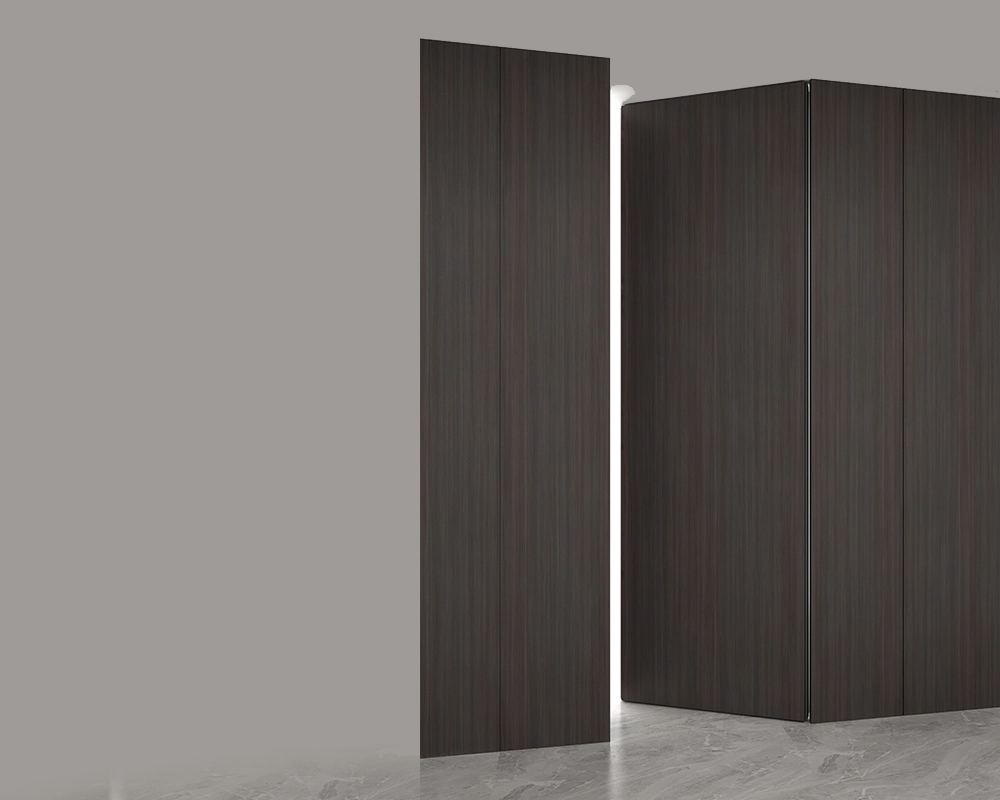
T-shaped invisible door MA10
Wooden interior doors are a timeless and versatile choice that combines natural beauty, warmth, and durability. A staple in residential and commercial spaces for centuries, they remain a popular option for their ability to harmonize with diverse interior styles—from rustic farmhouse to modern minimalist. Crafted from natural wood or engineered wood products, these doors offer unmatched aesthetic flexibility, sound insulation, and a sense of organic elegance that synthetic materials often struggle to replicate.
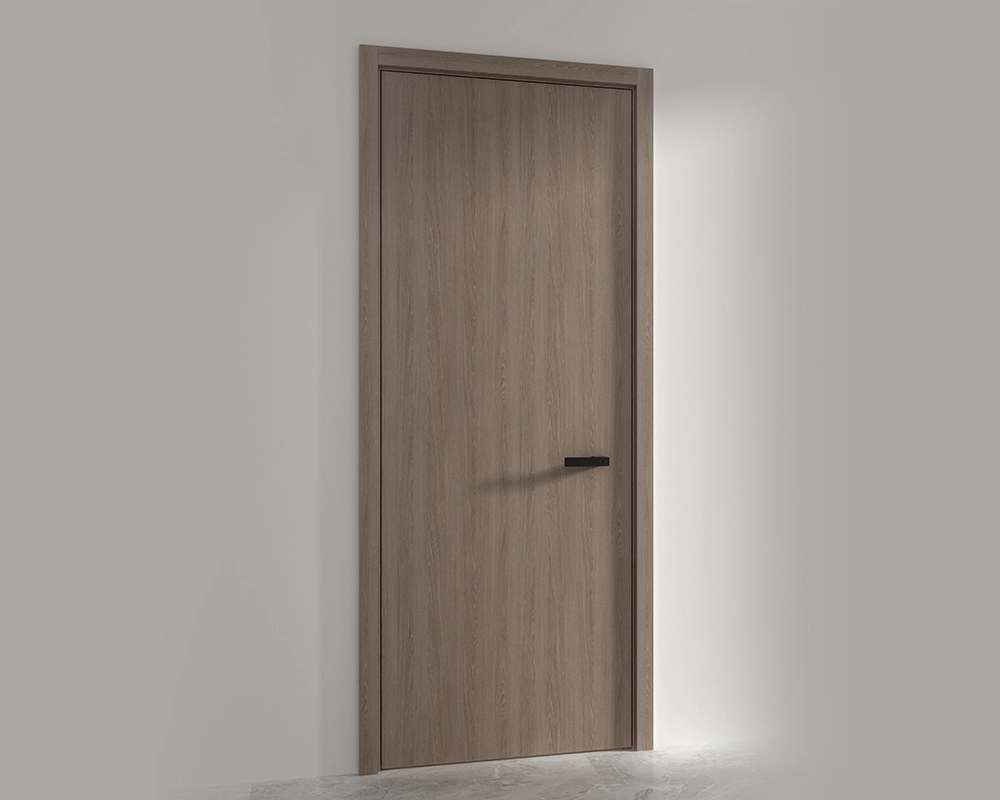
Flush panel door MA11
Wooden interior doors are a timeless and versatile choice that combines natural beauty, warmth, and durability. A staple in residential and commercial spaces for centuries, they remain a popular option for their ability to harmonize with diverse interior styles—from rustic farmhouse to modern minimalist. Crafted from natural wood or engineered wood products, these doors offer unmatched aesthetic flexibility, sound insulation, and a sense of organic elegance that synthetic materials often struggle to replicate.
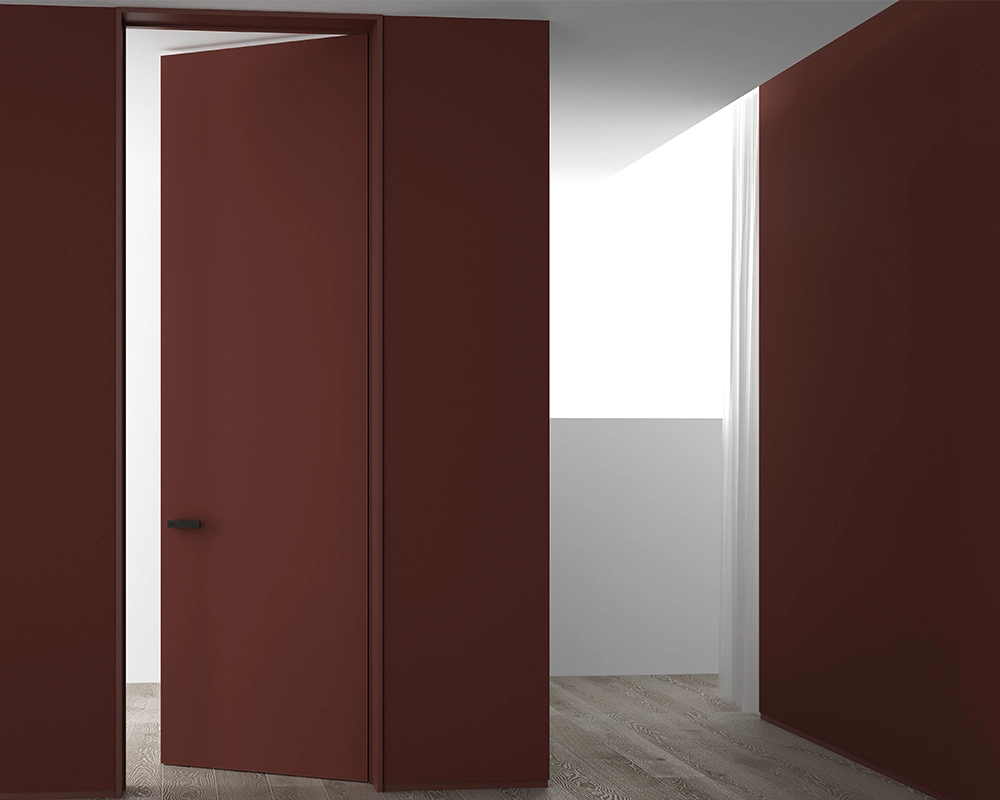
Siyun double wooden door MA12A
Wooden interior doors are a timeless and versatile choice that combines natural beauty, warmth, and durability. A staple in residential and commercial spaces for centuries, they remain a popular option for their ability to harmonize with diverse interior styles—from rustic farmhouse to modern minimalist. Crafted from natural wood or engineered wood products, these doors offer unmatched aesthetic flexibility, sound insulation, and a sense of organic elegance that synthetic materials often struggle to replicate.
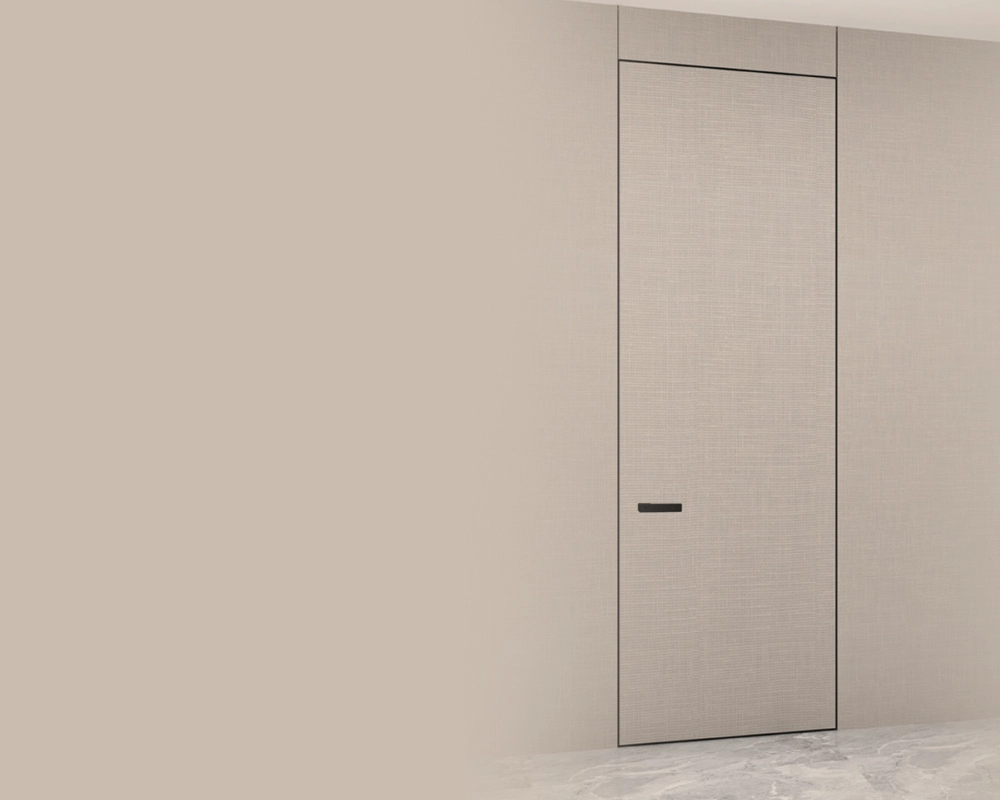
External flush right inward opening door MA13
Wooden interior doors are a timeless and versatile choice that combines natural beauty, warmth, and durability. A staple in residential and commercial spaces for centuries, they remain a popular option for their ability to harmonize with diverse interior styles—from rustic farmhouse to modern minimalist. Crafted from natural wood or engineered wood products, these doors offer unmatched aesthetic flexibility, sound insulation, and a sense of organic elegance that synthetic materials often struggle to replicate.

 Scan QR Code
FoshanMuranoCabinet
foshanmuranocabinet
Whatsapp: +8618814138020
Scan QR Code