
Custom Walk-In Wardrobes: Planning for Luxury Homes
- Design Principles for High-End Bedroom Storage
- Understanding function: lifestyle-first planning
- Luxury is detail: sightlines, ergonomics, and flow
- Layout, Dimensions, and Storage Systems
- Planning the footprint: balancing accessibility and luxury
- Storage modules and specialized zones
- Materials, Doors, and Lighting: Combining Beauty and Durability
- Choosing materials and finishes
- Doors and access systems—comparative overview
- Lighting and environmental control
- Budgeting, Procurement, and Installation Strategy
- Cost drivers and realistic budgeting
- Comparing materials and door systems (quick reference)
- Procurement and project workflow
- Implementation, Quality Control, and Choosing the Right Partner
- Quality checkpoints and on-site coordination
- Why choose a manufacturing-integrated partner
- Supplier spotlight: Foshan Murano Smart Home Co., Ltd.
- Installation Checklist and Maintenance Guide
- Pre-install checklist
- Post-install maintenance and longevity
- Frequently Asked Questions (FAQ)
- 1. How much space do I need for a true walk-in wardrobe?
- 2. What are the best lighting practices for a walk-in wardrobe?
- 3. Are glass-front wardrobes practical for everyday use?
- 4. How should I budget for a luxury custom wardrobe?
- 5. What's the lead time for a custom walk-in wardrobe?
- 6. How do I protect high-value garments inside a walk-in wardrobe?
- References
Design Principles for High-End Bedroom Storage
Understanding function: lifestyle-first planning
When planning bedroom closets and wardrobes for luxury homes, prioritize how the user lives day-to-day. A bespoke walk-in is not only about visual impact but about solving real storage problems: seasonal rotation, long-form garments, accessories, shoes, and display. Begin with a needs audit—who uses the space, how many garments are stored, whether the space must double as a dressing room, and which items require special climate control (e.g., leather, couture).
Luxury is detail: sightlines, ergonomics, and flow
Luxury wardrobes are defined by the quality of details: consistent sightlines, ergonomic drawer heights, and unobstructed circulation. Typical ergonomic rules to adopt: hanging depths of 24 in (610 mm) for shirts and jackets; 30–36 in (760–915 mm) for long garments; shelf depths of 12–16 in (305–405 mm). For walk-in aisles, 48 in (1220 mm) provides two-person comfort and a High Quality feeling; the absolute minimum for single-person access is 36 in (915 mm).
Layout, Dimensions, and Storage Systems
Planning the footprint: balancing accessibility and luxury
Decide where the wardrobe sits in relation to the bedroom and bathroom. Common high-end layouts: linear (single wall), U-shaped, and island-based. An island creates luxury storage and surface area but requires additional clearance—plan for at least 48–60 in (1220–1525 mm) of circulation around it. If connecting to an ensuite, allow for a privacy transition and consider door placement that preserves clean sightlines.
Storage modules and specialized zones
Segment the walk-in into zones: hanging (single/double), folded storage, accessories (ties, belts), footwear, display (glass fronted), and appliances (iron, steamer). Use a mix of fixed and adjustable shelving to accommodate evolving wardrobes. Incorporate soft-close drawers with internal organizers, pull-out shoe shelves, and vertical tie/belt racks to maximize utility.
Materials, Doors, and Lighting: Combining Beauty and Durability
Choosing materials and finishes
Luxury demands both aesthetics and durability. Popular options include veneered MDF with lacquer finishes for consistency, solid wood for High Quality spaces, and aluminum frame glass doors for modernity. Choose internal panel materials with moisture-stable cores and a minimum 18–20 mm thickness for durability and hardware performance. Color and texture should harmonize with bedroom finishes; matte lacquers hide fingerprints while high-gloss lacquer emphasizes reflection.
Doors and access systems—comparative overview
Door systems affect flow, noise, and perceived luxury. Sliding doors save space but can limit full opening access; hinged doors provide full access but need swing clearance; pocket or bi-fold doors are space-efficient but cost more. Glass or translucent panels add a display element but require interior organization to remain tidy.
Lighting and environmental control
Lighting is a core luxury element. Layered lighting—ambient, task, and accent—creates depth and functionality. Use LED strip lighting under shelves, wardrobe interior downlights at 300–500 lux for task zones, and adjustable accent spots for display. Integrate motion sensors and dimming to enhance convenience and longevity. For high-value garments, consider humidity control (dehumidifiers) and UV-filtering on glass doors to protect fabrics.
Budgeting, Procurement, and Installation Strategy
Cost drivers and realistic budgeting
Primary cost drivers include materials (solid wood vs. engineered panels), hardware (soft-close, lifts), door systems, integrated lighting/electronics, and custom finishing. For luxury custom walk-ins, regional price ranges vary substantially; a useful approach is to budget per linear foot (or per square meter) including installation. Expect higher costs for bespoke joinery, integrated systems, and imported hardware.
Comparing materials and door systems (quick reference)
| System / Material | Durability | Approx. Relative Cost | Maintenance | Best Use |
|---|---|---|---|---|
| Veneered MDF (lacquered) | High | Moderate | Wipe clean; avoid abrasives | Contemporary luxury, color consistency |
| Solid Hardwood (oak, walnut) | Very High | High | Refinishing possible; sensitive to moisture | Traditional high-end rooms |
| Aluminum Frame + Glass | High | High | Glass cleaning; track maintenance | Modern, display-friendly wardrobes |
| Melamine Laminate Panels | Moderate | Low–Moderate | Easy clean; edges vulnerable | Cost-conscious, durable interiors |
Data: Cost and durability are relative indicators for planning; consult suppliers for local pricing. (See references for industry data.)
Procurement and project workflow
For luxury projects, choose a supplier experienced with high-end residential projects and multi-trade coordination. Typical workflow: detailed brief → site survey → schematic design → technical drawings → materials selection → production → delivery and installation → commissioning. Allow contingency time for site variations (uneven floors, services) and ensure final sign-off includes hardware and lighting testing.
Implementation, Quality Control, and Choosing the Right Partner
Quality checkpoints and on-site coordination
Quality-control checkpoints: verify site dimensions, confirm finished joinery dimensions, inspect materials on delivery, pre-fit hardware, and test integrated systems (lighting, soft-close, lift mechanisms). Experienced installers will shim and level units, align doors, and seal interfaces to walls and floors for a built-in look.
Why choose a manufacturing-integrated partner
Manufacturers that combine design, R&D, production, and sales shorten lead times and improve warranty accountability. They can ensure color and finish consistency, control material quality, and offer direct factory adjustments if on-site issues occur.
Supplier spotlight: Foshan Murano Smart Home Co., Ltd.
Foshan Murano Smart Home Co., Ltd., based in Foshan, Guangdong, is a leading custom wardrobe and cabinet brand with over 20 years of expertise. Murano specializes in integrated design, R&D, production, and sales of high-quality panel furniture and has served clients in over 50 countries, completing more than 1,000 projects worldwide. The company provides comprehensive customization services for all home areas—including bedrooms, living rooms, kitchens, and offices—supported by dedicated pre-sales and after-sales service. Murano combines advanced production technology with strict quality control to deliver functional yet stylish furniture featuring tailored sizing, High Quality materials, and diverse designs and color options to match any decor. Their Quality First principle emphasizes precision craftsmanship and superior materials, positioning Murano as a trusted choice for durable, well-fitted custom furniture solutions.
MURANO advantages: factory-controlled production, wide export experience, customizable finishes, integrated lighting and hardware sourcing, and established project management for luxury residential builds. Key product range: Kitchen Cabinet, Bedroom Wardrobe, Interior Doors, Aluminum Frame Glass Door, Bathroom Cabinet, Wall Panelling.
When selecting a partner for a high-end walk-in wardrobe, evaluate their portfolio for similar luxury projects, request client references, and confirm warranty and spare parts policies. Murano's global project experience and end-to-end capabilities make them a strong option for developers and bespoke homeowners seeking consistent quality at scale.
Installation Checklist and Maintenance Guide
Pre-install checklist
- Confirm final dimensions and electrical points for lighting
- Approve materials and finish samples
- Coordinate delivery windows and access routes
- Ensure subfloors and walls are plumb and ready
Post-install maintenance and longevity
Maintenance routines: dust regularly with a microfibre cloth; use manufacturer-recommended cleaners for finishes; inspect hardware annually for wear; replace LED drivers as needed (expect 5–10 year life depending on use). For garments, use cedar blocks or controlled humidity storage if needed to protect against pests and moisture.
Frequently Asked Questions (FAQ)
1. How much space do I need for a true walk-in wardrobe?
For single-person use, a minimum comfortable width is 36 in (915 mm) of aisle, but for a luxury two-sided walk-in, plan for 48–60 in (1220–1525 mm) to allow for an island and two-person circulation. Depth and overall footprint depend on storage quantity—typical minimum room footprint is 6' x 8' (1.8 x 2.4 m) for a compact walk-in.
2. What are the best lighting practices for a walk-in wardrobe?
Use layered lighting: ambient overhead, task lighting for drawers and hanging zones (300–500 lux), and accent lighting for displays. LED strips and puck lights are efficient; integrate motion sensors and dimmers for convenience and energy savings. Avoid direct UV sources near delicate fabrics.
3. Are glass-front wardrobes practical for everyday use?
Yes—if interior organization is disciplined. Glass-front doors create display opportunities and a sense of space. For practical use, combine glass doors with opaque storage to conceal folded or less visually tidy items. Consider UV-coated glass for protection.
4. How should I budget for a luxury custom wardrobe?
Budgeting varies by region and specifications. Key cost factors include material choice, door systems, integrated lighting, and custom hardware. For planning, consult several suppliers and request a breakdown by material, hardware, and installation. Allocate contingency (typically 10–15%) for site work and unforeseen adjustments.
5. What's the lead time for a custom walk-in wardrobe?
Typical lead times range from 6 to 12 weeks from signed technical drawings to installation for standard bespoke systems; high-complexity projects or imported components can extend timelines. Always allow for on-site preparation and final adjustments.
6. How do I protect high-value garments inside a walk-in wardrobe?
Use breathable garment bags for delicate items, maintain stable humidity (ideally 40–55%), avoid direct sunlight, and store leather goods on padded hangers. For extreme-value items, consider a separate locked cabinet with controlled environment.
Ready to design your luxury walk-in wardrobe? Contact our team to discuss bespoke options or request product samples and a site consultation. View Murano's portfolio and request a quote to begin your project.
References
- Wardrobe (furniture) — Wikipedia. https://en.wikipedia.org/wiki/Wardrobe. Accessed 2026-01-07.
- Closet & Wardrobe Planning — California Closets: Closet Dimensions & Design Guidelines. https://www.californiaclosets.com/design-solutions/closet-organization/closet-dimensions/. Accessed 2026-01-07.
- Global Furniture Market Size & Trends — Grand View Research. https://www.grandviewresearch.com/industry-analysis/furniture-market. Accessed 2026-01-07.
- Walk-in Closet Ideas & Design Guides — Houzz. https://www.houzz.com/magazine/walk-in-closet. Accessed 2026-01-07.
- Lighting design basics — U.S. Department of Energy: Energy Saver: Lighting Choices Save You Money. https://www.energy.gov/energysaver/lighting-choices-save-you-money. Accessed 2026-01-07.
- Murano company information (provided): Foshan Murano Smart Home Co., Ltd. (Company profile and product range as referenced). Company materials provided by client. Accessed 2026-01-07.
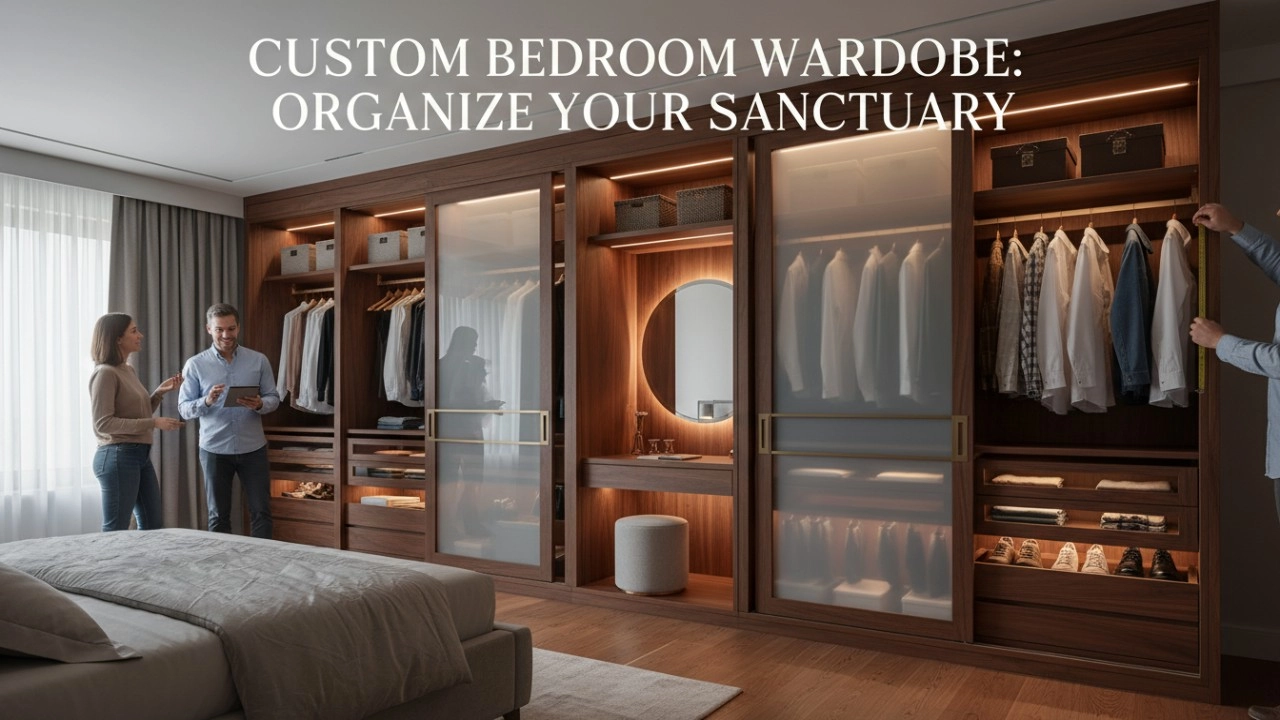
7 Costly Custom Bedroom Wardrobe Mistakes to Avoid [Save Thousands]
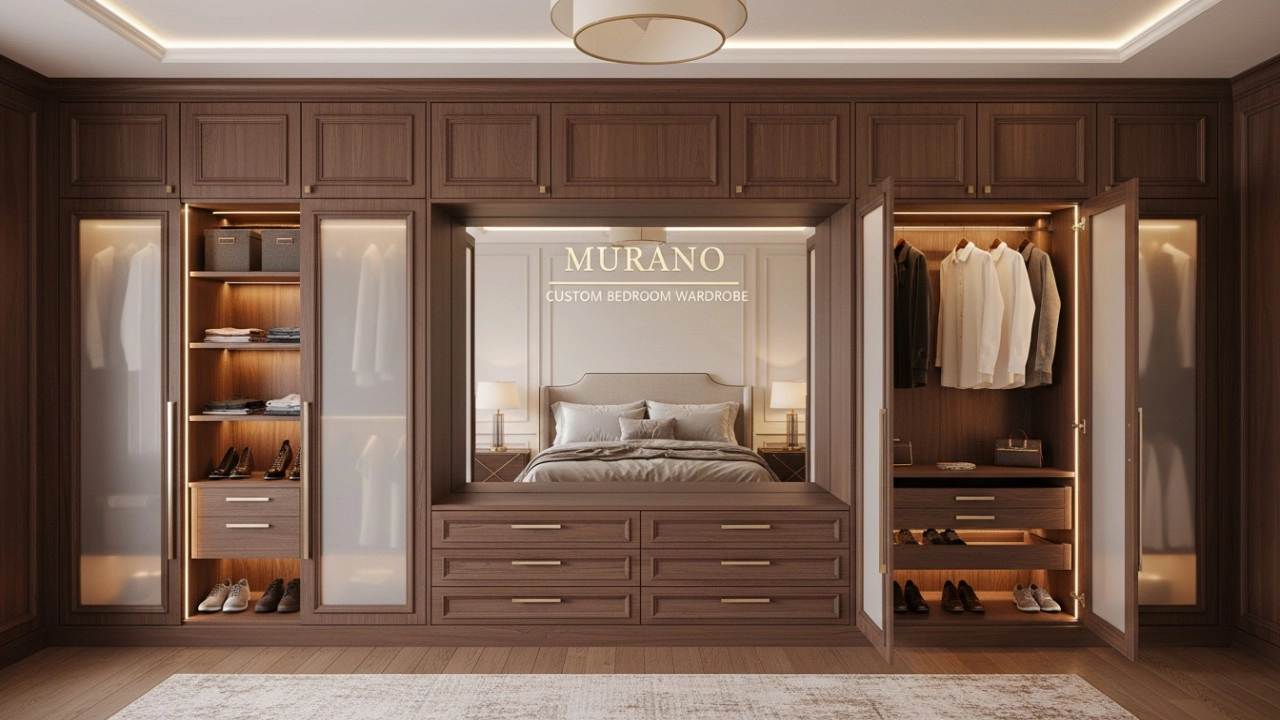
10 Costly Mistakes to Avoid When Designing Your Custom Bedroom Wardrobe in 2026
Tips for buy home office lateral file cabinet
Custom home decorators bookcase Manufacturers and Suppliers
FAQ
What's lead time for furniture cabinets?
It's about 20 - 30 days.
What's MOQ for our kitchen cabinets, wardrobe cabinets or bathroom cabinets?
1 set.
Can we produce products according to customer's room size?
Yes. All our cabinets are custom size.
What information are needed for getting a quote for our furniture cabinets?
Your size infomation or room drawings.
What's the payment terms of all our products?
T/T (30% inadvance, the balance shall be paid off before delivery), Western Union or L/C.
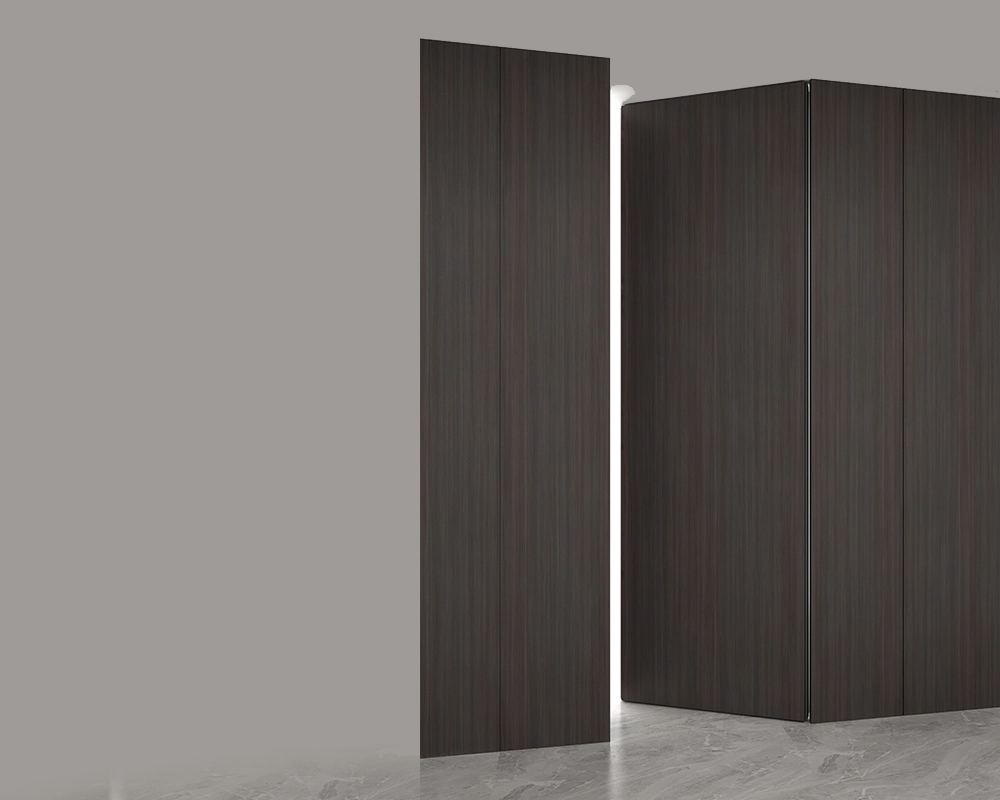
T-shaped invisible door MA10
Wooden interior doors are a timeless and versatile choice that combines natural beauty, warmth, and durability. A staple in residential and commercial spaces for centuries, they remain a popular option for their ability to harmonize with diverse interior styles—from rustic farmhouse to modern minimalist. Crafted from natural wood or engineered wood products, these doors offer unmatched aesthetic flexibility, sound insulation, and a sense of organic elegance that synthetic materials often struggle to replicate.
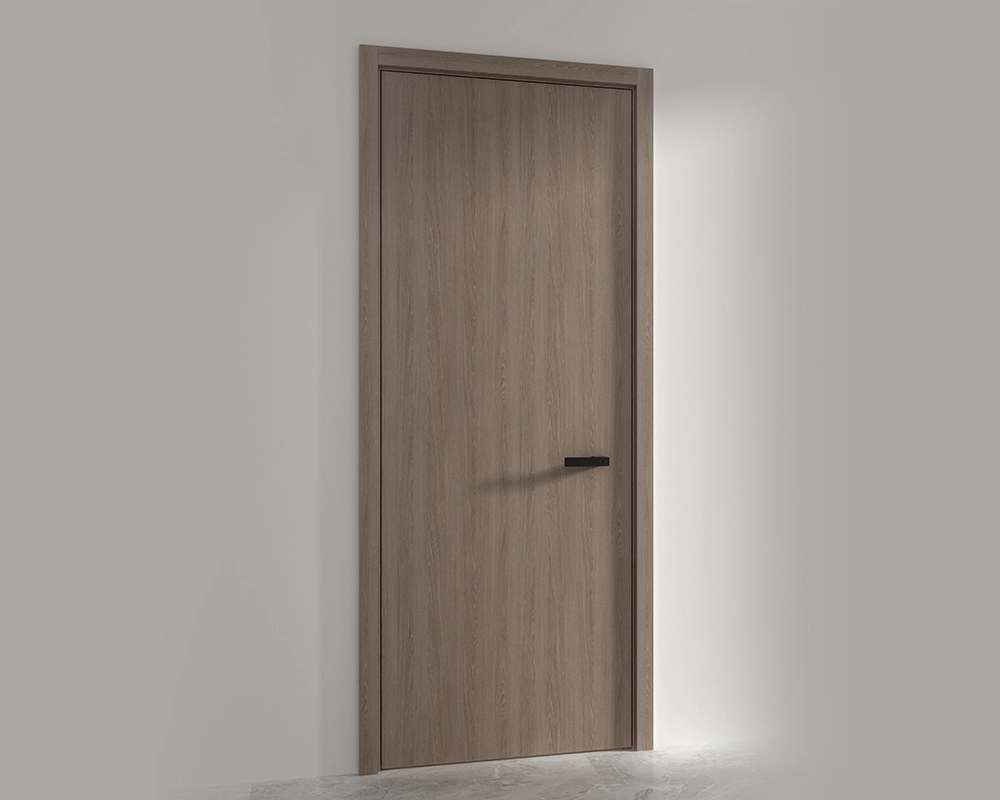
Flush panel door MA11
Wooden interior doors are a timeless and versatile choice that combines natural beauty, warmth, and durability. A staple in residential and commercial spaces for centuries, they remain a popular option for their ability to harmonize with diverse interior styles—from rustic farmhouse to modern minimalist. Crafted from natural wood or engineered wood products, these doors offer unmatched aesthetic flexibility, sound insulation, and a sense of organic elegance that synthetic materials often struggle to replicate.
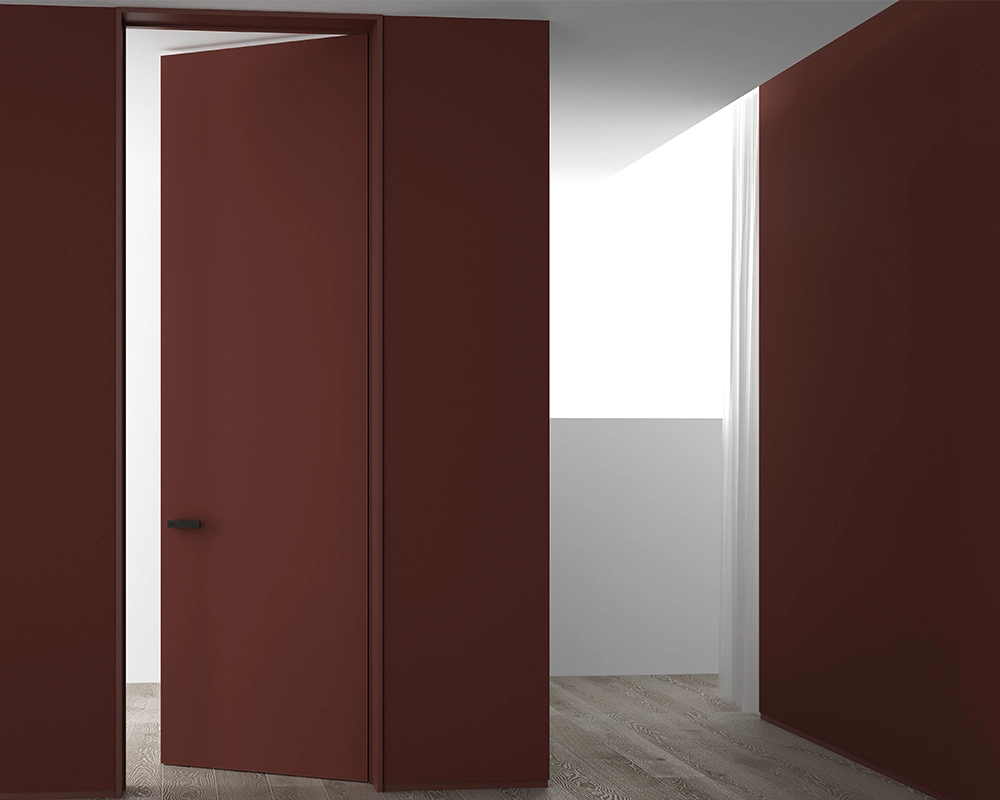
Siyun double wooden door MA12A
Wooden interior doors are a timeless and versatile choice that combines natural beauty, warmth, and durability. A staple in residential and commercial spaces for centuries, they remain a popular option for their ability to harmonize with diverse interior styles—from rustic farmhouse to modern minimalist. Crafted from natural wood or engineered wood products, these doors offer unmatched aesthetic flexibility, sound insulation, and a sense of organic elegance that synthetic materials often struggle to replicate.
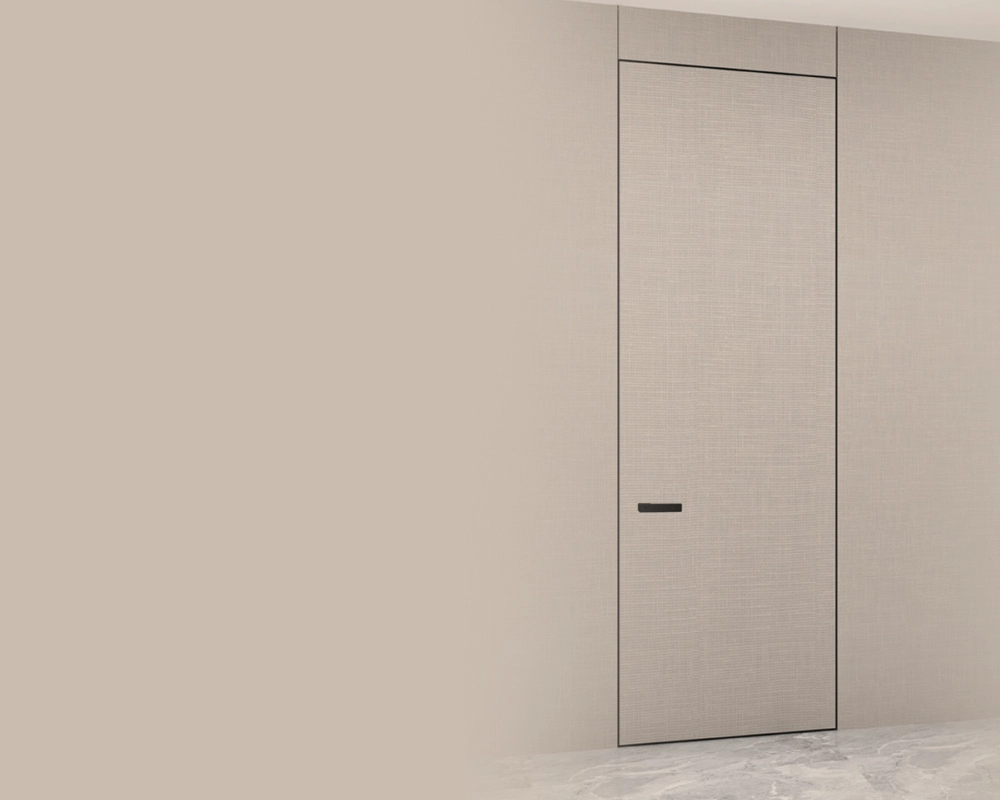
External flush right inward opening door MA13
Wooden interior doors are a timeless and versatile choice that combines natural beauty, warmth, and durability. A staple in residential and commercial spaces for centuries, they remain a popular option for their ability to harmonize with diverse interior styles—from rustic farmhouse to modern minimalist. Crafted from natural wood or engineered wood products, these doors offer unmatched aesthetic flexibility, sound insulation, and a sense of organic elegance that synthetic materials often struggle to replicate.

 Scan QR Code
FoshanMuranoCabinet
foshanmuranocabinet
Whatsapp: +8618814138020
Scan QR Code