
Customizing Aluminum Frame Glass Doors: Finishes and Colors
- Customizing Aluminum Frame Glass Doors: Finishes and Colors for Aluminum Frame Glass Door Projects
- Introduction to aluminum frame glass door customization
- Why choose an aluminum frame glass door for your project
- Common finishes for aluminum frame glass door frames
- Anodized finish
- Architectural powder coating
- PVDF / Kynar® coatings
- Woodgrain and textured finishes
- Color selection and matching for aluminum frame glass doors
- How finishes affect durability, maintenance, and lifecycle cost
- Design considerations: glass and frame color interplay
- Hardware, hinges, and seals for Aluminum Frame Glass Hinged Door - MBB012
- Customization process: from concept to installation
- Maintenance best practices for long-lasting finishes
- Cost drivers and budgeting for finish and color choices
- Brand advantages: why choose our Aluminum Frame Glass Hinged Door - MBB012
- Frequently Asked Questions (FAQ) about aluminum frame glass door finishes and colors
- Q: What finish should I choose for a seaside house?
- Q: Can I get an exact color match for an existing facade?
- Q: How long will a powder-coated finish last outdoors?
- Q: Are finishes repairable on-site?
- Q: Does the finish affect door energy performance?
- Q: How do I maintain a woodgrain finish?
- Contact and product CTA
- Authoritative references and further reading

Customizing Aluminum Frame Glass Doors: Finishes and Colors for Aluminum Frame Glass Door Projects
Introduction to aluminum frame glass door customization
Aluminum-frame glass hinged doors are a timeless yet modern architectural solution that combines the strength of aluminum with the transparency and elegance of glass. Designed for both interior and exterior applications, these doors operate on a traditional hinge mechanism, offering a classic swinging motion while delivering contemporary performance. Ideal for entrances, patios, room dividers, or interior spaces, they blend functionality with sleek aesthetics, making them a versatile choice for residential, commercial, and industrial projects.
Why choose an aluminum frame glass door for your project
Aluminum frame glass doors are popular because they combine structural strength, low weight, and design flexibility. The material resists warping and is highly recyclable, while modern finishing technologies allow nearly unlimited color and texture options. For projects where slim sightlines and high transparency are priorities — such as storefronts, loft conversions, or contemporary residences — the aluminum frame glass door is a go-to solution. Using the Aluminum Frame Glass Hinged Door - MBB012 provides a hinged, swinging operation with contemporary performance tailored to both interior and exterior needs.
Common finishes for aluminum frame glass door frames
Choosing the correct finish has a major impact on appearance, durability, maintenance, and lifecycle cost. Below are the most common finishes used for aluminum frame glass doors, with the commercial-intent keyword naturally embedded to emphasize product selection and specification.
Anodized finish
Anodizing is an electrolytic process that thickens the natural oxide layer on aluminum. It produces a hard, wear-resistant surface that retains metallic appearance. Clear anodize preserves the aluminum look; colored anodize (bronze, black, champagne) offers restrained color options. Advantages include excellent corrosion resistance, UV stability, and minimal maintenance. Limitations: color range is more limited than powder coating, and color matching between batches can be more challenging.
Architectural powder coating
Powder coating is a thermoset polymer finish applied electrostatically and cured under heat. It provides a broad range of colors and textures, including matt, satin, gloss, and textured finishes. Powder coat is ideal for custom colors, high-coverage opaque looks, and cost-effective large production runs. Choose architectural-grade, two-coat powder systems for exterior durability. Note that superior UV-resistant powder coatings are recommended for long-term color retention.
PVDF / Kynar® coatings
PVDF (polyvinylidene fluoride) coatings such as Kynar® offer best-in-class color retention and resistance to weathering for high-exposure installations. Typical specification calls for a 70% PVDF coil-coating system applied at the factory. PVDF is more costly than standard powder coatings but excels where long-term appearance warranty and minimal fade are required, such as coastal facades.
Woodgrain and textured finishes
Woodgrain or textured finishes are powder coat or film-based systems that mimic wood or tactile textures. They are popular for projects seeking a warm, natural aesthetic without the maintenance issues of real wood. These finishes are typically applied via powder coating or adhesive film and should be specified for the intended exposure level.
Color selection and matching for aluminum frame glass doors
Color choices range from standard anodized metallics to custom RAL colors and Pantone matches. When specifying color for an aluminum frame glass door, follow these guidelines:
- Use RAL or Pantone references in the contract to avoid ambiguity.
- Request physical samples or mockups. Visual perception changes under different lighting conditions and adjacent materials.
- Consider the environment: coastal, high-UV, or industrial sites require more durable finishes (PVDF or high-grade powder).
- Coordinate frame color and glass tint. Dark frames with clear glass give a crisp, modern look; light frames and warm glass tints create a softer appearance.
How finishes affect durability, maintenance, and lifecycle cost
Finish choice impacts lifecycle cost as much as initial price. Below is a comparison table summarizing durability, maintenance, cost, and ideal applications.
| Finish | Durability (typical lifespan) | Maintenance | Approx. Relative Cost | Best Use |
|---|---|---|---|---|
| Anodized (clear/colored) | 20+ years (good UV stability) | Low; occasional wash with mild detergent | Medium | Commercial, modern interiors, restrained exteriors |
| Architectural Powder Coat | 10–20 years (dependent on formulation) | Low to medium; wash periodically; check for scratches | Medium | Custom colors, textured finishes, general exteriors |
| PVDF / Kynar® | 20+ years (excellent fade resistance) | Low; periodic cleaning | High | Coastal, high-sun facades, high-end architecture |
| Woodgrain / Film | 10–20 years (varies with film quality) | Medium; inspect seams and clean gently | Medium to High | Warm aesthetic without natural wood maintenance |
Design considerations: glass and frame color interplay
Glass selection (clear, low-E, tinted, frosted, laminated) changes the perceived color and reflectivity of the aluminum frame. For example:
- Clear glass + black anodized frame = high contrast, industrial-modern look.
- Low-E glass + light-colored powder coat = energy-efficient and visually subtle exterior.
- Tinted glass + bronze or bronze-anodized frame = warm, cohesive facade.
Coordination between frame finish and glass tint is important for both aesthetic harmony and thermal performance. Low-E coatings and glass edge work may affect how the frame and glazing interact thermally; ensure seals and thermal breaks are specified when energy performance matters.
Hardware, hinges, and seals for Aluminum Frame Glass Hinged Door - MBB012
The Aluminum Frame Glass Hinged Door - MBB012 is engineered around a traditional hinge mechanism. When customizing finishes and colors, consider hardware finishes to match or intentionally contrast the frame: stainless steel, brushed nickel, black powder-coated steel, or anodized aluminum are common. Other hardware considerations include:
- Hinge type and finish — choose a finish compatible with the frame finish for visual coherence and corrosion resistance.
- Weatherstripping and thresholds — ensure frame finish and seal interfaces are compatible and that concealed drainage or thermal breaks are not obscured by thick coatings.
- Locksets and glazing beads — color-match or select contrasting finishes intentionally for a design statement.
Customization process: from concept to installation
A consistent workflow ensures successful customization of an aluminum frame glass door. Typical steps:
- Measure and verify site conditions (masonry, framing, clearance).
- Select door system (Aluminum Frame Glass Hinged Door - MBB012) and determine performance requirements (wind load, thermal break, acoustic).
- Choose frame finish (anodized, powder coat, PVDF) and specify color using RAL/Pantone codes. Request and approve physical samples.
- Select glass type and any coatings (low-E, laminated, frosted) and confirm sightlines and glazing beads.
- Specify hardware finishes and hinge type; include access and security features.
- Finalize shop drawings, lead time, and installation method. Confirm warranties and maintenance instructions.
Lead times vary by finish and customization level. Standard powder-coated finishes may ship within 4–8 weeks; PVDF and complex anodize/color matching can add time. Always plan for sample and approval cycles.
Maintenance best practices for long-lasting finishes
To protect your investment and the appearance of an aluminum frame glass door:
- Clean regularly with mild detergent and water; avoid abrasive cleaners or strong solvents.
- Inspect seals, hinges, and weatherstripping annually and replace as needed.
- Address scratches and exposed substrate promptly; minor powder-coat touch-up kits are available for small repairs.
- For coastal or corrosive environments, select PVDF or anodized finishes and increase inspection frequency.
Cost drivers and budgeting for finish and color choices
Primary cost drivers include finish type (PVDF higher than standard powder coat), custom color matching, textured/woodgrain finishes, and the scope of hardware. Additional factors: lead time, sample approvals, and the need for specialized finishes for coastal exposure. Budget planning should account for a small percentage of contingency to cover color revision or sample rework.
Brand advantages: why choose our Aluminum Frame Glass Hinged Door - MBB012
When specifying the Aluminum Frame Glass Hinged Door - MBB012, clients benefit from:
- Proven hinge-based design tailored for both interior and exterior applications with slim sightlines.
- Factory-controlled finishing processes — we offer anodize, architectural powder coat, PVDF, and woodgrain finishes with documented quality control.
- Custom color matching using RAL and Pantone standards; physical sample approval to ensure accurate on-site outcomes.
- Compliance with industry performance expectations — thermal break options, weather seals, and compatibility with energy-glass systems.
- Dedicated technical support: finish recommendations based on environment (coastal, urban, industrial) and lifecycle expectations.
Together, these attributes help architects, designers, and homeowners achieve a precise aesthetic while meeting functional and regulatory requirements.
Frequently Asked Questions (FAQ) about aluminum frame glass door finishes and colors
Q: What finish should I choose for a seaside house?
A: For coastal exposure, choose PVDF or high-quality anodized finishes because they offer superior corrosion and UV resistance. Also specify stainless-steel hardware and frequent maintenance inspections.
Q: Can I get an exact color match for an existing facade?
A: Yes — provide a RAL or Pantone reference and request a factory-applied sample or mockup. Exact matches are possible but may require more lead time and additional cost for custom formulation.
Q: How long will a powder-coated finish last outdoors?
A: A high-grade architectural powder-coat can last 10–20 years depending on exposure, UV levels, and maintenance. PVDF generally exceeds 20 years in resistance to fading.
Q: Are finishes repairable on-site?
A: Minor scratches can often be repaired with touch-up kits for powder coating. Significant damage may require part replacement or factory refinishing. Follow manufacturer guidance for acceptable repair methods.
Q: Does the finish affect door energy performance?
A: The finish itself has minimal direct impact on thermal performance; however, finish selection can influence the specification of thermal breaks and seal compatibility. Always specify thermal breaks and appropriate glazing for energy performance.
Q: How do I maintain a woodgrain finish?
A: Clean with mild detergent and water. Inspect seams and film edges annually; woodgrain films may show wear over long periods and may need replacement or factory refinishing after 10–20 years depending on exposure.
Contact and product CTA
If you’re ready to specify or want samples for the Aluminum Frame Glass Hinged Door - MBB012, contact our sales team for color chips, finish samples, and technical drawings. View product details and request a quote:
- Contact sales: (or call +1-800-XXX-XXXX)
- View product: /products/aluminum-frame-glass-hinged-door-MBB012
Authoritative references and further reading
For technical background and standards that inform finish selection and specification, review these authoritative resources:
- Aluminium (element) — Wikipedia: https://en.wikipedia.org/wiki/Aluminium
- Glass — Wikipedia: https://en.wikipedia.org/wiki/Glass
- Door (architecture) — Wikipedia: https://en.wikipedia.org/wiki/Door
- Energy Saver: Windows, Doors, and Skylights — U.S. Department of Energy: https://www.energy.gov/energysaver/design/windows-doors-and-skylights
- American Architectural Manufacturers Association (AAMA): https://aamanet.org/
- National Fenestration Rating Council (NFRC): https://nfrc.org/
- Glass Association of North America (GANA): https://www.glasswebsite.com/
The latest trends for freestanding laundry drying cabinet | MURANO Ultimate Insights
What is ensuite vanity ?
Hardware and hinges: best choices for custom cabinets
Where to Buy home box tv cabinet
FAQ
Can we produce products according to customer's room size?
Yes. All our cabinets are custom size.
What's MOQ for our kitchen cabinets, wardrobe cabinets or bathroom cabinets?
1 set.
What's lead time for furniture cabinets?
It's about 20 - 30 days.
Can we ship the furniture cabinets to customer's port or city?
Yes. Please provide the city name or port name when you send us an inquiry.
What's the payment terms of all our products?
T/T (30% inadvance, the balance shall be paid off before delivery), Western Union or L/C.
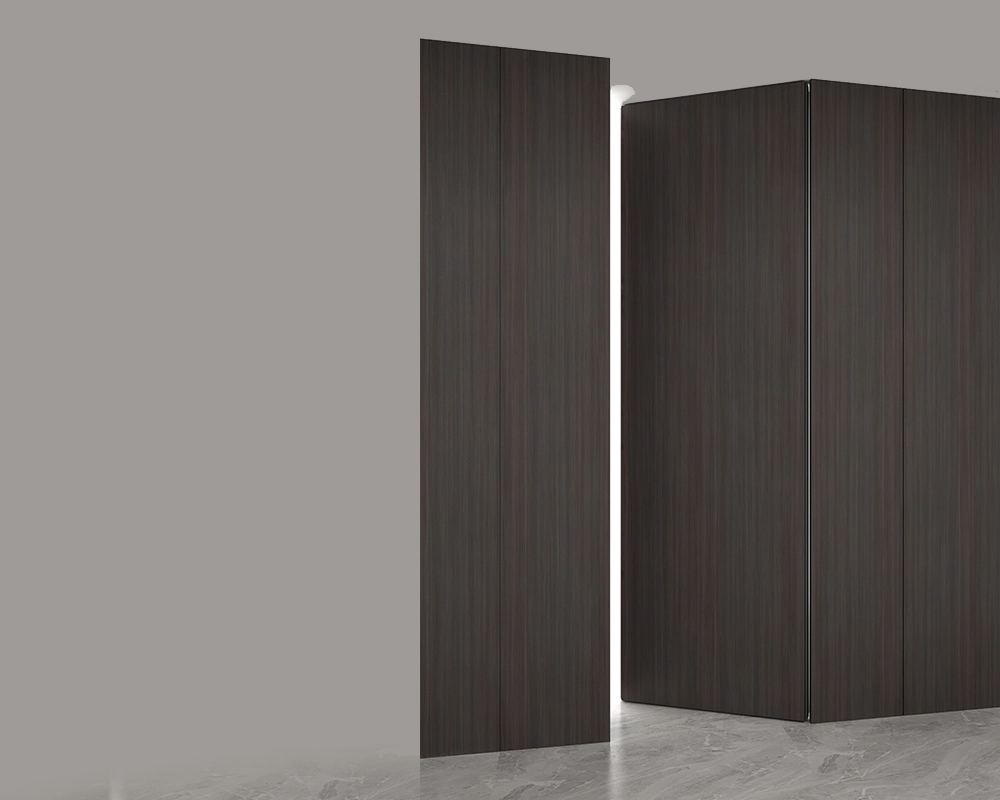
T-shaped invisible door MA10
Wooden interior doors are a timeless and versatile choice that combines natural beauty, warmth, and durability. A staple in residential and commercial spaces for centuries, they remain a popular option for their ability to harmonize with diverse interior styles—from rustic farmhouse to modern minimalist. Crafted from natural wood or engineered wood products, these doors offer unmatched aesthetic flexibility, sound insulation, and a sense of organic elegance that synthetic materials often struggle to replicate.
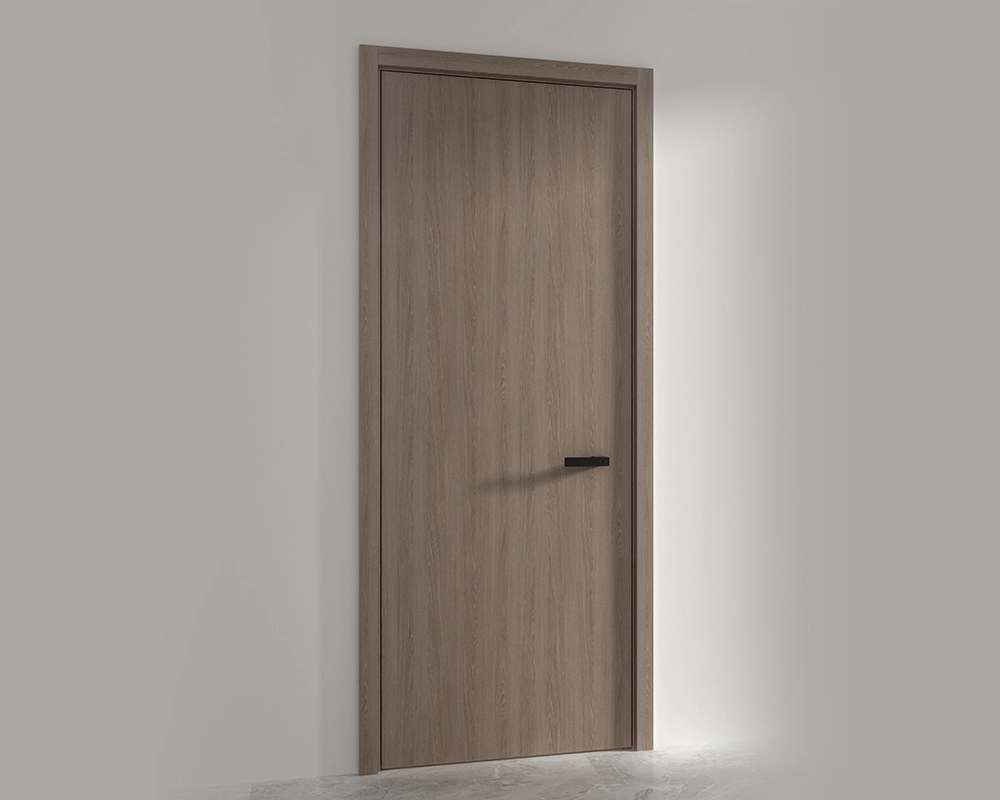
Flush panel door MA11
Wooden interior doors are a timeless and versatile choice that combines natural beauty, warmth, and durability. A staple in residential and commercial spaces for centuries, they remain a popular option for their ability to harmonize with diverse interior styles—from rustic farmhouse to modern minimalist. Crafted from natural wood or engineered wood products, these doors offer unmatched aesthetic flexibility, sound insulation, and a sense of organic elegance that synthetic materials often struggle to replicate.
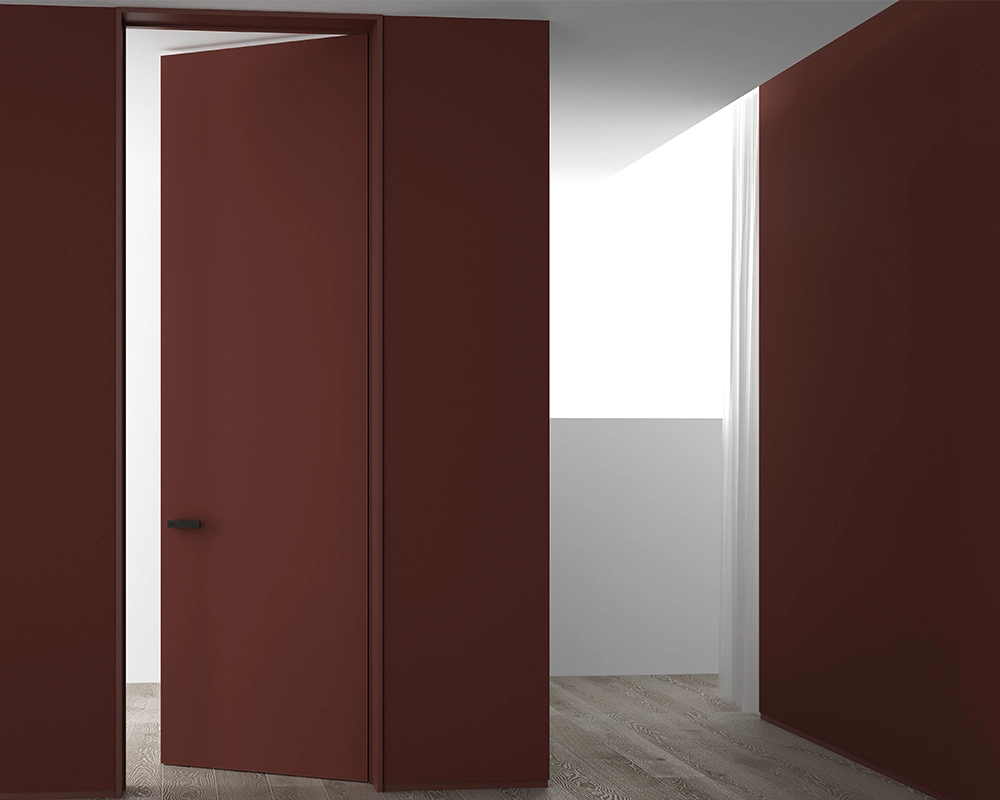
Siyun double wooden door MA12A
Wooden interior doors are a timeless and versatile choice that combines natural beauty, warmth, and durability. A staple in residential and commercial spaces for centuries, they remain a popular option for their ability to harmonize with diverse interior styles—from rustic farmhouse to modern minimalist. Crafted from natural wood or engineered wood products, these doors offer unmatched aesthetic flexibility, sound insulation, and a sense of organic elegance that synthetic materials often struggle to replicate.
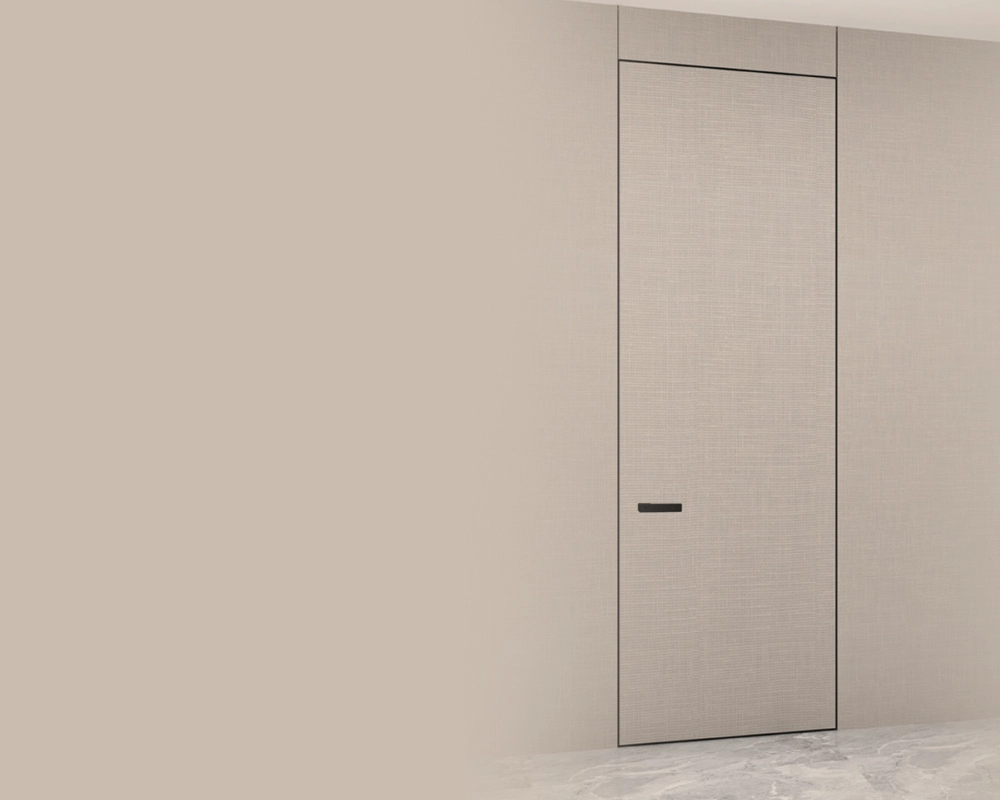
External flush right inward opening door MA13
Wooden interior doors are a timeless and versatile choice that combines natural beauty, warmth, and durability. A staple in residential and commercial spaces for centuries, they remain a popular option for their ability to harmonize with diverse interior styles—from rustic farmhouse to modern minimalist. Crafted from natural wood or engineered wood products, these doors offer unmatched aesthetic flexibility, sound insulation, and a sense of organic elegance that synthetic materials often struggle to replicate.

 Scan QR Code
FoshanMuranoCabinet
foshanmuranocabinet
Whatsapp: +8618814138020
Scan QR Code