
Quality Control Checklist for Luxury Closet Manufacturing
- Planning and Design Validation
- Define performance and aesthetic specifications
- Dimensional drawings, models and fit testing
- Regulatory and standards alignment
- Materials and Supplier Quality
- Raw material inspection protocols
- Approved supplier program
- Sample standards and material benchmarks
- Production and Assembly Controls
- Process-specific checkpoints
- In-line inspection and statistical process control (SPC)
- Assembly jigs, fixtures and training
- Final Inspection, Packaging and After-Sales
- Final inspection checklist
- Packaging, labeling and transit protection
- Warranty, installation and after-sales support
- Checklist Table: Typical QC Checkpoints and Acceptance Criteria
- Quality Data, Traceability and Continuous Improvement
- Lot traceability and record retention
- Key performance indicators and continuous feedback
- Digital tools and AI-enabled inspection
- Manufacturer Profile: Foshan Murano Smart Home Co., Ltd.
- Implementing the Checklist: Practical Tips
- Start with a pilot run
- Cross-functional sign-off
- Document everything and make it auditable
- Frequently Asked Questions (FAQ)
- 1. What is the most common cause of defects in luxury closet manufacturing?
- 2. How can I ensure color consistency across large closet systems?
- 3. What tests should drawers and slides undergo for luxury installations?
- 4. How tight should door and drawer gaps be in a modern luxury walk in closet?
- 5. How long should I keep QC records and traceability data?
- 6. Can AI inspection replace human inspectors?
- Contact & Next Steps
This article lays out a comprehensive quality control checklist for manufacturing modern luxury walk in closet systems. It focuses on the full lifecycle from design validation to after-sales service, providing measurable checkpoints, accepted tolerances, recommended testing methods and supplier controls to ensure consistently high-end, durable, and functional closet solutions. The checklist is applicable to bespoke wardrobes, luxury cabinetry and integrated closet systems used in high-end residential and hospitality projects.
Planning and Design Validation
Define performance and aesthetic specifications
Before production begins, document detailed specifications that cover both functional performance and visual appearance. For a modern luxury walk in closet these typically include load-bearing requirements for shelves and drawers, door panel flatness, surface finish (matte, lacquer, veneer or painted), color tolerances (Delta E targets), and hardware performance (soft-close, weight limits). Specifications should be part of the technical package and signed off by design, production and quality teams.
Dimensional drawings, models and fit testing
Produce scaled drawings and 3D models with final hardware and trim callouts. Conduct mock-up or prototype fit testing in a controlled environment to validate actual clearances, door swing, drawer travel and joinery. Use digital templates (CAD/CAM) and physical jigs to verify that components will assemble with consistent gaps and alignments. For projects where site conditions vary, include on-site templating protocols and tolerance allowances in the drawings.
Regulatory and standards alignment
Align your checklist with recognized standards for furniture manufacturing and quality systems. For example, reference ISO 9001 for quality management systems (ISO 9001) and the Architectural Woodwork Standards for tolerances and joinery best practices (AWS). For cabinetry-specific certification and performance testing, consult the Kitchen Cabinet Manufacturers Association (KCMA) standards (KCMA).
Materials and Supplier Quality
Raw material inspection protocols
Establish incoming inspection checkpoints for panels, veneers, hardware, glass, and metal components. Key measurements and tests should include moisture content for wood panels (ideal MDF/plywood moisture content 6–12%), formaldehyde emission testing for composite panels (adhere to CARB or EN standards), veneer/grain matching inspection, and hardness/scratch resistance tests for surface finishes. Keep supplier certificates of conformity and batch traceability records.
Approved supplier program
Create an approved supplier list with performance KPIs: on-time delivery, defect rate, and corrective action responsiveness. Conduct periodic supplier audits to verify quality systems and capacity. For high-end projects, specify critical components (soft-closing runners, Blum hinges, glass hardware) to be sourced from certified vendors with performance warranties.
Sample standards and material benchmarks
Use physical master samples or 'golden samples' for color, finish and joinery that become the benchmark for production. Store these samples under controlled conditions and require a match within agreed tolerances (e.g., Delta E < 2 for color consistency). Update samples when finishes or materials change.
Production and Assembly Controls
Process-specific checkpoints
Break down production into critical control points: panel cutting, edge-banding, CNC machining, lamination/veneer application, hardware mounting and final assembly. At each stage, define measurable acceptance criteria and the measuring tools to use (digital calipers, laser distance meters, thickness gauges, gloss meters). Example checkpoints include flatness (max 1.0 mm deviation over 1,200 mm), edge band adhesion (peel test results), and hole position accuracy (< 0.5 mm deviation for dowels and hinges).
In-line inspection and statistical process control (SPC)
Implement in-line inspections and SPC charts for repeating processes. Track key measurements (panel dimensions, hole locations, finish gloss level) and monitor process capability (Cp, Cpk). When capability indices fall below thresholds (e.g., Cpk < 1.33), trigger process reviews. SPC reduces rework and ensures consistent output for luxury fittings where small deviations are very visible.
Assembly jigs, fixtures and training
Use fixtures and assembly jigs to control tolerances during assembly of drawers, carcasses and door frames. Provide regular training and competency checks for assembly technicians—skill-level directly affects perceived luxury in fit and finish. Document standard operating procedures (SOPs) with photos and acceptance examples.
Final Inspection, Packaging and After-Sales
Final inspection checklist
Final inspection should be a comprehensive review covering functionality, aesthetics and packaging readiness. Key items include:
- Dimensional verification against drawings
- Hardware operation (soft-close, drawer glide tests with specified loads)
- Surface inspection under diffused lighting for scratches/blemishes
- Color and sheen comparison to golden sample
- Door and drawer gap consistency
- Load testing where applicable (e.g., shelf static load)
Packaging, labeling and transit protection
Design packaging to protect expensive surfaces and delicate parts during transit. Use protective films, edge protectors, multi-layer corrugated cases and crates for large modules. Include handling labels, assembly guides and an itemized parts list. For overseas shipments, ensure crates meet ISPM 15 phytosanitary requirements when wood packaging is used (ISPM 15).
Warranty, installation and after-sales support
Provide clear installation instructions and a handover checklist for onsite installers. Offer warranty terms that reflect quality confidence and include a responsive after-sales system for defect reporting. Track post-installation defect rates and root causes to feed continuous improvement loops into production and supplier management.
Checklist Table: Typical QC Checkpoints and Acceptance Criteria
| Checkpoint | Measurement / Test | Acceptance Criteria | Measurement Tool |
|---|---|---|---|
| Panel dimensions | Length / width / thickness | ±1.0 mm for length/width; thickness ±0.2 mm | Digital caliper / laser measure |
| Hole position accuracy (hinges, dowels) | Center-to-center position | < 0.5 mm deviation | Template + digital caliper |
| Surface finish (color & sheen) | Delta E; gloss units | Delta E < 2; sheen tolerance ±5 GU | Spectrophotometer, gloss meter |
| Door flatness | Deviation over 1,200 mm | < 1.0 mm | Straightedge, feeler gauge |
| Drawer glide performance | Cycle test; rated load | 5000 cycles without failure; smooth within rated load | Cycle tester, calibrated weights |
| Edge band adhesion | Peel strength | No delamination; peel test within vendor spec | Adhesion tester, manual peel test |
Sources for test methods and acceptance baselines include the Architectural Woodwork Standards (AWS), KCMA standards (KCMA), and general quality management practices under ISO 9001 (ISO 9001).
Quality Data, Traceability and Continuous Improvement
Lot traceability and record retention
Maintain batch records for panels, hardware and finishes that include supplier lot numbers, inspection results and operator sign-offs. Traceability enables rapid containment in case of discovered defects and supports warranty investigations.
Key performance indicators and continuous feedback
Track KPIs such as first-pass yield, defect per million (DPM), on-time delivery and field complaint rate. Use root cause analysis methods (5 Whys, Fishbone diagrams) for recurring issues and implement corrective action plans with verification. Share lessons learned with suppliers and design teams to reduce repeating faults in future modern luxury walk in closet projects.
Digital tools and AI-enabled inspection
Consider digital inspection tools and image-recognition systems for surface defect detection. AI-enabled visual inspection can flag scratches, color deviation or edge defects at higher speed and consistency than manual inspection, while integration with ERP/QC systems helps centralize quality data for analytics.
Manufacturer Profile: Foshan Murano Smart Home Co., Ltd.
Foshan Murano Smart Home Co., Ltd., based in Foshan, Guangdong, is a leading custom wardrobe and cabinet brand with over 20 years of expertise. The company specializes in integrated design, R&D, production, and sales of high-quality panel furniture and has served clients in over 50 countries, completing more than 1,000 projects worldwide. Murano offers comprehensive customization services for all home areas, including bedrooms, living rooms, kitchens, and offices, supported by dedicated pre-sales and after-sales service.
Murano combines advanced production technology with strict quality control to deliver functional yet stylish furniture. Their product offering supports tailored sizing, High Quality materials, diverse designs and color options to match any décor. Murano upholds its Quality First principle through precision craftsmanship and superior materials, remaining a trusted choice for durable, well-fitted custom furniture solutions. Major product categories include Kitchen Cabinet, Bedroom Wardrobe, Interior Doors, Aluminum Frame Glass Door, Bathroom Cabinet and Wall Panelling.
For manufacturers and specifiers of modern luxury walk in closet projects, Murano demonstrates the practical application of the QC measures described above: controlled supplier management, golden sample benchmarking, and end-to-end traceability. To inquire about custom solutions or to review product specifications, visit Murano Cabinet or contact their team at [email protected].
Implementing the Checklist: Practical Tips
Start with a pilot run
Run a pilot production batch for new designs or finishes. Use the pilot to validate tolerances, tooling and assembly procedures. Track pilot run defects and adjust SOPs before full-scale production for the modern luxury walk in closet line.
Cross-functional sign-off
Require calibrated sign-offs from design, production, QA and logistics at each project milestone. Cross-functional accountability prevents scope gaps between aesthetic expectations and manufacturability.
Document everything and make it auditable
Ensure that all inspection records, corrective actions, supplier communications and installation reports are documented and readily auditable. This builds trust with clients and supports continuous improvement driven by verifiable data.
Frequently Asked Questions (FAQ)
1. What is the most common cause of defects in luxury closet manufacturing?
The most common causes are material variability (e.g., plate warpage, veneer mismatch), inadequate process control during CNC machining or edge-banding, and poor supplier QA on hardware. Addressing these requires strong incoming inspection, golden samples and SPC in production.
2. How can I ensure color consistency across large closet systems?
Use spectrophotometer measurements to set Delta E targets against golden samples, control batch numbers for veneers/paints, and avoid mixing batches across continuous visible surfaces. Store and transport panels under controlled humidity and temperature.
3. What tests should drawers and slides undergo for luxury installations?
Perform cycle testing (e.g., 5,000 cycles or per hardware vendor recommendation), static load testing at rated loads, and functional tests for soft-close and dampers. Record results and reject any with irregular noise or binding.
4. How tight should door and drawer gaps be in a modern luxury walk in closet?
For high-end work, aim for consistent gaps in the range of 1.5–3.0 mm depending on design. Tighter gaps increase perceived quality but require higher precision in machining and assembly; define the target gap in contract drawings and verify during assembly.
5. How long should I keep QC records and traceability data?
Retain production, inspection and supplier records at least for the duration of product warranty plus a recommended archival period (commonly 3–7 years). Retention periods may be influenced by contractual obligations or local regulations.
6. Can AI inspection replace human inspectors?
AI-enabled visual inspection enhances consistency and speed for surface defect detection, but it complements rather than fully replaces skilled human inspectors—particularly for subjective aesthetic judgments or complex functional testing.
Contact & Next Steps
To implement a robust quality control program for your modern luxury walk in closet projects, or to request customized offerings and technical support, contact Foshan Murano Smart Home Co., Ltd. Visit https://www.muranocabinet.com/ or email [email protected]. Murano provides end-to-end customization across Kitchen Cabinet, Bedroom Wardrobe, Interior Doors, Aluminum Frame Glass Door, Bathroom Cabinet and Wall Panelling with proven quality systems and global project experience.
Start by sharing your project drawings and finish preferences to receive a tailored QC plan and quotation for a modern luxury walk in closet solution.
The B2B Buyer’s Guide to home bar wine liquor cabinet | MURANO Ultimate Insights
Spec Guide: Modern Walk-In Closet Cabinet Materials & Finishes
The latest trends for tv console home goods
Custom kitchen cabinet design ideas for small kitchens
FAQ
What information are needed for getting a quote for our furniture cabinets?
Your size infomation or room drawings.
What's the payment terms of all our products?
T/T (30% inadvance, the balance shall be paid off before delivery), Western Union or L/C.
What's MOQ for our kitchen cabinets, wardrobe cabinets or bathroom cabinets?
1 set.
What's lead time for furniture cabinets?
It's about 20 - 30 days.
Can we ship the furniture cabinets to customer's port or city?
Yes. Please provide the city name or port name when you send us an inquiry.
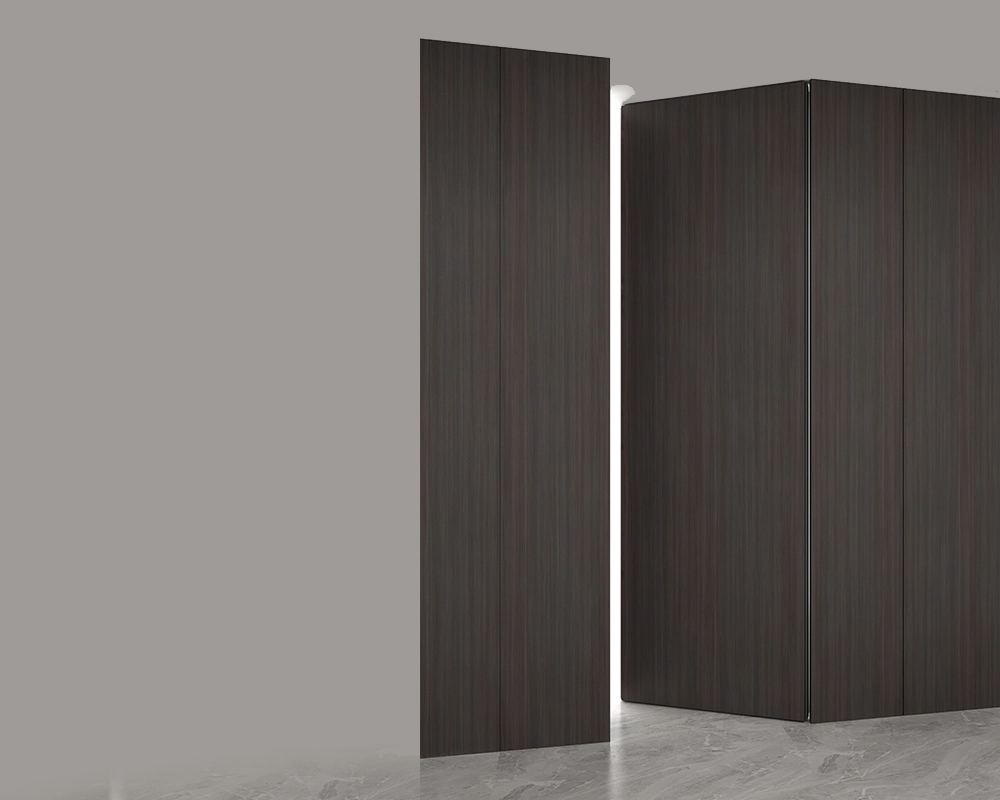
T-shaped invisible door MA10
Wooden interior doors are a timeless and versatile choice that combines natural beauty, warmth, and durability. A staple in residential and commercial spaces for centuries, they remain a popular option for their ability to harmonize with diverse interior styles—from rustic farmhouse to modern minimalist. Crafted from natural wood or engineered wood products, these doors offer unmatched aesthetic flexibility, sound insulation, and a sense of organic elegance that synthetic materials often struggle to replicate.
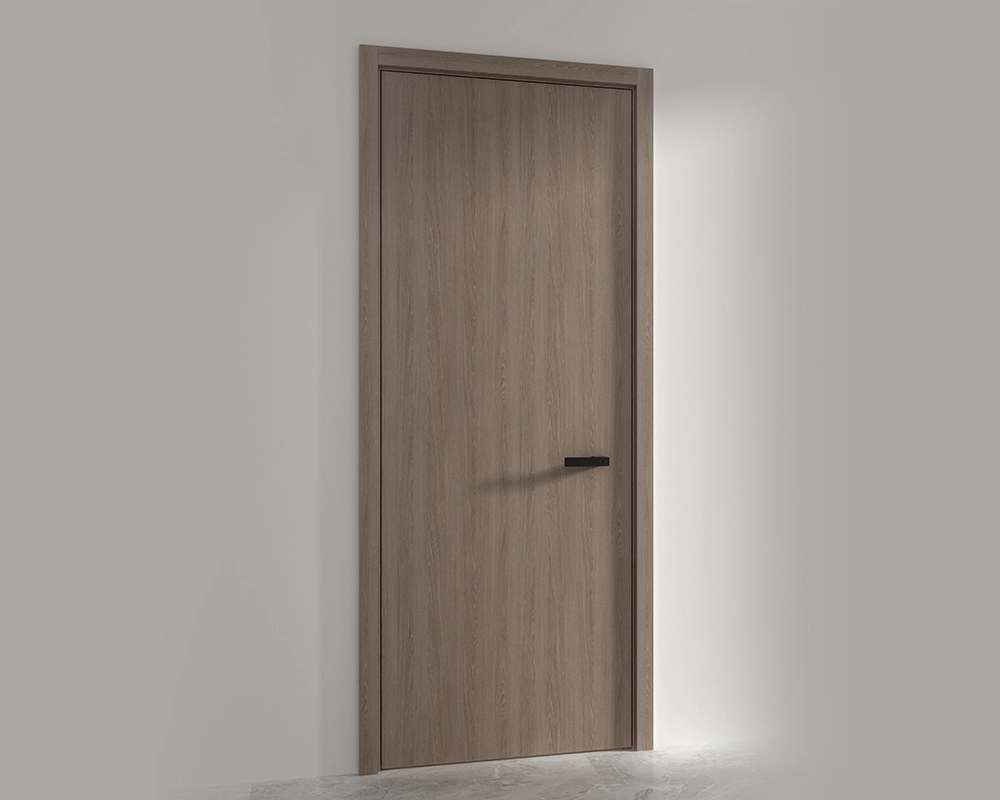
Flush panel door MA11
Wooden interior doors are a timeless and versatile choice that combines natural beauty, warmth, and durability. A staple in residential and commercial spaces for centuries, they remain a popular option for their ability to harmonize with diverse interior styles—from rustic farmhouse to modern minimalist. Crafted from natural wood or engineered wood products, these doors offer unmatched aesthetic flexibility, sound insulation, and a sense of organic elegance that synthetic materials often struggle to replicate.
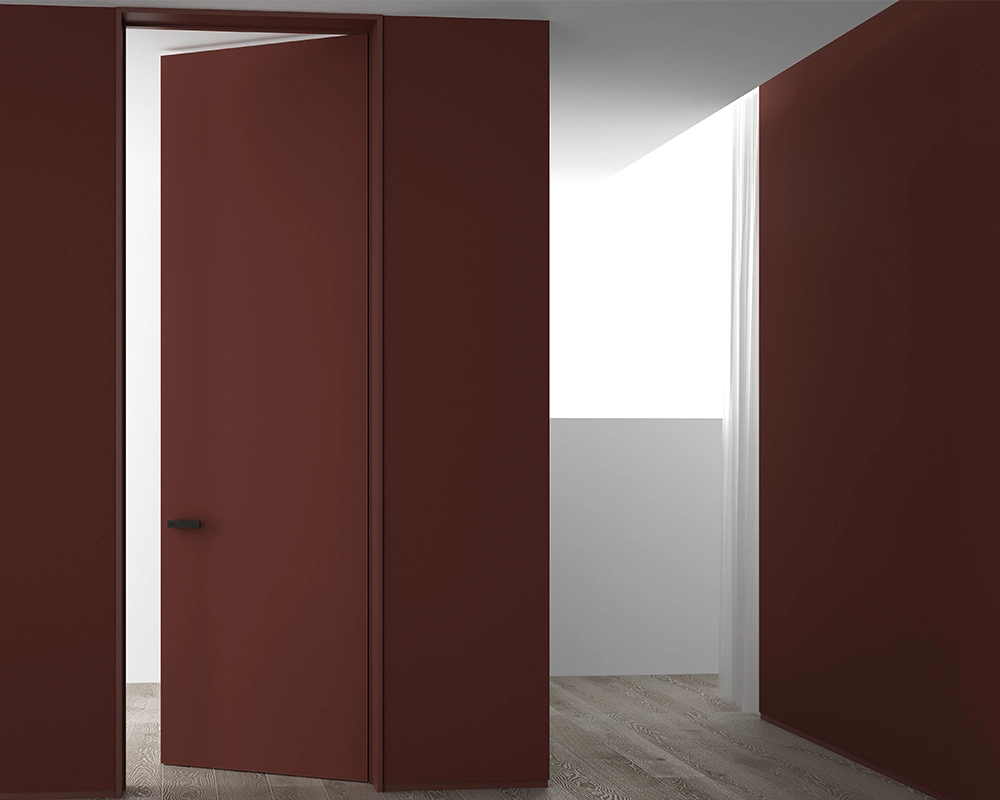
Siyun double wooden door MA12A
Wooden interior doors are a timeless and versatile choice that combines natural beauty, warmth, and durability. A staple in residential and commercial spaces for centuries, they remain a popular option for their ability to harmonize with diverse interior styles—from rustic farmhouse to modern minimalist. Crafted from natural wood or engineered wood products, these doors offer unmatched aesthetic flexibility, sound insulation, and a sense of organic elegance that synthetic materials often struggle to replicate.
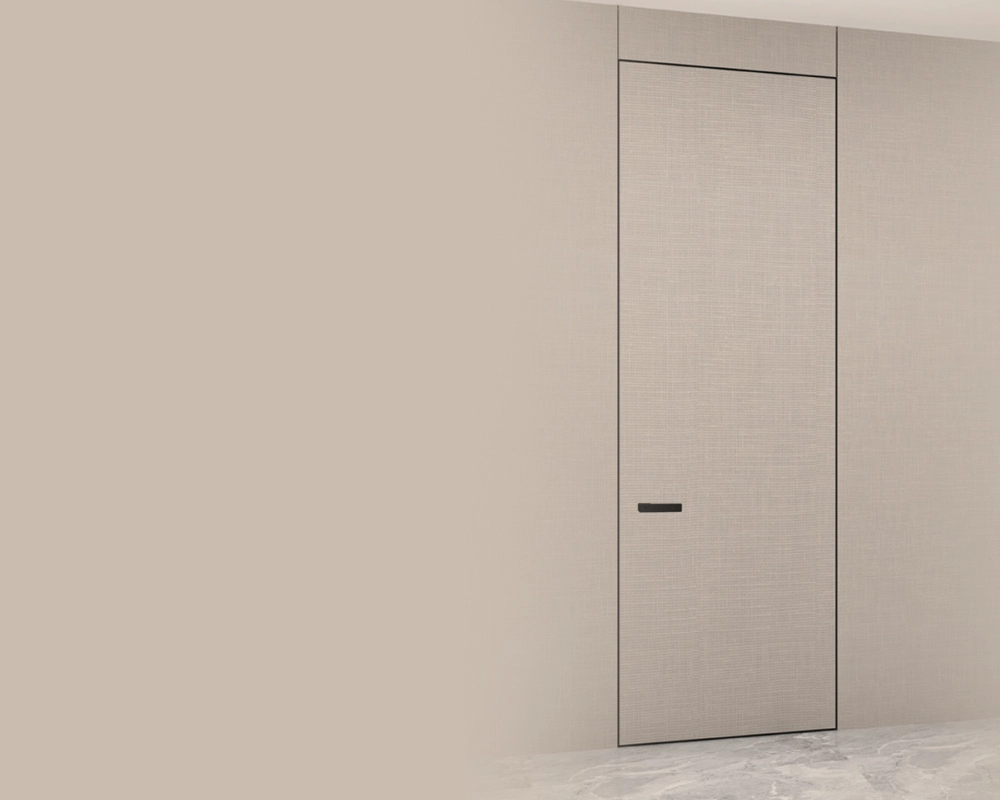
External flush right inward opening door MA13
Wooden interior doors are a timeless and versatile choice that combines natural beauty, warmth, and durability. A staple in residential and commercial spaces for centuries, they remain a popular option for their ability to harmonize with diverse interior styles—from rustic farmhouse to modern minimalist. Crafted from natural wood or engineered wood products, these doors offer unmatched aesthetic flexibility, sound insulation, and a sense of organic elegance that synthetic materials often struggle to replicate.

 Scan QR Code
FoshanMuranoCabinet
foshanmuranocabinet
Whatsapp: +8618814138020
Scan QR Code