
Designing Closets for Small Bedrooms in Urban Developments
- Maximizing Storage in Compact Urban Bedrooms
- Understand the user needs and circulation
- Plan by zones, not by furniture
- Embed : modular systems & custom wardrobes
- Architectural Strategies and Door Choices
- Doors that save space: sliding, pocket, and accordion
- Mirrors, finishes, and perceived volume
- Integrating doors into building design
- Smart Interiors: Layouts, Dimensions and Accessories
- Practical dimension ranges for small bedrooms
- Accessories that multiply capacity
- Lighting, ventilation and materials
- Space-Saving Solutions and Multi-Functional Designs
- Built-ins, lofting, and furniture combos
- Cost vs. value: modular vs. custom cabinetry
- Case study comparison
- Specification Checklist and Implementation Workflow
- Measurement and verification
- Material, finish and hardware selection
- Installation and aftercare
- Foshan Murano Smart Home — Custom Solutions for Urban Bedrooms
- Company profile and capability summary
- MURANO advantages and main products
- How Murano supports small-bedroom projects
- Frequently Asked Questions (FAQ)
- 1. What is the minimum depth for a functional wardrobe in a small bedroom?
- 2. Are sliding doors better than hinged doors for small bedrooms?
- 3. How can I increase storage without making the room feel cramped?
- 4. Is custom cabinetry worth the extra cost in urban apartments?
- 5. What should developers specify to ensure consistent quality across many units?
- Contact & Next Steps
- References
Maximizing Storage in Compact Urban Bedrooms
Understand the user needs and circulation
Before specifying any unit, measure the room and observe circulation paths. In small urban bedrooms every inch counts: prioritize daily-use items (work clothes, frequently worn shoes) near entry or door-facing storage, and seasonal or infrequently used items higher up or in deeper compartments. Mapping user routines (what is used every day vs. monthly) reduces wasted space and avoids over-specification.
Plan by zones, not by furniture
Create functional zones in the footprint: hanging, folded storage, accessories/footwear, and overflow. Even a 1.2–1.8 m (4–6 ft) run of cabinetry can contain vertically stacked solutions (double hanging + drawers) that outperform a single deep closet. Designing in zones helps you specify rod heights, shelf depths, and drawer sizes that match clothing types and user ergonomics.
Embed : modular systems & custom wardrobes
For developers and homeowners evaluating product choices, compare modular systems (faster, lower upfront cost) with fully custom bedroom closets and wardrobes (optimized fit, higher material/finish flexibility). In urban developments where units vary, offering a customizable core wardrobe package with add-on modules increases buyer appeal and long-term value.
Architectural Strategies and Door Choices
Doors that save space: sliding, pocket, and accordion
Door type directly affects usable bedroom area. Sliding and pocket doors eliminate swing radius, making them ideal for narrow bedrooms or where clearance is under 0.9 m (3 ft). Bi-fold or accordion doors are useful where pocket installation isn’t possible but some projection can be tolerated.
Mirrors, finishes, and perceived volume
Full-height mirrored doors increase perceived depth and add utility. Use light-reflective finishes on the wardrobe exterior to visually expand the room. For multi-unit developments, offering three finish tiers (standard laminate, upgraded lacquer, High Quality veneer) provides upsell options while maintaining cohesive building aesthetics.
Integrating doors into building design
Coordinate wardrobe door swing and adjacent architectural elements (windows, radiators, HVAC returns) early in the layout stage to avoid costly retrofits. In tight urban units, allow for at least 760–900 mm (30–36 in) clear in front of a wardrobe if hinged doors are specified; otherwise choose sliding solutions.
Smart Interiors: Layouts, Dimensions and Accessories
Practical dimension ranges for small bedrooms
Standard interior sizing helps determine what fits in a small bedroom:
| Closet Type | Typical Depth | Common Width (min) | Best for |
|---|---|---|---|
| Reach-in closet | 22–24 in (55–61 cm) | 36 in (90 cm) | Short hanging, folded items |
| Sliding-door wardrobe (built-in or fitted) | 22–24 in (55–61 cm) | 48 in (120 cm)+ | Maximizes floor area, mirrored doors |
| Freestanding wardrobe / armoire | 20–24 in (50–60 cm) | 30 in (75 cm) | Rented units, temporary solutions |
| Floor-to-ceiling built-in | 18–24 in (45–61 cm) | Varies (custom) | Maximum storage, vertical organization |
Notes: depth ranges reflect standard hanger width and shelf usability. Designers should confirm exact hardware/hinge clearances with manufacturers during specification.
Accessories that multiply capacity
Pull-out shoe trays, vertical tie/belt racks, adjustable shelving, and pull-down wardrobe rails make shallow units more usable. Consider these in the initial design to avoid retrofitted compromises that reduce neatness and function.
Lighting, ventilation and materials
Integrated LED strips and motion sensors improve visibility without requiring large fixtures. For urban bedrooms prone to humidity, choose materials and finishes that resist warping (Moisture-resistant laminates, properly sealed edges). Ensure there is passive airflow or ventilation to avoid odors in tightly sealed wardrobes.
Space-Saving Solutions and Multi-Functional Designs
Built-ins, lofting, and furniture combos
When floor area is limited, rethinking the room envelope is effective: floor-to-ceiling built-ins incorporate wardrobe, shelving, and a small desk; loft beds create usable wardrobe/storage below. For rental-friendly units, consider modular pieces that lock into place but can be removed without damaging walls.
Cost vs. value: modular vs. custom cabinetry
Modular systems typically reduce lead times and initial costs; custom cabinetry (tailored sizing, integrated solutions) increases usable storage and long-term durability. For developers, offering an upgrade path (base modular package + custom upgrade) balances upfront affordability with High Quality options for buyers seeking personalized bedroom closets and wardrobes.
Case study comparison
| Solution | Typical Lead Time | Fit for Small Units | Durability |
|---|---|---|---|
| Off-the-shelf wardrobe | Immediate | Good (but less optimized) | Medium |
| Modular fitted system | 2–6 weeks | Very good (configurable) | Good |
| Custom built-in cabinetry | 4–12 weeks | Best (tailored to space) | High (quality materials & QC) |
Developers should account for lead times during finish selection and handover schedules.
Specification Checklist and Implementation Workflow
Measurement and verification
Always perform an on-site measured survey before ordering. Record wall plumb, ceiling height, baseboard/trim thickness, and existing HVAC elements. For multi-unit developments, provide a “site variance” allowance in the budget for small differences that may require field adjustments.
Material, finish and hardware selection
Specify durable finishes for high-touch areas and consistent color palettes across units to maintain building identity. Hardware (soft-close hinges, full-extension drawer slides) improves perceived quality. For sustainability-conscious projects, request formal certifications (PEFC/FSC for wood panels, low-VOC lacquers).
Installation and aftercare
Professional installation ensures alignment, door gaps, and integrated lighting function. Provide simple aftercare guidance to tenants/homeowners: recommended cleaners, hinge adjustment instructions, and contact details for warranty repairs. A dedicated pre-sales and after-sales team reduces call-backs and improves resident satisfaction.
Foshan Murano Smart Home — Custom Solutions for Urban Bedrooms
Company profile and capability summary
Foshan Murano Smart Home Co., Ltd., based in Foshan, Guangdong, is a leading custom wardrobe and cabinet brand with over 20 years of expertise. Murano specializes in integrated design, R&D, production, and sales of high-quality panel furniture, serving clients in over 50 countries and completing more than 1,000 projects worldwide. Murano provides end-to-end customization for bedrooms, living rooms, kitchens, and offices, backed by a dedicated pre-sales and after-sales service team.
MURANO advantages and main products
MURANO differentiates itself through:
- Precision craftsmanship and strict quality control (Quality First principle) to ensure durable, well-fitted custom furniture;
- Advanced production technology enabling consistent finishes and tight tolerances for floor-to-ceiling wardrobes in compact spaces;
- Comprehensive customization options: tailored sizing, High Quality materials, diverse designs and colors to match any décor;
- Global project experience (over 1,000 projects) that supports scalable solutions for multi-unit urban developments.
Main product categories: Kitchen Cabinet, Bedroom Wardrobe, Interior Doors, Aluminum Frame Glass Door, Bathroom Cabinet, Wall Panelling.
How Murano supports small-bedroom projects
Murano’s integrated service model—from design to installation—reduces coordination overhead for developers. Their custom bedroom closets and wardrobes are engineered to maximize storage in small footprints, with options for sliding mirrored doors, integrated lighting, and moisture-resistant panels. For developers, Murano can supply standardized wardrobes across a building with client-specific upgrade paths, maintaining economies of scale while offering customization where it matters.
Frequently Asked Questions (FAQ)
1. What is the minimum depth for a functional wardrobe in a small bedroom?
For hanging clothes, a depth of 22–24 inches (55–61 cm) is the commonly accepted minimum to accommodate hangers and allow clothes to hang without being crushed.
2. Are sliding doors better than hinged doors for small bedrooms?
Yes—sliding or pocket doors save the swing clearance required by hinged doors and free up floor area, making them preferable in narrow layouts. However, sliding doors limit full-width access compared with hinged doors.
3. How can I increase storage without making the room feel cramped?
Use vertical storage (floor-to-ceiling units), mirrored door fronts, light finishes, and internal organization (drawers, pull-outs) to increase capacity while preserving a light, open feel.
4. Is custom cabinetry worth the extra cost in urban apartments?
Custom cabinetry is often worth the investment when floor plans are non-standard or when optimizing every inch of space will improve marketability and long-term value. For multi-unit developments, offering a custom upgrade package can increase buyer satisfaction and reduce post-occupancy modifications.
5. What should developers specify to ensure consistent quality across many units?
Specify a standard core wardrobe package (materials, hardware grade, finish options) and allow limited, documented upgrade tiers. Require supplier quality certifications, pre-approved finish samples, and a warranty and after-sales support commitment.
Contact & Next Steps
If you’re planning an urban residential project or need tailored solutions for bedroom closets and wardrobes, contact Foshan Murano Smart Home for design consultation, sample finishes, and a site-measurement program. Murano’s team can provide CAD layouts, 3D visualizations, and a staged manufacturing/installation schedule to align with your project timeline.
Request a quote or design consultation: contact your Murano representative or visit Murano’s official website for product catalogs and case studies.
References
- UN World Urbanization Prospects — World Urbanization Prospects 2022. United Nations, Department of Economic and Social Affairs. https://population.un.org/wup/ (accessed Jan 2026)
- National Kitchen & Bath Association (NKBA) — Planning & Ergonomic Guidelines (typical clearances and storage recommendations). https://nkba.org/ (accessed Jan 2026)
- Wikipedia — Wardrobe (furniture). https://en.wikipedia.org/wiki/Wardrobe (accessed Jan 2026)
- Wikipedia — Closet. https://en.wikipedia.org/wiki/Closet (accessed Jan 2026)
- IKEA — PAX wardrobe system specifications (examples of depths and modular planning). https://www.ikea.com/ (accessed Jan 2026)
For further reading and manufacturer technical sheets, request Murano’s product technical pack or a site-specific design proposal.
Custom kitchen cabinet design ideas for small kitchens
Spec Guide: Modern Walk-In Closet Cabinet Materials & Finishes
Cost-Saving Tips for Premium Walk-In Closet Projects
Custom home decorators bookcase Manufacturers and Suppliers
FAQ
What's MOQ for our kitchen cabinets, wardrobe cabinets or bathroom cabinets?
1 set.
Can we produce products according to customer's room size?
Yes. All our cabinets are custom size.
What's the payment terms of all our products?
T/T (30% inadvance, the balance shall be paid off before delivery), Western Union or L/C.
What information are needed for getting a quote for our furniture cabinets?
Your size infomation or room drawings.
Can we ship the furniture cabinets to customer's port or city?
Yes. Please provide the city name or port name when you send us an inquiry.
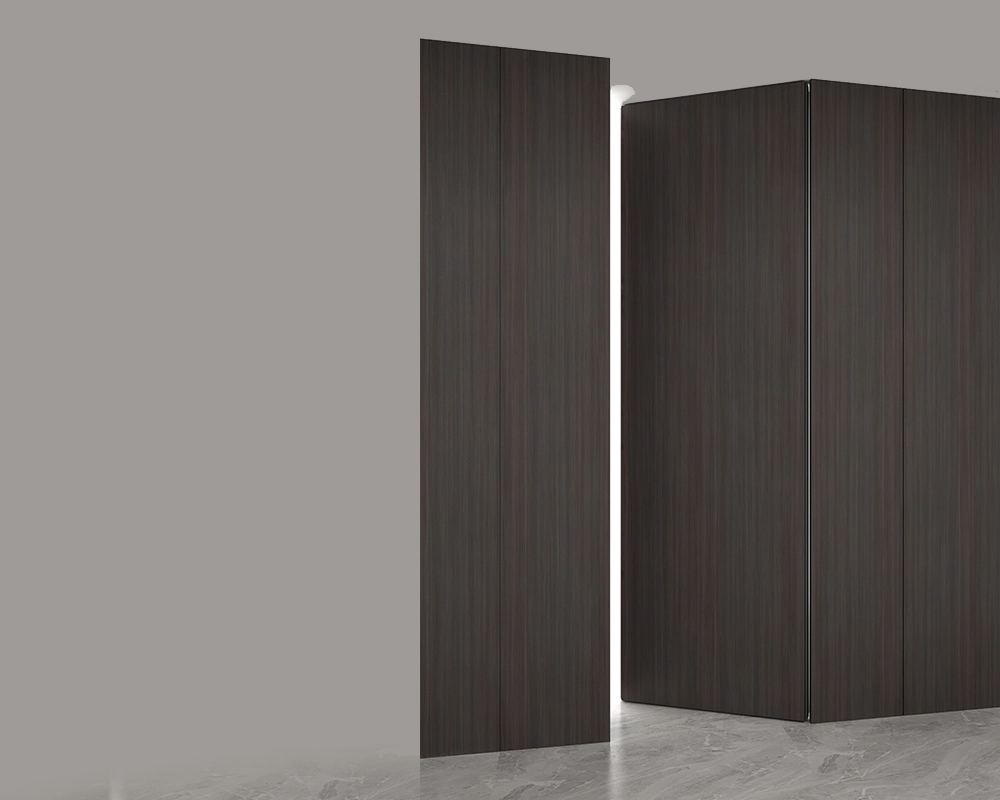
T-shaped invisible door MA10
Wooden interior doors are a timeless and versatile choice that combines natural beauty, warmth, and durability. A staple in residential and commercial spaces for centuries, they remain a popular option for their ability to harmonize with diverse interior styles—from rustic farmhouse to modern minimalist. Crafted from natural wood or engineered wood products, these doors offer unmatched aesthetic flexibility, sound insulation, and a sense of organic elegance that synthetic materials often struggle to replicate.
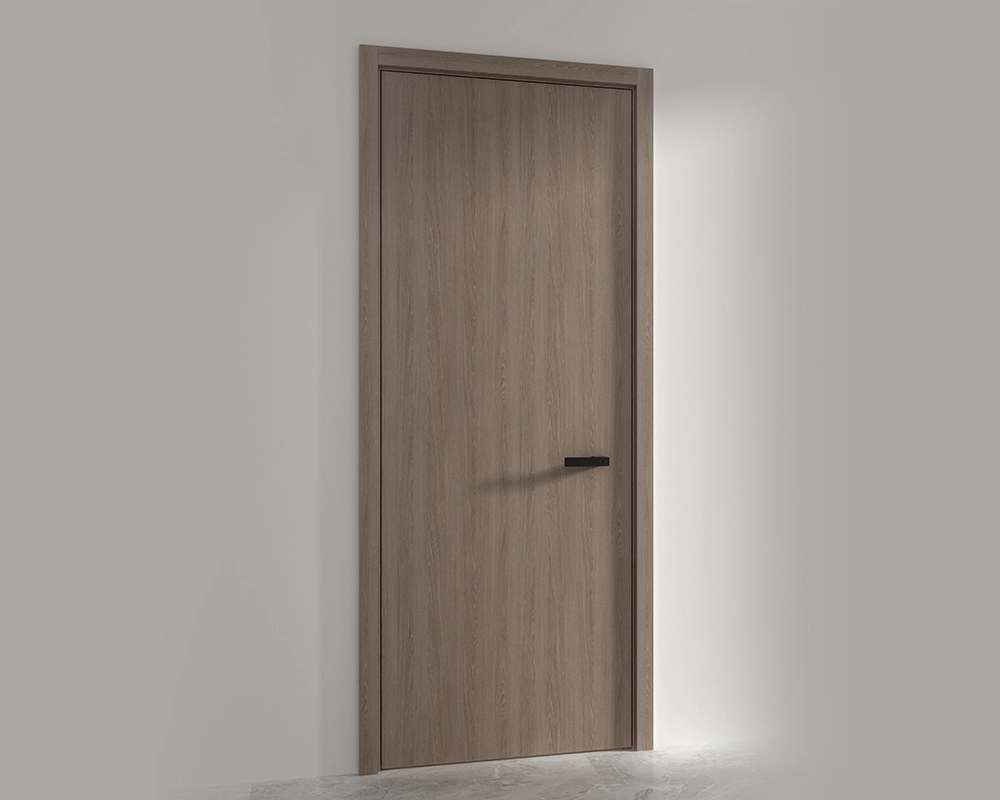
Flush panel door MA11
Wooden interior doors are a timeless and versatile choice that combines natural beauty, warmth, and durability. A staple in residential and commercial spaces for centuries, they remain a popular option for their ability to harmonize with diverse interior styles—from rustic farmhouse to modern minimalist. Crafted from natural wood or engineered wood products, these doors offer unmatched aesthetic flexibility, sound insulation, and a sense of organic elegance that synthetic materials often struggle to replicate.
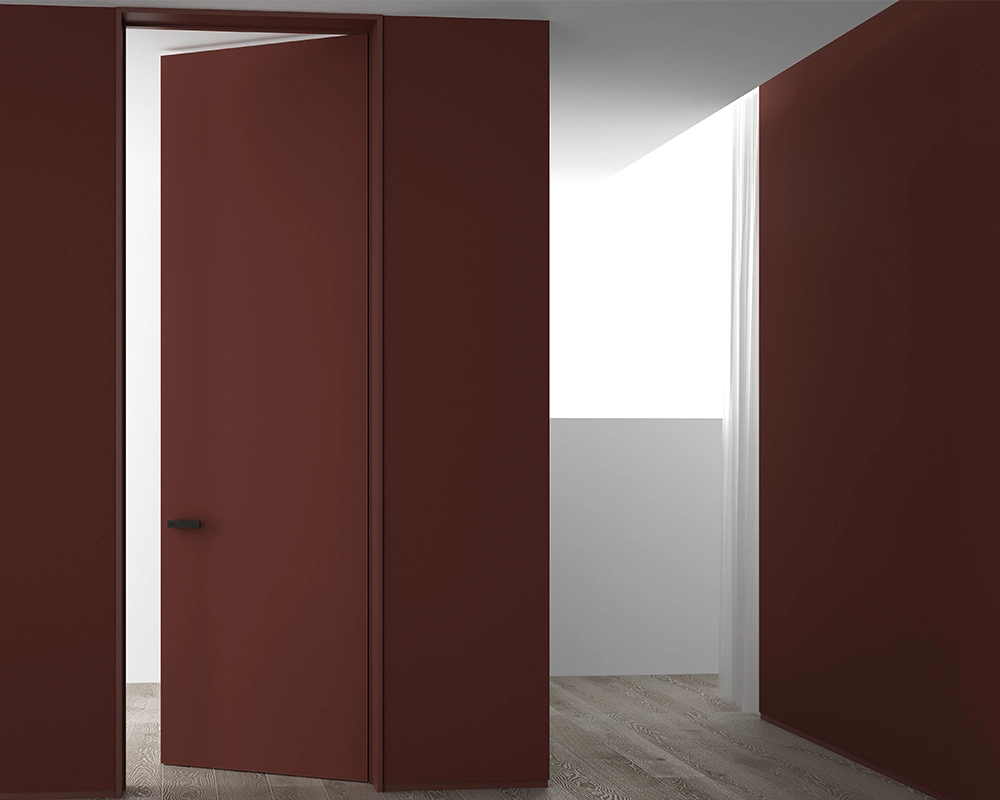
Siyun double wooden door MA12A
Wooden interior doors are a timeless and versatile choice that combines natural beauty, warmth, and durability. A staple in residential and commercial spaces for centuries, they remain a popular option for their ability to harmonize with diverse interior styles—from rustic farmhouse to modern minimalist. Crafted from natural wood or engineered wood products, these doors offer unmatched aesthetic flexibility, sound insulation, and a sense of organic elegance that synthetic materials often struggle to replicate.
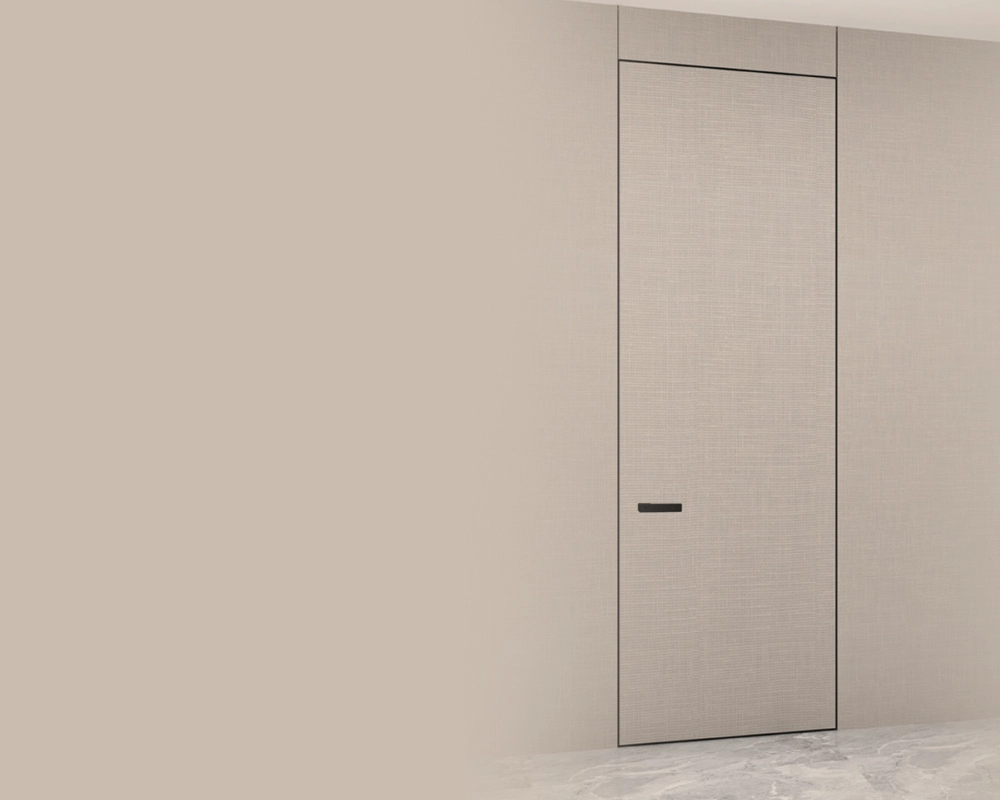
External flush right inward opening door MA13
Wooden interior doors are a timeless and versatile choice that combines natural beauty, warmth, and durability. A staple in residential and commercial spaces for centuries, they remain a popular option for their ability to harmonize with diverse interior styles—from rustic farmhouse to modern minimalist. Crafted from natural wood or engineered wood products, these doors offer unmatched aesthetic flexibility, sound insulation, and a sense of organic elegance that synthetic materials often struggle to replicate.

 Scan QR Code
FoshanMuranoCabinet
foshanmuranocabinet
Whatsapp: +8618814138020
Scan QR Code