
Eco-friendly Materials for Custom Bedroom Wardrobes
- Why prioritize sustainable materials in bedroom furniture?
- Choosing materials for a Custom Bedroom Wardrobe: key considerations
- Common eco-friendly materials for a Custom Bedroom Wardrobe
- How formaldehyde and VOCs affect Custom Bedroom Wardrobes
- Design and construction practices that improve sustainability of a Custom Bedroom Wardrobe
- Cost vs. value: investing in eco-friendly Custom Bedroom Wardrobes
- Practical finishing and hardware choices for safer wardrobes
- Case study: How Foshan Murano applies sustainable principles to Custom Bedroom Wardrobes
- Material comparison—quick guidance for specifying a Custom Bedroom Wardrobe
- Maintenance and end-of-life considerations for sustainability
- Certifications and labels to request when buying a Custom Bedroom Wardrobe
- FAQ — Common questions about eco-friendly Custom Bedroom Wardrobes
- 1. What is the safest material for a bedroom wardrobe?
- 2. Is MDF always bad for indoor air quality?
- 3. How can I tell if a wardrobe panel meets low-VOC standards?
- 4. Are bamboo wardrobes truly more sustainable than wood?
- 5. Can a custom wardrobe be both affordable and eco-friendly?
- 6. How does Murano ensure its wardrobes meet quality and sustainability expectations?
- Next steps — specifying your eco-friendly Custom Bedroom Wardrobe
- References and authoritative resources
Why prioritize sustainable materials in bedroom furniture?
Designing a bedroom is not only about aesthetics and storage: the materials you select for a Custom Bedroom Wardrobe directly affect indoor air quality, long-term durability, and environmental impact. Today’s homeowners want wardrobes that are safe (low VOCs and formaldehyde), long-lasting, and responsibly sourced. This article provides practical guidance on material choice, certification, and manufacturing considerations so you can specify or buy a Custom Bedroom Wardrobe that’s both beautiful and sustainable.
Choosing materials for a Custom Bedroom Wardrobe: key considerations
When selecting materials for a Custom Bedroom Wardrobe, evaluate five core factors:
- Indoor air quality (VOCs, formaldehyde): prioritize low-emission products and finishes.
- Source and renewability: prefer certified or reclaimed wood, bamboo, or recycled content.
- Durability and performance: a wardrobe should resist wear, humidity, and mechanical loads.
- Manufacturing and end-of-life: consider recyclability and the manufacturer’s waste practices.
- Certifications and traceability: look for FSC, GREENGUARD, CARB compliance, or equivalent marks.
- Design for durability: use strong joinery, proper backing, and load-rated shelving hardware.
- Design for disassembly: allow parts to be replaced or recycled at end-of-life.
- Optimize panel sizes to reduce offcuts and use nesting/CNC optimization in production.
- Use water-based or low-VOC finishes and adhesives.
- Prefer local manufacturing when possible to reduce transport emissions and increase traceability.
- Improved indoor air quality and occupant health.
- Longer lifespan and lower replacement frequency.
- Higher resale or property value due to quality and certification.
- Brand and warranty advantages from reputable manufacturers.
- Material selection: prioritizes certified panels and low-emission boards where clients request improved indoor air quality.
- Advanced production: uses precision CNC nesting to reduce material waste, and automated finishing lines supporting water-based coatings.
- Quality control: maintains strict inspection to ensure long-term durability, reducing lifetime replacement and associated environmental cost.
- Customization: offers tailored sizing, multiple material and finish options (including FSC or low-VOC choices) to fit both design and sustainability goals.
- Service: dedicated pre-sales and after-sales support helps customers select appropriate materials and ensures correct installation for longevity.
- If indoor air quality is top priority: choose CARB Phase 2 or GREENGUARD-certified plywood/MDF and water-based finishes.
- If renewability is key: consider FSC-certified solid wood or engineered bamboo for visible surfaces.
- If moisture resistance is required: use plywood or HDPE/recycled plastic panels for interiors.
- If budget is constrained: select low-formaldehyde MFC/MDF with certified low-emission adhesives and robust hardware to extend service life.
- If unique character is desired: reclaimed wood offers aesthetics and very low new resource use, but check previous treatments.
- Clean with mild, non-abrasive cleaners; avoid solvent-based polishes that degrade finishes.
- Adjust hardware periodically to prevent stress and failure.
- If replacing parts, source compatible panels or hardware rather than discarding entire units.
- Plan for disassembly: label fasteners and document materials to facilitate recycling at end-of-life.
- FSC or PEFC chain of custody for solid wood and plywood.
- CARB Phase 2 (California Air Resources Board) or equivalent formaldehyde emission compliance for composite wood products.
- GREENGUARD or UL ECOLOGO for low chemical emissions, especially for painted or laminated surfaces.
- ISO 14001 environmental management system for manufacturing facilities.
- Documented recycled content claims (for recycled plastics) with verification.
- Define priorities: indoor air quality, renewability, budget, or aesthetics.
- Request material samples and certification documents (FSC, CARB, GREENGUARD).
- Confirm manufacturing practices: CNC nesting, finish systems, warranty.
- Choose durable hardware and plan for installation and maintenance.
- Contact a reputable manufacturer (for example, Foshan Murano Smart Home Co., Ltd.) to discuss tailored options and timelines.
- U.S. Environmental Protection Agency (EPA) — Formaldehyde: https://www.epa.gov/formaldehyde (accessed 2025-12-20)
- California Air Resources Board (CARB) — Formaldehyde Emission Standards for Composite Wood Products: https://ww2.arb.ca.gov/our-work/programs/formaldehyde-emissions (accessed 2025-12-20)
- Forest Stewardship Council (FSC) — About FSC: https://fsc.org (accessed 2025-12-20)
- UL GREENGUARD — GREENGUARD Certification information: https://www.ul.com/resources/ul-greenguard-certification (accessed 2025-12-20)
- United Nations Environment Programme (UNEP) — Life Cycle and product footprint information: https://www.unep.org (accessed 2025-12-20)
- International Network for Bamboo and Rattan (INBAR) — Bamboo resources: https://www.inbar.int (accessed 2025-12-20)
- World Health Organization (WHO) — Household air pollution and health: https://www.who.int/news-room/fact-sheets/detail/household-air-pollution-and-health (accessed 2025-12-20)
These factors influence design choices, budget and the expected lifespan of the Custom Bedroom Wardrobe.
Common eco-friendly materials for a Custom Bedroom Wardrobe
Below is a concise comparison of commonly used materials, with attention to environmental pros, indoor air quality, durability and suitability for a Custom Bedroom Wardrobe.
| Material | Environmental/Source | Indoor Air Quality (VOCs/Formaldehyde) | Durability | Suitability for Custom Bedroom Wardrobe | Common Certifications |
|---|---|---|---|---|---|
| FSC-certified Solid Wood | Renewable if certified; lower processing energy | Low VOC if finished with water-based coatings | High; can be refinished | Excellent for visible panels, doors, interior shelves | FSC |
| Bamboo (engineered) | Fast-growing, renewable; low land-use | Low–moderate; depends on adhesives used | High when properly engineered | Good for panels, doors, decorative elements | FSC (where applicable), local sustainability marks |
| Plywood (formaldehyde-controlled) | Efficient use of timber; can be sourced from certified forests | Low if CARB Phase 2 or E0/E1 adhesives used | High structural stability | Excellent for carcasses and heavy-load shelving | CARB, FSC |
| MDF/MFC (low-formaldehyde) | Efficient manufacturing; may contain recycled fiber | Variable — choose CARB Phase 2/TSCA-compliant products | Moderate; good surface for laminates | Common for painted/custom profiles and melamine-faced cases | CARB, GREENGUARD (for low emissions) |
| Reclaimed or Salvaged Wood | Very low new resource use; high circularity | Low, but depends on prior treatments/finishes | High; characterful appearance | Great for feature panels and one-off wardrobes | Provenance documentation |
| Recycled HDPE/Plastic Panels | Uses post-consumer waste; reduces landfill | Low VOC if stabilized; check additives | High moisture resistance; impact resistant | Good for humid environments, closet interiors | Recycled content claims, local eco labels |
| Aluminum (frames/slides) | Highly recyclable; energy-intensive to produce but recyclable at end-of-life | Neutral for VOCs | Very high | Excellent for sliding door frames and structural supports | Recyclability documentation |
| Natural Finishes (water-based lacquers, oils) | Lower toxicity and lower lifecycle impacts vs solvent finishes | Low VOC when certified | Moderate–high depending on system | Recommended for interiors and visible surfaces | GREENGUARD, low-VOC labels |
Sources for emissions guidance include the U.S. EPA and California Air Resources Board (CARB), which set limits and guidance for composite wood emissions. Choosing CARB-compliant or GREENGUARD-certified products reduces indoor air risks (see references).
How formaldehyde and VOCs affect Custom Bedroom Wardrobes
Formaldehyde is commonly emitted from urea-formaldehyde (UF) adhesives used in some composite woods. Chronic exposure may affect indoor air quality. Standards such as CARB Phase 2 and GREENGUARD certification identify low-emission materials—critical for enclosed spaces like bedrooms where occupants spend many hours per day.
Design and construction practices that improve sustainability of a Custom Bedroom Wardrobe
Material choice is only part of sustainability. Construction and design choices can reduce waste, extend service life, and lower environmental impact:
These practices reduce long-term cost and environmental footprint while improving product resiliency.
Cost vs. value: investing in eco-friendly Custom Bedroom Wardrobes
Upfront costs for certified materials (like FSC wood or GREENGUARD-certified panels) can be higher than commodity materials. However, long-term value comes from:
When budgeting for a Custom Bedroom Wardrobe, weigh lifecycle cost over 10–20 years rather than initial purchase only.
Practical finishing and hardware choices for safer wardrobes
Choose water-based lacquers, UV-cured systems with documented low VOCs, or natural oils for visible surfaces. For internal hardware, select durable metal fittings and drawer systems rated for the expected loads. Prefer powder-coated or anodized aluminum for sliding door frames to avoid solvent-based coatings.
Case study: How Foshan Murano applies sustainable principles to Custom Bedroom Wardrobes
Foshan Murano Smart Home Co., Ltd., based in Foshan, Guangdong, is a leading custom wardrobe and cabinet brand with over 20 years of expertise. Murano integrates design, R&D, production and sales to deliver high-quality panel furniture globally. In practice, Murano applies the following eco-conscious principles to Custom Bedroom Wardrobes:
Murano’s product range relevant to sustainable bedroom solutions includes Kitchen Cabinet, Bedroom Wardrobe, Interior Doors, Aluminum Frame Glass Door, Bathroom Cabinet, and Wall Panelling. Their strengths are precision craftsmanship, advanced production technology, adherence to a Quality First principle, and experience delivering over 1,000 projects in more than 50 countries—making them a reliable choice for clients who need durable, well-fitted and customizable furniture with eco-conscious options.
Material comparison—quick guidance for specifying a Custom Bedroom Wardrobe
Use this simple decision guide when advising clients or choosing materials:
Maintenance and end-of-life considerations for sustainability
Proper maintenance extends the life of a Custom Bedroom Wardrobe:
Certifications and labels to request when buying a Custom Bedroom Wardrobe
Ask manufacturers for documented evidence of the following when sustainability and indoor air quality are priorities:
FAQ — Common questions about eco-friendly Custom Bedroom Wardrobes
1. What is the safest material for a bedroom wardrobe?
Materials with documented low emissions—such as FSC-certified solid wood finished with water-based lacquers, CARB-compliant plywood, or GREENGUARD-certified panels—are safest for indoor air quality.
2. Is MDF always bad for indoor air quality?
Not necessarily. MDF can be acceptable if it meets CARB Phase 2/TSCA Title VI limits or carries GREENGUARD certification. The finish and installation (sealing edges) also affect emissions.
3. How can I tell if a wardrobe panel meets low-VOC standards?
Request test or certification documents (GREENGUARD, CARB compliance) and ask for product SDS (Safety Data Sheets) and formaldehyde emission test reports.
4. Are bamboo wardrobes truly more sustainable than wood?
Bamboo is fast-growing and renewable, which can make it more sustainable in terms of renewability. However, sustainability depends on the adhesives and processing used—choose products with low-emission adhesives and verified sourcing.
5. Can a custom wardrobe be both affordable and eco-friendly?
Yes. Combining durable design, efficient use of engineered panels (CARB-compliant), water-based finishes, and quality hardware can produce a cost-effective, longer-lasting wardrobe with lower lifetime environmental impact.
6. How does Murano ensure its wardrobes meet quality and sustainability expectations?
Murano leverages over 20 years of R&D and production experience, precision manufacturing (reducing waste), and a Quality First principle. They provide material options and certifications upon request, plus pre-sales and after-sales support to ensure correct specification and installation.
Next steps — specifying your eco-friendly Custom Bedroom Wardrobe
If you are ready to specify or order a Custom Bedroom Wardrobe, follow these practical steps:
For personalized consultation or to view Murano’s product portfolio (Kitchen Cabinet, Bedroom Wardrobe, Interior Doors, Aluminum Frame Glass Door, Bathroom Cabinet, Wall Panelling), contact Foshan Murano Smart Home Co., Ltd. Their experience delivering over 1,000 projects across 50+ countries means they can help balance sustainability, design and budget while delivering a high-quality Custom Bedroom Wardrobe.
Contact / View Products: Reach out to Murano’s sales team to request certifications, samples and a tailored quote for your Custom Bedroom Wardrobe project.
References and authoritative resources
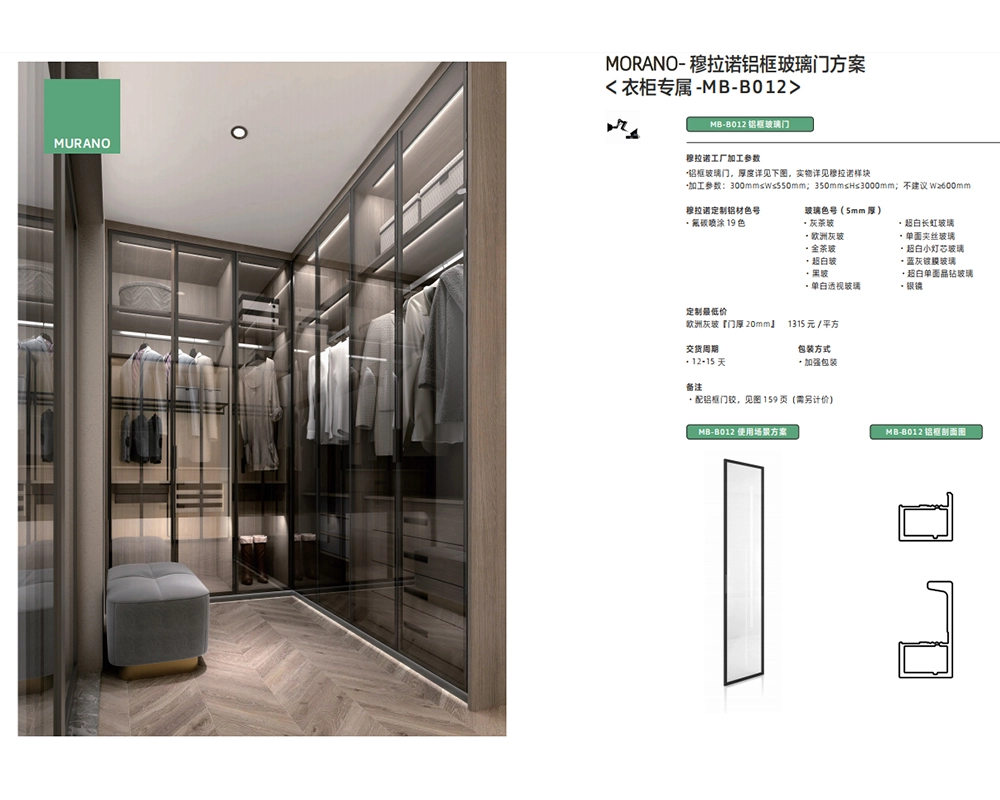
Maintenance and Cleaning Tips for Aluminum Glass Doors
Hardware & Accessories Spec Sheet for Luxury Closets
Top Bedroom Wardrobe Designs for Hotel and Resort Projects
Tips for buy home office bookcase ideas
FAQ
Can we produce products according to customer's room size?
Yes. All our cabinets are custom size.
What information are needed for getting a quote for our furniture cabinets?
Your size infomation or room drawings.
What's the payment terms of all our products?
T/T (30% inadvance, the balance shall be paid off before delivery), Western Union or L/C.
What's lead time for furniture cabinets?
It's about 20 - 30 days.
What's MOQ for our kitchen cabinets, wardrobe cabinets or bathroom cabinets?
1 set.
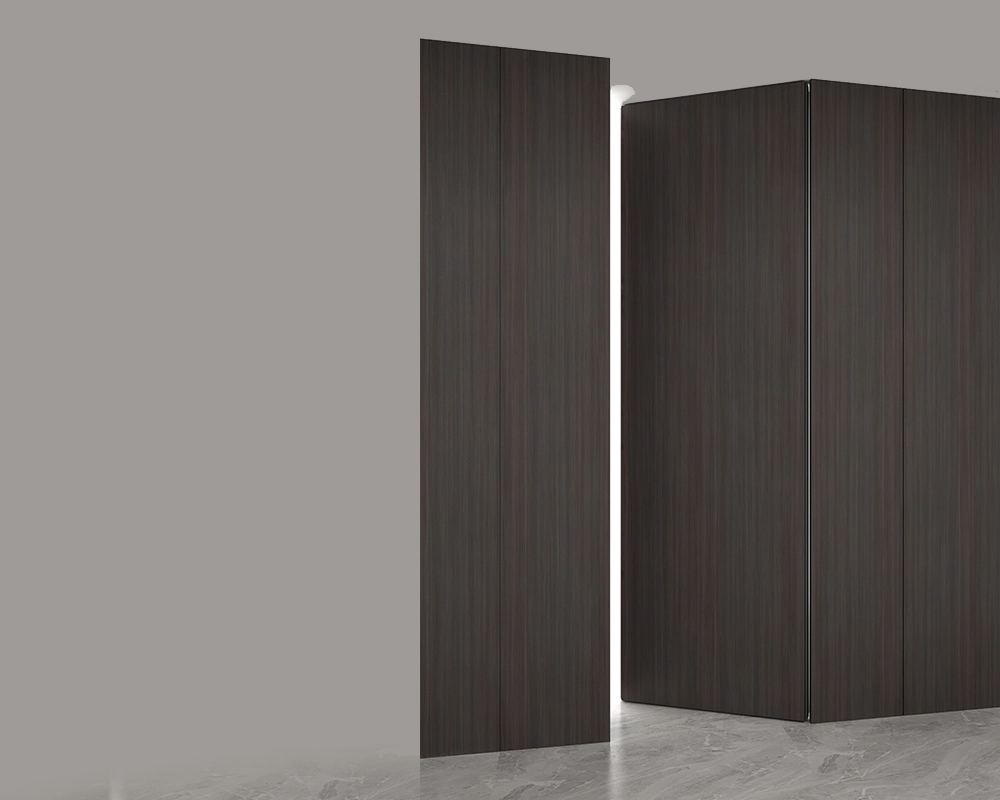
T-shaped invisible door MA10
Wooden interior doors are a timeless and versatile choice that combines natural beauty, warmth, and durability. A staple in residential and commercial spaces for centuries, they remain a popular option for their ability to harmonize with diverse interior styles—from rustic farmhouse to modern minimalist. Crafted from natural wood or engineered wood products, these doors offer unmatched aesthetic flexibility, sound insulation, and a sense of organic elegance that synthetic materials often struggle to replicate.
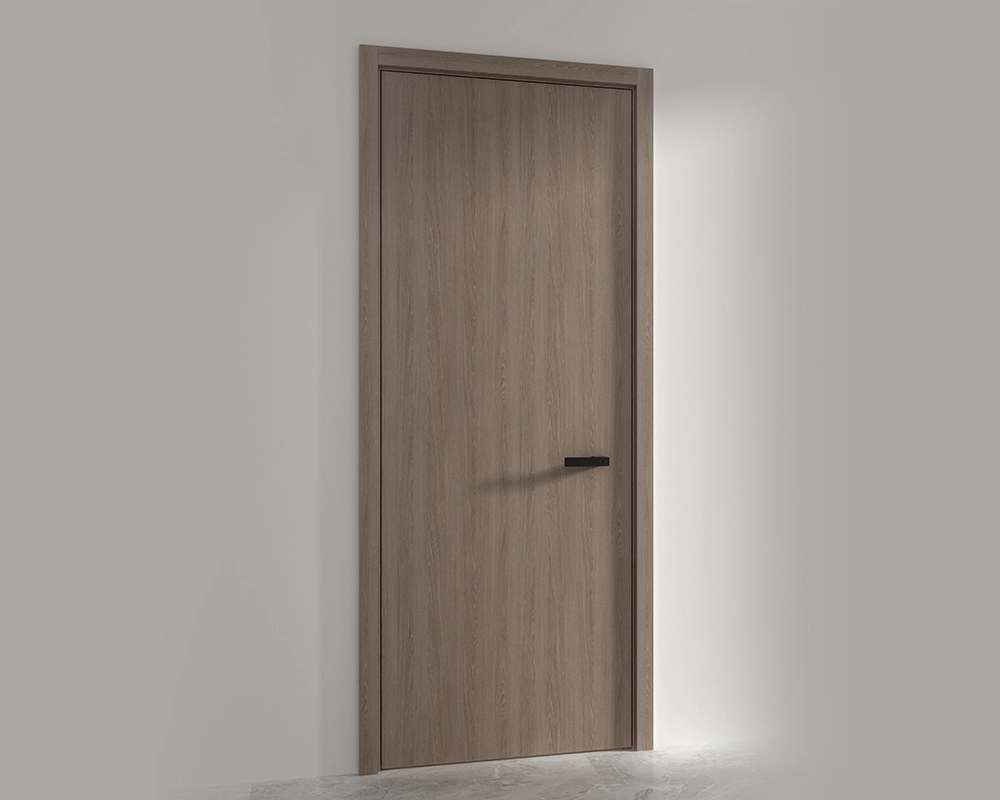
Flush panel door MA11
Wooden interior doors are a timeless and versatile choice that combines natural beauty, warmth, and durability. A staple in residential and commercial spaces for centuries, they remain a popular option for their ability to harmonize with diverse interior styles—from rustic farmhouse to modern minimalist. Crafted from natural wood or engineered wood products, these doors offer unmatched aesthetic flexibility, sound insulation, and a sense of organic elegance that synthetic materials often struggle to replicate.
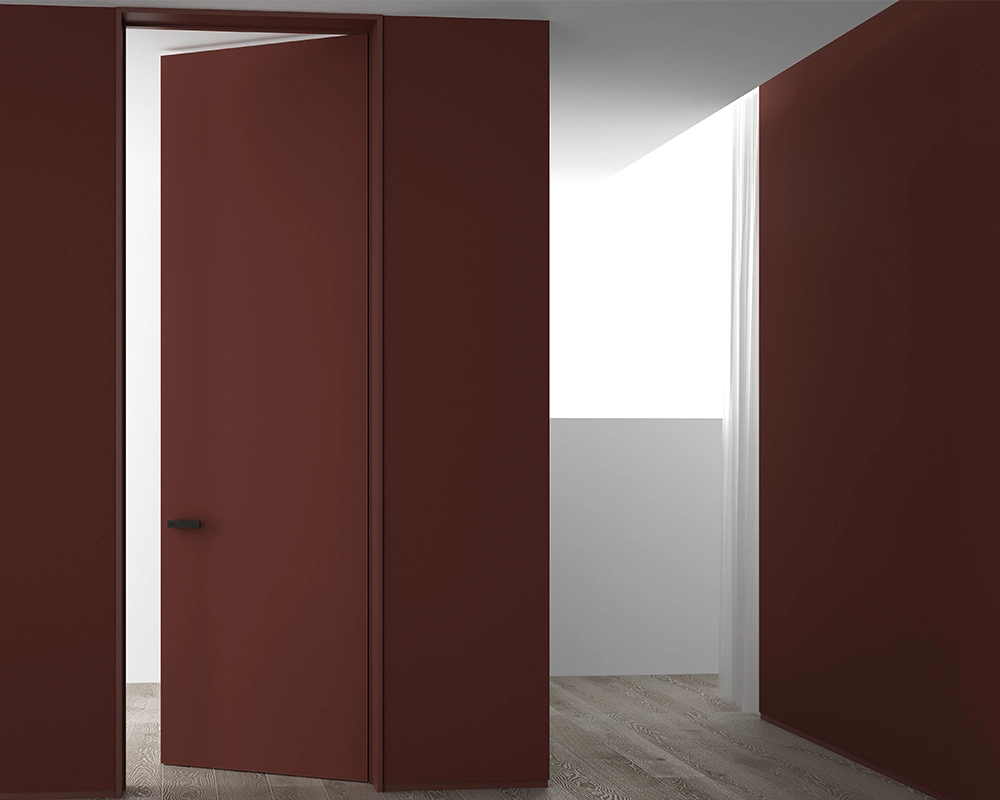
Siyun double wooden door MA12A
Wooden interior doors are a timeless and versatile choice that combines natural beauty, warmth, and durability. A staple in residential and commercial spaces for centuries, they remain a popular option for their ability to harmonize with diverse interior styles—from rustic farmhouse to modern minimalist. Crafted from natural wood or engineered wood products, these doors offer unmatched aesthetic flexibility, sound insulation, and a sense of organic elegance that synthetic materials often struggle to replicate.
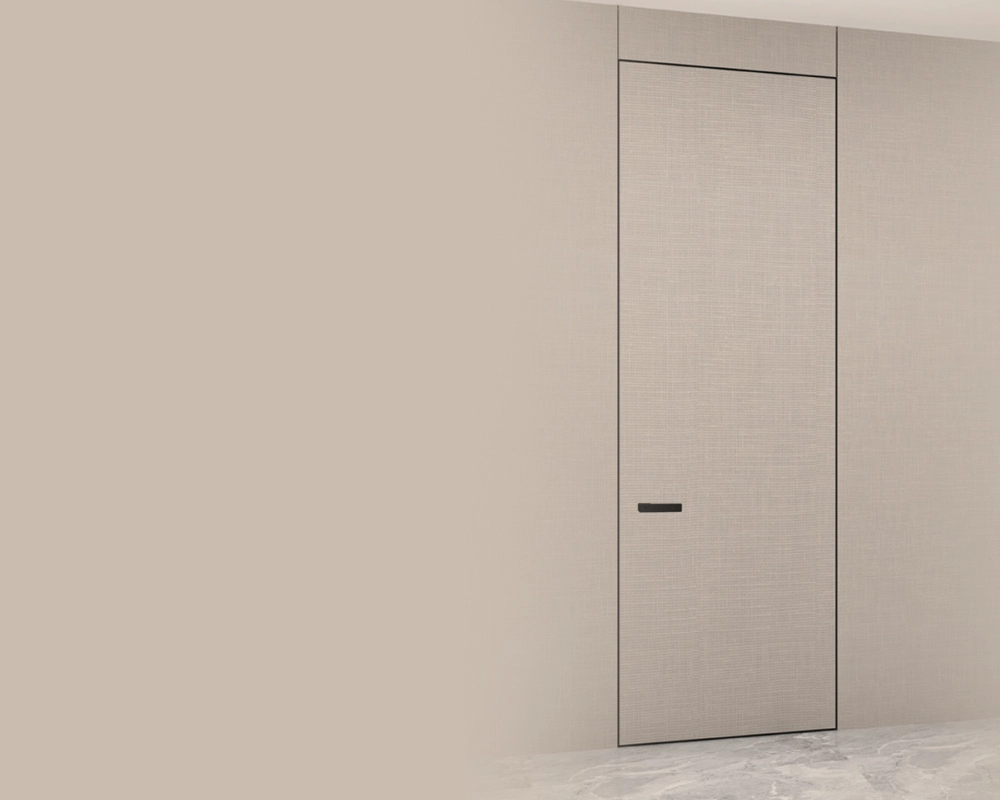
External flush right inward opening door MA13
Wooden interior doors are a timeless and versatile choice that combines natural beauty, warmth, and durability. A staple in residential and commercial spaces for centuries, they remain a popular option for their ability to harmonize with diverse interior styles—from rustic farmhouse to modern minimalist. Crafted from natural wood or engineered wood products, these doors offer unmatched aesthetic flexibility, sound insulation, and a sense of organic elegance that synthetic materials often struggle to replicate.

 Scan QR Code
FoshanMuranoCabinet
foshanmuranocabinet
Whatsapp: +8618814138020
Scan QR Code