
Top Bedroom Wardrobe Designs for Hotel and Resort Projects
- Essential Wardrobe Solutions for Hospitality Bedrooms
- Design principles for bedroom closets and wardrobes in hotels
- Space planning: standard dimensions and layout advice for bedroom closets and wardrobes
- Materials and finishes: choosing the best options for hotel wardrobes
- Design variants and their hotel use-cases
- Accessibility, safety and compliance for bedroom closets and wardrobes
- Operational considerations: maintenance, replacement cycles, and lifecycle cost
- Cost planning: budgeting ranges and procurement strategy
- Installation logistics and timelines
- Case example and supplier profile: Why choose Murano for hotel wardrobe projects
- Sustainability and environmental considerations for bedroom closets and wardrobes
- Final recommendations for procurement teams and designers specifying wardrobes for hotels
- Frequently Asked Questions (FAQ)
- 1. What is the ideal depth for hotel wardrobes?
- 2. Should hotels use built-in or modular wardrobes?
- 3. What materials are best for humid resort locations?
- 4. How can wardrobe design improve housekeeping efficiency?
- 5. What is the expected lifecycle of a hotel wardrobe?
- 6. How do I ensure colour and finish consistency across a large project?
- Contact and product inquiry
- References
Essential Wardrobe Solutions for Hospitality Bedrooms
The quality, layout, and durability of bedroom closets and wardrobes directly affect guest experience, operational efficiency, and long-term hotel asset value. This guide explains proven wardrobe design strategies for hotels and resorts, with actionable specifications, material comparisons, cost and maintenance considerations, and procurement tips for developers and interior designers responsible for hospitality projects.
Design principles for bedroom closets and wardrobes in hotels
Hotel and resort wardrobes must balance aesthetics, robustness, flexibility, and ease of use. Prioritize these principles:
- Durability: Heavy-use hardware, reinforced carcasses, and scratch-resistant finishes extend life cycle and reduce replacement frequency.
- Modularity: Modular components simplify replacements and allow room-type variations (standard, suite, ADA rooms).
- Functionality: Clear zones for hanging, shelving, luggage, and safe storage improve guest satisfaction.
- Maintenance-friendly: Accessible joints, common spare parts, and finishes that hide wear lower OPEX.
- Brand fit and aesthetics: Consistent materials and colors align with hotel brand and local context.
Embedding the commercial keyword naturally: When specifying bedroom closets and wardrobes for hospitality, combine standardized internal dimensions with customized exterior finishes to meet both housekeeping workflows and guest expectations.
Space planning: standard dimensions and layout advice for bedroom closets and wardrobes
Efficient space planning ensures wardrobes provide maximum utility without overwhelming the guest room. The following guideline dimensions reflect common industry practice and ergonomic standards.
| Element | Typical Dimension (metric) | Typical Dimension (imperial) | Notes |
|---|---|---|---|
| Wardrobe depth (hanging) | 600 mm | 24 in | Minimum for hangers; 650 mm preferred for coats and suit bags. |
| Shelf depth | 350–400 mm | 14–16 in | Optimal for folded items and luggage top shelf. |
| Full-height hanging | 1100–1300 mm | 43–51 in | Long garments; adjust per room type. |
| Half-height hanging | 900–1000 mm | 35–39 in | Shirts and trousers doubled on two rails. |
| Luggage shelf (top) | 350–500 mm height clearance | 14–20 in | Meets typical carry-on and checked luggage heights. |
Source guidance: IKEA PAX planning dimensions and common cabinetry practice for hospitality projects often use 600 mm depth for hanging space (see References).
Materials and finishes: choosing the best options for hotel wardrobes
Material selection directly affects longevity, maintenance, cost, and look. Below is a practical comparison of commonly used materials for bedroom closets and wardrobes in hotels.
| Material | Durability | Maintenance | Typical cost | Best use |
|---|---|---|---|---|
| High-pressure laminate (HPL) on MDF | High | Easy – stain and scratch resistant | Medium | High-traffic standard rooms |
| Painted solid wood/MDF | Medium–High | Moderate – touch-ups required | High | High Quality suites |
| Veneer over plywood/MDF | Medium | Moderate – susceptible to moisture] | High | Luxury finishes where wood grain is desired |
| Powder-coated aluminum frames with glass/laminate panels | High | Easy – durable and hygienic | Medium–High | Contemporary resorts, humidity-prone locations |
| Melamine-faced chipboard | Medium | Easy – cost-effective | Low | Budget properties |
Recommendation: For most hotel applications, HPL on MDF or powder-coated aluminum frames with laminate panels provide the best lifecycle cost balance—combining impact resistance, ease of cleaning, and design versatility.
Design variants and their hotel use-cases
Choose wardrobe typologies according to room size, market positioning, and housekeeping needs. Common variants include:
- Built-in recessed wardrobes: Maximize floor area in compact rooms, but require longer lead time and onsite finishing.
- Free-standing modular wardrobes: Faster to install and replaceable; good for phased rollouts.
- Open wardrobe systems: A modern aesthetic with faster housekeeping, but less privacy and potentially higher visual clutter.
- Luggage benches with integrated storage: Increase guest convenience and reduce use of shelving inside wardrobes.
Table: Design variant suitability by hotel type
| Variant | Budget Hotel | Upscale Hotel | Resort |
|---|---|---|---|
| Recessed built-in | Fair | Good | Good |
| Modular freestanding | Excellent | Excellent | Excellent |
| Open wardrobe | Poor | Good (boutique) | Good (eco/essence resorts) |
| Integrated luggage bench | Good | Excellent | Excellent |
Accessibility, safety and compliance for bedroom closets and wardrobes
Hotels must provide accessible wardrobes in ADA/ESSENTIAL rooms. Guidelines include lowered hanging rails (approx. 900 mm from floor), pull-out shelves, and lever handles for easier operation. Use soft-close mechanisms and flame-retardant materials where local regulations require them. When specifying locks for guest security, prefer electronic safes integrated into furniture rather than fixed padlocks to reduce maintenance issues.
Operational considerations: maintenance, replacement cycles, and lifecycle cost
Wardrobes in hotels endure heavy use—estimated average replacement cycles range from 6 to 15 years depending on quality and finish. Investing 15–30% more in initial cabinetry with better materials and hardware typically reduces total cost of ownership by lowering repair and replacement frequency.
Key operational tips:
- Standardize components across room types to keep spare parts inventory small.
- Design for easy panel replacement and modular hardware swaps.
- Document an asset numbering and maintenance schedule tied to room turnovers.
Cost planning: budgeting ranges and procurement strategy
Costs vary widely by region, material, and supplier scale. Typical installed wardrobe costs (per room) for hotels can be roughly categorized:
| Tier | Estimated cost per wardrobe (USD) | Notes |
|---|---|---|
| Budget | USD 300–800 | Melamine or basic HPL, simple hardware |
| Midscale | USD 800–1,800 | HPL on MDF, better hardware, some customization |
| Upscale/Luxury | USD 1,800–5,000+ | Veneers, solid panels, integrated electronics, bespoke finishes |
Procurement strategy: bundle large project orders to gain manufacturer discounts, specify long-lead items early, and require samples/mock-ups for approval prior to mass production.
Installation logistics and timelines
Typical lead times for custom wardrobes depend on complexity and manufacturing location:
- Standard modular systems: 4–8 weeks production, plus 1–2 weeks shipping and installation for large orders.
- Fully bespoke cabinetry: 8–16 weeks production, with onsite finishing adding time for recessed fits.
Plan installation schedules around room turnovers, and allocate mock-up rooms for in-situ testing of finishes, hardware, lighting, and housekeeping workflow before committing to full rollout.
Case example and supplier profile: Why choose Murano for hotel wardrobe projects
Foshan Murano Smart Home Co., Ltd., based in Foshan, Guangdong, is a leading custom wardrobe and cabinet brand with over 20 years of expertise. Murano specializes in integrated design, R&D, production, and sales of panel furniture and has served clients in over 50 countries, completing more than 1,000 projects worldwide. The company offers comprehensive customization services for all home areas, including bedrooms, living rooms, kitchens, and offices, supported by a dedicated pre-sales and after-sales service.
Murano combines advanced production technology with strict quality control to deliver functional yet stylish furniture. Key strengths:
- Precision craftsmanship and strict QC that uphold a Quality First principle.
- Wide product range: Kitchen Cabinet, Bedroom Wardrobe, Interior Doors, Aluminum Frame Glass Door, Bathroom cabinet, Wall panelling.
- Tailored sizing, High Quality materials, and diverse designs to match hotel brand requirements.
- Project experience across more than 1,000 international installations, enabling fluent coordination with architects and contractors.
Competitive differentiation: Murano integrates R&D with production, allowing rapid prototyping, consistent quality across batches, and adaptable modular solutions that reduce on-site labor. For hospitality projects, Murano recommends HPL-faced panels with reinforced carcasses and powder-coated aluminum details in humid or high-wear environments to lengthen service life while maintaining design flexibility.
Sustainability and environmental considerations for bedroom closets and wardrobes
Sustainable choices reduce lifecycle impact and increasingly align with hotel ESG goals. Consider:
- Low-VOC finishes and paints to improve indoor air quality.
- PEFC/FSC-certified veneers and responsibly sourced wood products.
- Recyclable materials and design for disassembly to support future reuse.
Manufacturers like Murano can offer environmentally certified boards and materials on request; verify certificates during procurement and ask for EPDs (Environmental Product Declarations) where available.
Final recommendations for procurement teams and designers specifying wardrobes for hotels
- Standardize internal fittings but allow selectable exterior finishes for different room categories.
- Require mock-up rooms and field testing to validate housekeeping workflows and guest ergonomics.
- Include clear maintenance and spare-parts agreements in contracts to reduce life-cycle costs.
- Consider modular, replaceable panels and common hardware across rooms to simplify repairs.
- Engage an experienced manufacturer or supplier—like Murano—that demonstrates project references, QC processes, and international logistics capability.
Frequently Asked Questions (FAQ)
1. What is the ideal depth for hotel wardrobes?
600 mm (24 inches) is the standard minimum depth for hanging space. For comfort and to accommodate suit bags and bulkier garments, 650 mm is often preferred.
2. Should hotels use built-in or modular wardrobes?
Modular wardrobes are generally recommended for hotels due to faster installation, easier replacement, and lower renovation disruption. Built-in wardrobes can save space in compact rooms but complicate future refits.
3. What materials are best for humid resort locations?
Powder-coated aluminum frames with laminated panels or HPL-faced panels on engineered substrates perform well in humid environments. Avoid low-grade particleboard without moisture protection.
4. How can wardrobe design improve housekeeping efficiency?
Design clear, repeatable zones (hanging, shelves, luggage), use pull-out drawers and soft-close mechanisms, and standardize heights to reduce time spent arranging guest belongings and cleaning.
5. What is the expected lifecycle of a hotel wardrobe?
With commercial-grade materials and hardware, wardrobes should last 8–15 years. Life expectancy shortens with lower-grade materials and heavy turnover; plan maintenance cycles and spare parts accordingly.
6. How do I ensure colour and finish consistency across a large project?
Request production batch matching, sample boards, and pre-installation mock-ups. Include tolerance clauses in contracts for acceptable color variation and require written approval of samples.
Contact and product inquiry
For project consultations, custom samples, or a detailed quote for bedroom closets and wardrobes for hotels and resorts, contact Foshan Murano Smart Home Co., Ltd. Murano offers end-to-end services—from design and R&D to production and after-sales support—ensuring on-time delivery and consistent quality for hospitality projects worldwide.
Explore Murano's product portfolio: Kitchen Cabinet, Bedroom Wardrobe, Interior Doors, Aluminum Frame Glass Door, Bathroom cabinet, Wall panelling. Ask for tailored solutions that meet MURANO, budget, and sustainability targets.
References
- UN World Tourism Organization (UNWTO) – global tourism data and recovery insights. https://www.unwto.org/ (accessed 2024-05-01)
- Statista – Hotel industry overview and market data. https://www.statista.com/topics/1101/hotels/ (accessed 2024-05-01)
- Hospitality Net – Hotel design trends and case studies. https://www.hospitalitynet.org/ (accessed 2024-05-01)
- IKEA – PAX wardrobe planning and typical wardrobe depth guidance. https://www.ikea.com/ (accessed 2024-05-01)
- Foshan Murano Smart Home Co., Ltd. – company profile and product offerings (company data provided). (accessed 2024-05-01)
Bulk Ordering Custom Wardrobes: Pricing and Lead Times
Sustainable Custom Bedroom Wardrobe: Certifications & Supply
Financing Options for Bulk Closet and Wardrobe Orders
Paint vs stain: finishing options for custom cabinets
FAQ
What's MOQ for our kitchen cabinets, wardrobe cabinets or bathroom cabinets?
1 set.
Can we produce products according to customer's room size?
Yes. All our cabinets are custom size.
Can we ship the furniture cabinets to customer's port or city?
Yes. Please provide the city name or port name when you send us an inquiry.
What information are needed for getting a quote for our furniture cabinets?
Your size infomation or room drawings.
What's lead time for furniture cabinets?
It's about 20 - 30 days.
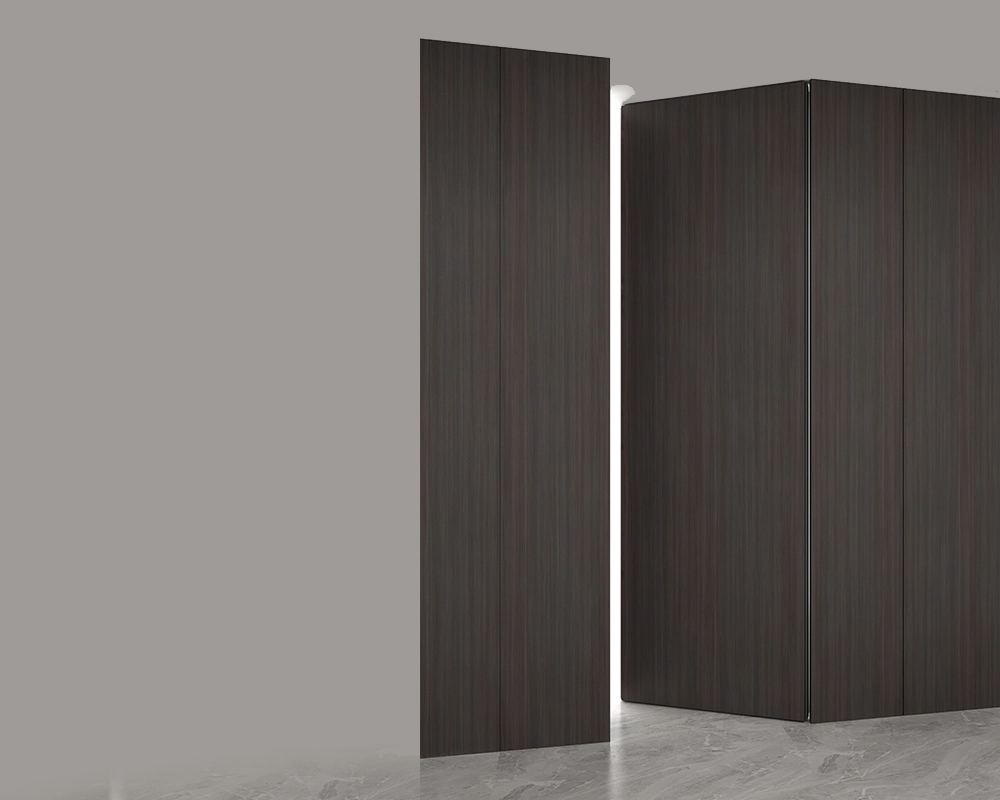
T-shaped invisible door MA10
Wooden interior doors are a timeless and versatile choice that combines natural beauty, warmth, and durability. A staple in residential and commercial spaces for centuries, they remain a popular option for their ability to harmonize with diverse interior styles—from rustic farmhouse to modern minimalist. Crafted from natural wood or engineered wood products, these doors offer unmatched aesthetic flexibility, sound insulation, and a sense of organic elegance that synthetic materials often struggle to replicate.
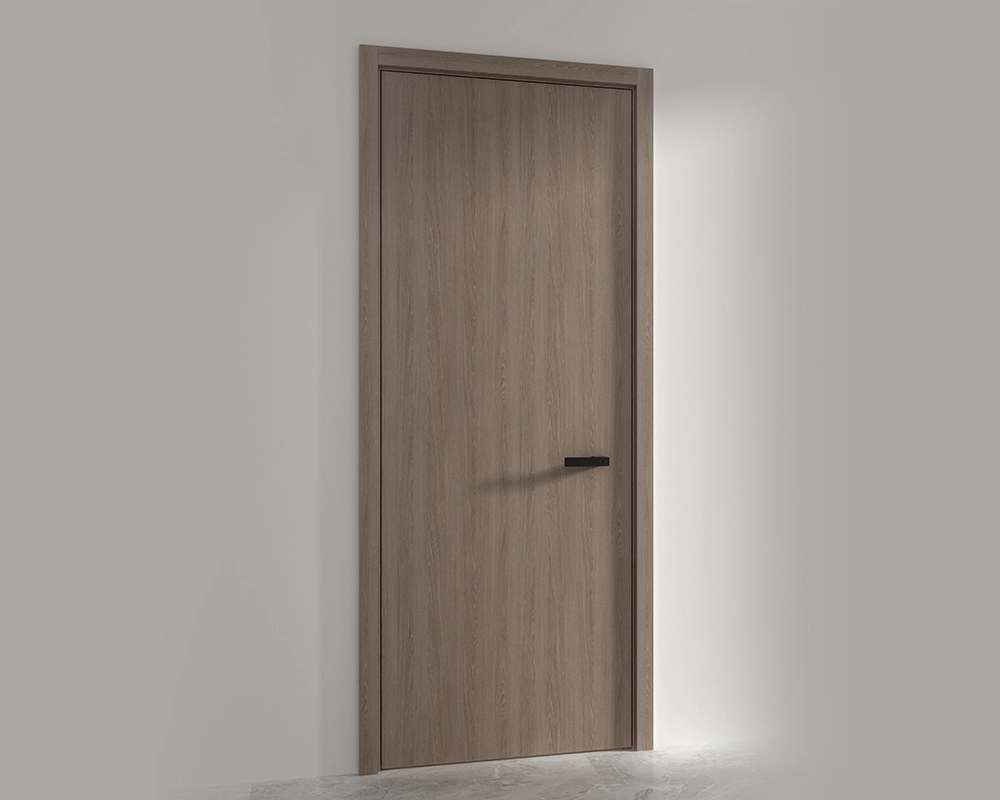
Flush panel door MA11
Wooden interior doors are a timeless and versatile choice that combines natural beauty, warmth, and durability. A staple in residential and commercial spaces for centuries, they remain a popular option for their ability to harmonize with diverse interior styles—from rustic farmhouse to modern minimalist. Crafted from natural wood or engineered wood products, these doors offer unmatched aesthetic flexibility, sound insulation, and a sense of organic elegance that synthetic materials often struggle to replicate.
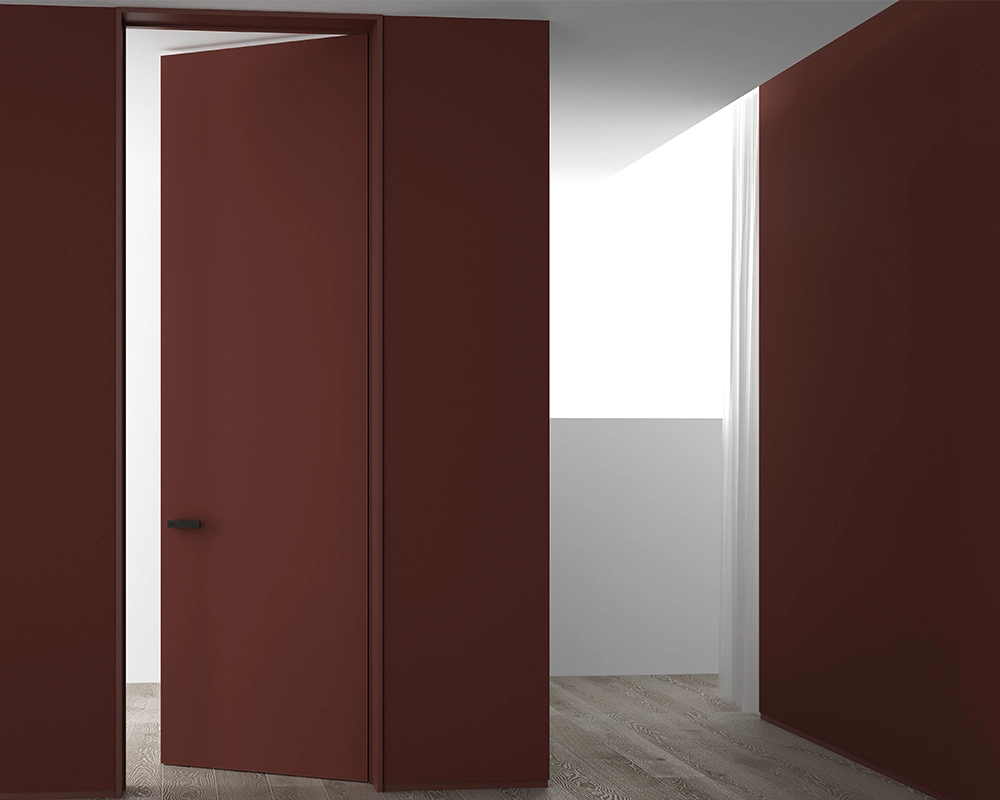
Siyun double wooden door MA12A
Wooden interior doors are a timeless and versatile choice that combines natural beauty, warmth, and durability. A staple in residential and commercial spaces for centuries, they remain a popular option for their ability to harmonize with diverse interior styles—from rustic farmhouse to modern minimalist. Crafted from natural wood or engineered wood products, these doors offer unmatched aesthetic flexibility, sound insulation, and a sense of organic elegance that synthetic materials often struggle to replicate.
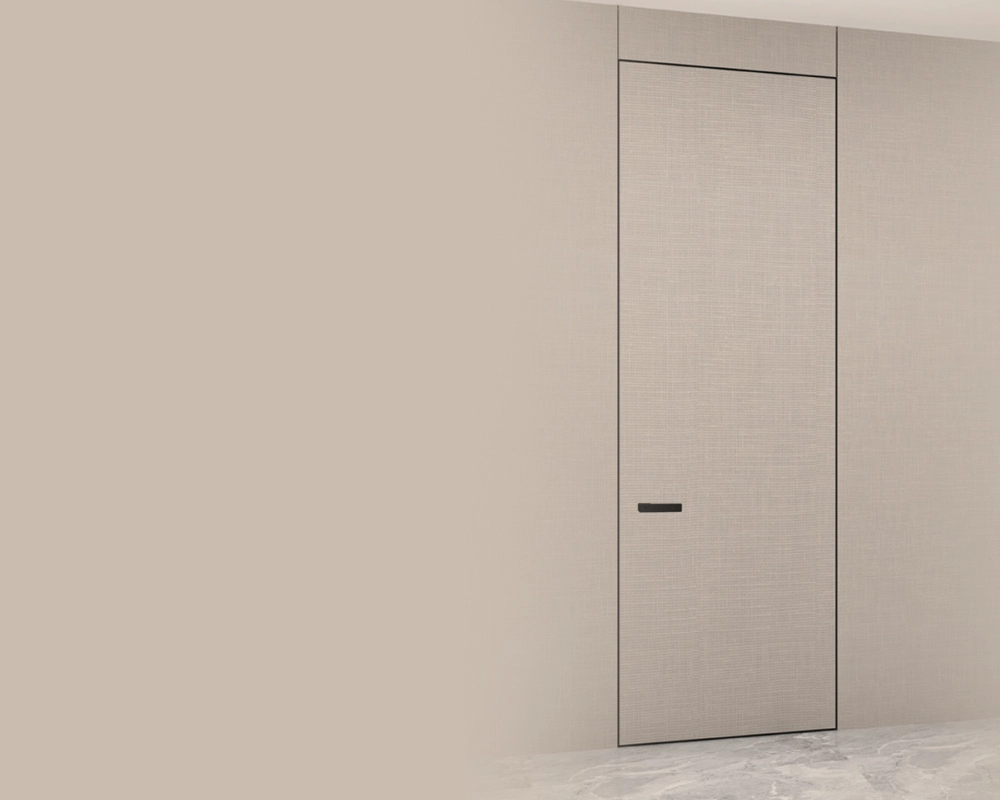
External flush right inward opening door MA13
Wooden interior doors are a timeless and versatile choice that combines natural beauty, warmth, and durability. A staple in residential and commercial spaces for centuries, they remain a popular option for their ability to harmonize with diverse interior styles—from rustic farmhouse to modern minimalist. Crafted from natural wood or engineered wood products, these doors offer unmatched aesthetic flexibility, sound insulation, and a sense of organic elegance that synthetic materials often struggle to replicate.

 Scan QR Code
FoshanMuranoCabinet
foshanmuranocabinet
Whatsapp: +8618814138020
Scan QR Code