
Commercial Opportunities: Walk-In Closets for Luxury Developments
- Market Drivers for High-End Residential Amenities
- Why walk-in closets matter in luxury developments
- Macro trends driving demand
- Buyer segments and geographic considerations
- Design Principles for a Modern Luxury Walk-In Closet
- Function-led layout and circulation
- Materiality, finishes and perceived quality
- Lighting, mirrors and display strategies
- Commercial Implementation and Return on Investment
- Business models: Developer-supplied vs. buyer-upgrade
- Procurement and quality assurance
- Cost/value considerations for developers
- Integration, Technology and the Role of Custom Cabinetry
- Smart storage and connected features
- Custom cabinetry vs modular systems
- Case for partnering with an experienced supplier
- Foshan Murano: Manufacturer profile and competitive advantages
- Practical Checklist for Developers and Architects
- Pre-design: program and budget alignment
- Design and specification: working with suppliers
- Installation and warranty: protecting long-term value
- Conclusion and Next Steps for Developers
- Contact & partnership
- FAQ
- 1. What defines a modern luxury walk-in closet?
- 2. How should developers decide between included closets and buyer-upgrades?
- 3. Are custom cabinets necessary for luxury closets, or can modular systems suffice?
- 4. What are common pitfalls in closet implementation for large projects?
- 5. How do smart-home integrations change closet specifications?
- 6. How can I get a sample cost estimate or proposal for closets for my development?
Modern luxury walk-in closet design is increasingly a decisive amenity for high-end residential projects worldwide. From penthouses in New York and London to luxury condos in Dubai and high-end villas across Asia, well-executed walk-in closets signal lifestyle, storage intelligence, and resale appeal. This article reviews market drivers, design and technical principles, developer-focused commercial models, and implementation best practices for integrating High Quality walk-in closets into luxury developments. It also outlines how custom cabinetry manufacturers and integrated solution providers can add measurable value to projects.
Market Drivers for High-End Residential Amenities
Why walk-in closets matter in luxury developments
Luxury buyers increasingly evaluate residential purchases by lifestyle fit and long-term functionality. Walk-in closets are more than storage: they are private dressing suites, extensions of the master bedroom, and a visible sign of High Quality living. According to broad industry analyses, storage and built-in organization consistently rank among desirable amenities for buyers of high-end homes (see National Association of Realtors). The historic evolution of closet design and the modern emphasis on personalization are explained further in the encyclopedic overview of the concept (Walk-in closet — Wikipedia).
Macro trends driving demand
Key macro trends include urbanization and shrinking primary-bedroom footprints, increasing wealth concentration in certain urban cores, and the High Qualityization of home features post-COVID as buyers spend more on domestic comforts. Developers compete on experiential differentiators; spaces that read as 'boutique' or 'hotel-grade' increase perceived property value. Additionally, smart-home adoption pushes buyers to expect integrated lighting, climate control, and secure storage solutions in closets.
Buyer segments and geographic considerations
Not all luxury markets are identical. In Asia and the Middle East, highly customized dressing rooms and integrated wardrobes are often expected in ultra-luxury projects. In North America and Europe, buyers may seek a balance of display (shoe and accessory presentation) and functionality (laundry integration, adjustable shelving). Understanding local tastes, cultural expectations for storage (for example, seasonal wardrobes), and climate-related material choices is essential for successful specification.
Design Principles for a Modern Luxury Walk-In Closet
Function-led layout and circulation
Effective luxury closets begin with circulation: clear pathways, sight lines to mirrors, and logical adjacency to the bedroom and laundry. Designers often use a primary circulation width of at least 1.2–1.5 meters (4–5 feet) for aisles to allow comfortable two-person circulation and service access for maintenance and installations.
Materiality, finishes and perceived quality
High Quality materials (veneers, lacquered panels, glass and metal profiles, leather-wrapped drawers) communicate value. Material choice must also consider durability, humidity resistance, and maintenance. For example, engineered panels with moisture-resistant cores and high-quality laminates or veneers provide a stable substrate that resists warping in variable climates—important for condo towers with variable HVAC controls.
Lighting, mirrors and display strategies
Lighting is a core luxury differentiator. Layered lighting—ambient, task, and accent—improves function and presentation of wardrobes and accessories. Integrated LED strips inside cabinets, dimmable overhead fixtures, and full-height backlit mirrors enhance both practicality and perceived luxury. Lighting design should follow recommended color-rendering indices (CRI > 90) to show fabrics and finishes accurately.
Commercial Implementation and Return on Investment
Business models: Developer-supplied vs. buyer-upgrade
Developers typically choose between including a base-level closet package in the sale price, offering upgraded bespoke options as paid extras, or partnering with a manufacturer to provide turnkey closet fit-outs post-closing. Each approach has trade-offs in capital outlay, project timelines, and margin capture. Upsell packages can increase per-unit revenue and buyer satisfaction, while developer-included High Quality packages can strengthen marketing and comparability against competing projects.
Procurement and quality assurance
For scalable luxury projects, procurement should prioritize suppliers with certified processes, consistent QA, and global references. Industry associations like the Kitchen Cabinet Manufacturers Association (KCMA) provide standards and resources applicable to cabinet and closet manufacture. Standardized inspection checkpoints—raw material validation, CNC and joinery tolerances, finishing quality, and pre-installation mockups—reduce on-site rework and warranty risk.
Cost/value considerations for developers
Rather than presenting a single ROI percentage (which varies by market), consider relative value levers: perceived luxury (materials and finishes), functionality (smart storage, lighting, accessory systems), and customization (tailored fit to unit dimensions). These levers can be structured into upgrade tiers for buyers, enabling developers to realize additional revenue while controlling base build costs.
| Feature | Buyer-perceived value | Developer consideration |
|---|---|---|
| High Quality finishes (veneer, glass) | High: signals luxury and longevity | Higher material cost; standardize options to control lead times |
| Integrated lighting and mirrors | High: improves usability and presentation | Requires coordination with MEP and smart systems |
| Custom sizing and accessories | High for bespoke buyers | Complex production; best handled by experienced custom cabinetry partner |
Integration, Technology and the Role of Custom Cabinetry
Smart storage and connected features
Modern luxury walk-in closets increasingly integrate smart systems: app-controlled lighting scenes, climate-control for delicate textiles, occupancy sensors, and secure compartments for jewelry with access logs. Integration with apartment building BMS (Building Management Systems) or in-unit hubs requires collaboration between the cabinetry supplier, electrical contractor, and system integrator early in the design phase.
Custom cabinetry vs modular systems
Custom cabinetry offers precise fit, unique detailing, and high-end finishes that modular systems often cannot match—key for luxury segments where differentiation matters. Modular systems, however, can offer cost predictability and faster installation. For large luxury developments, a hybrid approach works well: standardized carcass systems with customizable fronts, accessories, and finishes to provide both efficiency and High Quality aesthetics.
Case for partnering with an experienced supplier
Working with a supplier that offers integrated design, R&D, production, and project management reduces developer risk. A proven partner can provide detailed shop drawings, 3D visualizations, factory acceptance testing, and global logistics to ensure consistent quality across multiple units and projects.
Foshan Murano: Manufacturer profile and competitive advantages
Foshan Murano Smart Home Co., Ltd., based in Foshan, Guangdong, is a leading custom wardrobe and cabinet brand with over 20 years of expertise. Murano specializes in integrated design, R&D, production, and sales of high-quality panel furniture and has served clients in over 50 countries, completing more than 1,000 projects worldwide. The company's capabilities include comprehensive customization services for bedrooms, living rooms, kitchens, offices and more, supported by dedicated pre-sales and after-sales teams.
| Attribute | Details |
|---|---|
| Location | Foshan, Guangdong, China |
| Experience | Over 20 years |
| Projects | Over 1,000 projects in 50+ countries |
| Main products | Kitchen Cabinet, Bedroom Wardrobe, Interior Doors, Aluminum Frame Glass Door, Bathroom cabinet, Wall panelling |
| Strengths | Integrated design-to-delivery, advanced production technology, strict quality control |
Murano emphasizes precision craftsmanship, tailored sizing, High Quality materials, and a wide palette of designs and colors to match project-specific aesthetics. For developers, Murano offers scalable solutions: from standardized High Quality closet packages for multiple units to fully bespoke dressing suites for flagship penthouses. Their quality-first principle and international project experience make them a reliable supply chain partner for luxury developments.
Practical Checklist for Developers and Architects
Pre-design: program and budget alignment
Define the closet program per unit type early: assigned storage area (sq m), accessory requirements (shoe racks, jewelry drawers, island), lighting and HVAC needs, and upgrade tiers. Align those with marketing positioning and unit pricing strategy so closet specification supports sales targets.
Design and specification: working with suppliers
Engage a custom cabinetry partner during schematic design to validate sizing constraints, service (electrical) routing, and installation access. Request sample finishes and mockups for buyer-facing sales suites. Use BIM objects to coordinate mechanical and electrical interfaces.
Installation and warranty: protecting long-term value
Set clear installation timelines and snagging procedures. Require factory testing (doors, hardware, lighting) and provide purchaser documentation for maintenance. Strong post-sale support minimizes warranty claims and preserves brand reputation.
Conclusion and Next Steps for Developers
Modern luxury walk-in closets are a strategic amenity that can differentiate luxury developments, support pricing, and enhance buyer satisfaction. The right balance of High Quality finishes, intelligent storage solutions, integrated lighting, and trusted supply-chain partners creates a compelling product offering. Developers should specify tiered closet packages, engage experienced custom cabinetry manufacturers early, and prioritize coordinated installation and QA to minimize risk.
Contact & partnership
For developers seeking a turnkey partner in custom wardrobe and cabinet solutions, Foshan Murano Smart Home Co., Ltd. provides integrated design, manufacturing, and project support. Learn more at https://www.muranocabinet.com/ or email inquiries to [email protected]. Murano's global experience and Quality First approach make it suited for projects that demand consistent, high-caliber walk-in closet deliveries.
FAQ
1. What defines a modern luxury walk-in closet?
A modern luxury walk-in closet combines high-quality finishes, tailored storage systems, integrated lighting and mirrors, smart features (lighting scenes, secure compartments), and design detailing that aligns with the overall residence aesthetic. The emphasis is on both presentation and functional organization.
2. How should developers decide between included closets and buyer-upgrades?
Consider market positioning: if competing projects include High Quality closets, developer-included packages can maintain comparability and reduce friction during sales. Alternatively, offering tiered upgrades provides revenue opportunities and caters to different buyer preferences. Cost modeling and sample-suite testing can inform the choice.
3. Are custom cabinets necessary for luxury closets, or can modular systems suffice?
Many luxury buyers expect bespoke detailing that modular systems can’t fully deliver. A hybrid approach—standardized carcasses with custom fronts and accessories—often balances aesthetic expectations with production efficiency. For flagship units and penthouses, fully custom fit-outs remain preferred.
4. What are common pitfalls in closet implementation for large projects?
Common pitfalls include late supplier engagement, insufficient coordination with electrical and HVAC trades, inadequate QA (leading to on-site rework), and unclear warranty responsibilities. Early supplier involvement and standardized inspection protocols mitigate these risks.
5. How do smart-home integrations change closet specifications?
Smart integrations require early planning for wiring, power points, control hubs, and app/voice compatibility. Specify devices with open standards where possible, and coordinate with the building’s BMS or in-unit systems to ensure seamless user experience and maintainability.
6. How can I get a sample cost estimate or proposal for closets for my development?
Provide unit plans, target finishes, and the desired level of customization to a qualified supplier. Foshan Murano can produce tiered proposals—standard, High Quality, and bespoke—complete with samples, 3D visuals, and lead-time estimates. Contact: [email protected].
Ready to specify modern luxury walk-in closets for your next development? Contact Foshan Murano Smart Home Co., Ltd. at muranocabinet.com or email [email protected] to request catalogs, technical sheets, and tailored proposals.
Why choose MURANO as your dimensions of small walk in closet supplier
Scaling Production for Bulk Luxury Closet Contracts
How to start the utility laundry sink with cabinet business ?
What are the application scenarios of built in cabinets for home office?
FAQ
What information are needed for getting a quote for our furniture cabinets?
Your size infomation or room drawings.
Can we produce products according to customer's room size?
Yes. All our cabinets are custom size.
What's lead time for furniture cabinets?
It's about 20 - 30 days.
What's the payment terms of all our products?
T/T (30% inadvance, the balance shall be paid off before delivery), Western Union or L/C.
What's MOQ for our kitchen cabinets, wardrobe cabinets or bathroom cabinets?
1 set.
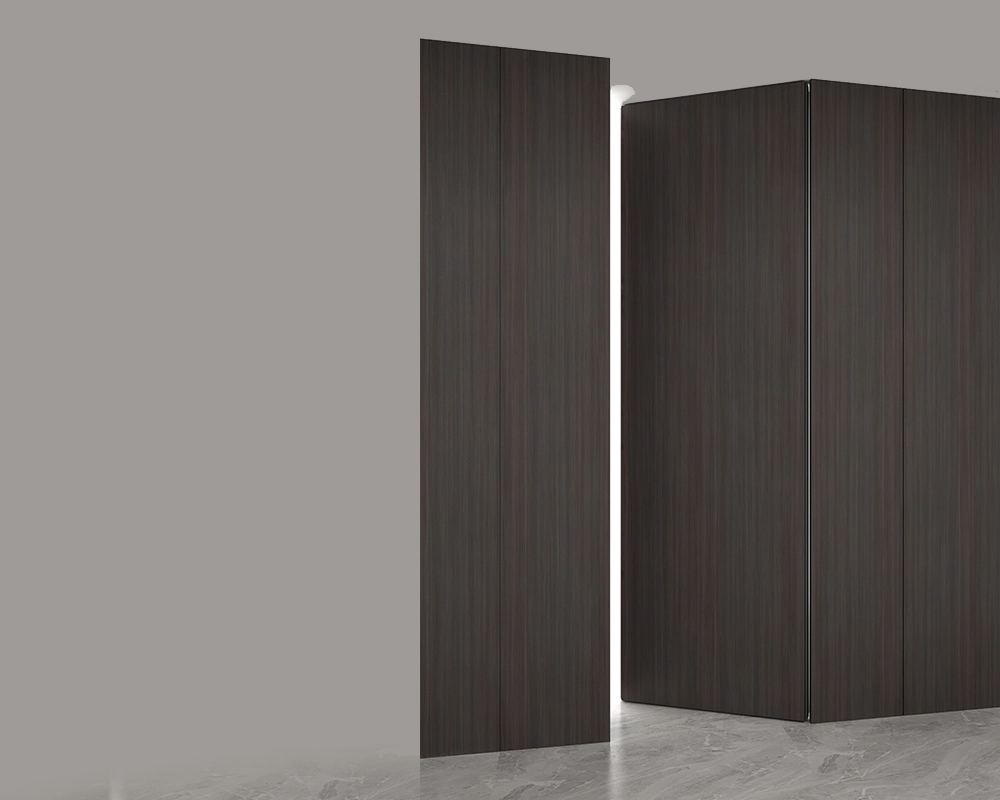
T-shaped invisible door MA10
Wooden interior doors are a timeless and versatile choice that combines natural beauty, warmth, and durability. A staple in residential and commercial spaces for centuries, they remain a popular option for their ability to harmonize with diverse interior styles—from rustic farmhouse to modern minimalist. Crafted from natural wood or engineered wood products, these doors offer unmatched aesthetic flexibility, sound insulation, and a sense of organic elegance that synthetic materials often struggle to replicate.
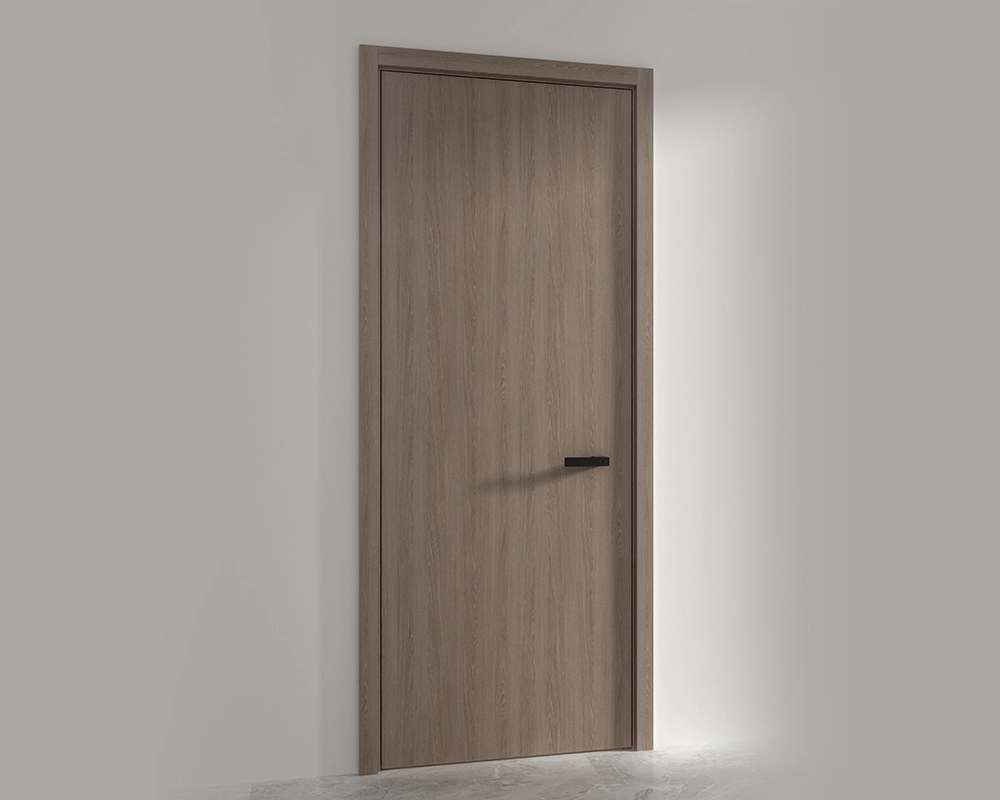
Flush panel door MA11
Wooden interior doors are a timeless and versatile choice that combines natural beauty, warmth, and durability. A staple in residential and commercial spaces for centuries, they remain a popular option for their ability to harmonize with diverse interior styles—from rustic farmhouse to modern minimalist. Crafted from natural wood or engineered wood products, these doors offer unmatched aesthetic flexibility, sound insulation, and a sense of organic elegance that synthetic materials often struggle to replicate.
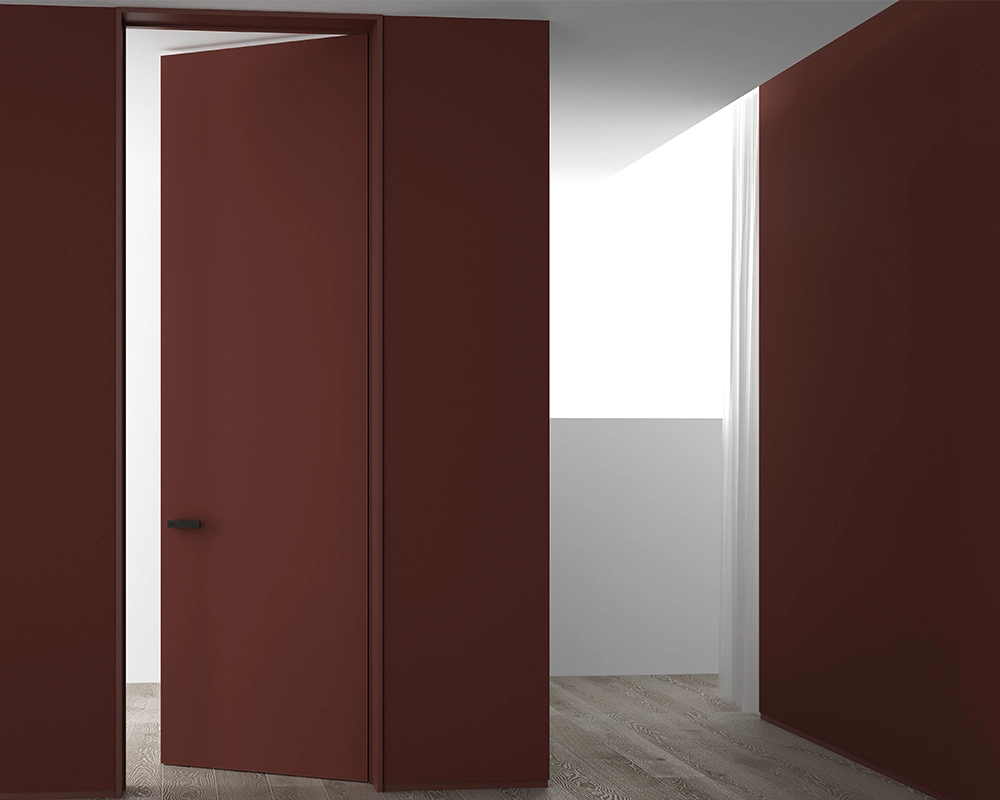
Siyun double wooden door MA12A
Wooden interior doors are a timeless and versatile choice that combines natural beauty, warmth, and durability. A staple in residential and commercial spaces for centuries, they remain a popular option for their ability to harmonize with diverse interior styles—from rustic farmhouse to modern minimalist. Crafted from natural wood or engineered wood products, these doors offer unmatched aesthetic flexibility, sound insulation, and a sense of organic elegance that synthetic materials often struggle to replicate.
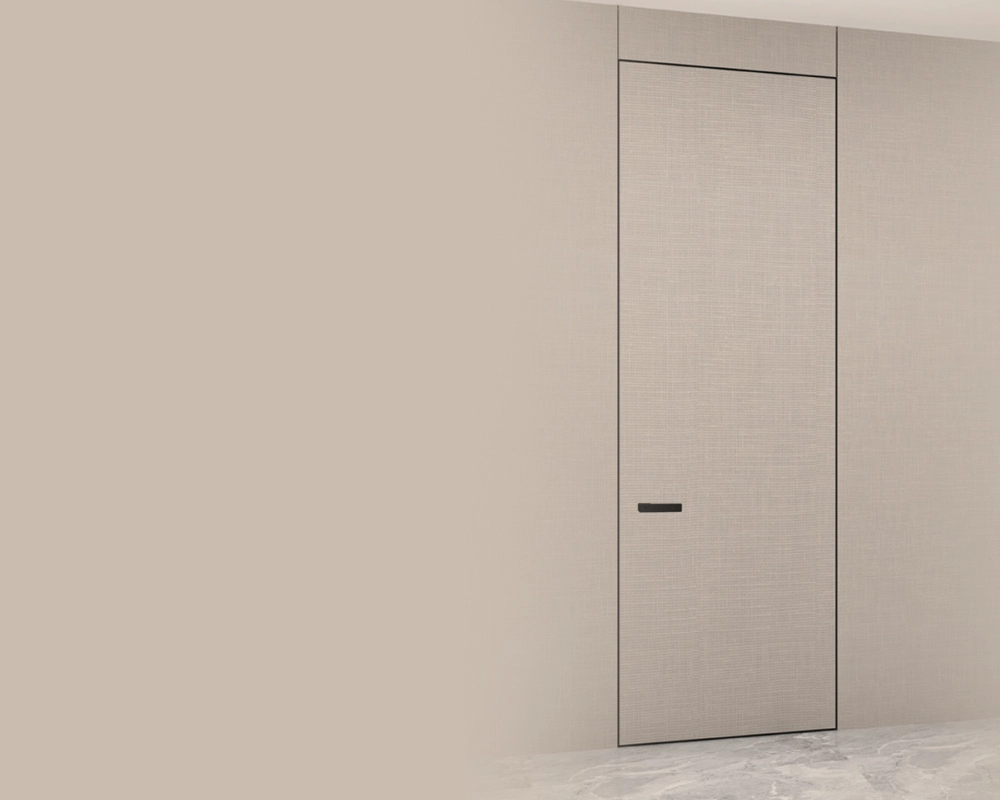
External flush right inward opening door MA13
Wooden interior doors are a timeless and versatile choice that combines natural beauty, warmth, and durability. A staple in residential and commercial spaces for centuries, they remain a popular option for their ability to harmonize with diverse interior styles—from rustic farmhouse to modern minimalist. Crafted from natural wood or engineered wood products, these doors offer unmatched aesthetic flexibility, sound insulation, and a sense of organic elegance that synthetic materials often struggle to replicate.

 Scan QR Code
FoshanMuranoCabinet
foshanmuranocabinet
Whatsapp: +8618814138020
Scan QR Code