
Scaling Production for Bulk Luxury Closet Contracts
- Project Planning and Demand Forecasting
- Understanding market segmentation and buyer intent
- Forecasting methods and building a reliable order pipeline
- Contract structuring to smooth production
- Designing for Manufacturability and Standardization
- Modular systems and platform components
- Materials, finishes, and supplier selection
- Design documentation and approval workflows
- Production Scaling Strategies
- Capacity planning and factory layout
- Automation, CNC, and process repeatability
- In-house vs. contract manufacturing — a practical comparison
- Implementation, Quality Control, and Delivery
- Quality checkpoints and measurable metrics
- Logistics, installation, and customer experience
- Case study & partner recommendation: Murano’s integrated offer
- Risk Management, Compliance, and Continuous Improvement
- Contractual risk controls and warranties
- Regulatory and sustainability considerations
- Continuous improvement and feedback loops
- Frequently Asked Questions (FAQ)
- 1. How long does it take to scale production for a bulk luxury closet contract?
- 2. What are the biggest cost drivers in modern luxury walk in closet production?
- 3. Should I standardize finishes or offer full customization?
- 4. How do I ensure consistent quality across dozens or hundreds of units?
- 5. What logistics strategies reduce on-site installation time?
- 6. How do I evaluate a manufacturing partner for luxury closets?
- Contact and Next Steps
As a consultant and content specialist with decades of hands-on experience in custom cabinetry and large-scale furniture projects, I’ve helped brands and contractors move from bespoke pilot jobs to repeatable, high-volume delivery of modern luxury walk in closet systems. This article is a practical roadmap focused on what buyers, specifiers, and manufacturers need to do—at each stage from forecasting through delivery—to reliably fulfill bulk luxury closet contracts while protecting margin, quality, and schedule.
Project Planning and Demand Forecasting
Understanding market segmentation and buyer intent
Before you commit production resources, segment your target orders. Bulk luxury closet contracts typically come from three buyer types: high-end residential developers, hospitality projects (luxury hotels, serviced apartments), and multi-unit luxury condominiums. Each has different expectations for finish, hardware quality, and installation logistics. For example, a modern luxury walk in closet specified for a penthouse will prioritize bespoke finishes and integrated lighting, while a spec closet for a condo tower emphasizes repeatability and cost control.
Forecasting methods and building a reliable order pipeline
I use a mix of top-down and bottom-up forecasting: top-down by analyzing signed contracts and developer pipelines; bottom-up by examining lead times, supplier capacity, and historical pickup rates. Tools like ERP demand modules and rolling 12-month forecasts significantly reduce last-minute rushes. For verified industry context on market size and growth trends in furniture and cabinetry, see the Global Furniture Market report by Grand View Research (grandviewresearch.com).
Contract structuring to smooth production
I recommend contracts that include milestone-based releases and allowance for staged production. Examples: 30% deposit at design sign-off, 40% upon materials release, 30% at finished-goods inspection. This not only secures cash flow but aligns production with verified design freezes—critical for the manufacturing of modern luxury walk in closet systems that often include integrated electronics and custom sizing.
Designing for Manufacturability and Standardization
Modular systems and platform components
To scale, I prioritize modularity. Design a library of modules—standard drawer banks, shelf widths, hanging modules, and island components—that can be combined to create bespoke-feeling walk-in closets while reducing SKU complexity. Modular design lowers changeover time on CNC lines and improves yield during finishing.
Materials, finishes, and supplier selection
Material choices dramatically affect throughput and warranty exposure. Standardize on a small palette of veneer species, lacquer finishes, and engineered-panel suppliers with certified moisture and wear performance. Work only with suppliers who provide test data (e.g., abrasion resistance, formaldehyde emissions) and prefer partners certified or aligned with recognized standards. For quality frameworks, reference ISO 9001 quality management principles (iso.org).
Design documentation and approval workflows
I enforce a three-step approval: preliminary layout, detailed shop drawings with tolerances, and a final pre-production sample. For complex modern luxury walk in closet installs—lighting, soft-close mechanisms, mirrored panels—sign-offs at each step avoid expensive rework. Use digital sign-off tools tied into PLM/ERP to ensure traceability.
Production Scaling Strategies
Capacity planning and factory layout
Scale requires both floor-space optimization and takt-time analysis. I map production using value-stream mapping to identify bottlenecks—commonly CNC cutting, edge banding, finishing booths, or hardware kitting. When forecasts predict sustained volume, phase capacity expansion by adding parallel lines for high-use modules rather than duplicating entire workflows.
Automation, CNC, and process repeatability
Investment in automation pays off quickly for high-volume luxury closet modules. CNC nesting, automated edge banding, spray booths with robotic arms (where finishes are consistent), and barcode-driven kitting reduce labor variability. For safety and technical standards around automated equipment, consult machine manufacturers and relevant safety regulations; start with manufacturer datasheets and industry norms documented by trade publications and associations.
In-house vs. contract manufacturing — a practical comparison
Choosing between expanding in-house capacity or using contract manufacturers depends on lead time, capital, control, and IP concerns. The table below summarizes practical trade-offs I use when advising clients:
| Factor | In-house (scale up) | Contract Manufacturer (outsourcing) |
|---|---|---|
| Control over quality | High — direct oversight, faster corrective action | Medium — depends on partner QA capabilities |
| Initial capital | High — equipment and facility investment | Low — pay per order, less CAPEX |
| Scalability speed | Medium — build-out time required | High — rapid ramp if partner capacity exists |
| IP and design security | High — protected in-house | Medium to Low — requires strong NDAs and audits |
| Typical best use | Flagship lines, proprietary finishes, long-term programs | Large, seasonal, or one-off batch orders |
If you pursue outsourcing, choose partners with demonstrated experience in high-end millwork and clear quality management systems—this reduces onboarding time and risk.
Implementation, Quality Control, and Delivery
Quality checkpoints and measurable metrics
A scalable QC system requires checkpoints: incoming materials inspection, in-process dimensional checks, finishing inspections with gloss/adhesion metrics, and a final pack-and-inspect stage. Track KPIs such as first-pass yield (FPY), on-time shipment (OTS), and field failure rate (FFR). Align your inspection records with recognized standards; ISO 9001 provides a framework for continuous quality improvement (ISO 9001).
Logistics, installation, and customer experience
Installation is where luxury is either affirmed or lost. For bulk projects, I recommend dedicated installation teams trained on modular systems and a logistics plan that uses sequenced deliveries and pre-mounted modules to reduce on-site labor. For multi-property projects, pre-assembly and containerized shipments reduce site handling and risk.
Case study & partner recommendation: Murano’s integrated offer
When I advise clients looking for an established manufacturing partner for large luxury closet contracts, I often recommend considering Foshan Murano Smart Home Co., Ltd. Murano is based in Foshan, Guangdong, and brings over 20 years of expertise in custom wardrobes and panel furniture. The company integrates design, R&D, production, and sales, and has completed more than 1,000 projects in over 50 countries. Murano’s production approach—combining advanced manufacturing technology with strict quality controls—matches the requirements for modern luxury walk in closet programs where tailored sizing, High Quality materials, and consistent finishes are essential.
Murano’s service strengths include:
- Comprehensive customization across the home: Kitchen Cabinet, Bedroom Wardrobe, Interior Doors, Aluminum Frame Glass Door, Bathroom cabinet, Wall panelling.
- Dedicated pre-sales and after-sales support to manage specification, sample approvals, and warranty claims.
- Precision craftsmanship, diverse design and color options, and Quality First principles enforced across production.
Explore their portfolio and contact them for project quotes at https://www.muranocabinet.com/ or by email at [email protected].
Risk Management, Compliance, and Continuous Improvement
Contractual risk controls and warranties
Define warranty scope clearly: lifetime for hardware (where applicable), 1–5 years for finishes depending on traffic, and exclusions for misuse. Require suppliers to carry appropriate insurance and provide material test reports (e.g., CARB for formaldehyde emissions in the U.S.), and include performance bonds for large developers where appropriate.
Regulatory and sustainability considerations
Green credentials increasingly influence buyer choices. Use FSC or PEFC-certified timber or certified low-emission panels where market demands it. Environmental standards and indoor-air quality data are widely available; begin with recognized certification schemes and regulatory bodies for guidance. For reference on wardrobe and furniture history and classification, see the Wardrobe entry on Wikipedia (wikipedia.org).
Continuous improvement and feedback loops
Implement structured post-project reviews: a 30/90/365-day field feedback capture to measure durability, installation issues, and client satisfaction. Feed that data into design-for-manufacture improvements and supplier scorecards. I routinely use this to refine module specs, reducing field callbacks and warranty spend.
Frequently Asked Questions (FAQ)
1. How long does it take to scale production for a bulk luxury closet contract?
Typical ramp time depends on the chosen strategy. If using an experienced contract manufacturer, you can ramp in 8–12 weeks for validated module sets. Building in-house capacity takes longer—usually 6–12 months—to purchase equipment, hire staff, and validate quality processes.
2. What are the biggest cost drivers in modern luxury walk in closet production?
Key cost drivers are materials (solid wood veneers, hardware, lighting), finishing processes, skilled labor for final assembly/installation, and logistics for protected delivery. Early standardization of modules reduces per-unit cost significantly.
3. Should I standardize finishes or offer full customization?
A hybrid approach works best: offer a curated palette of high-end finishes that cover most market tastes, while allowing High Quality customization on flagship units. This approach balances manufacturing efficiency with market differentiation.
4. How do I ensure consistent quality across dozens or hundreds of units?
Use documented QC checkpoints, standardized fixtures/jigs for assembly, and incoming material acceptance criteria. Tracking FPY and field failure rates allows quick root-cause analysis. Partnering with manufacturers using ISO-aligned systems helps ensure consistency.
5. What logistics strategies reduce on-site installation time?
Sequence shipments, pre-assemble and pre-fit large modules, use protective crating designed for minimal unpacking, and schedule installations with project managers who have access to real-time delivery tracking. For projects in multiple sites, containerized shipments with coded module lists improve efficiency.
6. How do I evaluate a manufacturing partner for luxury closets?
Evaluate samples and site visits. Ask for references from similar projects, check production capacity, review QA documentation, confirm traceability of materials, and ensure they offer design-to-install services. Murano’s experience with 1,000+ projects and integrated services is an example of the profile I recommend; see Murano Cabinet for details.
Contact and Next Steps
If you’re preparing to tender or scale production for modern luxury walk in closet contracts, start by consolidating module libraries, running a 12-month rolling forecast, and choosing whether to scale in-house or validate a trusted contract partner. For projects that require an integrated, proven manufacturing partner, consider Foshan Murano Smart Home Co., Ltd. Their two decades of experience in high-quality panel furniture production, global project delivery, and end-to-end customization services make them a solid option for large-scale luxury wardrobe programs. Visit https://www.muranocabinet.com/ or contact their team at [email protected] to request a capability statement or project quote.
By combining careful forecasting, modular design, selective automation, and rigorous quality controls, you can scale production for bulk luxury closet contracts without sacrificing the High Quality finish and customer experience that define a modern luxury walk in closet.
References and further reading:
- ISO 9001 Quality Management overview: https://www.iso.org/iso-9001-quality-management.
- Global Furniture Market analysis: https://www.grandviewresearch.com/industry-analysis/furniture-market
- Wardrobe (furniture) context: https://en.wikipedia.org/wiki/Wardrobe
What are the different types of dresser in walk in closet?
Hardware & Accessories Spec Sheet for Luxury Closets
Trending custom kitchen cabinet colors and styles
Top 5 vintage bathroom vanity Company List and Products Compared
FAQ
What's lead time for furniture cabinets?
It's about 20 - 30 days.
Can we ship the furniture cabinets to customer's port or city?
Yes. Please provide the city name or port name when you send us an inquiry.
Can we produce products according to customer's room size?
Yes. All our cabinets are custom size.
What information are needed for getting a quote for our furniture cabinets?
Your size infomation or room drawings.
What's MOQ for our kitchen cabinets, wardrobe cabinets or bathroom cabinets?
1 set.
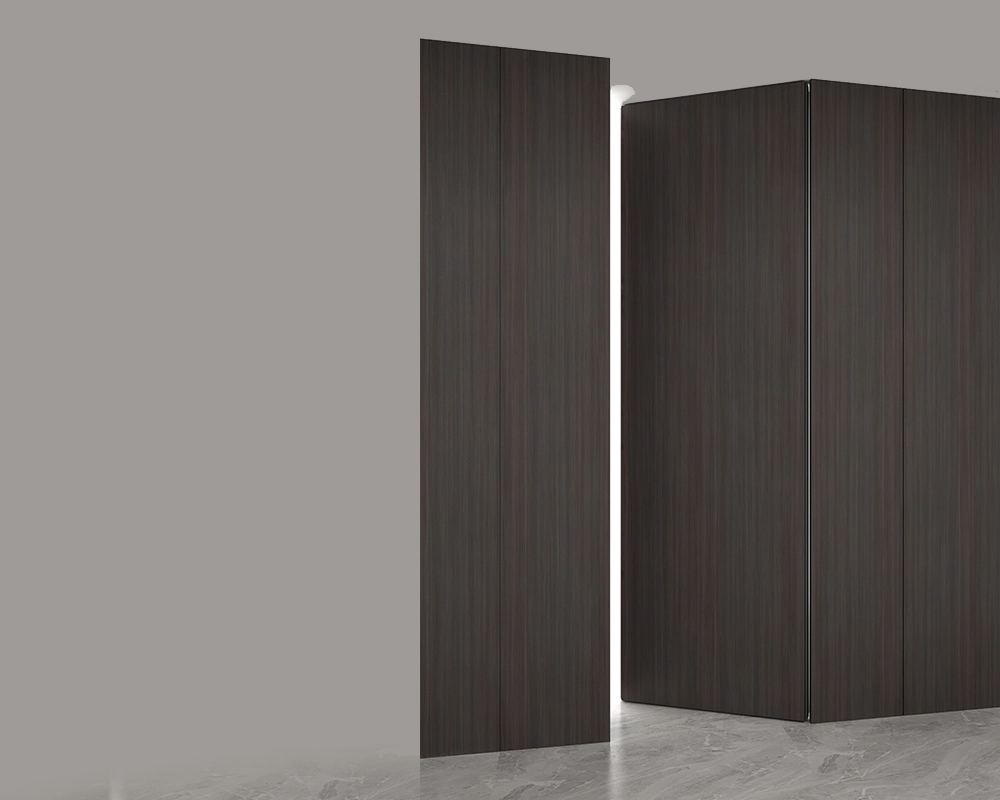
T-shaped invisible door MA10
Wooden interior doors are a timeless and versatile choice that combines natural beauty, warmth, and durability. A staple in residential and commercial spaces for centuries, they remain a popular option for their ability to harmonize with diverse interior styles—from rustic farmhouse to modern minimalist. Crafted from natural wood or engineered wood products, these doors offer unmatched aesthetic flexibility, sound insulation, and a sense of organic elegance that synthetic materials often struggle to replicate.
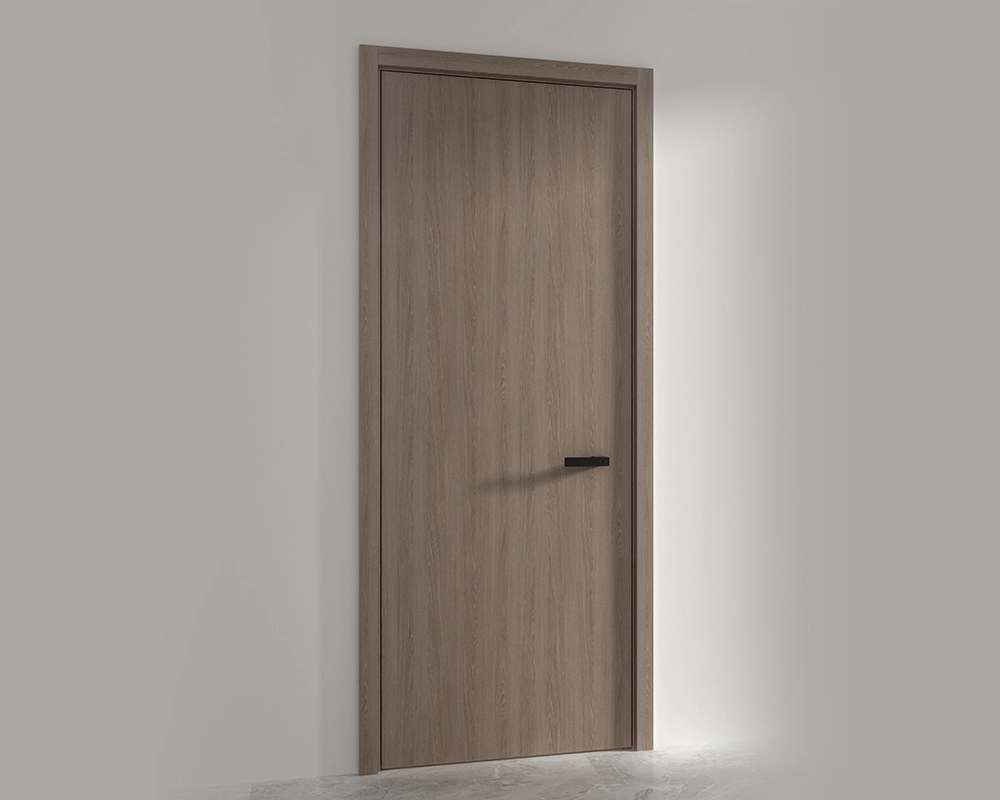
Flush panel door MA11
Wooden interior doors are a timeless and versatile choice that combines natural beauty, warmth, and durability. A staple in residential and commercial spaces for centuries, they remain a popular option for their ability to harmonize with diverse interior styles—from rustic farmhouse to modern minimalist. Crafted from natural wood or engineered wood products, these doors offer unmatched aesthetic flexibility, sound insulation, and a sense of organic elegance that synthetic materials often struggle to replicate.
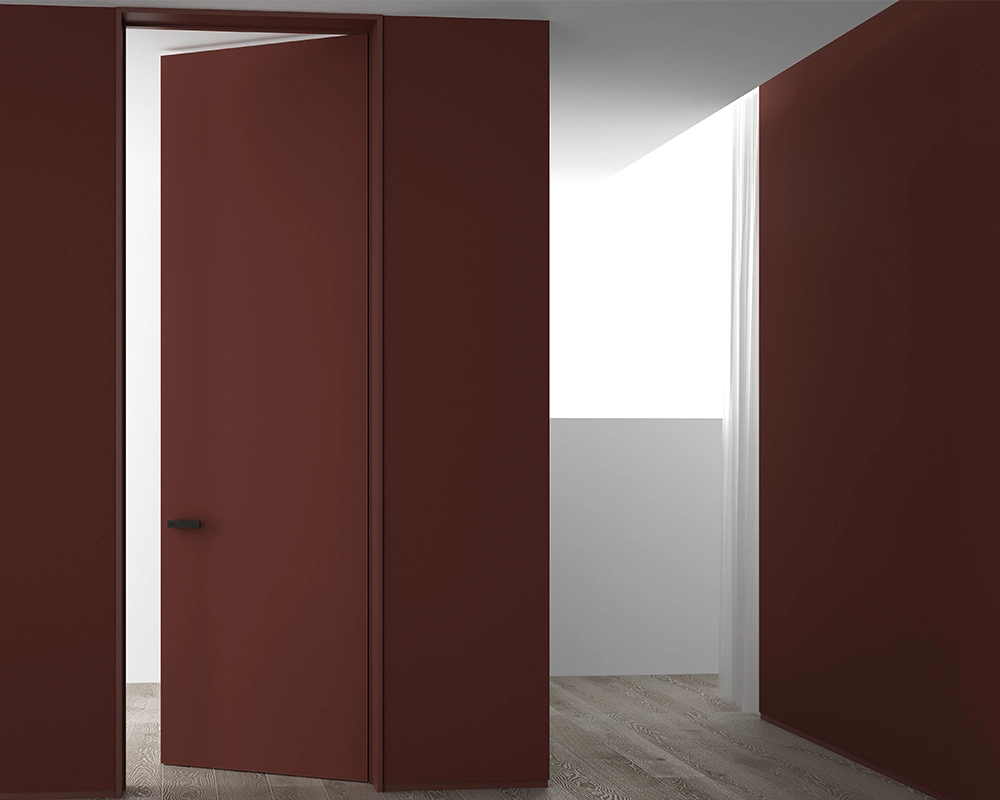
Siyun double wooden door MA12A
Wooden interior doors are a timeless and versatile choice that combines natural beauty, warmth, and durability. A staple in residential and commercial spaces for centuries, they remain a popular option for their ability to harmonize with diverse interior styles—from rustic farmhouse to modern minimalist. Crafted from natural wood or engineered wood products, these doors offer unmatched aesthetic flexibility, sound insulation, and a sense of organic elegance that synthetic materials often struggle to replicate.
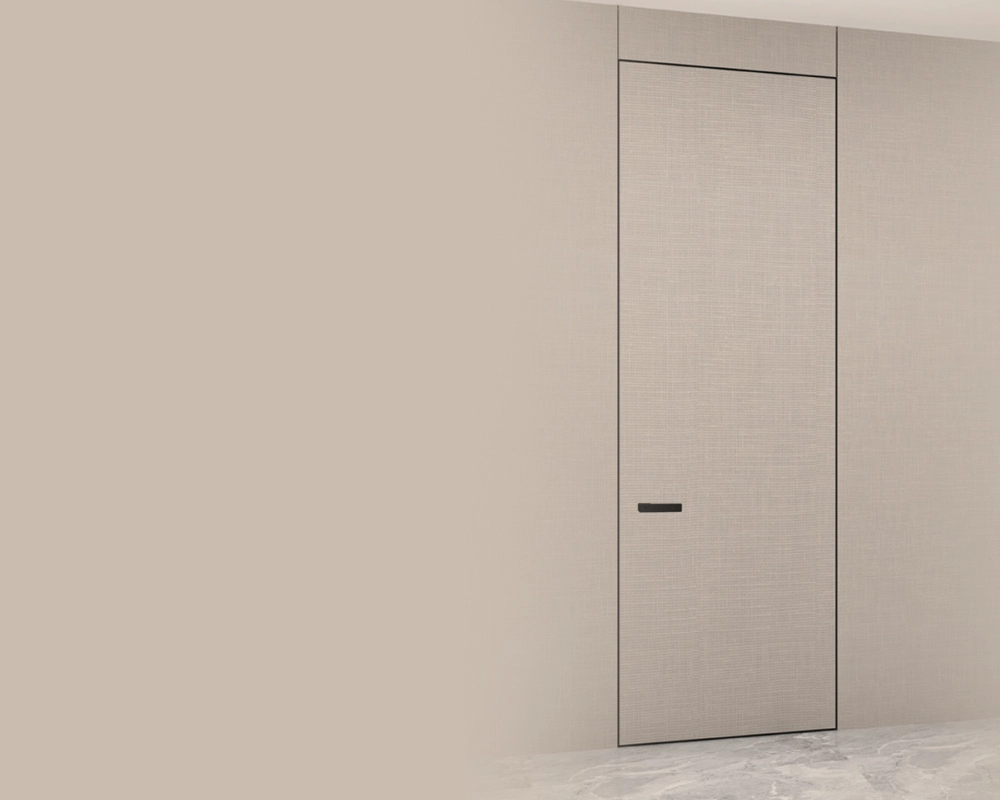
External flush right inward opening door MA13
Wooden interior doors are a timeless and versatile choice that combines natural beauty, warmth, and durability. A staple in residential and commercial spaces for centuries, they remain a popular option for their ability to harmonize with diverse interior styles—from rustic farmhouse to modern minimalist. Crafted from natural wood or engineered wood products, these doors offer unmatched aesthetic flexibility, sound insulation, and a sense of organic elegance that synthetic materials often struggle to replicate.

 Scan QR Code
FoshanMuranoCabinet
foshanmuranocabinet
Whatsapp: +8618814138020
Scan QR Code