
Warranty and After-Sales Support for Commercial Closets
- Understanding Warranties and Legal Obligations
- Types of Warranties: Express, Implied, and Extended
- Regulatory and Consumer-Protection Considerations
- Key Warranty Clauses to Include
- Designing a Robust Warranty Program for Commercial Closets
- Warranty Duration and Tiering
- Transferability and End-User Communication
- Warranty Registration and Digital Recordkeeping
- After-Sales Support: Service Models and Response KPIs
- Service Models: Reactive, Preventive, and Managed
- SLA Metrics and Recommended Targets
- Parts Strategy: Spares, Lead Times, and Local Warehouses
- Comparing Warranty Offers: Manufacturer vs. Custom vs. Installer
- Typical Warranty Profiles
- Cost vs. Risk Trade-offs
- How to Evaluate Vendor Credibility
- Operational Best Practices and Procurement Checklist
- Pre-Acceptance Inspection and Handover
- Maintenance Schedule and Tenant/Staff Guidance
- Procurement Checklist (copyable)
- Case Examples and Measurable Outcomes
- Example: Hotel Chain—Managed SLA Reduces Downtime
- Example: Multi-Family Housing—Preventive Maintenance Cuts Lifecycle Costs
- Return-on-Investment (ROI) Considerations
- FAQ — Frequently Asked Questions
- 1. What is a reasonable warranty length for commercial bedroom closets and wardrobes?
- 2. Are warranties transferable if I sell my property?
- 3. Does the warranty typically cover labor and installation?
- 4. How should I document a warranty claim?
- 5. Should I stock spare parts onsite?
- 6. How do I balance lower price vs. stronger warranty?
- References
For commercial properties—retail stores, hotels, multi-family housing, and corporate offices—warranty terms and after-sales support for bedroom closets and wardrobes directly impact total cost of ownership, guest/tenant satisfaction, and downtime. A clear warranty, documented service-level agreements (SLAs), spare-part strategies, and pro-active maintenance plans convert a closet purchase from a single transaction into a predictable, maintainable asset. This guide covers legal rules, industry norms, recommended contractual language, measurable KPIs for service, and an action checklist for procurement and facility teams.
Understanding Warranties and Legal Obligations
Types of Warranties: Express, Implied, and Extended
Warranties can be classified as express (written promises about product performance), implied (legal expectations such as merchantability), and extended (paid or complimentary extensions beyond standard coverage). For bedroom closets and wardrobes in commercial contexts, express warranties govern most customer expectations—covering defects in materials, workmanship, and moving parts (hinges, slides, hardware).
Regulatory and Consumer-Protection Considerations
Commercial transactions may be governed by different rules than consumer sales, but fundamental protections—such as those articulated by the Federal Trade Commission (FTC) in the U.S.—still inform best practice (clear, non-misleading warranty language, conspicuous disclosures, and timely remedial action). Ensure warranty terms do not conflict with local laws, building codes, or procurement rules for public projects.
Key Warranty Clauses to Include
Essential clauses: coverage scope (components and failures covered), duration (years for parts and labor), remedies (repair, replace, refund), exclusions (misuse, modifications, environmental damage), transferability, claim process (notice period, documentation), and limitations of liability. For commercial installations, add SLA metrics and escalation routes.
Designing a Robust Warranty Program for Commercial Closets
Warranty Duration and Tiering
Different components age differently. Consider tiered warranties: structural boxes 5–15 years, engineered panels 3–10 years, hardware (hinges/slides) 1–10 years, and finishes 1–5 years depending on traffic and environmental factors. Tiering aligns expectations and reduces disputes.
Transferability and End-User Communication
Commercial properties change ownership or tenant mix. Clarify if warranties transfer to subsequent owners/tenants and document any required registration steps. Provide clear, date-stamped warranty certificates at handover and a one-page care guide that lists cleaning agents to avoid, weight limits per shelf, and scheduled inspections.
Warranty Registration and Digital Recordkeeping
Use digital registration and asset-tagging (QR codes or RFID) to store product serials, installation dates, and warranty expiry. This simplifies claim validation and enables analytics (failure trends by batch, site, installer), which in turn improves design and procurement choices.
After-Sales Support: Service Models and Response KPIs
Service Models: Reactive, Preventive, and Managed
Pick a service model based on risk and usage:
- Reactive: Service on failure—lower upfront cost but higher unpredictability.
- Preventive: Scheduled inspections and adjustments—reduces emergency repairs and extends component life.
- Managed (SLA-based): Contractor responsible for uptime, with defined response and resolution times—best for hotels, retail chains, and high-turnover multi-family units.
SLA Metrics and Recommended Targets
Define measurable KPIs in contracts. Example targets:
- Initial response time for service ticket: within 4 business hours
- On-site visit for urgent safety issues: within 24 hours
- Non-critical repairs: scheduled within 5–10 business days
- First-time fix rate: ≥85%
- Parts availability: 95% of common spare parts stocked within region
Parts Strategy: Spares, Lead Times, and Local Warehouses
Maintain a list of critical spares (hinges, soft-close slides, shelf brackets, panel fasteners). For multi-site operators, negotiate regional stocking or consignment spares. Specify standard lead times and penalty clauses for extended delays where business continuity is impacted.
Comparing Warranty Offers: Manufacturer vs. Custom vs. Installer
Typical Warranty Profiles
Below is a comparative table summarizing common warranty types and expected durations for commercial bedroom closets and wardrobes. Numbers represent typical industry practice and should be confirmed with specific suppliers.
| Supplier Type | Structural Box | Hardware (hinges/slides) | Finishes | Labor / Installation |
|---|---|---|---|---|
| Mass Manufacturer (e.g., flat-pack) | 1–5 years | 1–5 years | 1–3 years | Often limited (30–90 days) |
| Custom Cabinetmaker / Local Shop | 3–10 years (often workmanship-focused) | 1–10 years (depends on brand) | 1–5 years (may offer touch-up) | 1–2 years typical (can be extended via SLA) |
| Commercial Installer / Specialist | 5–15 years (with SLA) | 1–10 years | 1–5 years | 1–5 years SLA with defined response |
Cost vs. Risk Trade-offs
Longer warranties and managed SLAs increase upfront cost but reduce unforeseen maintenance spend. For high-use environments (hotels, student housing), prioritize SLA-backed offerings and manufacturer-backed hardware warranties from well-known brands.
How to Evaluate Vendor Credibility
Check: industry certifications (e.g., AWI, NKBA membership), ISO 9001 quality systems, local references, BBB rating, and history of claims handling. Ask for documented lead times for spare parts and a sample escalation matrix.
Operational Best Practices and Procurement Checklist
Pre-Acceptance Inspection and Handover
Before accepting installed closets, perform a formal inspection: verify alignment, door gaps, hardware function, load-bearing checks for shelves, and finish consistency. Record punch items and require rectification within a set time (e.g., 10 business days).
Maintenance Schedule and Tenant/Staff Guidance
Create a simple maintenance plan: quarterly visual checks, annual hinge lubrication/adjustment, and immediate replacement of any broken hardware. Provide tenants or housekeeping staff with a one-page do's-and-don'ts to reduce accidental damage (e.g., avoid overloaded shelves, correct hanging rail usage).
Procurement Checklist (copyable)
- Written warranty with explicit coverage table (component vs. duration)
- SLA with response and resolution targets
- Spare-parts list and regional lead times
- On-site installation warranty (labor) period
- Transferability clause for property sale/lease change
- Registration process and digital asset tagging
- Escalation matrix and local contact
- Acceptance inspection checklist
Case Examples and Measurable Outcomes
Example: Hotel Chain—Managed SLA Reduces Downtime
A mid-size hotel chain replaced flat-pack wardrobes with commercial-grade systems and a 3-year SLA. Result: 40% reduction in emergency repair calls and a 20% decrease in guest complaints related to closet failures in year one. The managed SLA ensured priority scheduling and consigned critical spares at a regional warehouse.
Example: Multi-Family Housing—Preventive Maintenance Cuts Lifecycle Costs
In a 200-unit development, implementing annual preventive inspections (hinge adjustment, re-securing rails) extended average useful life of closet hardware by an estimated 30%, reducing replacement cycles and producing measurable savings over a 10-year horizon.
Return-on-Investment (ROI) Considerations
Calculate ROI by comparing incremental SLA cost against avoided emergency call costs, tenant dissatisfaction impacts, and replacement expenses. For high-turnover properties, even modest increases in warranty/SLA spend often pay off within 2–4 years.
FAQ — Frequently Asked Questions
1. What is a reasonable warranty length for commercial bedroom closets and wardrobes?
Typical ranges: structural elements 5–15 years (commercial grade), hardware 1–10 years depending on brand, finishes 1–5 years. Align duration with expected usage intensity.
2. Are warranties transferable if I sell my property?
Some warranties are transferable; others require registration or are non-transferable. Always confirm transferability and include clear assignment language in the sales contract to protect new owners or tenants.
3. Does the warranty typically cover labor and installation?
Many manufacturers limit labor coverage to 30–90 days; commercial installers often offer separate labor warranties or SLAs for longer terms. Ensure labor coverage is explicitly stated in procurement documents.
4. How should I document a warranty claim?
Document with: date of failure, photos, asset tag/serial number, installation certificate, and proof of regular maintenance if required. Follow the supplier's claim submission format to avoid delays.
5. Should I stock spare parts onsite?
For multi-site or high-use operations, keep a small kit of critical spares (hinges, slides, fasteners) locally or negotiate consignment stock with your supplier to meet SLA targets and reduce downtime.
6. How do I balance lower price vs. stronger warranty?
Assess lifecycle cost, not just purchase price. For environments with high occupancy or heavy use, favor stronger warranties and SLAs even if the upfront cost is higher—this reduces unplanned expenses and operational disruption.
If you would like a customized warranty review, an SLA template for procurement, or a site assessment for bedroom closets and wardrobes, contact our commercial closet specialists to schedule a consultation or to view product options and case studies. Contact us or view our commercial closet systems.
References
- FTC — Understanding Warranties (Accessed 2026-01-05)
- Architectural Woodwork Institute (AWI) — Standards (Accessed 2026-01-07)
- National Kitchen & Bath Association (NKBA) (Accessed 2026-01-07)
- ISO — ISO 9001 Quality Management (Accessed 2026-01-06)
- Better Business Bureau — Business Reliability and Complaints (Accessed 2026-01-06)
- IKEA — Product Warranty Examples (Accessed 2026-01-05)
- Consumer Reports — Furniture Buying and Warranties (Accessed 2026-01-05)
Custom home plans with walk in pantry Manufacturers and Suppliers
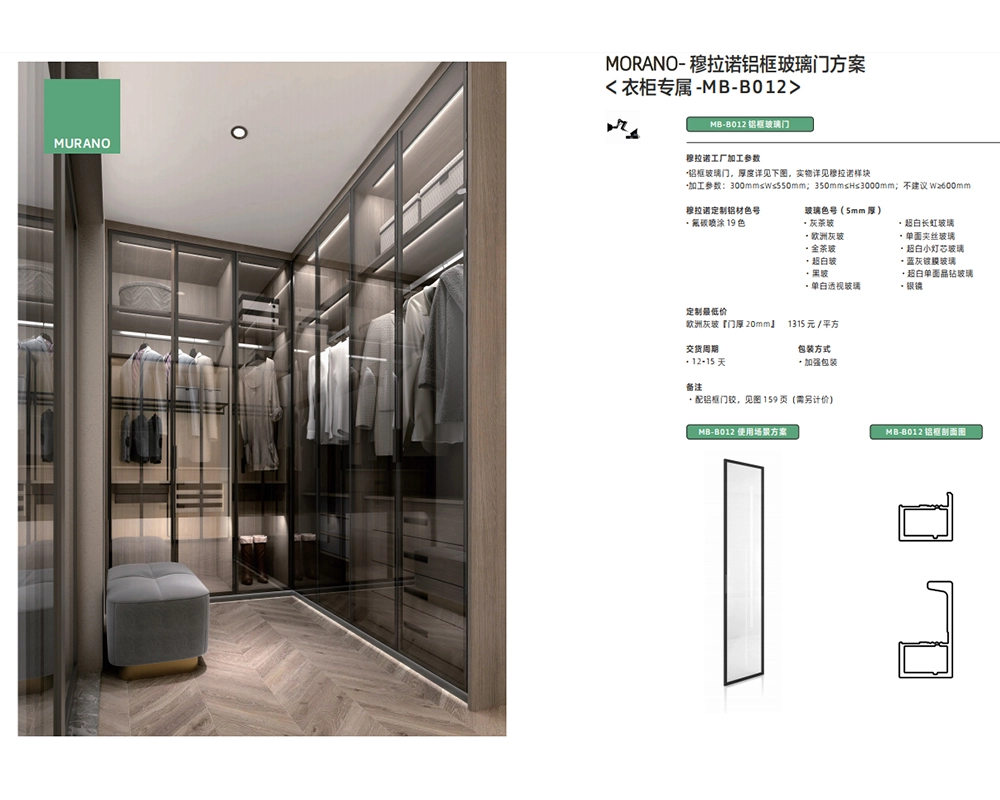
Energy Efficiency and Insulation with Glass Cabinet Doors
What is contemporary kitchen cabinet hardware ? | Ultimate Insight
Top luxury walk in closets Manufacturers and Suppliers
FAQ
Can we ship the furniture cabinets to customer's port or city?
Yes. Please provide the city name or port name when you send us an inquiry.
What's the payment terms of all our products?
T/T (30% inadvance, the balance shall be paid off before delivery), Western Union or L/C.
What's MOQ for our kitchen cabinets, wardrobe cabinets or bathroom cabinets?
1 set.
What information are needed for getting a quote for our furniture cabinets?
Your size infomation or room drawings.
What's lead time for furniture cabinets?
It's about 20 - 30 days.
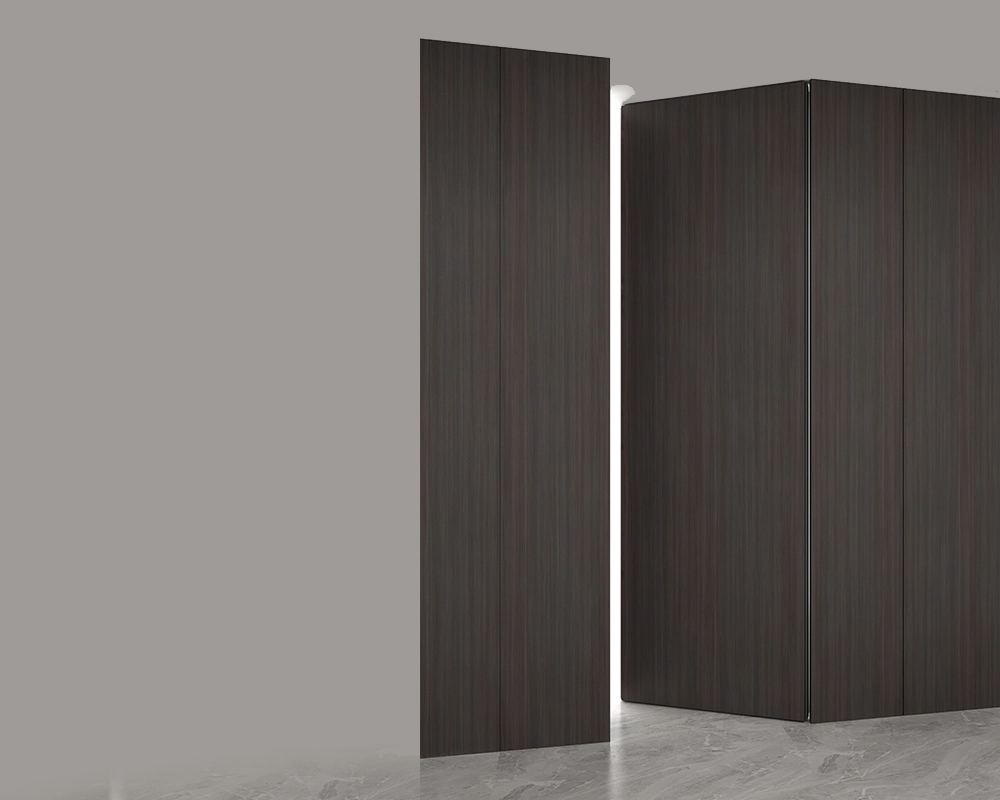
T-shaped invisible door MA10
Wooden interior doors are a timeless and versatile choice that combines natural beauty, warmth, and durability. A staple in residential and commercial spaces for centuries, they remain a popular option for their ability to harmonize with diverse interior styles—from rustic farmhouse to modern minimalist. Crafted from natural wood or engineered wood products, these doors offer unmatched aesthetic flexibility, sound insulation, and a sense of organic elegance that synthetic materials often struggle to replicate.
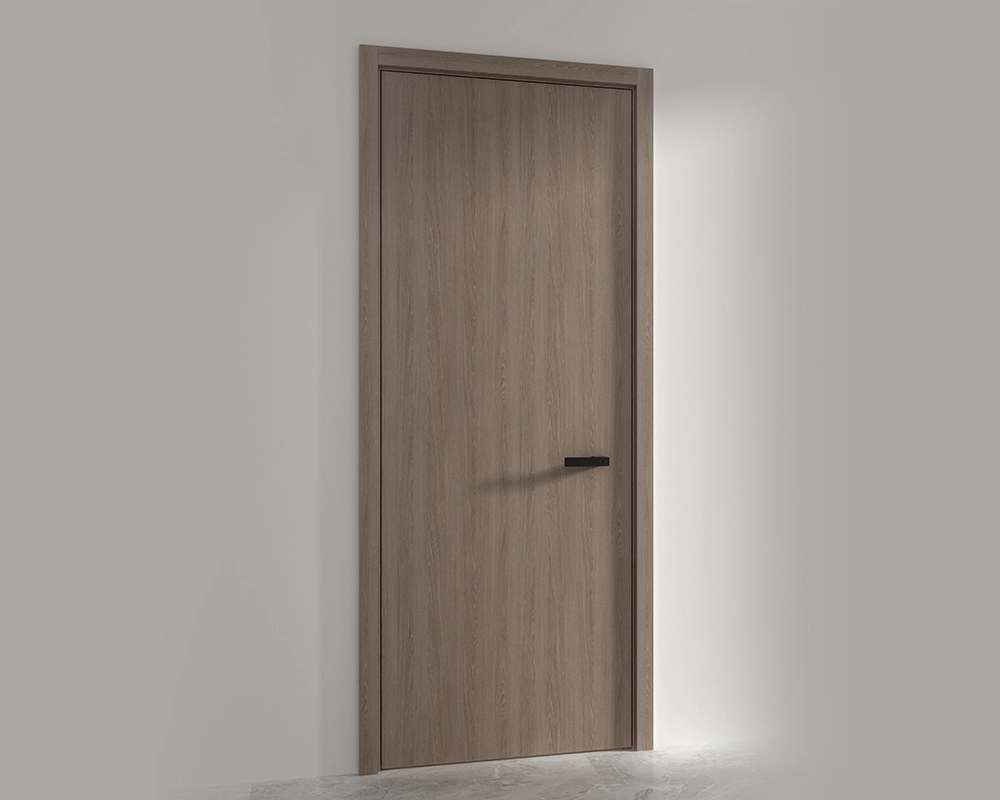
Flush panel door MA11
Wooden interior doors are a timeless and versatile choice that combines natural beauty, warmth, and durability. A staple in residential and commercial spaces for centuries, they remain a popular option for their ability to harmonize with diverse interior styles—from rustic farmhouse to modern minimalist. Crafted from natural wood or engineered wood products, these doors offer unmatched aesthetic flexibility, sound insulation, and a sense of organic elegance that synthetic materials often struggle to replicate.
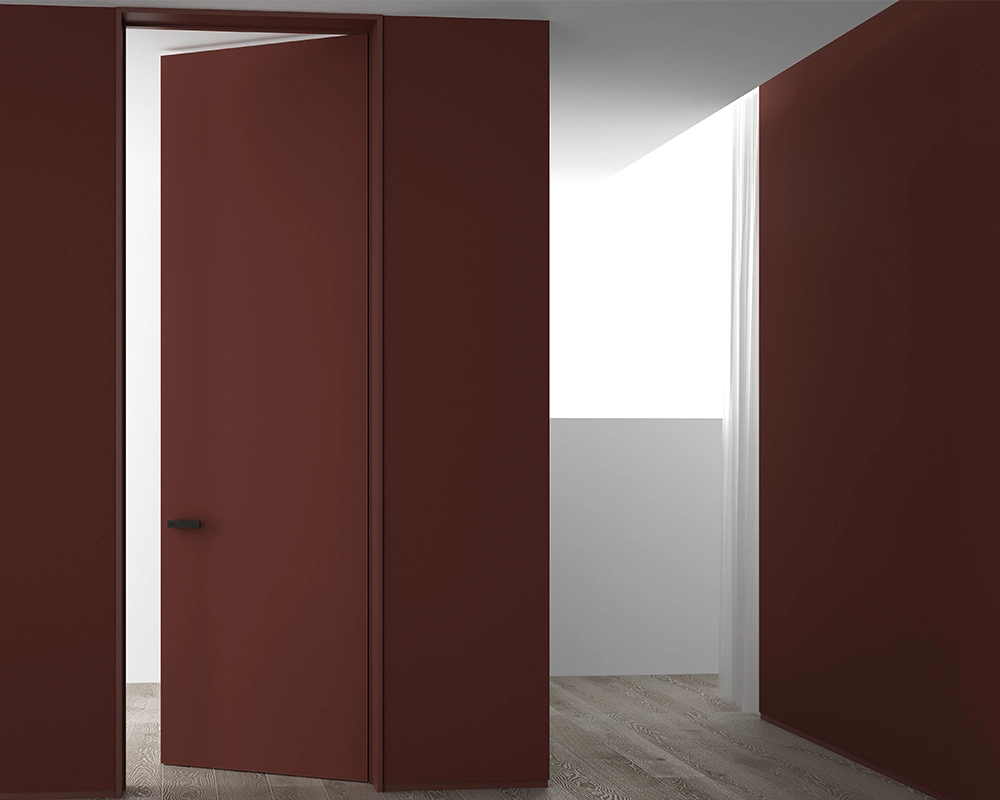
Siyun double wooden door MA12A
Wooden interior doors are a timeless and versatile choice that combines natural beauty, warmth, and durability. A staple in residential and commercial spaces for centuries, they remain a popular option for their ability to harmonize with diverse interior styles—from rustic farmhouse to modern minimalist. Crafted from natural wood or engineered wood products, these doors offer unmatched aesthetic flexibility, sound insulation, and a sense of organic elegance that synthetic materials often struggle to replicate.
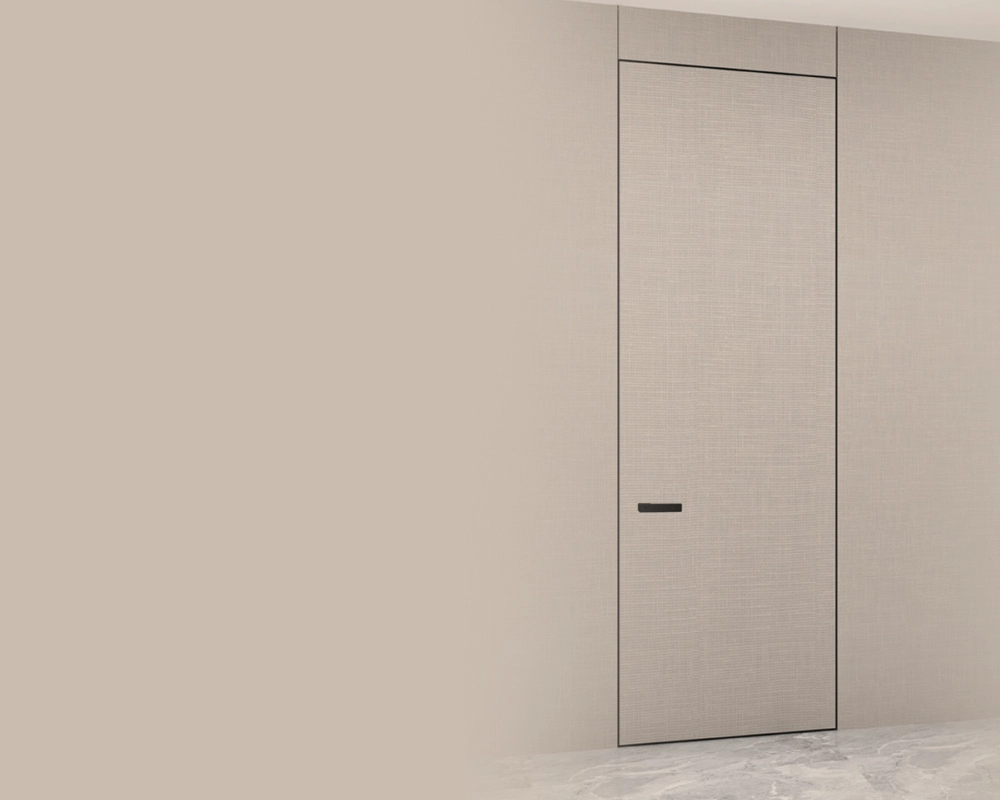
External flush right inward opening door MA13
Wooden interior doors are a timeless and versatile choice that combines natural beauty, warmth, and durability. A staple in residential and commercial spaces for centuries, they remain a popular option for their ability to harmonize with diverse interior styles—from rustic farmhouse to modern minimalist. Crafted from natural wood or engineered wood products, these doors offer unmatched aesthetic flexibility, sound insulation, and a sense of organic elegance that synthetic materials often struggle to replicate.

 Scan QR Code
FoshanMuranoCabinet
foshanmuranocabinet
Whatsapp: +8618814138020
Scan QR Code