
Modular Wardrobes: Benefits for Contractors and Builders
- Why modular wardrobes matter in modern construction
- Industry drivers behind modular adoption
- How modular solutions fit contractor workflows
- integration: selling to homeowners and developers
- Technical and economic benefits for contractors
- Cost predictability and reduced installation labor
- Quality control and consistency
- Sustainability and waste reduction
- Design flexibility, customization, and specification guidance
- Balancing standardization with customization
- Integration with MEP and finishes
- Recommendations for specification language
- Procurement, installation workflow, and risk management
- Procurement best practices
- Installation sequencing and site requirements
- Warranty, after-sales, and service logistics
- Comparative analysis: modular vs. site-built wardrobes
- Choosing a supplier: what contractors should evaluate
- Manufacturing capability and delivery footprint
- Quality systems and certifications
- Case studies and project references
- Foshan Murano Smart Home Co., Ltd.: Capabilities and competitive strengths
- Company profile and global footprint
- Murano advantages for contractors and builders
- Main products and technical highlights
- Implementation checklist for contractors
- Pre-bid and design phase
- Procurement and logistics
- Post-installation and warranty
- Conclusion and action steps
- Frequently Asked Questions (FAQ)
- 1. Are modular wardrobes suitable for irregular wall dimensions?
- 2. How long does it typically take to install modular bedroom closets and wardrobes on-site?
- 3. Do modular wardrobes cost more than traditional site-built wardrobes?
- 4. What warranty and after-sales support should contractors expect?
- 5. How do modular wardrobes impact sustainability goals?
- 6. Can modular wardrobes be integrated with built-in electrical features (lighting, outlets)?
- References
Why modular wardrobes matter in modern construction
Industry drivers behind modular adoption
Modular wardrobes have moved from a niche to mainstream because they respond directly to the construction industry’s need for speed, predictability, and repeatability. Contractors and builders face compressed project schedules, tighter budgets, and increasingly sophisticated client expectations for bedroom closets and wardrobes. Modular systems — factory-made panels, standardized fittings, and pre-engineered components — reduce on-site labor and accelerate handover.
How modular solutions fit contractor workflows
For general contractors, modular wardrobes simplify procurement and installation sequencing. Units arrive as ready-to-install modules, minimizing skilled carpentry on-site. This decreases weather-related delays and allows parallel work (electrical, painting, flooring) to continue without long interruptions. The result is faster turnover and fewer punch-list items related to cabinetry and storage.
integration: selling to homeowners and developers
When bidding, contractors can include precise costs and margins for bedroom closets and wardrobes using modular pricing models. Many developers prefer fixed-price, quick-install modular solutions to reduce contingency budgets and improve sales timelines for speculative housing.
Technical and economic benefits for contractors
Cost predictability and reduced installation labor
Modular wardrobes typically reduce on-site labor hours because the majority of fabrication happens in controlled factory settings. Contractors benefit from predictable labor costs and lower risk of rework. For multi-unit residential projects, the per-unit time savings scale significantly.
Quality control and consistency
Factory production enables stricter quality control: CNC cutting, automated edge banding, and consistent finishing reduce variability inherent in site-built cabinetry. This leads to fewer warranty claims and a more uniform product across multiple units or project phases.
Sustainability and waste reduction
Factories optimize material nesting and reuse offcuts more effectively than on-site workshops, reducing waste. Many reputable modular furniture producers use certified materials (e.g., FSC-certified wood panels) and low-VOC finishes — points that increasingly matter in green building certifications and homeowner marketing.
Design flexibility, customization, and specification guidance
Balancing standardization with customization
Modern modular wardrobe systems offer a catalogue of modules (drawers, shelving, hanging modules, shoe racks) that can be arranged to meet bespoke needs. Contractors can specify standard module families for efficient procurement while still offering clients customization in finishes, hardware, and internal layouts.
Integration with MEP and finishes
Specifying modular wardrobe dimensions early in the BIM or CAD phase avoids clashes with electrical outlets, HVAC, and door swings. Many modular suppliers provide CAD families and cut sheets to integrate into construction documents, enabling precise coordination and fewer RFI delays.
Recommendations for specification language
Include the following in specifications for bedroom closets and wardrobes: module types and tolerances, mounting and anchorage requirements, materials (panel grades and core), finishing systems (lacquer, melamine, PVC edge), hardware standards (soft-close drawers, concealed hinges), and warranty terms. Require factory QA reports and on-site verification checklists to ensure compliance.
Procurement, installation workflow, and risk management
Procurement best practices
For contractors procuring modular wardrobes at scale: consolidate orders to reduce unit costs, request lead-time matrices for each finish variant, and require mock-ups or sample boards for client approval. Insist on production schedules tied to penalties or bonuses for on-time delivery where schedules are critical.
Installation sequencing and site requirements
Plan a dedicated dry, dust-free storage area for modules arriving on-site. Require final floor and wall finishes before installing wardrobes where possible. Typical on-site installation time for a bedroom wardrobe module ranges from 30 minutes to a few hours per module depending on complexity, compared with days for site-built equivalents.
Warranty, after-sales, and service logistics
Ensure the contract specifies warranty coverage, response times for defect remediation, and spare-parts availability. Modular suppliers often maintain SKU-level parts which simplifies replacements and reduces downtime for occupied homes or multi-family properties.
Comparative analysis: modular vs. site-built wardrobes
| Metric | Modular Wardrobes | Site-built (Custom Carpentry) |
|---|---|---|
| Typical Lead Time | 1–6 weeks (factory-dependent) | 2–12+ weeks (on-site labor and drying times) |
| On-site Labor | Low (assembly and anchoring) | High (carpentry, finishing) |
| Cost Predictability | High (fixed unit pricing) | Medium–Low (site variables) |
| Customization | High within modular range; add-ons possible | Unlimited (fully bespoke) |
| Waste & Sustainability | Lower (optimized production) | Higher (site offcuts) |
| Quality Consistency | High (factory QC) | Variable (craftsman-dependent) |
Data sources: industry benchmarking and manufacturer lead-time surveys; typical ranges represent common market observations as of 2024–2025.
Choosing a supplier: what contractors should evaluate
Manufacturing capability and delivery footprint
Assess a supplier’s production capacity, technology (CNC, automated edge banders), and logistics. Regional manufacturing reduces delivery risks and lead times. For international suppliers, verify import lead times, duties, and customs clearance experience.
Quality systems and certifications
Look for ISO quality systems, FSC or PEFC-certified panels, low-VOC finishes, and third-party testing for hardware durability. These credentials reduce risk and support sustainability claims to clients.
Case studies and project references
Request references for projects similar in scope — multi-unit residential, hospitality, or luxury single-family homes. Check sample installations for finish consistency and long-term performance.
Foshan Murano Smart Home Co., Ltd.: Capabilities and competitive strengths
Company profile and global footprint
Foshan Murano Smart Home Co., Ltd., based in Foshan, Guangdong, is a leading custom wardrobe and cabinet brand with over 20 years of expertise. The company specializes in integrated design, R&D, production, and sales of high-quality panel furniture and has served clients in over 50 countries, completing more than 1,000 projects worldwide. Murano provides comprehensive customization services for bedrooms, living rooms, kitchens, and offices, backed by dedicated pre-sales and after-sales teams.
Murano advantages for contractors and builders
Key competitive strengths of Murano include advanced production technology (CNC machining, automated finishing lines), strict quality control processes, and tailored sizing to ensure tight fit for built-in applications. Contractors gain from Murano’s ability to deliver consistent unitized wardrobes, reliable lead times, and global logistics support — reducing on-site schedule risk.
Main products and technical highlights
Murano’s primary product lines include Kitchen Cabinets, Bedroom Wardrobes, Interior Doors, Aluminum Frame Glass Doors, Bathroom Cabinets, and Wall Panelling. Their solutions emphasize precision craftsmanship, High Quality materials, diverse design language, and color options to match contemporary interiors. Murano upholds a “Quality First” principle through material selection, skilled R&D, and robust QA procedures — making them a practical partner for contractors seeking durable, well-fitted custom furniture.
Implementation checklist for contractors
Pre-bid and design phase
- Specify module dimensions and acceptable tolerances in drawings.
- Include supplier lead times and production milestones in CPM schedules.
- Require factory sample boards for client approvals on finish and hardware.
Procurement and logistics
- Consolidate orders where possible to reduce shipping costs and ensure color/finish consistency.
- Schedule on-site delivery windows after major dust-producing trades are complete.
- Confirm installation team has required anchors and fasteners; request installation manuals in advance.
Post-installation and warranty
- Complete a punch-list with photos at installation completion and secure manufacturer sign-off for any defects.
- Register warranties with supplier and confirm spare-parts lead times.
Conclusion and action steps
For contractors and builders, modular wardrobes represent a pragmatic route to faster completions, predictable budgets, and consistent quality for bedroom closets and wardrobes. By specifying modular systems early, vetting suppliers for manufacturing capability and QA, and coordinating installation sequencing, teams can reduce risk and improve client satisfaction. Foshan Murano Smart Home Co., Ltd. offers a proven manufacturing and project track record with a full suite of products (Kitchen Cabinet, Bedroom Wardrobe, Interior Doors, Aluminum Frame Glass Door, Bathroom cabinet, Wall panelling) and technical support suitable for both single-family and multi-unit projects.
To explore modular wardrobe options, request specification sheets, or schedule a project consultation with Murano: contact their sales team for customized proposals and factory capabilities documentation. Investing time in supplier selection and clear specifications will yield faster turnover, lower warranty exposure, and satisfied clients.
Frequently Asked Questions (FAQ)
1. Are modular wardrobes suitable for irregular wall dimensions?
Yes. Many modular systems offer adjustable panels and filler pieces to accommodate uneven walls. Leading suppliers also provide on-site trimming services or bespoke fillers to ensure a seamless fit.
2. How long does it typically take to install modular bedroom closets and wardrobes on-site?
Installation varies by complexity: simple modules often take 30–90 minutes each, while more complex wall-to-wall systems or integrated sliding-door units can take several hours to a full day per room. Overall lead time from order to installation commonly ranges from 1–6 weeks.
3. Do modular wardrobes cost more than traditional site-built wardrobes?
Modular wardrobes are often more cost-competitive when labor and schedule savings are included. While bespoke site-built cabinetry can match unique design requirements, modular systems deliver better cost predictability and lower on-site labor costs.
4. What warranty and after-sales support should contractors expect?
Expect at minimum a one- to five-year warranty on manufacturing defects, depending on the supplier. Good suppliers provide spare parts, response SLAs for defect resolution, and documented installation guides to streamline support.
5. How do modular wardrobes impact sustainability goals?
Factory production reduces material waste via optimized nesting and recycling processes. Choosing suppliers with FSC/PEFC-certified panels and low-VOC finishes further supports green building aims and healthier indoor air quality.
6. Can modular wardrobes be integrated with built-in electrical features (lighting, outlets)?
Yes. Many modular manufacturers offer integrated lighting rails, concealed wiring channels, and options for powered accessories. Coordinate electrical rough-ins during the design phase to avoid rework.
Ready to evaluate modular wardrobe solutions for your next project? Contact Foshan Murano Smart Home Co., Ltd. for product catalogs, specification sheets, and a personalized quotation. Request a consultation to align product selection with your schedule, budget, and design requirements.
References
- Wardrobe — Wikipedia. https://en.wikipedia.org/wiki/Wardrobe (accessed 2025-12-01).
- Modular Furniture Market Analysis — Grand View Research. https://www.grandviewresearch.com/industry-analysis/modular-furniture-market (accessed 2025-12-01).
- U.S. New Residential Construction — U.S. Census Bureau. https://www.census.gov/construction/nrc/index. (accessed 2025-12-01).
- National Association of Home Builders (NAHB). https://www.nahb.org/ (accessed 2025-12-01).
- Forest Stewardship Council (FSC) — About certifying responsibly sourced wood. https://fsc.org/ (accessed 2025-12-01).
- Statista — Global furniture market size. https://www.statista.com/statistics/200606/furniture-market-size-worldwide/ (accessed 2025-12-01).
Trends Report: Colors & Textures in Luxury Walk-In Closets
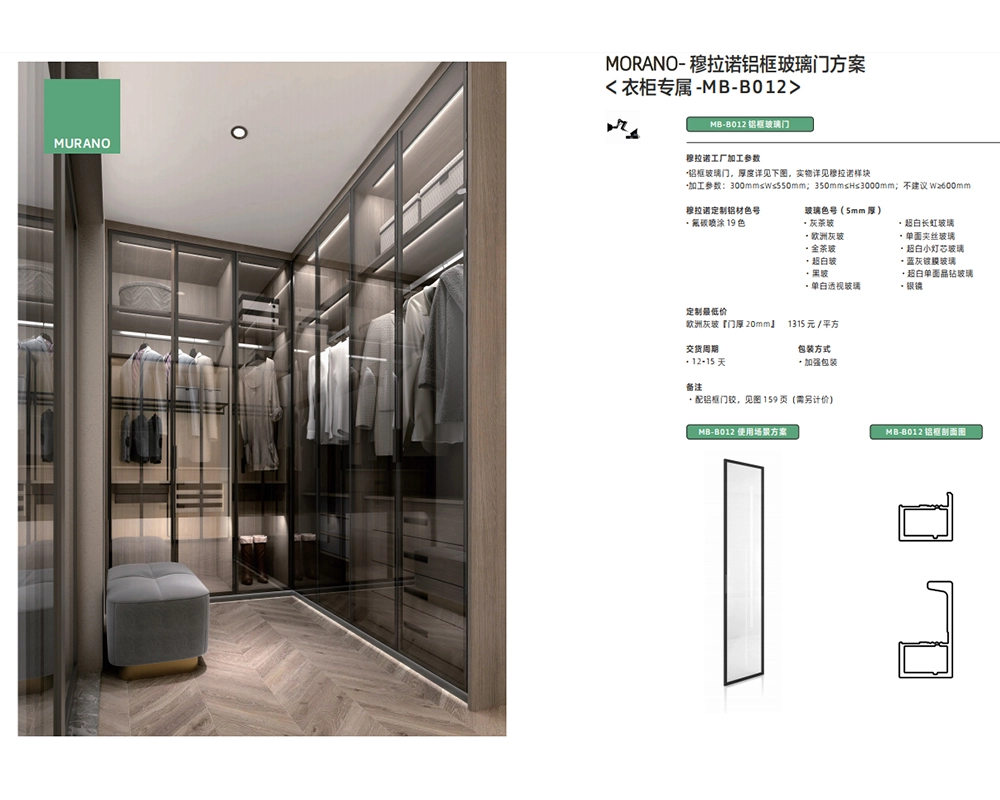
How to Choose Glass Types for Aluminum Frame Cabinet Doors
Custom Wardrobe Styles and Color Trends 2026
Maintaining and cleaning custom kitchen cabinets
FAQ
Can we produce products according to customer's room size?
Yes. All our cabinets are custom size.
What information are needed for getting a quote for our furniture cabinets?
Your size infomation or room drawings.
Can we ship the furniture cabinets to customer's port or city?
Yes. Please provide the city name or port name when you send us an inquiry.
What's the payment terms of all our products?
T/T (30% inadvance, the balance shall be paid off before delivery), Western Union or L/C.
What's lead time for furniture cabinets?
It's about 20 - 30 days.
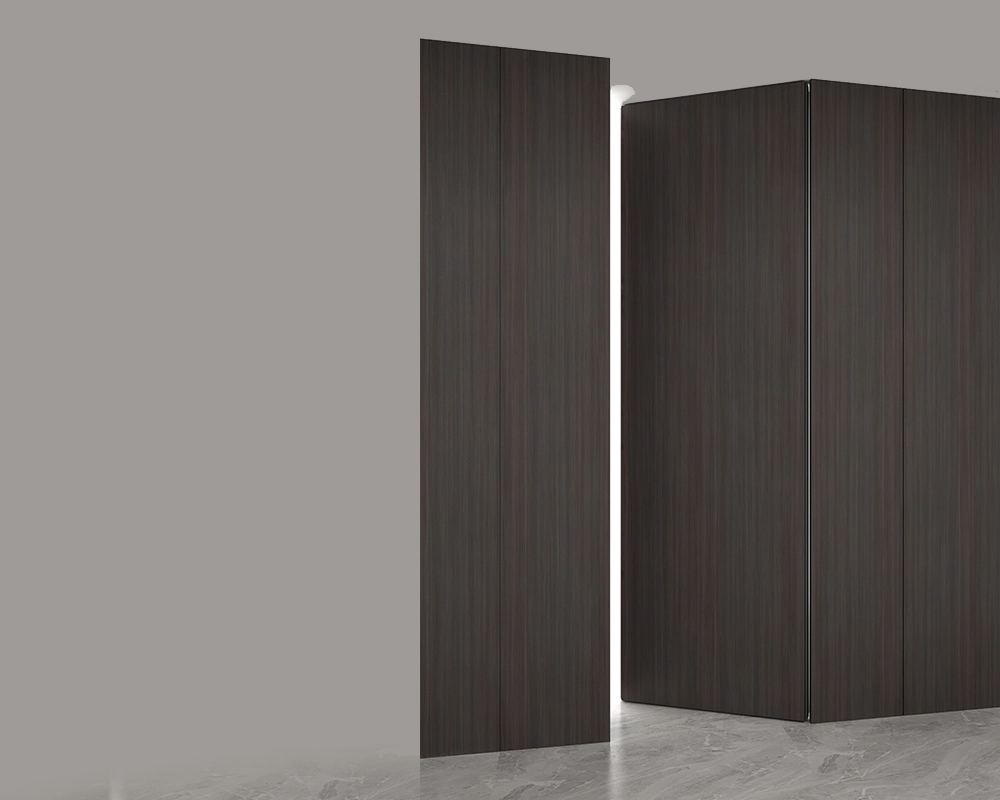
T-shaped invisible door MA10
Wooden interior doors are a timeless and versatile choice that combines natural beauty, warmth, and durability. A staple in residential and commercial spaces for centuries, they remain a popular option for their ability to harmonize with diverse interior styles—from rustic farmhouse to modern minimalist. Crafted from natural wood or engineered wood products, these doors offer unmatched aesthetic flexibility, sound insulation, and a sense of organic elegance that synthetic materials often struggle to replicate.
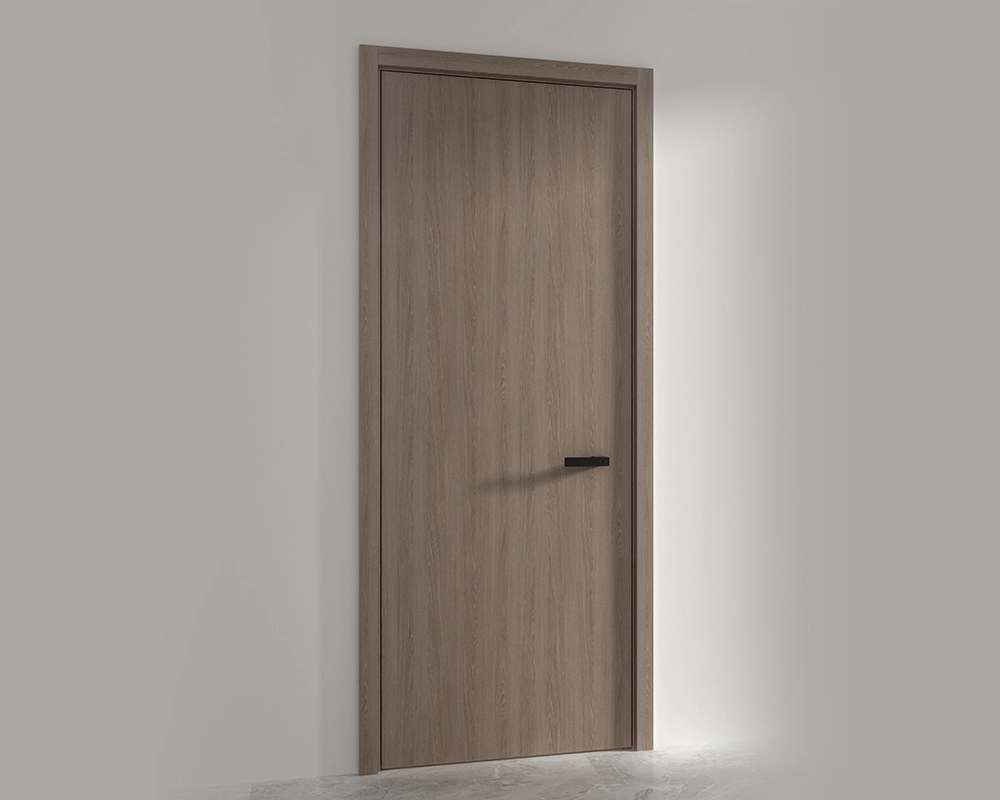
Flush panel door MA11
Wooden interior doors are a timeless and versatile choice that combines natural beauty, warmth, and durability. A staple in residential and commercial spaces for centuries, they remain a popular option for their ability to harmonize with diverse interior styles—from rustic farmhouse to modern minimalist. Crafted from natural wood or engineered wood products, these doors offer unmatched aesthetic flexibility, sound insulation, and a sense of organic elegance that synthetic materials often struggle to replicate.
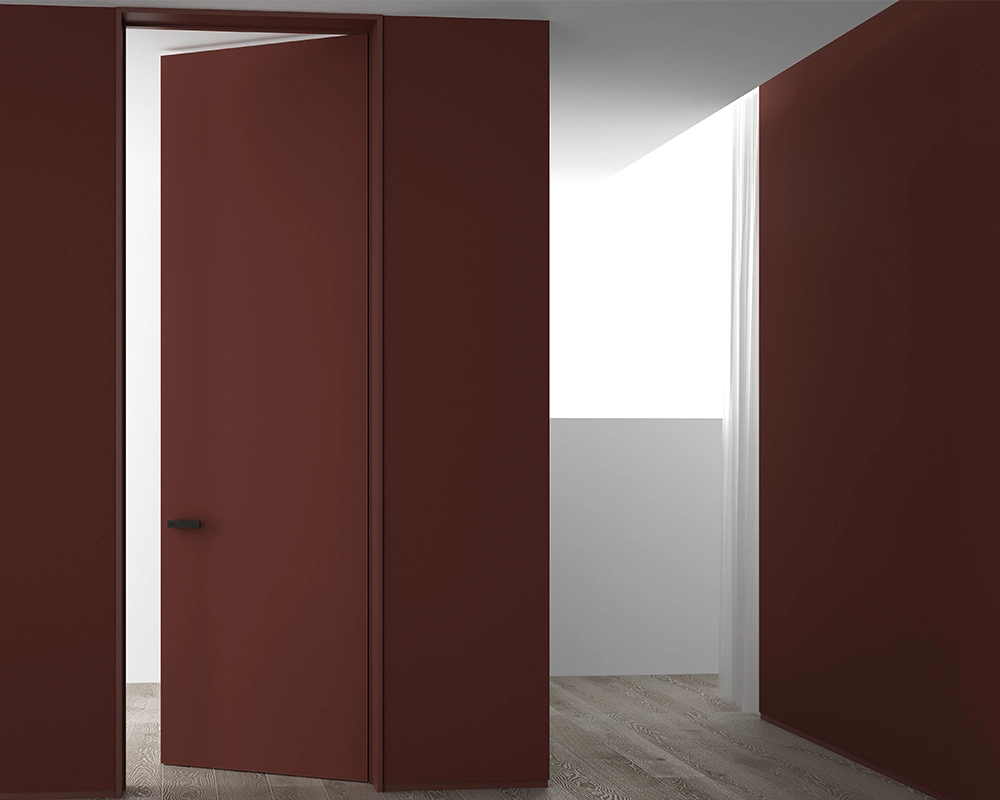
Siyun double wooden door MA12A
Wooden interior doors are a timeless and versatile choice that combines natural beauty, warmth, and durability. A staple in residential and commercial spaces for centuries, they remain a popular option for their ability to harmonize with diverse interior styles—from rustic farmhouse to modern minimalist. Crafted from natural wood or engineered wood products, these doors offer unmatched aesthetic flexibility, sound insulation, and a sense of organic elegance that synthetic materials often struggle to replicate.
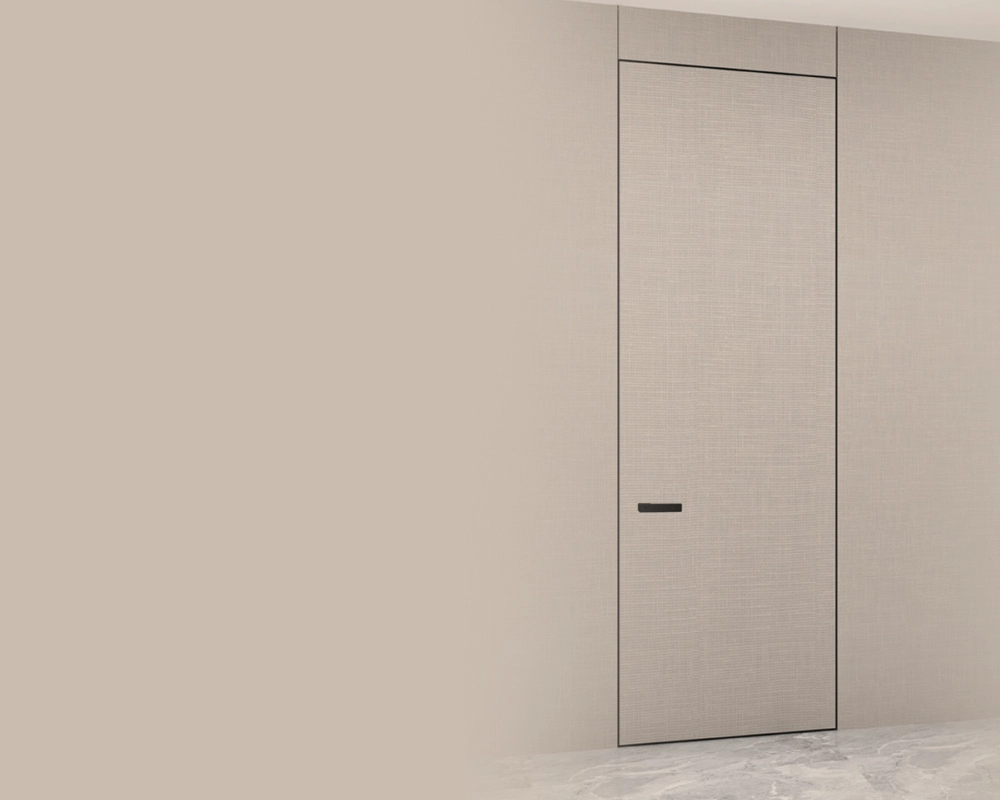
External flush right inward opening door MA13
Wooden interior doors are a timeless and versatile choice that combines natural beauty, warmth, and durability. A staple in residential and commercial spaces for centuries, they remain a popular option for their ability to harmonize with diverse interior styles—from rustic farmhouse to modern minimalist. Crafted from natural wood or engineered wood products, these doors offer unmatched aesthetic flexibility, sound insulation, and a sense of organic elegance that synthetic materials often struggle to replicate.

 Scan QR Code
FoshanMuranoCabinet
foshanmuranocabinet
Whatsapp: +8618814138020
Scan QR Code