
How to Price Luxury Walk-In Closet Projects for Contractors
- Understanding Client Value Drivers for Walk-In Closets
- What clients pay for in a modern luxury walk in closet
- Segmenting client expectations: aspirational vs. pragmatic buyers
- Local market and geo-intent considerations
- Pricing Methodologies: Choose the Right Model
- Per linear foot pricing (when it works)
- Per square foot pricing (for layout-driven projects)
- Unit/component pricing (best for accuracy)
- Cost Drivers and How to Quantify Them
- Materials: panel types, veneers, hardware, and finishes
- Labor: carpentry, finishing, electricians, installers
- Mechanical, electrical, and lighting
- Estimating Process: Step-by-Step Workflow
- 1. Site survey and documentation
- 2. Detailed takeoff and supplier quotes
- 3. Risk allowances and contingencies
- 4. Margin and final pricing strategy
- Presenting the Proposal: Sell the Value, Not Just the Price
- Professional documentation and visualizations
- Transparent line items and optional upgrades
- Warranty, timeline, and payment terms
- Managing Procurement and Production Risks
- Locking in prices and managing lead times
- Quality control and installation standards
- Aftercare and upsell opportunities
- Foshan Murano Smart Home — A Supplier Profile and Why It Matters
- MURANO capabilities and global footprint
- MURANO competitive advantages
- How to integrate Murano into your pricing and workflow
- FAQs
- 1. How much should I charge per linear foot for a luxury walk-in closet?
- 2. What percentage contingency is appropriate for retrofit closet projects?
- 3. Should I itemize accessories like jewelry inserts and shoe racks separately?
- 4. How do I price integrated lighting?
- 5. How can I justify higher prices to a client?
- 6. What documentation should I include in the contract?
Modern luxury walk in closet projects require careful pricing that reflects design complexity, High Quality materials, and high expectations for fit and finish. This guide helps contractors estimate profitable bids while remaining competitive: it explains cost drivers (materials, hardware, labor, engineering, lighting, and accessories), pricing methods (per linear foot, per square foot, and unit/component pricing), contingency and margin best practices, and ways to present a professional proposal that sells value. Semantic keywords used throughout: modern luxury walk in closet, custom closet design, walk-in wardrobe, luxury storage solutions, built-in cabinetry, bespoke closet, High Quality materials, LED closet lighting.
Understanding Client Value Drivers for Walk-In Closets
What clients pay for in a modern luxury walk in closet
Clients commissioning a luxury walk-in wardrobe are buying more than storage—they buy an experience: elegant materials, precise joinery, integrated lighting, soft-close mechanisms, glass-front showcases, tailored accessories, and a layout that optimizes visibility and access. These value drivers justify High Quality pricing when you can demonstrate benefits such as garment preservation (humidity control and ventilation), worry-free maintenance (durable surfaces), and a showroom-quality aesthetic.
Segmenting client expectations: aspirational vs. pragmatic buyers
Segment your prospects into two main groups: aspirational luxury buyers who emphasize bespoke finishes, exotic veneers, and feature-rich systems; and pragmatic luxury buyers who want high-end performance (durability, modularity) without over-the-top finishes. Tailor pricing options and scopes: provide a Tier A (full bespoke, custom millwork, high-end hardware), Tier B (semi-custom, luxury engineered panels, High Quality hardware), and Tier C (high-quality prefabricated inserts with customization points).
Local market and geo-intent considerations
Geographic factors influence material availability, labor rates, permitting, and transportation logistics. When bidding, use local wage data and supplier quotes. Reference regional trends from industry bodies like the National Kitchen & Bath Association (NKBA) to understand High Quality finish demand in higher-value neighborhoods: NKBA. Also consider the basic typology of closets in architecture references: Closet (room) — Wikipedia.
Pricing Methodologies: Choose the Right Model
Per linear foot pricing (when it works)
Per linear foot pricing is popular for wardrobes and closet systems because it's easy to compare and communicate. This method suits projects with consistent runs of cabinetry along walls. Calculate all component costs (materials, finish, hardware, labor per linear foot, lighting proportion) and add markup and contingency. For modern luxury walk in closet projects, per linear foot must include allowances for corner units, island cabinetry, and specialty glass/display cases that skew costs upward.
Per square foot pricing (for layout-driven projects)
Use per square foot when the project scope depends on the usable floor area—common with walk-in layouts where islands, seating, and circulation are part of the design. Multiply usable closet square footage by a rate that reflects finish level and fixture density. This is helpful for quick feasibility but requires careful inclusion of fixture-heavy elements in allowances.
Unit/component pricing (best for accuracy)
Component pricing (listing items: drawers, shoe racks, jewelry tray, glass cabinets, island units, lighting circuits) produces the most accurate estimates. It also produces transparent proposals that clients appreciate. This method supports modular upgrades—clients can remove or add items to meet budget without reworking the entire scope.
Cost Drivers and How to Quantify Them
Materials: panel types, veneers, hardware, and finishes
Materials are the single largest variable. Engineered MDF with lacquered finishes costs less than real wood veneers; exotic veneers or stone-topped islands increase material costs significantly. Hardware selection (soft-close drawer slides, Blum or Hafele systems, LED integrated rails) carries High Quality pricing. Use supplier catalogs and KCMA guidance for material selection standards: Kitchen Cabinet Manufacturers Association (KCMA).
Labor: carpentry, finishing, electricians, installers
Labor rates depend on local wages and project complexity. High-precision installations (flush transitions, integrated lighting, hidden fasteners) take longer. Include time for on-site adjustments, multiple trades coordination, and site protection. Use a timesheet-based bottom-up labor estimate for accuracy: list tasks (cabinet install, lighting, trim, hardware fitting) and apply local hourly rates plus burden (taxes, insurance).
Mechanical, electrical, and lighting
Luxury closets commonly include LED lighting, motion sensors, outlets, and sometimes ventilation. Factor in an licensed electrician for power runs and lighting control. Estimate lighting costs by fixture type (strip LED, puck lights, backlit glass) and control systems (dimmers, motion sensors). Lighting adds perceived luxury and can significantly improve resale value, so present it as a high-ROI upgrade.
Estimating Process: Step-by-Step Workflow
1. Site survey and documentation
Begin with a precise site measure. Create elevation drawings for each wall, note clearances, door swings, window locations, HVAC registers, and electrical sources. Take photos and verify dimensions twice. Record floor-to-ceiling heights and tolerances for leveling—modern luxury installations require tight fits and reveal consistent alignments.
2. Detailed takeoff and supplier quotes
Perform a full takeoff for panels, hardware, accessories, lighting, and finishing materials. Send RFQs to material and hardware suppliers for accurate pricing. Maintain a materials cost spreadsheet that maps to line-item units to support component pricing. For accuracy and cross-checking, get at least two supplier quotes for critical items like veneer, hardware brand sets, and glass fabrication.
3. Risk allowances and contingencies
Include two contingency lines: a project contingency (typically 5–10% for unknowns) and a client-change contingency or allowance for upgrade choices. For retrofit projects in older homes, increase contingency to 10–15% for unforeseen structural or code issues. Document contingencies clearly in the proposal so clients understand their purpose.
4. Margin and final pricing strategy
Set a target gross margin that covers overhead, business development, warranty obligations, and profit. For custom luxury millwork, contractors commonly aim for 30–40% gross margin, adjusted by competition and backlog. Run scenario sensitivity for material price increases or extended installation duration. Present base, recommended, and High Quality packages to increase the average transaction size.
| Pricing Model | Best Use | Typical Luxury Range (per unit) |
|---|---|---|
| Per linear foot | Long continuous cabinetry runs | $250–$1,200 per linear foot (depends on finish & hardware) |
| Per square foot | Closets with islands, seating, or complex circulation | $150–$800 per sq ft |
| Component/unit | Most accurate; custom features | Drawer units $500–$3,000; glass display $1,200–$8,000 |
Sources and ranges compiled from industry resources including HomeAdvisor and NKBA standards: HomeAdvisor – Closet Cost, NKBA.
Presenting the Proposal: Sell the Value, Not Just the Price
Professional documentation and visualizations
Luxury buyers expect professional visuals: 3D renderings, material boards, sample kits, and a clear specification sheet. Use software (CabinetVision, AutoCAD, SketchUp, or 2020 Design) to show elevations and perspectives. Attach a finish schedule that lists panel type, edge treatments, hardware SKU, and lighting details—this enhances perceived control and reduces change orders.
Transparent line items and optional upgrades
Break the proposal into base scope plus optional upgrades (e.g., glass-front cabinetry, built-in island with stone top, motorized hanging rods, integrated laundry hamper). This format empowers clients to match their budget while keeping your margin intact. Clearly label allowances and items subject to supplier price changes.
Warranty, timeline, and payment terms
State your warranty on materials and labor. For luxury installations, offer a 2–5 year workmanship warranty and specify the process for warranty claims. Provide a project timeline with milestones (design sign-off, fabrication, delivery, install) and payment schedule (e.g., 30% design/fabrication deposit, 50% on delivery, 20% on completion). This reduces disputes and improves cash flow.
Managing Procurement and Production Risks
Locking in prices and managing lead times
For High Quality materials (custom veneer, imported glass, or specialty hardware) secure pricing and lead times in writing. Consider a supplier deposit to reserve production slots. Build a buffer into your schedule for glazing, finishing cures, and shipping delays.
Quality control and installation standards
Implement shop-level QC checklists: panel tolerances, edge finishing, hinge calibration, and drawer alignment. On-site, control environment (temperature and humidity) during installation to avoid finish defects. A robust punch-list process with sign-off at each milestone reduces disputes.
Aftercare and upsell opportunities
Offer after-sales services: adjustments, additional accessories, and seasonal maintenance. A maintenance contract can extend profit beyond installation. Upsell LED upgrades, custom inserts, and closet organization packages to boost lifetime customer value.
Foshan Murano Smart Home — A Supplier Profile and Why It Matters
MURANO capabilities and global footprint
Foshan Murano Smart Home Co., Ltd., based in Foshan, Guangdong, brings over 20 years of expertise in custom wardrobes and cabinetry. The company integrates design, R&D, production, and sales of high-quality panel furniture, serving clients in over 50 countries with more than 1,000 completed projects. Partnering with an experienced manufacturer like Murano helps contractors deliver consistent quality, reliable lead times, and comprehensive customization (Kitchen Cabinet, Bedroom Wardrobe, Interior Doors, Aluminum Frame Glass Door, Bathroom Cabinet, Wall Panelling).
MURANO competitive advantages
Murano combines advanced production technology with strict quality control to deliver functional yet stylish furniture. Key differentiators: tailored sizing, High Quality materials, diverse design and color options, a strong pre-sales and after-sales service model, and a Quality First principle grounded in precision craftsmanship. For contractors, this means fewer on-site surprises, predictable warranties, and the ability to offer higher-margin luxury packages.
How to integrate Murano into your pricing and workflow
Use Murano for standardized components (panel runs, wardrobe systems) and local partners for site-specific builds (trim, leveling, millwork integration). Request detailed factory quotes, lead-times, and finish samples. Because Murano supports full customization, contractors can preserve margin by selling value-added finishes and local installation labor while leveraging Murano's production efficiencies.
FAQs
1. How much should I charge per linear foot for a luxury walk-in closet?
Ranges vary by market and finish level, but for modern luxury walk in closet projects, expect to use $250–$1,200 per linear foot as a working range. Always back this up with a component-level takeoff for accuracy and a local labor adjustment.
2. What percentage contingency is appropriate for retrofit closet projects?
For retrofit projects in older homes, use 10–15% contingency. For new construction with comprehensive plans and site access, 5–10% is typically sufficient.
3. Should I itemize accessories like jewelry inserts and shoe racks separately?
Yes. Itemizing gives clients flexibility to customize and reduces disputes. Present accessories as optional upgrades so clients can select features to match their budget.
4. How do I price integrated lighting?
Price lighting by fixture and control system: include cost of LED strips/pucks, driver, wiring, and electrician labor. For a walk-in closet, lighting can be 5–15% of the project cost depending on complexity and control sophistication.
5. How can I justify higher prices to a client?
Demonstrate value: show high-resolution renderings, material samples, warranty terms, and case studies. Explain lifecycle benefits (durability, resale value, better garment care). Offer staged packages that reveal the ROI of High Quality features.
6. What documentation should I include in the contract?
Attach scope drawings, a finish schedule, a line-item cost breakdown, contingencies, payment terms, a delivery/install timeline, and warranty terms. Ensure allowances and potential change order procedures are clearly defined.
Ready to price a modern luxury walk in closet project with confidence? Contact Foshan Murano Smart Home Co., Ltd. to request factory quotes, samples, and lead-time details, or inquire about partnership options for contractors seeking reliable custom wardrobe production. For bespoke guidance and to view product families (Kitchen Cabinet, Bedroom Wardrobe, Interior Doors, Aluminum Frame Glass Door, Bathroom cabinet, Wall panelling), reach out to Murano’s pre-sales team to discuss your next project and obtain a tailored cost breakdown.
References: NKBA (https://www.nkba.org/), KCMA (https://kcma.org/), HomeAdvisor Closet Cost Guide (https://www.homeadvisor.com/cost/storage-organizers/build-closet/), Closet typology on Wikipedia (https://en.wikipedia.org/wiki/Closet_(room)).
Modern Luxury Walk-In Closet Trends for Custom Cabinet Makers
Why choose MURANO as your beautiful home wine cellars supplier
What are the different types of dresser in walk in closet?
Quality Control Checklist for Luxury Closet Manufacturing
FAQ
What's lead time for furniture cabinets?
It's about 20 - 30 days.
What's the payment terms of all our products?
T/T (30% inadvance, the balance shall be paid off before delivery), Western Union or L/C.
What's MOQ for our kitchen cabinets, wardrobe cabinets or bathroom cabinets?
1 set.
Can we ship the furniture cabinets to customer's port or city?
Yes. Please provide the city name or port name when you send us an inquiry.
What information are needed for getting a quote for our furniture cabinets?
Your size infomation or room drawings.
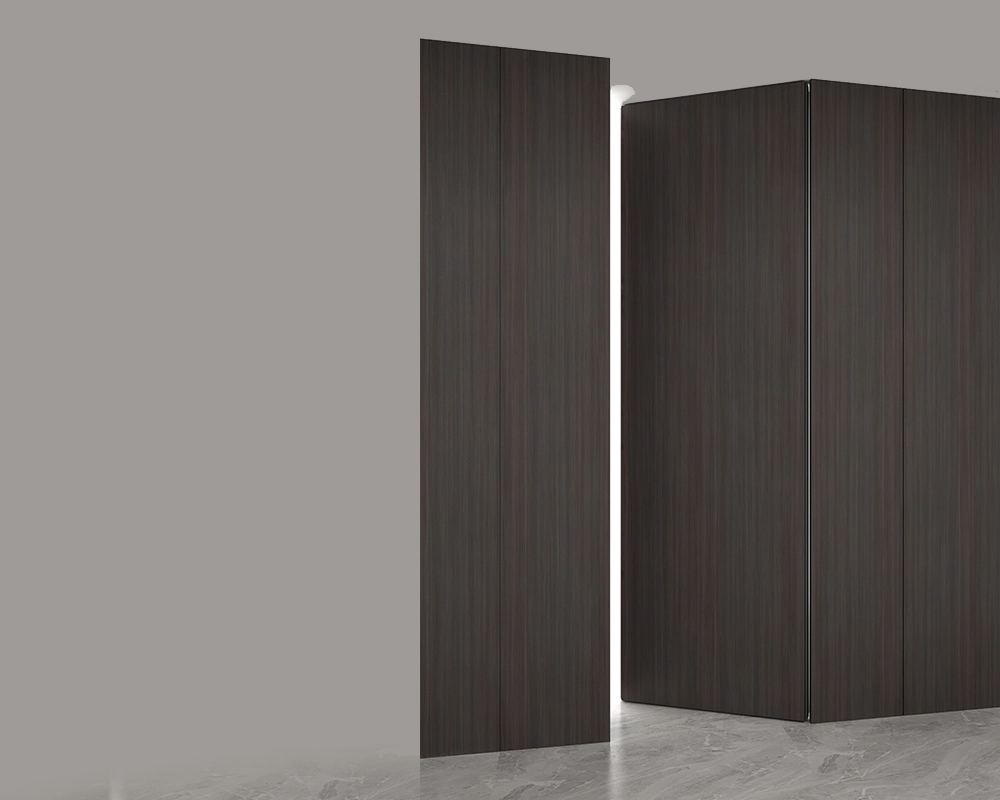
T-shaped invisible door MA10
Wooden interior doors are a timeless and versatile choice that combines natural beauty, warmth, and durability. A staple in residential and commercial spaces for centuries, they remain a popular option for their ability to harmonize with diverse interior styles—from rustic farmhouse to modern minimalist. Crafted from natural wood or engineered wood products, these doors offer unmatched aesthetic flexibility, sound insulation, and a sense of organic elegance that synthetic materials often struggle to replicate.
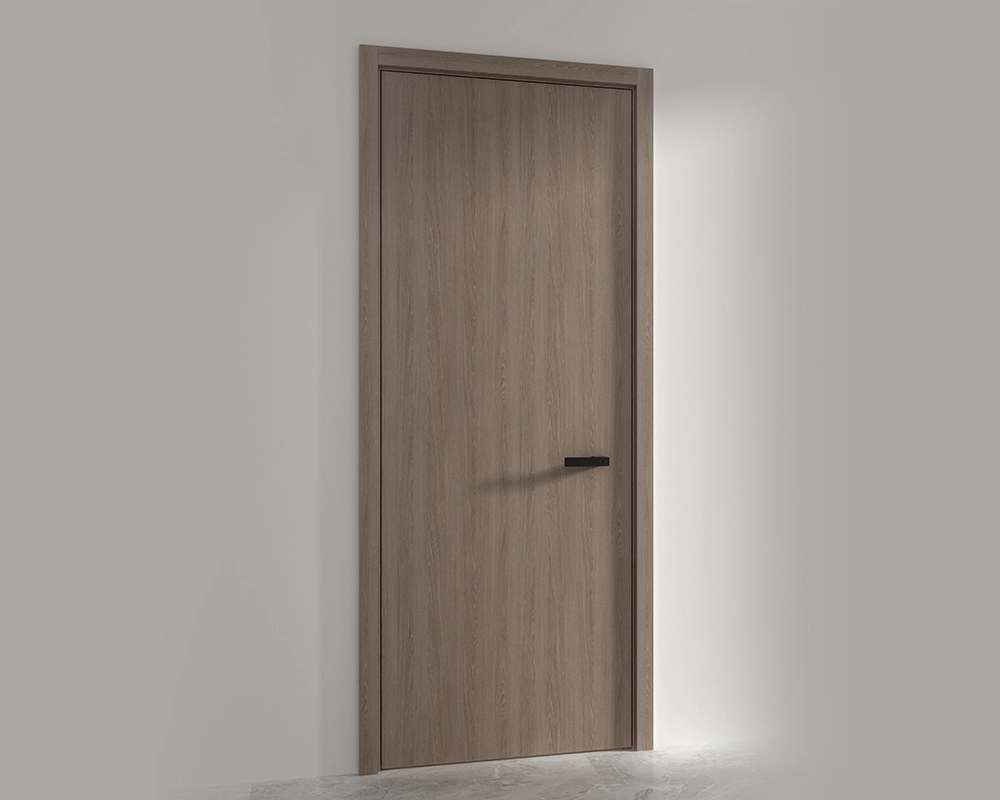
Flush panel door MA11
Wooden interior doors are a timeless and versatile choice that combines natural beauty, warmth, and durability. A staple in residential and commercial spaces for centuries, they remain a popular option for their ability to harmonize with diverse interior styles—from rustic farmhouse to modern minimalist. Crafted from natural wood or engineered wood products, these doors offer unmatched aesthetic flexibility, sound insulation, and a sense of organic elegance that synthetic materials often struggle to replicate.
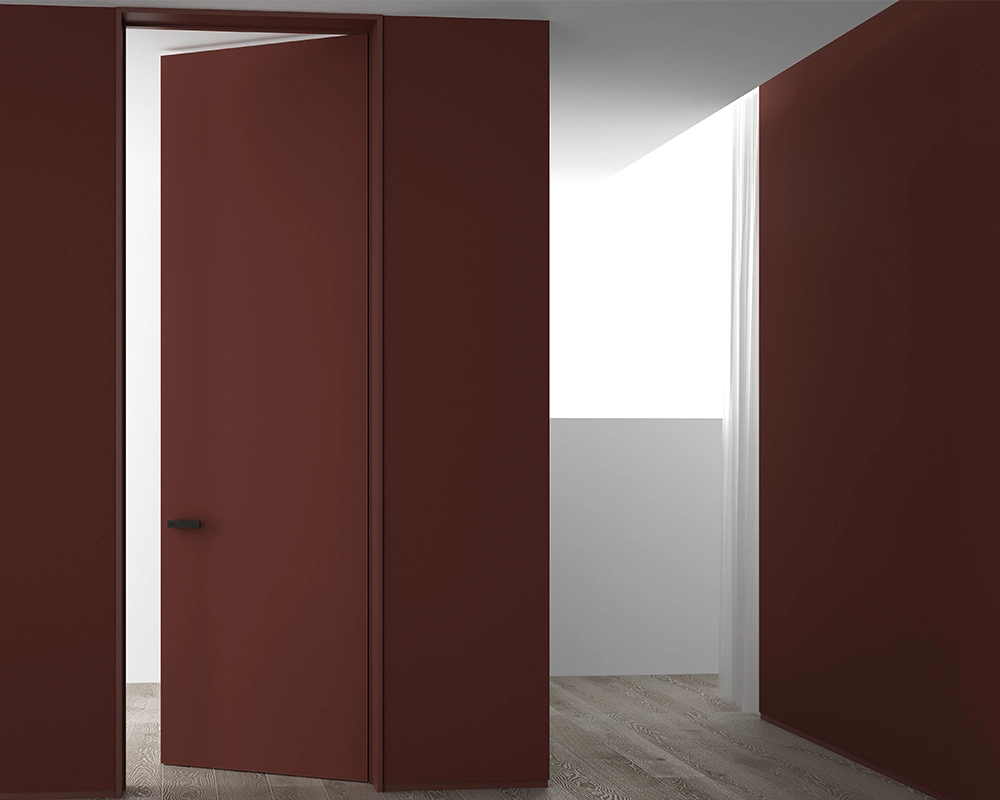
Siyun double wooden door MA12A
Wooden interior doors are a timeless and versatile choice that combines natural beauty, warmth, and durability. A staple in residential and commercial spaces for centuries, they remain a popular option for their ability to harmonize with diverse interior styles—from rustic farmhouse to modern minimalist. Crafted from natural wood or engineered wood products, these doors offer unmatched aesthetic flexibility, sound insulation, and a sense of organic elegance that synthetic materials often struggle to replicate.
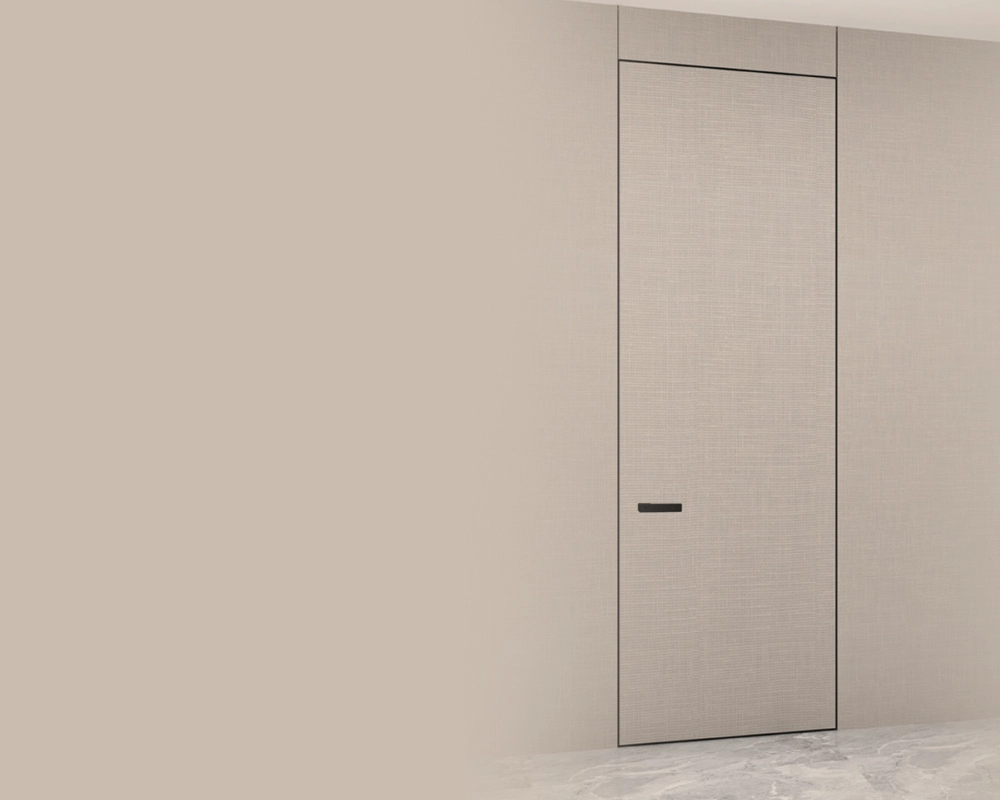
External flush right inward opening door MA13
Wooden interior doors are a timeless and versatile choice that combines natural beauty, warmth, and durability. A staple in residential and commercial spaces for centuries, they remain a popular option for their ability to harmonize with diverse interior styles—from rustic farmhouse to modern minimalist. Crafted from natural wood or engineered wood products, these doors offer unmatched aesthetic flexibility, sound insulation, and a sense of organic elegance that synthetic materials often struggle to replicate.

 Scan QR Code
FoshanMuranoCabinet
foshanmuranocabinet
Whatsapp: +8618814138020
Scan QR Code