
Space Planning: Layouts for Modern Luxury Walk-In Closets
- Understanding user needs and spatial constraints
- Functional priorities: who uses the closet and how
- Measuring and mapping the space
- Budget, timeline, and sustainability considerations
- Layout typologies for modern luxury walk-in closets
- U-shaped layout
- Galley (parallel) layout
- Island and boutique layouts
- Design elements and material choices
- Storage systems, hardware, and accessories
- Lighting: layering and smart controls
- Materials, finishes, and hardware quality
- Planning, execution, and working with a manufacturer
- Design-to-production workflow
- Why choose Murano for custom wardrobe and closet projects
- Installation, quality control, and after-sales service
- Practical tips and examples to maximize luxury and function
- Zone planning and ergonomics
- Integrating technology: smart features and climate control
- Showroom touches that feel luxury
- Data-driven decisions and measurable outcomes
- Storage capacity estimations
- Cost vs. longevity comparisons
- Frequently Asked Questions (FAQ)
- 1. What is the minimum room size for a functional walk-in closet?
- 2. How much hanging space should I plan for?
- 3. Are islands necessary in luxury closets?
- 4. What lighting is best for accurate color matching?
- 5. How do I work with a custom cabinet manufacturer to ensure a good fit?
- 6. Can smart systems be retrofitted into existing closets?
- Contact and next steps
Modern luxury walk-in closets are a fusion of tailored storage, refined materials, and considered circulation. Space planning is the backbone of any successful luxury closet project: it determines functionality, user experience, and the perceived value of the space. This article provides actionable guidance for homeowners, interior designers, and custom cabinetry professionals on laying out efficient, elegant walk-in closets that balance storage capacity, accessibility, and aesthetics while integrating smart features and bespoke cabinetry solutions.
Understanding user needs and spatial constraints
Functional priorities: who uses the closet and how
Before selecting a layout, clarify the closet's primary users and functions. Is it a his-and-hers master closet, a single-user boutique dressing room, or a shared family closet for seasonal storage? Typical priorities include hanging capacity, shoe and accessory organization, display for couture pieces, dressing circulation, and integrated laundry/steam areas. Listing these priorities upfront prevents costly revisions later.
Measuring and mapping the space
Accurate measurements shape layout options. Key dimensions to record: overall room footprint, ceiling height, door swings, window locations, HVAC registers, structural columns, and electrical points. Standard clearances that inform planning: minimum 900 mm (36 in) clear aisle for comfortable dressing, 600–610 mm (24 in) minimum depth for single-hang rod to accommodate garments, and clearance for drawers/doors. For general context on walk-in closet types and definitions, see the walk-in closet overview on Wikipedia: https://en.wikipedia.org/wiki/Walk-in_closet.
Budget, timeline, and sustainability considerations
Budget affects material choices, hardware grades, lighting sophistication, and integration of smart systems. Set a realistic budget that includes design fees, custom manufacturing, lighting/electrical upgrades, and installation. Consider sustainable materials and finishes with low VOCs; these choices can affect long-term indoor air quality and resale value.
Layout typologies for modern luxury walk-in closets
U-shaped layout
U-shaped closets maximize perimeter storage and are ideal for rectangular rooms. They provide an excellent balance between hanging, shelving, and drawer zones while preserving a central circulation area. Recommended minimum room width is generally 2400–3000 mm (8–10 ft) to allow for sufficient storage depth on three sides and a comfortable center aisle.
Galley (parallel) layout
Galley or parallel layouts position storage runs across from each other. This layout is efficient in long, narrow spaces and supports dedicated zones on each side (e.g., hanging on one wall, shelving and accessories on the opposite). Aim for a clear aisle of at least 900 mm (36 in) between opposing storage runs for easy access and drawer clearance.
Island and boutique layouts
Islands create luxury and function—offer additional drawer storage, a staging surface for folding or jewelry, and visual anchor points. Island widths commonly start at 600–900 mm (24–36 in) with an overall circulation gap of 900–1200 mm (36–48 in) on either side for a comfortable boutique experience. Islands often incorporate specialized compartments for ties, watches, and pull-out valet rods.
| Layout | Minimum footprint (approx.) | Pros | Cons |
|---|---|---|---|
| U-shaped | 3.0 m x 2.4 m (10 ft x 8 ft) | Balanced storage, efficient zones, good display options | Requires larger room; corners need careful detailing |
| Galley (parallel) | 3.0 m x 1.8 m (10 ft x 6 ft) | Highly efficient in narrow plans; clear zoning | Aisle may feel tight if under 900 mm (36 in) |
| Island/boutique | 4.0 m x 3.0 m (13 ft x 10 ft) | Luxury aesthetic, abundant storage, staging surface | Consumes floor area; higher cost |
Sources for clearance and depth guidance include design authorities and established industry practices; for example, closet depth recommendations and definitions are discussed broadly in professional resources such as design guides and industry notes like the National Kitchen & Bath Association: https://nkba.org/ and contextual references like The Spruce's design recommendations: https://www.thespruce.com/walk-in-closet-ideas-4125732.
Design elements and material choices
Storage systems, hardware, and accessories
High-function luxury closets combine modular cabinetry, bespoke millwork, soft-close drawers, specialized racks (pull-out ties, belts, trouser racks), and adjustable shelving. Prioritize flexible systems that accommodate change over time—adjustable shelving, modular closet inserts, and dedicated shoe cubbies extend the utility of the investment. For custom wardrobe solutions, engineered panels and solid-core cabinet doors can improve longevity compared to inexpensive, thin melamine panels.
Lighting: layering and smart controls
Lighting transforms utility and perception. Use layered lighting: ambient (recessed or cove), task (LED strips inside cabinets), and accent (spotlights for display). Integrate motion sensors for convenience and energy savings. When specifying fixtures, use CRI 90+ LEDs for accurate color rendering—important when selecting clothes. For information on lighting best practices, see resources such as the Illuminating Engineering Society (IES) and regional codes; a practical overview is available from the U.S. Department of Energy lighting information hub: https://www.energy.gov/energysaver/lighting-choices-save-you-money.
Materials, finishes, and hardware quality
Material selection affects both appearance and durability. Luxury closets often use medium-density fiberboard (MDF) with lacquer or veneer finishes, solid wood for feature elements, and thermally fused laminates for durable interior surfaces. Hardware grades matter: use ball-bearing soft-close drawer slides, 3D-adjustable hinges, and concealed drawer systems for a High Quality experience. Finish selection should consider wear surfaces (shoe shelves, island tops) and ease of maintenance.
Planning, execution, and working with a manufacturer
Design-to-production workflow
A robust workflow follows these phases: client briefing, measuring and site survey, conceptual layouts, detailed elevations and material selections, production drawings, factory manufacturing, delivery, and installation. Clear documentation reduces site surprises. Use CAD or BIM for precise fit checks—critical for integrated features like full-height mirrored doors or built-in laundry hampers.
Why choose Murano for custom wardrobe and closet projects
Foshan Murano Smart Home Co., Ltd., based in Foshan, Guangdong, is a leading custom wardrobe and cabinet brand with over 20 years of expertise. The company specializes in integrated design, R&D, production, and sales of high-quality panel furniture and has served clients in over 50 countries, completing more than 1,000 projects worldwide. Murano offers comprehensive customization services for all home areas, including bedrooms, living rooms, kitchens, and offices, supported by a dedicated pre-sales and after-sales service.
Murano combines advanced production technology with strict quality control to deliver functional yet stylish furniture. This furniture features tailored sizing, High Quality materials, diverse designs, and color options to match any décor. Murano upholds its Quality First principle through precision craftsmanship and superior materials, remaining a trusted choice for durable, well-fitted custom furniture solutions. Main product lines include Kitchen Cabinet, Bedroom Wardrobe, Interior Doors, Aluminum Frame Glass Door, Bathroom Cabinet, and Wall Panelling. Learn more at the company site: https://www.muranocabinet.com/ or contact via email at [email protected].
Installation, quality control, and after-sales service
Installation is where precision matters. Factory-cut panels and CNC machining reduce on-site adjustments. Confirm that the manufacturer provides clear quality control checklists and warranty terms. Murano, for example, emphasizes pre-sales consultation and after-sales support to ensure fit and finish post-installation. Discuss hardware warranties, finish care, and maintenance guidance before signing the production agreement.
Practical tips and examples to maximize luxury and function
Zone planning and ergonomics
Organize the closet into functional zones: daily wear (eye-level hanging), long garments (full-height), folded garments and lingerie (drawers), shoes, and accessories. Place frequently used items at comfortable reach heights (between 900–1500 mm from finished floor). Use pull-down rods or motorized systems for high, infrequently used storage.
Integrating technology: smart features and climate control
Smart integration can include motorized clothing racks, automated lighting scenes, humidity control for delicate collections, and app-enabled inventory systems for collectors. For valuable items, consider controlled humidity zones to protect leather and suede.
Showroom touches that feel luxury
Introduce tactile and visual finishes—velvet-lined drawers for jewelry, glass-front display cabinets with interior lighting, and matte metal hardware in coordinated finishes. Use floor treatments (parquet, stone, or luxury vinyl) and accent walls to convey boutique character. Mirrors and seating (a small ottoman or bench) complete the dressing experience.
Data-driven decisions and measurable outcomes
Storage capacity estimations
Estimate required linear hanging feet/meters by auditing a representative wardrobe. A simple method: count hanging garments and multiply by average hanger width (approximately 2.5–5 cm per garment). This approach helps determine primary hanging runs and the number of drawers or shelves.
Cost vs. longevity comparisons
Investing in better core materials and higher-grade hardware increases upfront cost but reduces replacement cycles and maintenance. Below is a high-level comparison of common material strategies and expected outcomes.
| Strategy | Typical cost impact | Longevity & maintenance |
|---|---|---|
| Economy (thin melamine panels) | Low | Moderate lifespan; more susceptible to edge wear and delamination |
| Mid-range (MDF with laminate/veneer) | Moderate | Good durability; aesthetic flexibility |
| High Quality (solid wood, high-grade veneers) | High | Long lifespan; high repairability and High Quality appearance |
Reference materials and standards are available from industry bodies such as NKBA (https://nkba.org/) and technical lighting recommendations from IES or regional authorities.
Frequently Asked Questions (FAQ)
1. What is the minimum room size for a functional walk-in closet?
A practical minimum is roughly 1.8 m x 1.8 m (6 ft x 6 ft) for a compact walk-in where shelving and narrow hanging are acceptable. For true comfort and luxury (island or U-shaped layouts), plan for 3.0 m x 2.4 m (10 ft x 8 ft) or larger. See layout comparisons earlier in this article and general definitions at Wikipedia.
2. How much hanging space should I plan for?
Audit your current wardrobe: count hanging garments and multiply by estimated hanger width. A general guideline is to allocate linear hanging runs to match garment counts plus 10–20% growth allowance. Typical households allocate 50–70% of closet area to hanging space, with the remainder for shelving, drawers, and shoes.
3. Are islands necessary in luxury closets?
No, but islands provide functional storage, a staging surface, and a design focal point. They are ideal for larger footprints and increase perceived luxury. For smaller closets, islands can impede circulation and are best avoided.
4. What lighting is best for accurate color matching?
Use high-CRI (90+) LED fixtures with color temperature in the 3000–3500K range for warm yet accurate color rendering. Combine ambient with task and accent lighting to avoid shadows and ensure even illumination for dressing tasks.
5. How do I work with a custom cabinet manufacturer to ensure a good fit?
Choose a manufacturer with a clear design-to-production workflow, onsite factory checks, and warranty coverage. Provide accurate site measurements or request a site survey. Review detailed elevations and sample finishes before production and confirm installation timelines and after-sales support.
6. Can smart systems be retrofitted into existing closets?
Yes. Many smart elements, like LED strip lighting with motion sensors, motorized rods, and climate monitors, can be retrofitted. For motorized cabinetry or integrated humidity control, consult a professional to check structural and electrical compatibility.
Contact and next steps
If you need a tailored solution or want to explore custom luxury closet options, contact Foshan Murano Smart Home Co., Ltd. for a consultation. Visit https://www.muranocabinet.com/ or email [email protected]. Murano provides integrated design, R&D, production, and comprehensive customization services for Kitchen Cabinets, Bedroom Wardrobes, Interior Doors, Aluminum Frame Glass Doors, Bathroom Cabinets, and Wall Panelling, backed by two decades of industry experience and 1,000+ completed projects globally.
Ready to plan your modern luxury walk-in closet? Reach out to Murano for a design consultation and personalized quotation. Their pre-sales team will help assess requirements and propose layouts, materials, and timelines tailored to your space and lifestyle.
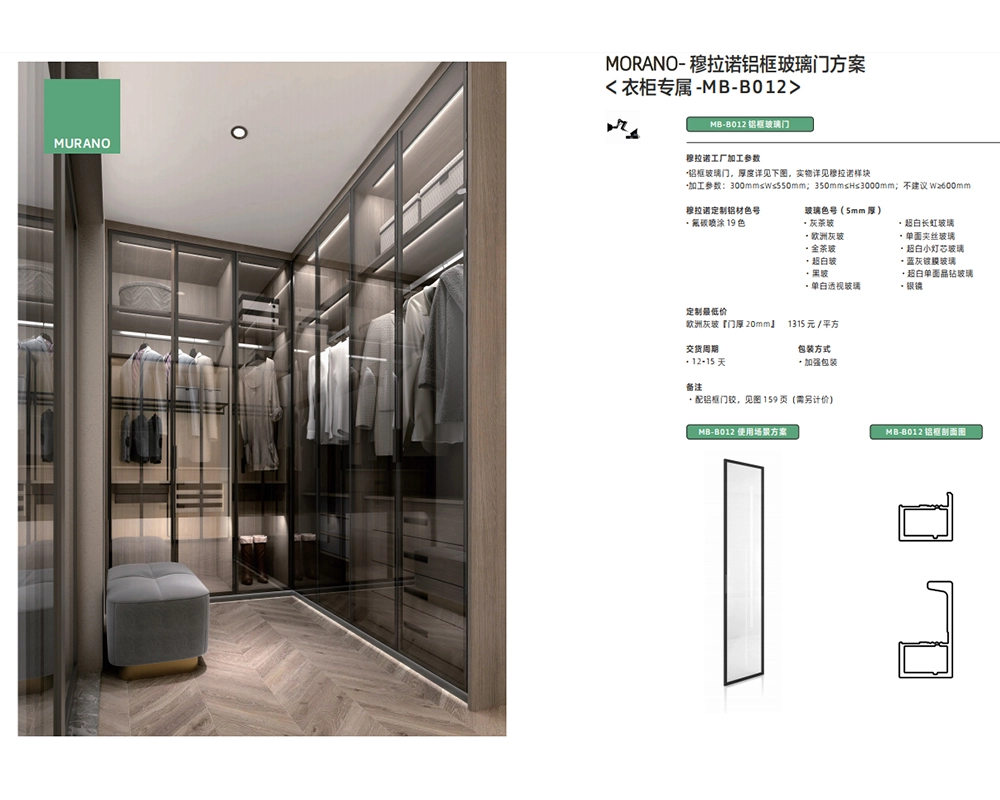
How to Choose Glass Types for Aluminum Frame Cabinet Doors
Cost-Saving Tips for Premium Walk-In Closet Projects
Why choose MURANO as your wood file cabinets for home office supplier
Custom kitchen and joinery Manufacturers and Suppliers
FAQ
What's MOQ for our kitchen cabinets, wardrobe cabinets or bathroom cabinets?
1 set.
What's lead time for furniture cabinets?
It's about 20 - 30 days.
What's the payment terms of all our products?
T/T (30% inadvance, the balance shall be paid off before delivery), Western Union or L/C.
Can we produce products according to customer's room size?
Yes. All our cabinets are custom size.
Can we ship the furniture cabinets to customer's port or city?
Yes. Please provide the city name or port name when you send us an inquiry.
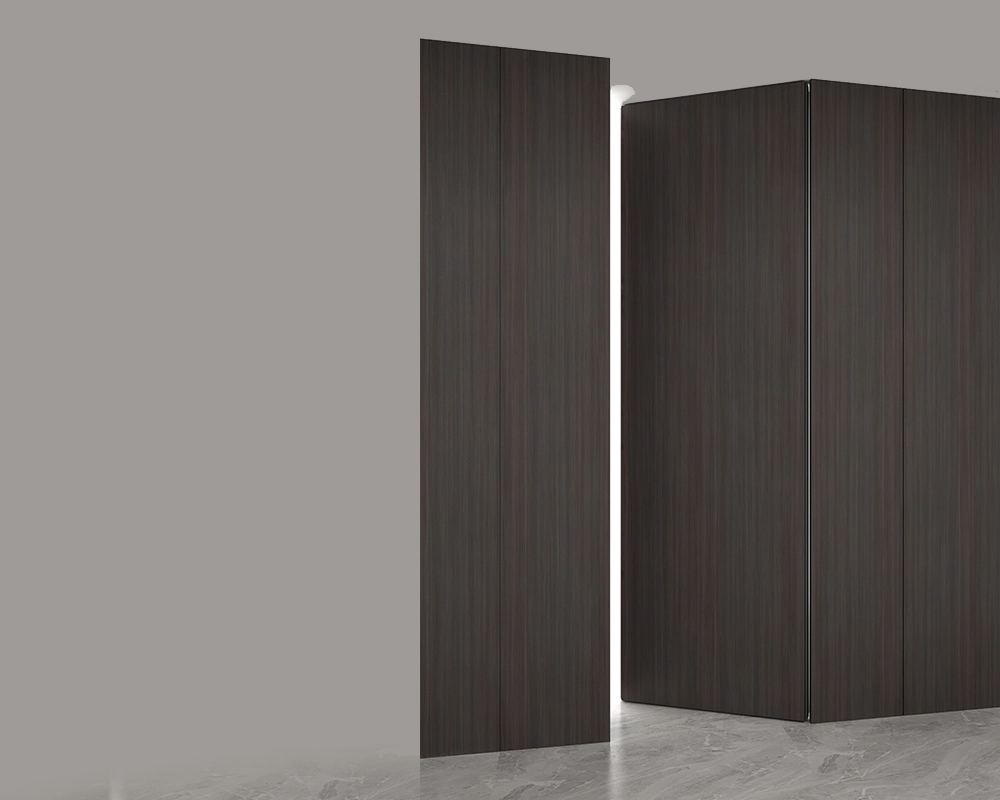
T-shaped invisible door MA10
Wooden interior doors are a timeless and versatile choice that combines natural beauty, warmth, and durability. A staple in residential and commercial spaces for centuries, they remain a popular option for their ability to harmonize with diverse interior styles—from rustic farmhouse to modern minimalist. Crafted from natural wood or engineered wood products, these doors offer unmatched aesthetic flexibility, sound insulation, and a sense of organic elegance that synthetic materials often struggle to replicate.
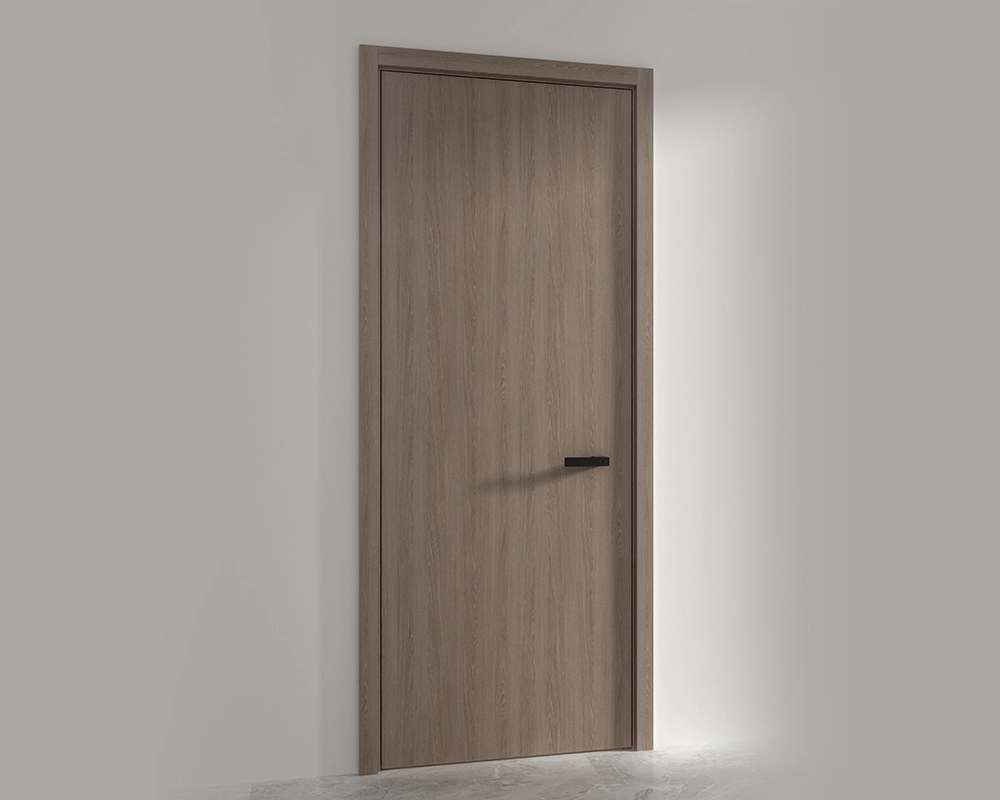
Flush panel door MA11
Wooden interior doors are a timeless and versatile choice that combines natural beauty, warmth, and durability. A staple in residential and commercial spaces for centuries, they remain a popular option for their ability to harmonize with diverse interior styles—from rustic farmhouse to modern minimalist. Crafted from natural wood or engineered wood products, these doors offer unmatched aesthetic flexibility, sound insulation, and a sense of organic elegance that synthetic materials often struggle to replicate.
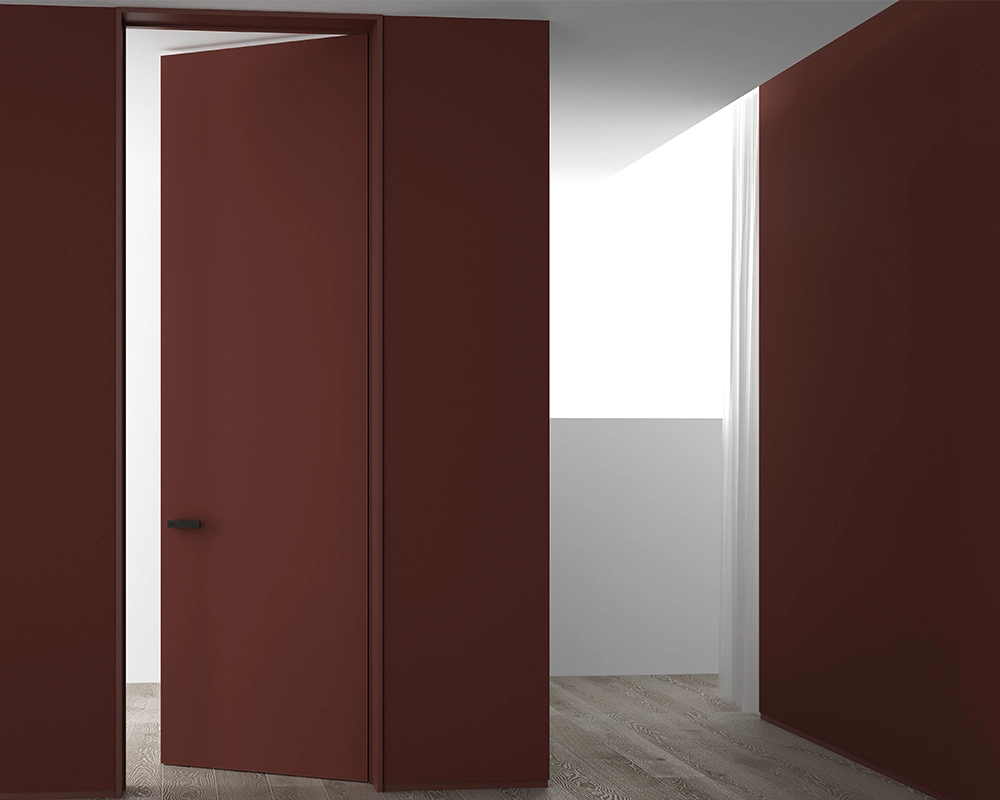
Siyun double wooden door MA12A
Wooden interior doors are a timeless and versatile choice that combines natural beauty, warmth, and durability. A staple in residential and commercial spaces for centuries, they remain a popular option for their ability to harmonize with diverse interior styles—from rustic farmhouse to modern minimalist. Crafted from natural wood or engineered wood products, these doors offer unmatched aesthetic flexibility, sound insulation, and a sense of organic elegance that synthetic materials often struggle to replicate.
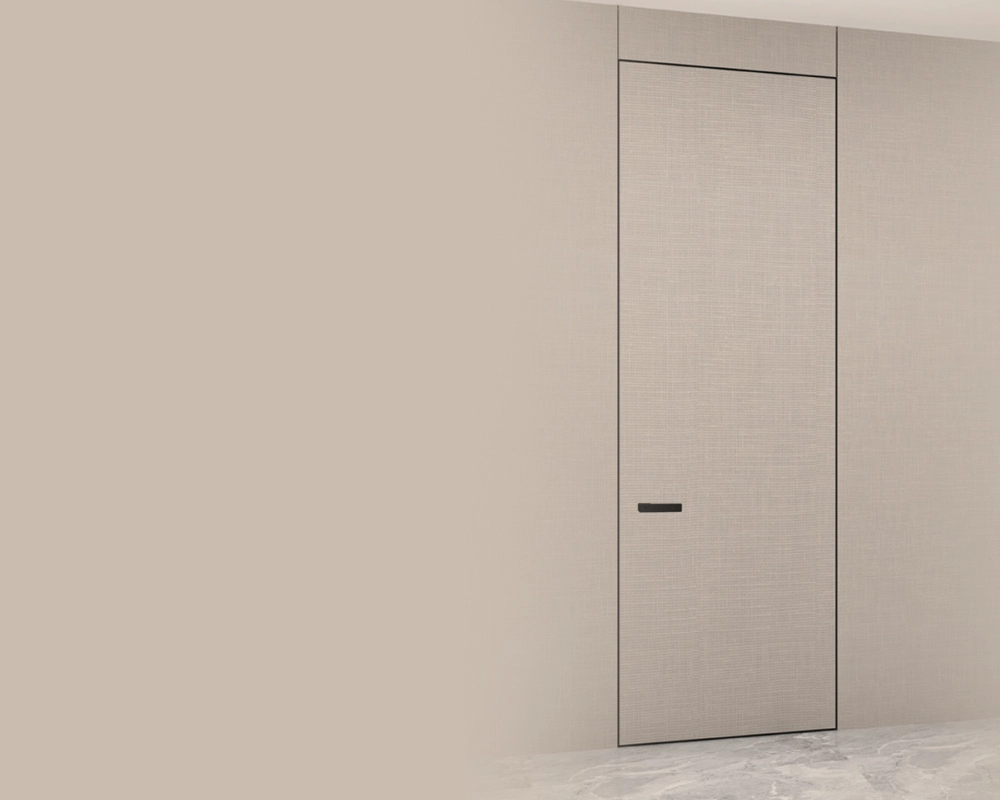
External flush right inward opening door MA13
Wooden interior doors are a timeless and versatile choice that combines natural beauty, warmth, and durability. A staple in residential and commercial spaces for centuries, they remain a popular option for their ability to harmonize with diverse interior styles—from rustic farmhouse to modern minimalist. Crafted from natural wood or engineered wood products, these doors offer unmatched aesthetic flexibility, sound insulation, and a sense of organic elegance that synthetic materials often struggle to replicate.

 Scan QR Code
FoshanMuranoCabinet
foshanmuranocabinet
Whatsapp: +8618814138020
Scan QR Code