
Sustainable Closet Materials for Eco-Friendly Developments
- Designing Sustainable Bedroom Storage for Eco-Conscious Projects
- Understanding Sustainability Criteria for Bedroom Closets and Wardrobes
- Key performance and environmental metrics
- Why these metrics matter for projects and occupants
- Material Options: Benefits, Trade-offs, and Best Uses
- Solid wood and certified hardwoods
- Engineered wood: plywood, MDF, and particleboard
- Bamboo, reclaimed wood, and rapidly renewable materials
- Metal, glass, and recycled plastics
- Specification Guidance and Comparative Data
- Comparing options: performance vs sustainability
- Quantifying embodied carbon and VOCs — practical targets
- Implementation: Design, Procurement, and Installation Best Practices
- Design for longevity and adaptability
- Procurement checklist for sustainable bedroom closets and wardrobes
- On-site handling and indoor air quality controls
- Murano: Custom Wardrobe Solutions and Sustainable Advantages
- Company profile and relevance to sustainable projects
- MURANO's sustainability and product strengths
- How Murano supports eco-friendly developments
- Cost, Lifecycle, and Maintenance Considerations
- Balancing upfront cost and lifecycle value
- Maintenance best practices to extend service life
- Frequently Asked Questions (FAQ)
- 1. What is the most sustainable material for bedroom closets and wardrobes?
- 2. How can I be sure engineered wood won’t emit harmful formaldehyde?
- 3. Are recycled plastics a good choice for closet shelving?
- 4. What certifications should I request from a wardrobe manufacturer?
- 5. How can a developer reduce waste during wardrobe installation?
- 6. Can Murano provide documentation for green building certifications?
- References and Authoritative Resources
Designing Sustainable Bedroom Storage for Eco-Conscious Projects
As developers, architects, and homeowners shift toward low-carbon, healthy buildings, the specification of materials for bedroom closets and wardrobes becomes critical. Choices that balance durability, low-toxic emissions, recycled content, and responsible sourcing reduce environmental impact while improving occupant health and long-term value. This article explains the most credible sustainable material options, how to interpret certifications and test data, and practical specification tips for large-scale eco-friendly developments.
Understanding Sustainability Criteria for Bedroom Closets and Wardrobes
Key performance and environmental metrics
When assessing materials for bedroom closets and wardrobes, evaluate:
- Embodied carbon (kg CO2e per m2 or per unit)
- Durability and service life (years before replacement)
- Indoor air quality (formaldehyde and VOC emissions)
- Recycled or rapidly renewable content
- End-of-life options (reuse, recycling, disposal)
- Supply chain transparency and certification (FSC, PEFC, EPDs)
Why these metrics matter for projects and occupants
A material with low upfront cost but poor durability or high VOC emissions can increase lifecycle environmental cost and reduce occupant health and satisfaction. Quantifying embodied carbon via Environmental Product Declarations (EPDs) and verifying chain-of-custody with Forest Stewardship Council (FSC) labels are proven best practices for reducing project risk and improving sustainability credentials.
Material Options: Benefits, Trade-offs, and Best Uses
Solid wood and certified hardwoods
Solid wood has high durability and aesthetic appeal. When sourced with credible chain-of-custody certification (FSC or PEFC), it can be a sustainable choice because wood stores carbon and, when harvested responsibly, supports forest ecosystems. Use solid wood for face frames, doors, and high-wear components. Watch for formaldehyde-free adhesives and low-VOC finishes.
Engineered wood: plywood, MDF, and particleboard
Engineered wood provides dimensional stability and cost-efficiency. Plywood generally performs better than MDF or particleboard in load-bearing and humid conditions. For sustainability, specify products with low-formaldehyde resins (e.g., ULEF — Ultra-Low Emitting Formaldehyde) or no-added-formaldehyde (NAF) certifications. Look for EPDs and recycled wood fiber content where possible.
Bamboo, reclaimed wood, and rapidly renewable materials
Bamboo is a fast-growing, renewable resource that can offer strength comparable to hardwoods. Reclaimed or salvaged wood has the best embodied carbon profile because it avoids new harvesting and often requires minimal processing. Use reclaimed wood for visible panels and accents, and bamboo for panels and shelving where sustainability targets emphasize renewables.
Metal, glass, and recycled plastics
Metals (aluminum, steel) and glass are highly durable and recyclable. Aluminum-framed wardrobe doors and hardware can be specified with high recycled content. Recycled high-density polyethylene (HDPE) or reclaimed plastics can be used for shelving and drawer boxes where moisture resistance is needed. Consider the embodied energy trade-off: metals can have higher upfront carbon but longer service life and high recyclability.
Specification Guidance and Comparative Data
Comparing options: performance vs sustainability
| Material | Typical Durability | VOC/Formaldehyde Risk | Recyclability / End-of-life | Suitability for Bedroom Closets and Wardrobes |
|---|---|---|---|---|
| FSC-certified solid wood | 20–50+ years | Low (with low-VOC finishes) | High (reusable, recyclable) | High — doors, frames, visible panels |
| Plywood (low-formaldehyde) | 15–30 years | Low to moderate (choose ULEF/NAF) | Moderate (recyclable but composite adhesives complicate) | High — shelving, carcasses |
| MDF / Particleboard | 10–20 years | Moderate to high (unless NAF/ULEF) | Low to moderate | Moderate — cost-effective but watch humidity and VOCs |
| Bamboo | 15–30 years | Low (if adhesives are low-VOC) | Moderate to high | Good for panels, shelving, accents |
| Reclaimed wood | Varies; often 20–100+ years | Low | Very high (reuse) | Excellent for High Quality, low-carbon projects |
| Aluminum / Steel frames | 30+ years | Very low | Very high (highly recyclable) | Excellent for framed doors and hardware |
| Recycled plastics (HDPE) | 15–30 years | Low | Moderate to high | Good for moisture-prone areas, budget shelving |
Table sources: industry life expectancy ranges and material properties synthesized from FSC, EPA, and industry EPDs (see references).
Quantifying embodied carbon and VOCs — practical targets
For low-carbon residential projects, target wardrobe/carcase assemblies with EPD-backed embodied carbon of less than 25–40 kg CO2e per m2 of installed cabinetry where possible, and specify finishes and cores with formaldehyde emissions below CARB Phase 2 or equivalent thresholds (or better: ULEF/NAF). Projects pursuing certification (LEED, BREEAM, WELL) should request material EPDs and low-emitting product documentation in vendor submittals.
Implementation: Design, Procurement, and Installation Best Practices
Design for longevity and adaptability
Design closets and wardrobes for flexible use: adjustable shelving, modular components, and replaceable hardware reduce waste and increase the usable life. Prioritize robust hardware and design elements that can be refaced rather than fully replaced.
Procurement checklist for sustainable bedroom closets and wardrobes
- Require EPDs for major panel products and hardware
- Specify FSC or PEFC chain-of-custody for wood products
- Mandate ULEF/NAF resins for engineered wood
- Prefer locally manufactured components to reduce transport emissions
- Include warranty and after-sales service obligations to ensure long-term performance
On-site handling and indoor air quality controls
Protect cabinetry from moisture during construction, allow a full curing and airing period before occupancy, and use low-VOC caulks and sealants. Consider post-installation indoor air monitoring for formaldehyde and total VOCs on larger developments to verify occupant safety.
Murano: Custom Wardrobe Solutions and Sustainable Advantages
Company profile and relevance to sustainable projects
Foshan Murano Smart Home Co., Ltd., based in Foshan, Guangdong, is a leading custom wardrobe and cabinet brand with over 20 years of expertise. Murano specializes in integrated design, R&D, production, and sales of high-quality panel furniture and has served clients in over 50 countries, completing more than 1,000 projects worldwide. The company’s scale and experience make it a reliable partner for multi-unit residential, hospitality, and bespoke developments seeking sustainable, durable bedroom closets and wardrobes.
MURANO's sustainability and product strengths
Murano combines advanced production technology with strict quality control to deliver functional yet stylish furniture. Key competitive advantages include:
- Comprehensive customization for bedrooms, kitchens, living rooms, offices, and bathrooms—ensuring continuity of materials and finishes across interiors.
- Precision craftsmanship and Quality First principle, which extend product life and reduce replacement waste.
- Access to a broad range of materials—certified panel options, aluminum frame glass doors, HPL finishes, and engineered solutions—allowing specification teams to meet low-VOC and EPD requirements.
- Dedicated pre-sales and after-sales service that supports installations, commissioning, and long-term maintenance—critical to ensuring design-life performance.
Primary product categories: Kitchen Cabinet, Bedroom Wardrobe, Interior Doors, Aluminum Frame Glass Door, Bathroom Cabinet, Wall Panelling.
How Murano supports eco-friendly developments
For developers aiming to meet sustainability targets, Murano offers tailored solutions: selection of low-formaldehyde cores, options for reclaimed or rapidly renewable veneers, aluminum-framed systems with high recycled content, and documented manufacturing quality controls. Their experience in international projects simplifies compliance with local green building standards and vendor documentation requirements.
Cost, Lifecycle, and Maintenance Considerations
Balancing upfront cost and lifecycle value
Higher initial investment in certified solid wood, high-quality hardware, and modular design typically pays back through extended service life and reduced replacement cycles. For large developments, evaluate life-cycle cost rather than only unit price: a wardrobe with a 30-year life and minor maintenance often costs less per year than a cheaper product requiring replacement in a decade.
Maintenance best practices to extend service life
Provide occupants with simple maintenance instructions: avoid excessive moisture exposure, tighten hardware annually, and reapply protective finishes when recommended. For multi-family buildings, include maintenance agreements in property management plans to preserve interior assets and sustainability benefits.
Frequently Asked Questions (FAQ)
1. What is the most sustainable material for bedroom closets and wardrobes?
Reused or reclaimed wood is often the lowest-carbon option because it avoids new harvesting and processing. Certified solid wood (FSC/PEFC) and rapidly renewable materials like bamboo are also sustainable when paired with low-VOC finishes and long service life.
2. How can I be sure engineered wood won’t emit harmful formaldehyde?
Specify products certified as ULEF (Ultra-Low Emitting Formaldehyde), NAF (No Added Formaldehyde), or compliant with CARB Phase 2 and equivalent international standards. Request formaldehyde emission test reports and EPDs from suppliers.
3. Are recycled plastics a good choice for closet shelving?
Recycled HDPE can be a durable, moisture-resistant option for shelving, especially where resistance to water is important. Verify recycled content percentage and the availability of take-back or recycling at end-of-life for better circularity.
4. What certifications should I request from a wardrobe manufacturer?
Request EPDs, FSC or PEFC chain-of-custody certificates for wood, low-emission product test results (CARB, EN 16516, or similar), and any relevant ISO quality management documentation. For aluminum or steel, ask for recycled content documentation.
5. How can a developer reduce waste during wardrobe installation?
Use modular designs, order accurate quantities using BIM or detailed shop drawings, provide installation training, and work with manufacturers that offer pre-assembled or ready-to-install modules to minimize on-site cutting and damage.
6. Can Murano provide documentation for green building certifications?
Yes. Murano supports clients with material documentation, product specifications, and performance data to assist with LEED, BREEAM, WELL, or local green building certification processes. Contact their sales team to request specific product EPDs or test reports.
Contact / View Products: For project consultations, detailed specifications, or to explore Murano’s range of custom bedroom closets and wardrobes for eco-friendly developments, contact Foshan Murano Smart Home Co., Ltd. Their pre-sales team can provide samples, performance documentation, and tailored proposals to meet sustainability targets.
References and Authoritative Resources
- Forest Stewardship Council (FSC) — https://fsc.org/en (accessed 2026-01-05)
- U.S. Environmental Protection Agency (EPA) — Indoor air and green building guidance: https://www.epa.gov/green-building (accessed 2026-01-05)
- EPA — Formaldehyde information: https://www.epa.gov/formaldehyde (accessed 2026-01-05)
- Food and Agriculture Organization of the United Nations (FAO) — Forestry data: https://www.fao.org/forestry/en/ (accessed 2026-01-05)
- European Commission — Product Environmental Footprint (PEF): https://ec.europa.eu/environment/eussd/smgp/PEF.htm (accessed 2026-01-05)
- Wikipedia — Wardrobe: https://en.wikipedia.org/wiki/Wardrobe (accessed 2026-01-05)
Author note: This guide synthesizes industry best practice, product-level environmental metrics, and two decades of custom cabinetry project experience to help specifiers choose sustainable materials for bedroom closets and wardrobes in residential and multi-family developments.
Guide to Custom Bedroom Closets for Property Developers
What is contemporary kitchen cabinet hardware ? | Ultimate Insight
Top innovative tv cabinet for contemporary homes Manufacturers and Suppliers
Trends in Bedroom Wardrobes: Materials, Colors, Hardware
FAQ
Can we ship the furniture cabinets to customer's port or city?
Yes. Please provide the city name or port name when you send us an inquiry.
Can we produce products according to customer's room size?
Yes. All our cabinets are custom size.
What's the payment terms of all our products?
T/T (30% inadvance, the balance shall be paid off before delivery), Western Union or L/C.
What's lead time for furniture cabinets?
It's about 20 - 30 days.
What's MOQ for our kitchen cabinets, wardrobe cabinets or bathroom cabinets?
1 set.
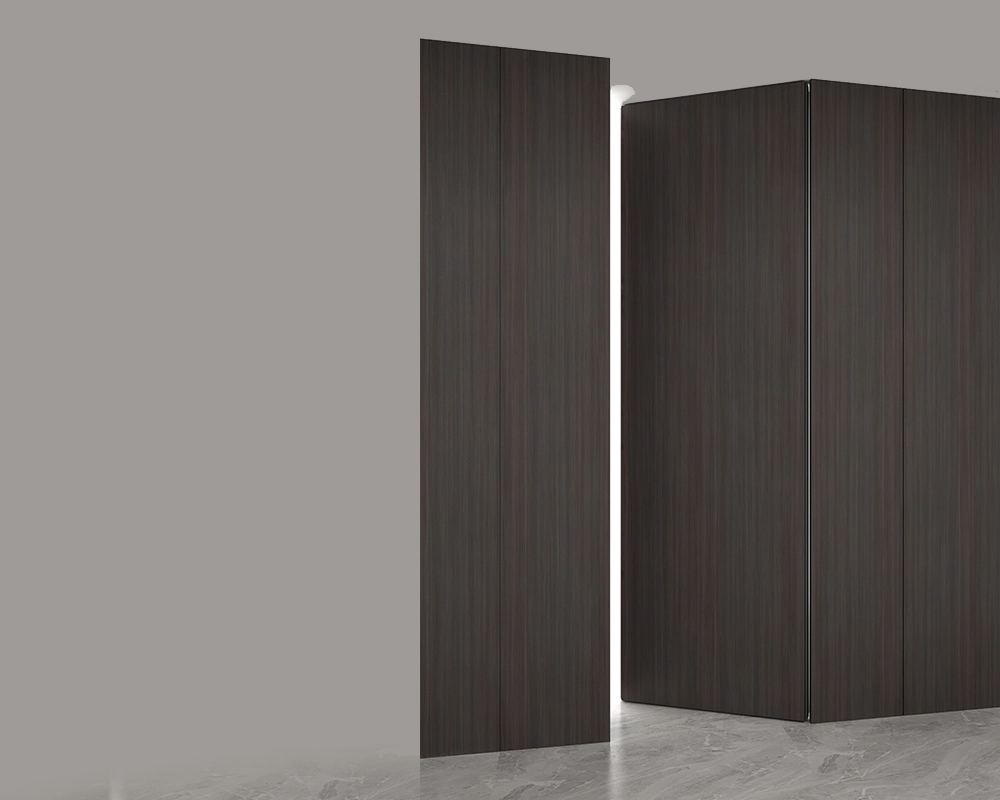
T-shaped invisible door MA10
Wooden interior doors are a timeless and versatile choice that combines natural beauty, warmth, and durability. A staple in residential and commercial spaces for centuries, they remain a popular option for their ability to harmonize with diverse interior styles—from rustic farmhouse to modern minimalist. Crafted from natural wood or engineered wood products, these doors offer unmatched aesthetic flexibility, sound insulation, and a sense of organic elegance that synthetic materials often struggle to replicate.
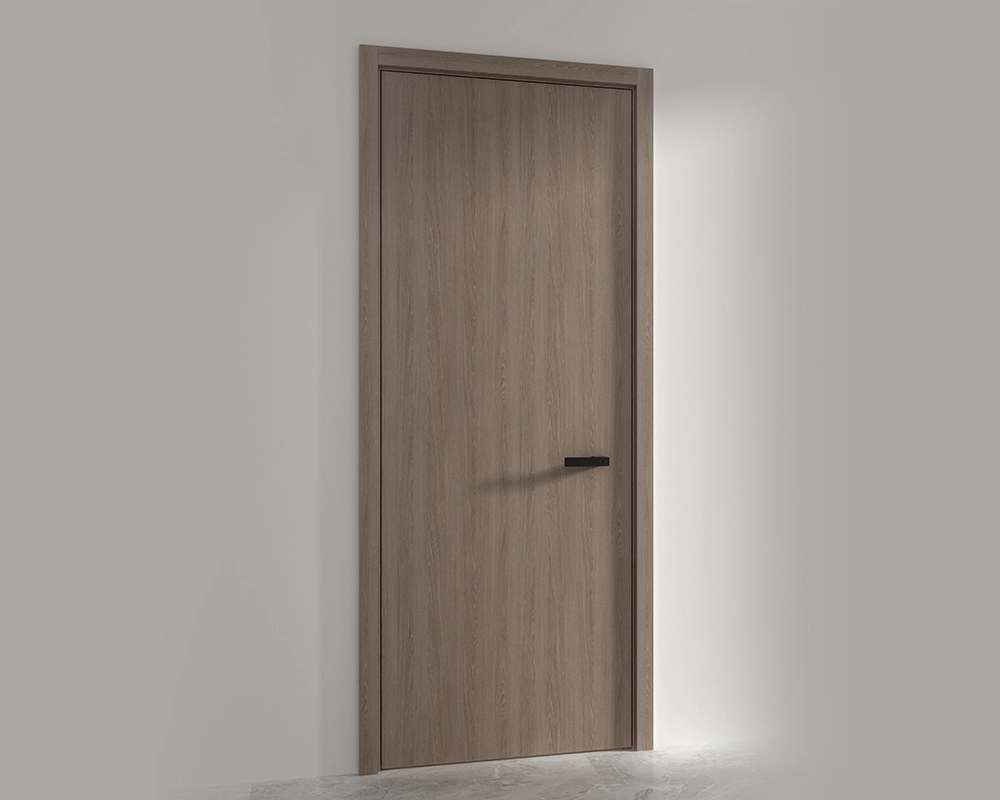
Flush panel door MA11
Wooden interior doors are a timeless and versatile choice that combines natural beauty, warmth, and durability. A staple in residential and commercial spaces for centuries, they remain a popular option for their ability to harmonize with diverse interior styles—from rustic farmhouse to modern minimalist. Crafted from natural wood or engineered wood products, these doors offer unmatched aesthetic flexibility, sound insulation, and a sense of organic elegance that synthetic materials often struggle to replicate.
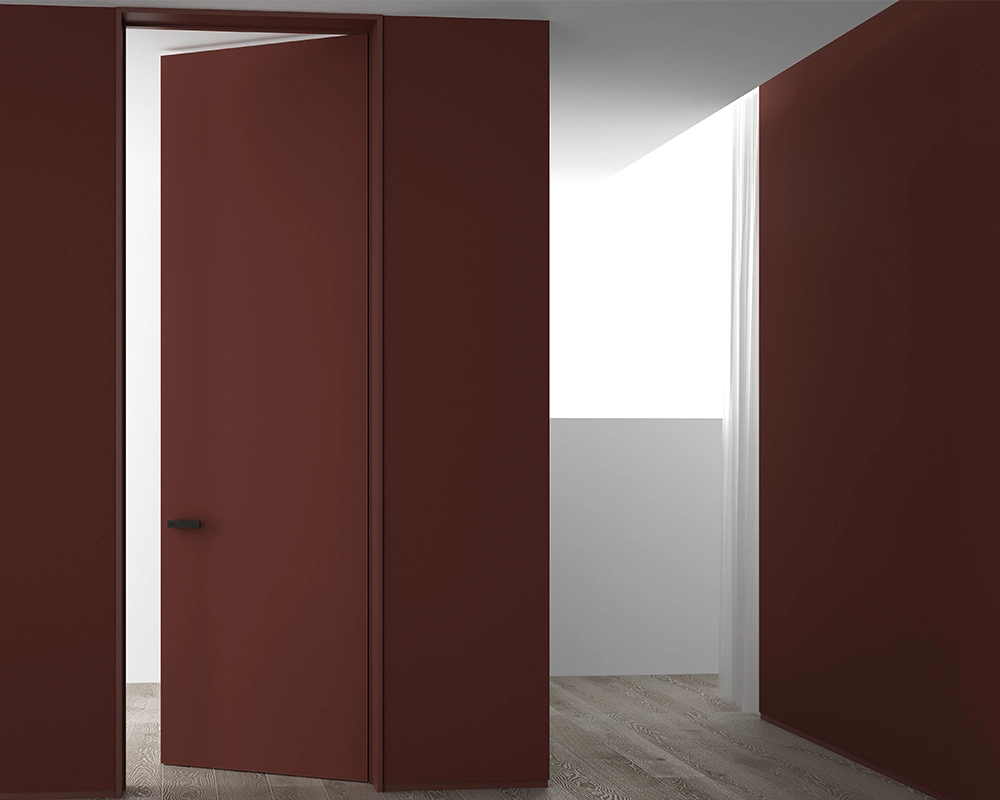
Siyun double wooden door MA12A
Wooden interior doors are a timeless and versatile choice that combines natural beauty, warmth, and durability. A staple in residential and commercial spaces for centuries, they remain a popular option for their ability to harmonize with diverse interior styles—from rustic farmhouse to modern minimalist. Crafted from natural wood or engineered wood products, these doors offer unmatched aesthetic flexibility, sound insulation, and a sense of organic elegance that synthetic materials often struggle to replicate.
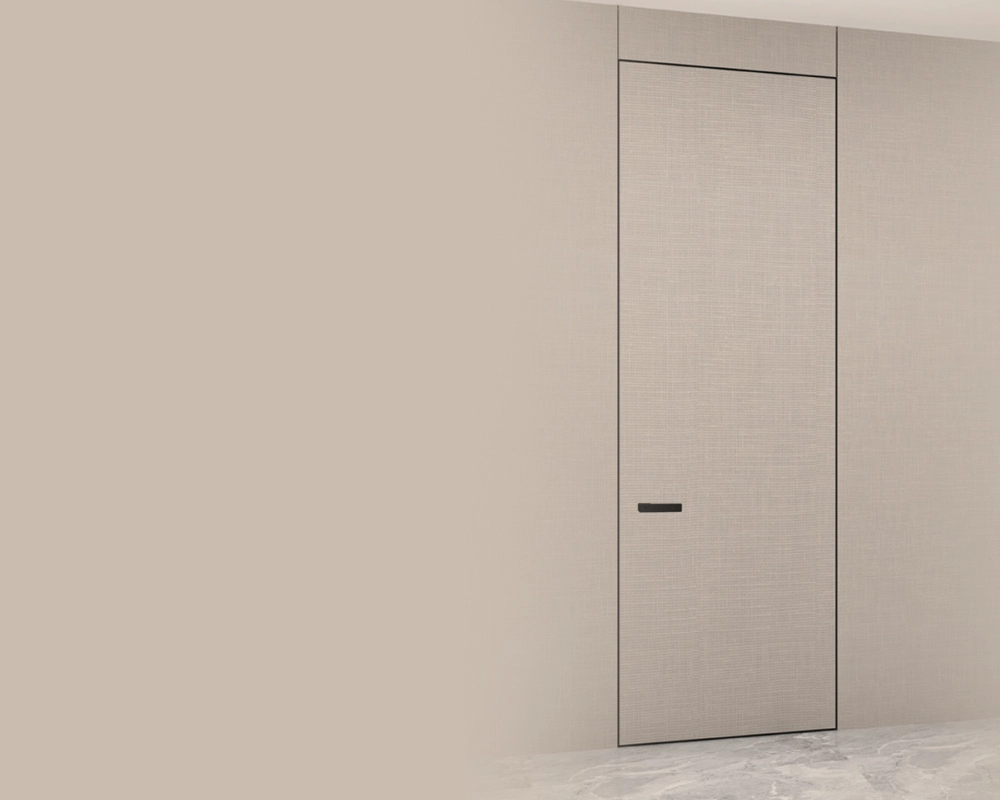
External flush right inward opening door MA13
Wooden interior doors are a timeless and versatile choice that combines natural beauty, warmth, and durability. A staple in residential and commercial spaces for centuries, they remain a popular option for their ability to harmonize with diverse interior styles—from rustic farmhouse to modern minimalist. Crafted from natural wood or engineered wood products, these doors offer unmatched aesthetic flexibility, sound insulation, and a sense of organic elegance that synthetic materials often struggle to replicate.

 Scan QR Code
FoshanMuranoCabinet
foshanmuranocabinet
Whatsapp: +8618814138020
Scan QR Code