
Sustainable Materials for Premium Walk-In Closet Cabinets
- Design Principles for High-End Sustainable Closets
- Function-first luxury: durability and adaptability
- Healthy indoor air: controlling VOCs and finishes
- Material transparency and certifications
- Sustainable Material Options for High Quality Cabinets
- Plywood variants: high strength, lower formaldehyde risk
- Bamboo and engineered rapid-growth materials
- Reclaimed and responsibly sourced hardwoods
- Performance, Cost and Environmental Comparison
- How to read the table and make choices
- Finishes, Hardware and Long-Term Maintenance
- Low-VOC finishes and waterborne lacquers
- Hardware selection: longevity matters
- Maintenance to extend service life
- Certifications, Standards and Measurable Sustainability
- Key standards to specify
- Comparative lifecycle thinking
- Third-party testing and labelling
- Murano: Expert Custom Solutions for Sustainable Luxury Closets
- MURANO competitive advantages and technical strengths
- Product range and custom options
- How Murano supports sustainable choices
- Practical Specification Checklist for a Sustainable Luxury Walk-In Closet
- Essential material and performance items
- Design and installation practices
- Client communication and aftercare
- FAQs
- 1. What makes a walk-in closet “sustainable” without sacrificing luxury?
- 2. Are engineered woods like MDF acceptable in high-end closets?
- 3. How can I verify the sustainability claims of cabinetry components?
- 4. What finishes are best for long-term healthy indoor air?
- 5. How do reclaimed materials compare cost-wise and performance-wise?
- 6. Can Murano deliver certified sustainable materials for custom closets?
Creating a modern luxury walk in closet means balancing aesthetics, durability and environmental responsibility. High-end clients expect flawless finishes, tailored storage solutions and long service life — but increasingly they also demand materials and processes that minimize VOCs, embodied carbon and forest impacts. This article outlines practical, verifiable material choices and design strategies for High Quality walk-in closet cabinets that meet luxury expectations while being responsibly sourced and built to last.
Design Principles for High-End Sustainable Closets
Function-first luxury: durability and adaptability
Luxury closets should prioritize durable construction and modular adaptability. Using core materials like marine-grade plywood or FSC-certified hardwoods for structural components increases lifespan and reduces the need for premature replacement — a key sustainability metric. Designing adjustable shelving, interchangeable accessories and modular drawer banks ensures the walk-in closet can adapt to changing storage needs rather than being discarded.
Healthy indoor air: controlling VOCs and finishes
Volatile organic compounds (VOCs) from adhesives, composite boards and finishes are a common concern in enclosed spaces like walk-in closets. Specify low- or zero-VOC adhesives, water-based lacquers, and formaldehyde-compliant panels (CARB Phase 2, TSCA Title VI). The U.S. Environmental Protection Agency provides guidance on formaldehyde and indoor air quality (EPA: Formaldehyde), and adhering to these standards reduces health risks and improves long-term indoor air quality.
Material transparency and certifications
Look for chain-of-custody certifications (FSC or PEFC) for wood products and declare Environmental Product Declarations (EPDs) where available. Certification bodies such as the Forest Stewardship Council (FSC) and LEED program guidance (USGBC: LEED) help verify responsible sourcing and quantify environmental performance.
Sustainable Material Options for High Quality Cabinets
Plywood variants: high strength, lower formaldehyde risk
Plywood made with phenol-formaldehyde resins (or no-added-formaldehyde adhesives) offers excellent structural stability for cabinet carcasses, shelving and large wardrobe spans. Marine-grade and furniture-grade plywood often have tighter tolerances and better lamination, making them ideal for visible High Quality installations.
Bamboo and engineered rapid-growth materials
Bamboo offers fast renewability and high tensile strength; when engineered into panels it performs well as face veneers, shelving or decorative elements. Use well-processed, stabilized bamboo panels to avoid movement in humid environments common to closets adjacent to bathrooms.
Reclaimed and responsibly sourced hardwoods
Reclaimed timber provides character and low embodied energy by reusing existing material. When reclaimed options are unavailable, choose FSC- or PEFC-certified hardwoods to ensure sustainable forestry practices. For High Quality walk-ins, hardwood face frames or drawer fronts impart a luxury look while remaining verifiable via certification.
Performance, Cost and Environmental Comparison
The table below compares common cabinet materials across durability, VOC/formaldehyde risk, environmental score and typical cost level. Data sources include technical pages on material construction and VOC guidance from authoritative sources like Wikipedia and the EPA (Plywood, MDF, Bamboo, EPA).
| Material | Durability | VOCs / Formaldehyde Risk | Environmental Strengths | Relative Cost |
|---|---|---|---|---|
| Furniture-grade plywood (A/B faces) | High — stable, resists warping | Low if no-added-formaldehyde adhesives used | Long lifespan reduces lifecycle impact; available FSC certified | Medium-High |
| MDF (low-VOC, E0/E1 or CARB Phase 2) | Moderate — dense and smooth, less structural strength over long spans | Variable — select CARB Phase 2 / TSCA Title VI compliant panels | Manufactured from residues; choose recycled-content boards | Low-Medium |
| Bamboo panels | High tensile strength when engineered | Low if manufactured with non-toxic adhesives | Fast renewability and good carbon uptake | Medium |
| Reclaimed hardwood | High — often very durable | Very low (already aged) | Reuses existing material, low embodied energy | Medium-High (depends on sourcing) |
| Solid hardwood (FSC/PEFC certified) | High — excellent finishability | Low | Renewable if certified; long service life | High |
How to read the table and make choices
For a modern luxury walk in closet prioritize materials with high durability and low VOC risk. Plywood for carcasses plus hardwood or bamboo veneers for visible faces is a common, balanced approach. When budget allows, choose certified solid hardwoods or reclaimed wood for key visual elements to maximize aesthetic and sustainability value.
Finishes, Hardware and Long-Term Maintenance
Low-VOC finishes and waterborne lacquers
Modern waterborne finishes provide excellent clarity and durability without the high VOC content of older solvent-based lacquers. Specify finishes that meet AQMD or similar regional VOC limits. The finish should also be repairable — lacquer-friendly touch-up systems extend the perceived life of the closet.
Hardware selection: longevity matters
High Quality drawer slides (e.g., soft-close, full-extension), high-quality hinges and robust hanging systems reduce failure rates and maintenance needs. Look for hardware with multi-year warranties to align with sustainability goals. Metal components are highly recyclable at end-of-life compared to mixed-material hardware.
Maintenance to extend service life
Provide clients with clear care instructions: avoid excessive humidity swings, use gentle cleaners, and periodically check fasteners and soft-close mechanisms. A well-documented maintenance plan reduces replacements and preserves the high-end look of a modern luxury walk in closet for decades.
Certifications, Standards and Measurable Sustainability
Key standards to specify
Request CARB Phase 2 or TSCA Title VI compliant composite panels to control formaldehyde emissions. Seek FSC or PEFC chain-of-custody documentation for timber. Consider requesting Environmental Product Declarations (EPDs) for major components to quantify embodied impacts. Resources: Environmental Product Declaration (Wikipedia).
Comparative lifecycle thinking
Assessing sustainability means looking at embodied carbon, service life and end-of-life recyclability. A longer-lasting High Quality plywood cabinet with repairable finishes often has a lower lifecycle impact than a cheaper mass-produced unit that must be replaced more frequently.
Third-party testing and labelling
For high-end projects, request lab reports for VOC emissions and formaldehyde content, and verify chain-of-custody documentation. Independent verification supports marketing claims and buyer confidence — important for luxury buyers who often make decisions based on traceability and proof.
Murano: Expert Custom Solutions for Sustainable Luxury Closets
Foshan Murano Smart Home Co., Ltd., based in Foshan, Guangdong, is a leading custom wardrobe and cabinet brand with over 20 years of expertise. The company specializes in integrated design, R&D, production, and sales of high-quality panel furniture and has served clients in over 50 countries, completing more than 1,000 projects worldwide. The company offers comprehensive customization services for all home areas, including bedrooms, living rooms, kitchens, and offices, supported by a dedicated pre-sales and after-sales service. Murano combines advanced production technology with strict quality control to deliver functional yet stylish furniture. This furniture features tailored sizing, High Quality materials, diverse designs, and color options to match any décor. Murano upholds its Quality First principle through precision craftsmanship and superior materials, remaining a trusted choice for durable, well-fitted custom furniture solutions.
MURANO competitive advantages and technical strengths
Murano's strengths include integrated in-house R&D and production lines that allow tight quality control and material traceability. Their experience across 1,000+ projects ensures practical knowledge of how materials behave in real installations, enabling them to recommend balanced specifications (e.g., plywood carcasses, low-VOC finishes, and certified face veneers) that meet modern luxury expectations while managing sustainability risks.
Product range and custom options
MURANO's core products include Kitchen Cabinet, Bedroom Wardrobe, Interior Doors, Aluminum Frame Glass Door, Bathroom Cabinet and Wall Panelling. For a modern luxury walk in closet, Murano offers tailored closet systems with High Quality hardware, multiple finish options, and the ability to integrate lighting, glass doors or special storage modules. See more at Murano Cabinet or contact [email protected].
How Murano supports sustainable choices
Murano's production controls and material sourcing experience help clients specify certified materials, low-VOC finishes and design-for-repair features. Their international project experience also means they understand different regional standards (e.g., CARB, TSCA, FSC), which is valuable when delivering high-end walk-in closets for global clients.
Practical Specification Checklist for a Sustainable Luxury Walk-In Closet
Essential material and performance items
- Carcasses: furniture-grade plywood with no-added-formaldehyde adhesive or CARB Phase 2 compliance.
- Faces/doors: FSC/PEFC-certified hardwood veneer, engineered bamboo or reclaimed hardwood.
- Finishes: waterborne, low-VOC lacquers with documented VOC content.
- Hardware: High Quality, warrantied, recyclable metal components.
- Documentation: supply chain certificates (FSC/PEFC), VOC lab reports, and EPDs where possible.
Design and installation practices
Ensure proper acclimatization of panels on site, allow for ventilation behind back panels when possible, and design for access (replaceable shelves, adjustable fittings). Proper installation prevents moisture trapping and reduces long-term degradation.
Client communication and aftercare
Provide a written care guide and recommended cleaning products. Offer after-sales inspection or maintenance packages to prolong service life and protect the investment — a practice Murano supports through pre-sales and after-sales service.
FAQs
1. What makes a walk-in closet “sustainable” without sacrificing luxury?
Sustainability in a luxury context prioritizes long-lasting materials, low-toxicity finishes, responsible sourcing (FSC/PEFC), and design for adaptability and repair. These measures maintain High Quality aesthetics while minimizing environmental and health impacts.
2. Are engineered woods like MDF acceptable in high-end closets?
Yes — if you specify low-emission (E0/E1 or CARB Phase 2 / TSCA Title VI compliant) MDF and use it in non-structural areas or where it will be laminated or sealed. For structural elements, furniture-grade plywood is often preferred.
3. How can I verify the sustainability claims of cabinetry components?
Request certificates (FSC, PEFC), VOC/FORMALDEHYDE lab reports, and Environmental Product Declarations (EPDs). Third-party documentation and chain-of-custody records are the strongest evidence.
4. What finishes are best for long-term healthy indoor air?
Waterborne, low- or zero-VOC lacquers and stains with documented VOC content are recommended. Avoid high-VOC solvent-based finishes and insist on manufacturer test data.
5. How do reclaimed materials compare cost-wise and performance-wise?
Reclaimed wood can be comparable or more expensive depending on rarity and processing, but it often performs excellently due to long-age stabilization. It has strong environmental benefits by avoiding new harvests and lowering embodied energy.
6. Can Murano deliver certified sustainable materials for custom closets?
Yes. Murano sources quality panel materials and offers guidance to meet certification and low-VOC requirements, backed by 20+ years of production experience and over 1,000 global projects.
Ready to design a modern luxury walk in closet that combines beauty, performance and sustainability? Contact Murano for a customised solution: www.muranocabinet.com or email [email protected]. Our design team can provide material samples, specification guidance, and project budgeting to match your goals.
References and further reading: EPA on formaldehyde (https://www.epa.gov/formaldehyde), FSC official site (https://fsc.org/en), LEED (USGBC) (https://www.usgbc.org/leed), Plywood (Wikipedia) (https://en.wikipedia.org/wiki/Plywood), MDF (Wikipedia) (https://en.wikipedia.org/wiki/Medium-density_fibreboard), Bamboo (Wikipedia) (https://en.wikipedia.org/wiki/Bamboo).
Custom kitchen cabinet design ideas for small kitchens
Custom bathroom vanity and mirror Manufacturers and Suppliers
Sustainable Closet Materials for Eco-Friendly Developments
Materials comparison: plywood vs MDF vs solid wood cabinets
FAQ
What's lead time for furniture cabinets?
It's about 20 - 30 days.
Can we produce products according to customer's room size?
Yes. All our cabinets are custom size.
What's MOQ for our kitchen cabinets, wardrobe cabinets or bathroom cabinets?
1 set.
What information are needed for getting a quote for our furniture cabinets?
Your size infomation or room drawings.
What's the payment terms of all our products?
T/T (30% inadvance, the balance shall be paid off before delivery), Western Union or L/C.
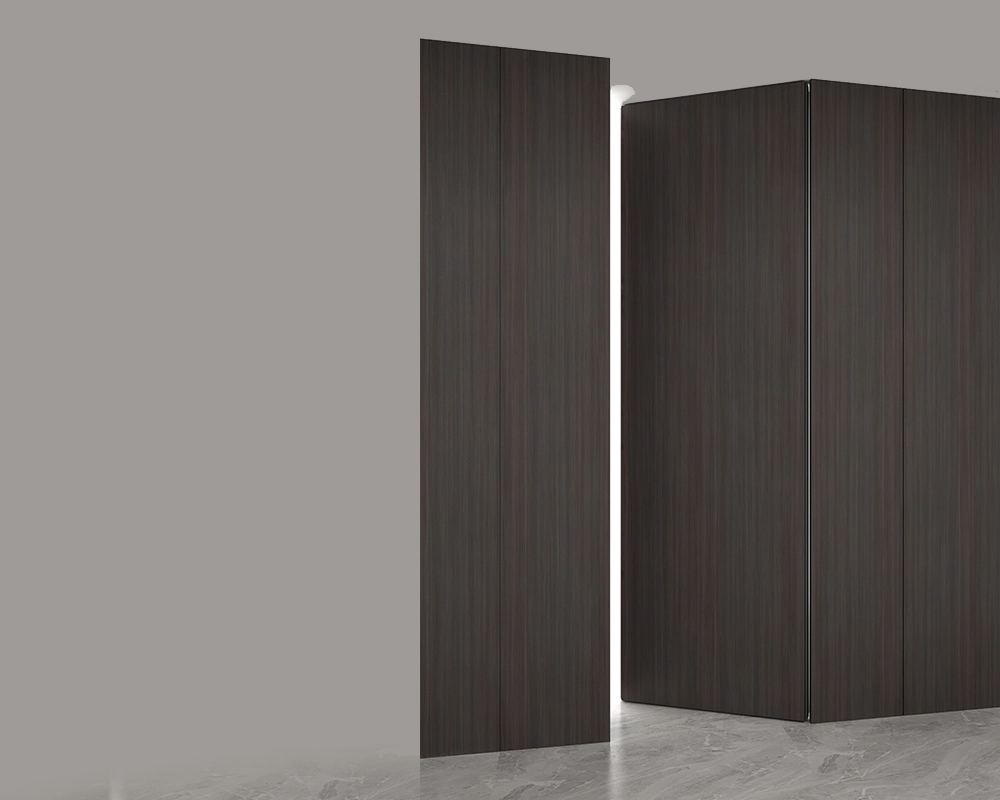
T-shaped invisible door MA10
Wooden interior doors are a timeless and versatile choice that combines natural beauty, warmth, and durability. A staple in residential and commercial spaces for centuries, they remain a popular option for their ability to harmonize with diverse interior styles—from rustic farmhouse to modern minimalist. Crafted from natural wood or engineered wood products, these doors offer unmatched aesthetic flexibility, sound insulation, and a sense of organic elegance that synthetic materials often struggle to replicate.
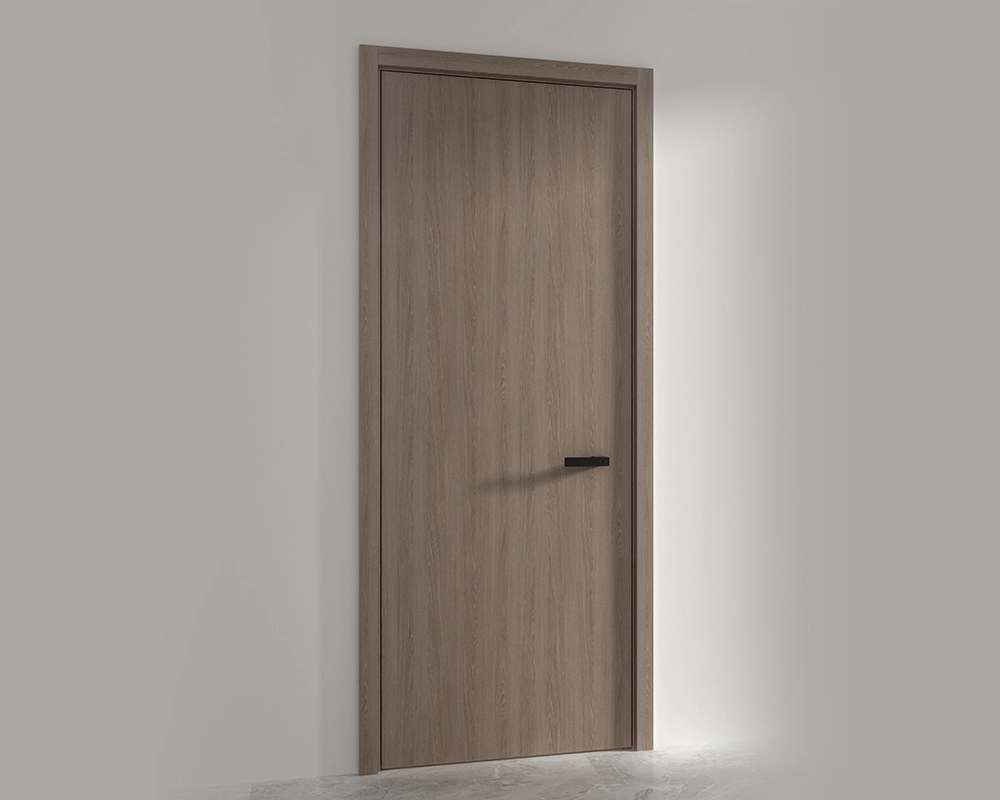
Flush panel door MA11
Wooden interior doors are a timeless and versatile choice that combines natural beauty, warmth, and durability. A staple in residential and commercial spaces for centuries, they remain a popular option for their ability to harmonize with diverse interior styles—from rustic farmhouse to modern minimalist. Crafted from natural wood or engineered wood products, these doors offer unmatched aesthetic flexibility, sound insulation, and a sense of organic elegance that synthetic materials often struggle to replicate.
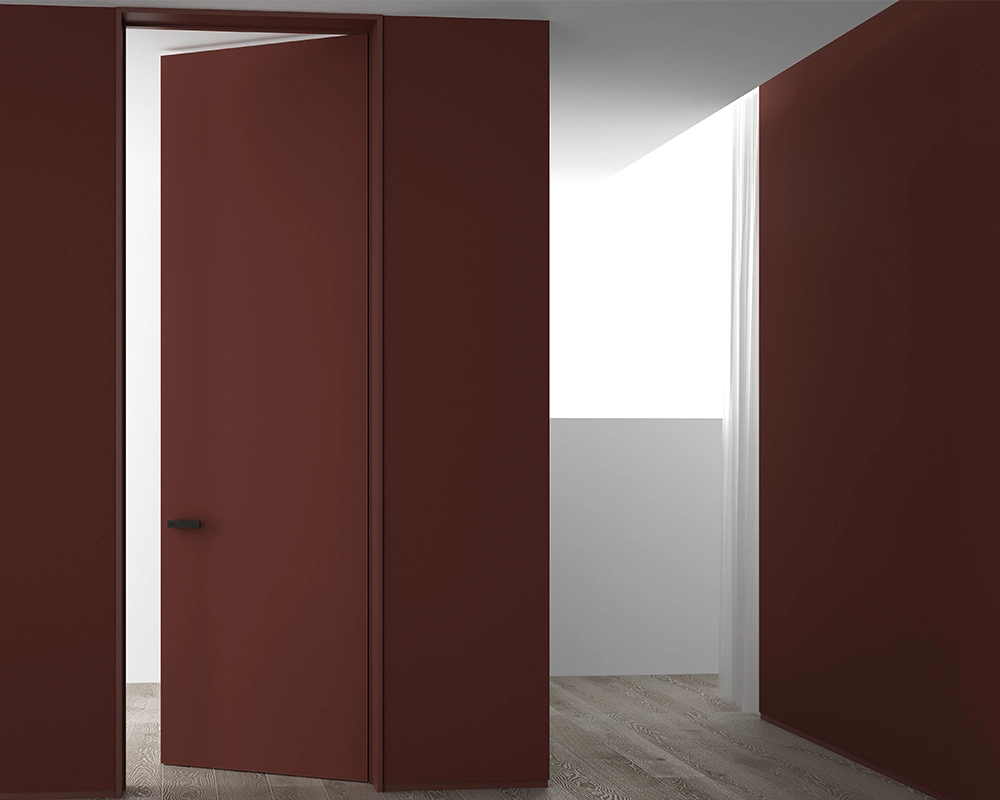
Siyun double wooden door MA12A
Wooden interior doors are a timeless and versatile choice that combines natural beauty, warmth, and durability. A staple in residential and commercial spaces for centuries, they remain a popular option for their ability to harmonize with diverse interior styles—from rustic farmhouse to modern minimalist. Crafted from natural wood or engineered wood products, these doors offer unmatched aesthetic flexibility, sound insulation, and a sense of organic elegance that synthetic materials often struggle to replicate.
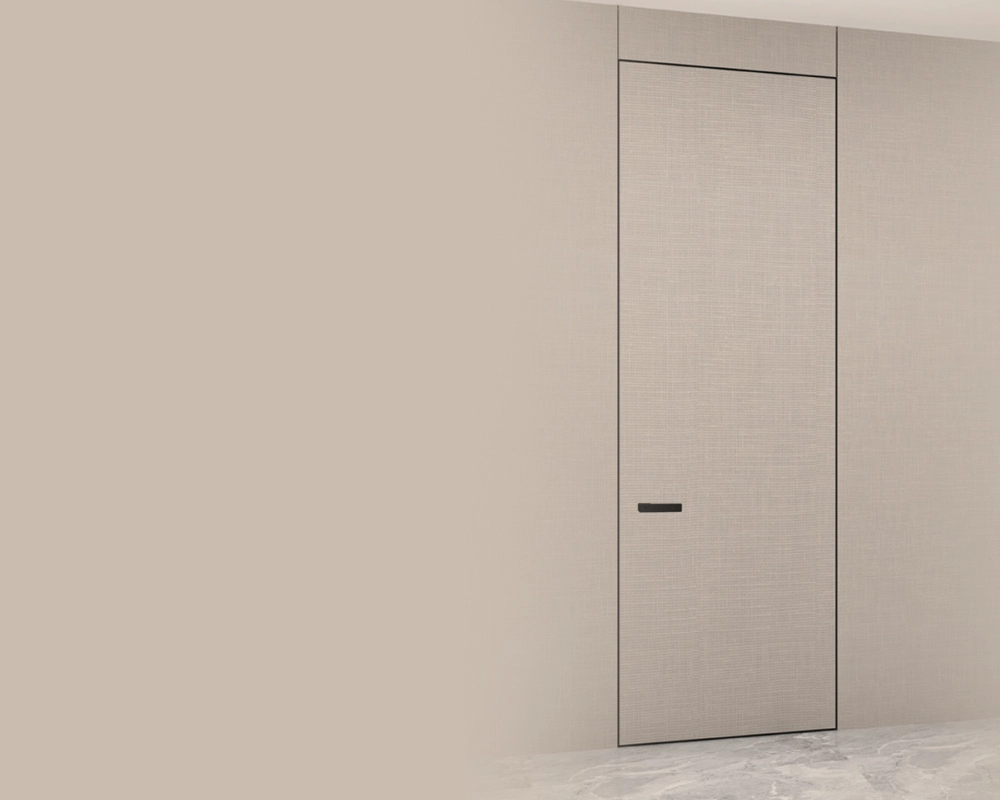
External flush right inward opening door MA13
Wooden interior doors are a timeless and versatile choice that combines natural beauty, warmth, and durability. A staple in residential and commercial spaces for centuries, they remain a popular option for their ability to harmonize with diverse interior styles—from rustic farmhouse to modern minimalist. Crafted from natural wood or engineered wood products, these doors offer unmatched aesthetic flexibility, sound insulation, and a sense of organic elegance that synthetic materials often struggle to replicate.

 Scan QR Code
FoshanMuranoCabinet
foshanmuranocabinet
Whatsapp: +8618814138020
Scan QR Code