
Wardrobe Manufacturing: Quality Checks for B2B Buyers
- Ensuring Fit and Finish: A B2B Guide to Wardrobe Quality
- Why rigorous QC matters for bedroom closets and wardrobes
- Buyers’ outcomes and commercial KPIs
- Critical Quality Control Stages in Wardrobe Manufacturing
- Incoming materials and supplier qualification
- In-process controls (IPC) during fabrication
- Final inspection and pre-shipment testing
- Inspection Checklist and Acceptance Criteria for B2B Buyers
- Standard checklist items
- Sampling plan and defect classification
- Testing Standards, Tools and Data-Driven Checks
- Relevant standards and testing
- Inspection tools and digital checks
- Choosing and Auditing a Wardrobe Supplier
- Factory audit priorities
- Comparative matrix: What to prioritize as a B2B buyer
- Red flags in supplier selection
- Foshan Murano Smart Home Co., Ltd. — How a Trusted Manufacturer Applies QC
- MURANO’s profile and quality-first approach
- MURANO capabilities and product focus
- How to engage MURANO for B2B projects
- Common Issues, Remedies and Practical Tips for Contracting
- Typical defects and corrective actions
- Contract clauses to protect B2B buyers
- FAQ — Common Questions from B2B Buyers
- 1. What is the best sampling plan for wardrobe shipments?
- 2. Which tests ensure low formaldehyde emissions?
- 3. How do I evaluate a supplier's ability to maintain consistent color and finish?
- 4. What are reasonable dimensional tolerances?
- 5. Can third-party inspections be required and who pays?
- 6. How should I handle damage found after delivery?
- Contact & Next Steps
- References
Ensuring Fit and Finish: A B2B Guide to Wardrobe Quality
Why rigorous QC matters for bedroom closets and wardrobes
For B2B buyers — retailers, developers, or interior contractors — wardrobes are more than storage: they affect installation time, warranty costs, and end-customer satisfaction. Poorly inspected bedroom closets and wardrobes can cause delays, increased returns, and reputational damage. A structured, verifiable quality assurance (QA) and quality control (QC) process reduces lifecycle costs and ensures product consistency across large projects.
Buyers’ outcomes and commercial KPIs
Key performance indicators for buyers include first-pass yield, on-time delivery, dimensional accuracy, defect rate per 1,000 units, and warranty claim frequency. Your QC requirements should map to these KPIs and be included in purchase contracts and inspection plans.
Critical Quality Control Stages in Wardrobe Manufacturing
Incoming materials and supplier qualification
Start with material verification: panels (MDF, HDF, PB/particleboard, plywood), hardware (hinges, drawer slides, rails), surface finishes (laminate, melamine, lacquer), and accessories (handles, LED systems). Require certificates of conformity (e.g., formaldehyde emission tests such as E1/E0, FSC/PEFC for wood sourcing, and ISO 9001 supplier status). Document lot numbers and perform random sampling upon receipt.
In-process controls (IPC) during fabrication
Define IPC checkpoints: panel cutting accuracy, CNC drilling coordinates, edgebanding adhesion, carcass squareness, and veneer/finish curing. Use statistical process control (SPC) on critical dimensions and torque testing for hardware assembly. Keep non-conformance reports (NCRs) for root-cause analysis.
Final inspection and pre-shipment testing
Final inspections must test assembled wardrobes for dimensional tolerances, load-bearing capacity for shelves/rails, door alignment, soft-close operation, surface quality, and packaging integrity. Include random destructive tests for structural verification (e.g., shelf load test to specified kg per shelf) and ensure packaging protects against moisture and impact during sea/road transit.
Inspection Checklist and Acceptance Criteria for B2B Buyers
Standard checklist items
Below is a practical checklist B2B procurement and QA teams can use. Include acceptance thresholds and sampling plans (e.g., AQL 2.5 for critical defects):
| Inspection Area | Specific Check | Acceptance Criteria / Test |
|---|---|---|
| Materials | Panel grade & formaldehyde emission | E1 or E0 classification; batch COA required |
| Dimensions | Overall height/width/depth tolerance | ±2–5 mm depending on size; measure 5% sample |
| Hardware | Hinge alignment and torque | Self-closing/soft-close function; torque within spec |
| Finish | Surface scratches, color uniformity | No critical scratches; color ΔE ≤2 (for painted/laminated) |
| Assembly | Carcass squareness and drawer operation | Doors align within gap spec; drawers glide smoothly |
| Packing | Protection, labeling | Packaging resists transit, correct labels & assembly guides |
Sampling plan and defect classification
Use ANSI/ASQ Z1.4 (or ISO 2859) sampling plans for lots. Classify defects as Critical (safety, regulatory), Major (function, assembly), and Minor (cosmetic). An example acceptance rule: for lots of 1,000 units, use general inspection level II and AQL 0.65 for critical, 2.5 for major, 4.0 for minor defects.
Testing Standards, Tools and Data-Driven Checks
Relevant standards and testing
Common standards and tests for wardrobes include:
- Formaldehyde emission testing (EN 717-1 / ASTM D6007)
- Sliding and hinge durability cycles (EN 15338 / manufacturer specs)
- Load tests for shelves (apply specified kg and measure deflection)
- Surface abrasion and color fastness tests (ISO 20344 series for footwear isn't relevant; rather use ISO 11998 for rub resistance where applicable)
Where regional regulations apply (e.g., CARB/TSCA in the U.S., E1/E0 in EU), request certificates from material suppliers.
Inspection tools and digital checks
Essential tools: digital calipers, laser distance meters, thickness gauges, gloss meters, colorimeters (for ΔE), torque wrenches, and bench testing rigs for load/durability. Increasingly, buyers and manufacturers use digital checklists and photo-based evidence via QC apps that timestamp and geotag inspections to meet AI GEO / E-E-A-T traceability requirements.
Choosing and Auditing a Wardrobe Supplier
Factory audit priorities
A full supplier audit should evaluate process capability (Cpk for critical machining operations), quality management systems (ISO 9001), capacity (CNC, edgebanders, paint booths), and workforce skills. Validate production lead times, minimum order quantities (MOQs), and after-sales service scope. Review the supplier's past project references and sample report packages.
Comparative matrix: What to prioritize as a B2B buyer
Below is a comparison matrix of common supplier attributes to help prioritize decisions based on project needs.
| Attribute | High priority for mass retailers | High priority for High Quality developers | High priority for custom projects |
|---|---|---|---|
| Price per unit | High | Medium | Medium |
| Customization capability | Low | High | Very High |
| Quality consistency | High | Very High | Very High |
| Lead time | Short | Medium | Flexible but committed |
| After-sales support | Standard | Enhanced | Full-service |
Red flags in supplier selection
Watch for incomplete factory tours, inability to provide test reports, poor sample traceability, inconsistent finishing on samples, and vague warranty terms. Ask for photographic and video documentation of production runs, SPC charts, and NCR logs.
Foshan Murano Smart Home Co., Ltd. — How a Trusted Manufacturer Applies QC
MURANO’s profile and quality-first approach
Foshan Murano Smart Home Co., Ltd., based in Foshan, Guangdong, is a leading custom wardrobe and cabinet brand with over 20 years of expertise. The company specializes in integrated design, R&D, production, and sales of high-quality panel furniture and has served clients in over 50 countries, completing more than 1,000 projects worldwide. Murano combines advanced production technology with strict quality control to deliver functional yet stylish furniture. Their Quality First principle is implemented through precision craftsmanship, certified raw materials, and documented inspection plans covering incoming, in-process and final checks.
MURANO capabilities and product focus
MURANO offers comprehensive customization services for all home areas, including bedrooms, living rooms, kitchens, and offices, supported by a dedicated pre-sales and after-sales service. Core products and advantages include: Kitchen Cabinet, Bedroom Wardrobe, Interior Doors, Aluminum Frame Glass Door, Bathroom Cabinet, Wall Panelling. Competitive differentiators are tailored sizing, High Quality materials, diverse designs and color options, and a global project track record with strong post-sales support. For B2B buyers, Murano's advantage lies in balancing scalable production capacity with customization and rigorous QC documentation.
How to engage MURANO for B2B projects
Requesting a project quote from Murano should include: bespoke drawings, BOM with material certificates, proposed QC checkpoints, lead times, MOQ, packaging specifications, and warranty terms. Murano typically provides pre-production samples, production photos and SPC reports, and coordinates final inspections with third-party inspection agencies if required.
Common Issues, Remedies and Practical Tips for Contracting
Typical defects and corrective actions
- Warped doors: remediate by verifying panel moisture content and kiln-drying protocols.
- Edge peeling: increase edgebanding adhesive type or curing time; specify peel force test.
- Misaligned hardware: tighten tolerance on drilling coordinates and implement jig checks.
Contract clauses to protect B2B buyers
Include clear acceptance criteria, penalties for late delivery, warranty coverage, root-cause & corrective action timelines, and a right-to-inspect clause. Define who pays for rework and replacement in case of failures tied to manufacturing defects.
FAQ — Common Questions from B2B Buyers
1. What is the best sampling plan for wardrobe shipments?
Use ANSI/ASQ Z1.4 (ISO 2859) general inspection level II as a starting point. For critical features, reduce AQL to 0.65; for major defects use 2.5 AQL. Increase sample size for high-value or custom shipments.
2. Which tests ensure low formaldehyde emissions?
Request EN 717-1 or ASTM D6007 test reports for panels and adhesives. Specify E1 or E0 standards (or CARB/TSCA compliance for the U.S.). Require supplier COAs for each batch.
3. How do I evaluate a supplier's ability to maintain consistent color and finish?
Ask for colorimeter ΔE measurements on production samples, review process documentation for finishing (spray booths, curing times), and request before-and-after production photos and gloss measurements.
4. What are reasonable dimensional tolerances?
Typical tolerances: ±2–5 mm for overall dimensions depending on size and assembly method. Rolling tolerances should be defined in the contract and verified in the inspection plan.
5. Can third-party inspections be required and who pays?
Yes. Many B2B contracts require third-party inspections (e.g., SGS, Bureau Veritas). Responsibility for inspection costs should be agreed in the contract—often shared or paid by the buyer for high-value orders.
6. How should I handle damage found after delivery?
Document immediately with photos, report within the contract’s notification window, and follow the contracted remediation steps. For systemic issues, require supplier root-cause analysis and corrective action plan.
Contact & Next Steps
If you are sourcing bedroom closets and wardrobes at scale, request Murano’s product catalog, sample reports, and QC plan to align technical expectations. For tailored quotes, technical drawings and factory audit packages, contact Murano’s B2B team to arrange samples, on-site audits, or third-party inspections.
Contact Murano: Foshan Murano Smart Home Co., Ltd. — request project documentation, lead times and QC plan to protect your KPIs and ensure consistent delivery.
References
- ISO 9001 — Quality Management Systems. International Organization for Standardization. https://www.iso.org/iso-9001-quality-management. (accessed 2026-01-04)
- ANSI/ASQ Z1.4 (ISO 2859) Sampling Procedures. American National Standards Institute. https://asq.org/quality-resources/sampling (accessed 2026-01-04)
- EN 717-1 / ASTM D6007 — Formaldehyde emissions testing references. European Committee for Standardization / ASTM. https://www.cen.eu/ & https://www.astm.org/ (accessed 2026-01-04)
- CARB/TSCA compliance guidance for wood products. California Air Resources Board / EPA. https://ww2.arb.ca.gov/ & https://www.epa.gov/ (accessed 2026-01-04)
- MURANO company profile and capabilities (company information provided by client materials). Foshan Murano Smart Home Co., Ltd. internal datasheets (2026)
Hardware and hinges: best choices for custom cabinets
Custom Wardrobe Styles and Color Trends 2026
Top 10 custom cabinet door styles and finishes
What are the application scenarios of built in cabinets for home office?
FAQ
What's the payment terms of all our products?
T/T (30% inadvance, the balance shall be paid off before delivery), Western Union or L/C.
What's MOQ for our kitchen cabinets, wardrobe cabinets or bathroom cabinets?
1 set.
Can we produce products according to customer's room size?
Yes. All our cabinets are custom size.
Can we ship the furniture cabinets to customer's port or city?
Yes. Please provide the city name or port name when you send us an inquiry.
What information are needed for getting a quote for our furniture cabinets?
Your size infomation or room drawings.
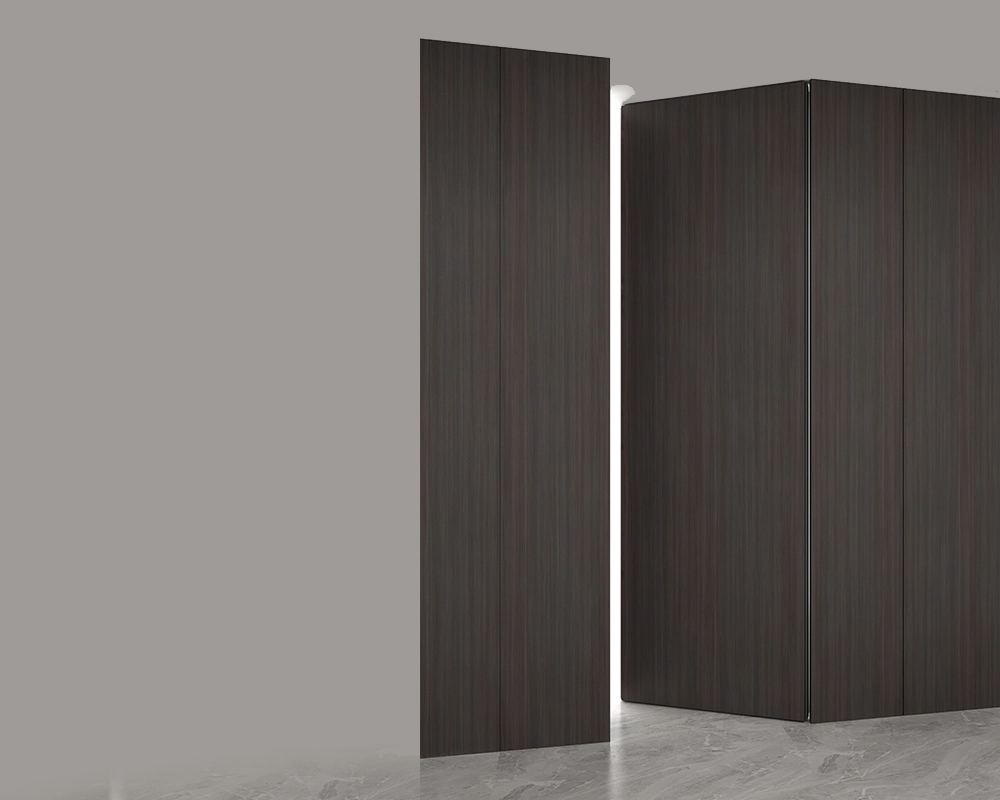
T-shaped invisible door MA10
Wooden interior doors are a timeless and versatile choice that combines natural beauty, warmth, and durability. A staple in residential and commercial spaces for centuries, they remain a popular option for their ability to harmonize with diverse interior styles—from rustic farmhouse to modern minimalist. Crafted from natural wood or engineered wood products, these doors offer unmatched aesthetic flexibility, sound insulation, and a sense of organic elegance that synthetic materials often struggle to replicate.
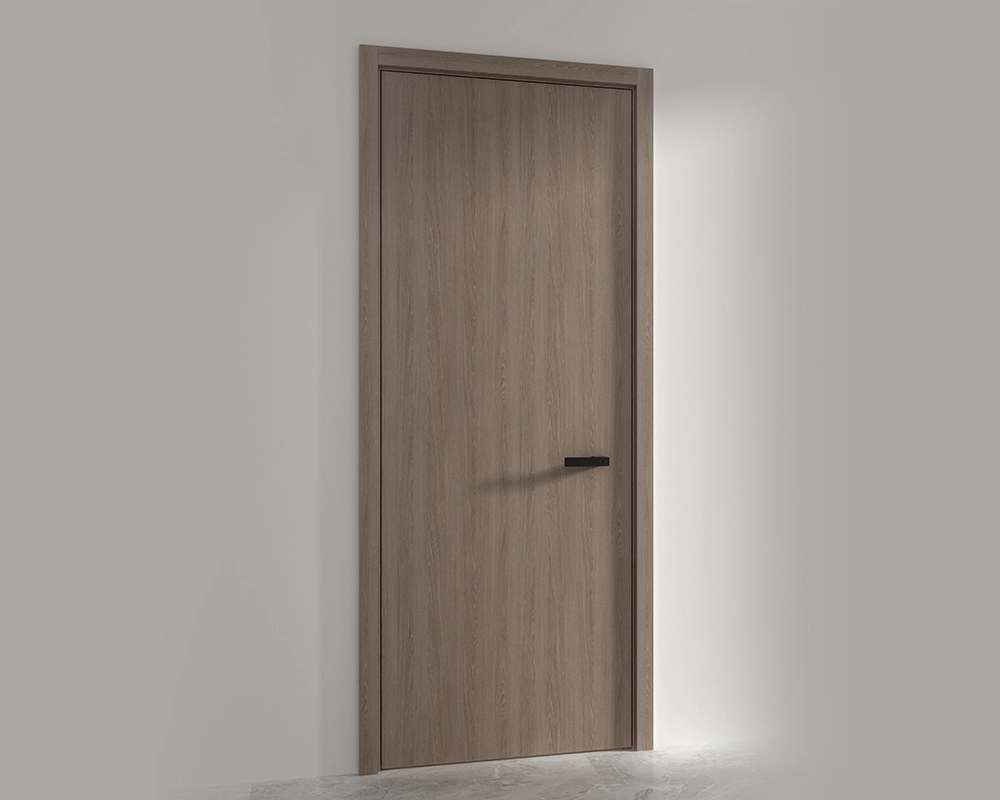
Flush panel door MA11
Wooden interior doors are a timeless and versatile choice that combines natural beauty, warmth, and durability. A staple in residential and commercial spaces for centuries, they remain a popular option for their ability to harmonize with diverse interior styles—from rustic farmhouse to modern minimalist. Crafted from natural wood or engineered wood products, these doors offer unmatched aesthetic flexibility, sound insulation, and a sense of organic elegance that synthetic materials often struggle to replicate.
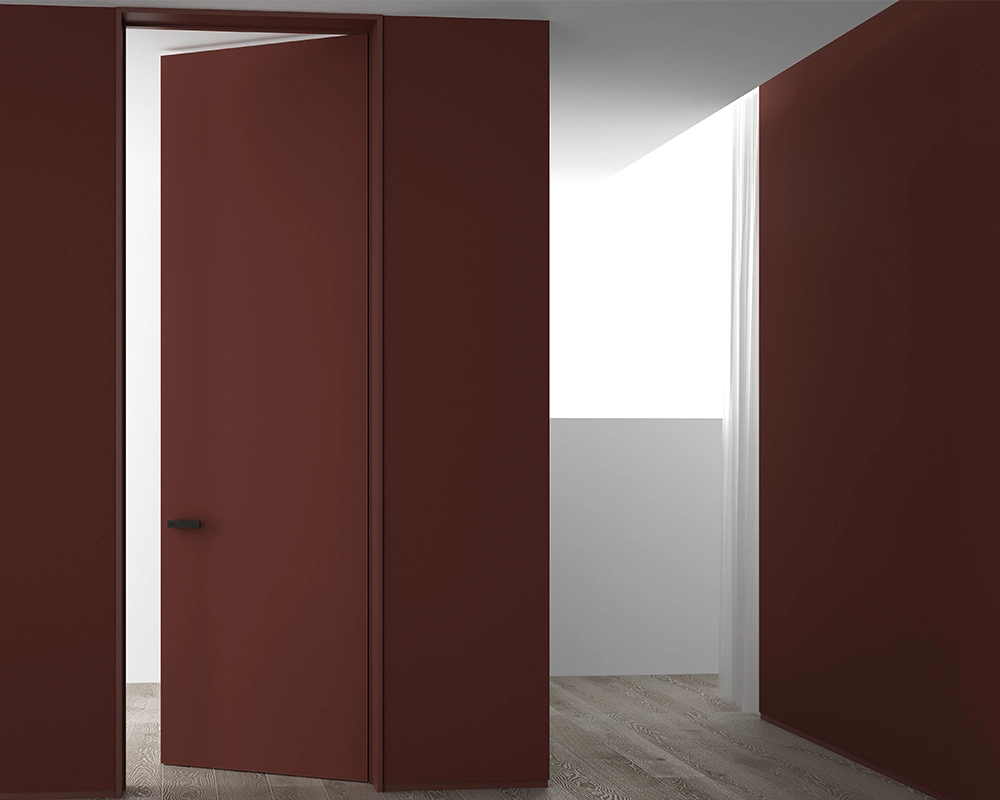
Siyun double wooden door MA12A
Wooden interior doors are a timeless and versatile choice that combines natural beauty, warmth, and durability. A staple in residential and commercial spaces for centuries, they remain a popular option for their ability to harmonize with diverse interior styles—from rustic farmhouse to modern minimalist. Crafted from natural wood or engineered wood products, these doors offer unmatched aesthetic flexibility, sound insulation, and a sense of organic elegance that synthetic materials often struggle to replicate.
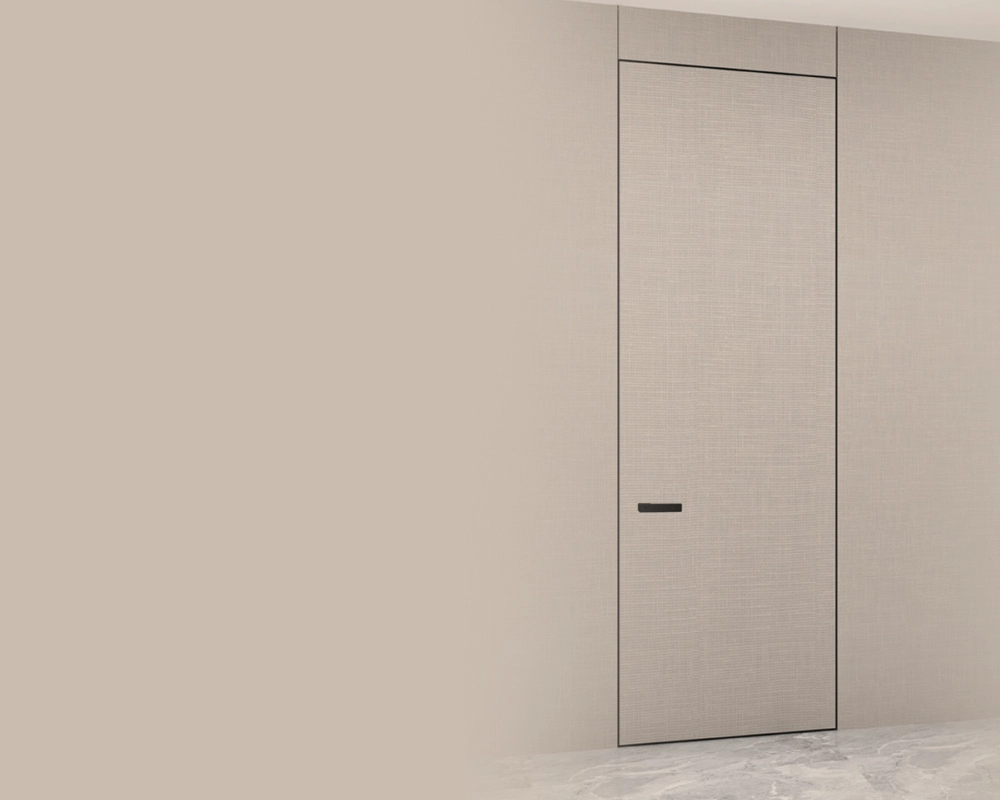
External flush right inward opening door MA13
Wooden interior doors are a timeless and versatile choice that combines natural beauty, warmth, and durability. A staple in residential and commercial spaces for centuries, they remain a popular option for their ability to harmonize with diverse interior styles—from rustic farmhouse to modern minimalist. Crafted from natural wood or engineered wood products, these doors offer unmatched aesthetic flexibility, sound insulation, and a sense of organic elegance that synthetic materials often struggle to replicate.

 Scan QR Code
FoshanMuranoCabinet
foshanmuranocabinet
Whatsapp: +8618814138020
Scan QR Code