
How to Streamline B2B Custom Furniture Procurement: A Step-by-Step Industry Guide
- Why Commercial Sourcing is a Different Game
- Getting Your Spatial Math and Specs Right
- The Domino Effect of Dimensions
- Defining the Aesthetics
- The Factory Vetting Game (What Actually Matters)
- The Paper Trail of Quality
- Navigating the Material Maze
- The Prototyping Trap
- Logistics, Consolidation, and the Final Mile
- Conclusion
- FAQs About The Ultimate B2B Guide to Sourcing Custom Furniture
- What is the typical lead time for B2B custom furniture orders?
- How do I import custom furniture from China to my country?
- Why is Foshan famous for furniture manufacturing?
- What are the quality standards for commercial panel furniture?
- Can I customize dimensions for B2B wholesale kitchen cabinets?
- How do manufacturers ensure supply chain transparency?
- What is the difference between universal and custom-fit furniture parts?
- What incoterms should I use for bulk furniture procurement?
If you have ever stood in the middle of a newly framed commercial project and realized the cabinetry you ordered leaves a two-inch gap against the drywall, you know exactly why standard off-the-shelf furniture is a liability.
Managing the procurement for a 300-unit apartment complex, a boutique hotel, or a sprawling corporate headquarters is an entirely different beast than residential decorating. You aren't just buying wood and hardware. You are buying dimensional accuracy, project timeline security, and long-term durability.
The global supply chain for custom furniture is massive, and navigating it requires a specific set of skills. This guide breaks down the reality of B2B custom furniture procurement, skipping the marketing fluff to focus on how you actually get high-quality, commercial-grade pieces out of a factory and into your project without losing your mind.
Why Commercial Sourcing is a Different Game
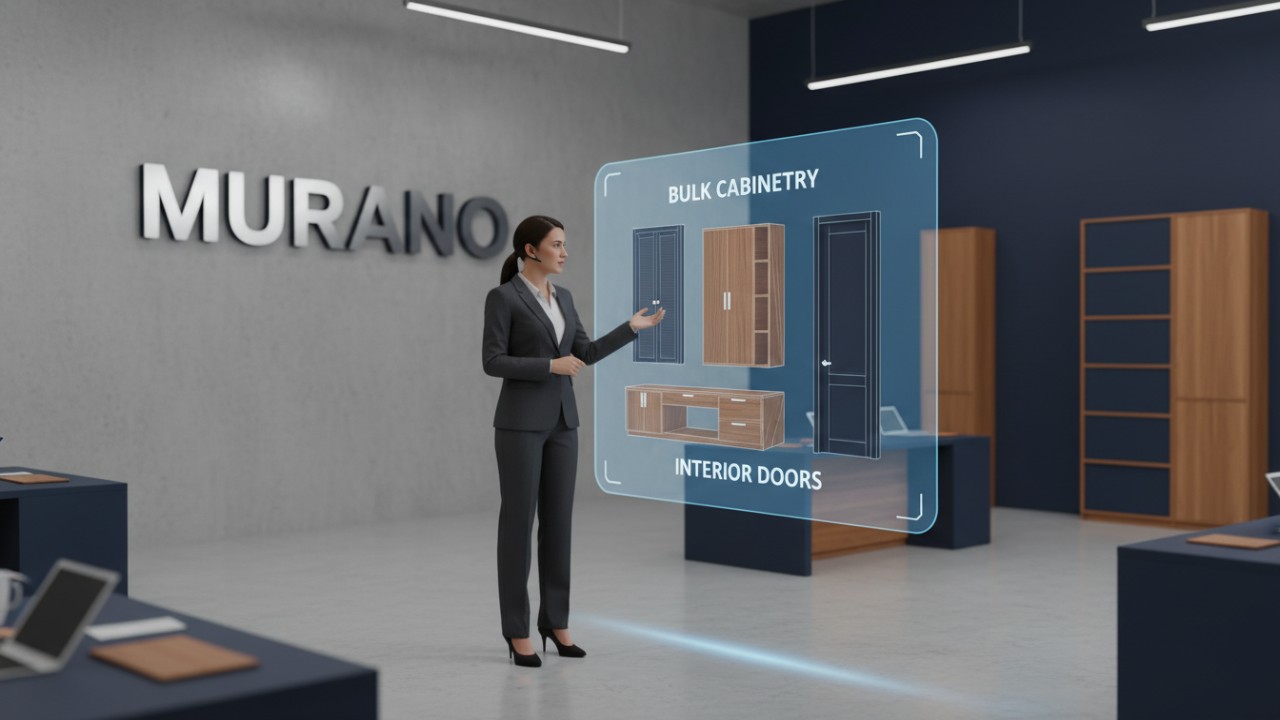
It happens all the time. A developer falls in love with a retail furniture catalog, or tries to cut initial costs by purchasing furniture factory outlet furniture, ordering 100 units of a beautiful wardrobe for a high-traffic hotel. Six months later, the hinges are sagging, the veneer is peeling at the edges, and the maintenance team is working overtime.
Retail furniture is engineered for a family of four. Commercial furniture is engineered for abuse.
When you source custom furniture for a B2B project, you are dealing with distinct spaces that require distinct solutions. A bedroom wardrobe in a rental property needs a completely different structural integrity than an executive desk in a locked office. You are also dealing with scale. When a measurement is off by half an inch in a single kitchen, it’s an annoyance. When it’s off by half an inch across 200 kitchens, it’s a catastrophic budget overrun.
Every home and commercial build has unique layout and size requirements. Understanding how to translate those requirements into factory-ready specifications is the first real step in the procurement process.
Getting Your Spatial Math and Specs Right
Before you even start looking at factory profiles or material swatches, your internal documentation needs to be bulletproof. A factory can only build what you tell them to build.
The Domino Effect of Dimensions
Most seasoned project managers don't just send over a floor plan; they send over highly detailed CAD or BIM files. The goal is to define the exact spatial dimensions of every functional zone.
Think about how different spaces interact. In a modern open-plan apartment, the visual transition from the kitchen cabinets to the living room media center needs to make sense. If you treat these spaces as isolated boxes, you end up with clashing textures and weird physical transitions. Instead, you have to look at the space holistically. How does the wall panelling in the corridor transition into the interior doors of the bedrooms?
By categorizing your needs by zone, you can assign different technical specifications to different areas. You might need heavy-duty moisture resistance for the bathroom cabinets, but you can allocate budget elsewhere when dealing with standard bedroom storage.
Defining the Aesthetics
Once the math is locked in, the aesthetics follow. However, in a B2B context, aesthetic choices must be scalable. Choosing a highly unusual, hard-to-source wood grain might look fantastic on a mood board, but if the factory struggles to maintain color consistency across 5,000 board feet of material, your project will look disjointed. You need to identify design styles and color options that are not only visually striking but also reliably reproducible at an industrial scale.
The Factory Vetting Game (What Actually Matters)
The internet is full of beautifully designed websites representing what appear to be massive manufacturing facilities. In reality, many of these are simply trading companies acting as middlemen. If you want to control your costs and your quality—especially when evaluating a direct China furniture supplier from halfway across the world—you need to go directly to the source. You look past the marketing and ask for the engineering data.
You look past the marketing and ask for the engineering data.
A reliable manufacturer will have strong research and development capabilities, advanced production facilities, and a rigorous approach to quality control. You want to partner with a facility that operates advanced technology manned by skilled artisans.
Experience is a massive indicator of capability. A factory that has spent more than 20 years in the custom furniture field has already made the mistakes and refined their processes. They understand how to package a container so that glass doors don't shatter in transit. They know how to account for the humidity differences between their factory floor and your construction site.
The Paper Trail of Quality
You also need to verify their certifications. When a manufacturer’s products are backed by internationally recognized certifications, it isn't just a badge for their website. It means their custom wardrobes and kitchen cabinets have been audited for strict quality, safety, and environmental standards. If you are working on a commercial project that requires LEED certification or strict indoor air quality compliance, these documents are non-negotiable. They reflect a genuine dedication to sustainable practices and superior craftsmanship.
Navigating the Material Maze
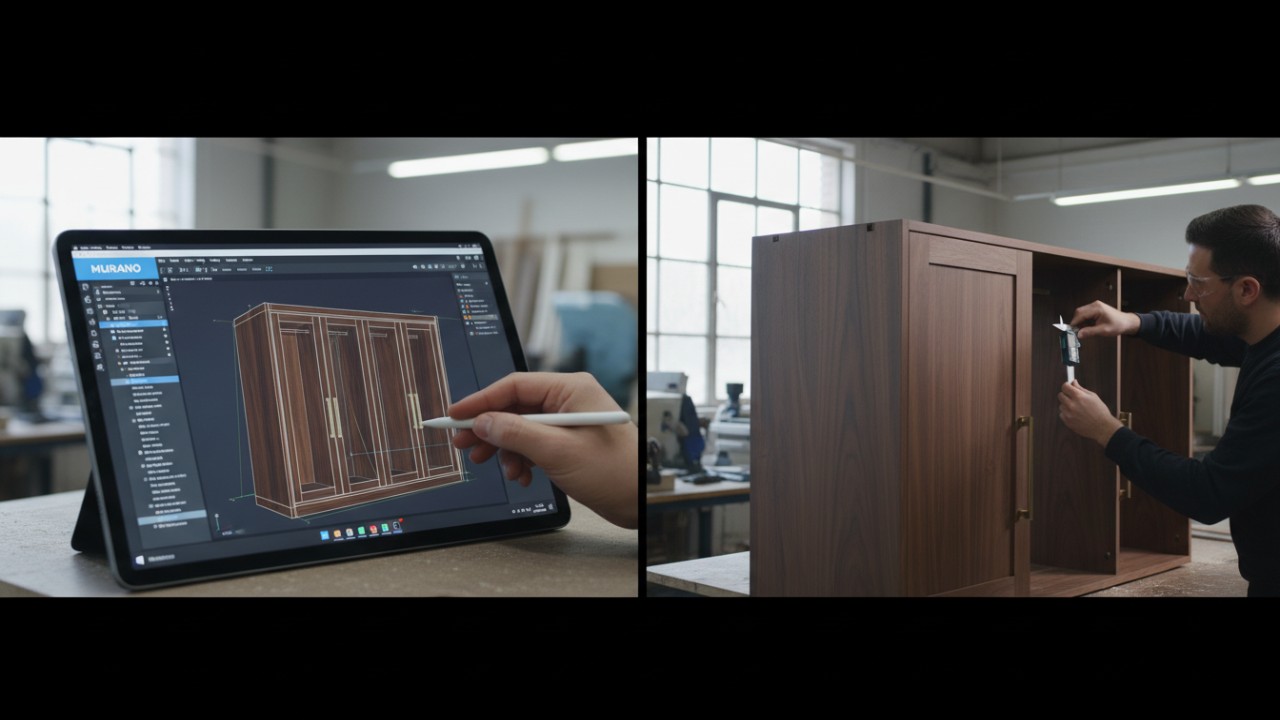 Material selection is where many project budgets either go off the rails or find incredible efficiency. If you over-spec a material, you waste money. If you under-spec it, you pay for it in replacements.
Let’s break down how to look at materials through a commercial lens. Providing customers with a variety of high-quality material options is what separates a good supplier from a great one
- Medium-Density Fiberboard (MDF): This is fantastic for intricate designs because it cuts beautifully without splintering. It paints well and is highly cost-effective. However, it acts like a sponge around water. You use MDF for dry, low-impact areas like reception feature walls or retail display shelving. You never use it under a bathroom sink.
- Moisture-Resistant Plywood: This is the workhorse of commercial wet zones. It holds screws incredibly well and resists warping when exposed to humidity. It costs more upfront, but specifying this for kitchen and bathroom cabinetry in a rental development will save you thousands in maintenance over a ten-year cycle.
- High-Density Fiberboard (HDF): Denser and heavier than MDF, this is used when you need serious structural strength but want a smooth finish. It’s often used in commercial flooring or heavy-duty load-bearing shelves.
- Aluminum and Glass: Modern commercial interiors lean heavily on these materials for a reason. When designing custom office furniture and collaborative workspaces, aluminum frame glass doors provide acoustic separation without blocking natural light, and they are practically immune to standard wear and tear.
- The secret to material engineering is knowing where to mix and match. You might use a plywood core for the structural box of a cabinet, but face it with a specialized laminate door for aesthetic appeal and scratch resistance.
The Prototyping Trap
One of the most dangerous things a procurement manager can do is approve a massive production run based entirely on a PDF rendering.
A 3D model will show you how a piece fits into a room visually, but it won't tell you how it feels to interact with it. It won't tell you if the soft-close drawer slides feel premium or if they require too much force to pull open. It won't show you how the specific veneer you chose reflects the warm artificial lighting in your hotel corridors.
Always build time into your schedule for physical prototyping. Have the factory send a physical corner sample of the cabinetry. Hold the actual hardware in your hand. Test the hinges.
This step also tests the factory’s communication skills. If they struggle to get a prototype right, or if they take three weeks to answer a technical question about edge-banding, you do not want to trust them with a multi-million dollar bulk order.
Logistics, Consolidation, and the Final Mile
The final hurdle is getting the furniture from the factory floor into your building. This is where a fragmented procurement strategy falls apart.
If you hire one factory to build your kitchen cabinets, a different factory to handle your bedroom wardrobes, and a third to supply your interior doors, you are creating a logistical nightmare. Not only are you tripling your shipping coordination efforts, but you are also guaranteeing that the wood finishes won't perfectly match across the different rooms.
This is why experienced developers look for a one-stop furniture customization service. By consolidating the order with a single manufacturer capable of producing the full spectrum—from TV cabinets to wall panelling—you ensure aesthetic consistency. More importantly, you can consolidate your shipping containers, drastically reducing freight costs and minimizing the chances of staggered, delayed deliveries holding up your installation teams.
Before those containers are ever sealed, implement pre-shipment inspections. Whether you use a third-party agency or rely on the factory's internal QA team, someone needs to measure the final products against the approved technical drawings. Finding a dimension error while the goods are still at the factory is a quick fix; finding it when the goods arrive at your job site is a disaster.
Conclusion

Successfully sourcing custom B2B furniture is an exercise in risk mitigation. It requires balancing aesthetic desires with harsh commercial realities, understanding the physical limits of materials, and treating the supply chain as an integral part of your construction timeline.
When you approach procurement systematically—vetting for true manufacturing capability, demanding physical prototypes, and consolidating your orders—you remove the friction from the process. You stop putting out fires and start building spaces that last.
For those looking to streamline their next major development, partnering with an experienced manufacturer like MURANO can bridge the gap between architectural vision and factory execution.
If you are ready to refine your sourcing strategy and explore how tailored manufacturing can protect your project budget, you can dive deeper into our comprehensive guide on wholesale kitchen and cabinetry solutions to see how these principles apply to specific room builds.
FAQs About The Ultimate B2B Guide to Sourcing Custom Furniture
What is the typical lead time for B2B custom furniture orders?
Lead times vary based on project scale and customization complexity, but typically range from 4 to 8 weeks for production, plus an additional 3 to 6 weeks for ocean freight depending on the destination.
How do I import custom furniture from China to my country?
Importing involves selecting a reliable supplier, agreeing on incoterms (like FOB or CIF), managing sea freight logistics, and working with a customs broker to handle import duties and clearance documentation.
Why is Foshan famous for furniture manufacturing?
Foshan, Guangdong, is the world's largest wholesale furniture hub. It features a complete, highly efficient supply chain ecosystem, offering unmatched access to raw materials, skilled craftsmanship, and advanced manufacturing technologies.
What are the quality standards for commercial panel furniture?
Commercial panel furniture is evaluated based on material density (like high-grade MDF), edge-banding durability, moisture resistance, scratch-resistant finishes, and load-bearing hardware limits.
Can I customize dimensions for B2B wholesale kitchen cabinets?
Yes, reputable custom manufacturers like Foshan Murano specialize in exact dimensional tailoring to fit specific architectural layouts perfectly, moving beyond standard modular sizes.
How do manufacturers ensure supply chain transparency?
Top-tier factories provide transparent digital workflows, regular production milestone updates, clear material sourcing documentation, and allow third-party quality control inspections.
What is the difference between universal and custom-fit furniture parts?
Universal parts are mass-produced standard sizes that may require on-site modification, while custom-fit parts are pre-engineered to exact project specifications, reducing installation time and errors.
What incoterms should I use for bulk furniture procurement?
FOB (Free on Board) is the most common for furniture imports, giving the buyer control over shipping costs and sea transit, while CIF (Cost, Insurance, and Freight) is easier for beginners but may cost more.
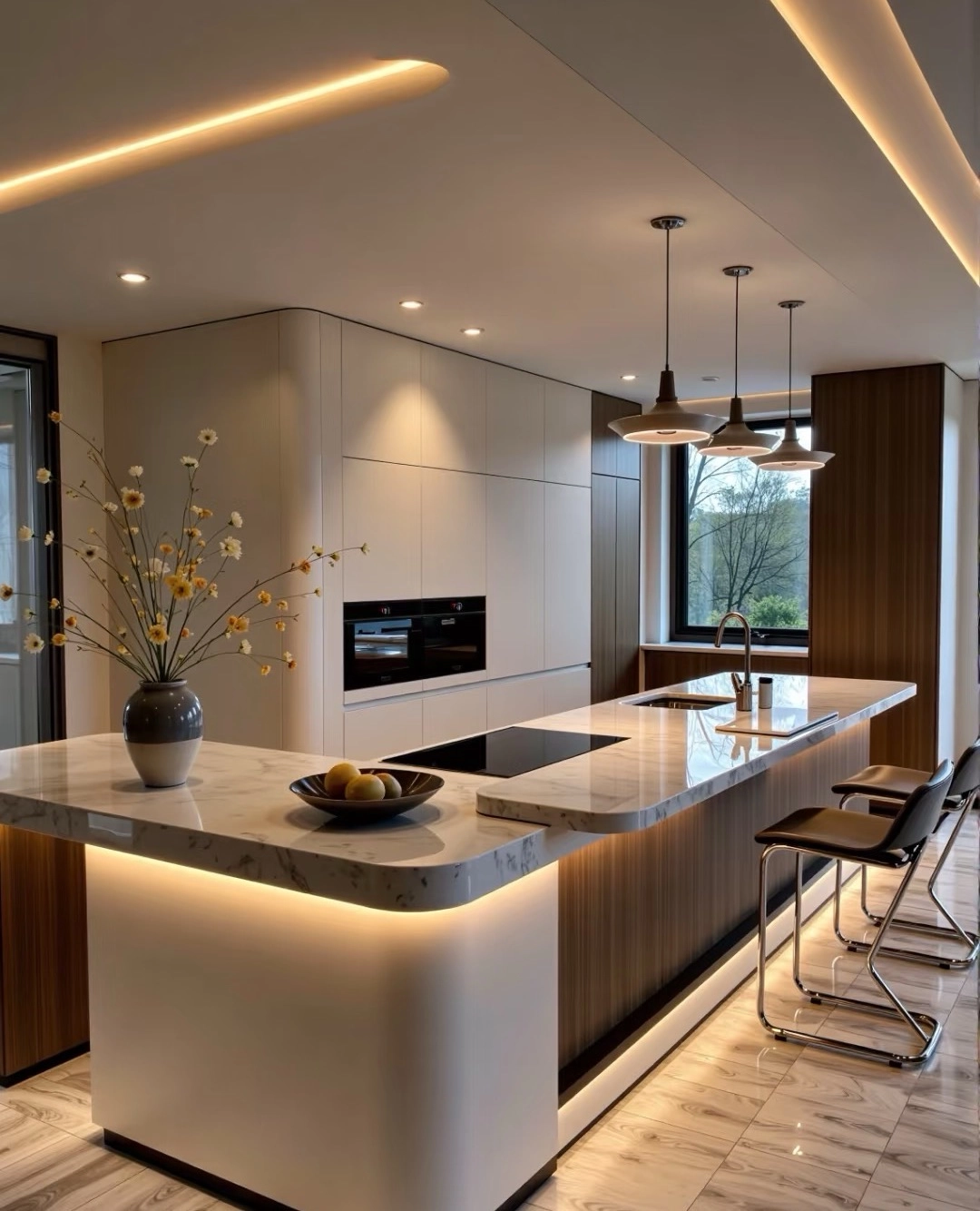
How to Make Traditional Kitchen Cabinets Look Modern
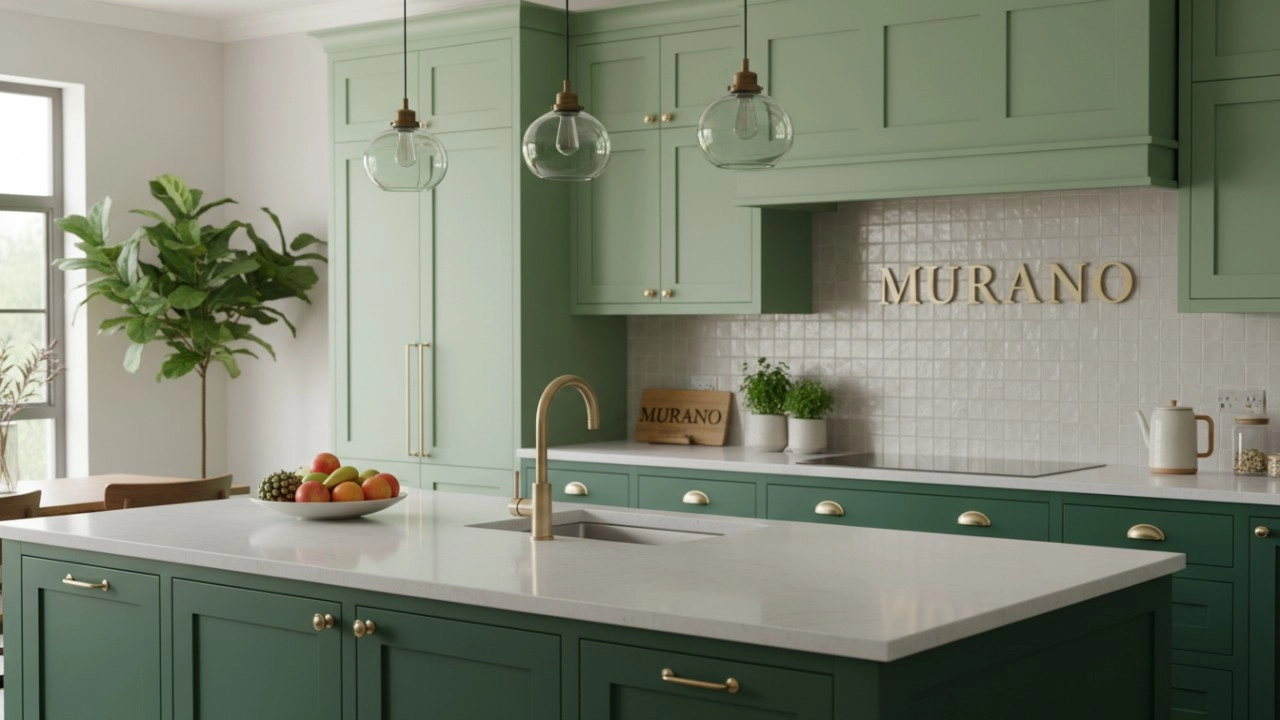
Green Kitchen Cabinets vs. Blue: Why Green is the New Neutral for Modern Homes in 2026
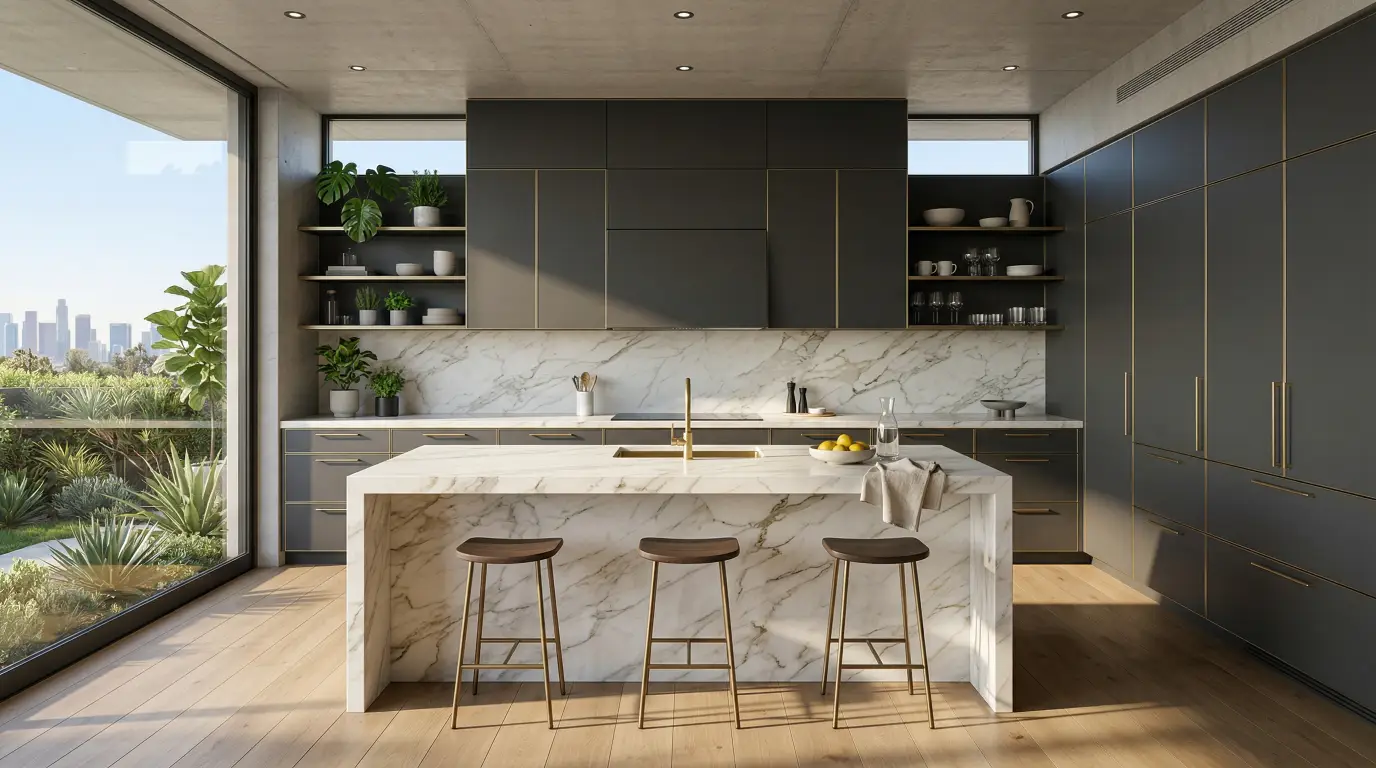
Why a PET Metal Brass Kitchen Cabinet is a Smart Investment for Your Home
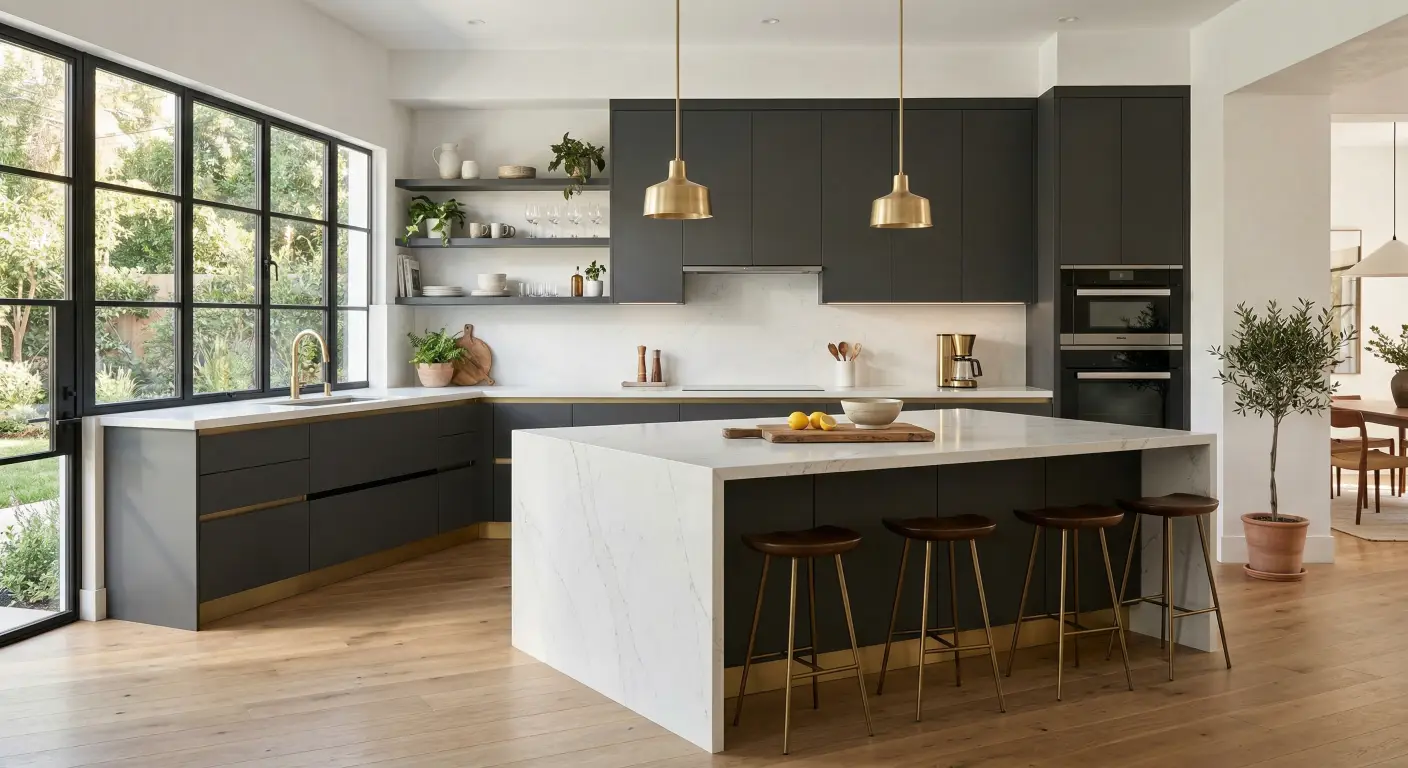
Is a PET Metal Brass Kitchen Cabinet Durable? Pros and Cons Revealed
FAQ
What's lead time for furniture cabinets?
It's about 20 - 30 days.
What's MOQ for our kitchen cabinets, wardrobe cabinets or bathroom cabinets?
1 set.
What's the payment terms of all our products?
T/T (30% inadvance, the balance shall be paid off before delivery), Western Union or L/C.
What information are needed for getting a quote for our furniture cabinets?
Your size infomation or room drawings.
Can we ship the furniture cabinets to customer's port or city?
Yes. Please provide the city name or port name when you send us an inquiry.
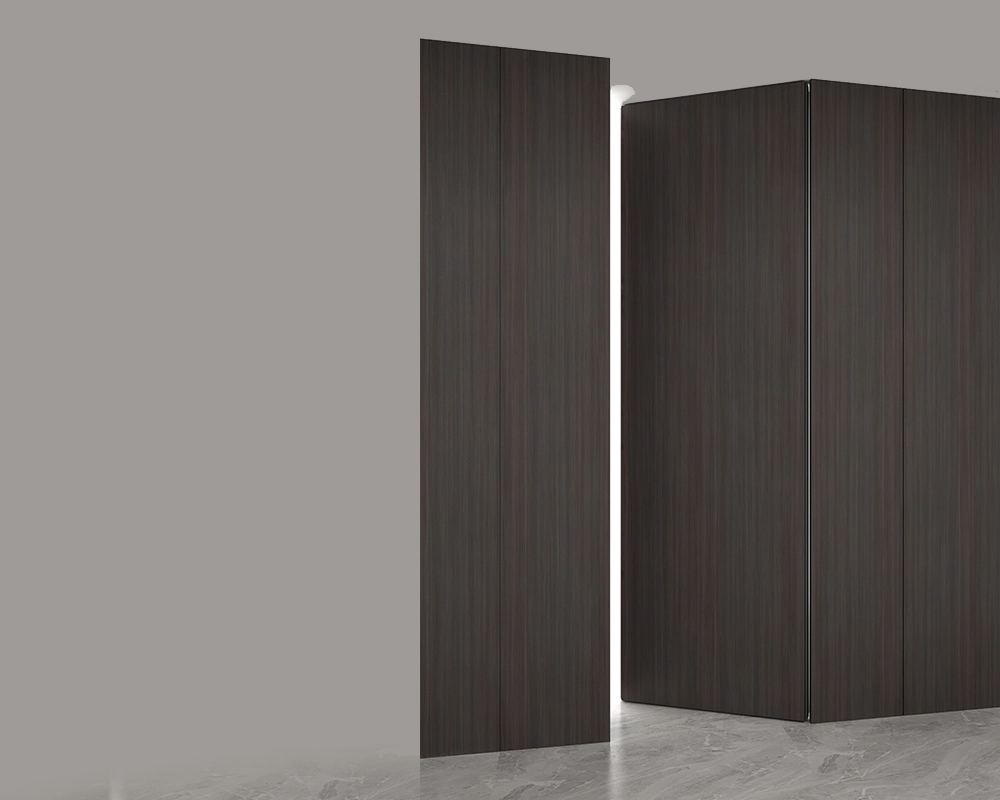
T-shaped invisible door MA10
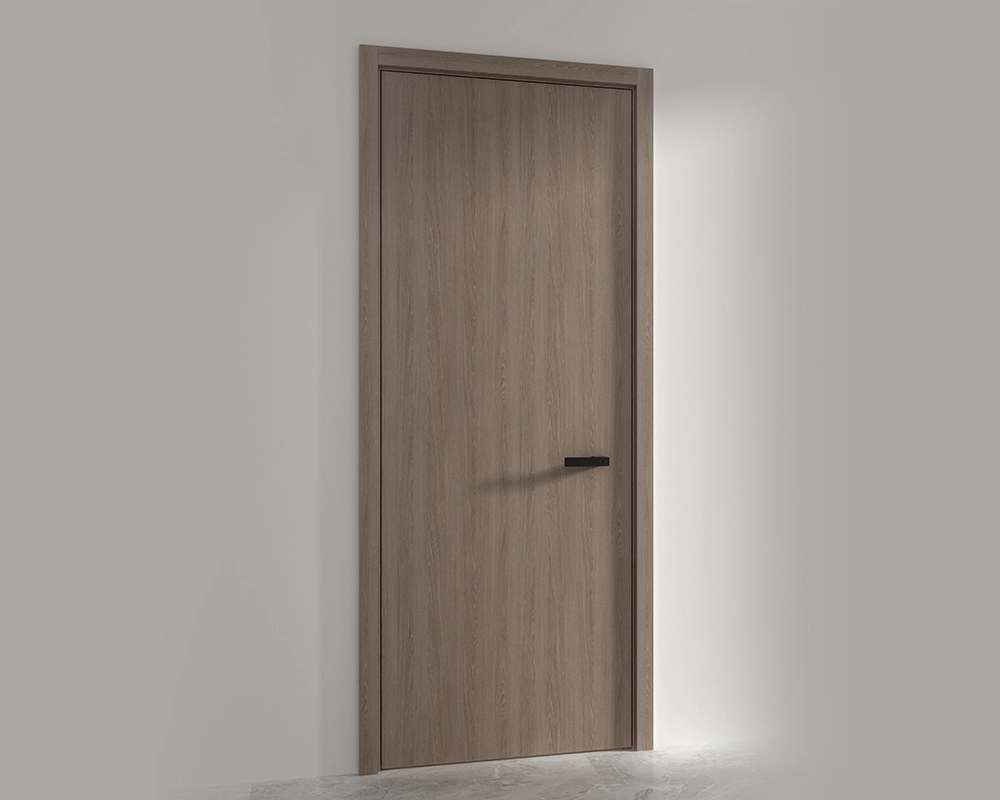
Flush panel door MA11
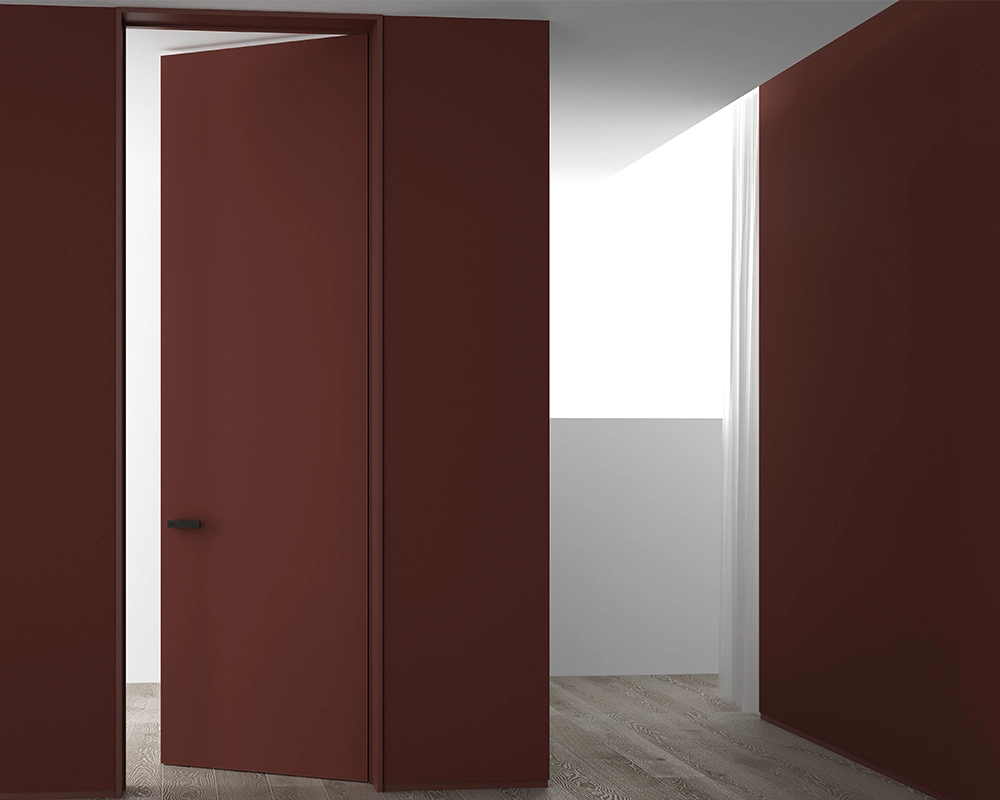
Siyun double wooden door MA12A
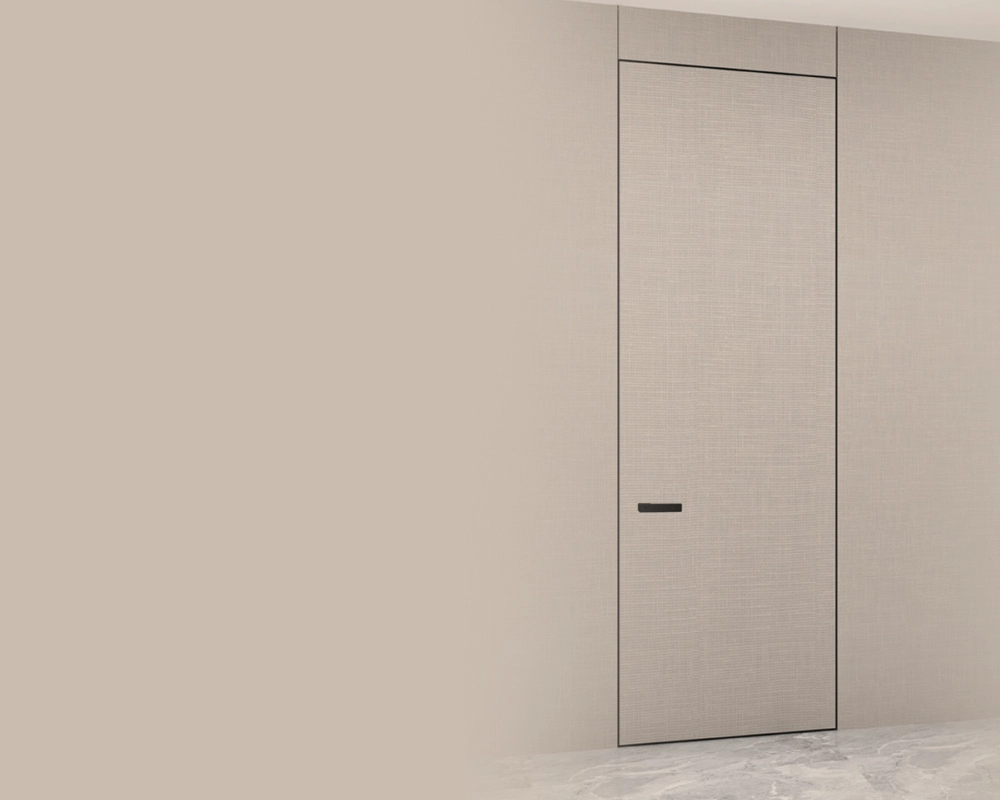
External flush right inward opening door MA13
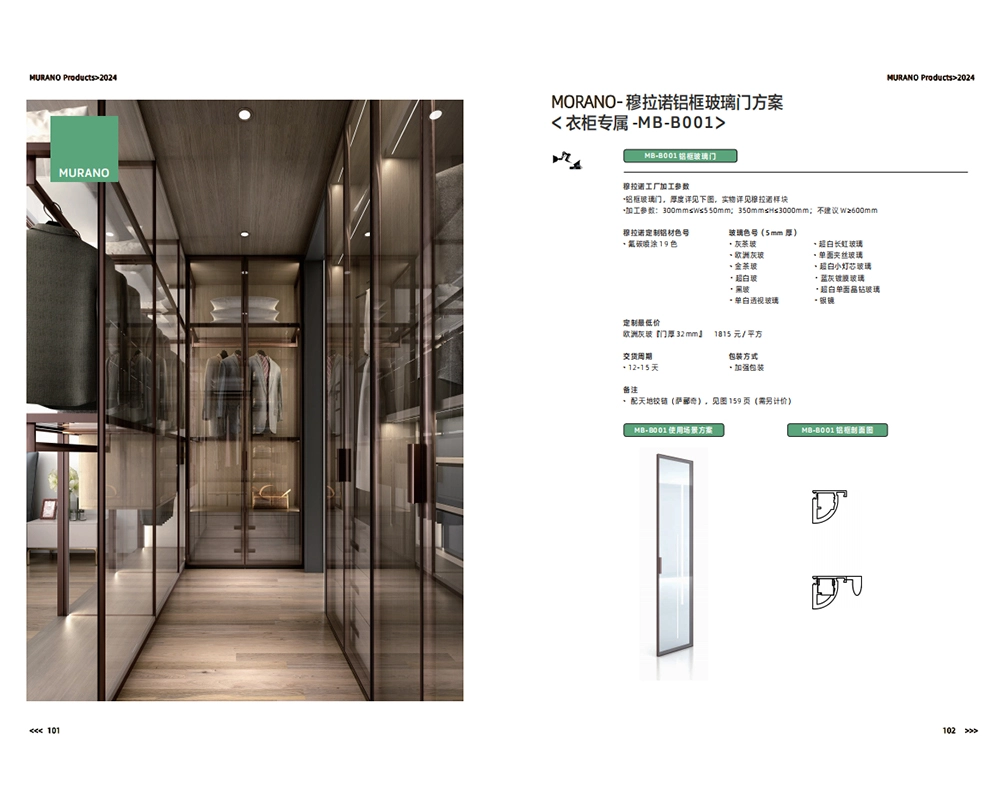
Aluminum Frame Glass Hinged Door - MBB001
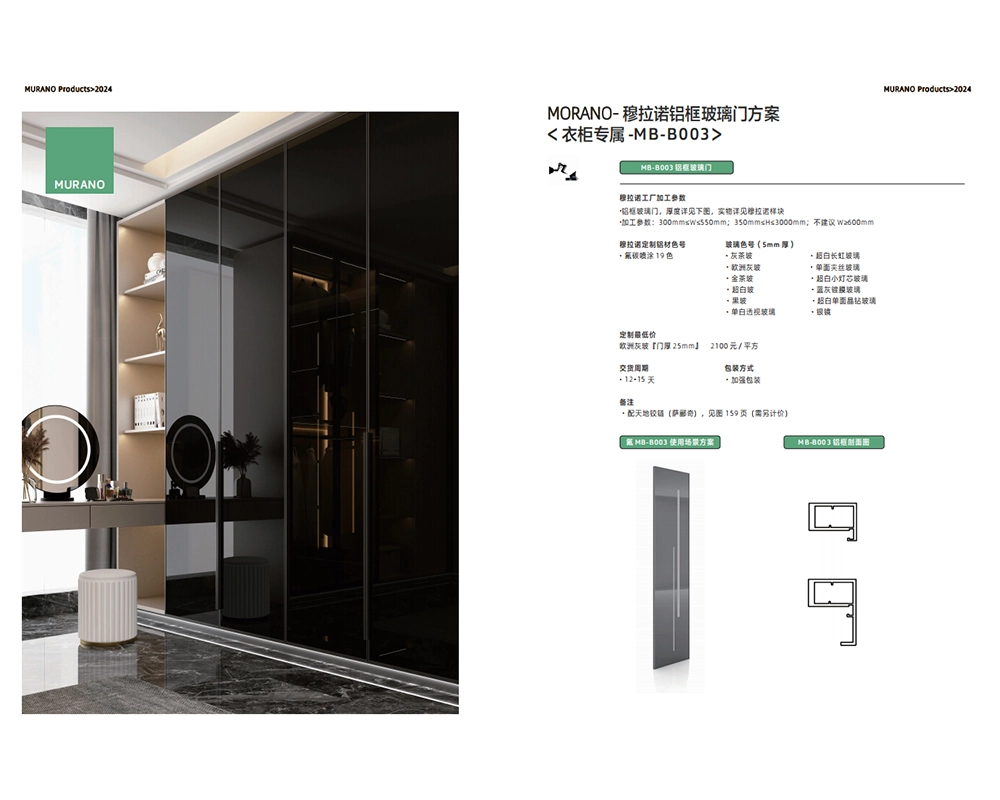
Aluminum Frame Glass Hinged Door - MBB003
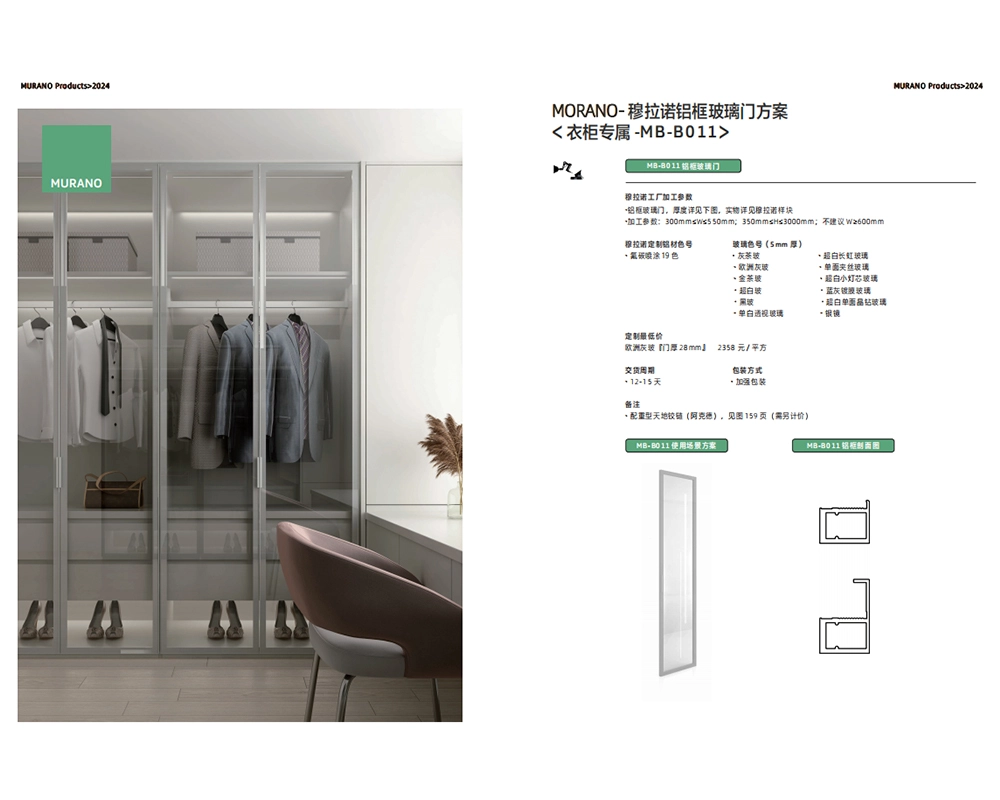
Aluminum Frame Glass Hinged Door - MBB011
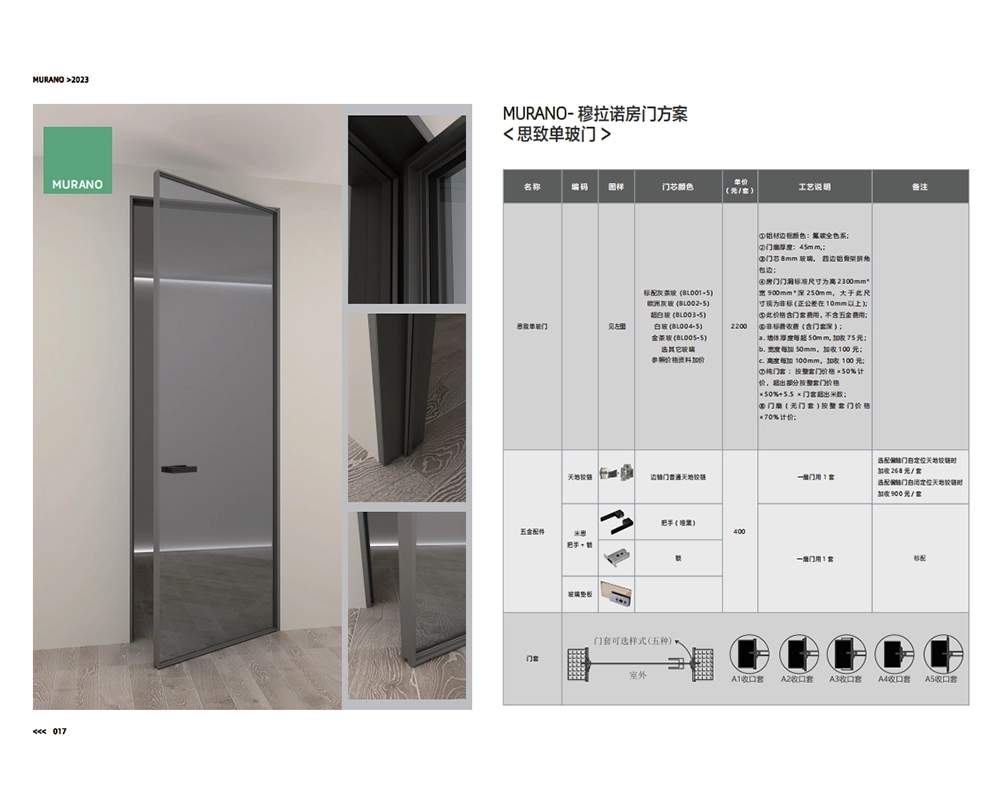
SZ Single side glass interior door
Request a Free Consultation And Price Estimate
Get in touch with Murano today for a personalized consultation, and let us bring your vision to life. Fill out the form below or contact Murano directly to start your journey toward a beautifully tailored home!"

 Scan QR Code
FoshanMuranoCabinet
foshanmuranocabinet
Whatsapp: +8618814138020
Scan QR Code