
Green Kitchen Cabinets vs. Blue: Why Green is the New Neutral for Modern Homes in 2026
- Why Green Feels More Natural Than Blue
- How Green and Blue Behave in Real Spaces
- Choosing the Right Shade (and Why It Matters More Than You Think)
- What Often Goes Wrong with Colored Cabinets
- Final Thoughts
- Conclusion
- FAQs About green kitchen cabinets
- Are green kitchen cabinets a fad or timeless?
- What color hardware looks best on green cabinets?
- Do green kitchen cabinets go with stainless steel appliances?
- Is green or blue better for a small kitchen?
- What is the best shade of green for a kitchen?
- How do I maintain and clean custom painted green cabinets?
- Can I order custom green cabinets from MURANO internationally?
- What wall color goes best with olive green cabinets?
Not long ago, choosing a kitchen color felt like a safe equation: white for simplicity, blue for personality. But that formula is starting to shift.
In more recent projects—especially when homeowners explore options for their custom kitchen cabinets—green kitchen cabinets are showing up more often than blue. Not in a dramatic, trend-driven way, but in a quieter, more lasting one. The kind of choice that doesn’t feel tied to a specific year.
So what changed? And why does green feel easier to live with in 2026?
Why Green Feels More Natural Than Blue
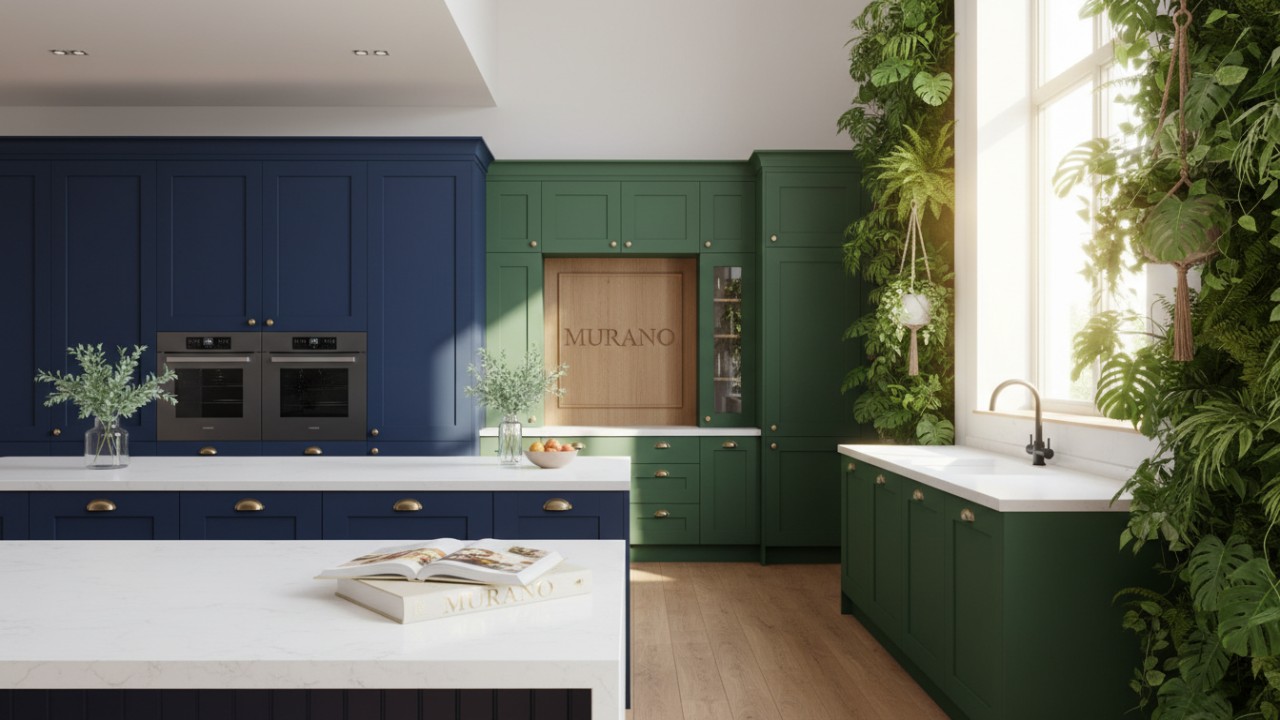
Blue kitchens still look good in the right setting. In bright spaces with plenty of natural light, they can feel crisp and structured. But that same clarity can become a limitation in everyday use.
In lower light, darker blues tend to absorb more than expected. The space can feel slightly colder, sometimes even a bit formal—especially early in the morning or later in the evening when artificial lighting takes over.
Green doesn’t behave in the same way.
Because it sits closer to colors we already associate with the natural world—foliage, earth tones, organic textures—it tends to soften a space rather than define it too sharply. This is one reason it’s often linked to biophilic design, where interiors subtly echo outdoor environments.
In practice, the difference is simple:
a green kitchen usually feels easier to settle into. It doesn’t demand attention, but it shapes the atmosphere in a quieter, more consistent way.
How Green and Blue Behave in Real Spaces
The distinction between green and blue becomes more noticeable once the kitchen is actually lived in.
A navy kitchen paired with white countertops can look sharp and intentional. But over time, that contrast can feel quite fixed—it sets a clear tone that doesn’t leave much room for change.
Green tends to be more flexible.
In an open-plan home, for example, a muted olive or sage kitchen transitions more naturally into a living or dining area. It pairs beautifully with wall panelling and works seamlessly with wood textures, fabrics, and warmer finishes without needing strong contrast to hold everything together.
This flexibility also shows up in smaller details. Hardware, lighting, even decor can shift slightly over time without clashing with the base color. With blue, those adjustments often need to stay within a narrower palette.
There’s also a subtle difference in how people respond to each color. Blue reads as clean and composed. Green, especially in softer tones, tends to feel more relaxed—less styled, more lived-in.
Choosing the Right Shade (and Why It Matters More Than You Think)
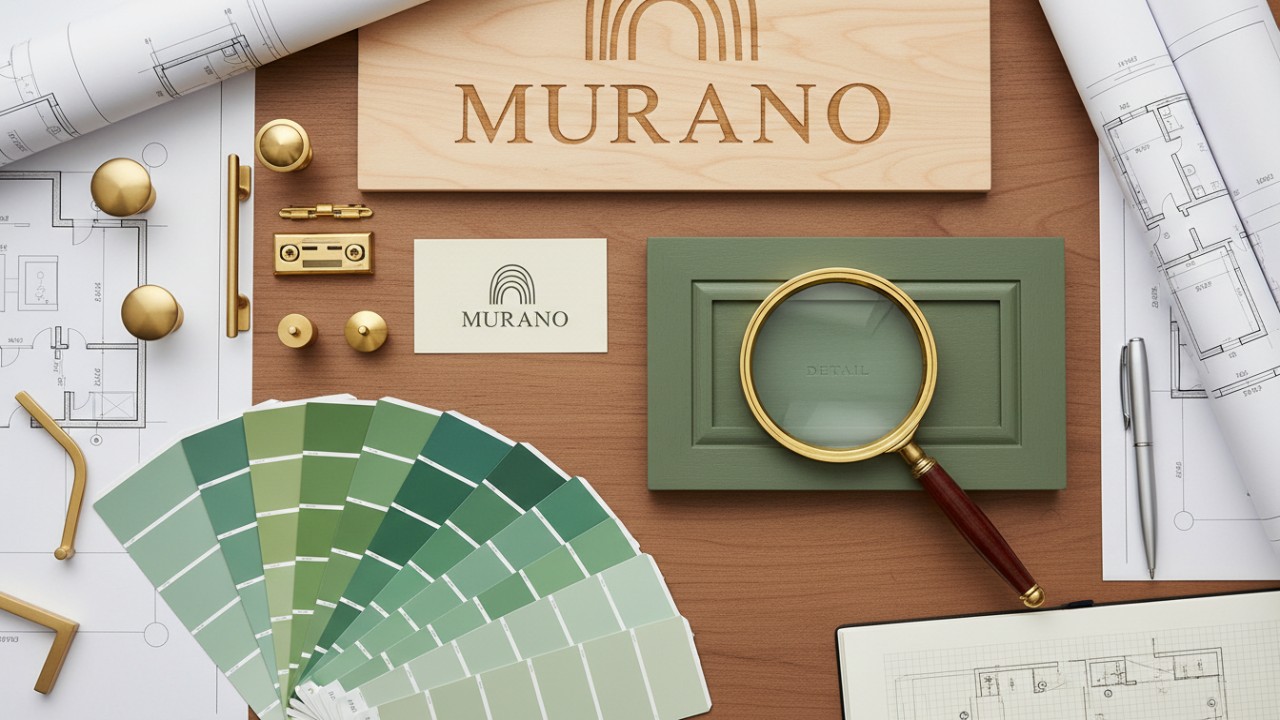 Not all green cabinets create the same effect, and most successful kitchens rely on fairly restrained tones.
Sage is often the easiest place to start. It has a soft, slightly grey undertone that reflects light well, which makes it particularly useful in smaller kitchens or apartments. Instead of standing out, it blends into the space in a way that feels almost effortless.
Olive sits a bit deeper. It brings more warmth, especially in homes that already include natural materials like wood flooring or textured surfaces. In those settings, olive doesn’t feel like an added color—it feels like a continuation of what’s already there.
Emerald is different. Richer and more saturated, it tends to work best when used selectively. A kitchen island or a lower cabinet run is often enough to create contrast without overwhelming the space.
What matters most isn’t choosing a “trendy” shade, but choosing one that behaves well under your lighting conditions. The same green can shift noticeably between daylight and evening light, sometimes appearing cooler, warmer, or more muted than expected.
What Often Goes Wrong with Colored Cabinets
Most issues with colored cabinetry don’t come from the color itself, but from how it’s applied within the space.
Undertones are one of the most common problems. A green that leans slightly yellow can feel off when paired with cooler elements like grey flooring or blue-toned backsplashes. These mismatches are subtle at first, but they tend to become more noticeable over time.
Another issue is using too much of the same tone. Even though green works well as a neutral, covering every surface in one shade can flatten the space. Kitchens usually benefit from some variation—whether that comes from open shelving, lighter walls, or simply a mix of materials.
Lighting is another factor that’s easy to underestimate. A cabinet color that looks balanced during the day can shift under warm artificial lighting in the evening, sometimes becoming dull or overly saturated. Testing samples in the actual space, at different times, is one of the simplest ways to avoid that.
Finally, the finish itself plays a bigger role than expected. In high-use areas like kitchens, lower-quality surfaces tend to show wear quickly—edges chip, colors fade unevenly, and small imperfections become more visible. Over time, that affects not just durability, but how consistent the color feels across the entire room.
Not all greens behave the same. The difference between a good result and a great one often comes down to the exact tone.
Final Thoughts
Conclusion
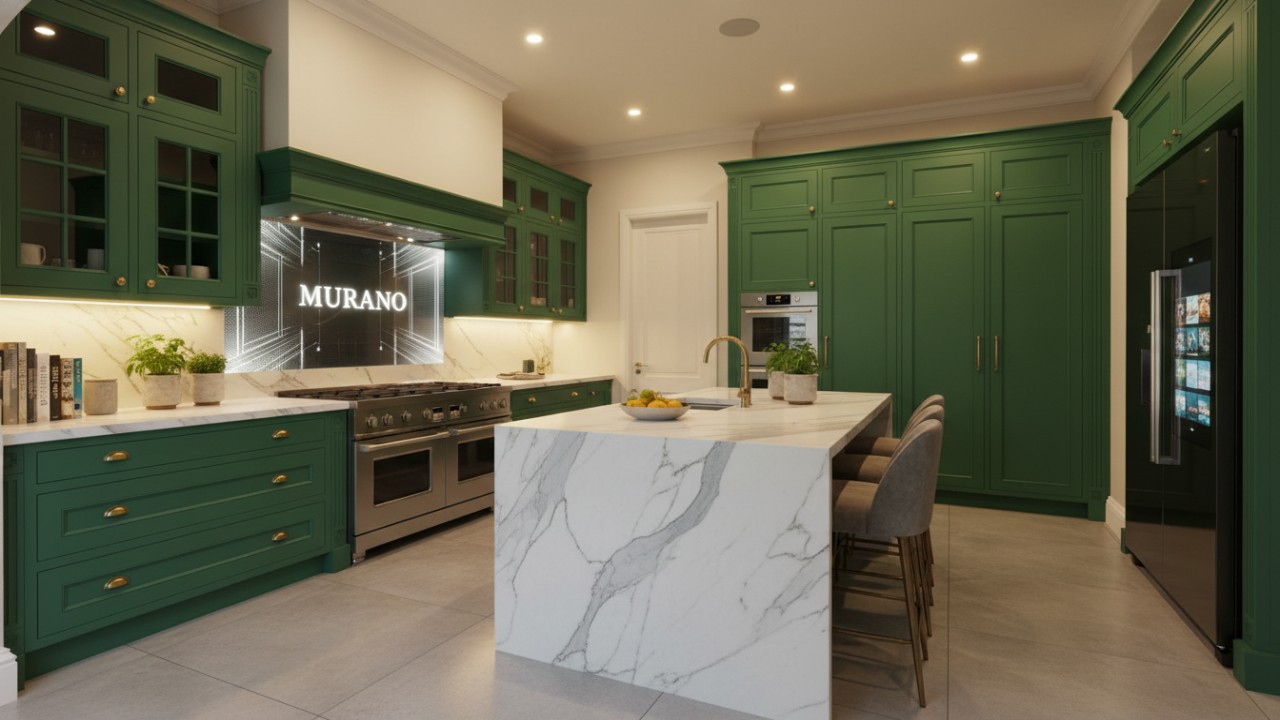
The shift from blue to green in kitchen design isn’t about replacing one trend with another. It reflects a broader change in how people think about their homes—less focused on making a statement, and more on creating a space that feels comfortable over time.
Blue still has its place, especially in settings where contrast and structure are part of the design intent. But green offers something slightly different. It adapts more easily, works across a wider range of materials, and tends to age more quietly within a space.
In the end, the choice isn’t just about color. It’s about how the kitchen will feel a few months—or even years—after everything is installed, when the novelty fades and daily use takes over.
That’s where green stands out. Not as a bold decision, but as one that continues to make sense over time. If you're ready to explore how these adaptable tones can work in your specific layout, a one-stop furniture customization service can help bring your vision to life.
Contact us today at [email protected] to optimize your green kitchen cabinets strategy.
FAQs About green kitchen cabinets
Are green kitchen cabinets a fad or timeless?
Green is widely considered a timeless choice because it acts as a neutral. Shades like sage and olive mimic nature, providing a classic, enduring appeal that outlasts micro-trends.
What color hardware looks best on green cabinets?
Warm metallics like brass, gold, and copper look stunning against green, adding elegance. For a more modern or industrial look, matte black is an excellent choice.
Do green kitchen cabinets go with stainless steel appliances?
Yes, green cabinets pair beautifully with stainless steel. The cool tones of the steel balance the warmth of the green, creating a professional, balanced aesthetic.
Is green or blue better for a small kitchen?
Light green, such as sage or mint, is often better for small kitchens as it reflects light and makes the space feel airy, whereas dark blue can make a small room feel enclosed.
What is the best shade of green for a kitchen?
The best shade depends on your lighting and style. Sage is best for soft, airy looks; Olive brings earthy warmth; and Emerald provides a moody, luxurious feel.
How do I maintain and clean custom painted green cabinets?
Use a soft microfiber cloth with warm water and a mild dish soap. Avoid harsh chemical cleaners or abrasive sponges that can dull the factory finish over time.
Can I order custom green cabinets from MURANO internationally?
Yes, Foshan Murano Smart Home Co., Ltd. serves clients in over 50 countries, providing pre-sales design, production, and international shipping for custom cabinet projects.
What wall color goes best with olive green cabinets?
Warm whites, creamy beiges, and soft taupes work best with olive green. These neutrals allow the olive cabinets to stand out while maintaining a cohesive, earthy palette.
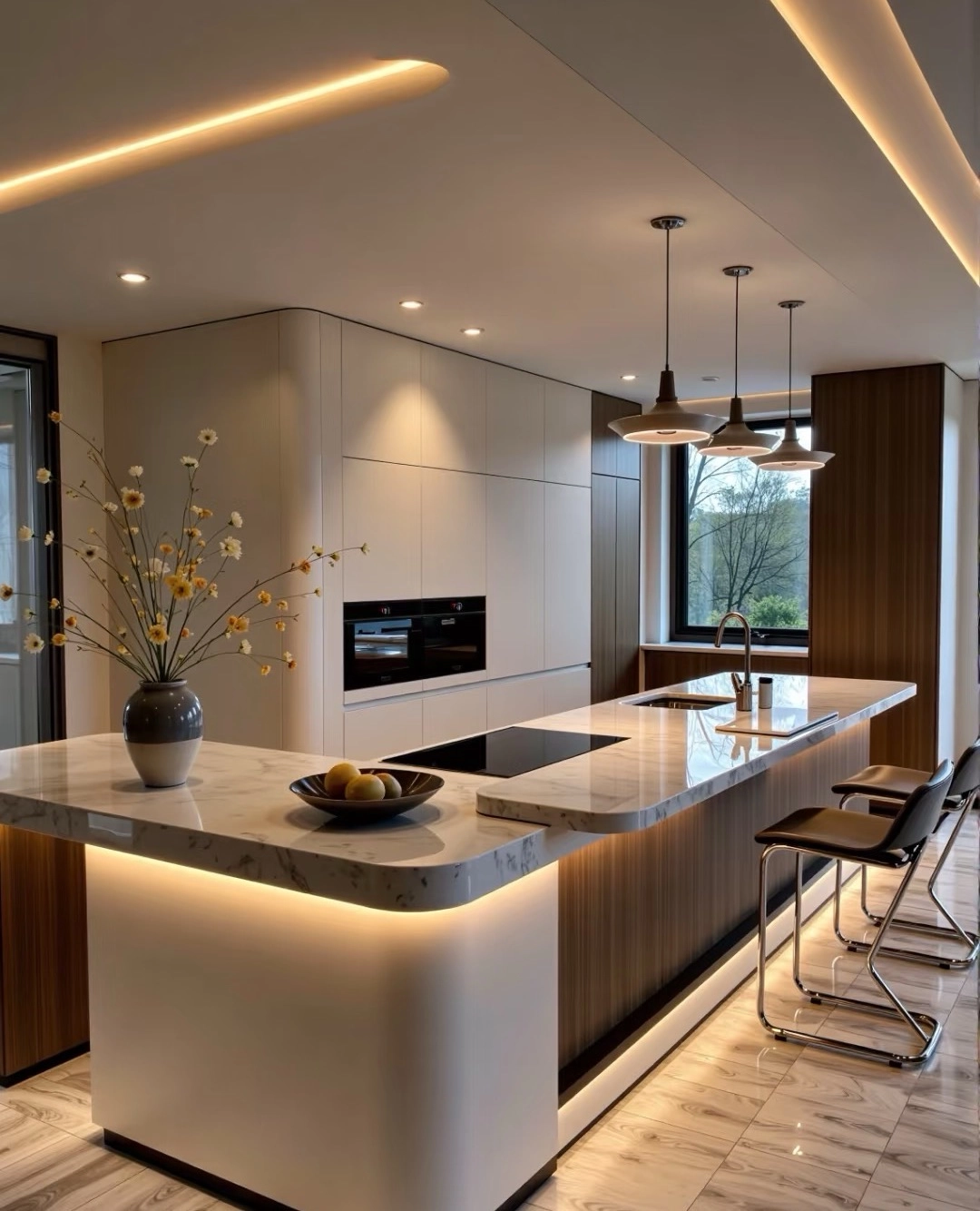
How to Make Traditional Kitchen Cabinets Look Modern
How to Streamline B2B Custom Furniture Procurement: A Step-by-Step Industry Guide
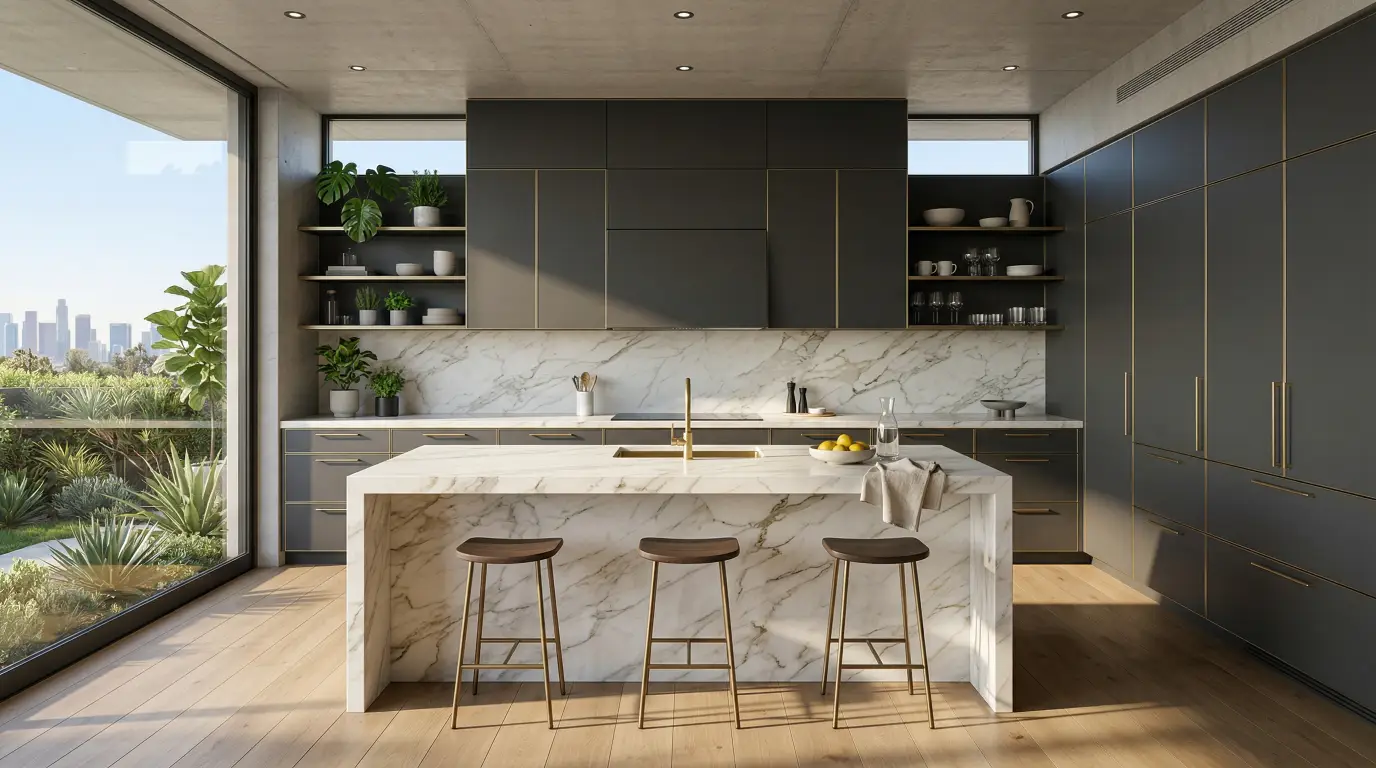
Why a PET Metal Brass Kitchen Cabinet is a Smart Investment for Your Home
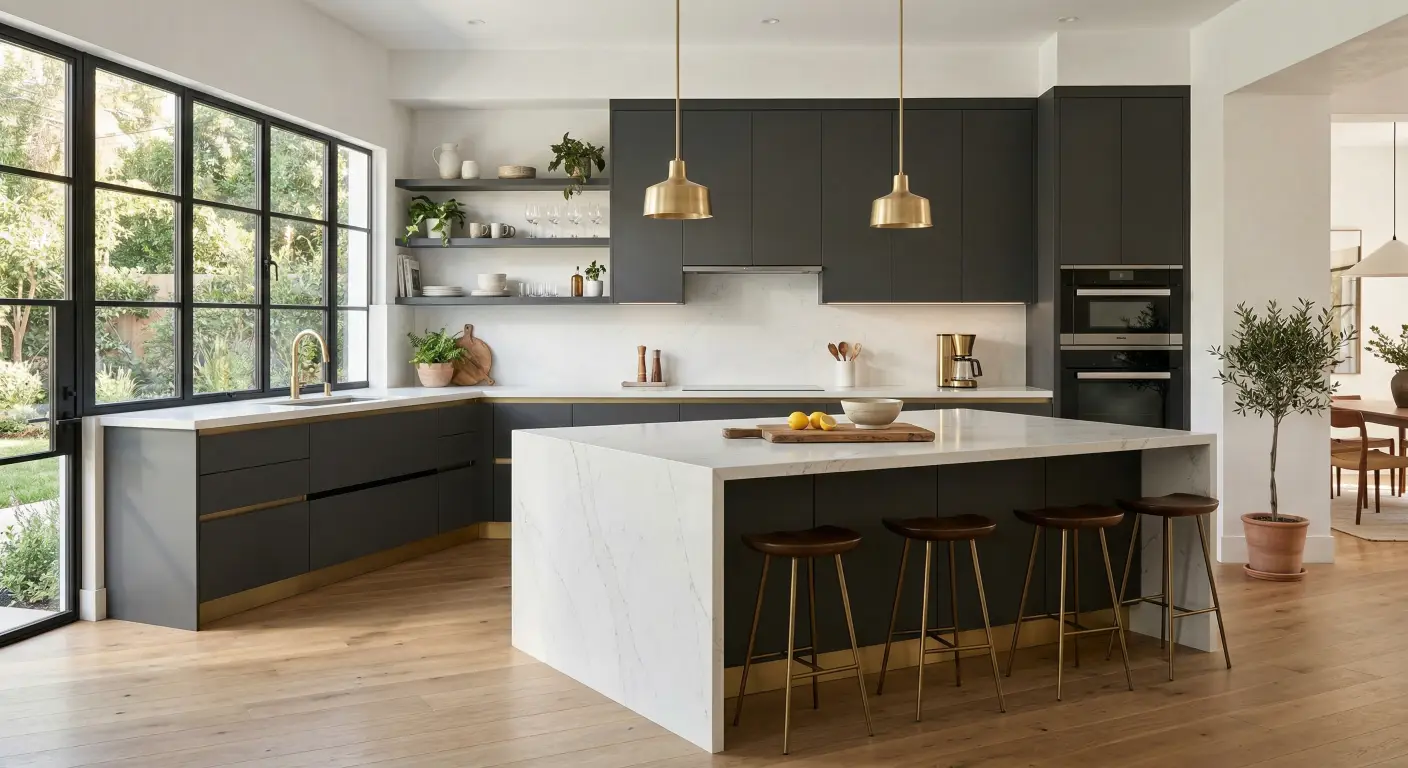
Is a PET Metal Brass Kitchen Cabinet Durable? Pros and Cons Revealed
FAQ
What information are needed for getting a quote for our furniture cabinets?
Your size infomation or room drawings.
Can we ship the furniture cabinets to customer's port or city?
Yes. Please provide the city name or port name when you send us an inquiry.
What's MOQ for our kitchen cabinets, wardrobe cabinets or bathroom cabinets?
1 set.
What's the payment terms of all our products?
T/T (30% inadvance, the balance shall be paid off before delivery), Western Union or L/C.
What's lead time for furniture cabinets?
It's about 20 - 30 days.
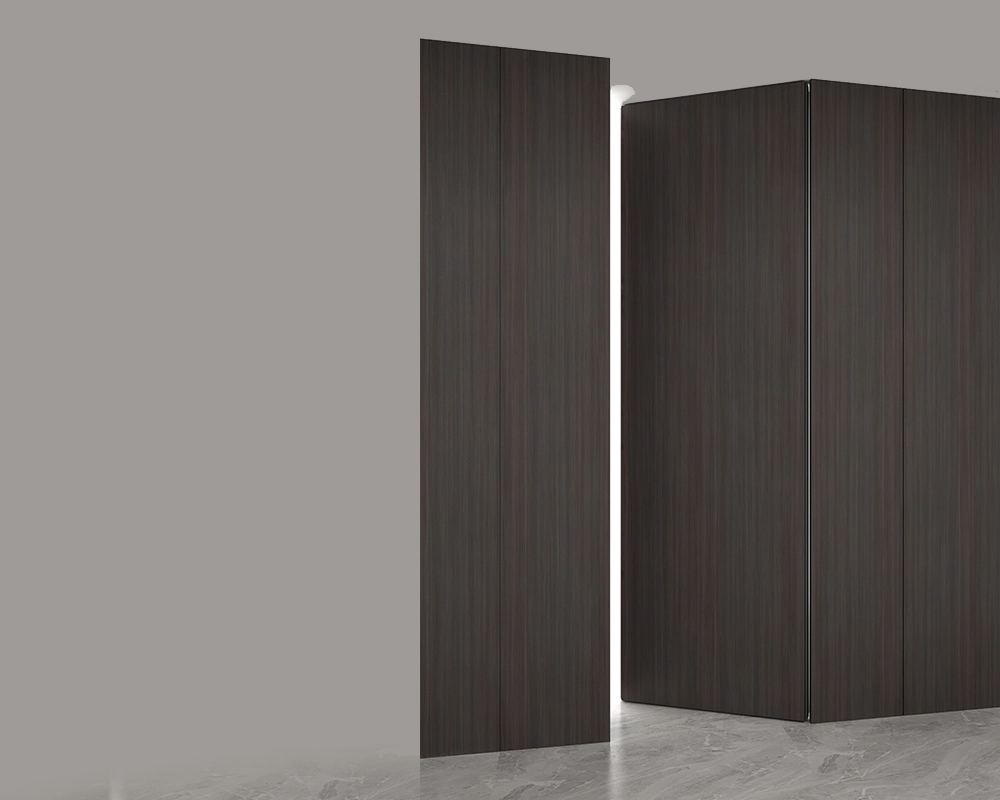
T-shaped invisible door MA10
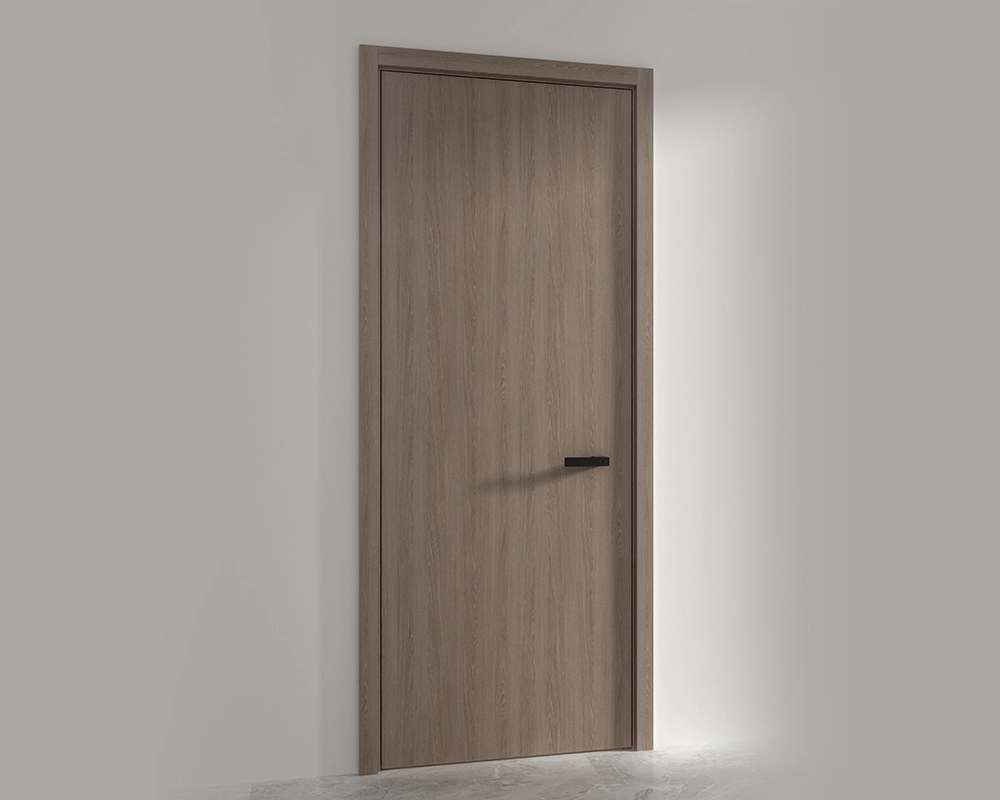
Flush panel door MA11
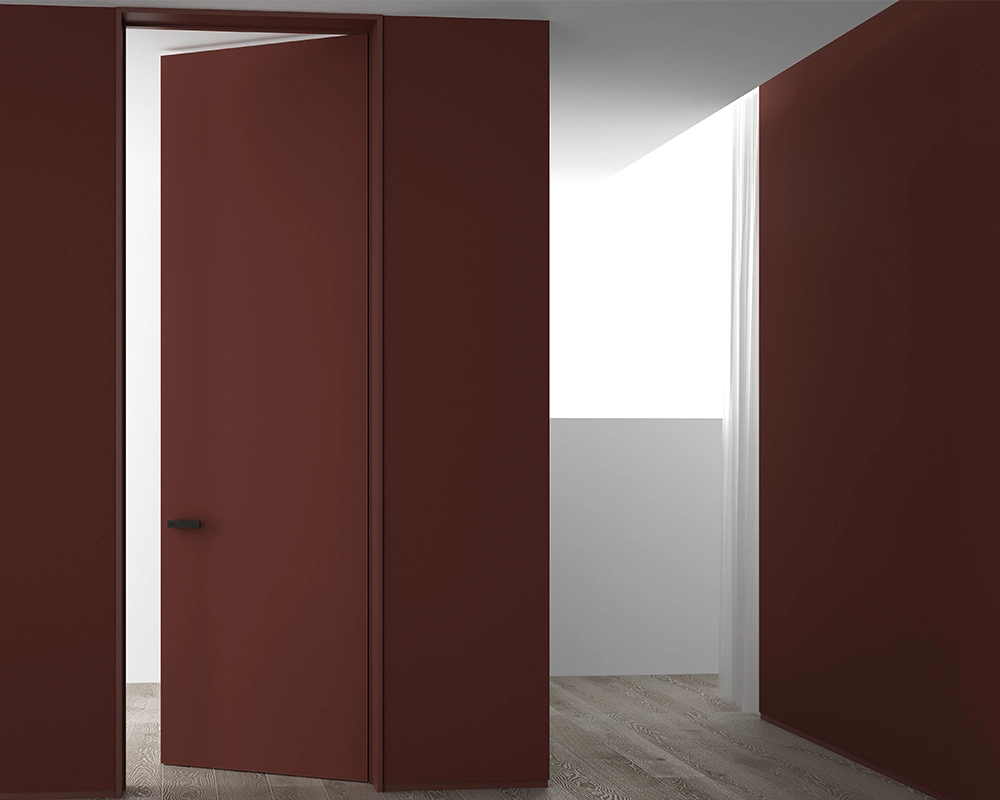
Siyun double wooden door MA12A
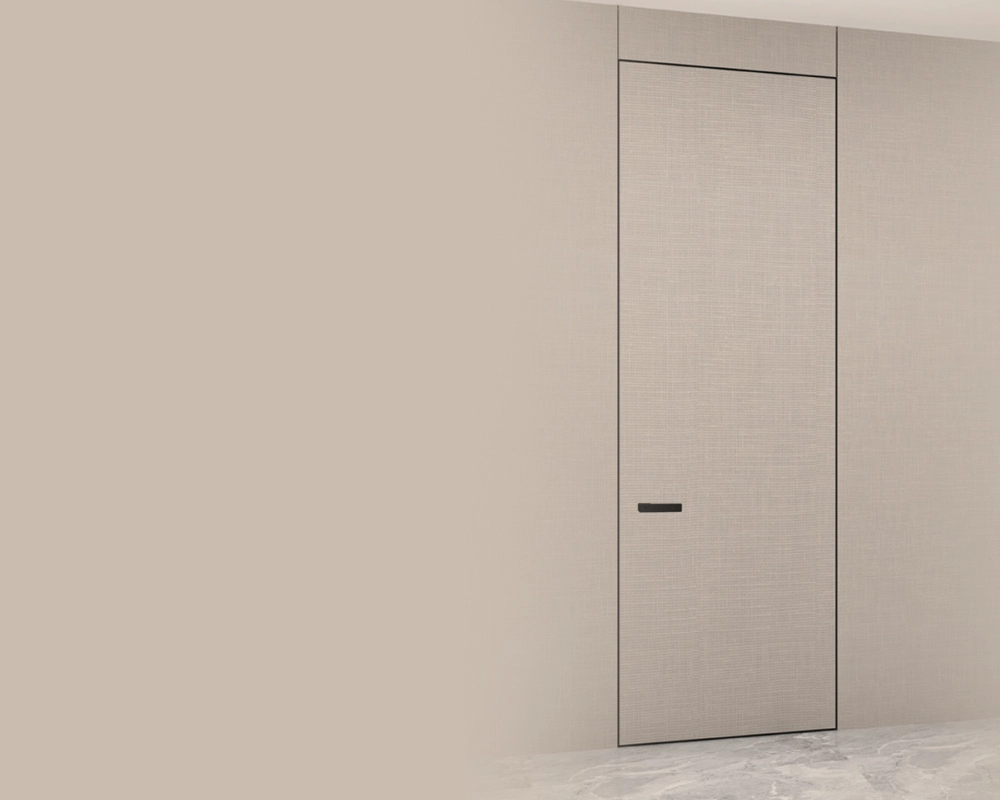
External flush right inward opening door MA13
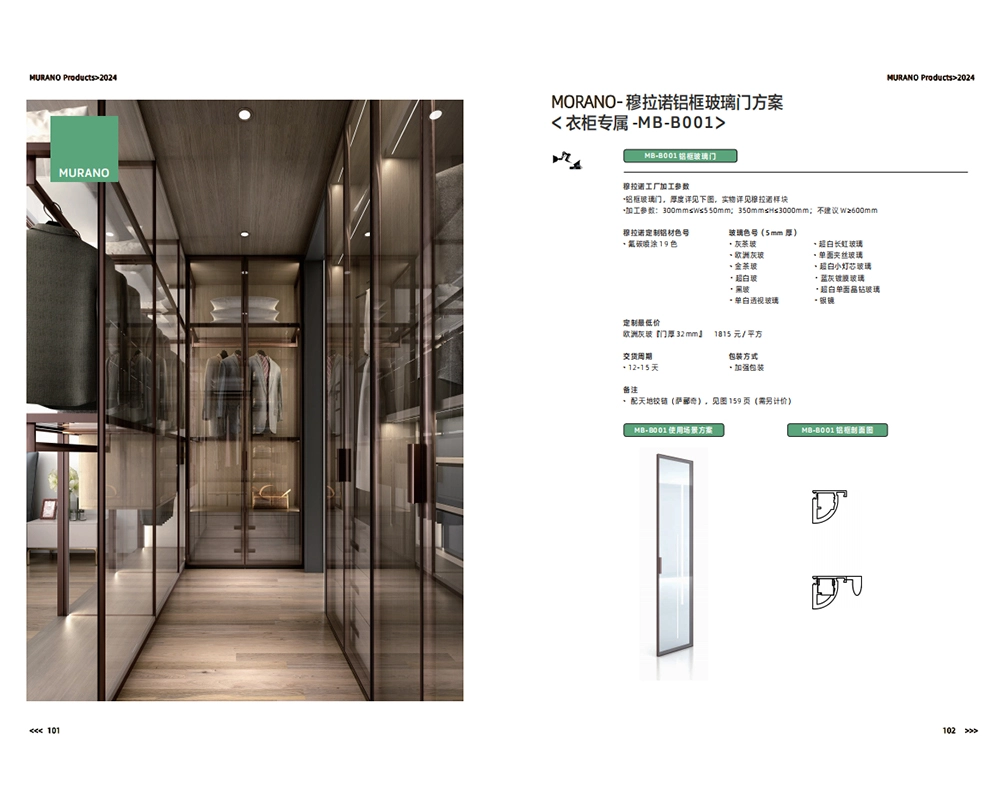
Aluminum Frame Glass Hinged Door - MBB001
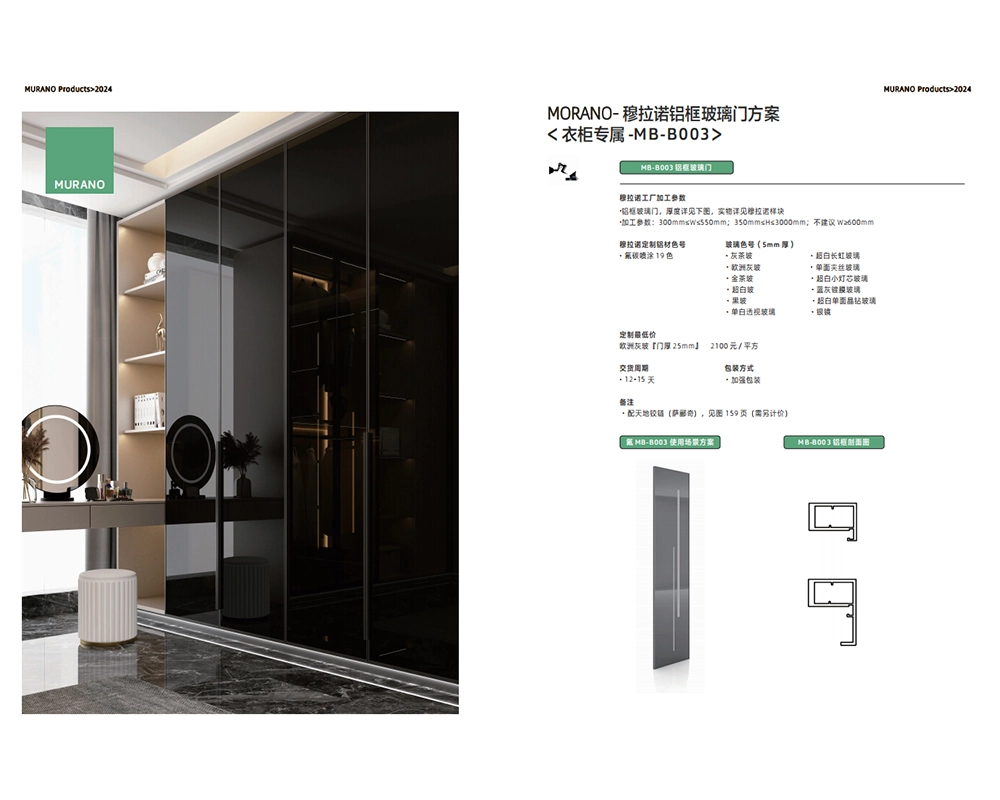
Aluminum Frame Glass Hinged Door - MBB003
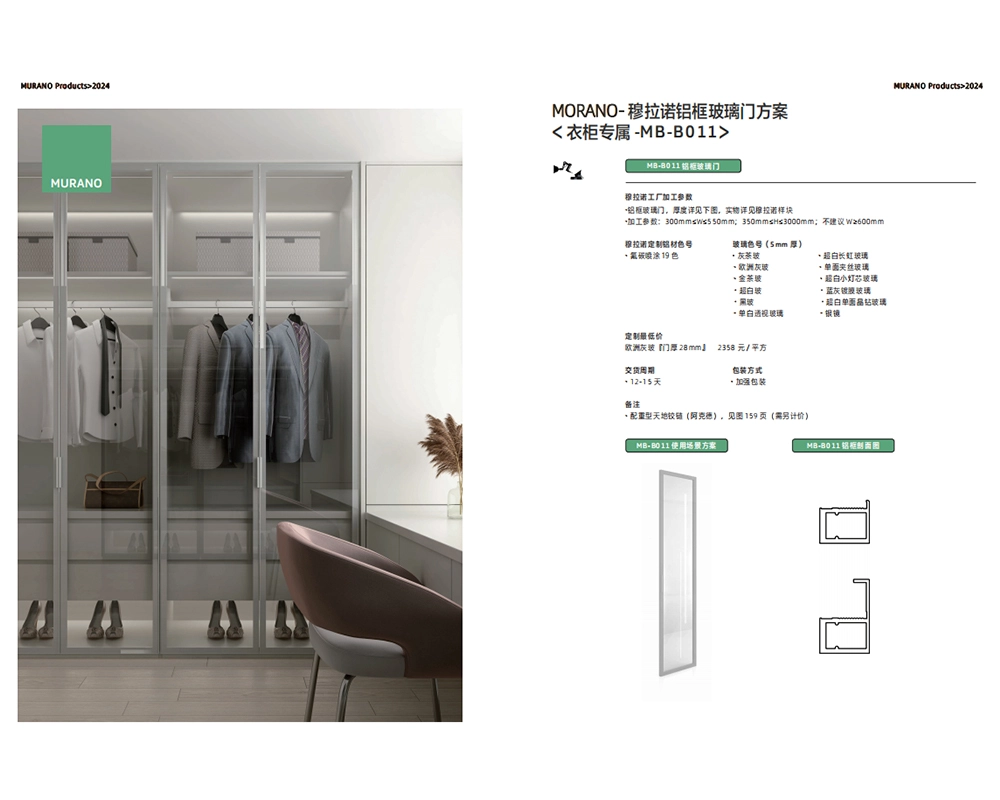
Aluminum Frame Glass Hinged Door - MBB011
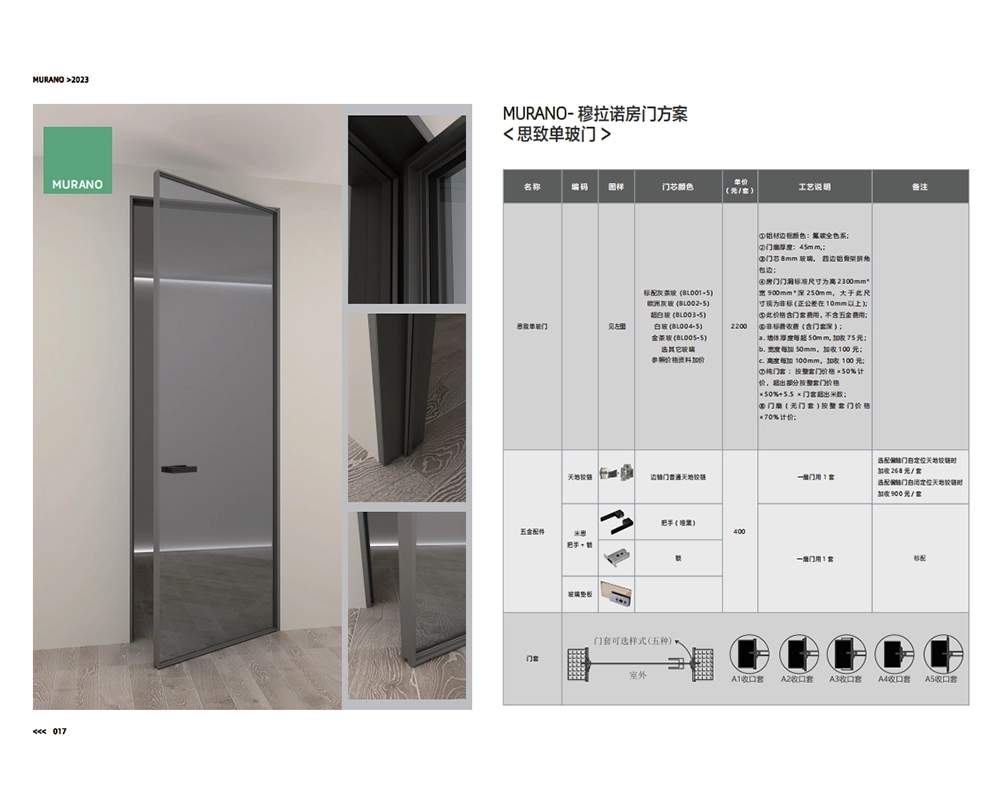
SZ Single side glass interior door
Request a Free Consultation And Price Estimate
Get in touch with Murano today for a personalized consultation, and let us bring your vision to life. Fill out the form below or contact Murano directly to start your journey toward a beautifully tailored home!"

 Scan QR Code
FoshanMuranoCabinet
foshanmuranocabinet
Whatsapp: +8618814138020
Scan QR Code