
Custom Wine Cabinets 2026: The Ultimate Guide to Bespoke Wine Storage Solutions
Discover MURANO’s Custom Wine Cabinets 2026, your guide to bespoke wine storage solutions. Expertly crafted to blend style and function, our custom wine cabinets ensure perfect preservation and display for your collection. Elevate your space with MURANO’s tailored designs today.
- Key Takeaways: Mastering Custom Wine Cabinets
- What is a Custom Wine Cabinet?
- The Core Distinction
- Why Invest in a Bespoke Wine Storage Solution?
- 1. Optimal Temperature for Preservation
- 2. The Crucial Role of Humidity
- 3. Protection from Light and Vibration
- 4. Space Optimization & Aesthetics
- Types of Custom Wine Cabinet Designs
- Key Features to Consider for Your Custom Wine Cabinet
- 1. Cooling System Technology
- 2. Insulation & Vapor Barrier
- 3. Materials & Finishes
- 4. Racking & Storage Flexibility
- 5. Doors & Glass
- The Custom Wine Cabinet Design Process with MURANO
- Cost of Custom Wine Cabinets: What to Expect
- Conclusion: Elevate Your Collection with a Custom Wine Cabinet
- Frequently Asked Questions (FAQ)
- How much does a custom wine cabinet typically cost?
- What is the main difference between a custom wine cabinet and a wine cellar?
- How do custom wine cabinets maintain ideal temperature and humidity?
- Can a custom wine cabinet be designed to fit an awkward space, like under stairs?
- What materials are best for building a custom wine cabinet?
- How long does the design and installation process take for a custom wine cabinet?
- Do custom wine cabinets require special electrical wiring?
- Are custom wine cabinets only for residential use?
As we move into 2026, the demand for luxury wine storage solutions has evolved from simple utility to a sophisticated blend of art, engineering, and preservation. For the modern collector, a wine collection is not merely an assortment of bottles; it is a curated investment requiring precise environmental conditions to reach its peak potential. While traditional cellars remain popular, climate-controlled wine cabinets have emerged as the premier choice for enthusiasts seeking to integrate professional-grade storage directly into their living spaces.
Whether you are designing a modern penthouse or upgrading a classic estate, bespoke wine cellars and cabinets offer the flexibility to protect your vintage reds and delicate whites without the need for extensive subterranean excavation. This guide explores the intricacies of home wine refrigeration, from the science of preservation to the artistry of custom cellar design.
Key Takeaways: Mastering Custom Wine Cabinets
Sophisticated Integration: Custom wine cabinets provide sophisticated, climate-controlled storage for homes lacking traditional cellar space, effectively blending high-performance functionality with stunning aesthetic appeal.
Precision Preservation: Unlike standard wine fridges, these units are engineered to maintain rigorous temperature and humidity stability, which is critical for the long-term aging of investment-grade wines.
Critical Design Elements: Success relies on selecting the right cooling system technology, premium materials (such as mahogany or UV-blocking glass), and seamless integration into diverse architectural styles.
Expert Process: The creation of a bespoke unit involves a detailed consultation, 3D rendering, material selection, and expert installation—a process exemplified by industry leaders like MURANO.
Investment Value: Beyond protecting your collection, a custom cabinet serves as a refined display piece that can significantly enhance home value and interior luxury.
What is a Custom Wine Cabinet?
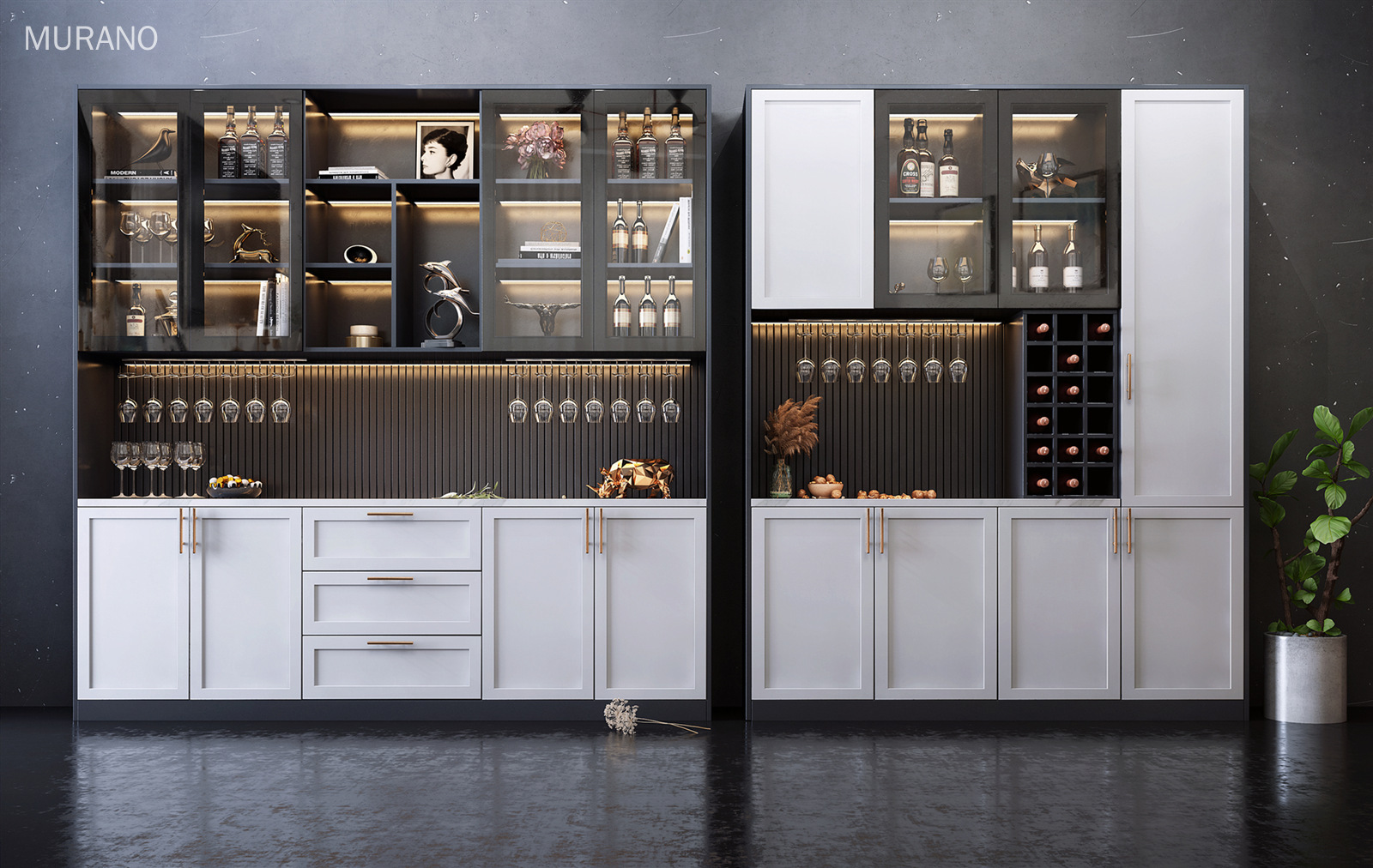
A custom wine cabinet is a specialized, self-contained storage unit furniture-piece engineered to replicate the environment of a subterranean wine cellar within a compact footprint.
While a standard kitchen refrigerator or a basic wine cooler serves a utilitarian purpose, a custom wine cabinet is in a league of its own. According to Wine Guardian, a leader in cellar cooling, a true wine cabinet is distinguished by its ability to provide precise temperature control and consistent humidity while safeguarding against vibration and harmful UV light. These units are often custom-made to integrate seamlessly into their surroundings, offering customizable features such as glass, interior lighting, and racking tailored to individual preferences.
Furthermore, sources like MURANO highlight that these cabinets distinguish themselves through their construction. They are not merely appliances; they are furniture-style storage units. This means they can be crafted to match existing millwork, utilize exotic woods, or feature frameless glass designs that turn a collection into a visual centerpiece.
The Core Distinction
The primary difference lies in the "custom" aspect. Off-the-shelf units are limited by fixed dimensions and generic racking. In contrast, bespoke wine cellars in cabinet form are built to the millimeter, ensuring that no space is wasted and that the aesthetic vision of the homeowner is fully realized.
Why Invest in a Bespoke Wine Storage Solution?
Investing in a bespoke solution ensures optimal preservation conditions that standard appliances cannot achieve, protecting the financial and sensory value of your collection.
Serious collectors understand that wine is a living, breathing entity. Its evolution depends entirely on the environment in which it rests. Here is why climate-controlled wine cabinets are an essential investment:
1. Optimal Temperature for Preservation
Temperature fluctuations are the enemy of wine. According to Stags' Leap Winery, the ideal temperature range for storing wine is generally between 50-59°F (10-15°C), with 55°F (13°C) frequently cited as the "gold standard" for both short-term storage and long-term aging. Maintaining this consistency is non-negotiable; even minor fluctuations can cause the liquid to expand and contract, pushing the cork out or pulling air in, which accelerates aging prematurely or oxidizes the wine (Architecture Intérieure du Vin).
2. The Crucial Role of Humidity
While often overlooked, humidity is as vital as temperature. Research by Heritage Vine and the Polygon Group indicates that optimal humidity levels typically fall between 50% and 85%, with 60-70% being the commonly recommended target. This moisture level keeps the cork expanded and airtight. If the air is too dry, corks shrink and allow oxygen to spoil the wine. Conversely, excessive humidity can damage labels and encourage mold growth—a disaster for the resale value of collectible bottles.
3. Protection from Light and Vibration
Home wine refrigeration must also account for invisible threats. UV light can trigger chemical reactions that lead to "light strike," a defect that degrades color and flavor. Heritage Vine notes that climate-controlled cabinets actively protect wine from this radiation via UV-filtered glass. Additionally, as noted by wein.plus, these systems are designed to dampen vibrations. Prolonged exposure to the shaking of a standard compressor can disturb the sediment in older wines, negatively impacting the flavor profile and aging process.
4. Space Optimization & Aesthetics
Custom cabinets turn "dead space" into luxury assets. Whether it is an alcove under the stairs or a niche in a dining room, these units maximize storage. They elevate the interior design, serving as a sophisticated focal point that reflects personal style.
Types of Custom Wine Cabinet Designs
From seamless built-ins to striking freestanding pieces, custom designs cater to every architectural requirement and storage capacity needs.
When exploring custom cellar design, the configuration of the cabinet is the first major decision. Current trends in 2026 favor visibility and integration.
- Built-in Custom Wine Cabinets: These are integrated directly into walls or existing millwork. They offer a flush, seamless look that is ideal for kitchens, dining rooms, or home bars. The goal is for the cabinet to look as though it was part of the home's original architecture.
- Freestanding Custom Wine Cabinets: These are self-contained units that can be placed anywhere with power access. They offer flexibility in placement—if you move homes, the cabinet can potentially move with you. They are often designed as statement furniture pieces with ornate detailing.
- Wine Fridge Cabinets: Often semi-custom, these designs integrate advanced cooling systems within a handcrafted cabinet shell. They bridge the gap between appliance and furniture, providing excellent climate control with a polished exterior.
- Closet Conversions: This involves transforming an unused closet or pantry into a temperature and humidity-controlled wine storage area. While often more affordable than a full cellar, it requires careful insulation and vapor barrier installation.
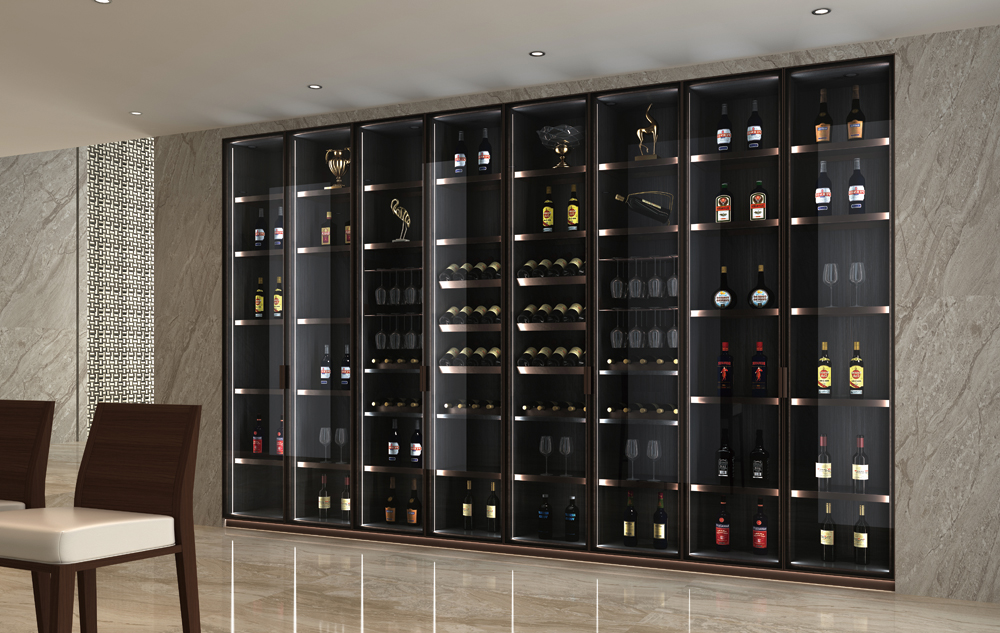
- All-Glass Display Cabinets: A rising trend in modern luxury homes. Featuring insulated dual-pane glass, these offer maximum visibility of the wine collection while maintaining strict environmental control. They act as a "jewel box" for your rarest vintages.
Key Features to Consider for Your Custom Wine Cabinet
To achieve professional-grade preservation, prioritize a specialized cooling system, high-R-value insulation, and UV-protected glazing over purely aesthetic choices.
A beautiful cabinet is useless if it cooks your wine. When commissioning a cabinet, ensure these technical specifications are met:
1. Cooling System Technology
The heart of the cabinet is the cooling unit. You must invest in a dedicated cellar cooling system (e.g., split systems or ducted units) rather than a standard compressor. These are designed to maintain high humidity (standard A/C strips humidity) and operate quietly.
2. Insulation & Vapor Barrier
Insulation is critical for energy efficiency and maintaining stable internal conditions. Proper vapor sealing is equally important to prevent condensation from forming inside the wall cavities, which can lead to rot and mold.
3. Materials & Finishes
Spiral Cellars and Wine Hardware emphasize the extensive customization options available. Choices range from premium woods like Alder, Maple, and Mahogany to contemporary metals and acrylics. The finish is not just cosmetic; it must be durable enough to withstand the cool, humid environment of the cabinet.
4. Racking & Storage Flexibility
One size does not fit all. Custom racking should accommodate your specific collection, including standard Bordeaux bottles, wider Burgundy bottles, and large-format Magnums. Options include individual bottle racking, bulk storage bins, and angled presentation racks to display labels.
5. Doors & Glass
Opt for solid, insulated doors for maximum efficiency, or double-pane, thermally insulated, UV-protected glass to prevent light damage and thermal loss. Cool Wine Cellar notes that the right glass choice is essential for preventing condensation on the exterior of the cabinet.
The Custom Wine Cabinet Design Process with MURANO
The design process is a collaborative journey involving consultation, engineering, and artisanal fabrication to ensure the final product meets exact specifications.
Creating a world-class wine cabinet requires a partner who understands both carpentry and thermodynamics. MURANO has established itself as a leader in this space, offering a comprehensive workflow for discerning clients.
- Initial Consultation: The process begins by discussing your vision. MURANO's design specialists analyze space constraints, collection size, aesthetic preferences, and budget to establish a project scope.
- 3D Design & Rendering: You should never have to guess what the result will look like. Clients receive detailed 3D designs showcasing how the custom cabinet will function within the space. This stage allows for revisions to ensure the design aligns with the home's flow.
- Material & Finish Selection: Clients choose from a wide array of premium woods, glass, metals, and custom finishes. MURANO offers expert guidance, ensuring that the selected materials are not only beautiful but also suitable for a humid, cold environment.
- Engineering & Fabrication: This is where climate-controlled wine cabinets differ from standard joinery. MURANO's skilled artisans and engineers craft the cabinet using high-quality components, ensuring structural integrity, proper airflow, and precise climate control.
- Installation: A cabinet is only as good as its seal. Professional installation by MURANO's certified team guarantees seamless integration, air-tightness, and optimal performance.
- Aftercare & Support: Luxury service continues after installation. Benefit from ongoing support and maintenance advice to ensure the longevity and peak performance of your investment.
Cost of Custom Wine Cabinets: What to Expect
Custom wine cabinets typically range from $5,000 to over $20,000, depending heavily on size, materials, and the complexity of the climate control system.
Understanding the cost drivers helps in planning your project budget:
- Entry-Level Customization ($1,500 - $5,000): This tier typically includes smaller, semi-custom units or basic closet conversions using quality wood base cabinets and entry-level cooling units.
- Mid-Range Bespoke ($5,000 - $20,000): This represents the core of the custom market. Expect fully custom, climate-controlled cabinets with capacities ranging from 100 to 500 bottles. Costs cover specialized split-cooling systems, LED lighting, and hardwood construction.
- Luxury & High-Capacity ($20,000+): At this level, the sky is the limit. These designs feature exotic materials, elaborate millwork, frameless glass enclosures, and capacities exceeding 500 bottles. These units often feature smart-home integration and museum-quality security.
Value Proposition: While the upfront cost is higher than a standard appliance, custom wine cabinets offer superior wine preservation and act as a permanent asset that increases the property's desirability and value.
Conclusion: Elevate Your Collection with a Custom Wine Cabinet
In 2026, luxury wine storage solutions are defined by their ability to merge high-performance preservation with exquisite design. A custom wine cabinet is more than a storage unit; it is a commitment to the art of wine collecting. By maintaining the "Gold Standard" of 55°F and 60-70% humidity, protecting against UV light and vibration, and reflecting your personal aesthetic, these cabinets ensure that every bottle is opened exactly as the winemaker intended.
Whether you are a burgeoning collector or a seasoned connoisseur, partnering with experts like MURANO ensures your bespoke wine cellars and cabinets are crafted with artisanal quality and cutting-edge technology. Invest in a solution that honors your collection and enhances your home for years to come.
Frequently Asked Questions (FAQ)
How much does a custom wine cabinet typically cost?
The cost varies significantly based on size, materials, cooling system, and features. Smaller units might start around $1,500, while elaborate designs can exceed $20,000. MURANO provides transparent pricing during the design process to match your budget with your vision.
What is the main difference between a custom wine cabinet and a wine cellar?
A custom wine cabinet is a self-contained unit designed for specific spaces, offering climate-controlled storage for typically 50-500 bottles. A wine cellar is generally a dedicated room or larger walk-in space, often able to store thousands of bottles. Cabinets are ideal for living areas where a full room conversion isn't feasible.
How do custom wine cabinets maintain ideal temperature and humidity?
They utilize specialized refrigeration units that precisely control both temperature (typically 50-59°F) and humidity (50-70%). Unlike standard fridges, they also feature insulated walls, vapor barriers, and magnetic seals to ensure stable internal conditions regardless of the external room temperature.
Can a custom wine cabinet be designed to fit an awkward space, like under stairs?
Absolutely. One of the primary advantages of custom cellar design is the ability to tailor dimensions to any architectural challenge. Under-stair areas, narrow alcoves, and odd corners are perfect candidates for turning wasted space into a stunning wine display.
What materials are best for building a custom wine cabinet?
Premium woods like Mahogany, Alder, and Maple are popular for their beauty, resistance to rot, and stability in humid environments. Double-pane, UV-protected glass is essential for doors, and stainless steel is often used for racking and accents for a modern look.
How long does the design and installation process take for a custom wine cabinet?
The timeline varies by complexity. The design phase can take a few weeks, while fabrication and installation typically range from 4 to 12 weeks. MURANO aims for efficient project completion without compromising the quality of the craftsmanship.
Do custom wine cabinets require special electrical wiring?
Most climate-controlled wine cabinets require a dedicated 15 or 20 amp 110V outlet to handle the startup load of the cooling unit safely. It is always best to consult with your custom wine cabinet provider and a qualified electrician for specific requirements.
Are custom wine cabinets only for residential use?
No, custom wine cabinets are also widely used in commercial settings such as restaurants, hotels, and luxury wine bars. They serve a dual purpose: keeping the serving stock at the perfect temperature and acting as a visual merchandising tool to sell premium wines.
How to Make Traditional Kitchen Cabinets Look Modern
Why a PET Metal Brass Kitchen Cabinet is a Smart Investment for Your Home
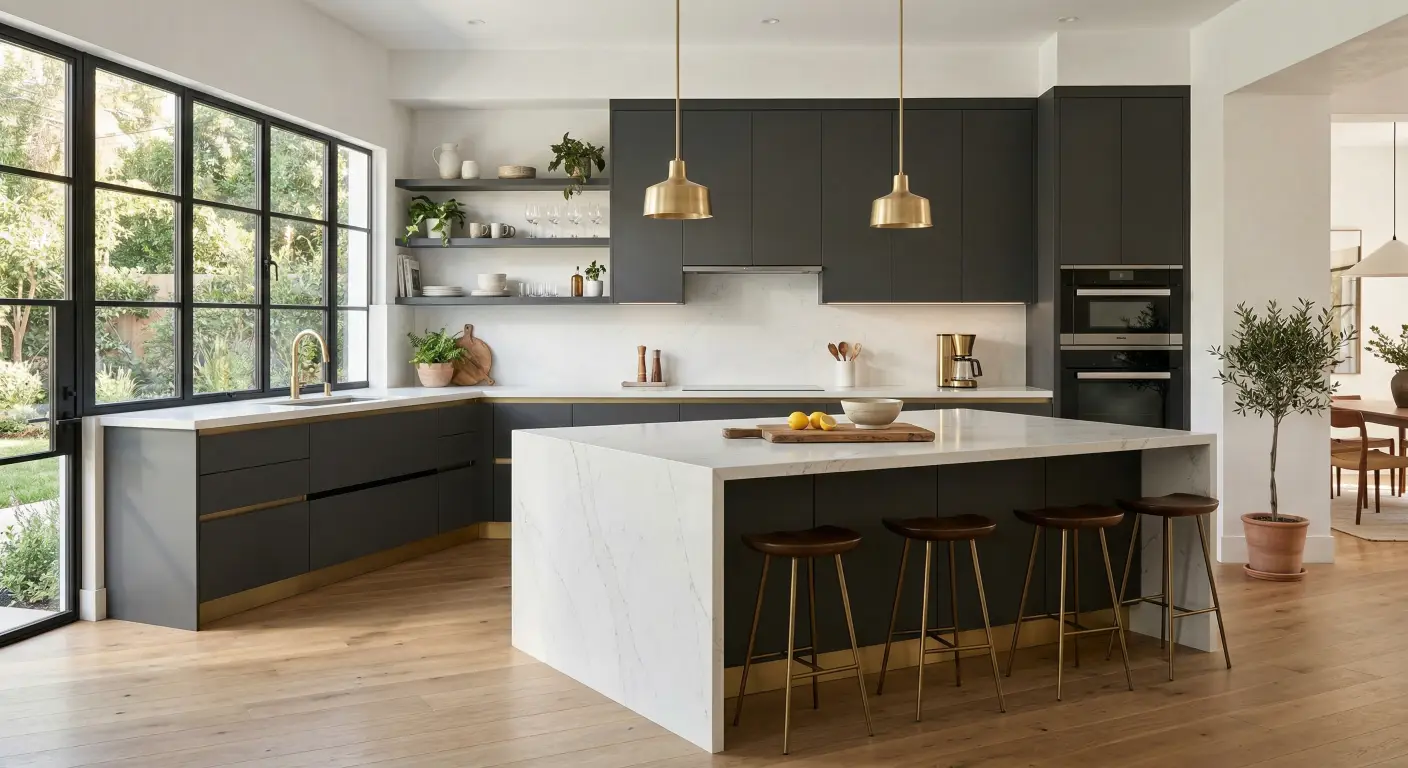
Is a PET Metal Brass Kitchen Cabinet Durable? Pros and Cons Revealed
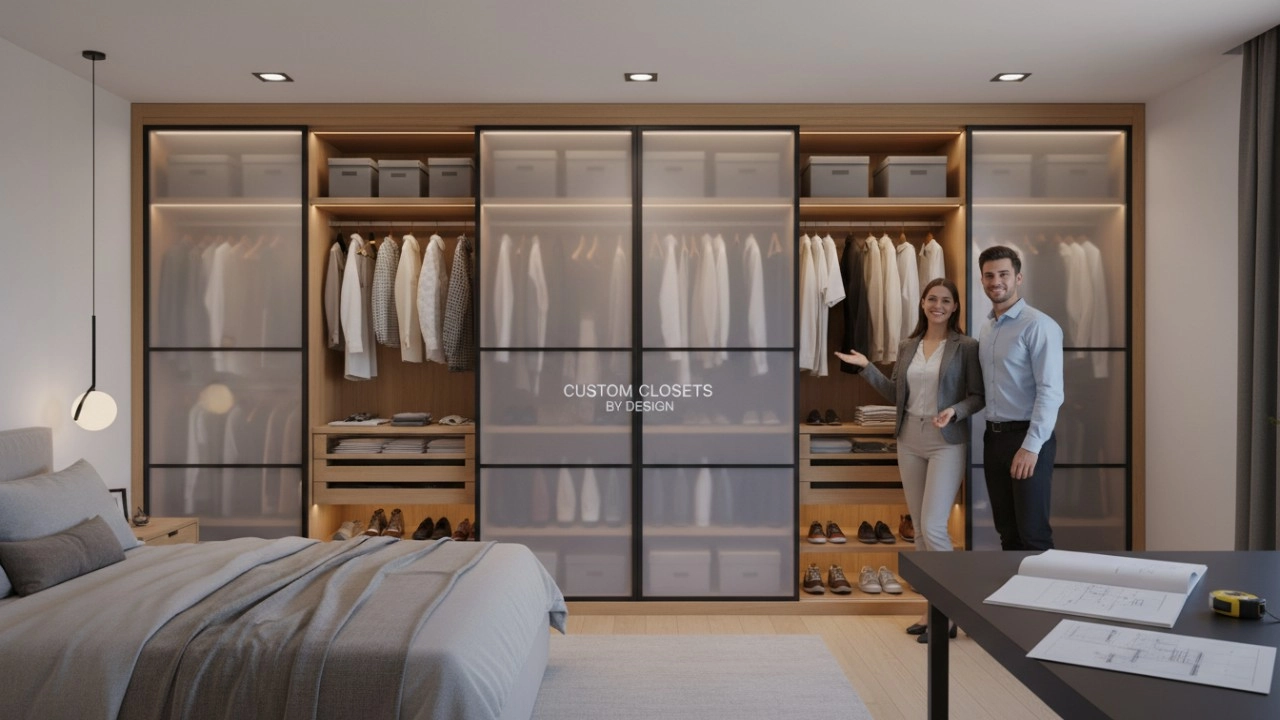
The 10 Costly Mistakes to Avoid When Hiring a Custom Bedroom Wardrobe Manufacturer in 2026 [Expert Advice]
FAQ
What information are needed for getting a quote for our furniture cabinets?
Your size infomation or room drawings.
Can we ship the furniture cabinets to customer's port or city?
Yes. Please provide the city name or port name when you send us an inquiry.
What's the payment terms of all our products?
T/T (30% inadvance, the balance shall be paid off before delivery), Western Union or L/C.
What's lead time for furniture cabinets?
It's about 20 - 30 days.
What's MOQ for our kitchen cabinets, wardrobe cabinets or bathroom cabinets?
1 set.
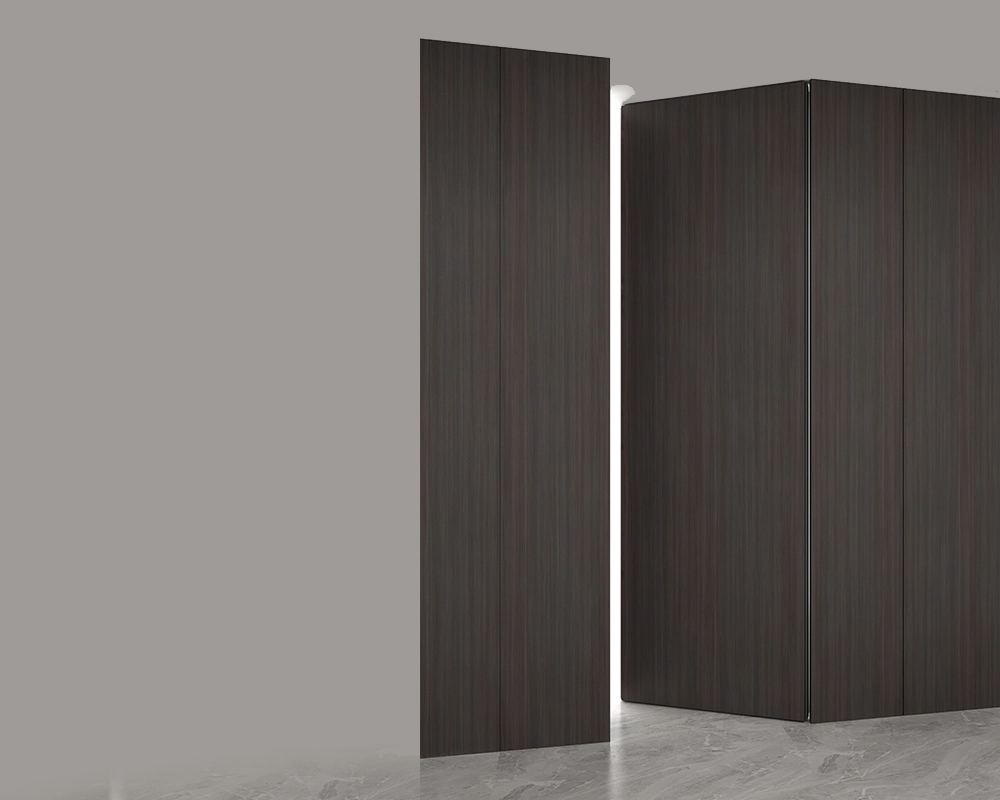
T-shaped invisible door MA10
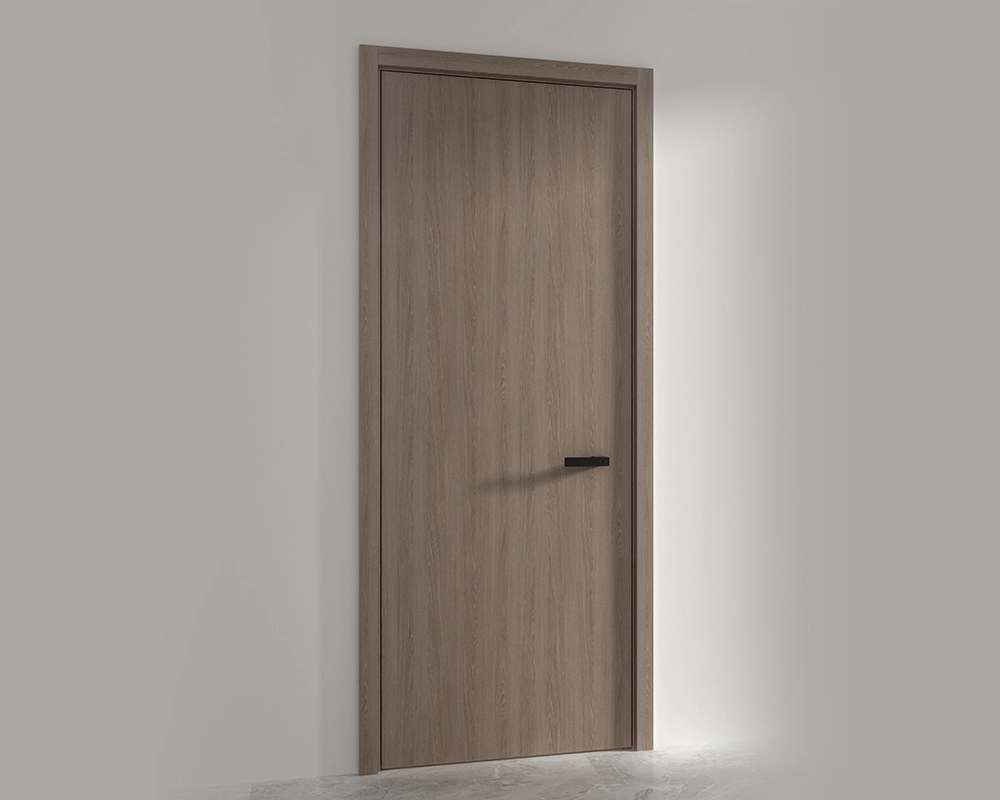
Flush panel door MA11
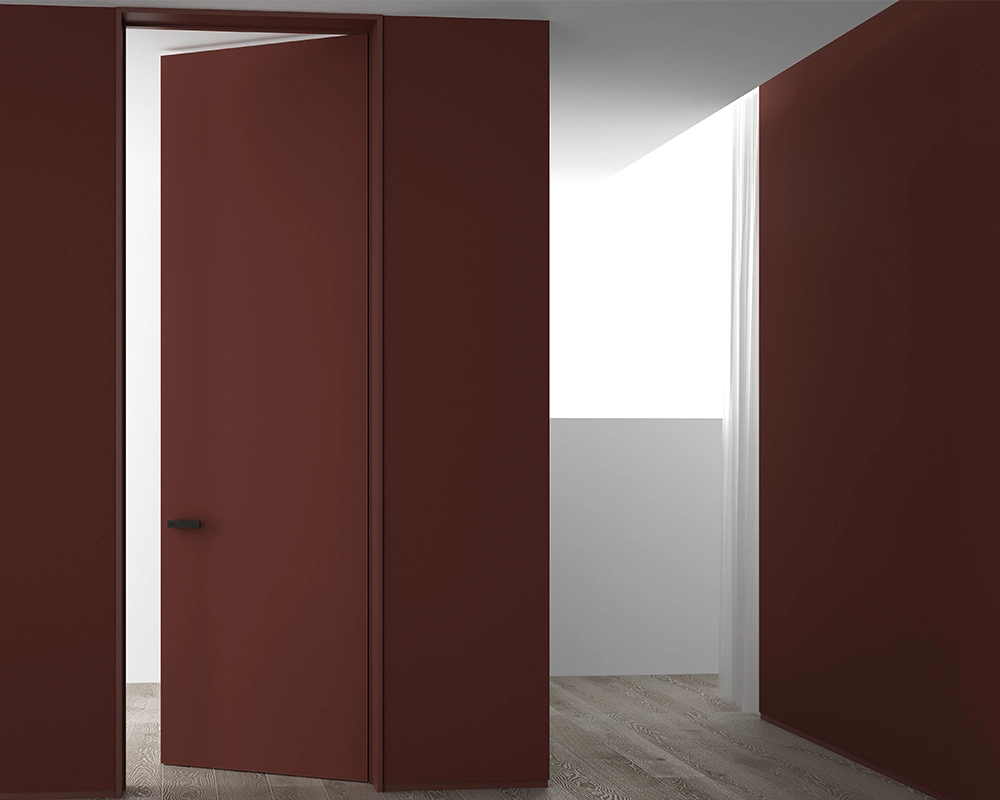
Siyun double wooden door MA12A
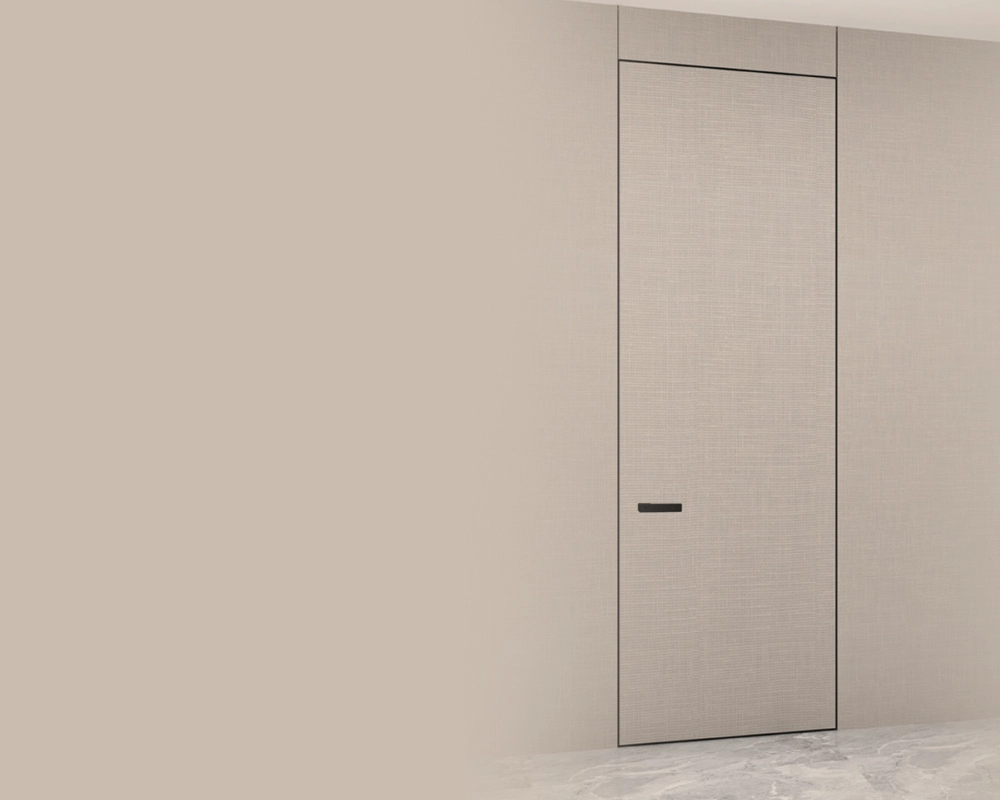
External flush right inward opening door MA13
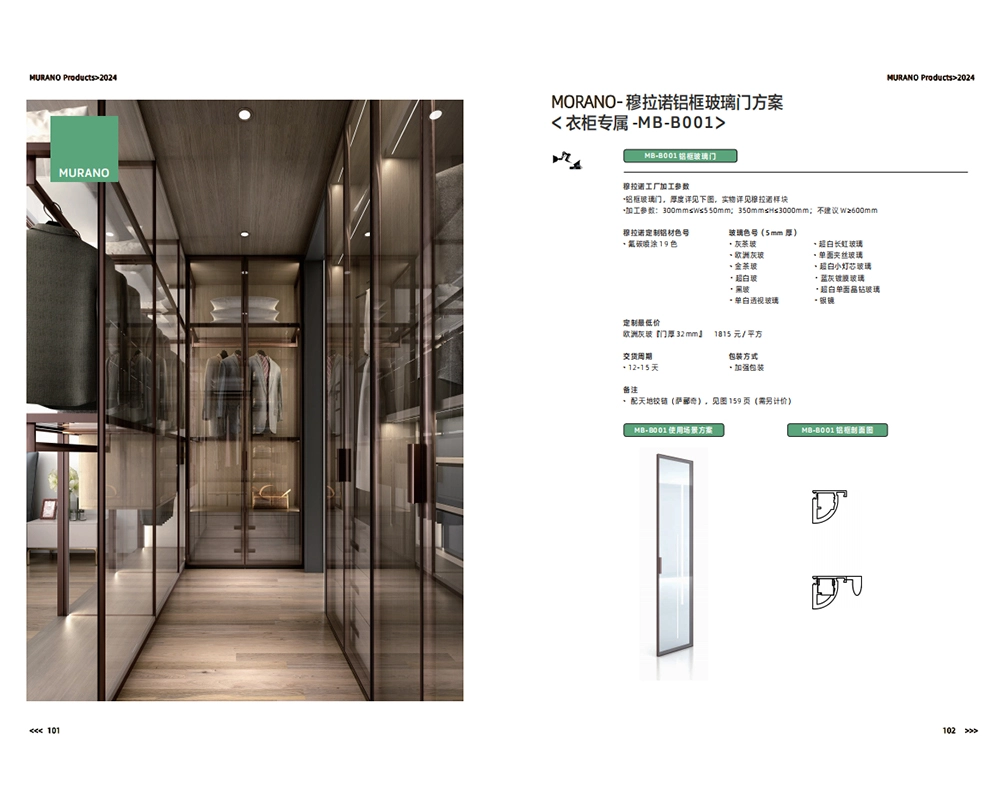
Aluminum Frame Glass Hinged Door - MBB001
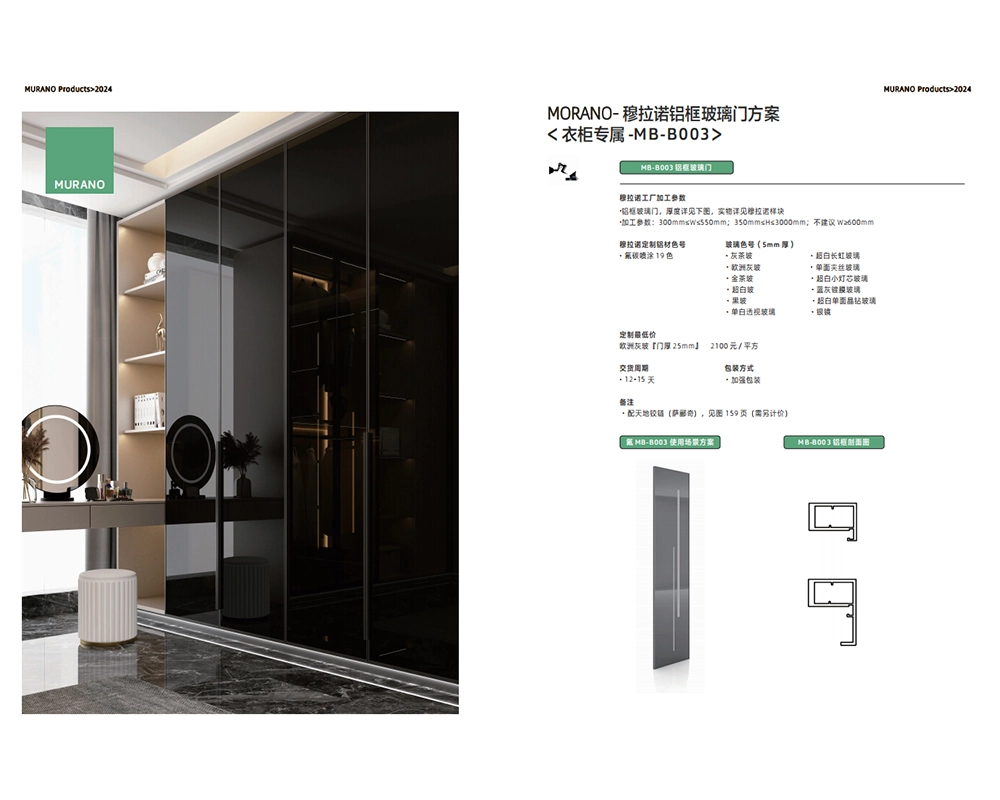
Aluminum Frame Glass Hinged Door - MBB003
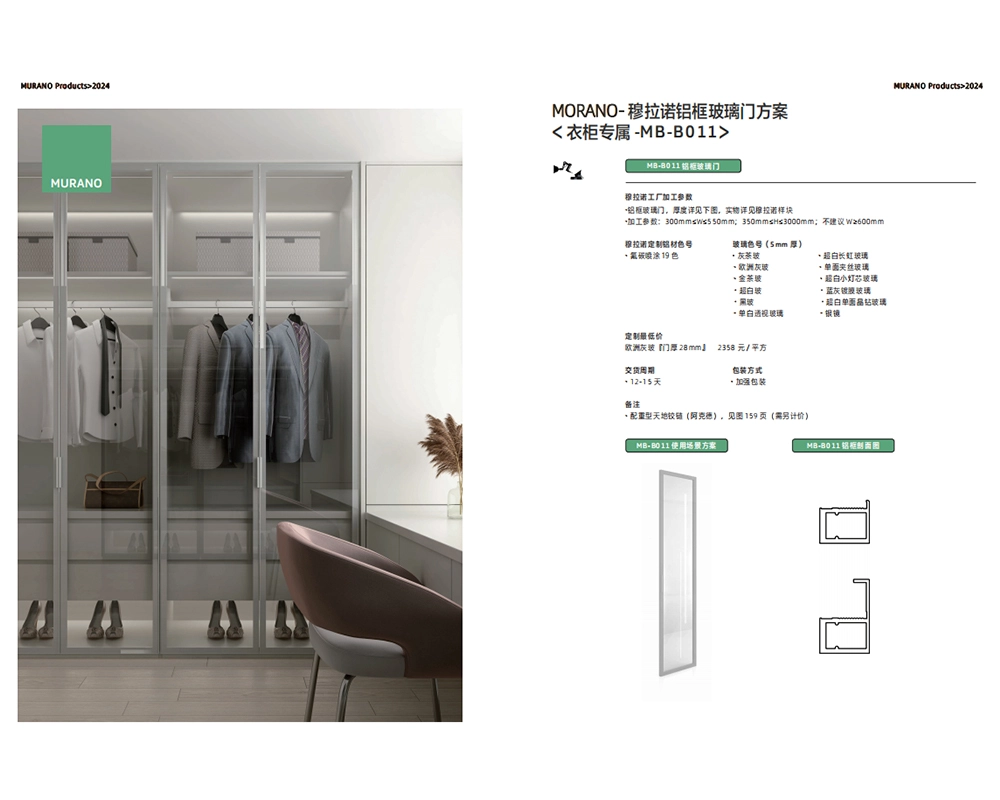
Aluminum Frame Glass Hinged Door - MBB011
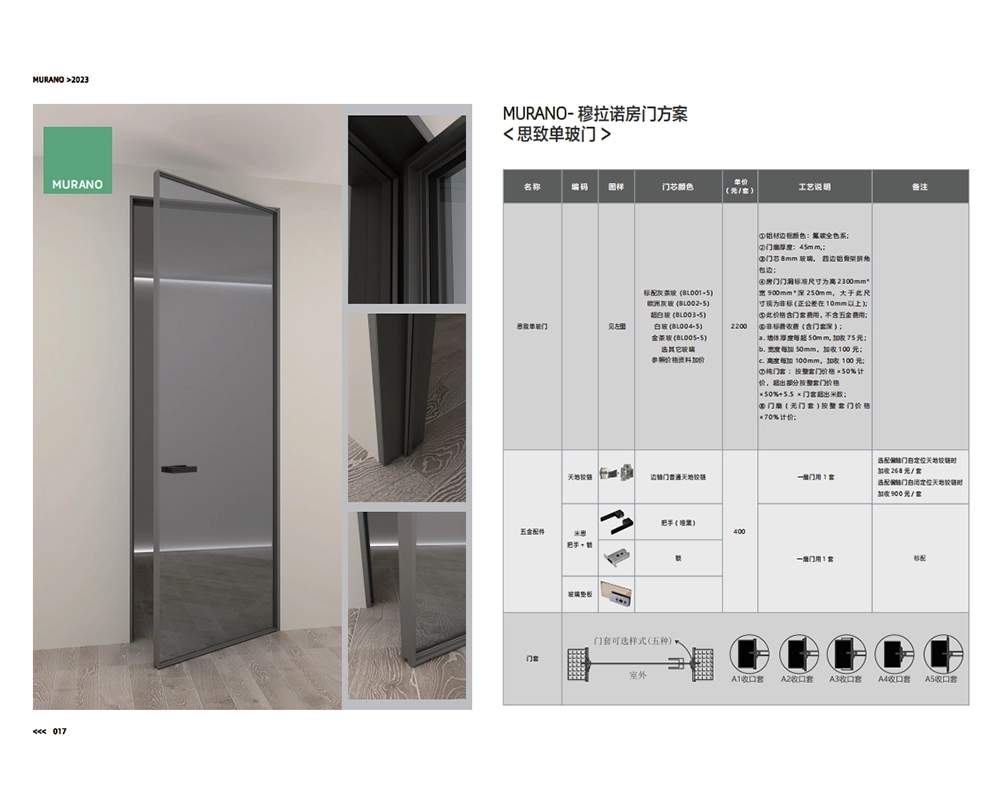
SZ Single side glass interior door
Request a Free Consultation And Price Estimate
Get in touch with Murano today for a personalized consultation, and let us bring your vision to life. Fill out the form below or contact Murano directly to start your journey toward a beautifully tailored home!"

 Scan QR Code
FoshanMuranoCabinet
foshanmuranocabinet
Whatsapp: +8618814138020
Scan QR Code