
Get Catalog
Light
Dark
System
What Are the Best Moisture-Resistant Materials for Wardrobe Closets in Humid Areas?
Wednesday, 01/7/2026
Discover the best moisture-resistant materials for wardrobe closets in humid areas. Expert tips on PVC foam board, marine-grade plywood, stainless steel, and more to prevent mold and warping.
- What Are the Best Moisture-Resistant Materials for Wardrobe Closets in Humid Areas?
- Key Criteria for Evaluating Moisture-Resistant Wardrobe Materials
- The Best Moisture-Resistant Materials for Wardrobe Closets
- 1. PVC Foam Board: The Gold Standard for Humid Environments
- 2. Marine-Grade Plywood: For a Natural Wood Look with Moisture Protection
- 3. Melamine-Faced HPL Board (High-Pressure Laminate)
- 4. Stainless Steel: For Industrial-Style, Extreme Moisture Protection
- 5. Aluminum: Lightweight and Corrosion-Resistant
- Expert Tips for Maximizing Moisture Protection in Humid-Area Wardrobes
- Materials to Avoid in Humid-Area Wardrobes
- Conclusion
What Are the Best Moisture-Resistant Materials for Wardrobe Closets in Humid Areas?
Wardrobe closets in humid areas face a unique set of challenges—persistent moisture can lead to wood warping, mold growth, musty odors, and irreversible damage to clothing and accessories. Choosing the right moisture-resistant materials is not just about extending the lifespan of your wardrobe; it’s also about protecting your valuables and maintaining a healthy, hygienic storage space. With a wide range of materials claiming “moisture resistance” on the market, how do you identify the options that truly perform in high-humidity environments?
In this comprehensive guide, we break down the best moisture-resistant materials for wardrobe closets in humid areas, evaluating their key features, pros and cons, and ideal applications. We also share expert tips on material combinations and maintenance practices to maximize moisture protection, helping you make an informed decision for your home.
Key Criteria for Evaluating Moisture-Resistant Wardrobe Materials
Before diving into specific material options, it’s essential to understand the core criteria that define a truly moisture-resistant material for humid-area wardrobes. These factors will help you assess any material with confidence:
-
Water Absorption Rate: The lower the water absorption rate, the better. Materials with a water absorption rate of less than 1% are ideal, as they resist moisture penetration into the core, preventing swelling and warping.
-
Mold and Mildew Resistance: Moisture and warmth create the perfect breeding ground for mold. Look for materials that are inherently resistant to fungal growth or treated with anti-microbial agents to avoid musty odors and health hazards.
-
Structural Stability: Humidity causes many materials to expand and contract. Opt for materials that maintain their shape and structural integrity even under fluctuating humidity levels, avoiding cracks or deformities.
-
Low Maintenance: In humid environments, materials should be easy to clean and maintain. Non-porous surfaces are preferred, as they don’t trap dirt, grime, or moisture, reducing the need for frequent deep cleaning.
-
Compatibility with Clothing: The material should not emit harmful chemicals (like VOCs) that can damage clothing fabrics or cause skin irritation, ensuring your stored items remain safe.
The Best Moisture-Resistant Materials for Wardrobe Closets
Different components of a wardrobe (cabinet frames, doors, shelves, drawers) may benefit from different moisture-resistant materials, depending on their exposure to humidity. Below are the top-performing materials for humid areas, organized by their ideal applications:
1. PVC Foam Board: The Gold Standard for Humid Environments
PVC foam board is widely regarded as the best all-around moisture-resistant material for wardrobe closets in humid areas—especially in tropical climates, coastal regions, or basements with high humidity levels.
-
Key Features: 100% waterproof with a water absorption rate of nearly 0%, inherently mold and mildew resistant, and impervious to rot. It’s lightweight yet structurally stable, maintaining its shape even in extreme humidity fluctuations. PVC foam board is also non-porous, making it easy to clean with a damp cloth.
-
Ideal Applications: Perfect for wardrobe cabinet frames, door panels, shelves, and drawers—all components that are directly exposed to humidity. It’s also a great choice for built-in wardrobes that are installed against exterior walls (which are prone to moisture seepage).
-
Pros: Unmatched moisture resistance, low maintenance, lightweight (easy to install), and affordable compared to premium options. Modern PVC foam boards are available in wood-grain laminates, allowing them to mimic the look of natural wood without the moisture vulnerabilities.
-
Cons: Less rigid than wood or metal, so it may not support extremely heavy loads (though it’s more than sufficient for standard clothing storage). It also has limited finish options compared to wood, though the available laminates are increasingly realistic.
2. Marine-Grade Plywood: For a Natural Wood Look with Moisture Protection
If you prefer the aesthetic of natural wood but need moisture resistance, marine-grade plywood is an excellent choice. Unlike standard plywood, it’s specifically engineered to withstand high-humidity and wet environments.
-
Key Features: Made with waterproof glue (phenolic resin) and high-quality wood veneers, marine-grade plywood has a low water absorption rate (0.5–1%). It’s treated to resist rot, mold, and insect damage, and it offers superior structural stability compared to standard wood.
-
Ideal Applications: Wardrobe frames, shelves, and doors in humid areas where a natural wood look is desired. It’s particularly popular for custom wardrobes in coastal homes, where salt air adds an extra layer of moisture-related wear.
-
Pros: Natural wood aesthetic, strong and durable, supports heavy loads, and can be painted, stained, or veneered for a customized look. It’s also more eco-friendly than synthetic materials like PVC.
-
Cons: Requires additional waterproofing (e.g., polyurethane sealant) on all surfaces and edges to maximize moisture resistance, adding to installation time and cost. It’s also more expensive than PVC foam board and standard plywood.
3. Melamine-Faced HPL Board (High-Pressure Laminate)
Melamine-faced HPL boards are a popular choice for budget-friendly, moisture-resistant wardrobes. They consist of a core material (typically MR MDF or MR particleboard) coated with a high-pressure laminate that’s waterproof and scratch-resistant.
-
Key Features: The melamine laminate creates a non-porous, waterproof surface that repels moisture, while the moisture-resistant (MR) core minimizes swelling if exposed to small spills. It has a low water absorption rate (less than 2%) and is resistant to mold when properly sealed.
-
Ideal Applications: Wardrobe doors, shelves, and drawer fronts in moderate to high humidity areas. It’s a great option for freestanding wardrobes or built-in units where full waterproofing (like PVC) isn’t necessary but moisture resistance is still a priority.
-
Pros: Affordable, wide range of finish options (wood grain, solid colors, patterns), scratch-resistant, and easy to clean. The MR core provides added protection against accidental spills.
-
Cons: The core material (MDF/particleboard) is still susceptible to moisture damage if the laminate is cracked or the edges are not properly sealed. It’s not ideal for extremely humid environments (e.g., unventilated basements) where moisture can seep into seams.
4. Stainless Steel: For Industrial-Style, Extreme Moisture Protection
Stainless steel is a premium, highly moisture-resistant material that’s ideal for wardrobes in extremely humid or coastal areas. It’s 100% waterproof and impervious to rust, mold, and mildew.
-
Key Features: 304 or 316-grade stainless steel (marine-grade) offers superior corrosion resistance, even in salt-air environments. It’s non-porous, easy to clean, and structurally stable, with no risk of warping or swelling.
-
Ideal Applications: Wardrobe frames, shelves, and doors in industrial-style homes, coastal properties, or areas with extreme humidity (e.g., near pools). It’s also a great choice for wardrobe components that are directly exposed to water (e.g., in walk-in closets adjacent to bathrooms).
-
Pros: Unmatched durability, extreme moisture resistance, easy to maintain, and hygienic (resists mold and bacteria). It has a sleek, modern look that complements contemporary interiors.
-
Cons: Expensive compared to other materials, heavy (requiring sturdy installation), and can show fingerprints. It also has a limited aesthetic range, making it less versatile for traditional or warm-toned interiors.
5. Aluminum: Lightweight and Corrosion-Resistant
Aluminum is a lightweight, moisture-resistant material that’s gaining popularity for modern wardrobe closets in humid areas. It’s particularly well-suited for wardrobe frames and sliding doors.
-
Key Features: Naturally corrosion-resistant, aluminum does not rust or warp in humid environments. It’s lightweight yet strong, with a low water absorption rate of 0%. Powder-coated aluminum adds an extra layer of protection and aesthetic versatility.
-
Ideal Applications: Wardrobe frames (especially sliding wardrobe frames), door tracks, and hardware. It’s also used for wardrobe doors (often paired with glass) in humid areas where weight and moisture resistance are key concerns.
-
Pros: Lightweight (easy to install), corrosion-resistant, low maintenance, and affordable compared to stainless steel. Powder-coated finishes are available in a wide range of colors, making it versatile for different interior styles.
-
Cons: Less rigid than wood or stainless steel, so it may not support heavy loads (best used for frames and doors rather than shelves). It can dent easily if subjected to heavy impact.
-
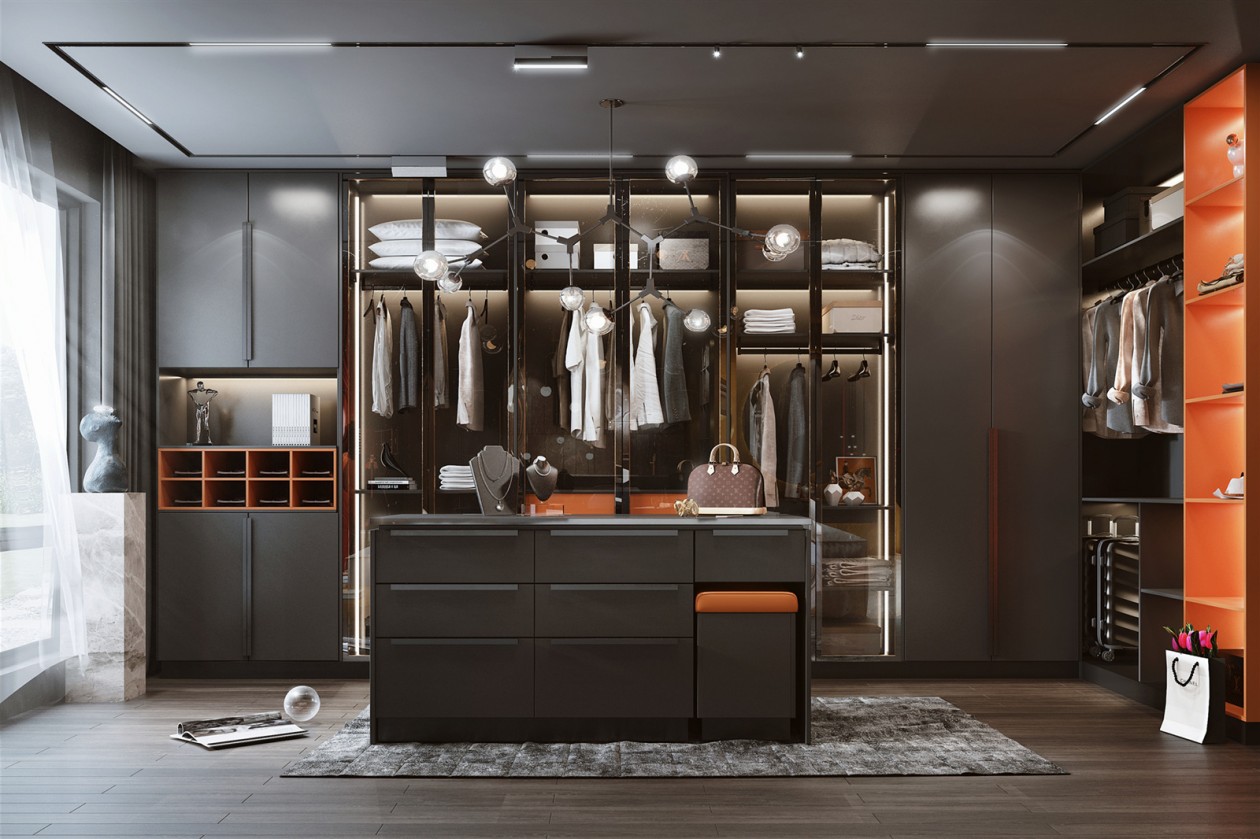
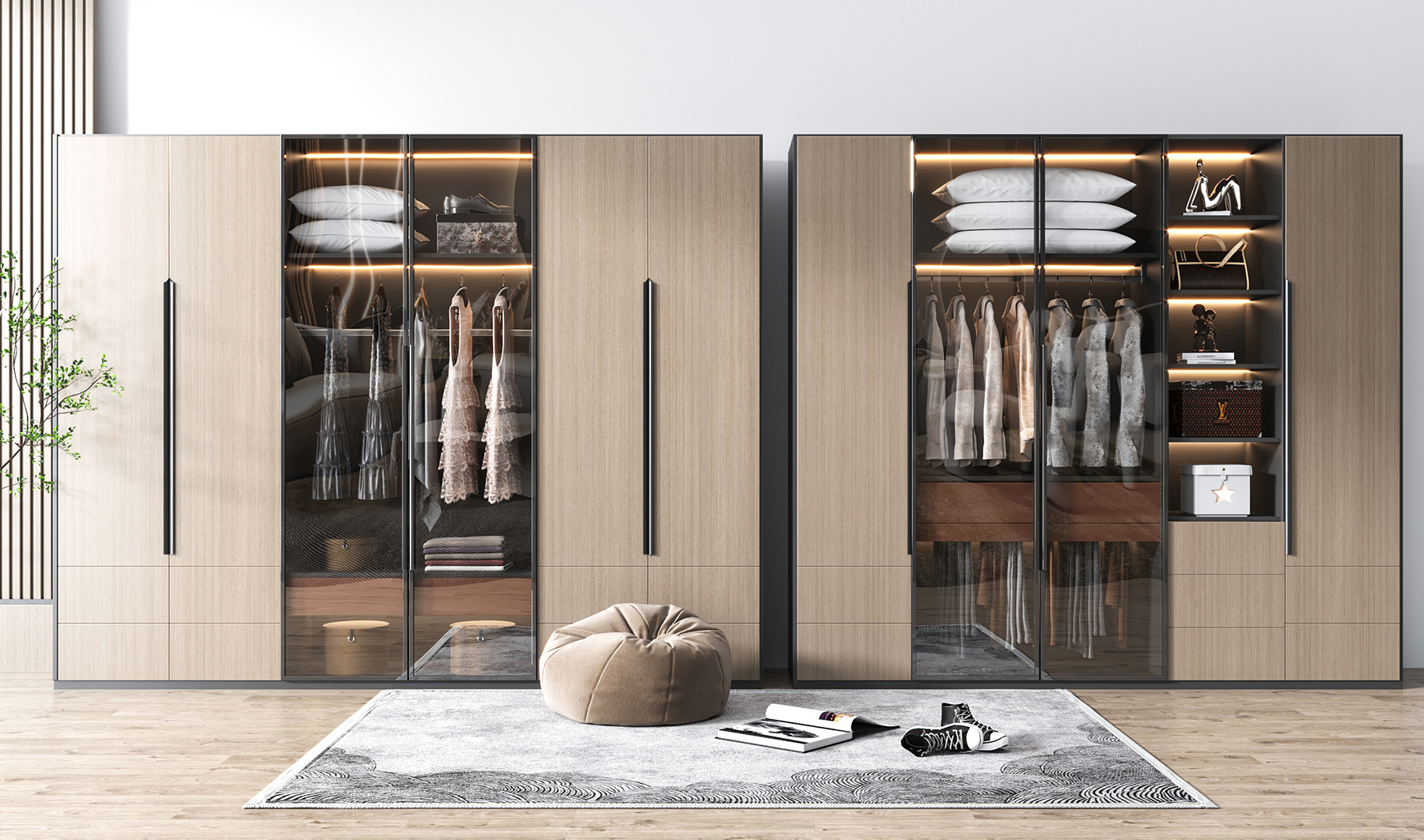
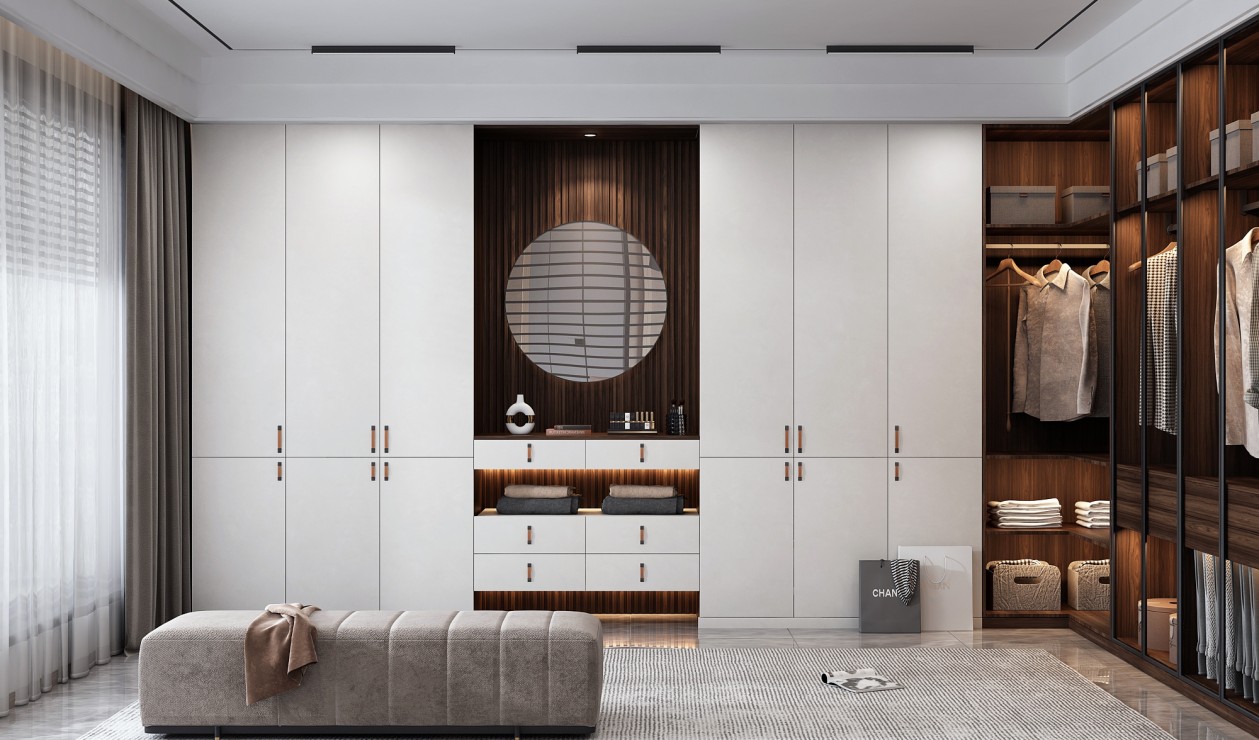
Expert Tips for Maximizing Moisture Protection in Humid-Area Wardrobes
Even with the best moisture-resistant materials, proper installation and maintenance are key to ensuring your wardrobe stays protected in humid areas. Follow these expert tips:
-
Seal All Edges and Seams: Use a high-quality waterproof sealant (e.g., silicone or polyurethane) on all edges, seams, and joints of the wardrobe. This prevents moisture from seeping into gaps between materials, especially critical for melamine and plywood wardrobes.
-
Improve Ventilation: Install ventilation grilles or small fans in the wardrobe to promote air circulation, reducing moisture buildup. For walk-in closets, ensure the space has adequate ventilation (e.g., a ceiling fan or air vent) to keep air moving.
-
Use Moisture-Absorbing Products: Place silica gel packets, activated charcoal, or moisture-absorbing boxes inside the wardrobe to trap excess humidity. Replace these products regularly to maintain their effectiveness.
-
Avoid Direct Contact with Moisture Sources: Install the wardrobe away from direct moisture sources like windows, exterior walls, or bathroom doors. If installing near a bathroom, ensure there’s a waterproof barrier between the wardrobe and the wall.
-
Choose Rust-Resistant Hardware: Pair moisture-resistant wardrobe materials with stainless steel or zinc-plated hardware (hinges, drawer slides, handles). This prevents hardware rust, which can stain clothing and damage the wardrobe.
Materials to Avoid in Humid-Area Wardrobes
Some materials are poorly suited for humid environments and should be avoided for wardrobe closets in these areas:
-
Standard Solid Wood (Untreated): Solid wood absorbs moisture easily, leading to warping, swelling, and mold growth. Even treated solid wood requires frequent maintenance in humid areas, making it a high-risk choice.
-
Regular MDF or Particleboard: These materials have a high water absorption rate and will swell, warp, or disintegrate quickly in humid conditions, even with minimal moisture exposure.
-
Fabric-Covered Wardrobe Components: Fabric absorbs moisture and traps it, creating a breeding ground for mold and mildew. Avoid fabric-lined shelves or wardrobe doors in humid areas.
Conclusion
Choosing the best moisture-resistant materials for your wardrobe closet in a humid area requires balancing performance, aesthetics, and budget. PVC foam board is the top choice for unmatched moisture protection, while marine-grade plywood offers a natural wood look with reliable resistance. Melamine-faced HPL boards are ideal for budget-friendly options, and stainless steel/aluminum excel in extreme humidity or industrial-style homes.
By combining the right materials with proper installation, sealing, and ventilation, you can create a wardrobe that withstands the challenges of humid environments, protects your clothing, and maintains its functionality and appearance for years to come. Don’t let humidity compromise your storage space—invest in materials that work with, not against, the climate.
Recommended for you
How to Make Traditional Kitchen Cabinets Look Modern
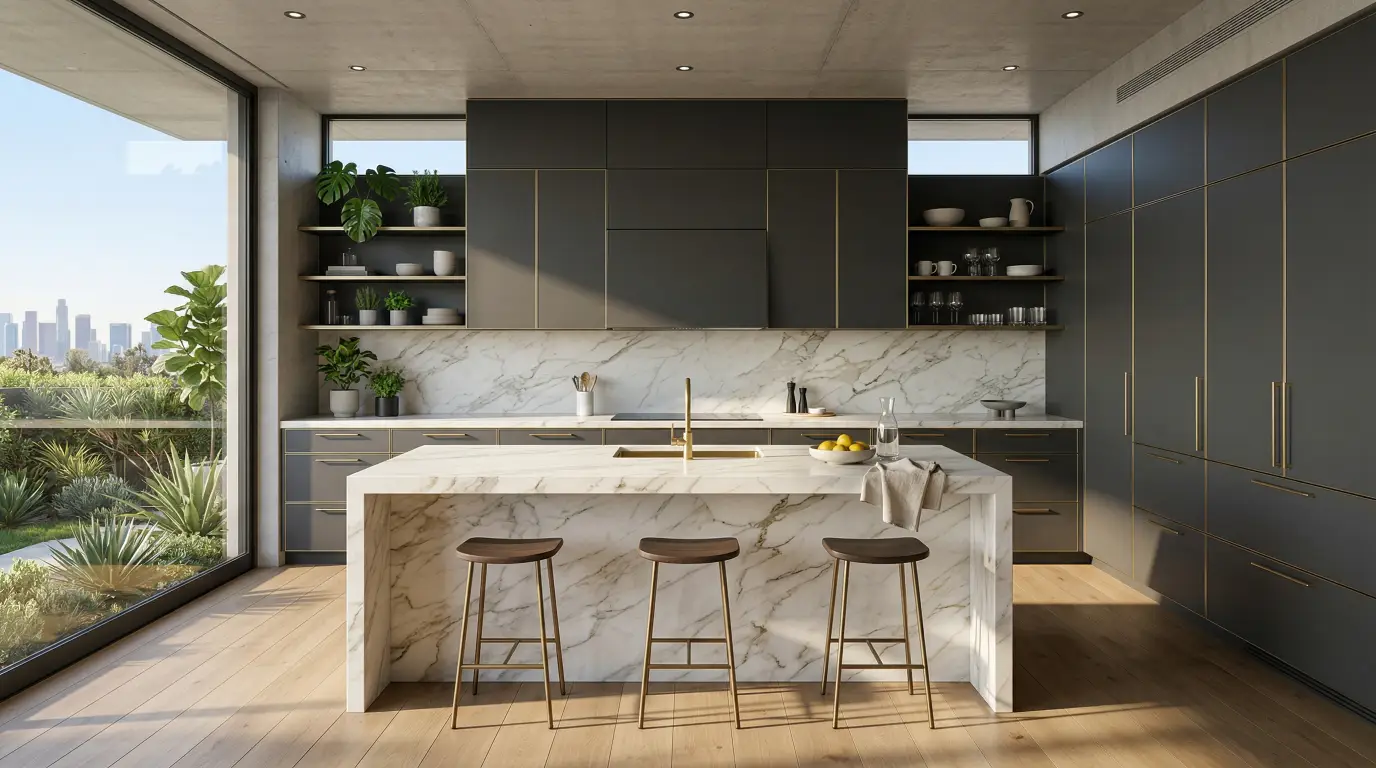
Why a PET Metal Brass Kitchen Cabinet is a Smart Investment for Your Home
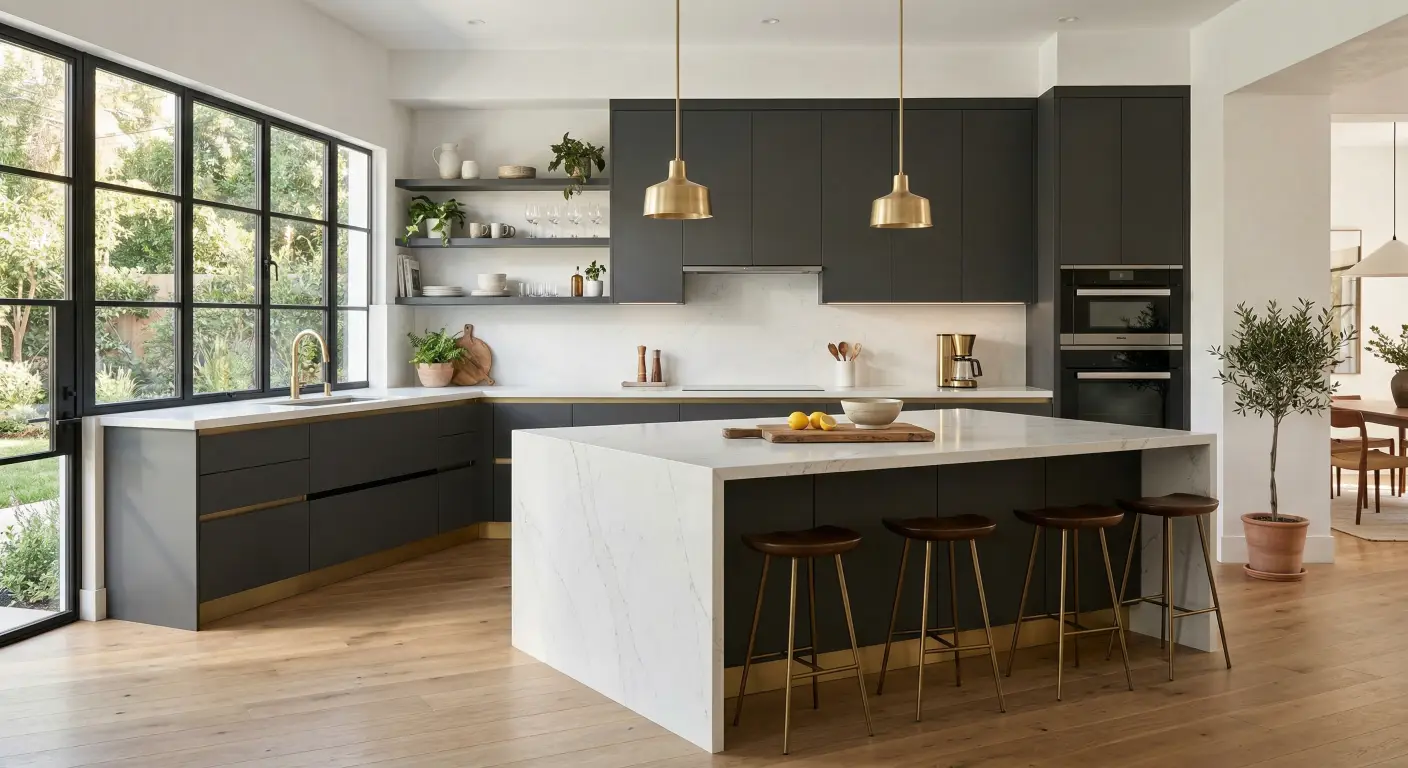
Is a PET Metal Brass Kitchen Cabinet Durable? Pros and Cons Revealed
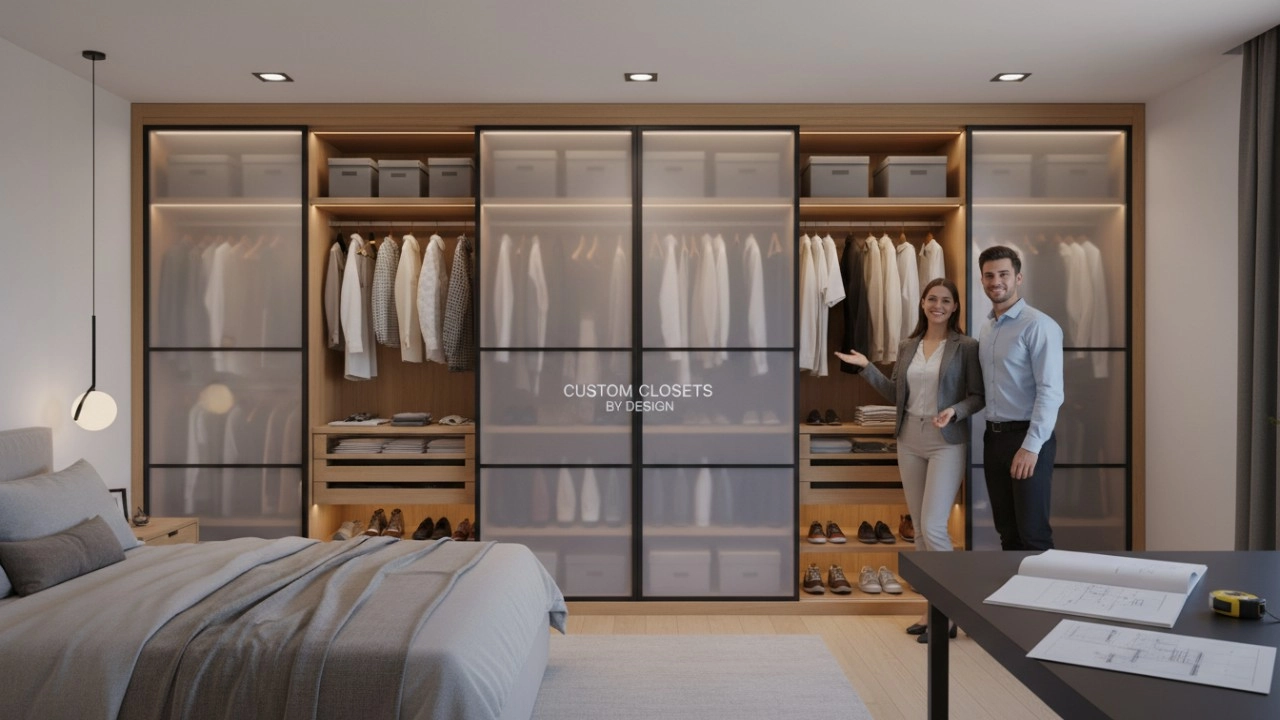
The 10 Costly Mistakes to Avoid When Hiring a Custom Bedroom Wardrobe Manufacturer in 2026 [Expert Advice]
Prdoucts Categories
FAQ
FAQ
What's lead time for furniture cabinets?
It's about 20 - 30 days.
What's MOQ for our kitchen cabinets, wardrobe cabinets or bathroom cabinets?
1 set.
What information are needed for getting a quote for our furniture cabinets?
Your size infomation or room drawings.
Can we ship the furniture cabinets to customer's port or city?
Yes. Please provide the city name or port name when you send us an inquiry.
Can we produce products according to customer's room size?
Yes. All our cabinets are custom size.
You may also like
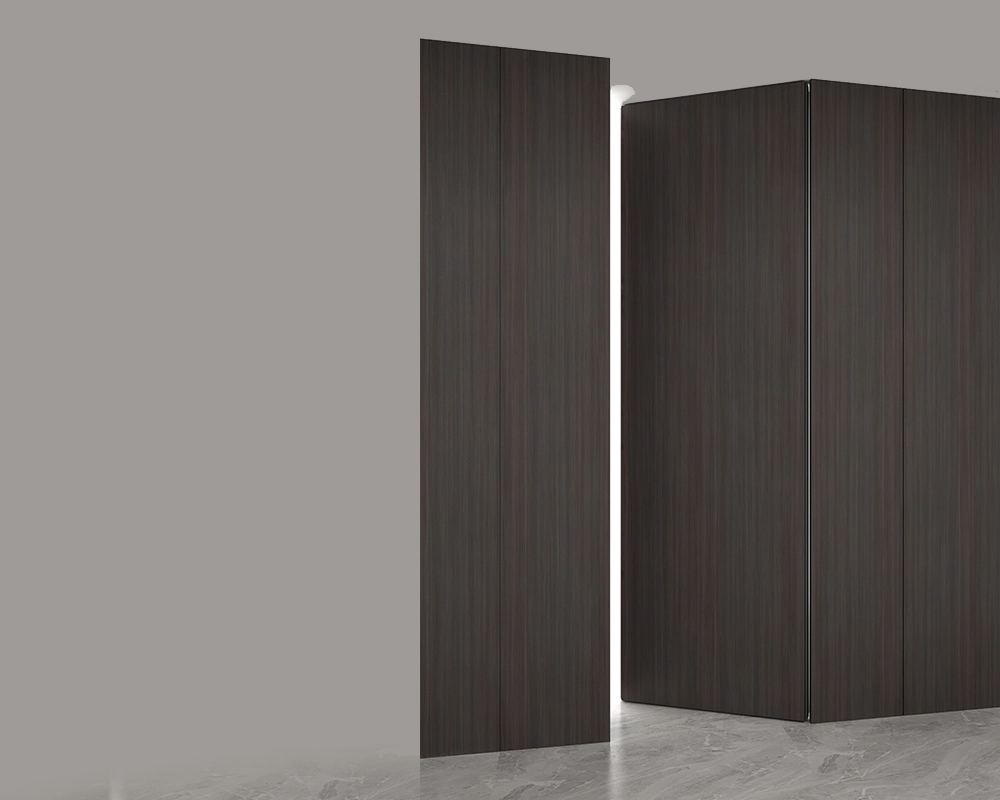
T-shaped invisible door MA10
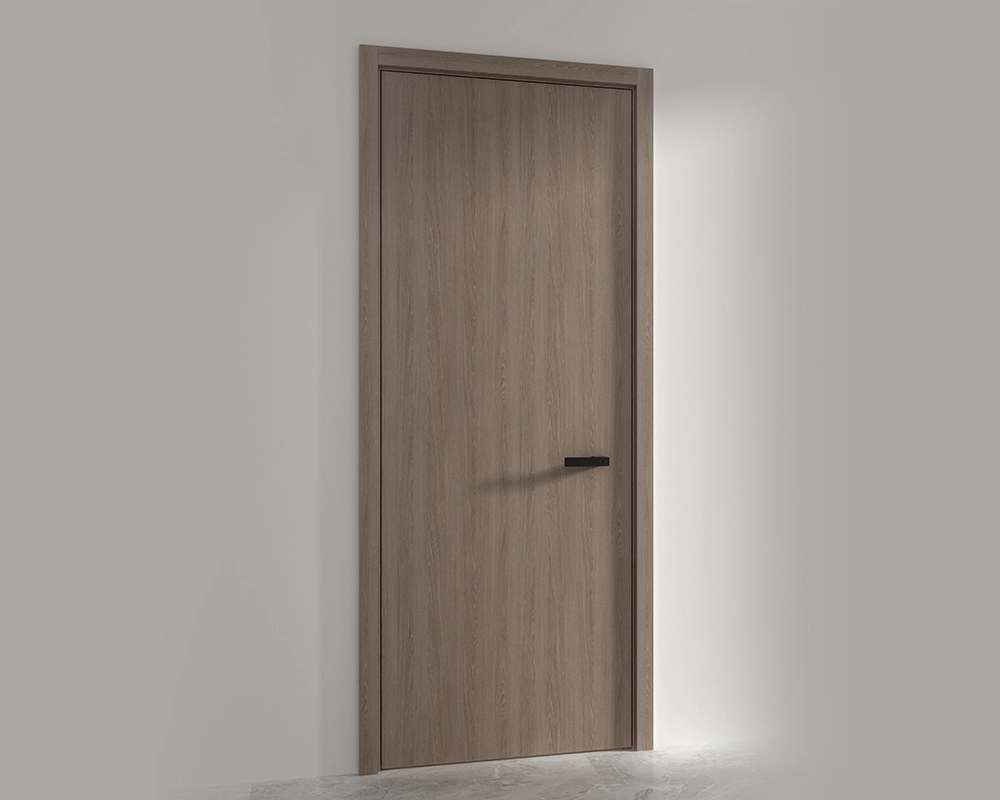
Flush panel door MA11
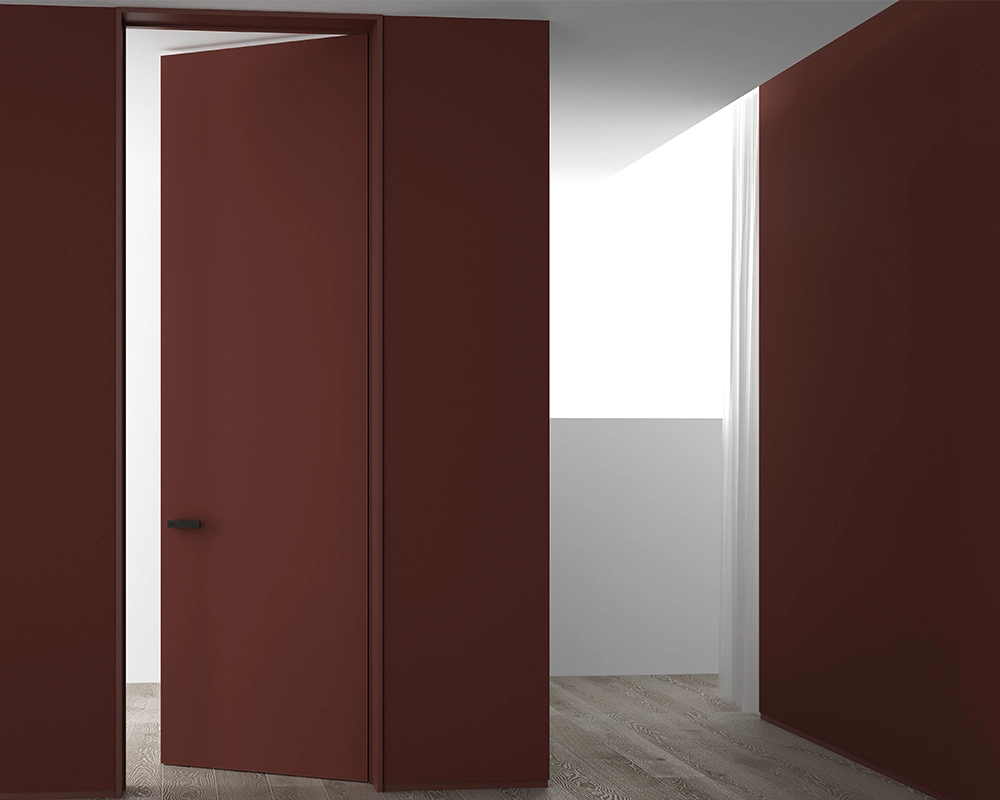
Siyun double wooden door MA12A
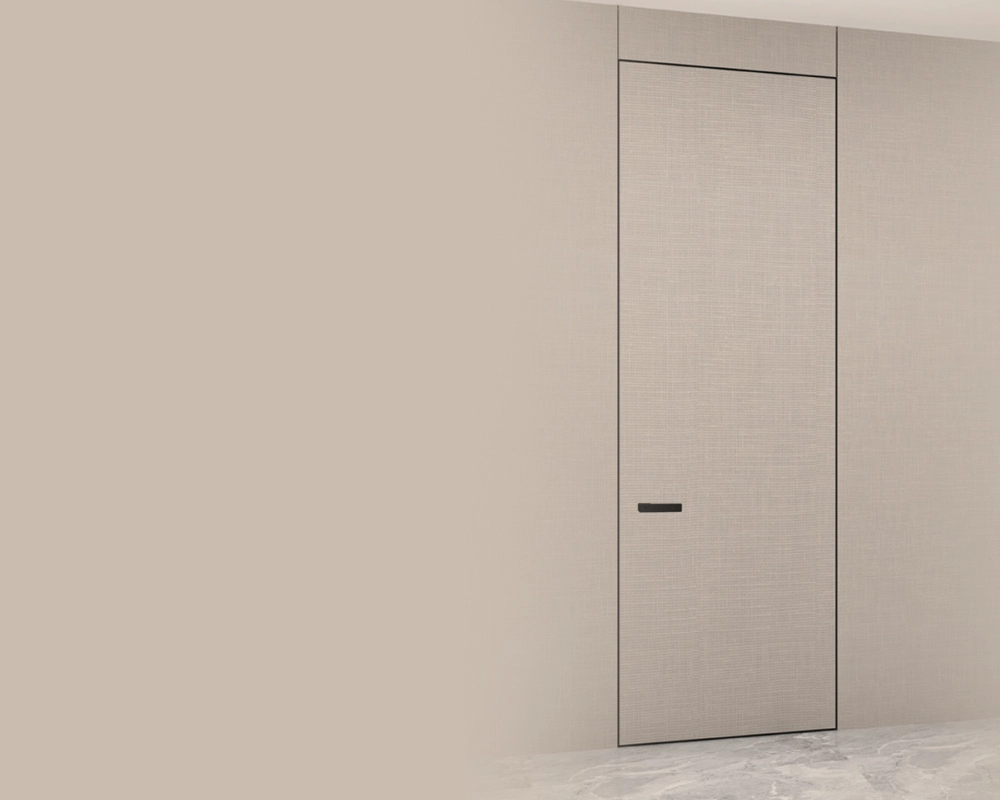
External flush right inward opening door MA13
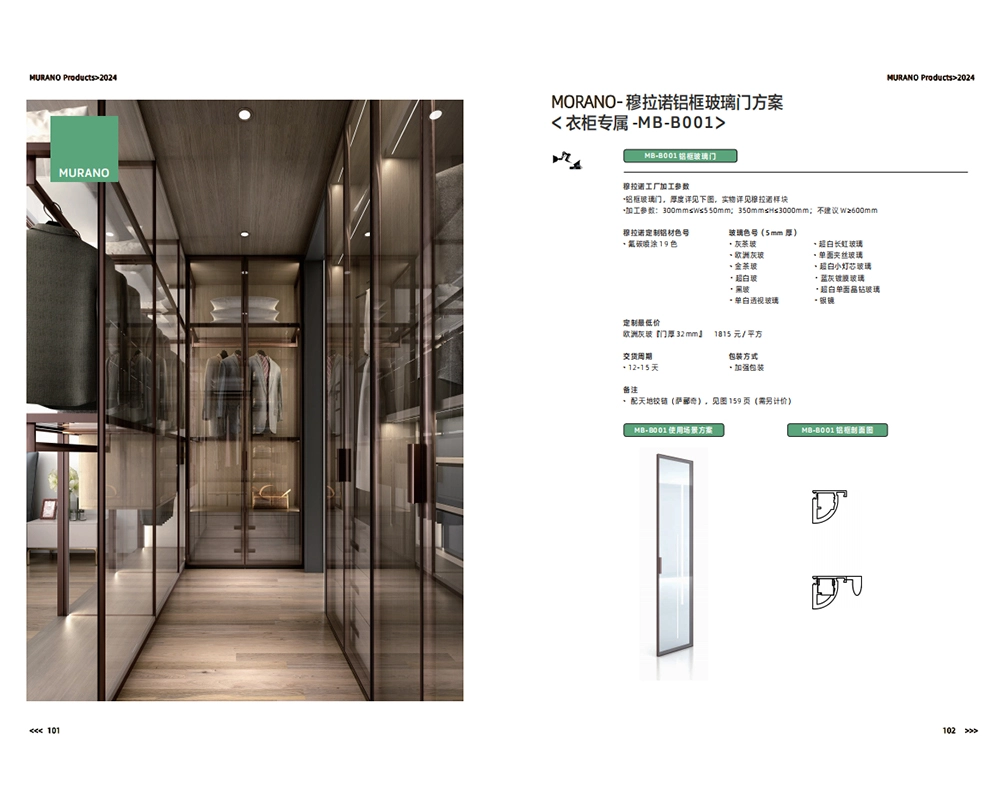
Aluminum Frame Glass Hinged Door - MBB001
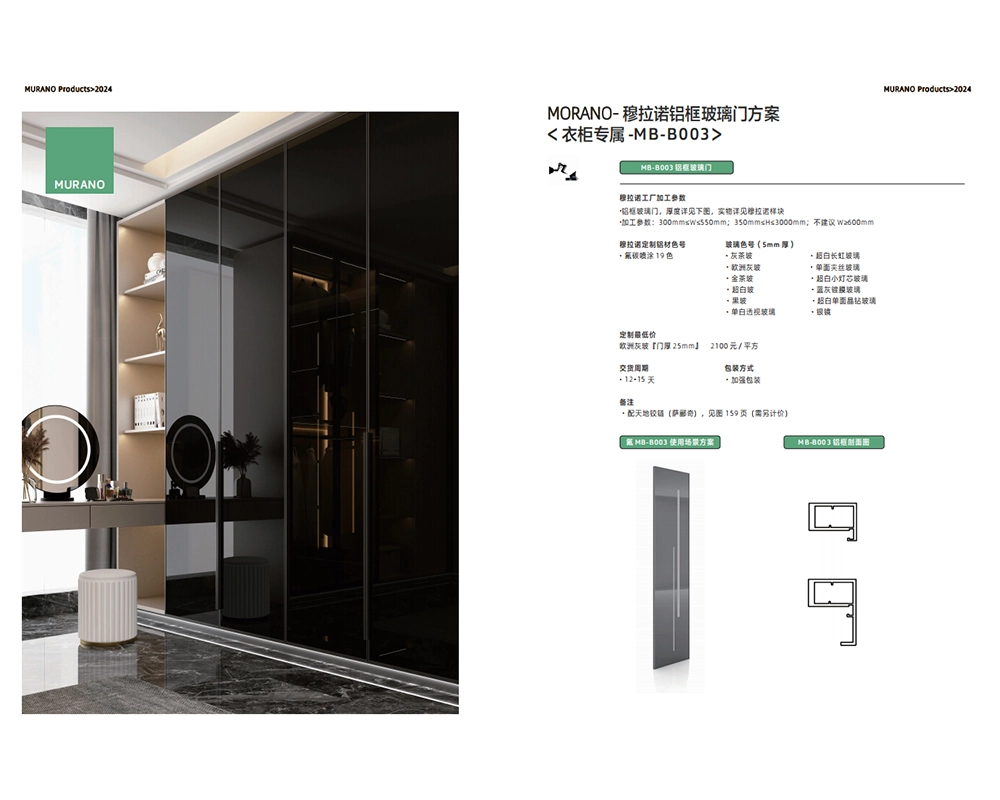
Aluminum Frame Glass Hinged Door - MBB003
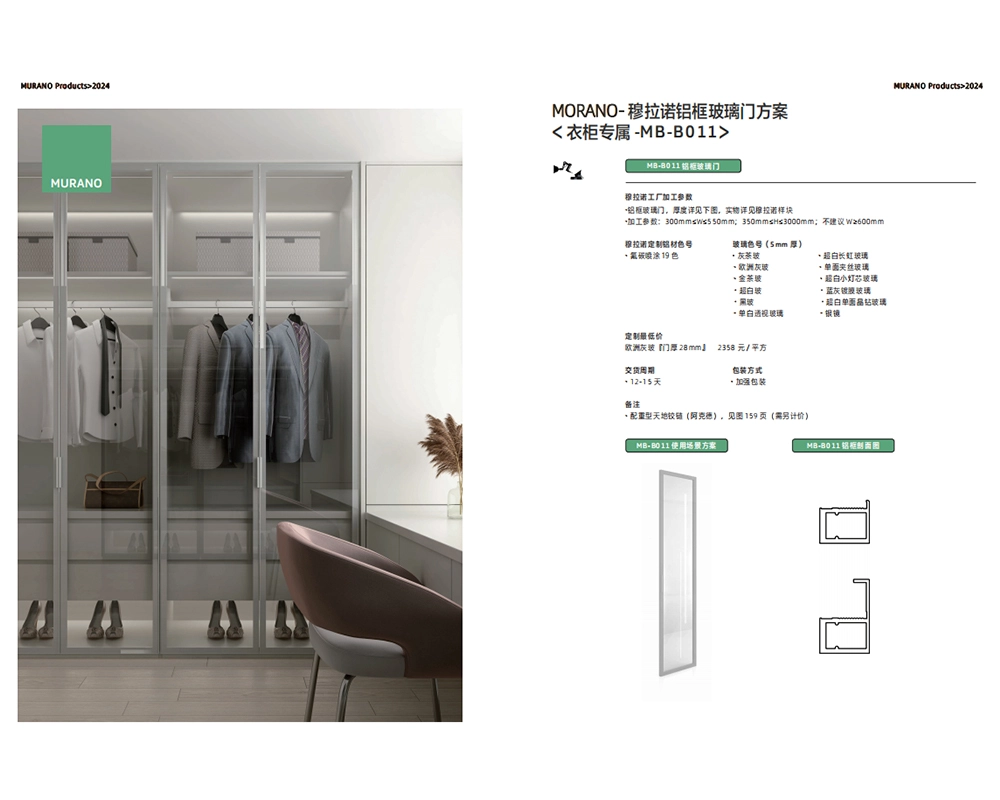
Aluminum Frame Glass Hinged Door - MBB011
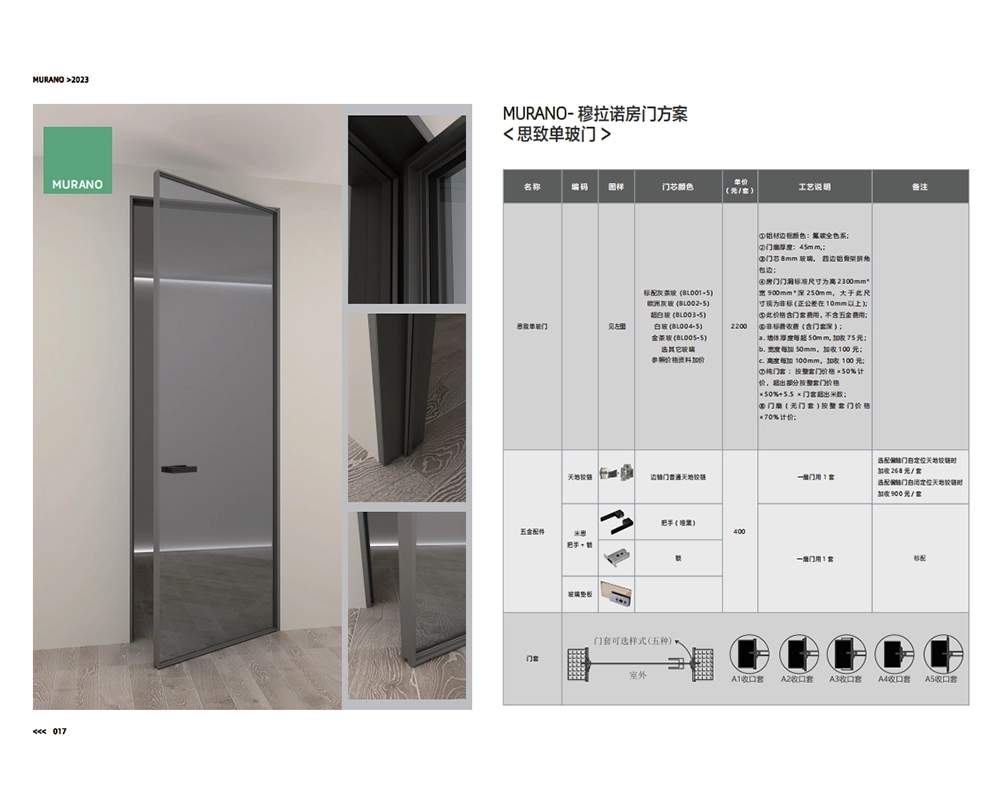
SZ Single side glass interior door
Request a Free Consultation And Price Estimate
Get in touch with Murano today for a personalized consultation, and let us bring your vision to life. Fill out the form below or contact Murano directly to start your journey toward a beautifully tailored home!"

 Scan QR Code
FoshanMuranoCabinet
foshanmuranocabinet
Whatsapp: +8618814138020
Scan QR Code