
Get Catalog
Light
Dark
System
How to Choose a Custom Wardrobe Closet That Maximizes Storage Space?
Monday, 01/5/2026
Learn how to choose a custom wardrobe closet that maximizes storage space. Expert tips on space assessment, layout design, smart storage features, and material selection for an organized bedroom.
- How to Choose a Custom Wardrobe Closet That Maximizes Storage Space?
- 1. Start with a Thorough Space Assessment
- 2. Design a Tailored Internal Layout Based on Your Clothing Needs
- 3. Choose Smart Storage Features to Boost Space Efficiency
- 4. Select the Right Materials for Durability and Space Optimization
- 5. Work with a Professional Custom Wardrobe Designer
- Conclusion
How to Choose a Custom Wardrobe Closet That Maximizes Storage Space?
A wardrobe closet is more than just a place to store clothes—it’s a key element in keeping your bedroom organized, clutter-free, and functional. For many homeowners, standard, one-size-fits-all wardrobes fail to make the most of available space, leaving valuable inches unused and clothes disorganized. Custom wardrobe closets solve this problem by adapting to your unique space dimensions, clothing needs, and storage preferences. But how do you ensure your custom wardrobe is designed to maximize every inch of storage space?
In this comprehensive guide, we’ll break down the essential factors to consider when choosing a custom wardrobe closet that maximizes storage space. From space assessment and layout design to smart storage features and material selection, these expert tips will help you create a wardrobe that’s both practical and tailored to your lifestyle.
1. Start with a Thorough Space Assessment
The first step in designing a space-maximizing custom wardrobe is to fully assess the available space. This ensures you don’t waste any potential storage area and that the wardrobe fits seamlessly into your bedroom.
-
Measure Accurately: Take precise measurements of the height, width, and depth of the space where the wardrobe will be installed. Don’t forget to account for obstacles like windows, doors, electrical outlets, or sloped ceilings—custom wardrobes can be designed around these features to avoid wasted space. For example, a wardrobe with a sloped top can fit perfectly into attic bedrooms or rooms with vaulted ceilings, utilizing vertical space that would otherwise be unused.
-
Evaluate Room Traffic Flow: Ensure the wardrobe’s doors (sliding, hinged, or bi-fold) open without blocking walkways or other furniture. Sliding doors are an excellent choice for small bedrooms or narrow spaces, as they don’t require extra room to swing open, freeing up more floor space for other uses.
-
Consider Vertical Space: Many homeowners overlook vertical space, but floor-to-ceiling wardrobes are a game-changer for maximizing storage. Extending the wardrobe to the ceiling eliminates the empty space above standard wardrobes, providing additional storage for seasonal items like blankets, coats, or luggage that aren’t used year-round.
2. Design a Tailored Internal Layout Based on Your Clothing Needs
The key to a space-maximizing custom wardrobe is an internal layout that’s designed around your specific clothing and accessory collection. A layout that works for someone with mostly casual wear will differ from someone who owns a lot of formalwear, shoes, or accessories. Here’s how to tailor the layout:
-
Allocate Hanging Space Wisely: Hanging space is essential for dresses, suits, shirts, and jackets, but it should be customized to the length of your clothes. Install double hanging rods for shorter items like shirts, blouses, and pants—this doubles the hanging space in the same vertical area. For longer items like dresses, coats, or maxi skirts, use a single, tall hanging rod. Consider adding a pull-down hanging rod for high spaces, making it easy to reach clothes stored near the ceiling.
-
Incorporate Shelves for Foldable Items: Shelves are ideal for foldable items like sweaters, jeans, t-shirts, and linens. Opt for adjustable shelves so you can modify the height based on the size of your items—this flexibility ensures you don’t waste space between shelves. For small items like socks, underwear, or scarves, add shallow shelves or cubbies to keep them organized and easily accessible.
-
Add Drawers for Small Accessories: Drawers are perfect for storing delicate items, accessories, or items you want to keep out of sight. Include a mix of shallow and deep drawers—shallow drawers for jewelry, belts, and socks, and deep drawers for bulkier items like sweatpants or swimwear. Consider adding drawer dividers to keep small items organized and prevent them from becoming cluttered.
-
Include Specialized Storage for Shoes: Shoes can take up a lot of space if not stored properly. Incorporate specialized shoe storage into your custom wardrobe, such as shoe racks, pull-out shoe shelves, or shoe cubbies. For high-heels or boots, ensure the shelves are tall enough to accommodate them without crushing the shoes. Pull-out shoe shelves are a great option, as they allow you to easily access shoes at the back of the wardrobe.
3. Choose Smart Storage Features to Boost Space Efficiency
In addition to a tailored layout, incorporating smart storage features can further maximize the storage space of your custom wardrobe. These features are designed to make the most of every nook and cranny:
-
Pull-Out Baskets and Trays: Pull-out baskets and trays are perfect for storing items that are difficult to reach, such as bulky sweaters, hats, or seasonal accessories. They slide out easily, allowing you to access the entire contents of the basket without rummaging through the wardrobe. Opt for wire or fabric baskets that are lightweight and durable.
-
Corner Storage Solutions: Corner spaces are often wasted in standard wardrobes, but custom wardrobes can utilize these areas with corner shelves, corner hanging rods, or rotating corner carousels. Rotating carousels are especially useful, as they allow you to access clothes and accessories stored in the corner with a simple spin, maximizing every inch of the space.
-
Door-Mounted Storage: The inside of the wardrobe doors is a valuable storage area that’s often overlooked. Install door-mounted organizers such as hooks, pockets, or small shelves to store items like belts, scarves, jewelry, or shoes. This frees up space inside the wardrobe for larger items while keeping small accessories organized and easily accessible.
-
Vacuum-Sealed Storage Compartments: For seasonal items like winter coats, blankets, or holiday clothing, add vacuum-sealed storage compartments to your custom wardrobe. These compartments allow you to compress items, reducing their size and freeing up more space for everyday items. They also protect seasonal items from dust, mold, and pests.
-

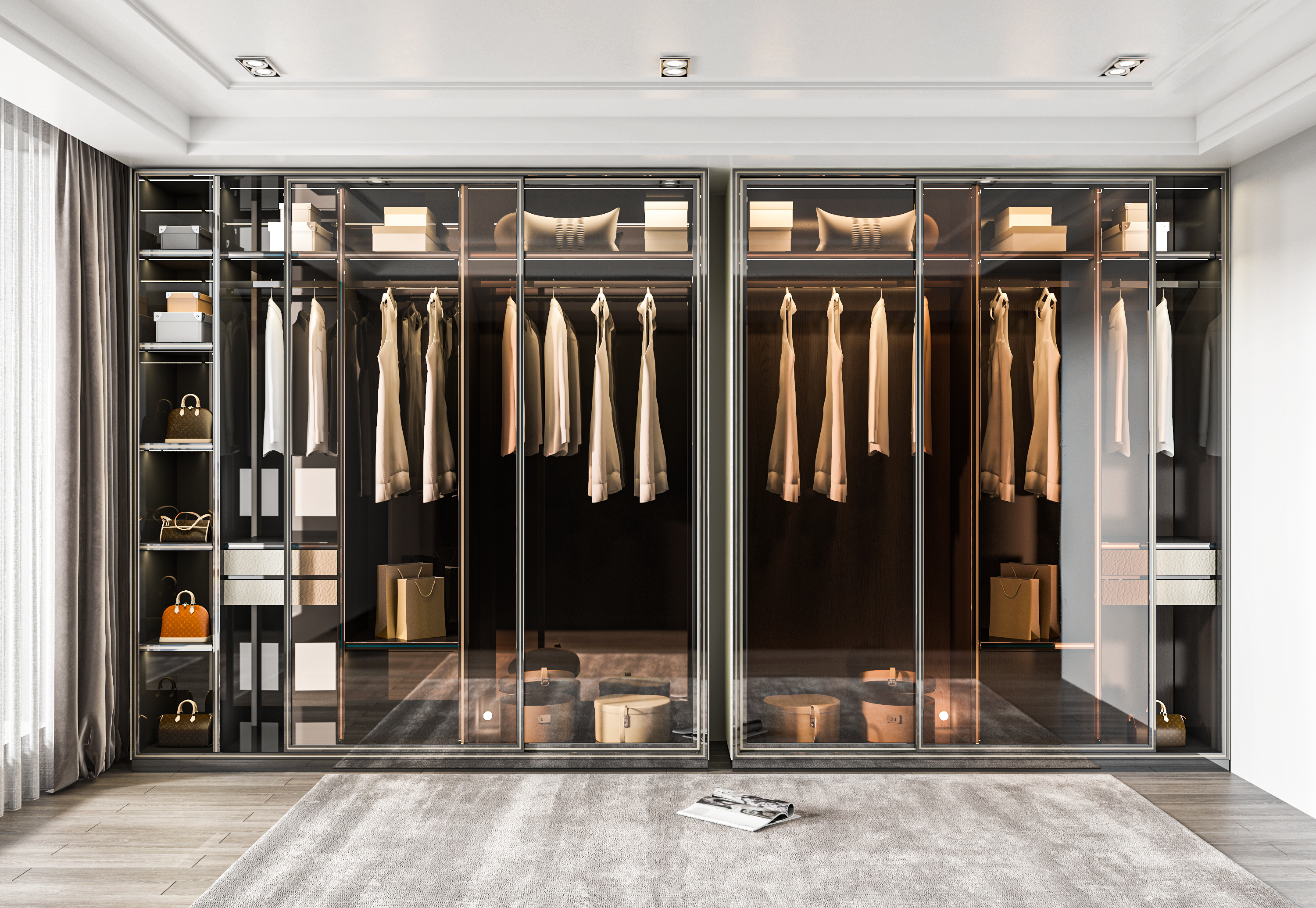
4. Select the Right Materials for Durability and Space Optimization
The materials you choose for your custom wardrobe not only affect its durability but also its space optimization. Opt for materials that are lightweight yet strong, allowing for more shelves and drawers without adding unnecessary bulk.
-
Frame Materials: Aluminum and steel frames are excellent choices for custom wardrobes, as they are strong, lightweight, and resistant to warping. They allow for thinner frame profiles, maximizing the internal storage space. If you prefer a wooden look, opt for plywood or MDF with a thin veneer—these materials are durable and can be customized to match your bedroom decor.
-
Shelf and Drawer Materials: For shelves and drawers, choose materials like plywood, MDF, or particleboard with a melamine finish. Melamine is easy to clean, scratch-resistant, and moisture-resistant, making it ideal for wardrobe storage. Avoid heavy materials like solid wood, as they can add bulk and limit the number of shelves and drawers you can include.
-
Door Materials: Sliding doors made of glass or aluminum are lightweight and space-saving, as they don’t require extra room to swing open. Glass doors also make the wardrobe feel more open and can reflect light, making the bedroom appear larger. If you prefer opaque doors, opt for lightweight materials like MDF with a laminate finish.
5. Work with a Professional Custom Wardrobe Designer
Designing a custom wardrobe that maximizes storage space requires careful planning and expertise. Working with a professional custom wardrobe designer can help you make the most of your available space and ensure the wardrobe is tailored to your specific needs. A professional designer will: Conduct a detailed assessment of your space and clothing collection.Create a 3D design of the wardrobe, allowing you to visualize the layout and storage features before installation.Recommend the best materials and storage solutions based on your budget and lifestyle.Ensure the wardrobe is installed correctly, avoiding gaps or wasted space.
Conclusion
Choosing a custom wardrobe closet that maximizes storage space requires a combination of careful space assessment, tailored internal layout, smart storage features, and the right materials. By taking the time to design a wardrobe that’s based on your specific needs and space dimensions, you can create a storage solution that keeps your clothes organized, frees up space in your bedroom, and enhances the overall functionality of your home.
Whether you have a small bedroom, a walk-in closet, or a room with unique architectural features, a custom wardrobe can be designed to make the most of every inch of space. By following the tips in this guide and working with a professional designer, you can invest in a wardrobe that not only meets your current storage needs but also adapts to your changing lifestyle.
Recommended for you
How to Make Traditional Kitchen Cabinets Look Modern
Why a PET Metal Brass Kitchen Cabinet is a Smart Investment for Your Home
Is a PET Metal Brass Kitchen Cabinet Durable? Pros and Cons Revealed
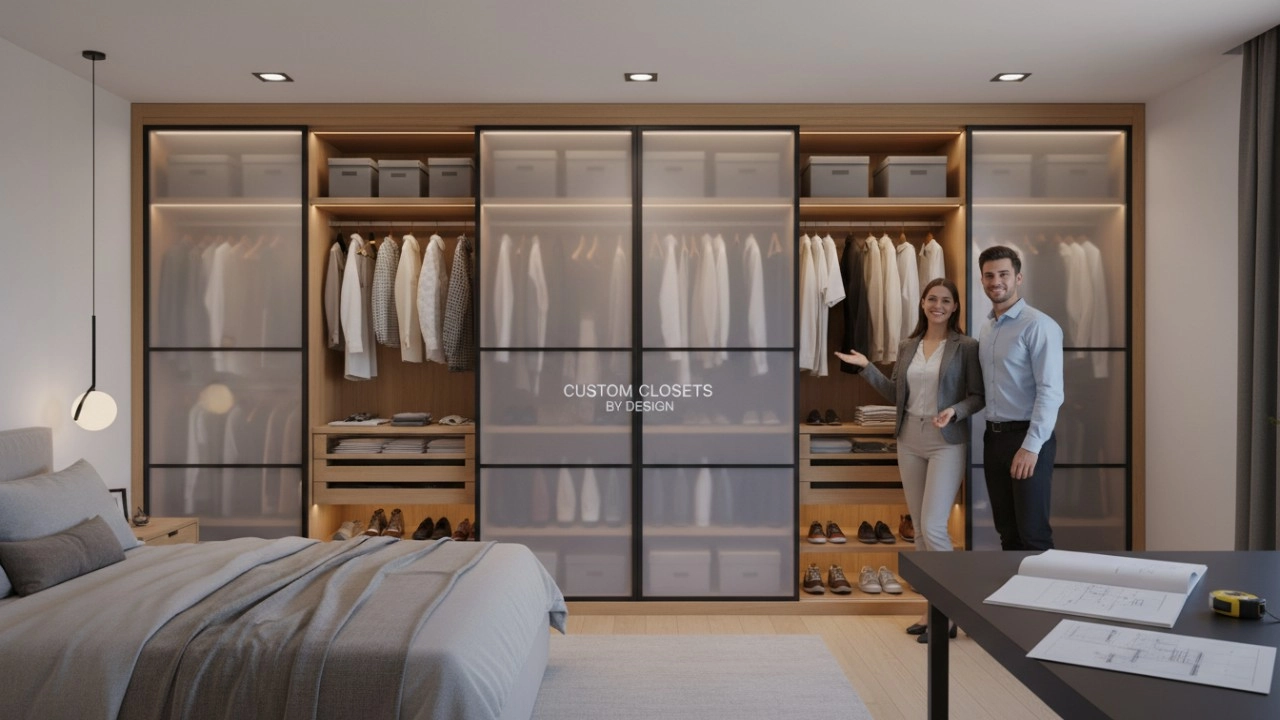
The 10 Costly Mistakes to Avoid When Hiring a Custom Bedroom Wardrobe Manufacturer in 2026 [Expert Advice]
Prdoucts Categories
FAQ
FAQ
Can we produce products according to customer's room size?
Yes. All our cabinets are custom size.
What's the payment terms of all our products?
T/T (30% inadvance, the balance shall be paid off before delivery), Western Union or L/C.
What's lead time for furniture cabinets?
It's about 20 - 30 days.
Can we ship the furniture cabinets to customer's port or city?
Yes. Please provide the city name or port name when you send us an inquiry.
What's MOQ for our kitchen cabinets, wardrobe cabinets or bathroom cabinets?
1 set.
You may also like
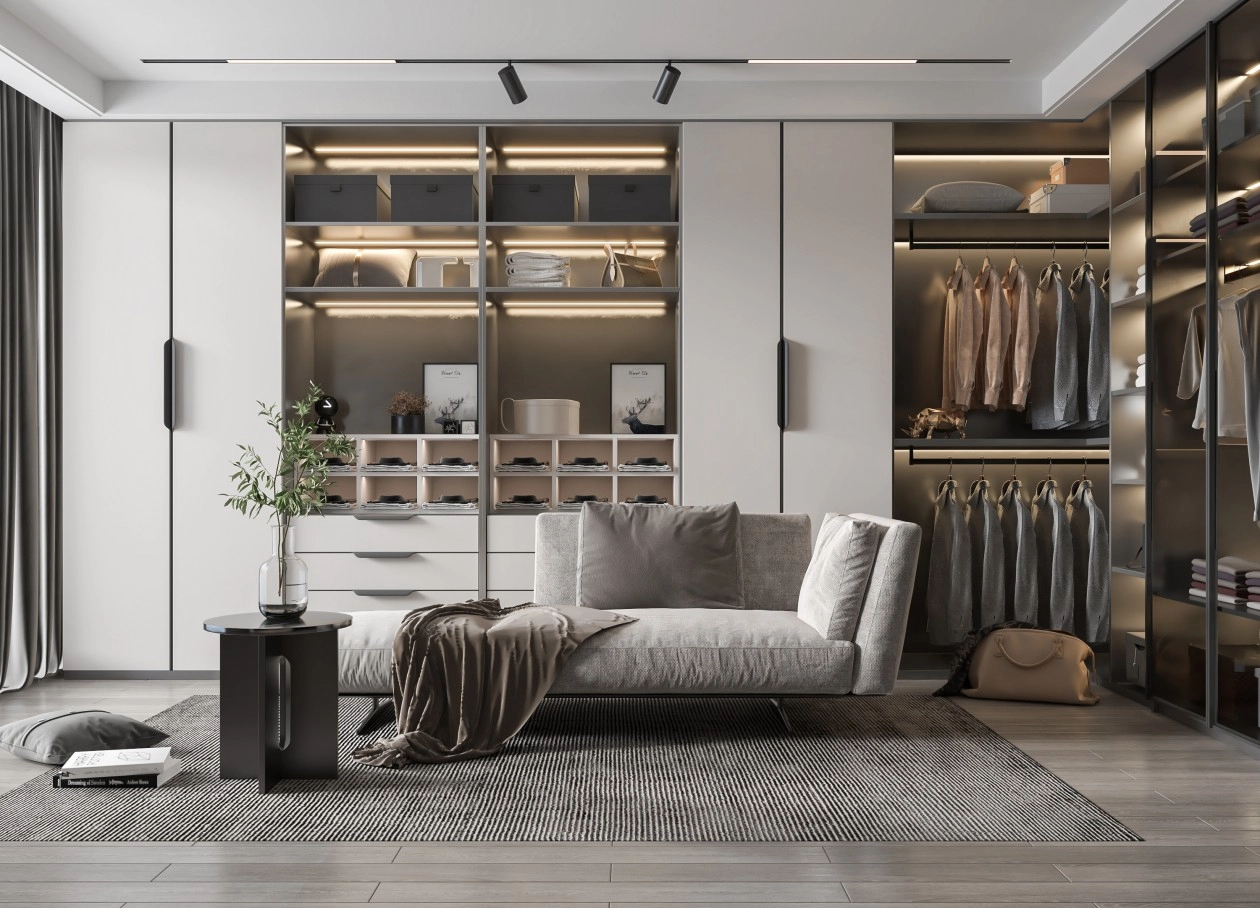
Custom Modern Wardrobe Closet with Glass Doors & LED Lighting
T-shaped invisible door MA10
Flush panel door MA11
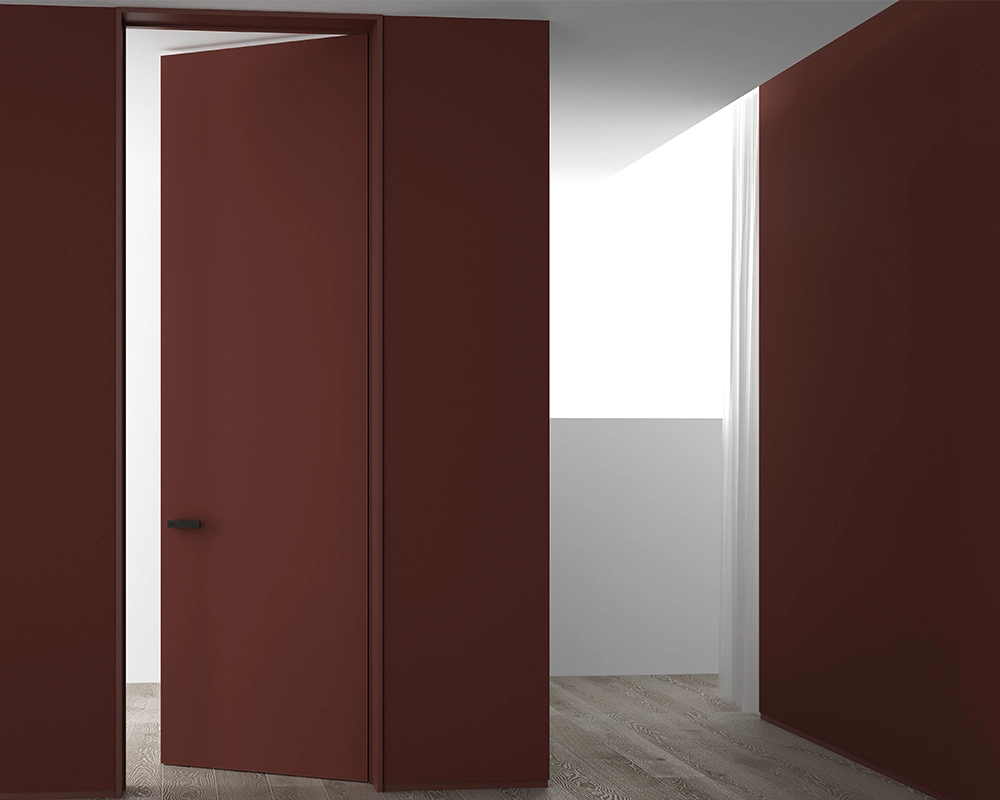
Siyun double wooden door MA12A
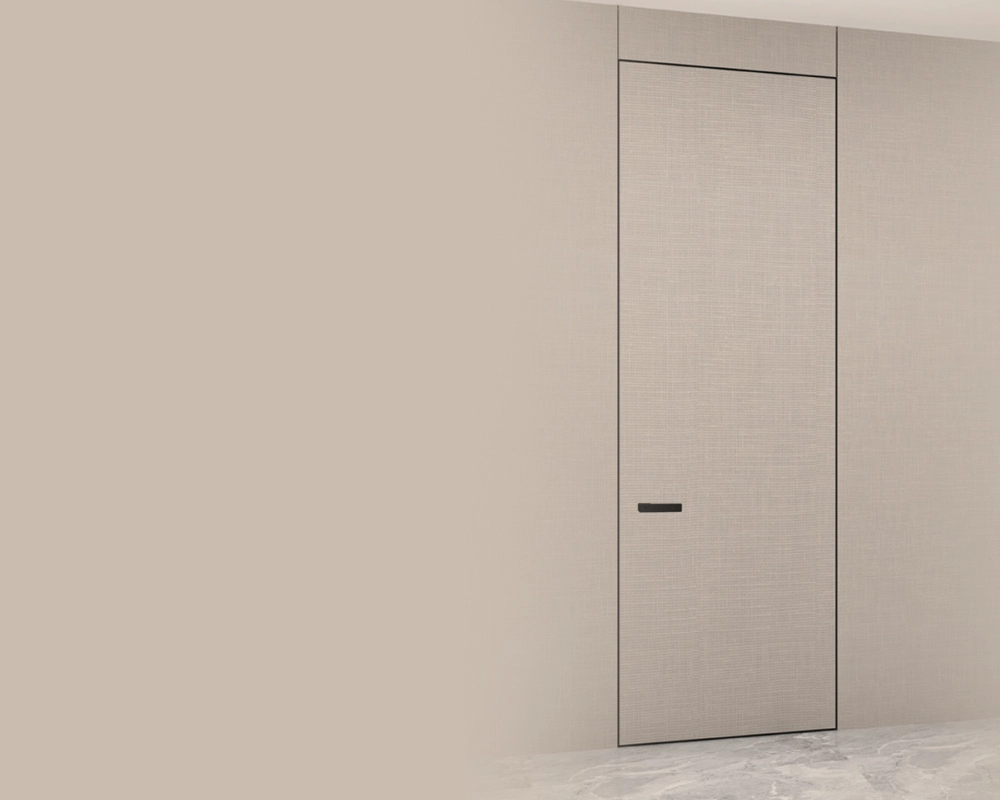
External flush right inward opening door MA13
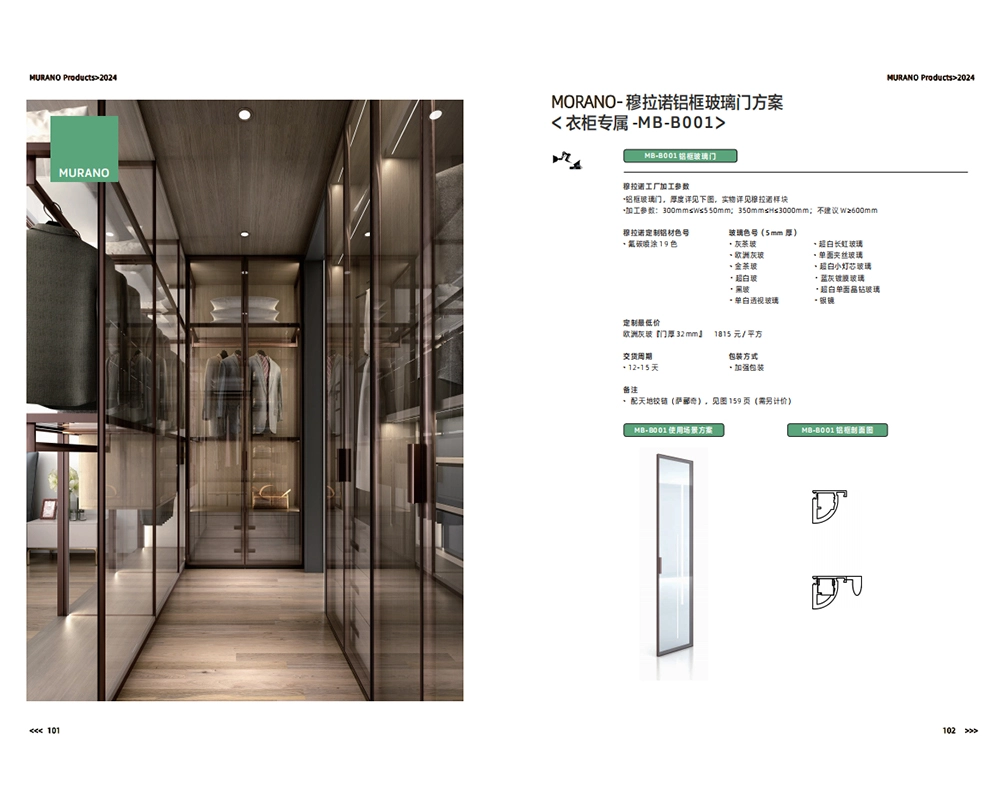
Aluminum Frame Glass Hinged Door - MBB001
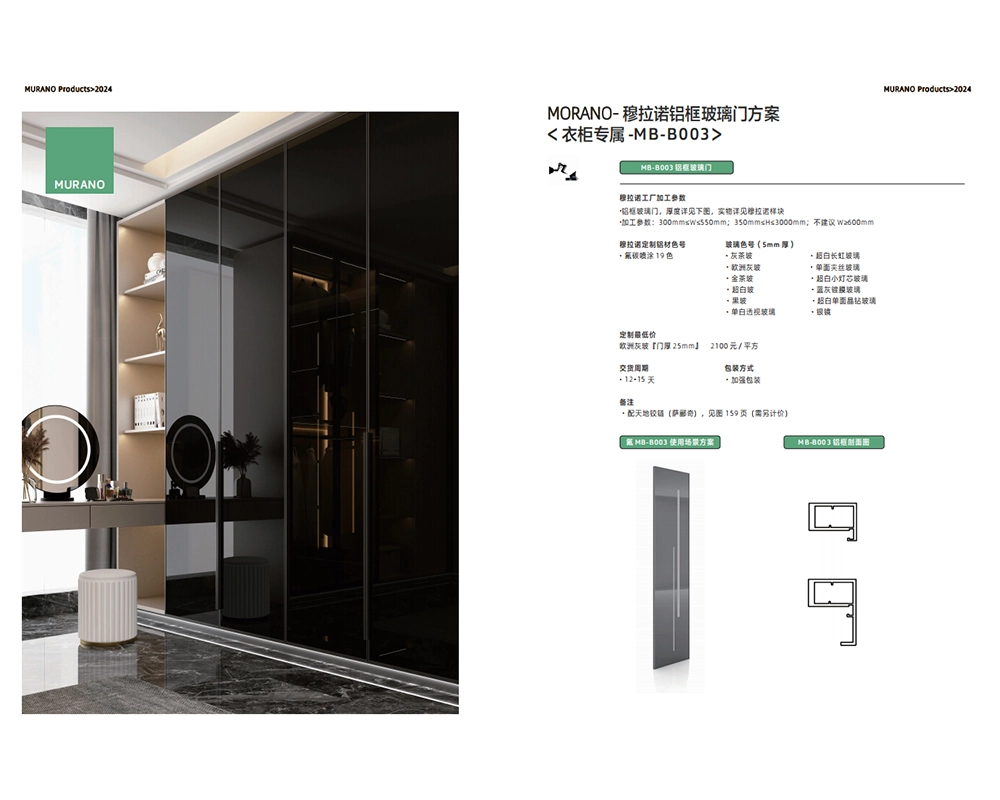
Aluminum Frame Glass Hinged Door - MBB003
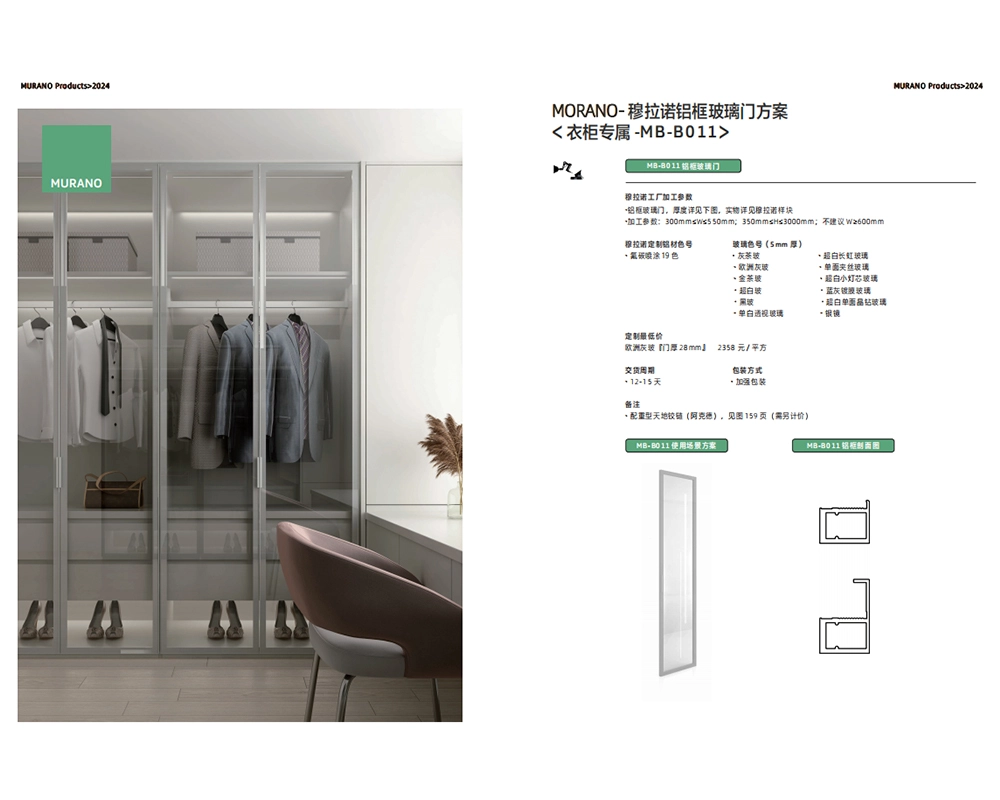
Aluminum Frame Glass Hinged Door - MBB011
Request a Free Consultation And Price Estimate
Get in touch with Murano today for a personalized consultation, and let us bring your vision to life. Fill out the form below or contact Murano directly to start your journey toward a beautifully tailored home!"

 Scan QR Code
FoshanMuranoCabinet
foshanmuranocabinet
Whatsapp: +8618814138020
Scan QR Code