
Get Catalog
Light
Dark
System
How to Select Moisture-Resistant Materials for Kitchen and Joinery in Humid Areas?
Monday, 01/5/2026
Learn how to select the best moisture-resistant materials for kitchen and joinery in humid areas. Expert tips on key factors, top material picks, and maintenance to avoid mold and warping.
- How to Select Moisture-Resistant Materials for Kitchen and Joinery in Humid Areas?
- Key Factors to Consider When Selecting Moisture-Resistant Materials
- Top Moisture-Resistant Materials for Kitchen Joinery Components
- 1. Cabinets: The Backbone of Kitchen Joinery
- 2. Countertops: High-Exposure, High-Durability Needs
- 3. Backsplashes: Moisture Barrier for Wall and Joinery
- 4. Hardware: The Unsung Hero of Moisture Resistance
- Practical Tips to Enhance Moisture Resistance of Kitchen Joinery
- Conclusion
How to Select Moisture-Resistant Materials for Kitchen and Joinery in Humid Areas?
Kitchens are inherently high-humidity spaces, and in humid regions—such as coastal areas, tropical climates, or regions with heavy rainfall—this moisture becomes an even greater threat to joinery furniture. Unchecked humidity can cause wood warping, mold growth, hardware rust, and premature deterioration of cabinets, countertops, and built-in shelving. Selecting the right moisture-resistant materials is not just a matter of durability; it’s an investment in the longevity and functionality of your kitchen.
But with a wide range of materials claiming “moisture resistance” on the market, how do you separate marketing hype from genuine performance? This comprehensive guide breaks down the key factors to consider when choosing moisture-resistant materials for kitchen and joinery in humid areas, along with expert recommendations for different components and practical tips to ensure long-lasting results.
Key Factors to Consider When Selecting Moisture-Resistant Materials
Before diving into specific material options, it’s critical to understand the core criteria that define a truly moisture-resistant material for humid-area kitchens. These factors will help you evaluate any material with confidence:
-
Water Absorption Rate: The lower the water absorption rate, the better. Materials with a water absorption rate of less than 1% are ideal for humid environments, as they resist moisture penetration into the core. Always check the manufacturer’s specifications for this metric.
-
Mold and Mildew Resistance: Moisture and warmth create the perfect breeding ground for mold and mildew, which not only damage materials but also pose health risks. Look for materials treated with anti-microbial agents or those inherently resistant to fungal growth.
-
Structural Stability: Humidity causes many materials to expand and contract. Opt for materials that maintain their shape and structural integrity even when exposed to fluctuating humidity levels, avoiding warping, swelling, or cracking.
-
Easy Maintenance: In humid areas, materials should be easy to clean and maintain to prevent moisture buildup. Non-porous surfaces are preferred, as they don’t trap dirt, grime, or moisture, reducing the risk of mold.
-
Compatibility with Hardware: Moisture can corrode metal hardware, so the material should pair well with rust-resistant hardware (e.g., stainless steel, zinc-plated) to avoid premature failure of joins and moving parts.
-
Top Moisture-Resistant Materials for Kitchen Joinery Components
Different kitchen joinery components (cabinets, countertops, backsplashes, etc.) face varying levels of moisture exposure. Below are tailored material recommendations for each key component, optimized for humid environments:
1. Cabinets: The Backbone of Kitchen Joinery
Kitchen cabinets are particularly vulnerable to moisture, as they’re often placed near sinks, dishwashers, and stoves—areas with high steam and spill risk. For cabinet boxes, doors, and drawers in humid areas, prioritize these materials:
-
PVC Foam Board: PVC foam board is the gold standard for moisture resistance in humid climates. It’s 100% waterproof, has a water absorption rate of nearly 0%, and is inherently resistant to mold and mildew. Lightweight yet sturdy, it doesn’t warp, swell, or rot, making it ideal for cabinet boxes and door panels. It’s also easy to clean with a damp cloth, requiring minimal maintenance. The only downside is its limited finish options, though modern PVC boards come in wood-grain laminates to mimic natural wood.
-
Marine-Grade Plywood: If you prefer the look and feel of wood, marine-grade plywood is a reliable choice. Made with waterproof glue and treated to resist rot and mold, it has a low water absorption rate (around 0.5–1%). It’s stronger than standard plywood and maintains structural stability in humid conditions. For best results, finish marine-grade plywood with a waterproof sealant (e.g., polyurethane) and paint or laminate to add an extra layer of protection.
-
Melamine-Faced HPL (High-Pressure Laminate) Board: Melamine-faced HPL boards consist of a core (typically MDF or particleboard) coated with a high-pressure laminate that’s waterproof and scratch-resistant. Look for boards with a moisture-resistant core (MR MDF or MR particleboard) for enhanced performance in humid areas. The melamine layer creates a non-porous surface that repels moisture, and the boards are available in a wide range of finishes. Ensure all edges are sealed with waterproof edge banding to prevent moisture from seeping into the core.
-
Avoid: Standard solid wood (unless heavily treated with waterproof sealants), regular MDF, and particleboard without moisture-resistant treatment. These materials absorb moisture easily, leading to warping and mold growth in humid environments.
2. Countertops: High-Exposure, High-Durability Needs
Countertops are exposed to constant moisture from sink use, spills, and steam. They need to be not only moisture-resistant but also heat-resistant, scratch-resistant, and easy to clean. Top picks for humid-area kitchen countertops:
-
Quartz (Engineered Stone): Quartz is an excellent choice for humid climates. It’s non-porous (water absorption rate of 0%), so it doesn’t absorb spills or moisture, making it resistant to mold and mildew. It’s also heat-resistant (up to 150°C for most brands) and scratch-resistant, requiring minimal maintenance beyond regular wiping with a mild cleaner. Quartz comes in a vast array of colors and patterns, including options that mimic natural stone.
-
Stainless Steel: Stainless steel is 100% waterproof, mold-resistant, and easy to clean—perfect for commercial-style kitchens or modern homes in humid areas. 304-grade stainless steel is recommended for its superior corrosion resistance, even in coastal humid environments (where salt air can accelerate rust). It’s heat-resistant and durable, though it can show fingerprints and scratches (which can be buffed out). Stainless steel countertops are often seamless, eliminating gaps where moisture can accumulate.
-
Porcelain Slabs: Porcelain slabs are ultra-durable and highly moisture-resistant. They have a water absorption rate of less than 0.1%, making them impervious to spills and humidity. They’re also heat-resistant, scratch-resistant, and stain-resistant, and they come in a variety of finishes (matte, polished, wood-look). Porcelain is easy to clean and doesn’t require sealing, making it low-maintenance for humid kitchens.
-
Avoid: Natural stone like marble or limestone (porous and prone to staining and mold if not sealed frequently), and laminate countertops with porous edges (moisture can seep in and damage the core).
3. Backsplashes: Moisture Barrier for Wall and Joinery
Backsplashes protect the wall and the edges of cabinets from water splashes and steam. They should be waterproof, easy to clean, and compatible with the overall kitchen design. Top moisture-resistant options for humid areas:
-
Ceramic or Porcelain Tiles: Ceramic and porcelain tiles are inherently waterproof and mold-resistant. Porcelain tiles are denser (lower water absorption rate) and more durable than ceramic, making them ideal for high-moisture areas like behind sinks and stoves. They’re available in a wide range of colors, patterns, and sizes, and they’re easy to clean with a damp cloth. Ensure tiles are installed with a waterproof grout and sealed to prevent moisture from seeping between tiles.
-
Stainless Steel Sheets: Stainless steel backsplashes offer the same moisture resistance as stainless steel countertops. They’re seamless, easy to clean, and resistant to corrosion and mold. They pair well with modern and industrial-style kitchens and provide a sleek, hygienic surface.
-
Glass Backsplashes: Tempered glass backsplashes are 100% waterproof and non-porous. They don’t trap moisture or mold, and they’re easy to clean. Glass can be clear, frosted, or printed with designs, making it a versatile option for any kitchen style. It also reflects light, brightening up small humid kitchens.
4. Hardware: The Unsung Hero of Moisture Resistance
Even the best moisture-resistant joinery materials will fail if paired with low-quality, non-corrosive hardware. In humid areas, hardware is prone to rust and corrosion, which can seize hinges, damage drawer slides, and ruin the functionality of cabinets. Opt for these hardware materials:
-
304 or 316-Grade Stainless Steel: 304-grade stainless steel is suitable for most humid areas, while 316-grade (marine-grade) is ideal for coastal humid environments where salt air is present. Both are highly resistant to rust and corrosion, ensuring smooth operation of hinges, drawer slides, handles, and screws.
-
Zinc-Plated Steel: Zinc-plated hardware has a protective zinc coating that resists rust and corrosion in moderate humidity. It’s a more budget-friendly option than stainless steel but still offers reliable performance for less exposed hardware (e.g., cabinet screws).
-
Avoid: Uncoated steel, iron, or low-quality aluminum hardware, which will rust quickly in humid conditions.
Practical Tips to Enhance Moisture Resistance of Kitchen Joinery
Even with the right materials, proper installation and maintenance are key to maximizing moisture resistance in humid-area kitchens. Follow these expert tips:
-
Ensure Proper Sealing: All edges, seams, and joints of joinery materials should be sealed with a high-quality waterproof sealant (e.g., silicone, polyurethane). This includes cabinet edges, countertop seams, and the gap between countertops and backsplashes. Reapply sealant every 1–2 years to maintain protection.
-
Improve Kitchen Ventilation: Install a high-CFM exhaust fan above the stove to remove steam during cooking. Use a dehumidifier in extremely humid areas to reduce overall moisture levels. Open windows regularly to promote air circulation, which helps prevent moisture buildup.
-
Use Waterproof Liners: Line cabinet shelves and drawers with waterproof, non-slip liners. These catch spills, prevent moisture from seeping into the cabinet base, and make cleaning easier.
-
Wipe Up Spills Immediately: Even waterproof materials can be damaged by prolonged exposure to standing water. Wipe up spills on countertops, cabinets, and floors as soon as they occur to prevent moisture from seeping into seams or gaps.
-
Choose Proper Installation: Hire experienced professionals for installation, especially for countertops and cabinets. Improper installation can leave gaps where moisture can accumulate, undermining the performance of even the best moisture-resistant materials.
Conclusion
Selecting moisture-resistant materials for kitchen and joinery in humid areas requires a balance of understanding material properties, evaluating exposure levels, and prioritizing durability. By focusing on low water absorption rates, mold resistance, structural stability, and compatibility with rust-resistant hardware, you can choose materials that stand up to the challenges of humid climates.
Whether you opt for PVC foam board cabinets, quartz countertops, porcelain tile backsplashes, or stainless steel hardware, pairing the right materials with proper installation and maintenance will ensure your kitchen joinery remains functional, attractive, and durable for years to come. Don’t let humidity compromise your investment—choose materials that work with, not against, the climate.
Recommended for you
How to Make Traditional Kitchen Cabinets Look Modern
Why a PET Metal Brass Kitchen Cabinet is a Smart Investment for Your Home
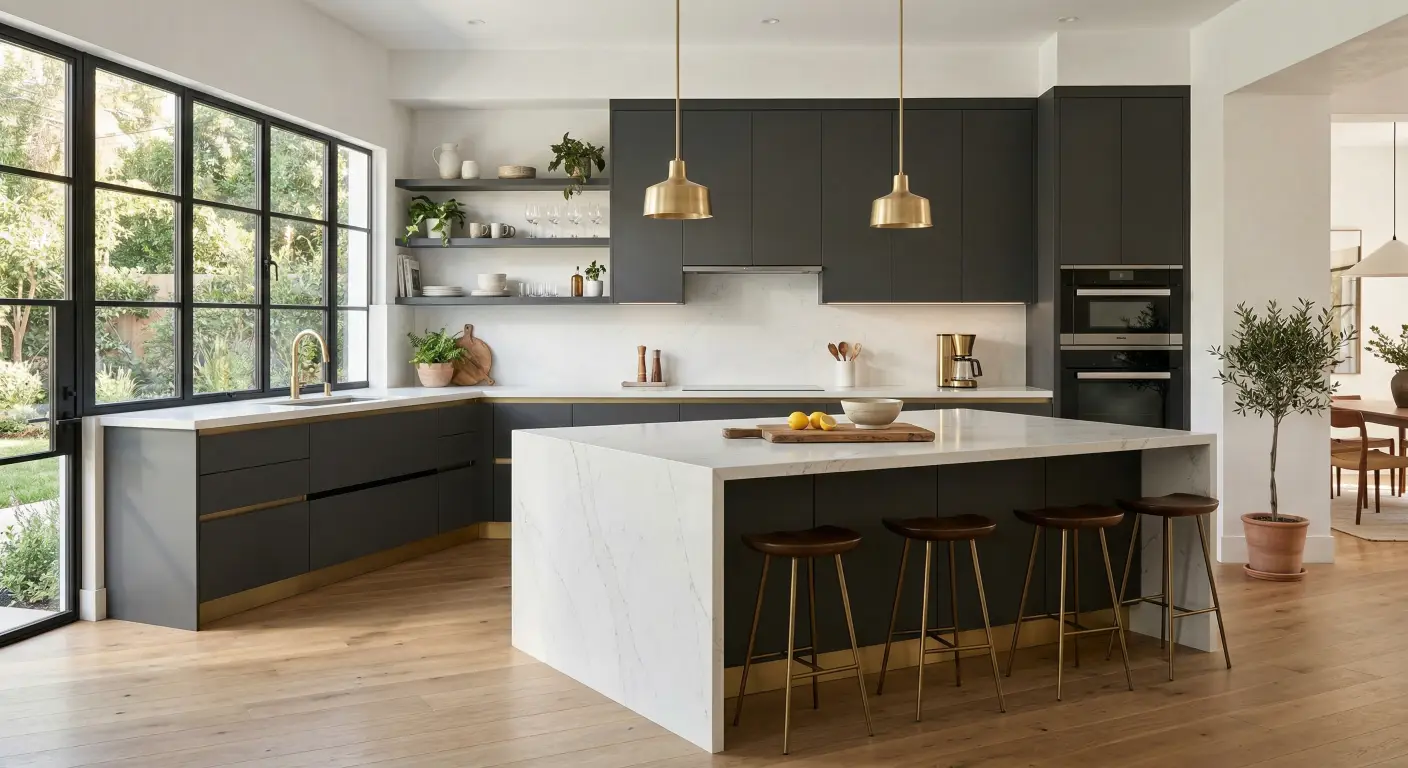
Is a PET Metal Brass Kitchen Cabinet Durable? Pros and Cons Revealed

The 10 Costly Mistakes to Avoid When Hiring a Custom Bedroom Wardrobe Manufacturer in 2026 [Expert Advice]
Prdoucts Categories
FAQ
FAQ
What's the payment terms of all our products?
T/T (30% inadvance, the balance shall be paid off before delivery), Western Union or L/C.
What information are needed for getting a quote for our furniture cabinets?
Your size infomation or room drawings.
What's MOQ for our kitchen cabinets, wardrobe cabinets or bathroom cabinets?
1 set.
Can we ship the furniture cabinets to customer's port or city?
Yes. Please provide the city name or port name when you send us an inquiry.
Can we produce products according to customer's room size?
Yes. All our cabinets are custom size.
You may also like
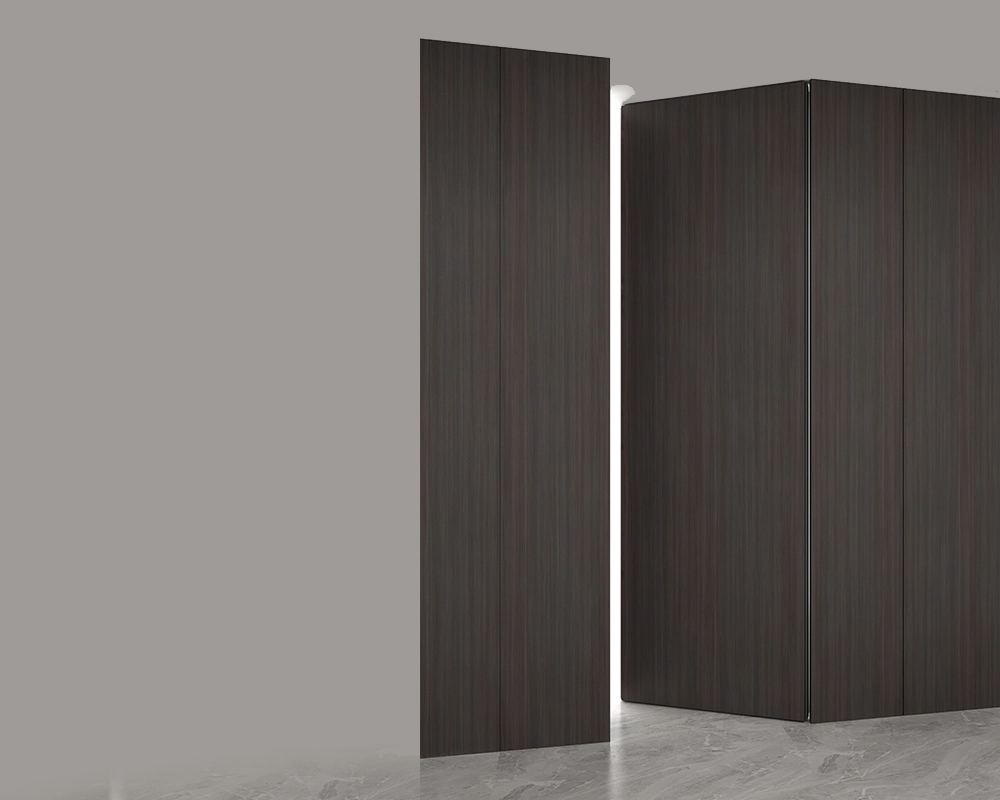
T-shaped invisible door MA10
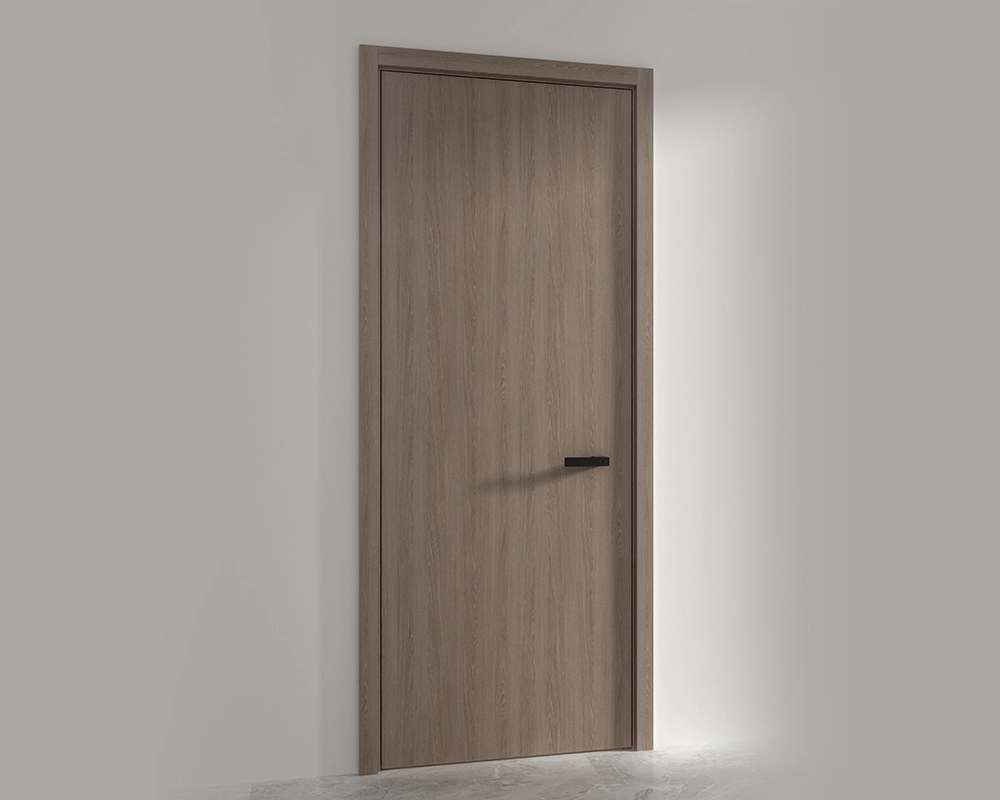
Flush panel door MA11
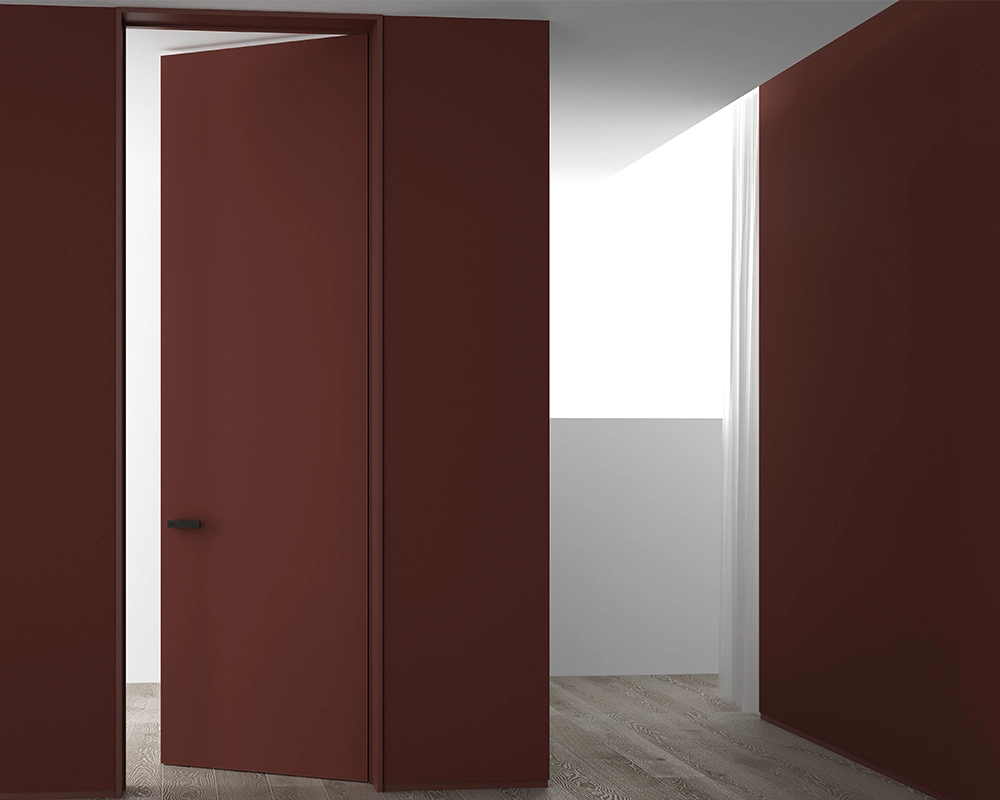
Siyun double wooden door MA12A
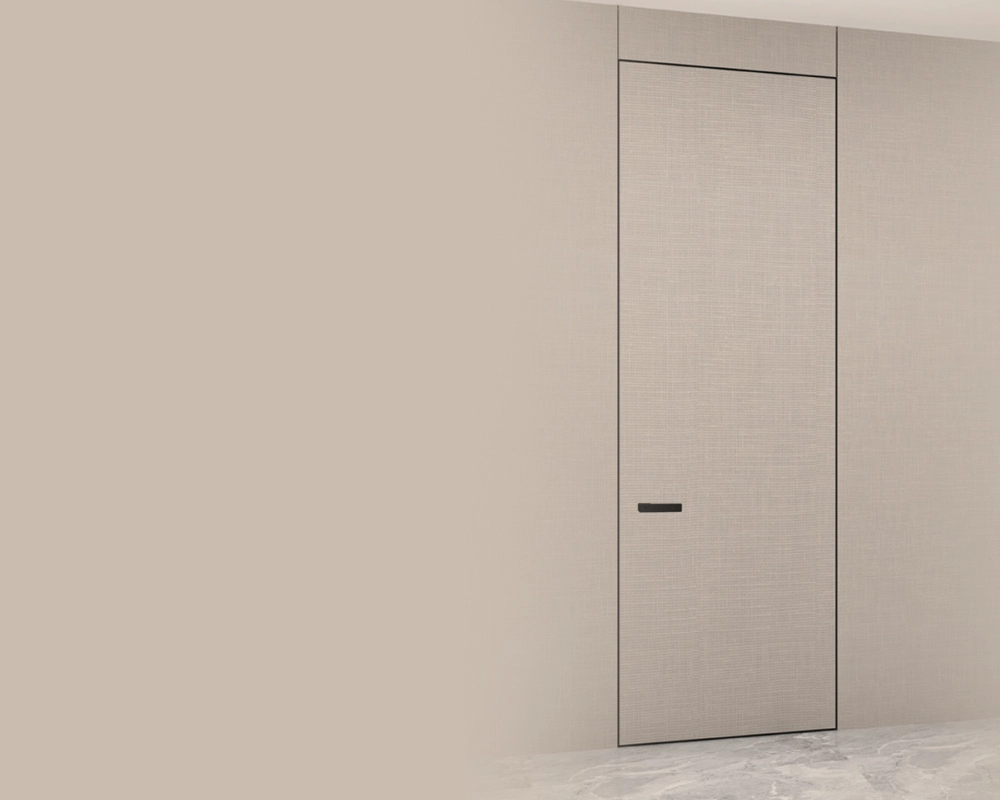
External flush right inward opening door MA13
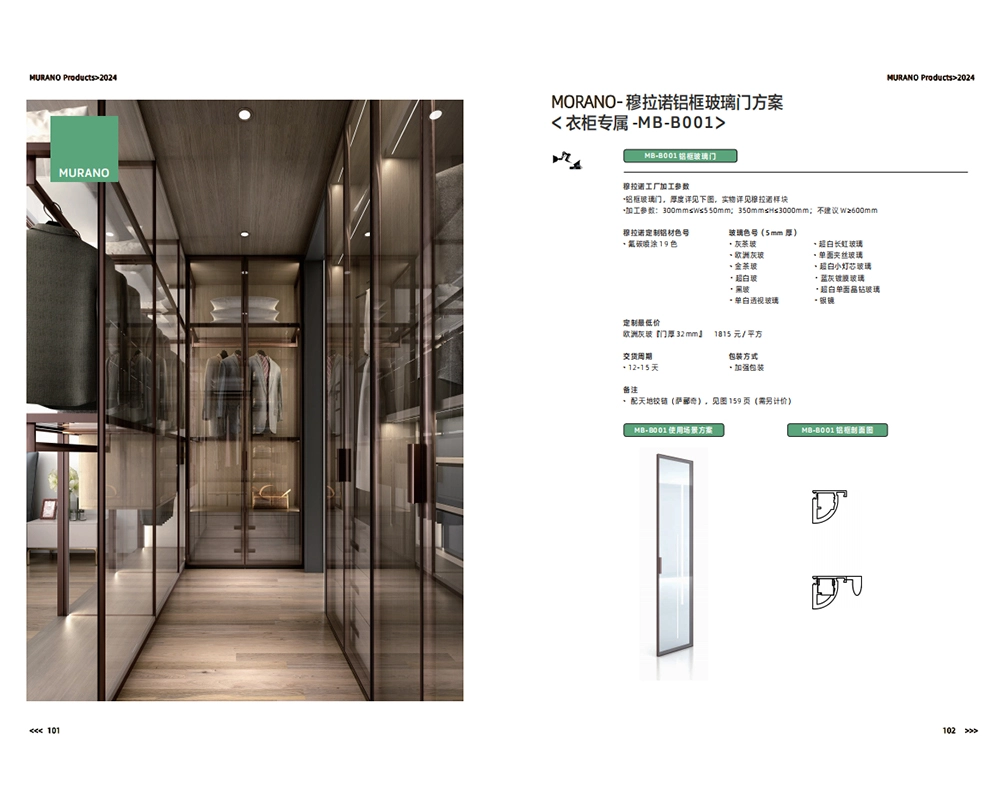
Aluminum Frame Glass Hinged Door - MBB001
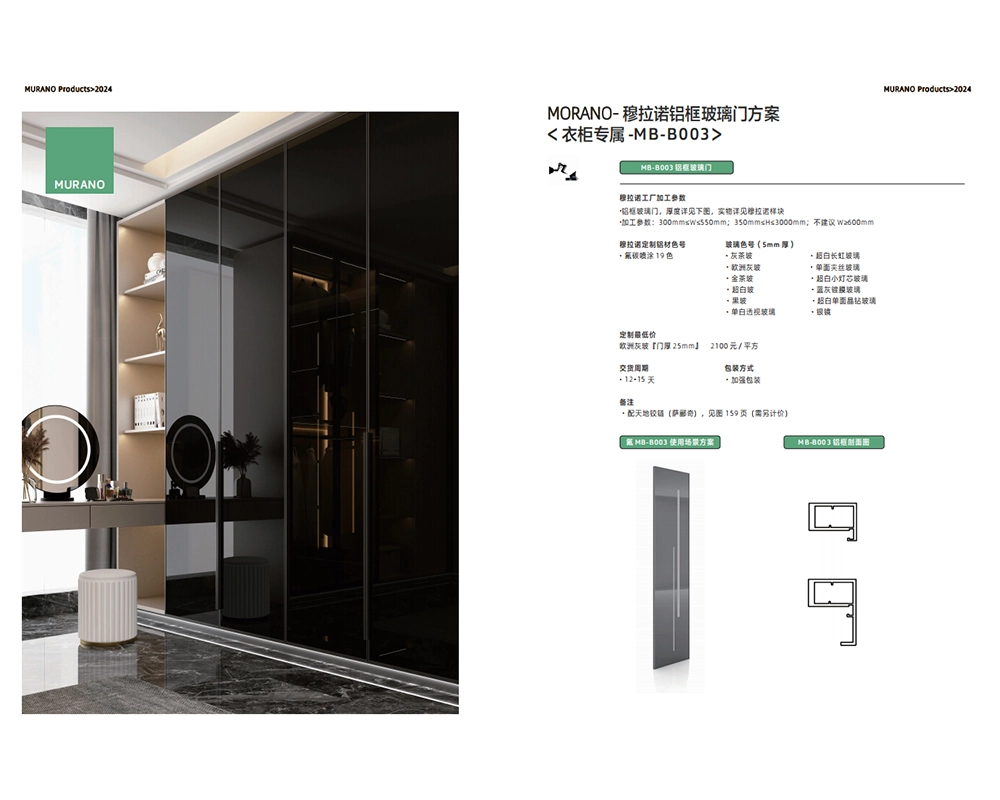
Aluminum Frame Glass Hinged Door - MBB003
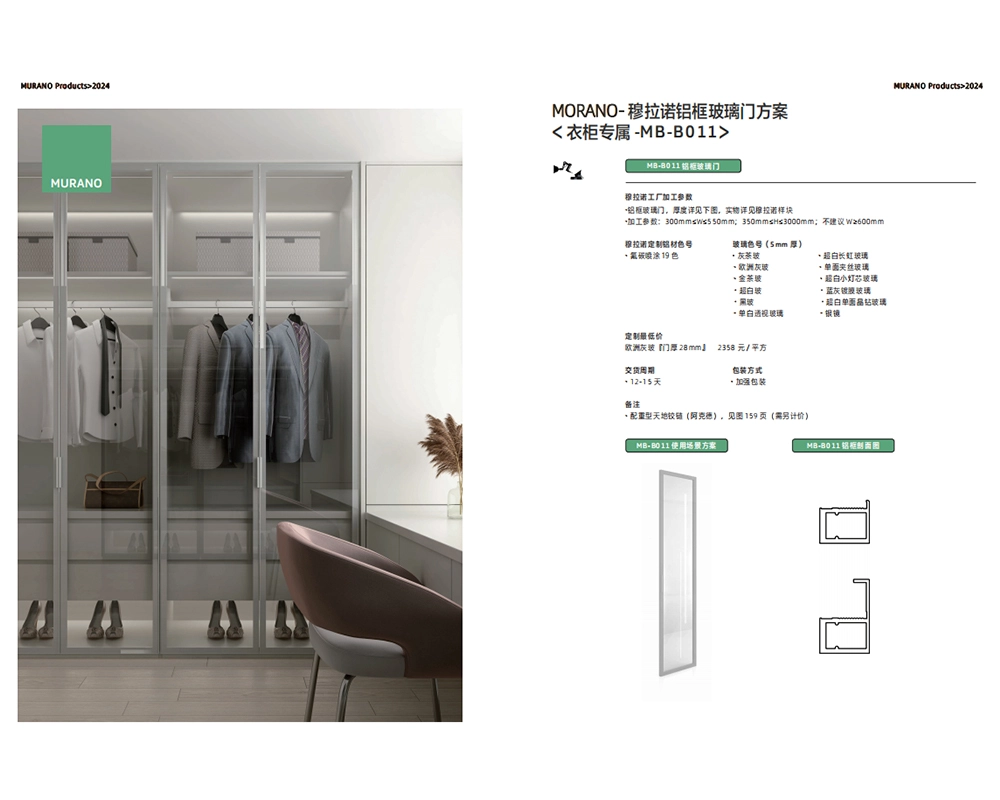
Aluminum Frame Glass Hinged Door - MBB011
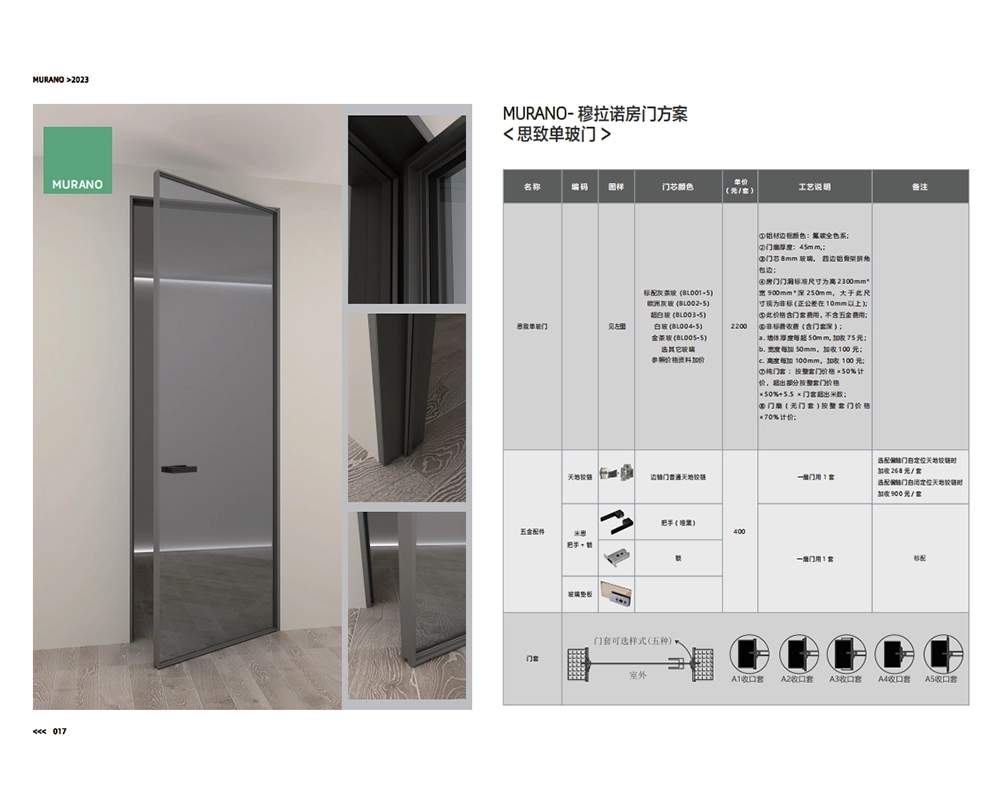
SZ Single side glass interior door
Request a Free Consultation And Price Estimate
Get in touch with Murano today for a personalized consultation, and let us bring your vision to life. Fill out the form below or contact Murano directly to start your journey toward a beautifully tailored home!"

 Scan QR Code
FoshanMuranoCabinet
foshanmuranocabinet
Whatsapp: +8618814138020
Scan QR Code