
Get Catalog
Light
Dark
System
What Maintenance Tips Extend the Lifespan of Kitchen and Joinery Furniture?
Monday, 01/5/2026
Discover expert maintenance tips to extend the lifespan of your kitchen and joinery furniture. Learn how to protect against moisture, care for hardware, clean different materials, and more for durable, long-lasting joinery.
- What Maintenance Tips Extend the Lifespan of Kitchen and Joinery Furniture?
- 1. Master Material-Specific Cleaning: One Size Doesn’t Fit All
- 2. Fight Moisture: The #1 Enemy of Kitchen Joinery
- 3. Maintain Hardware for Smooth, Long-Lasting Functionality
- 4. Avoid Overloading: Protect Structural Integrity
- 5. Guard Against Heat and Physical Damage
- 6. Schedule Annual Professional Inspections
- Conclusion
What Maintenance Tips Extend the Lifespan of Kitchen and Joinery Furniture?
The kitchen is the beating heart of every home, and its joinery furniture—from custom cabinets and built-in shelving to drawer units and countertops—bears the brunt of daily activity. Spills, steam, constant opening and closing, and heavy item storage all take a toll on these essential pieces. Investing in high-quality kitchen and joinery furniture is a smart move, but without proper maintenance, even the sturdiest pieces can degrade prematurely, losing their functionality and aesthetic appeal.
The good news is that with the right proactive care routine, you can significantly extend the lifespan of your kitchen and joinery furniture—saving you money on costly replacements and preserving the value of your home. In this comprehensive guide, we share expert-backed maintenance tips tailored to different furniture materials and common kitchen challenges, ensuring your joinery stays in top condition for years to come.
1. Master Material-Specific Cleaning: One Size Doesn’t Fit All
Kitchen and joinery furniture comes in a variety of materials, each with unique vulnerabilities. Using the wrong cleaning products or techniques can cause scratches, discoloration, or permanent damage. Here’s how to clean each material safely:
-
Solid Wood Joinery: Solid wood is timeless but requires gentle care. Use a soft microfiber cloth dampened with warm water and a pH-neutral wood cleaner. Avoid harsh chemicals, ammonia, or bleach, as these strip the wood’s protective finish and cause drying and cracking. Wipe up spills immediately, and follow with a dry cloth to prevent water spots. Every 3–6 months, nourish the wood with a natural beeswax or wood oil polish to enhance water resistance and restore shine.
-
Melamine & MDF Cabinets: These popular, budget-friendly options are durable but prone to scratches. Clean daily spills with a damp cloth and mild dish soap. For tough grease stains, use a non-abrasive degreaser—apply a small amount to the stain, let it sit for 5 minutes, then gently wipe away (never scrub). Avoid abrasive scrubbers or scouring pads, as they will scratch the melamine surface. Always dry the surface thoroughly to prevent moisture from seeping into the board edges.
-
Stainless Steel Fixtures: Stainless steel joinery (e.g., drawer fronts, countertops) is sleek but shows fingerprints and grease easily. Clean with a mixture of warm water and white vinegar to cut through grease, then buff with a microfiber cloth in the direction of the grain to restore a streak-free shine. Never use steel wool or abrasive cleaners, as they leave permanent scratches that trap dirt and rust over time.
-
Quartz & Laminate Countertops: Quartz is heat-resistant but can stain if acidic substances (lemon juice, vinegar, wine) sit too long—wipe spills immediately with a mild cleaner. Laminate is less heat-resistant, so always use a trivet for hot pots and pans. For both materials, use a cutting board at all times to avoid scratches, and avoid heavy impact (e.g., dropping pots) that can cause chipping.
2. Fight Moisture: The #1 Enemy of Kitchen Joinery
Kitchens are high-humidity environments, and moisture is the leading cause of joinery damage—including warping, swelling, mold growth, and hardware rust. Take these steps to protect your furniture from moisture:
-
Wipe Up Spills Instantly: Even a small water spill can seep into cabinet seams or countertop edges if left unattended. For sugary, oily, or acidic spills (e.g., tomato sauce, soda), blot first with a dry cloth to absorb excess liquid, then clean with a damp cloth and dry thoroughly.
-
Install Waterproof Liners: Line cabinet shelves, drawers, and pantry interiors with non-slip, waterproof liners. These liners protect against spills, scratches from sharp objects (cans, knives), and dust buildup. Choose removable, washable liners for easy hygiene maintenance—simply take them out, wash, and dry before replacing.
-
Boost Ventilation: Steam from cooking is a major source of moisture. Install a high-CFM exhaust fan above your stove and run it during cooking and for 10–15 minutes afterward to remove steam and reduce humidity. In tropical or humid climates, open windows regularly to circulate fresh air and prevent mold growth in hidden joinery corners (e.g., cabinet interiors).
-
Seal Seams Annually: Check the silicone sealant around countertops, cabinets, and backsplashes every year. If the sealant is cracked, peeling, or missing, remove the old sealant with a utility knife, clean the area thoroughly, and reapply a waterproof silicone sealant. This creates a barrier that prevents moisture from seeping into the joinery’s core material.
3. Maintain Hardware for Smooth, Long-Lasting Functionality
Hinges, drawer slides, handles, and locks are the unsung heroes of kitchen joinery. Neglecting these small components can lead to stuck drawers, sagging cabinet doors, and even structural damage over time. Follow these tips to keep hardware in top shape:
-
Lubricate Moving Parts Regularly: Every 6–12 months, apply a small amount of silicone lubricant to hinges, drawer slides, and other moving parts. Silicone lubricant is ideal because it doesn’t attract dust or grime (unlike oil-based lubricants) and works well in high-humidity environments. This reduces friction, eliminates squeaking, and extends the hardware’s lifespan.
-
Tighten Loose Fasteners Monthly: Daily use can loosen the screws holding hinges, handles, and slides in place. Do a quick monthly check—grab a screwdriver and tighten any loose screws. For stripped screw holes (common in wood joinery), fill the hole with wood filler, let it dry completely, then reinsert the screw for a secure fit.
-
Prevent Rust and Corrosion: Wipe metal hardware with a dry cloth after cleaning to remove excess moisture. If you notice early signs of rust (e.g., orange spots), use a rust remover (follow the manufacturer’s instructions) to eliminate it, then apply a thin coat of clear wax to prevent future corrosion. For long-term protection, choose stainless steel or zinc-plated hardware when replacing old components.
4. Avoid Overloading: Protect Structural Integrity
Kitchen joinery is designed to support a specific weight capacity—overloading cabinets and drawers strains the frame, leading to sagging shelves, broken drawer slides, and warped cabinet bodies. Follow these guidelines to protect the structure:
-
Follow Weight Limits: Most kitchen cabinet shelves can hold 15–25 kg per shelf (check your manufacturer’s manual for exact specifications). Store heavy items (e.g., canned goods, cast-iron cookware, small appliances) on lower shelves—this reduces stress on upper cabinet frames and prevents tipping.
-
Never Force Stuck Drawers/Doors: If a drawer won’t slide smoothly or a cabinet door won’t close properly, don’t force it. The issue is usually a loose slide, misaligned hinge, or dirt buildup. Remove the drawer contents, clean the slides with a dry cloth, and lubricate if needed. For misaligned doors, adjust the hinge screws to realign the door.
-
Use Organizers to Distribute Weight: Drawer dividers, shelf risers, and cabinet organizers not only keep your kitchen tidy but also distribute weight evenly across the joinery. This prevents items from shifting and putting excess stress on one area of the cabinet or drawer. For example, use a can organizer to keep canned goods from piling up and straining shelf edges.
-

5. Guard Against Heat and Physical Damage
Heat and physical scratches can ruin the protective finish of joinery furniture, making it more vulnerable to moisture and wear. Simple preventive measures can go a long way:
-
Use Heat Mats and Trivets: Never place hot pots, pans, or appliances (e.g., toasters, coffee makers) directly on countertops or cabinet surfaces. Heat mats or trivets absorb heat and prevent heat marks, discoloration, or cracking—especially important for solid wood, laminate, and quartz materials.
-
Avoid Sharp Objects and Heavy Hanging: Always use a cutting board for food preparation—cutting directly on countertops leaves permanent scratches. For cabinet doors, avoid hanging heavy items (e.g., pots, pans, dish towels) from handles, as this can bend the hardware and scratch the door surface.
-
Touch Up Scratches and Chips Promptly: Small scratches or chips may seem minor, but they can expose the underlying material to moisture and lead to bigger problems. For solid wood joinery, use a wood touch-up pen that matches the finish to cover scratches. For melamine or laminate, use a repair kit (with putty and touch-up paint) to fill in chips and seal the area.
6. Schedule Annual Professional Inspections
For custom or high-value kitchen joinery, an annual professional inspection is a worthwhile investment. Joinery experts can identify hidden issues you might miss—such as moisture damage inside cabinets, misaligned frames, or worn hardware—and provide tailored maintenance advice. They can also perform minor repairs (e.g., realigning cabinets, replacing worn seals) to prevent small problems from turning into costly replacements.
Conclusion
Your kitchen and joinery furniture is a long-term investment, and its lifespan depends on consistent, material-specific maintenance. By mastering the right cleaning techniques, fighting moisture, maintaining hardware, avoiding overloading, and guarding against heat damage, you can keep your joinery functional and attractive for decades. These simple, proactive steps not only extend the life of your furniture but also save you money on repairs and replacements, ensuring your kitchen remains the heart of your home for years to come.
Recommended for you

How to Make Traditional Kitchen Cabinets Look Modern

How to Streamline B2B Custom Furniture Procurement: A Step-by-Step Industry Guide
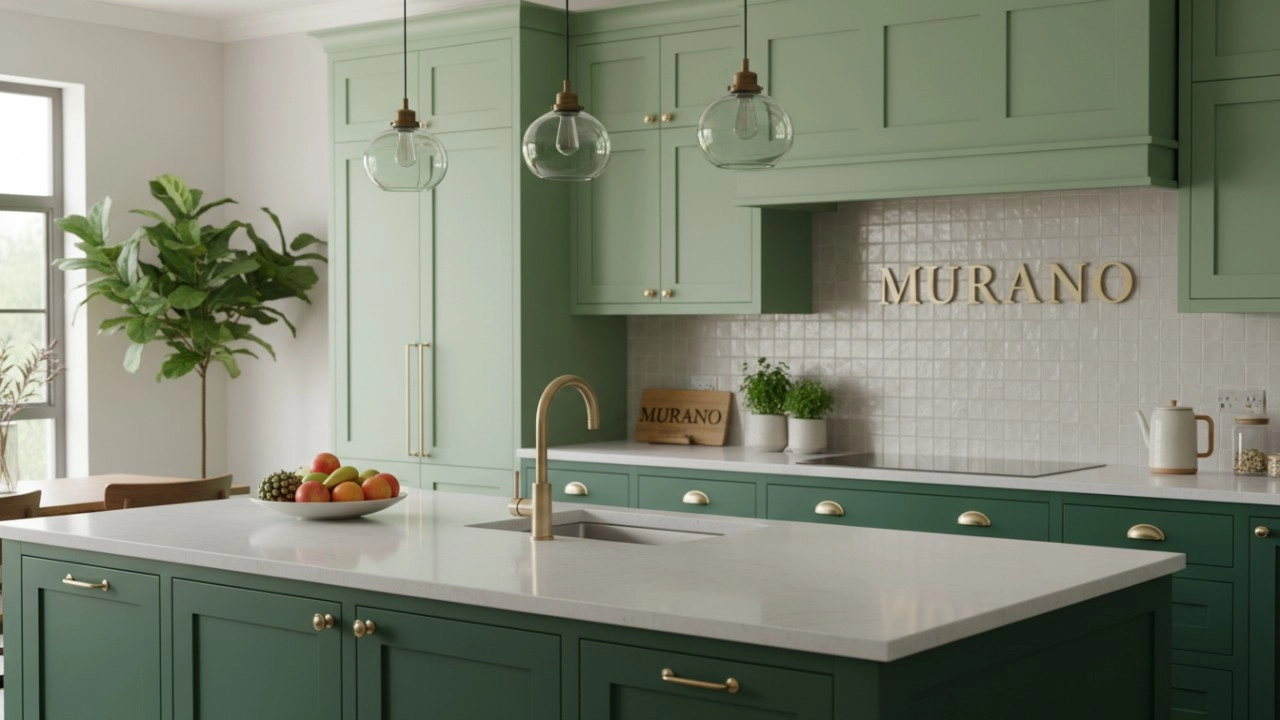
Green Kitchen Cabinets vs. Blue: Why Green is the New Neutral for Modern Homes in 2026

Why a PET Metal Brass Kitchen Cabinet is a Smart Investment for Your Home
Prdoucts Categories
FAQ
FAQ
What's lead time for furniture cabinets?
It's about 20 - 30 days.
What's MOQ for our kitchen cabinets, wardrobe cabinets or bathroom cabinets?
1 set.
Can we ship the furniture cabinets to customer's port or city?
Yes. Please provide the city name or port name when you send us an inquiry.
What's the payment terms of all our products?
T/T (30% inadvance, the balance shall be paid off before delivery), Western Union or L/C.
What information are needed for getting a quote for our furniture cabinets?
Your size infomation or room drawings.
You may also like
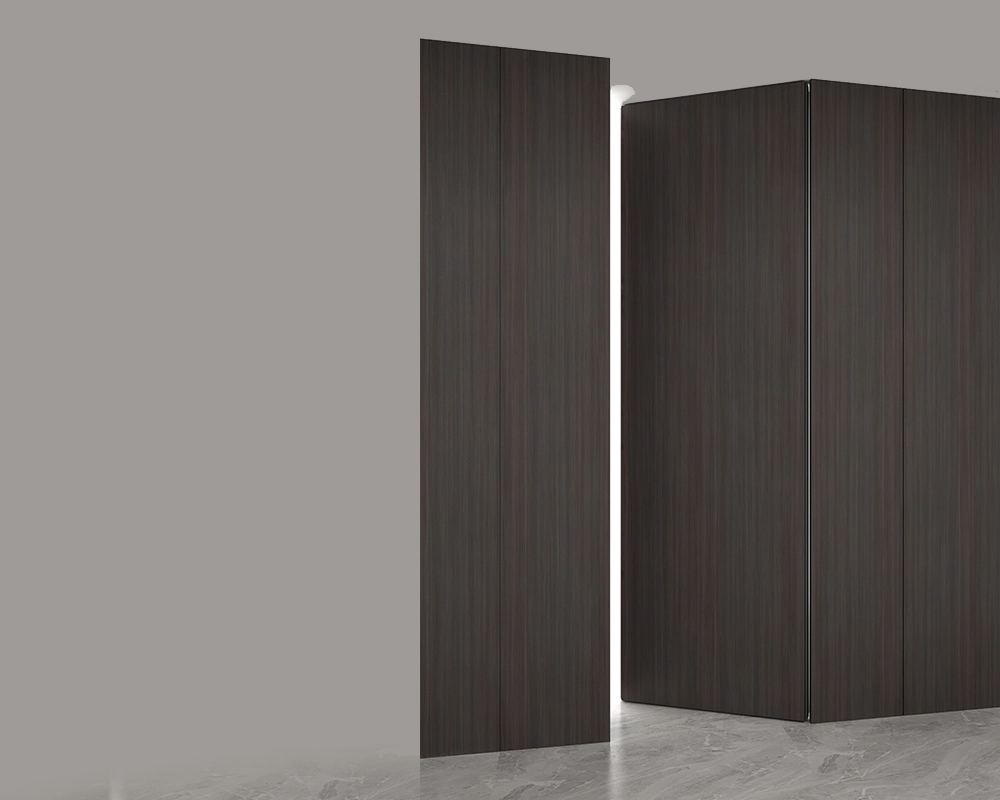
T-shaped invisible door MA10
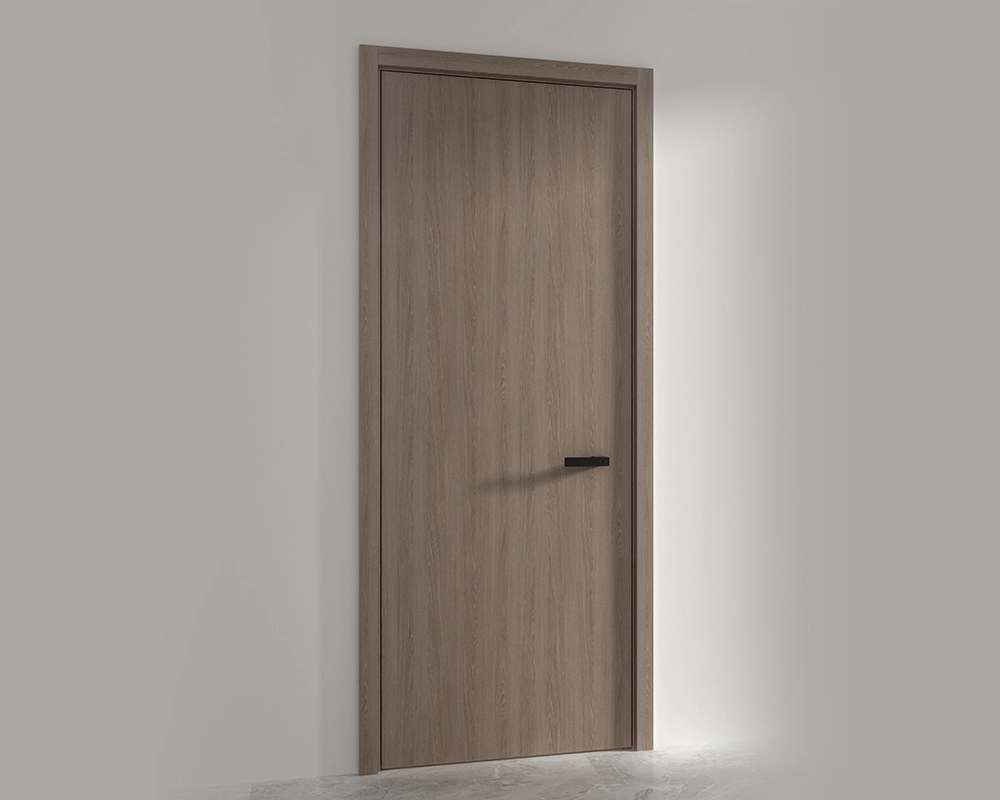
Flush panel door MA11
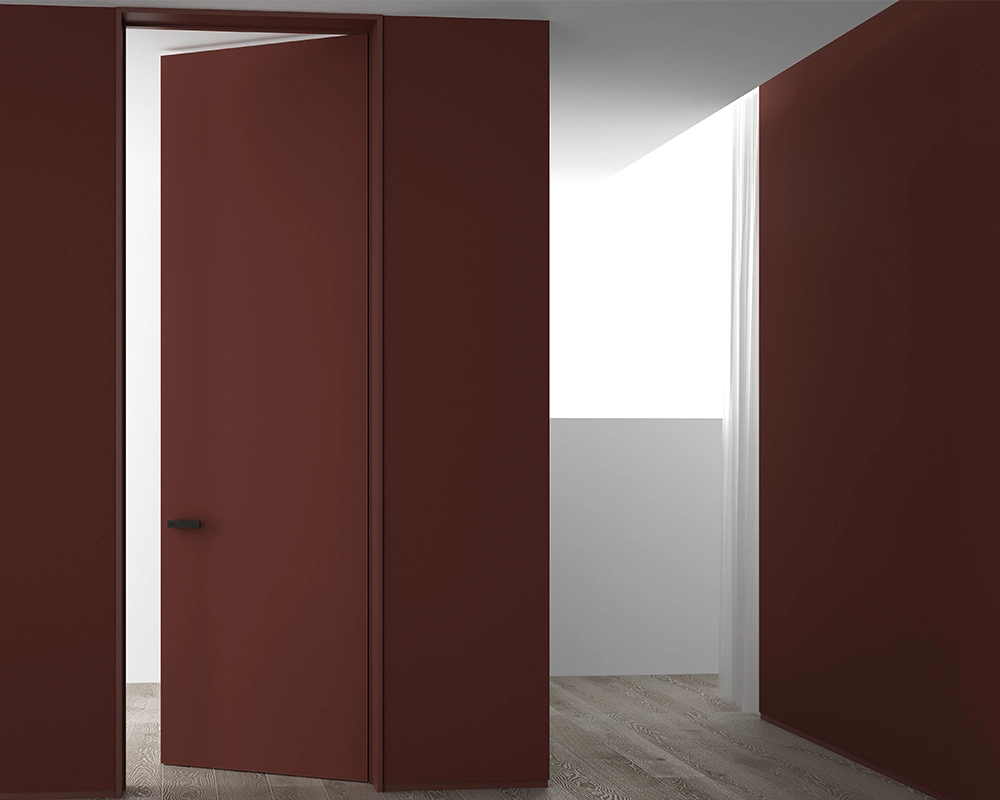
Siyun double wooden door MA12A
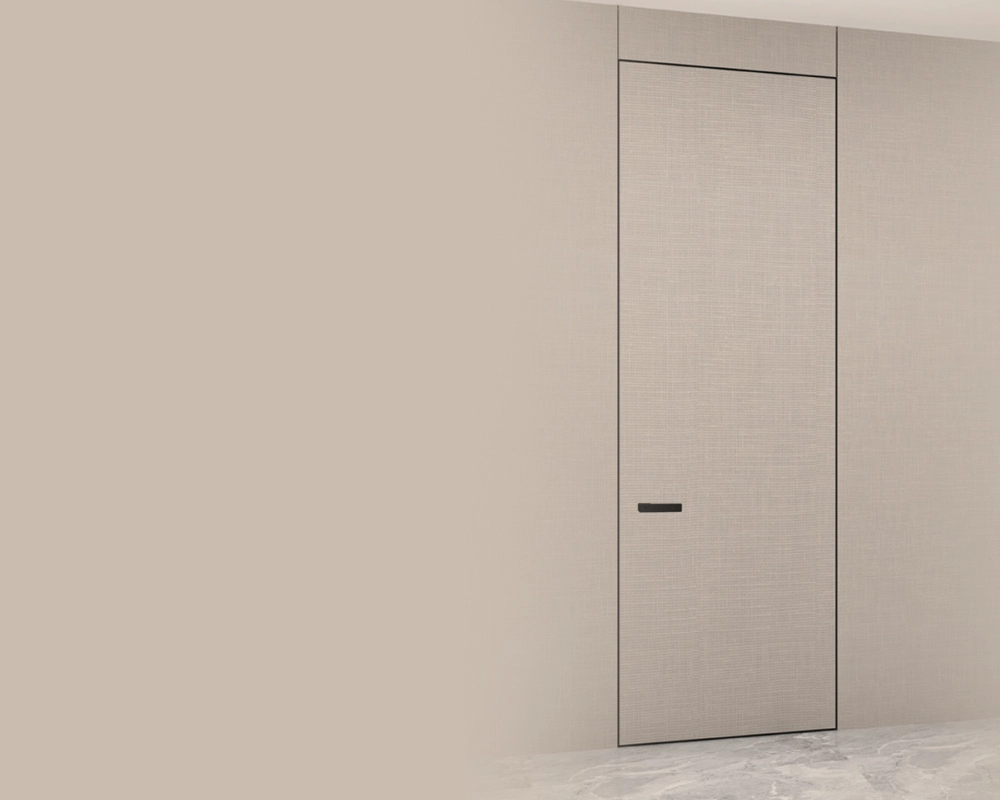
External flush right inward opening door MA13
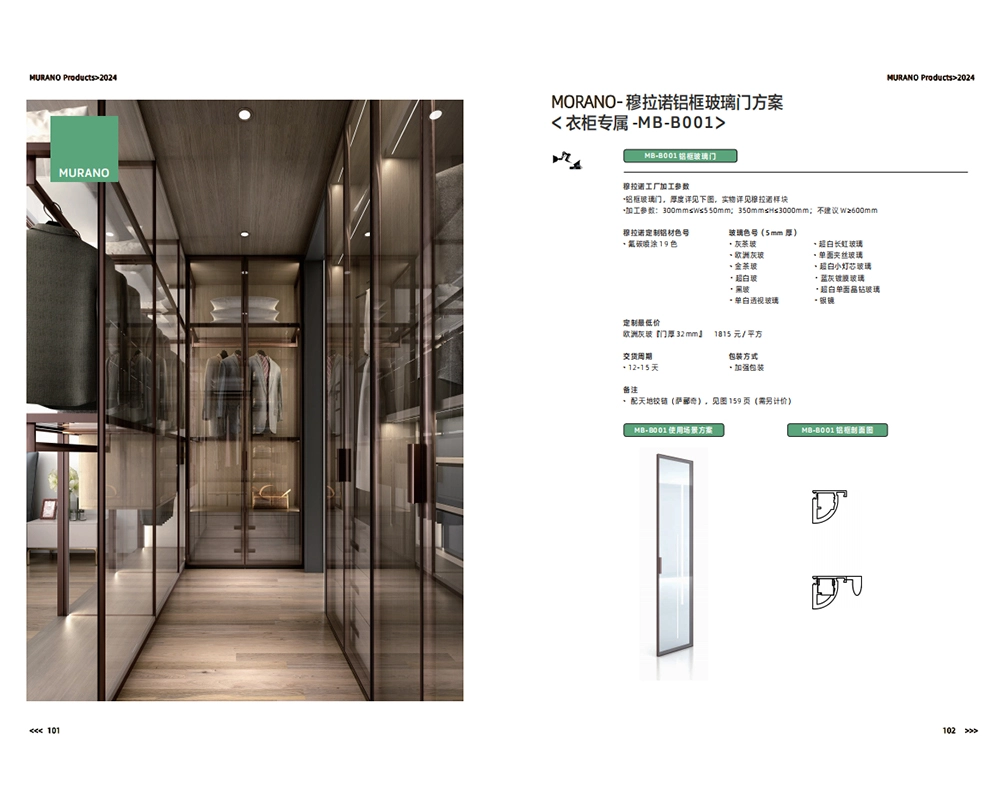
Aluminum Frame Glass Hinged Door - MBB001
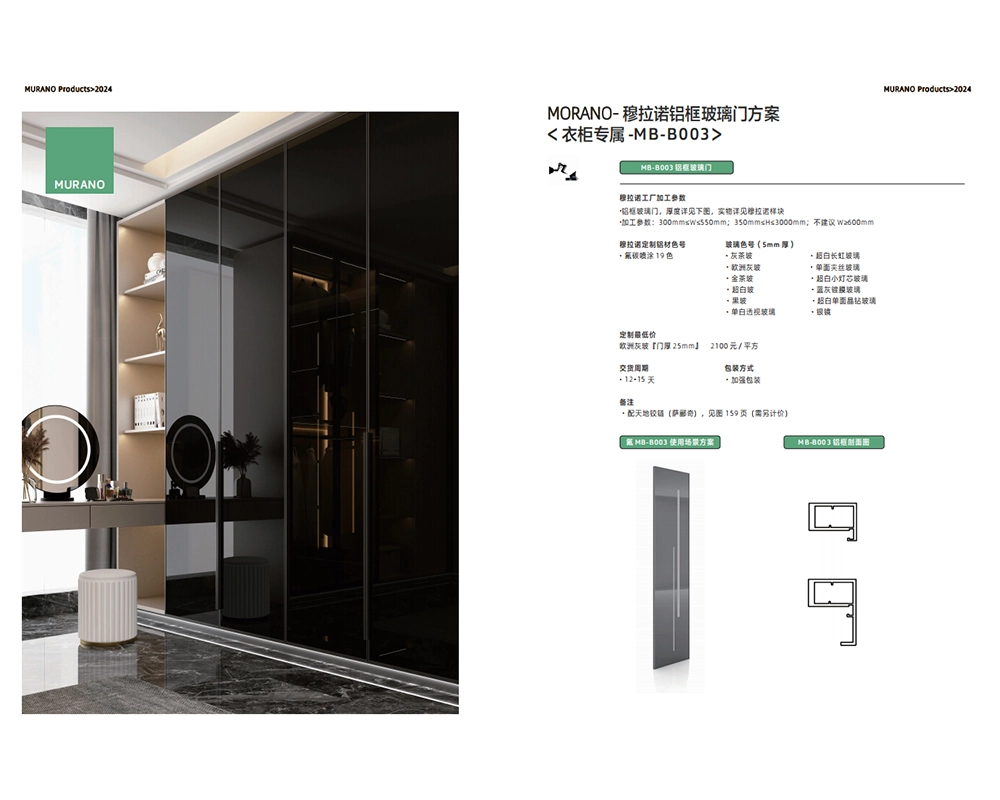
Aluminum Frame Glass Hinged Door - MBB003
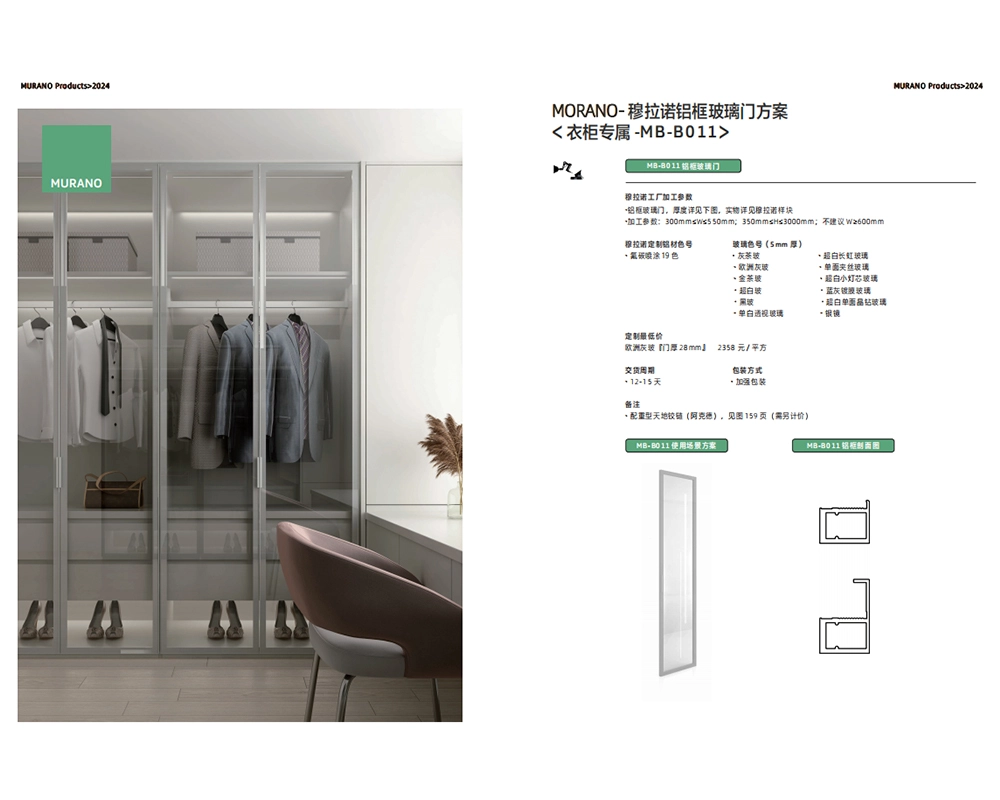
Aluminum Frame Glass Hinged Door - MBB011
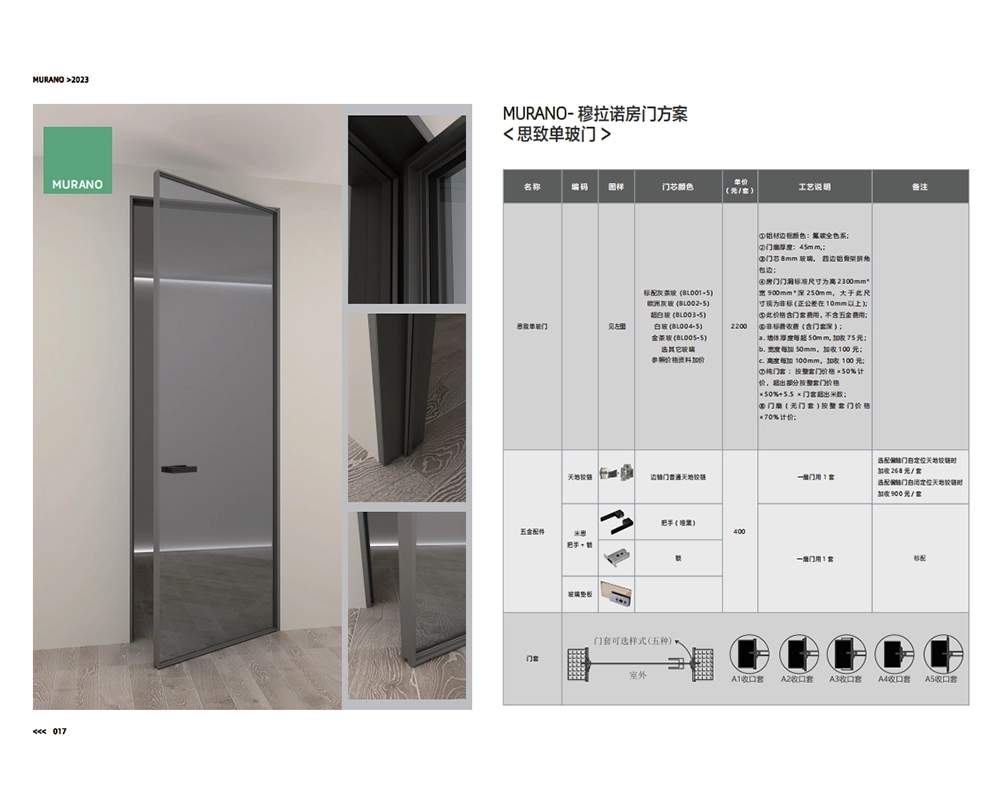
SZ Single side glass interior door
Request a Free Consultation And Price Estimate
Get in touch with Murano today for a personalized consultation, and let us bring your vision to life. Fill out the form below or contact Murano directly to start your journey toward a beautifully tailored home!"

 Scan QR Code
FoshanMuranoCabinet
foshanmuranocabinet
Whatsapp: +8618814138020
Scan QR Code