
Get Catalog
Light
Dark
System
How to Maintain a Wardrobe Closet to Prevent Mold and Mildew?
Thursday, 01/15/2026
- How to Maintain a Wardrobe Closet to Prevent Mold and Mildew?
- 1. Prep Clothing Properly Before Storage: The First Line of Defense
- 2. Optimize Wardrobe Environment: Control Humidity and Improve Airflow
- 3. Regular Wardrobe Cleaning Routine: Prevent Mold Spores from Taking Hold
- 4. Choose the Right Storage Accessories: Avoid Mold-Trapping Materials
- 5. How to Address Minor Mold Growth: Stop It Before It Spreads
- 6. Common Mistakes to Avoid That Cause Mold in Wardrobes
- Conclusion
How to Maintain a Wardrobe Closet to Prevent Mold and Mildew?
Mold and mildew in wardrobe closets are more than just unsightly—they damage clothing, emit musty odors, and pose potential health risks, especially for those with allergies or respiratory issues. These fungi thrive in warm, humid, and poorly ventilated environments, making wardrobes (which often store damp clothes and lack airflow) a common breeding ground. The good news is that with consistent maintenance and proactive measures, you can keep your wardrobe closet mold-free year-round.
In this comprehensive guide, we’ll share actionable tips to maintain your wardrobe closet and prevent mold and mildew growth. From optimizing storage conditions and proper clothing prep to regular cleaning routines and humidity control, these strategies are designed to address the root causes of mold and keep your closet—and your clothes—fresh and protected.
1. Prep Clothing Properly Before Storage: The First Line of Defense
Damp or soiled clothing is the primary trigger for mold growth in wardrobes. Even slight moisture from sweat, rain, or incomplete drying can create the perfect environment for fungi to thrive. Follow these steps to prep clothes before storing them:
-
Ensure Clothes Are Fully Dry: Never store damp or even slightly moist clothes. Air-dry delicate items outdoors (in shaded areas to avoid sun damage) or use a low-heat setting on your dryer for sturdy fabrics. For thick items like coats, sweaters, or jeans, hang them to air-dry for 24–48 hours, ensuring the inner layers are completely dry. You can test for moisture by feeling the seams, pockets, and underarms—if they feel cool or damp, keep drying.
-
Clean Clothes Thoroughly: Residual sweat, body oils, or food stains act as food sources for mold. Wash or dry-clean all clothing before long-term storage. Use a mild detergent and avoid overloading the washing machine (to ensure thorough cleaning). For dry-clean-only items, ensure they’re fully dry and free of cleaning solvent odors before hanging them in the closet.
-
Treat Delicate Fabrics: Wool, silk, and leather are particularly susceptible to mold. Treat wool and cashmere with a gentle, mold-inhibiting fabric spray (avoid harsh chemicals that can damage fibers). Leather items should be conditioned with a leather protector to repel moisture and prevent cracking, which can trap mold.
2. Optimize Wardrobe Environment: Control Humidity and Improve Airflow
Mold grows best in environments with humidity levels above 60%. Controlling humidity and improving airflow in your wardrobe are critical to preventing mold growth. Here’s how:
-
Keep Humidity Levels Below 60%: Use a digital hygrometer to monitor humidity in your closet (affordable and easy to install). If humidity is too high, take these steps:
-
Use Dehumidifiers: For standalone wardrobes, place small, rechargeable desiccant dehumidifiers inside. For built-in closets, use a portable dehumidifier in the bedroom (positioned near the closet) to reduce overall room humidity. Silica gel packets, bamboo charcoal bags, or calcium chloride moisture absorbers are also effective for small spaces—replace them every 1–2 months (or when they become saturated).
-
Avoid Moisture Sources: Keep the wardrobe away from exterior walls, windows, or bathrooms (which are prone to moisture seepage). If the closet is against an exterior wall, install a moisture barrier (e.g., foam board or plastic sheeting) between the wall and the wardrobe to prevent condensation.
-
-
Improve Air Circulation: Stagnant air traps moisture, so ensure your wardrobe has adequate airflow:
-
Leave Space Between Clothes: Avoid overpacking the closet—leave 5–10 cm of space between garments to allow air to circulate. Hang clothes on thin, non-corrodible hangers (wooden or plastic) instead of thick wire hangers, which take up more space.
-
Keep Closet Doors Ajar: For walk-in closets or wardrobes in humid climates, leave the doors slightly open (2–3 cm) to allow air exchange. If you prefer closed doors, install small ventilation grilles on the doors or back panel to promote airflow.
-
Use Fans for Air Movement: In particularly humid areas, place a small battery-operated fan inside the closet (positioned to blow air outward) to circulate air. Run it for 1–2 hours daily to reduce moisture buildup.
-
-
Control Temperature: Mold thrives in warm temperatures (20–30°C). Keep your bedroom (and thus your wardrobe) at a consistent temperature between 18–22°C. Avoid placing the wardrobe near heat sources like radiators or heaters, which can cause condensation when warm air meets cool closet surfaces.
3. Regular Wardrobe Cleaning Routine: Prevent Mold Spores from Taking Hold
Dust, dirt, and lint can trap moisture and mold spores, so regular cleaning of your wardrobe is essential. Establish a cleaning schedule to keep all surfaces fresh and dry:
-
Weekly Quick Clean: Every week, take a few minutes to:
-
Dust shelves, hanging rods, and drawer interiors with a dry microfiber cloth (avoid wet cloths, which add moisture).
-
Remove any fallen lint, hair, or debris from the closet floor (use a vacuum with a crevice tool for hard-to-reach areas).
-
Check for signs of mold (e.g., black/green spots, musty odors) and address them immediately.
-
-
Monthly Deep Clean: Once a month, empty the entire closet and perform a thorough clean:
-
Wipe down all surfaces (shelves, rods, drawers, doors) with a dry or slightly damp cloth (use water only—avoid harsh cleaners that can damage wood or paint). If needed, add a few drops of white vinegar to the water (vinegar is a natural mold inhibitor and deodorizer).
-
Dry all surfaces completely with a clean towel before putting clothes back.
-
Inspect hangers for mold or rust—replace any damaged hangers (rust can stain clothes and trap moisture).
-
-
Seasonal Refresh: At the start and end of each season, empty the closet and air it out for 24 hours. Clean all surfaces, replace moisture absorbers, and reposition clothes (store off-season items in breathable containers with extra silica gel packets).
4. Choose the Right Storage Accessories: Avoid Mold-Trapping Materials
The storage accessories you use can either help prevent mold or contribute to its growth. Opt for breathable, moisture-resistant options:
-
Breathable Storage Containers: Avoid airtight plastic bags or non-breathable plastic bins (they trap moisture and promote mold growth). Instead, use cotton garment bags, linen storage boxes, or cardboard boxes (lined with moisture-proof paper) for off-season clothes. These materials allow air to circulate while protecting clothes from dust.
-
Drawer Liners: Line drawers with waterproof, mold-resistant liners (e.g., cedar wood sheets, bamboo liners, or vinyl liners). Cedar also has natural anti-microbial properties and repels moths, making it a great choice for drawer liners or closet blocks.
-
Avoid Overusing Vacuum-Sealed Bags: While vacuum-sealed bags save space, they trap any existing moisture inside. Only use them for clothes that are 100% dry, and avoid long-term storage (they’re best for short-term travel or seasonal storage with regular checks).
-

5. How to Address Minor Mold Growth: Stop It Before It Spreads
If you spot minor mold or mildew (small spots, musty odors but no extensive damage), act quickly to remove it and prevent it from spreading:
-
For Wardrobe Surfaces: Mix equal parts white vinegar and water in a spray bottle. Spray the affected area, let it sit for 10–15 minutes, then wipe clean with a dry cloth. For stubborn mold on non-porous surfaces (e.g., plastic or metal), use a solution of 1 part hydrogen peroxide to 3 parts water (test on a small, inconspicuous area first to avoid discoloration).
-
For Clothing: Machine-wash moldy clothes in hot water (if fabric allows) with a mold-inhibiting detergent. For delicate items, soak them in a solution of white vinegar and water (1:4 ratio) for 30 minutes, then rinse and air-dry. If mold stains persist, take the item to a professional dry cleaner (inform them of the mold to use appropriate cleaning methods).
-
For Severe Mold: If mold covers a large area (more than 10 square centimeters) or has penetrated deep into wood or fabric, it may be best to replace the affected item (e.g., a moldy shelf or heavily damaged clothing). Severe mold can release harmful spores, so wear gloves and a mask when handling it, and ensure the area is well-ventilated.
6. Common Mistakes to Avoid That Cause Mold in Wardrobes
Even with the best intentions, certain habits can inadvertently create a mold-friendly environment. Avoid these common mistakes:
-
Storing damp clothes (e.g., workout gear, raincoats) without drying them first.
-
Overpacking the closet, which blocks airflow and traps moisture.
-
Using non-breathable storage materials (e.g., plastic bags, airtight bins) for long-term storage.
-
Ignoring musty odors—odors are often the first sign of mold growth, so address them immediately.
-
Placing the wardrobe in a damp area (e.g., basement, near a bathroom) without proper moisture barriers.
Conclusion
Maintaining a mold-free wardrobe closet boils down to three core principles: keeping clothes and the closet dry, promoting airflow, and regular cleaning. By prepping clothes properly, controlling humidity, using breathable storage accessories, and establishing a consistent cleaning routine, you can prevent mold and mildew from taking hold—protecting your clothing, your health, and the longevity of your wardrobe.
Remember, prevention is always easier than remediation. Even small, consistent efforts (like checking for damp clothes, replacing silica gel packets, or leaving the closet door ajar) can go a long way in keeping your closet fresh and mold-free. By following the tips in this guide, you’ll create a storage environment that keeps your clothes in great condition for years to come.
Recommended for you

How to Make Traditional Kitchen Cabinets Look Modern

Complete Guide to Sourcing Wholesale Kitchen Cabinets and Bathroom Vanities

Wholesale Custom Furniture Lines: Precision Manufacturing for Every Space

How to Streamline B2B Custom Furniture Procurement: A Step-by-Step Industry Guide
Prdoucts Categories
FAQ
FAQ
What information are needed for getting a quote for our furniture cabinets?
Your size infomation or room drawings.
What's the payment terms of all our products?
T/T (30% inadvance, the balance shall be paid off before delivery), Western Union or L/C.
What's lead time for furniture cabinets?
It's about 20 - 30 days.
What's MOQ for our kitchen cabinets, wardrobe cabinets or bathroom cabinets?
1 set.
Can we ship the furniture cabinets to customer's port or city?
Yes. Please provide the city name or port name when you send us an inquiry.
You may also like
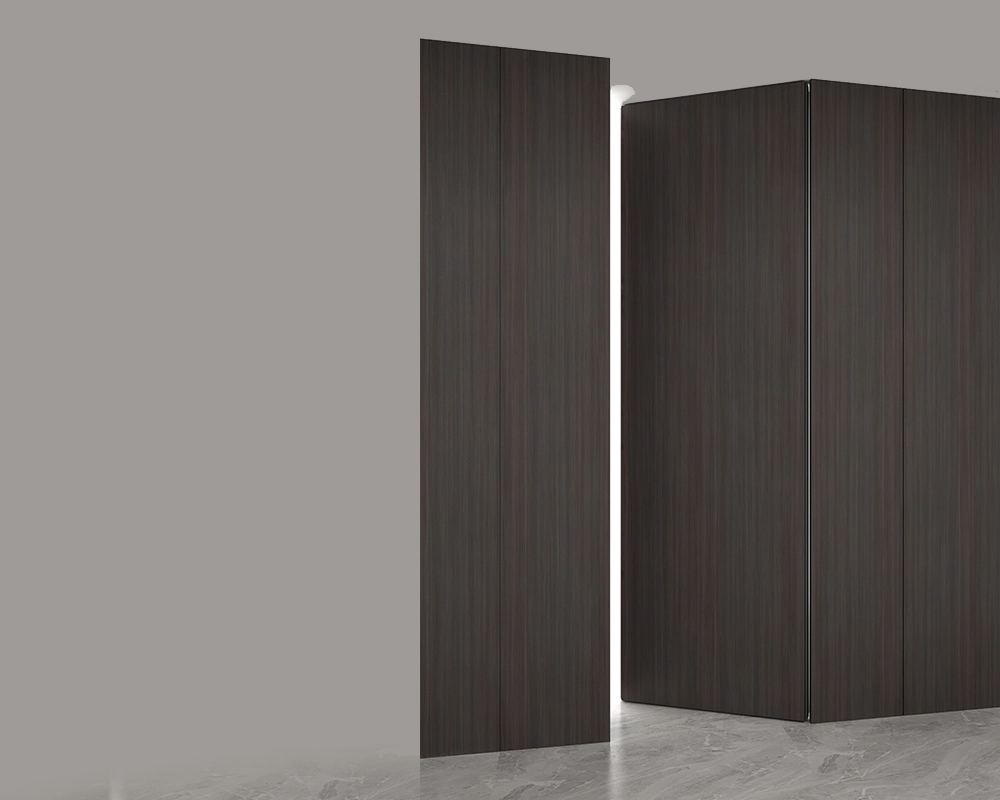
T-shaped invisible door MA10
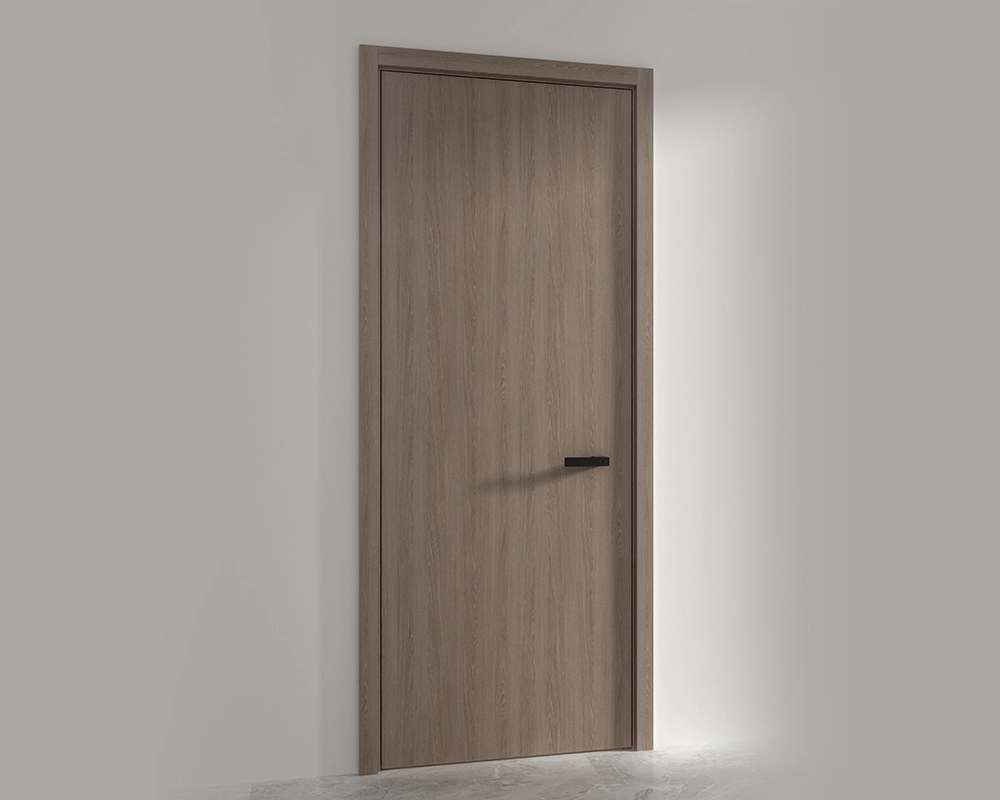
Flush panel door MA11
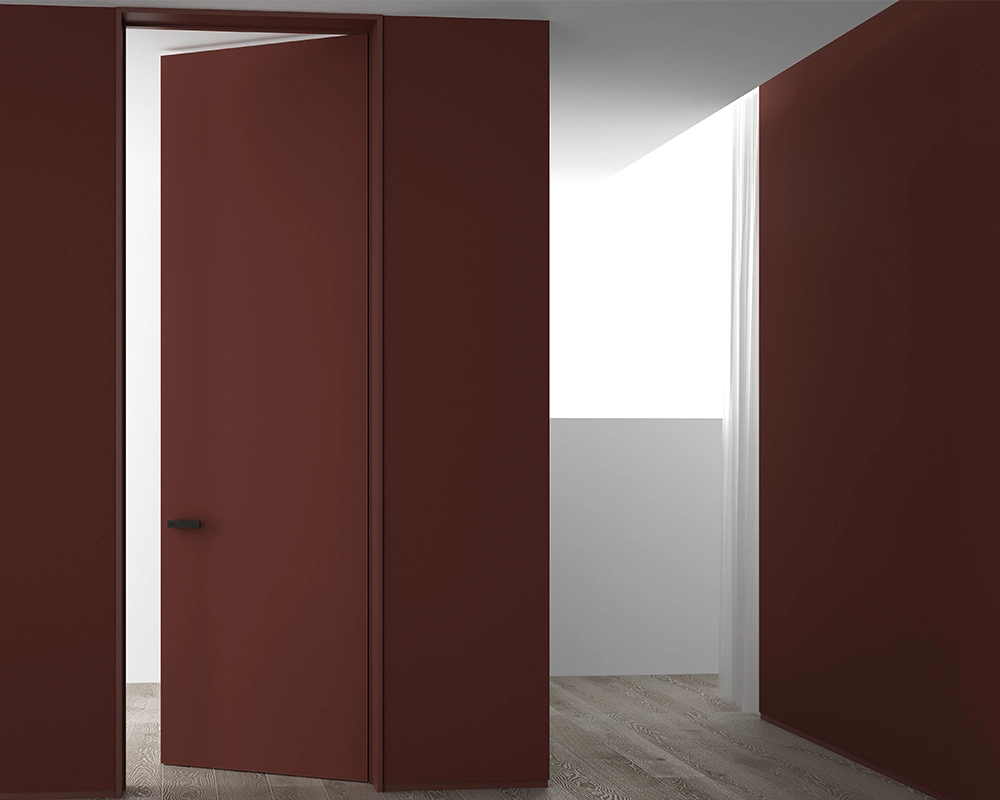
Siyun double wooden door MA12A
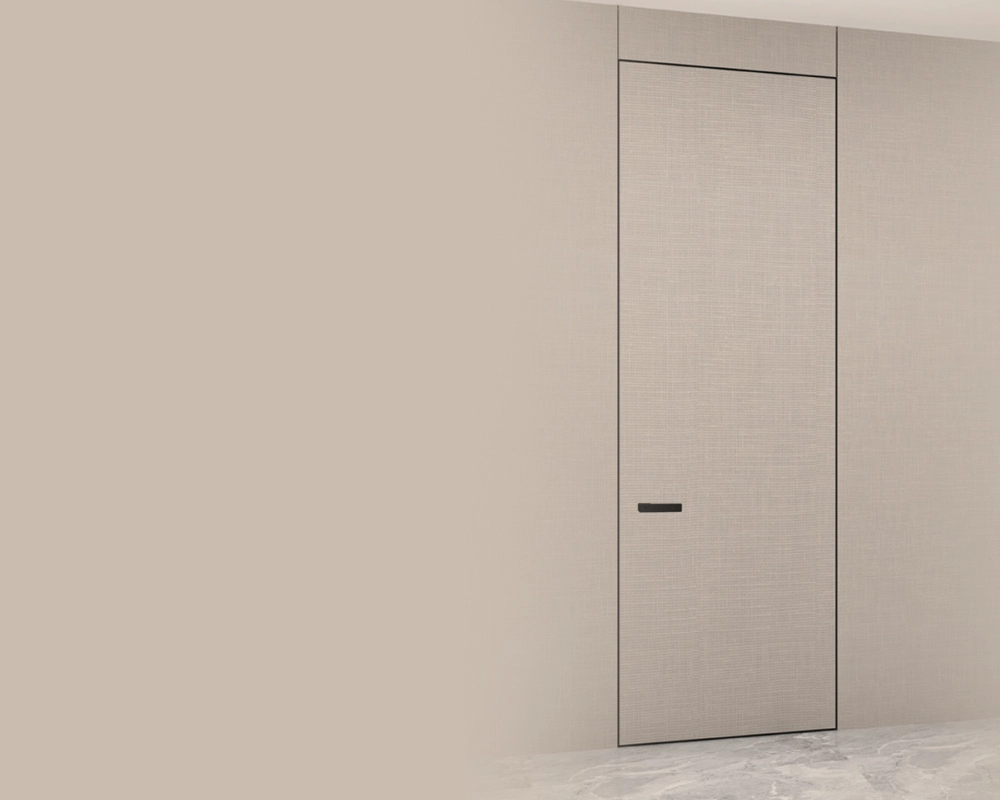
External flush right inward opening door MA13
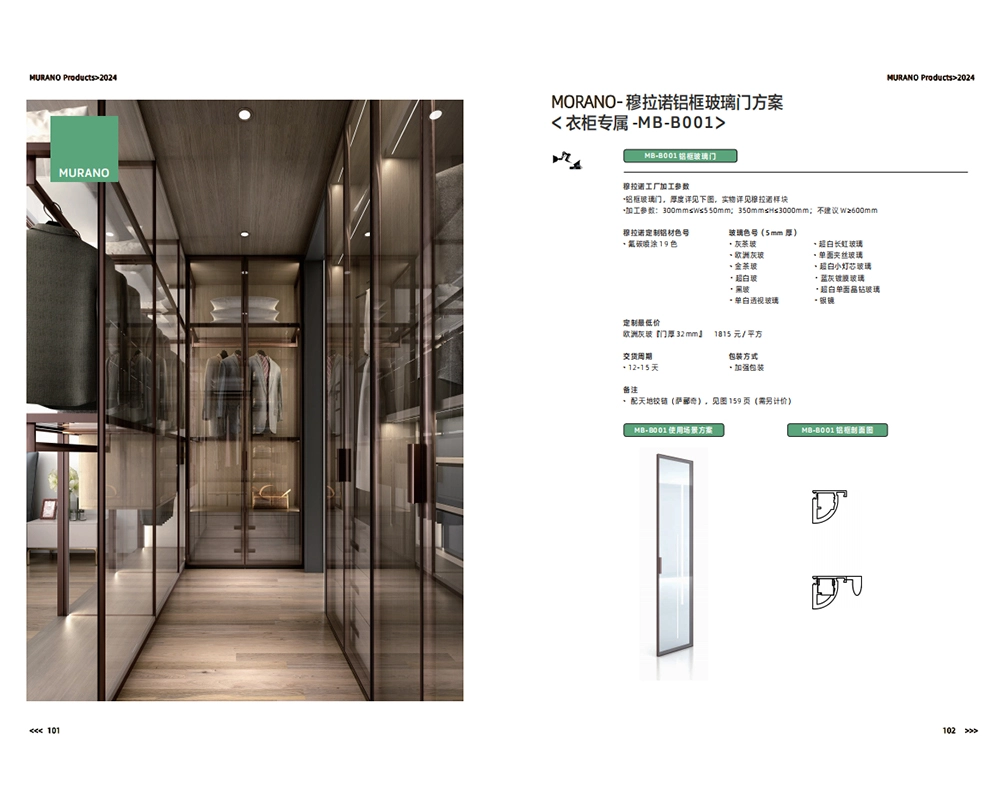
Aluminum Frame Glass Hinged Door - MBB001
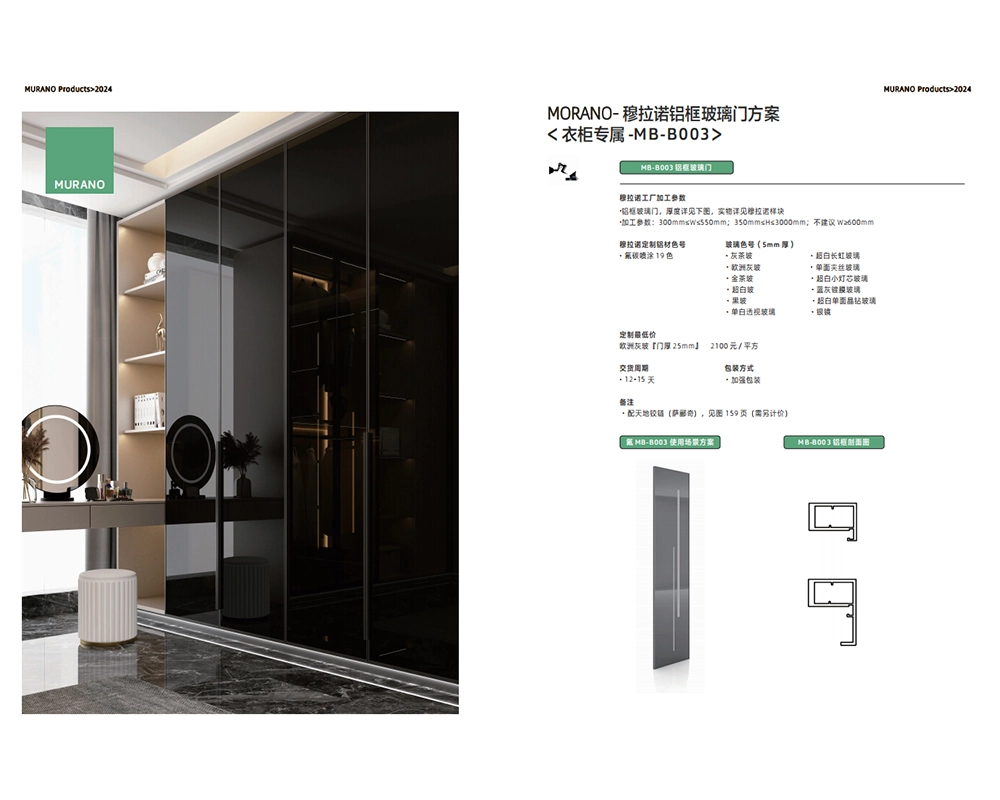
Aluminum Frame Glass Hinged Door - MBB003
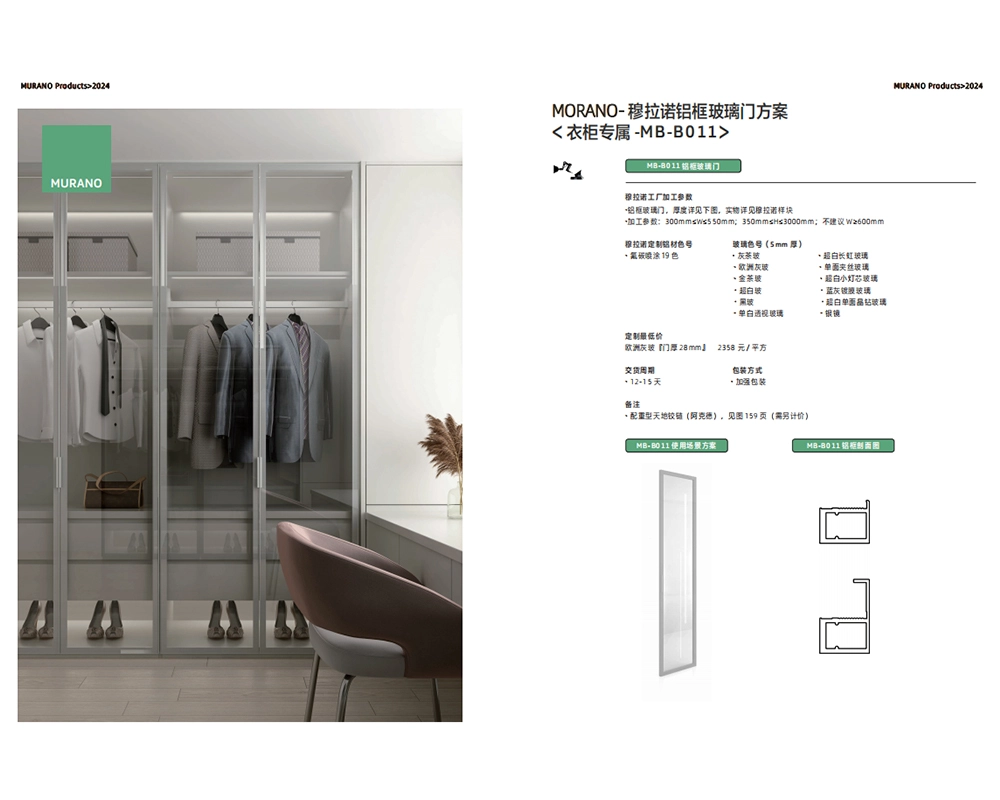
Aluminum Frame Glass Hinged Door - MBB011
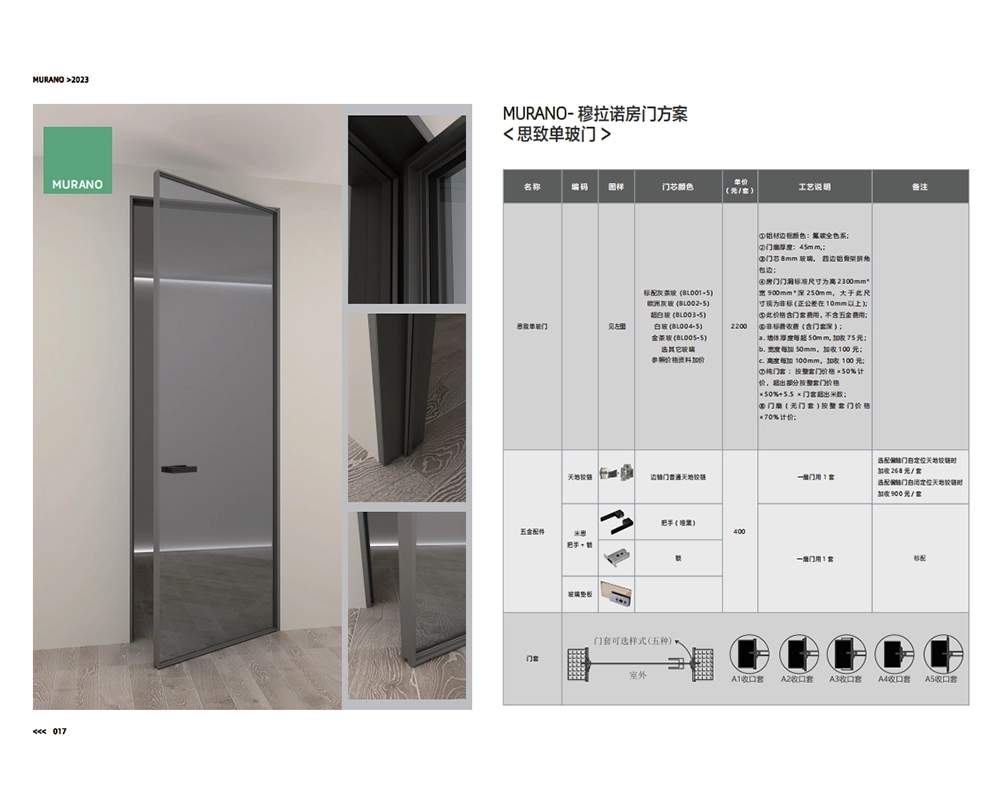
SZ Single side glass interior door
Request a Free Consultation And Price Estimate
Get in touch with Murano today for a personalized consultation, and let us bring your vision to life. Fill out the form below or contact Murano directly to start your journey toward a beautifully tailored home!"

 Scan QR Code
FoshanMuranoCabinet
foshanmuranocabinet
Whatsapp: +8618814138020
Scan QR Code