
Get Catalog
Light
Dark
System
How to Match Kitchen and Joinery with Your Home Aesthetic
Wednesday, 01/28/2026
- How to Match Kitchen and Joinery with Your Home Aesthetic?
- Step 1: Define Your Home’s Core Aesthetic
- Step 2: Match Kitchen & Joinery to Popular Home Aesthetics
- 1. Modern Minimalist Aesthetic
- 2. Rustic/Farmhouse Aesthetic
- 3. Traditional/Classic Aesthetic
- 4. Contemporary/Sleek Aesthetic
- 5. Bohemian/Boho Aesthetic
- Step 3: Key Principles for Cohesive Matching
- 1. Maintain Material Consistency
- 2. Align Color Palettes
- 3. Coordinate Hardware & Finishes
- 4. Balance Scale & Proportion
- 5. Blend Open & Closed Storage
- Step 4: Avoid Common Mistakes
- Conclusion
How to Match Kitchen and Joinery with Your Home Aesthetic?
Kitchen and joinery—encompassing cabinets, countertops, custom woodwork, and built-ins—are pivotal to tying your home’s aesthetic together. These elements don’t exist in isolation; when aligned with your overall design style, they elevate cohesion, enhance visual flow, and turn functional spaces into reflections of your personal taste. Whether your home leans modern minimalist, rustic charm, timeless traditional, or sleek contemporary, matching kitchen and joinery to your aesthetic requires balancing style-specific details, material consistency, and functional needs.
The key is to avoid disjointed design—where a kitchen feels like an afterthought or joinery clashes with adjacent rooms. Instead, focus on shared design language: consistent materials, complementary colors, cohesive hardware, and style-aligned details. This guide breaks down actionable strategies to match kitchen and joinery to popular home aesthetics, with tips for blending functionality and style seamlessly.
Step 1: Define Your Home’s Core Aesthetic
Before selecting kitchen and joinery elements, clarify your home’s overarching aesthetic. This ensures consistency across spaces and prevents mismatched design choices. Start by identifying key characteristics of your style: Is it warm and textured (rustic, farmhouse)? Clean and streamlined (modern, minimalist)? Or ornate and timeless (traditional, classic)?
Consider these questions to refine your aesthetic: What colors dominate your home’s walls, flooring, and furniture?Do you prefer natural materials (wood, stone) or synthetic finishes (laminate, metal)?Is your design ornate (carvings, moldings) or minimalist (clean lines, no clutter)?Are there recurring design elements (e.g., curved edges, geometric shapes, vintage hardware)?
Document inspiration from your existing spaces, Pinterest boards, or home design magazines to create a clear visual reference for your kitchen and joinery choices.
Step 2: Match Kitchen & Joinery to Popular Home Aesthetics
Each aesthetic has distinct characteristics that guide kitchen and joinery selections. Below is a breakdown of how to align these elements with top home styles:
1. Modern Minimalist Aesthetic
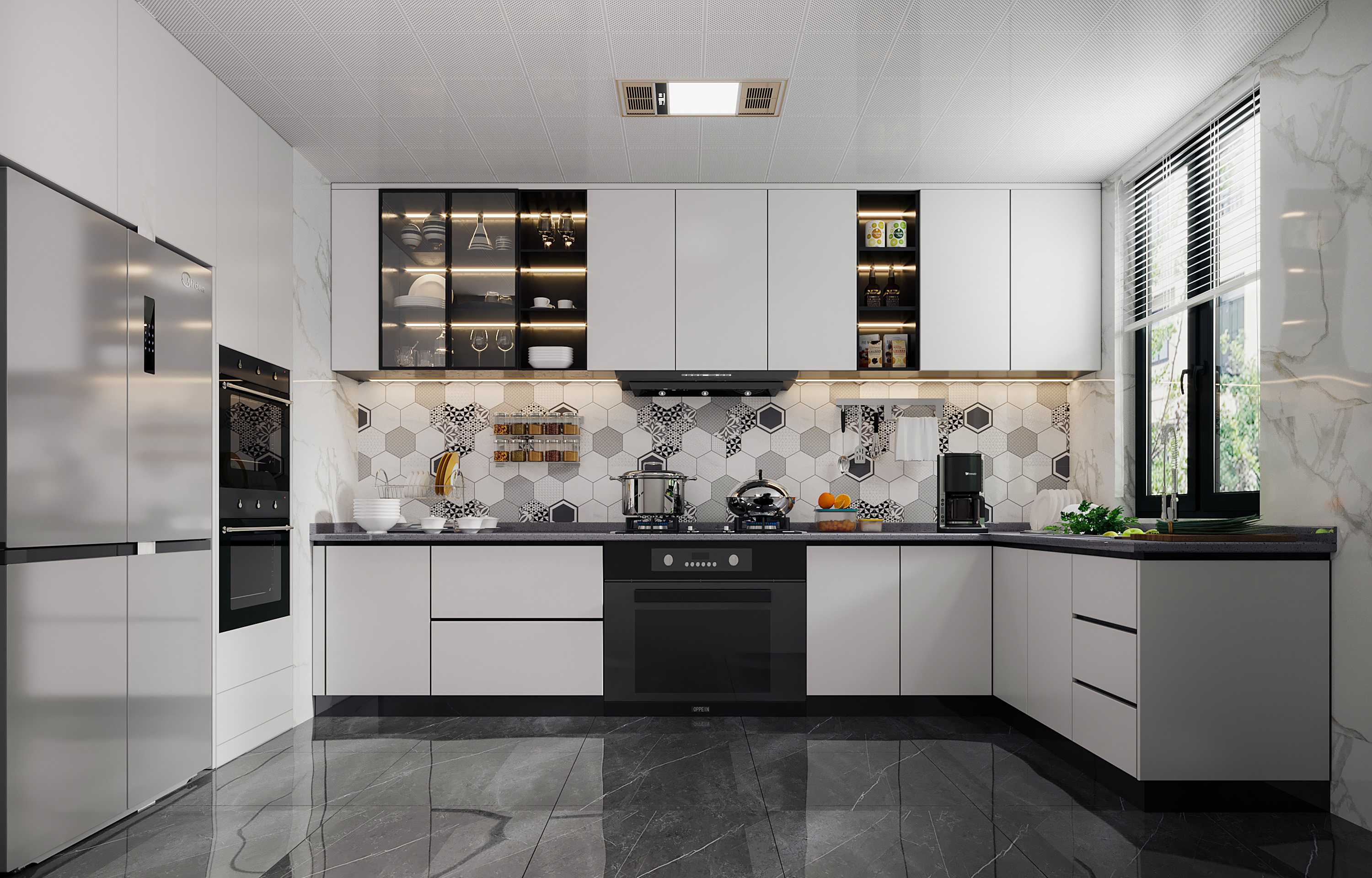
Modern minimalist design prioritizes clean lines, neutral colors, and functionality—with minimal ornamentation. The goal is to create a sleek, uncluttered space.
-
Kitchen Elements: Opt for handleless cabinets with flat panel doors (slab fronts) in white, gray, black, or muted earth tones. Choose seamless countertop materials like quartz or concrete (monochromatic or subtle veining). Keep backsplashes simple—either matching the countertop or using large-format subway tiles with thin grout lines. Avoid decorative moldings or ornate hardware.
-
Joinery Details: Custom built-ins (shelves, pantries) should have the same clean lines as kitchen cabinets—no visible hardware, flush edges, and minimal gaps. Use hidden storage solutions to maintain a clutter-free look. Materials like plywood, HDF, or high-gloss laminates work well, paired with metal accents (brushed nickel, matte black) for subtle contrast.
-
Pro Tip: Embrace negative space—avoid overcrowding walls with joinery, and use consistent color palettes to blur the line between kitchen and adjacent rooms.
2. Rustic/Farmhouse Aesthetic
Rustic and farmhouse styles celebrate warmth, natural materials, and vintage charm—with distressed finishes, wood textures, and functional, homey details.
-
Kitchen Elements: Choose shaker-style cabinets in solid wood (oak, pine, reclaimed wood) with distressed or stained finishes (natural brown, whitewashed, gray wash). Countertops should be natural stone (granite, soapstone) or butcher block. Add a farmhouse sink (apron-front) and vintage-inspired hardware (black iron knobs, cup pulls). Open shelving (reclaimed wood) replaces upper cabinets for a casual, lived-in look.
-
Joinery Details: Custom joinery like built-in hutches, bookshelves, or bench seating should use reclaimed or rough-hewn wood. Incorporate dovetail joints, exposed beams, or handcrafted details for authenticity. Match kitchen cabinet finishes to joinery to create cohesion—e.g., a whitewashed wood pantry that complements kitchen cabinets.
-
Pro Tip: Mix textures (rough wood, smooth stone, woven textiles) to add depth without cluttering the space.
3. Traditional/Classic Aesthetic
Traditional design is timeless, with ornate details, rich materials, and balanced proportions—ideal for homes that prioritize elegance and sophistication.
-
Kitchen Elements: Opt for raised-panel or inset cabinets in solid wood (cherry, maple, mahogany) with dark stains or classic white paint. Countertops should be natural stone (marble, granite) with elegant veining. Backsplashes can be tile (subway, mosaic, or decorative ceramic) with intricate patterns. Hardware should be ornate—brass, bronze, or polished nickel knobs and pulls with curved designs.
-
Joinery Details: Custom joinery (built-in cabinets, bookshelves, mantels) should feature decorative moldings, crown molding, and paneled sides—matching the kitchen’s ornate style. Use the same wood species and finish as kitchen cabinets to maintain consistency. Glass-front cabinets in joinery add a touch of elegance, perfect for displaying china or decor.
-
Pro Tip: Balance ornate details with neutral colors to avoid overwhelming the space—e.g., white cabinets with dark wood trim and brass hardware.
4. Contemporary/Sleek Aesthetic
Contemporary design blends modern minimalism with bold accents and innovative materials—focusing on sleekness, texture, and visual interest.
-
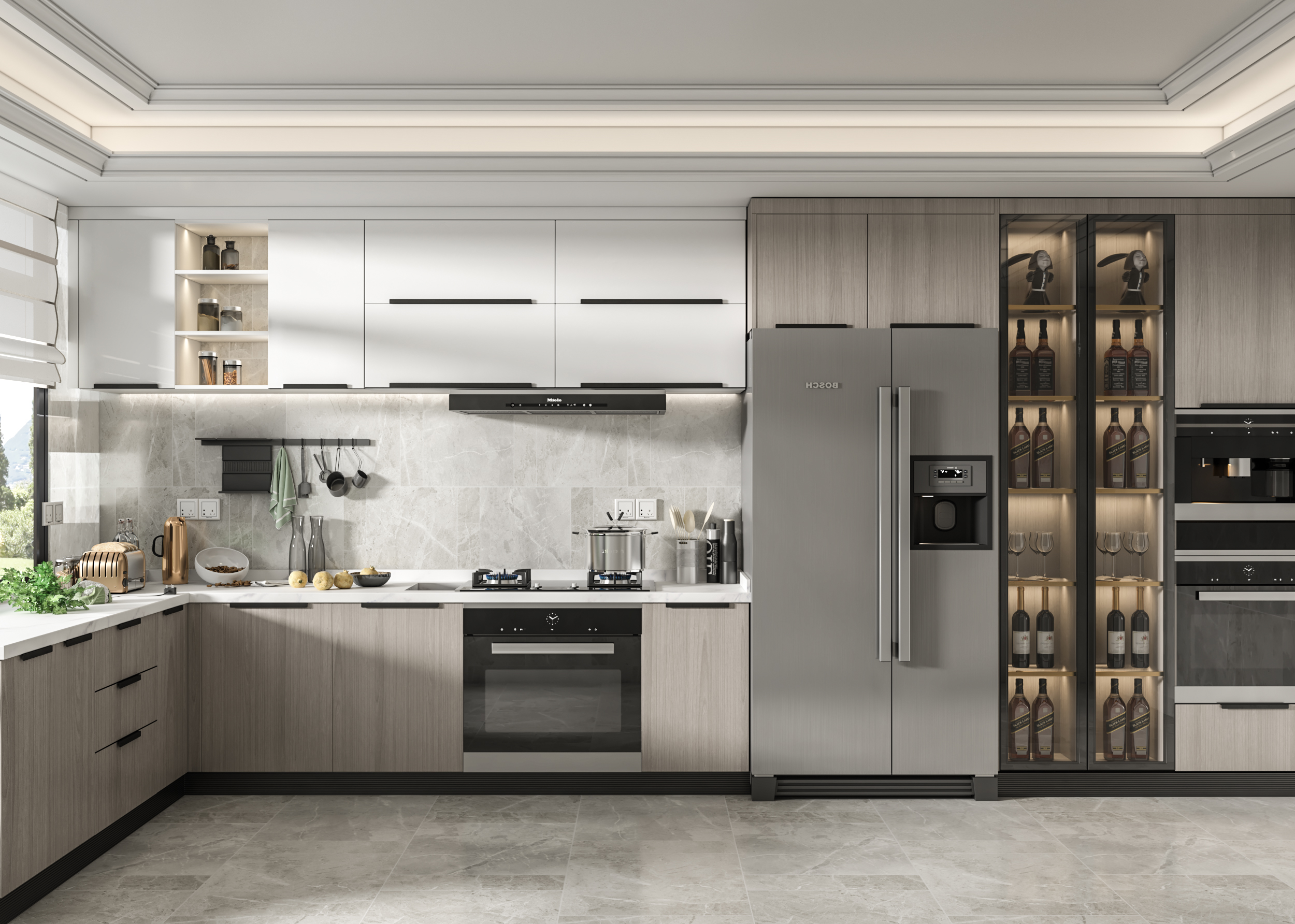
Kitchen Elements: Choose cabinets with mixed finishes (e.g., upper cabinets in white, lower in black) or bold colors (navy, forest green). Opt for high-gloss or matte laminates, or wood with a smooth, modern stain. Countertops can be quartz, marble, or even stainless steel for an industrial edge. Backsplashes may feature geometric tiles, glass, or metallic accents.
-
Joinery Details: Custom joinery should incorporate modern materials (glass, metal, composite wood) and clean lines—with occasional bold accents (e.g., a navy built-in bookshelf to match kitchen island). Use hidden hardware, LED lighting, or floating shelves to add contemporary flair. Mix open and closed storage for balance.
-
Pro Tip: Use a consistent accent color (e.g., brass, navy) across kitchen and joinery to tie the design together.
5. Bohemian/Boho Aesthetic
Bohemian style is eclectic, colorful, and layered—combining global influences, natural materials, and bold patterns.
-
Kitchen Elements: Choose cabinets in warm wood tones (teak, mango) or painted in bold colors (terracotta, mustard). Countertops can be natural stone (travertine, soapstone) or concrete with a textured finish. Backsplashes feature patterned tiles (moroccan, geometric) or hand-painted ceramic. Hardware is vintage or artisanal—brass, copper, or hammered metal.
-
Joinery Details: Custom joinery like built-in shelves or media centers should incorporate reclaimed wood, woven rattan, or glass. Mix finishes and textures—e.g., a wood shelf with rattan doors and brass hardware. Display decor (books, plants, global artifacts) on open joinery to embrace the boho spirit.
-
Pro Tip: Stick to a cohesive color palette (e.g., warm neutrals with pops of terracotta and blue) to avoid clashing with eclectic elements.
-
Step 3: Key Principles for Cohesive Matching
Regardless of your aesthetic, these universal principles ensure kitchen and joinery blend seamlessly with your home:
1. Maintain Material Consistency
Use 2–3 core materials throughout your home and repeat them in kitchen and joinery. For example: Rustic home: Reclaimed wood, black iron, and soapstone.Modern home: Plywood, quartz, and matte black metal. Avoid introducing too many new materials—this creates visual chaos. If you mix materials, ensure they complement each other (e.g., wood and brass, stone and metal).
2. Align Color Palettes
Your kitchen and joinery should reflect your home’s primary color scheme. Use the 60-30-10 rule: 60% primary color (walls, large cabinets), 30% secondary color (accent cabinets, joinery), 10% accent color (hardware, decor). For example, a modern home might use 60% white, 30% gray, 10% matte black.
Ensure colors flow between rooms—e.g., if your living room has gray built-ins, use the same gray for kitchen lower cabinets.
3. Coordinate Hardware & Finishes
Hardware (knobs, pulls, hinges, faucets) is a small detail that makes a big impact. Choose one or two finish families and stick to them throughout your home: Warm tones: Brass, bronze, copper.Cool tones: Chrome, stainless steel, brushed nickel, matte black. Match kitchen cabinet hardware to joinery hardware—e.g., brass pulls on kitchen cabinets should complement brass knobs on built-in shelves.
4. Balance Scale & Proportion
Ensure kitchen and joinery elements match the scale of your home. For small spaces, opt for slim-profile cabinets and joinery to avoid overwhelming the room. For large, open-concept homes, use larger cabinets, bold joinery, or statement pieces (e.g., a large kitchen island, floor-to-ceiling built-ins) to fill the space appropriately.
5. Blend Open & Closed Storage
The ratio of open to closed storage should align with your aesthetic: Minimalist/Contemporary: More closed storage (hidden clutter) with occasional open shelves for decor.Rustic/Boho: More open storage (display decor, books) to embrace a lived-in feel. Consistent storage styling across kitchen and joinery (e.g., matching basket organizers, uniform book stacking) enhances cohesion.
Step 4: Avoid Common Mistakes
Steer clear of these pitfalls to ensure your kitchen and joinery complement your home aesthetic:
-
Overcomplicating the Design: Don’t mix too many aesthetics (e.g., rustic cabinets with modern joinery) or overload the space with conflicting details.
-
Ignoring Adjacent Rooms: Ensure kitchen and joinery flow with adjacent spaces—e.g., a traditional kitchen should not clash with a minimalist living room.
-
Sacrificing Functionality for Style: Aesthetic is important, but kitchen and joinery must serve your lifestyle. For example, avoid open shelving if you prefer hidden storage, or delicate materials if you have young kids.
-
Neglecting Lighting: Lighting impacts how your aesthetic translates—warm lighting enhances rustic/boho styles, while cool, bright lighting complements modern/minimalist designs. Match light fixtures to your aesthetic (e.g., brass pendants for traditional, matte black recessed lights for modern)
Conclusion
Matching kitchen and joinery to your home aesthetic is about creating a cohesive design language—one that ties functional elements to your personal style. By defining your core aesthetic, aligning details with style-specific characteristics, and following principles of material, color, and hardware consistency, you can transform your kitchen and joinery into seamless extensions of your home.
Remember, the best designs balance beauty and functionality. Don’t be afraid to customize elements to fit your lifestyle—whether that’s adding hidden storage to a minimalist kitchen or incorporating vintage hardware into a rustic space. With careful planning, your kitchen and joinery will not only look intentional but also enhance the overall charm and value of your home.
Recommended for you
How to Make Traditional Kitchen Cabinets Look Modern
The 10 Costly Mistakes to Avoid When Hiring a Custom Bedroom Wardrobe Manufacturer in 2026 [Expert Advice]
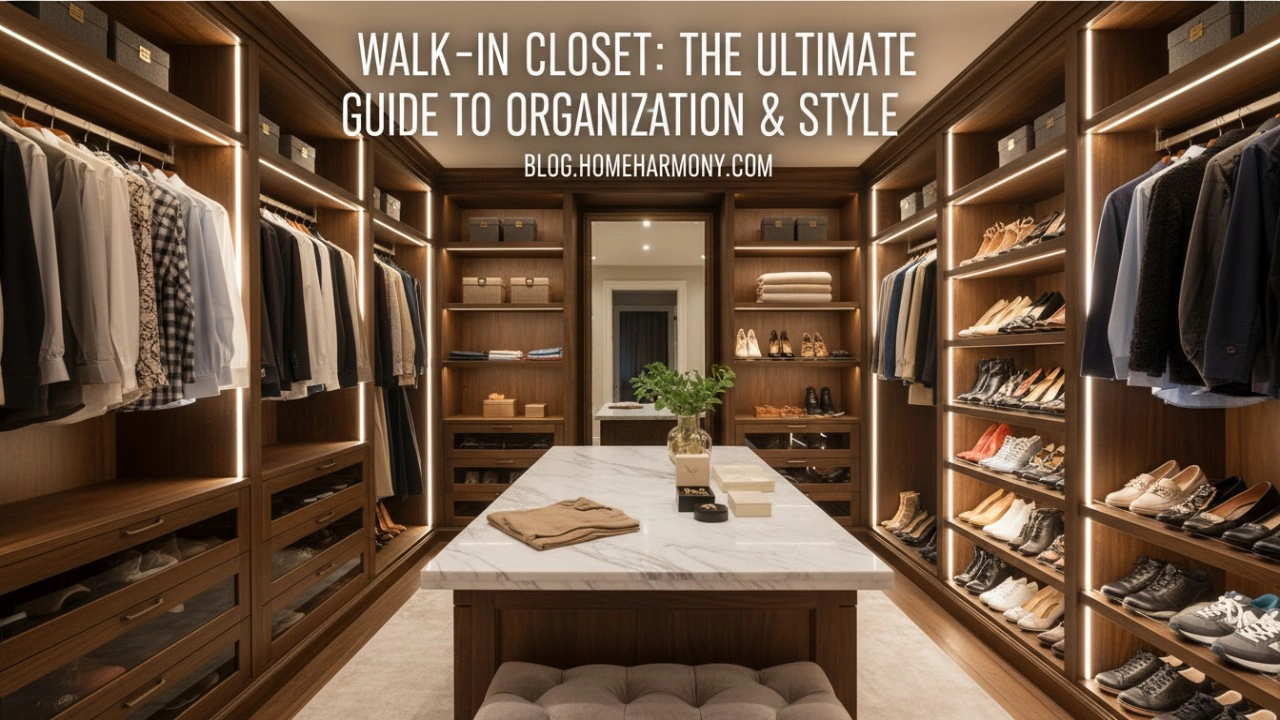
Walk-In Closet vs. Reach-In: Which Layout Actually Adds the Most Value to Your Home? (2026 Guide)
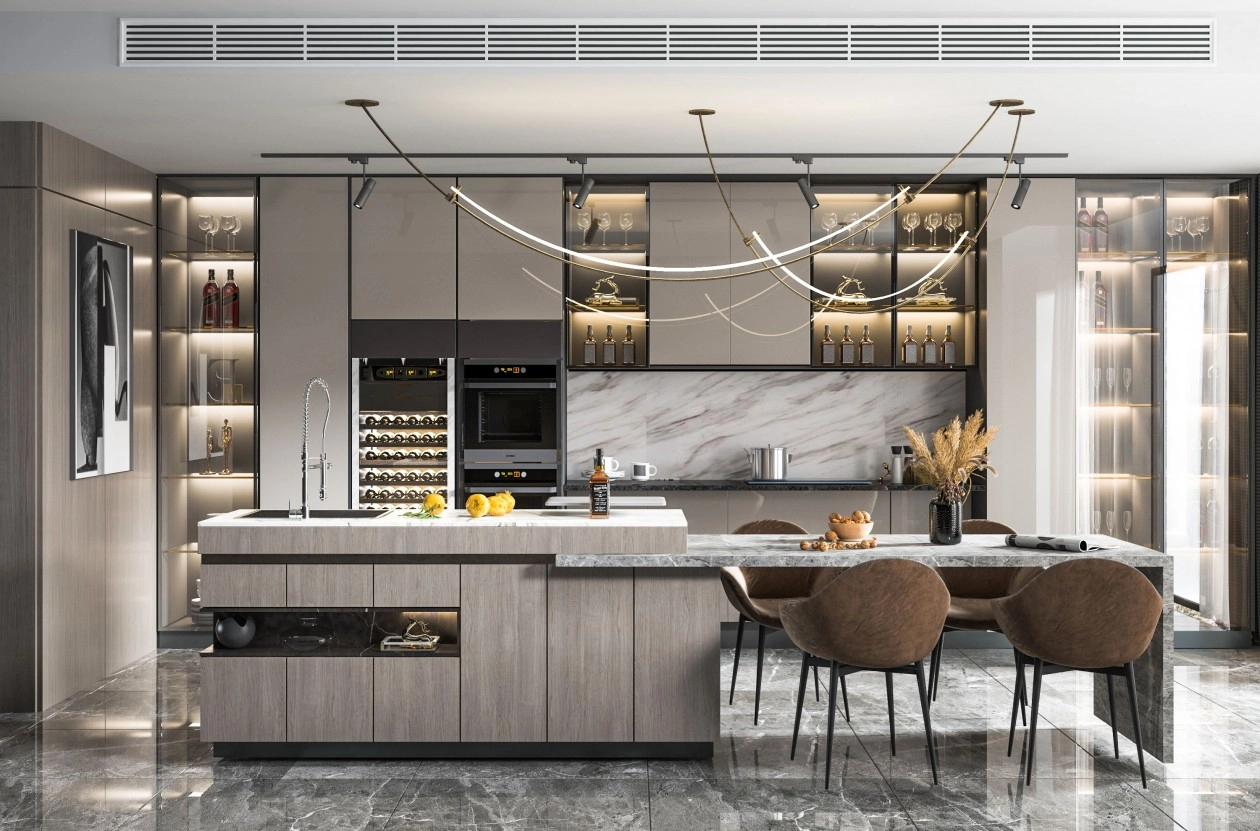
Where to Find Reliable Custom Kitchen Cabinet Manufacturers in China?
Prdoucts Categories
FAQ
FAQ
What's MOQ for our kitchen cabinets, wardrobe cabinets or bathroom cabinets?
1 set.
What's lead time for furniture cabinets?
It's about 20 - 30 days.
What information are needed for getting a quote for our furniture cabinets?
Your size infomation or room drawings.
Can we ship the furniture cabinets to customer's port or city?
Yes. Please provide the city name or port name when you send us an inquiry.
Can we produce products according to customer's room size?
Yes. All our cabinets are custom size.
You may also like
T-shaped invisible door MA10
Flush panel door MA11
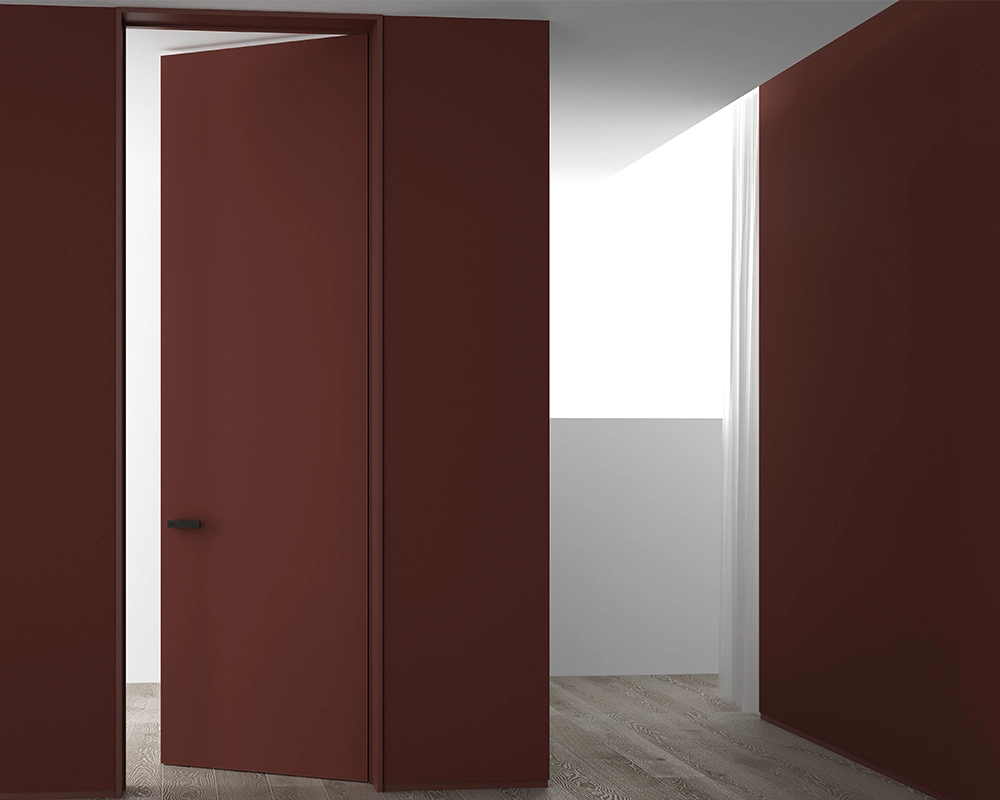
Siyun double wooden door MA12A
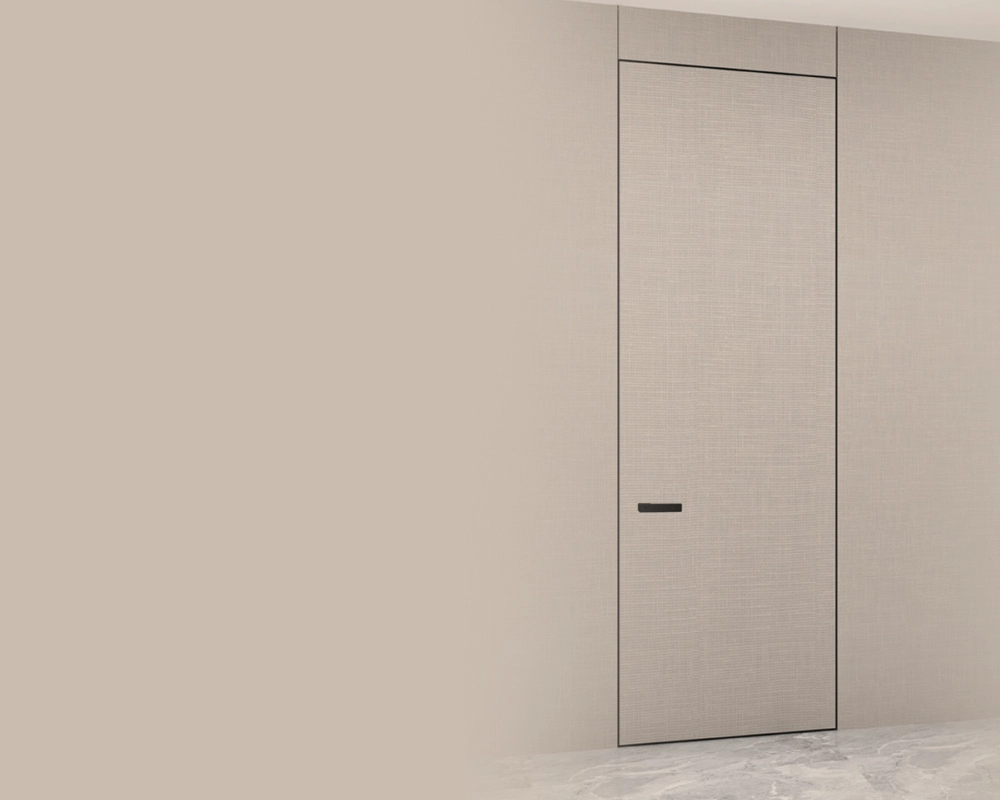
External flush right inward opening door MA13
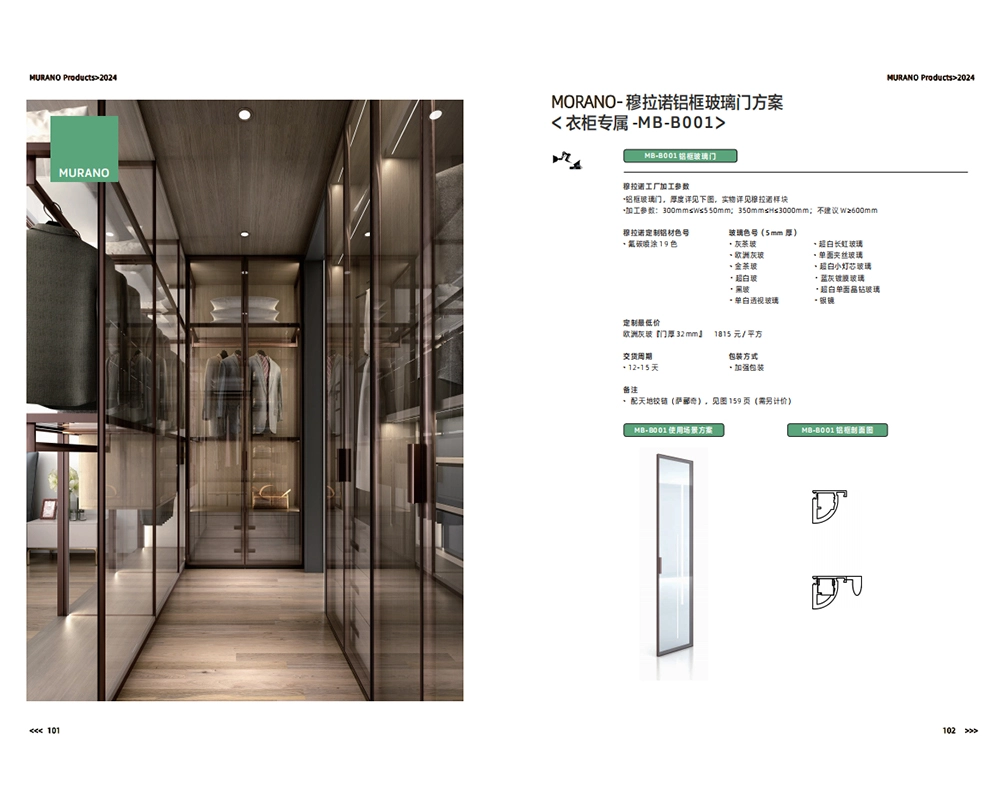
Aluminum Frame Glass Hinged Door - MBB001
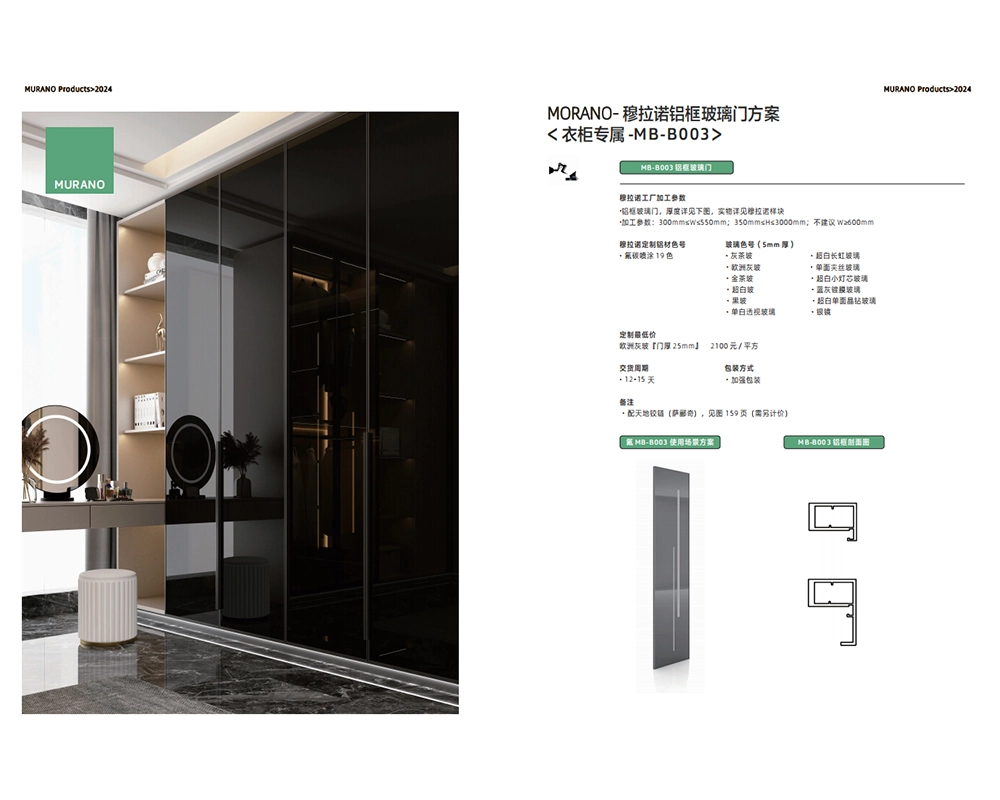
Aluminum Frame Glass Hinged Door - MBB003
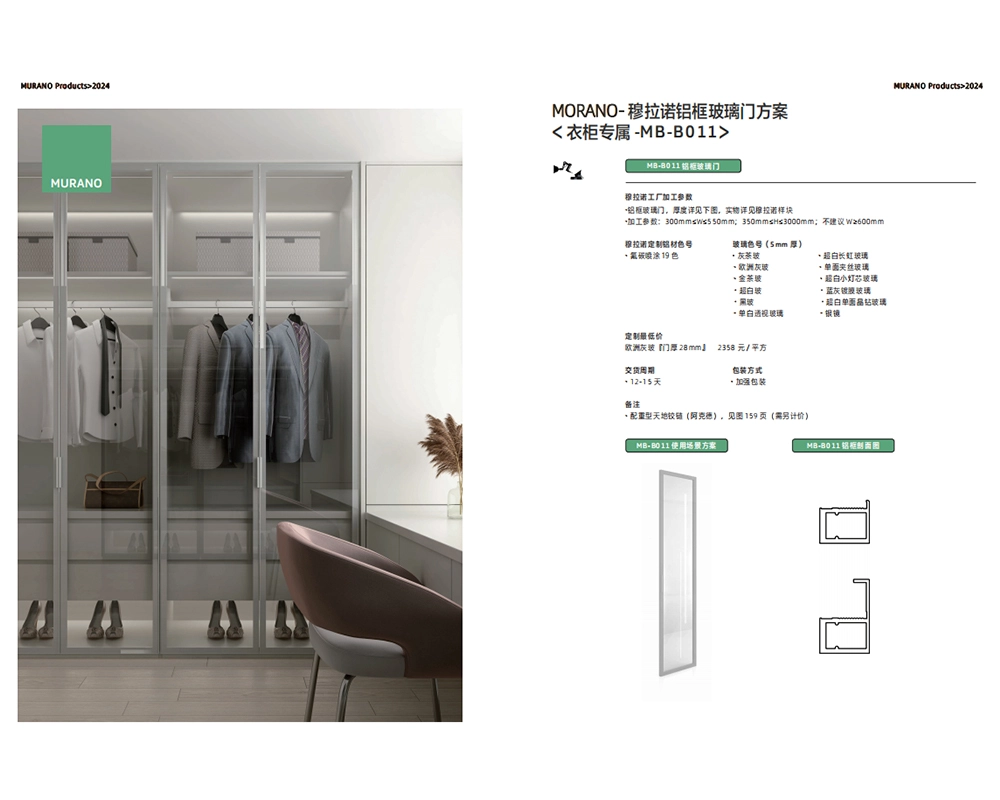
Aluminum Frame Glass Hinged Door - MBB011
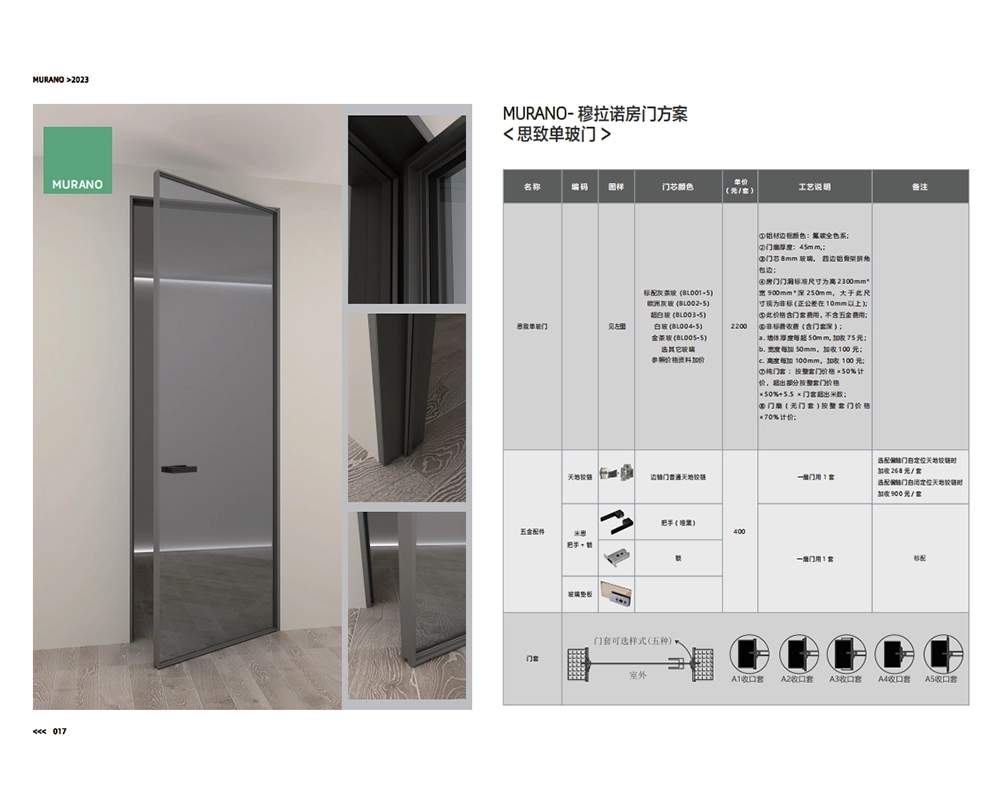
SZ Single side glass interior door
Request a Free Consultation And Price Estimate
Get in touch with Murano today for a personalized consultation, and let us bring your vision to life. Fill out the form below or contact Murano directly to start your journey toward a beautifully tailored home!"

 Scan QR Code
FoshanMuranoCabinet
foshanmuranocabinet
Whatsapp: +8618814138020
Scan QR Code