
Get Catalog
Light
Dark
System
What to Consider for a Custom Wardrobe Closet?
Wednesday, 01/28/2026
What to Consider for a Custom Wardrobe Closet?
A custom wardrobe closet is a game-changer for home organization and style—it’s tailored to your unique space, storage needs, and aesthetic preferences, unlike one-size-fits-all ready-made units. Whether you’re designing a walk-in wardrobe for a master bedroom, a built-in closet for a small nook, or a luxury dressing space, every decision from layout to materials impacts functionality and longevity. To create a custom wardrobe that serves you well for years, careful planning and consideration of key factors are essential.
From maximizing tight spaces to aligning with your lifestyle and design vision, this guide breaks down the critical elements to consider when investing in a custom wardrobe closet. We’ll cover space optimization, storage customization, material durability, style cohesion, and budget planning—helping you avoid common pitfalls and craft a closet that balances form and function perfectly.
1. Space Dimensions & Layout Planning
The first step in designing a custom wardrobe closet is to work with your available space—no two rooms are the same, and a well-designed layout maximizes every inch while maintaining usability. Poor space planning leads to wasted areas, awkward access, and a cluttered feel, so precision is key.
-
Accurate Measurements: Use a laser tape measure to record the space’s width, depth, and height, noting architectural details like sloped ceilings, door openings, windows, electrical outlets, and structural beams. Even small discrepancies (5cm or more) can derail your design, so measure twice and document every detail. Create a floor plan (use free tools like SketchUp or Canva) to visualize layout options.
-
Layout Options by Space Size:
-
Small Spaces (1–2㎡): Opt for a single-wall layout with floor-to-ceiling cabinets to maximize vertical space. Use slim-depth units (40–45cm deep) to avoid crowding the room, and add pull-out shelves or narrow drawers for hidden storage.
-
Medium Spaces (2–4㎡): L-shaped layouts work well for corner spaces, wrapping storage around two adjacent walls to utilize hard-to-reach areas. Include a mix of hanging rods, shelves, and drawers, with a central walkway (70–80cm wide) for easy access.
-
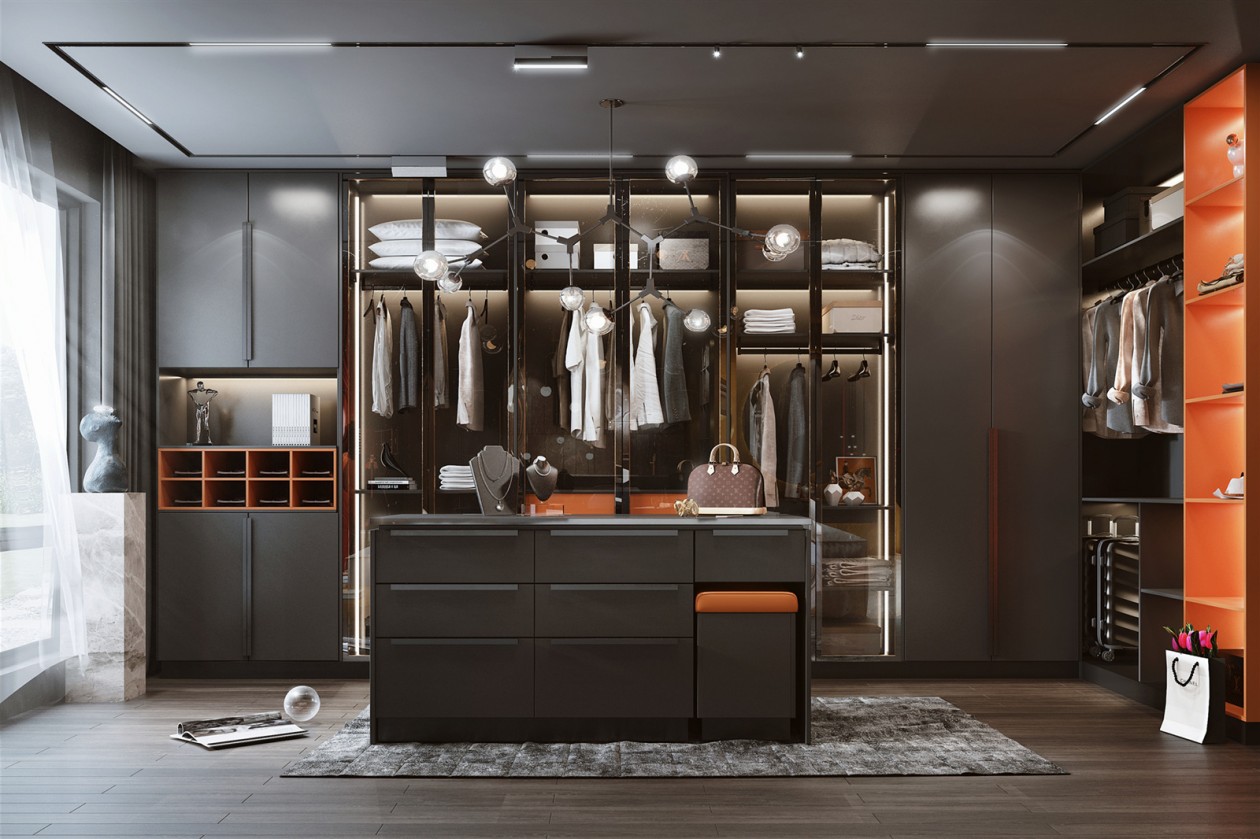
Large Spaces (4㎡+): Double-wall layouts or walk-in designs offer ample storage—use one wall for long hanging items (dresses, coats) and the opposite for folded clothes, shoes, and accessories. Add a central island or dressing table for luxury and functionality.
-
-
Door & Accessibility: Choose door styles that fit your space—sliding doors save floor space (ideal for small rooms), while hinged doors offer full access (better for larger wardrobes). Ensure doors don’t block bedroom traffic or furniture when opened.
2. Storage Needs & Lifestyle Alignment
A custom wardrobe’s greatest benefit is its ability to adapt to your lifestyle—your storage needs depend on how many clothes, shoes, accessories, and personal items you own, as well as how you use them. Designing with your habits in mind ensures the closet works for you, not against you.
-
Assess Your Belongings: Sort your items into categories (clothing, shoes, bags, jewelry, seasonal items) and note quantities. For example:
-
If you own many dresses or long coats, allocate space for long hanging rods (160cm+ height).
-
If you have a large shoe collection, add dedicated shoe storage (vertical racks, pull-out drawers, or shelf dividers).
-
For accessories (scarves, belts, jewelry), include specialized organizers like hanging hooks, jewelry trays, or pull-out caddies.
-
-
Custom Storage Features:
-
Hanging Solutions: Install double hanging rods (for shirts, blouses) to double vertical space, or adjustable rods to accommodate changing needs. Add valet rods for preparing outfits or hanging dry-cleaned items.
-
Folded Storage: Include shelves with dividers for sweaters, jeans, and folded clothes—avoid overcrowding by leaving 15–20cm between shelves. Pull-out shelves make it easy to access items at the back of deep cabinets.
-
Hidden Storage: Use the top of floor-to-ceiling cabinets for seasonal items (winter coats, holiday attire) or bulky luggage. Add hidden drawers under hanging rods or behind panels for valuables or small items.
-
-
Future-Proofing: Design with flexibility in mind—add adjustable shelves, removable dividers, or modular units that can be reconfigured as your needs change (e.g., growing a family, updating your wardrobe).
3. Material Selection & Durability
The materials you choose for your custom wardrobe closet impact its durability, appearance, and maintenance needs. Since wardrobes endure daily use (opening/closing doors, pulling drawers, hanging heavy items), prioritize quality materials that stand the test of time—especially in high-humidity areas like bedrooms.
-
Cabinet Core Materials:
-
Plywood: The gold standard for custom wardrobes—furniture-grade plywood is strong, resistant to warping, and durable, making it ideal for heavy items and long-term use. It’s also moisture-resistant, a plus for bedrooms. Prices range from $40–$80 per square meter.
-
Solid Wood: Offers a timeless, premium look—oak, maple, and walnut are popular choices. Solid wood is durable and repairable, but requires regular maintenance (sealing, refinishing) to avoid scratches and swelling. It’s more expensive ($80–$150 per square meter) and heavier, so ensure your walls can support it.
-
MDF/HDF: Budget-friendly options—high-density fiberboard (HDF) is sturdier than MDF and works well for painted finishes. Avoid standard MDF in humid spaces, as it’s prone to water damage. Prices range from $20–$40 per square meter.
-
-
Finishes & Surfaces:
-
Paint/Stain: Painted wardrobes (matte, satin, or high-gloss) add a sleek look and are easy to clean. Stained finishes highlight natural wood grain, ideal for rustic or traditional styles. Choose low-VOC paints for better indoor air quality.
-
Veneer/Laminate: Laminate is durable, scratch-resistant, and available in countless colors/patterns (including wood-look). Veneer offers a natural wood appearance at a lower cost than solid wood, but ensure it’s tightly bonded to avoid peeling.
-
-
Hardware Quality: Don’t skimp on hardware—soft-close hinges and drawer slides (brands like Blum or Hettich) operate smoothly and reduce wear, lasting 20,000+ uses. Choose knobs/pulls that match your style (matte black for modern, brass for traditional) and are easy to grip.
-
4. Style & Aesthetic Cohesion
A custom wardrobe closet should blend seamlessly with your bedroom’s aesthetic— it’s not just a storage unit, but a design element that enhances the room’s overall look. Mismatched styles create visual chaos, so align your wardrobe with your home’s existing decor.
-
Match Bedroom Style:
-
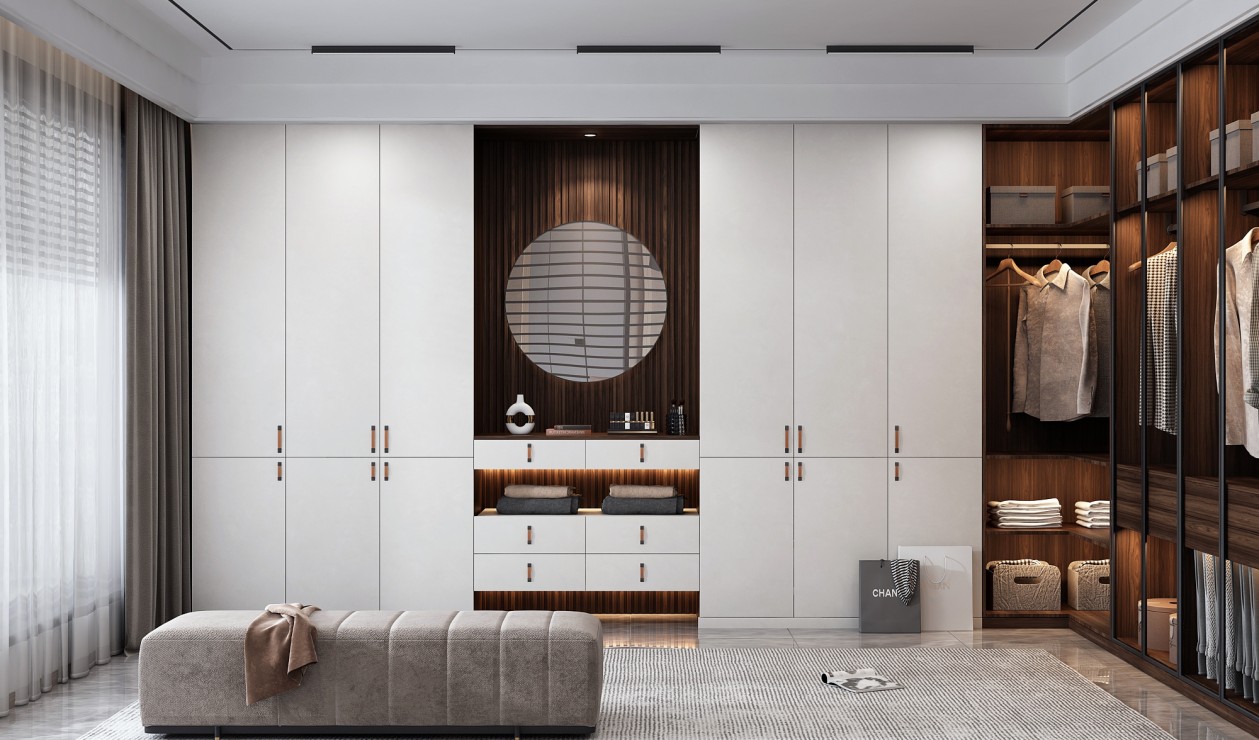
Modern Minimalist: Opt for handleless cabinets with flat panel doors, neutral colors (white, gray, black), and clean lines. Avoid decorative moldings or ornate hardware.
-
Rustic/Traditional: Choose shaker-style doors, solid wood with a stained finish, and vintage-inspired hardware (black iron, brass). Add crown molding or paneled sides for warmth.
-
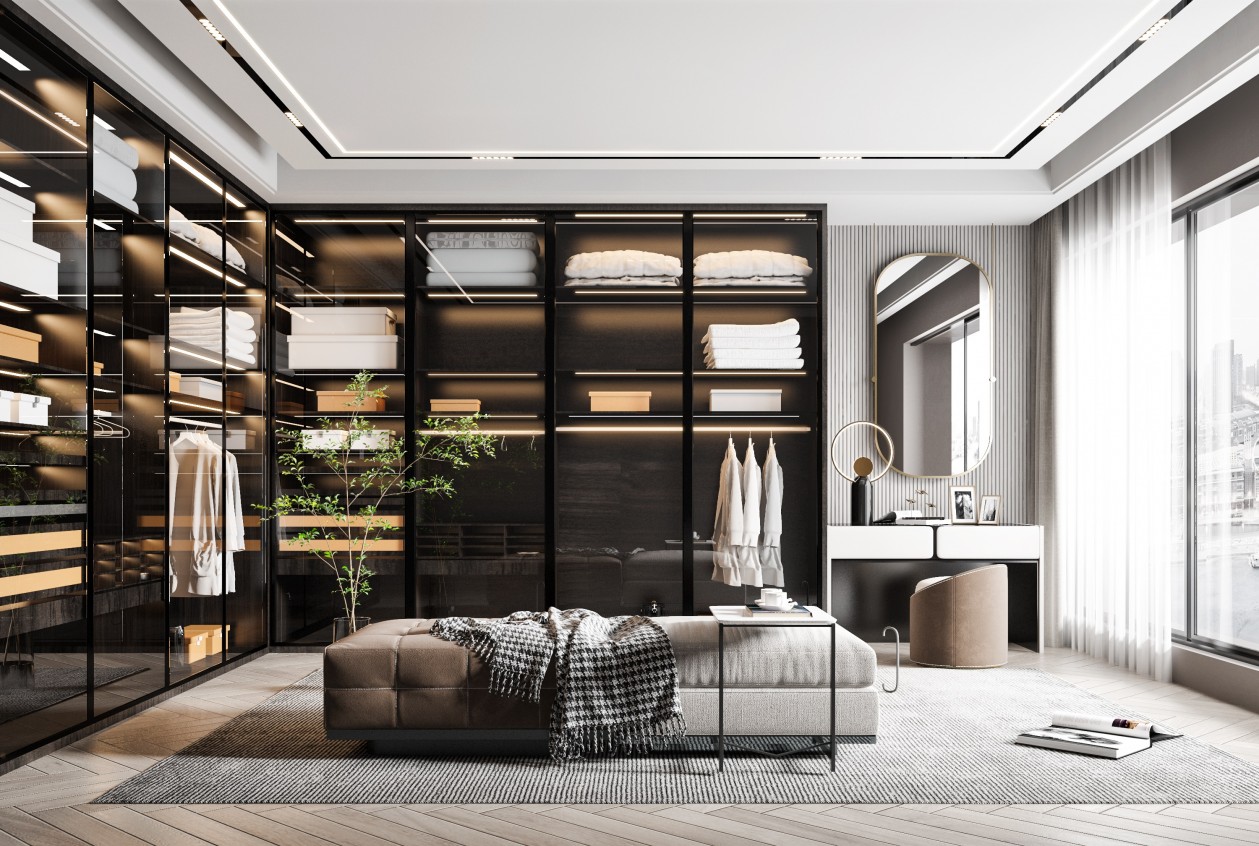
Luxury/Contemporary: Use high-gloss finishes, glass-front cabinets, or mixed materials (wood + metal/glass). Incorporate LED lighting inside cabinets for a premium touch.
-
-
Color Coordination: Match the wardrobe’s finish to other bedroom furniture (bed frame, dressers) or wall colors. For a cohesive look, use the same color family—e.g., white cabinets with light gray walls, or dark wood cabinets with warm beige tones.
-
Built-In vs. Freestanding: Built-in wardrobes blend with walls for a seamless look, ideal for small rooms or minimalist styles. Freestanding units add character and can be moved if needed, perfect for renters or flexible layouts.
5. Lighting & Ventilation
Lighting and ventilation are often overlooked but critical for a functional, comfortable custom wardrobe. Poor lighting makes it hard to find items, while inadequate ventilation leads to moisture buildup and musty smells—damaging clothes and accessories.
-
Lighting Solutions:
-
General Lighting: Install LED recessed lights or slim ceiling lights for overall illumination. Choose warm white light (3000K–4000K) to accurately show clothing colors.
-
Task Lighting: Add LED strip lights inside cabinets, under shelves, or along hanging rods to brighten dark corners. Install a full-length mirror with integrated lighting for outfit checks.
-
Natural Light: If the wardrobe is near a window, use sheer curtains to let in natural light—avoid blocking windows with cabinets.
-
-
Ventilation:
-
Leave a small gap under the wardrobe door or install ventilation grilles to promote air circulation.
-
For walk-in wardrobes, add a small fan or dehumidifier to absorb moisture, especially in humid climates.
-
6. Budget & Contractor Selection
Custom wardrobe closets vary widely in cost, so setting a clear budget and choosing the right contractor are essential to avoid overspending and ensure quality craftsmanship.
-
Budget Planning:
-
Costs range from $500–$5,000+ depending on size, materials, and custom features. Small built-in wardrobes cost $500–$1,500, while large walk-in designs with premium materials can exceed $5,000.
-
Allocate 10–15% of your budget for unexpected expenses (e.g., wall repairs, additional hardware).
-
Prioritize must-have features (e.g., soft-close hardware, custom storage) over nice-to-haves (e.g., glass-front cabinets) if budget is tight.
-
-
Choosing a Contractor:
-
Look for contractors with specialized experience in custom wardrobes—ask for portfolios, references, and before/after photos of past projects.
-
Verify licenses, insurance, and warranties—reputable contractors offer 1–5 year warranties on craftsmanship and materials.
-
Get 2–3 quotes to compare prices and services—avoid the cheapest option if it compromises quality (e.g., low-grade materials, unskilled labor).
-
Common Mistakes to Avoid
Steer clear of these pitfalls to ensure your custom wardrobe closet meets your needs and lasts:
-
Underestimating Storage Needs: Don’t skimp on space—leave room for future wardrobe growth (e.g., new clothes, accessories).
-
Poor Measurement: Guessing dimensions leads to ill-fitting cabinets and wasted space—always measure precisely and create a floor plan.
-
Sacrificing Functionality for Style: A beautiful wardrobe is useless if it’s hard to use—prioritize accessibility and storage over purely aesthetic details.
-
Ignoring Moisture: In humid areas, skip MDF and opt for moisture-resistant materials (plywood, laminate) to avoid warping and mold.
Conclusion
Designing a custom wardrobe closet requires balancing space, functionality, style, and budget—but the result is a tailored solution that enhances your daily routine and home’s value. By carefully considering your space dimensions, storage needs, material quality, aesthetic preferences, and lighting/ventilation, you can create a closet that works for your lifestyle and stands the test of time.
Remember, the best custom wardrobes are those that adapt to you—flexible, durable, and visually cohesive with your home. Take the time to plan, work with a trusted contractor, and prioritize features that matter most to you—your future self will thank you for a clutter-free, stylish storage space.
Recommended for you
How to Make Traditional Kitchen Cabinets Look Modern
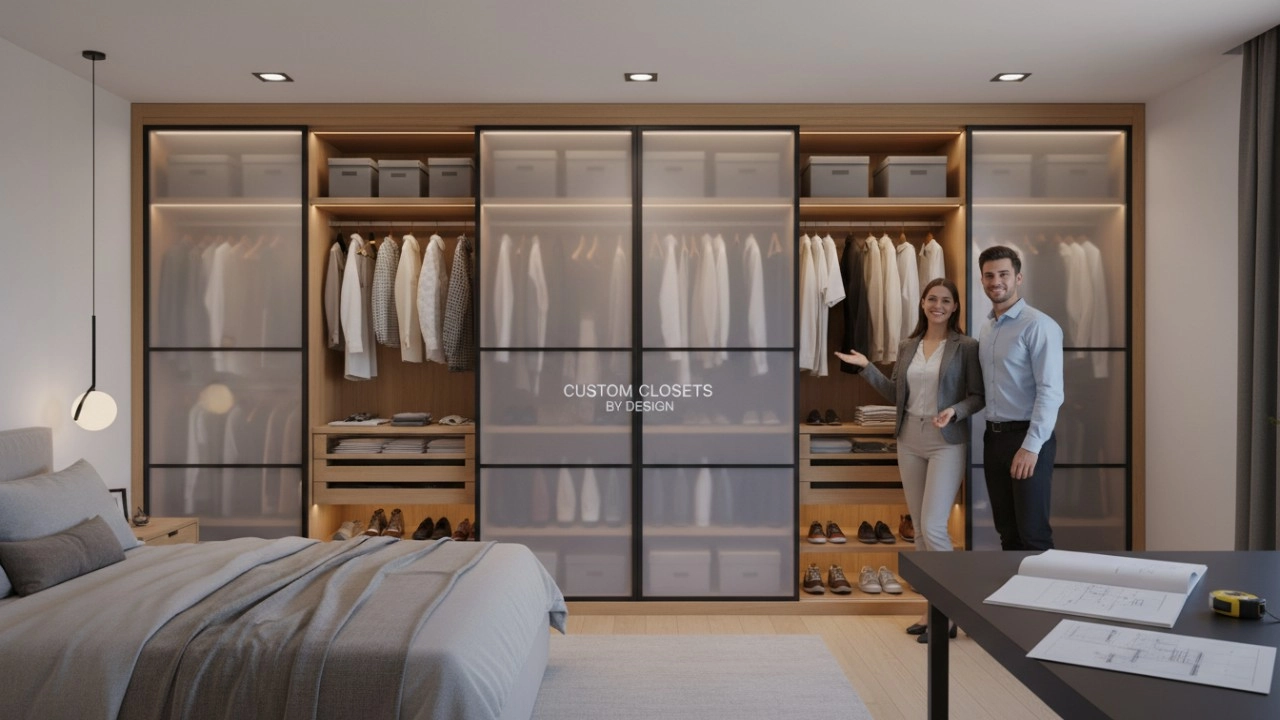
The 10 Costly Mistakes to Avoid When Hiring a Custom Bedroom Wardrobe Manufacturer in 2026 [Expert Advice]
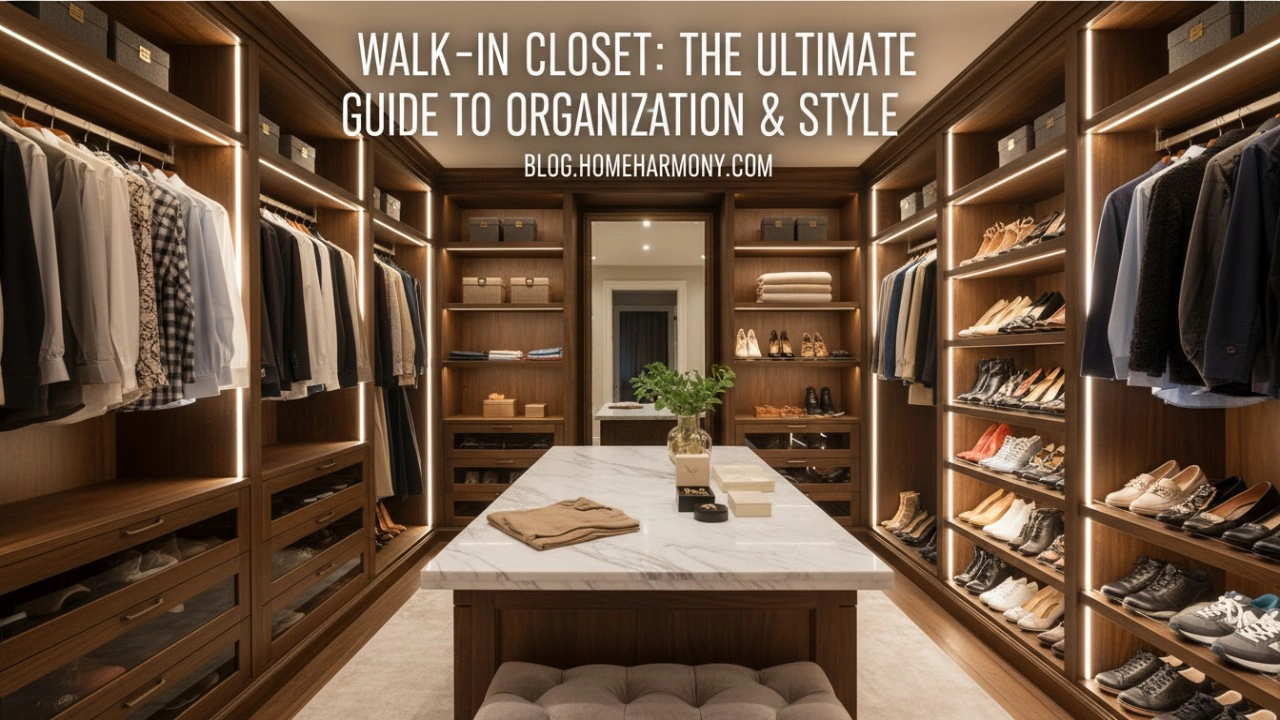
Walk-In Closet vs. Reach-In: Which Layout Actually Adds the Most Value to Your Home? (2026 Guide)
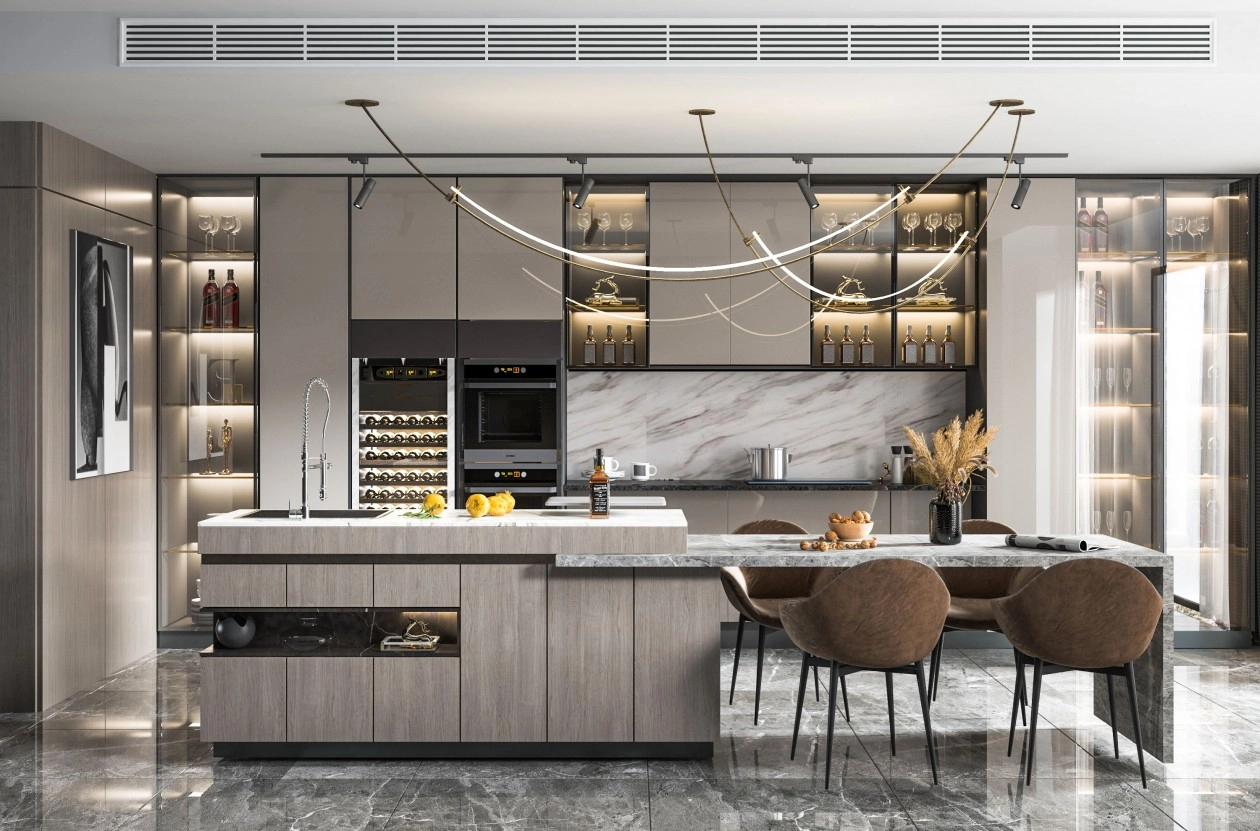
Where to Find Reliable Custom Kitchen Cabinet Manufacturers in China?
Prdoucts Categories
FAQ
FAQ
What information are needed for getting a quote for our furniture cabinets?
Your size infomation or room drawings.
Can we ship the furniture cabinets to customer's port or city?
Yes. Please provide the city name or port name when you send us an inquiry.
What's lead time for furniture cabinets?
It's about 20 - 30 days.
What's the payment terms of all our products?
T/T (30% inadvance, the balance shall be paid off before delivery), Western Union or L/C.
Can we produce products according to customer's room size?
Yes. All our cabinets are custom size.
You may also like
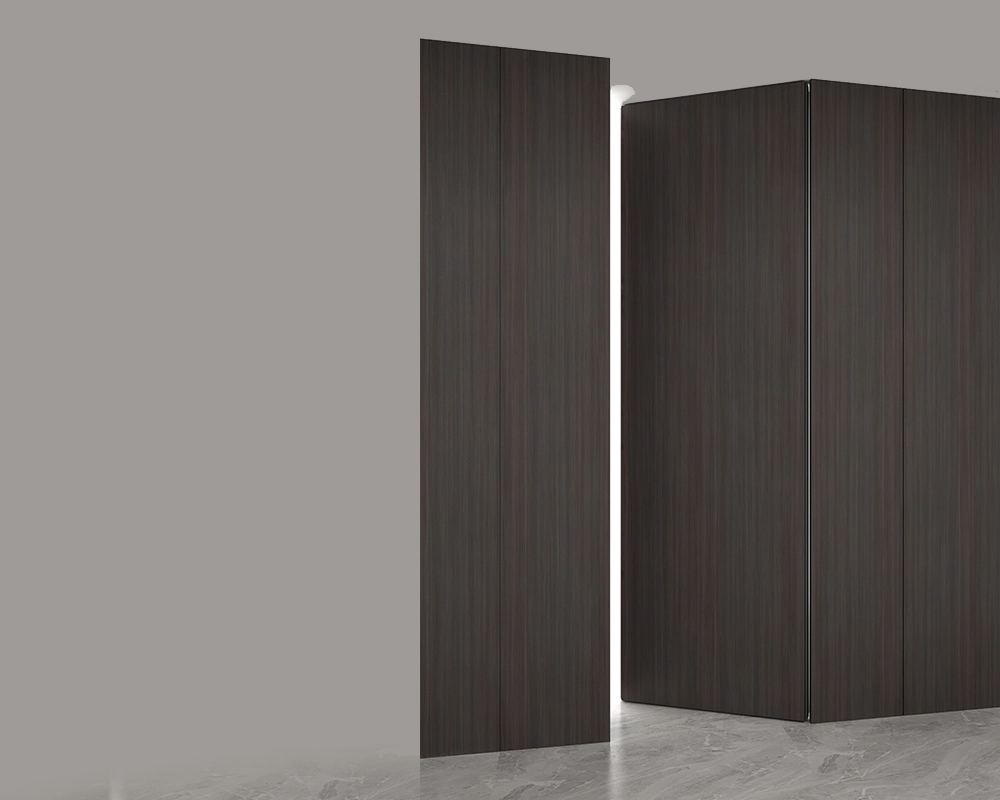
T-shaped invisible door MA10
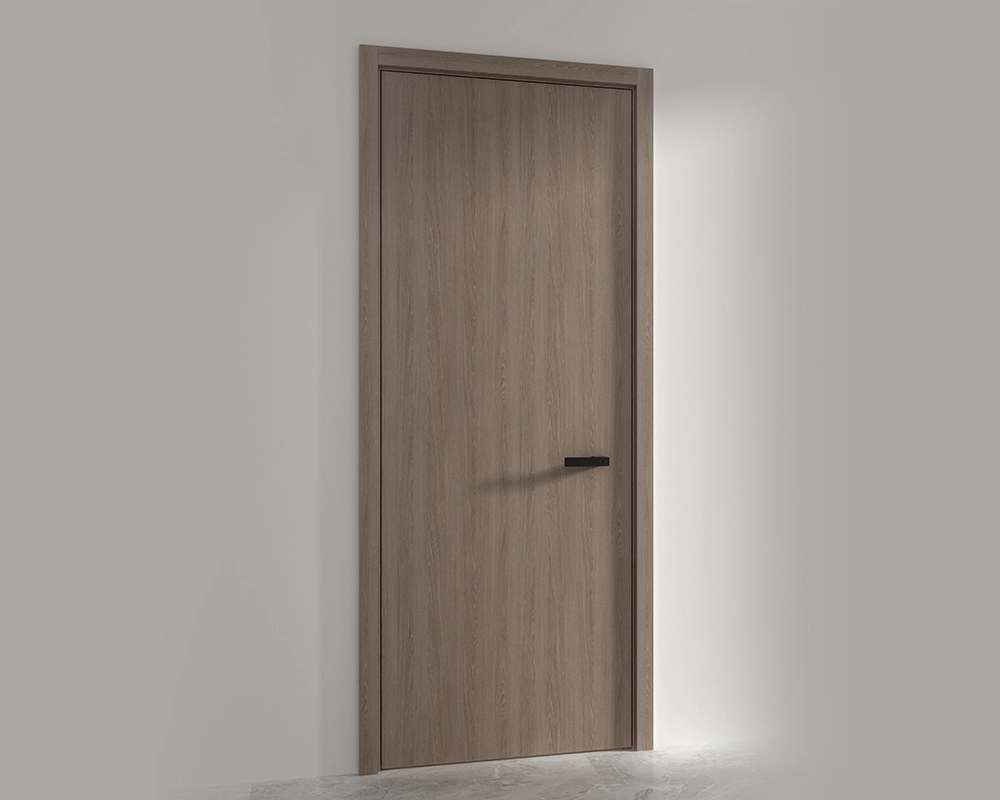
Flush panel door MA11
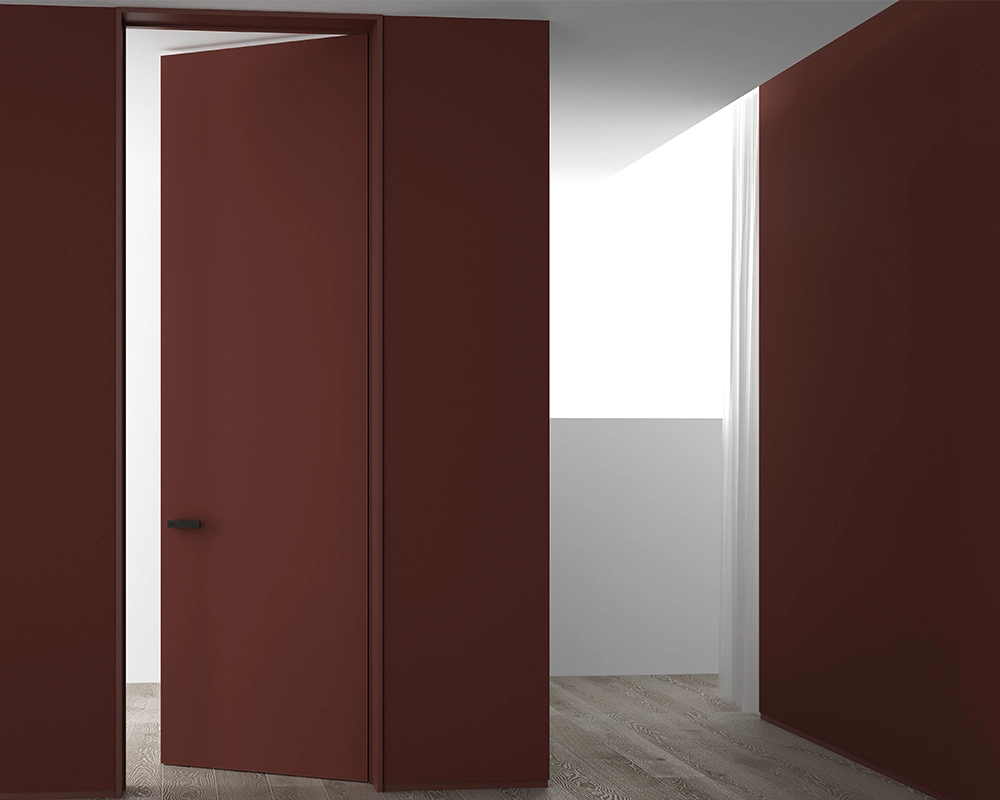
Siyun double wooden door MA12A
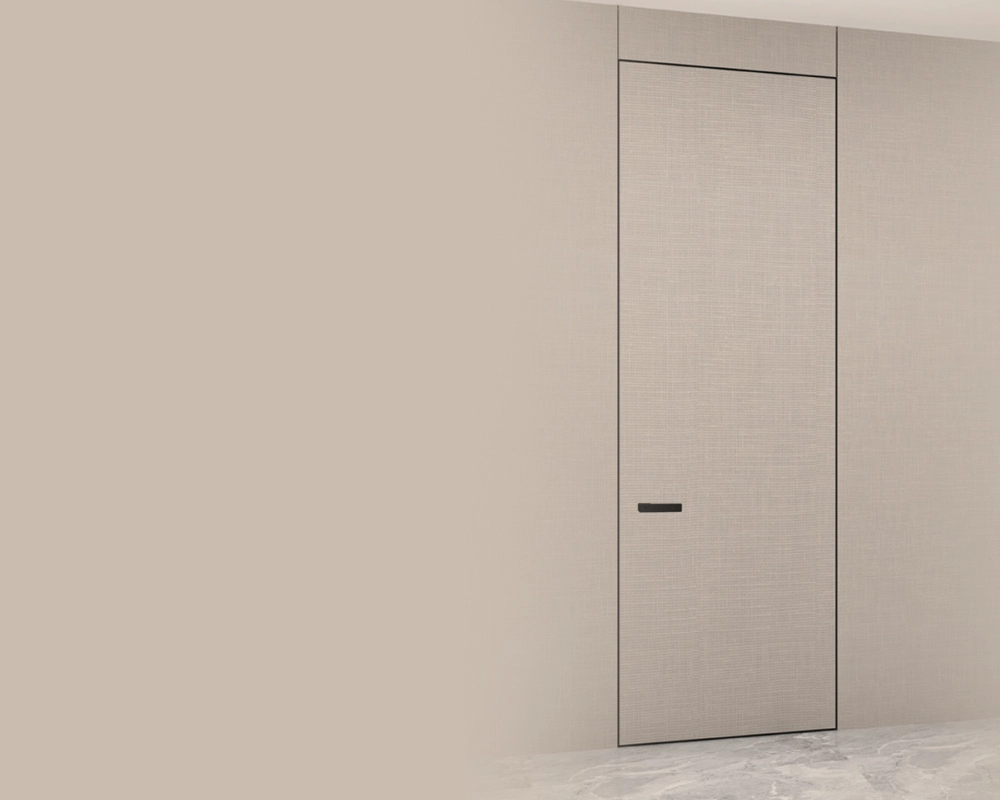
External flush right inward opening door MA13
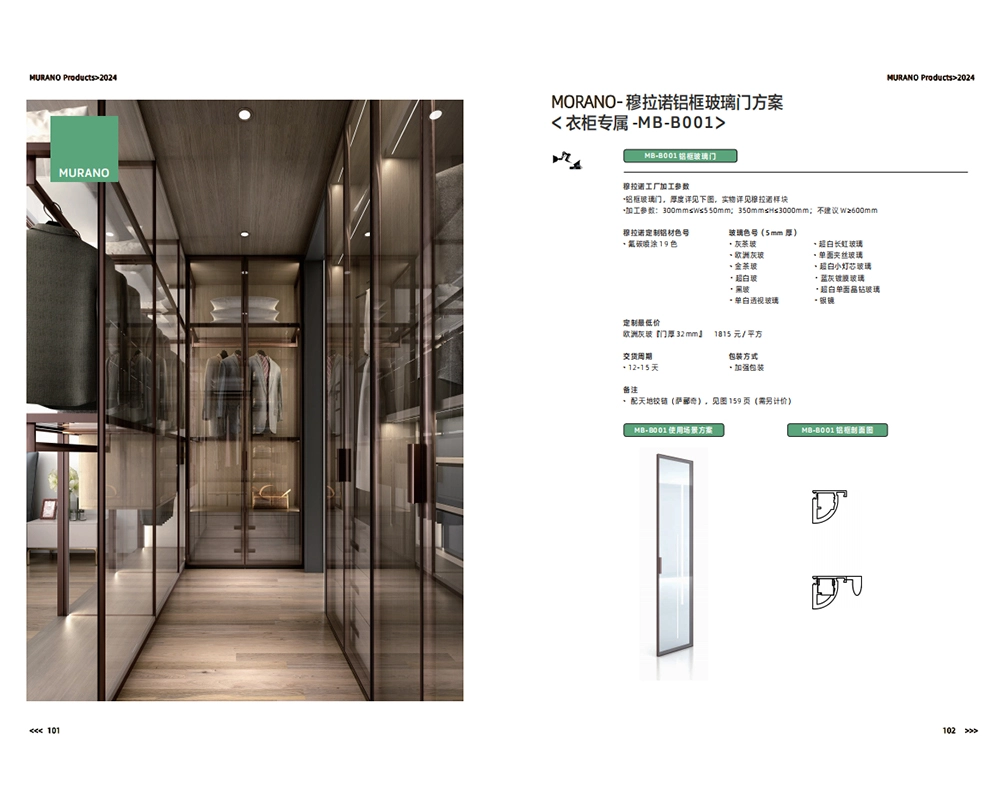
Aluminum Frame Glass Hinged Door - MBB001
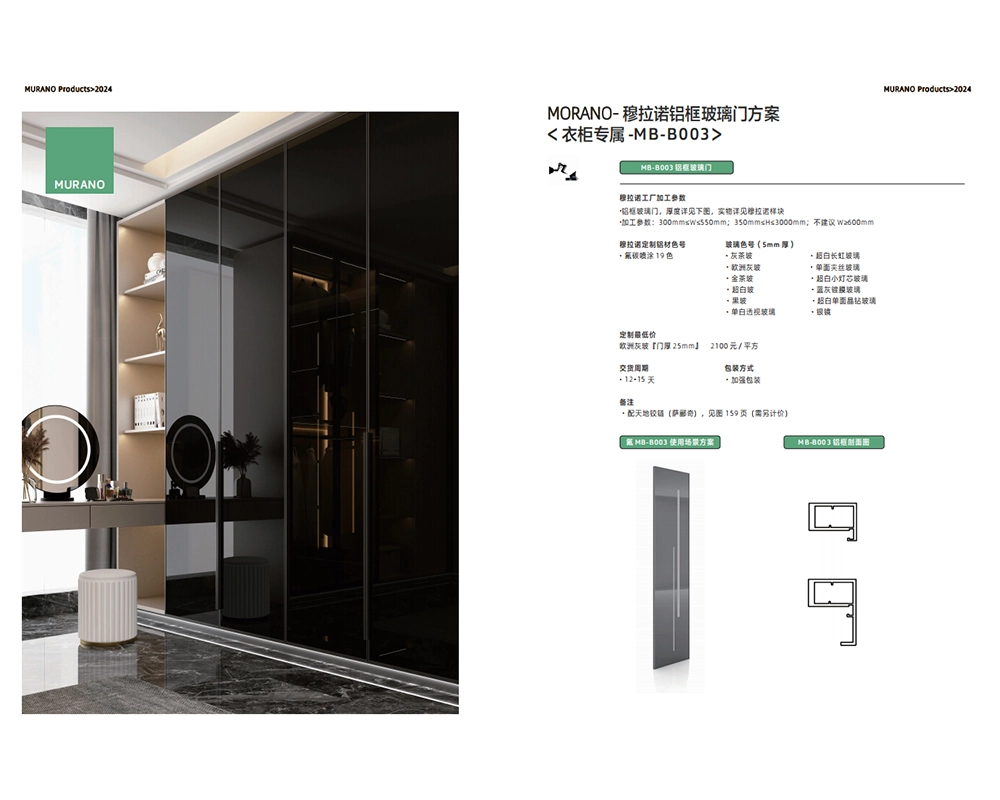
Aluminum Frame Glass Hinged Door - MBB003
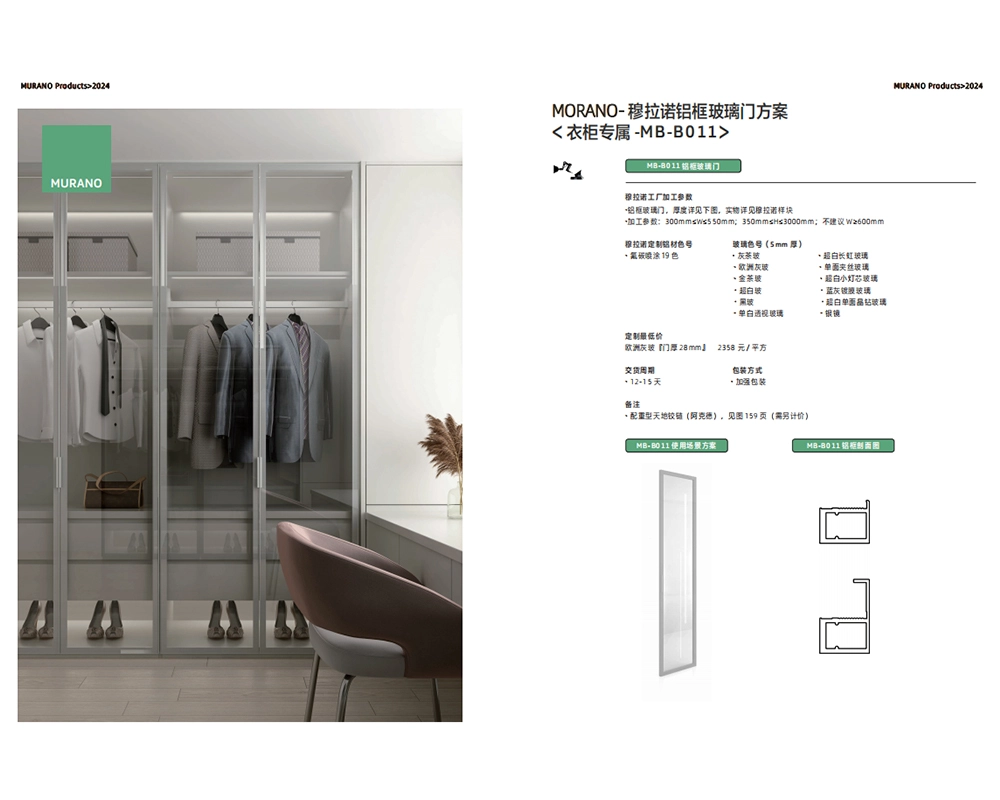
Aluminum Frame Glass Hinged Door - MBB011
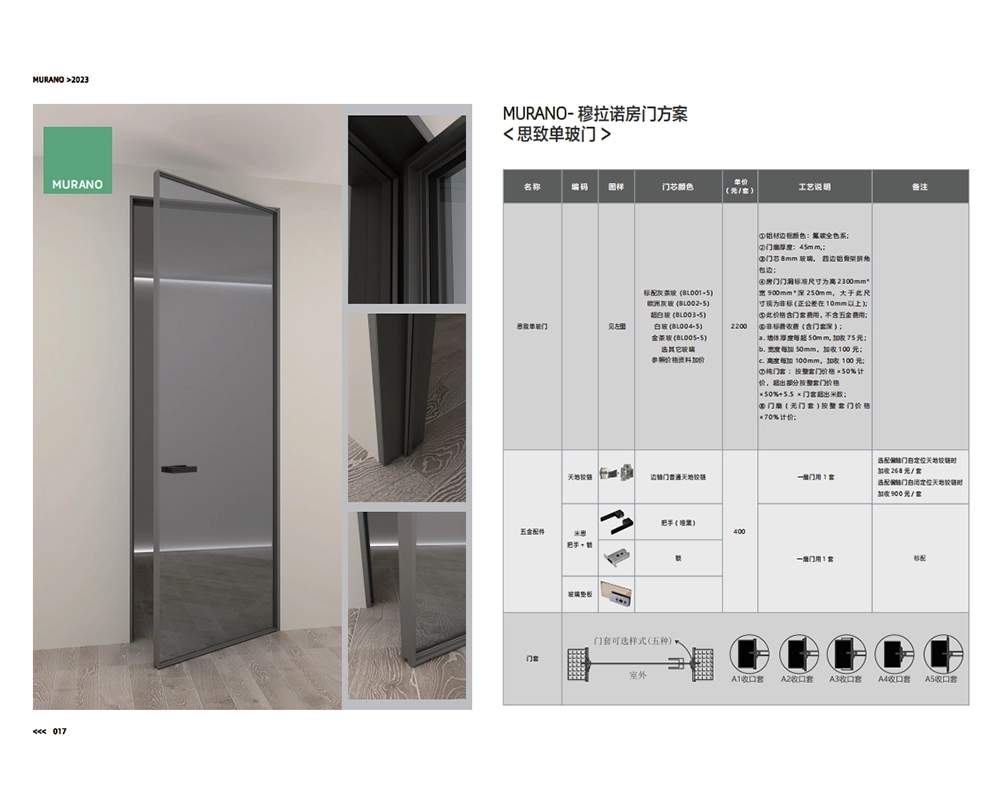
SZ Single side glass interior door
Request a Free Consultation And Price Estimate
Get in touch with Murano today for a personalized consultation, and let us bring your vision to life. Fill out the form below or contact Murano directly to start your journey toward a beautifully tailored home!"

 Scan QR Code
FoshanMuranoCabinet
foshanmuranocabinet
Whatsapp: +8618814138020
Scan QR Code