
Get Catalog
Light
Dark
System
What Are the Key Features to Look for in a Built-in Wine Cabinet?
Friday, 01/16/2026
- What Are the Key Features to Look for in a Built-in Wine Cabinet?
- 1. Precise Temperature Control: The Foundation of Wine Preservation
- 2. Humidity Control: Protect Wine Corks and Quality
- 3. Cabinet Size, Capacity & Space Fit
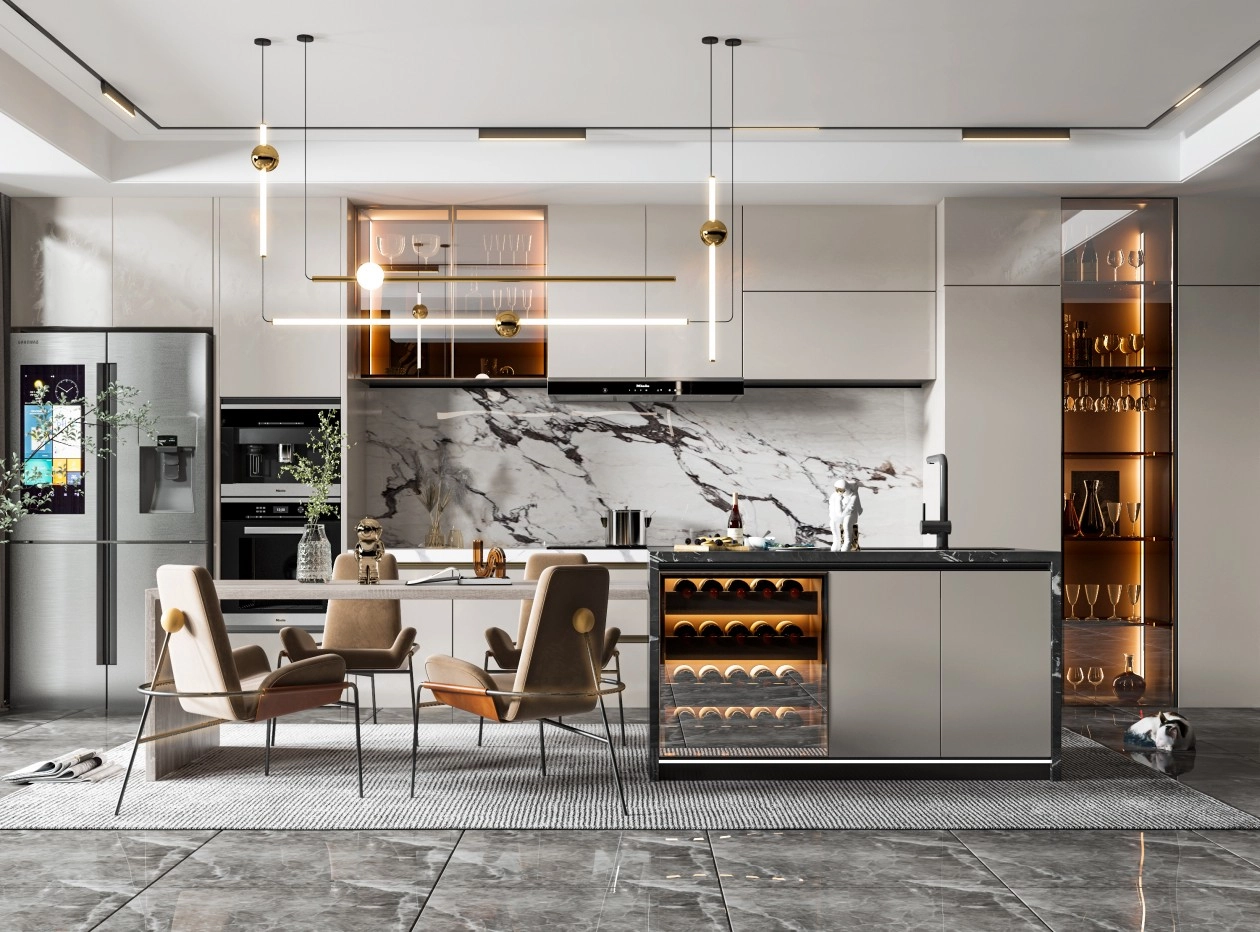
- 4. Aesthetic Design & Integration with Space
- 5. Air Circulation & Ventilation: Prevent Heat Buildup
- 6. Durability, Noise Level & Energy Efficiency
- 7. Additional Convenience Features
- Features to Avoid in a Built-in Wine Cabinet
- Conclusion
What Are the Key Features to Look for in a Built-in Wine Cabinet?
A built-in wine cabinet is more than just a storage solution—it’s a stylish addition to kitchens, dining rooms, or home bars that elevates your space while preserving your wine collection. Unlike freestanding models, built-in wine cabinets are designed to fit seamlessly into existing cabinetry or wall spaces, blending functionality with aesthetic cohesion. However, not all built-in wine cabinets are created equal: the right features can mean the difference between a cabinet that merely holds bottles and one that protects, organizes, and showcases your wine for years to come.
Whether you’re a casual wine enthusiast or a serious collector, choosing a built-in wine cabinet requires careful consideration of features that align with your storage needs, space constraints, and wine preservation goals. In this guide, we break down the non-negotiable key features to look for, helping you make an informed decision that balances performance, style, and long-term value.
1. Precise Temperature Control: The Foundation of Wine Preservation
Wine is delicate—fluctuations in temperature can ruin its flavor, aroma, and aging potential. For built-in wine cabinets, precise, consistent temperature control is the most critical feature, as these cabinets are often integrated into spaces with varying ambient temperatures (e.g., kitchens near ovens or dining rooms with sunlight exposure).
-
Temperature Range & Dual-Zone Capability:
-
Opt for a cabinet with a temperature range of 4°C to 18°C (39°F to 64°F), which accommodates both white and red wines. White wines thrive at 7°C–10°C (45°F–50°F), while reds prefer 12°C–15°C (54°F–59°F).
-
Dual-zone cabinets are a game-changer for collectors with diverse collections. They feature separate compartments with independent temperature controls, allowing you to store whites and reds at their ideal temperatures simultaneously. This is a must-have feature if you enjoy both wine types and want to avoid constant temperature adjustments.
-
-
Thermostat Accuracy & Stability: Look for cabinets with digital thermostats (not analog) for precise temperature readings (±0.5°C accuracy is ideal). Avoid models with temperature swings of more than 1°C, as frequent fluctuations accelerate wine spoilage. High-quality insulation (e.g., polyurethane foam) and a tight-sealing door help maintain temperature stability by blocking external heat transfer.
-
Cooling System Type:
-
Compressor-based cooling systems: Ideal for long-term storage and larger cabinets. They’re powerful, efficient, and maintain consistent temperatures even in warm environments (e.g., kitchens). Look for quiet compressors (noise levels below 40dB) to avoid disrupting living spaces.
-
Thermoelectric cooling systems: Better for small cabinets or short-term storage. They’re quieter and more energy-efficient but less effective at maintaining low temperatures in hot rooms and may struggle with large temperature ranges.
-
2. Humidity Control: Protect Wine Corks and Quality
Humidity is just as important as temperature for wine storage. Too little humidity (below 50%) dries out corks, causing them to shrink and let air seep into the bottle, spoiling the wine. Too much humidity (above 75%) promotes mold growth on corks, labels, and the cabinet interior. Built-in wine cabinets must offer reliable humidity control to keep your collection safe.
-
Humidity Range & Regulation: Aim for a cabinet with a humidity range of 55% to 75%—the sweet spot for wine storage. Look for models with built-in humidity regulators (e.g., evaporative systems or water reservoirs) that automatically maintain optimal levels. Avoid cabinets that require manual water refills too frequently (more than once a month) for convenience.
-
Moisture-Resistant Materials: The cabinet’s interior should be made of moisture-resistant materials (e.g., stainless steel, treated wood, or food-grade plastic) to prevent warping, mold, or mildew. Avoid cabinets with uncoated particleboard or MDF, which absorb moisture and degrade over time—especially critical for built-in units that are hard to replace.
3. Cabinet Size, Capacity & Space Fit
Built-in wine cabinets are designed to fit into specific spaces, so size and capacity must align with your available area and collection size. Poorly sized cabinets waste space or fail to accommodate your wine, defeating the purpose of a built-in solution.
-
Customizable Fit & Dimensions:
-
Measure your available space carefully (width, height, depth) and choose a cabinet that fits snugly—built-in models should be flush with surrounding cabinetry for a seamless look. Many brands offer semi-custom sizes to match standard cabinet widths (e.g., 60cm, 90cm, 120cm) or custom dimensions for unique spaces.
-
Depth is a key consideration: Standard built-in cabinets have a depth of 50cm–60cm, which fits most standard wine bottles (750ml). For larger bottles (e.g., magnums) or horizontal storage, opt for a deeper cabinet (70cm+).
-
-
Bottle Capacity & Storage Configuration: Capacity is measured in standard 750ml bottles—choose a cabinet that matches your current collection size with room to grow (add 20–30% extra capacity to avoid outgrowing it quickly). Look for customizable storage options:
-
Horizontal racks: Essential for long-term storage, as they keep corks moist by submerging them in wine.
-
Vertical storage slots: Ideal for short-term storage or display bottles (e.g., ready-to-drink wines).
-
Adjustable racks: Allow you to rearrange storage to fit different bottle sizes (e.g., Champagne, Bordeaux, or small splits) and adapt as your collection changes.
-
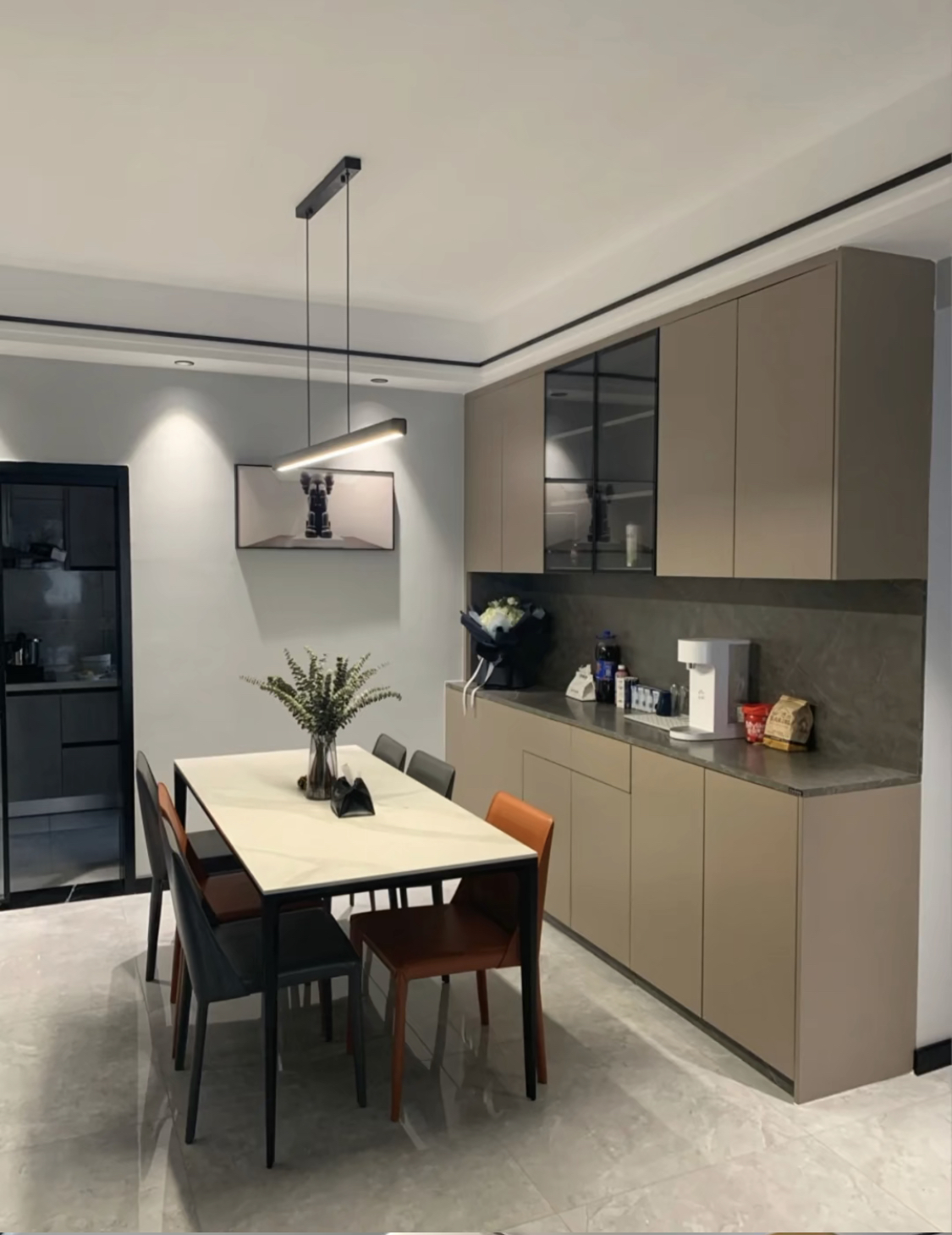
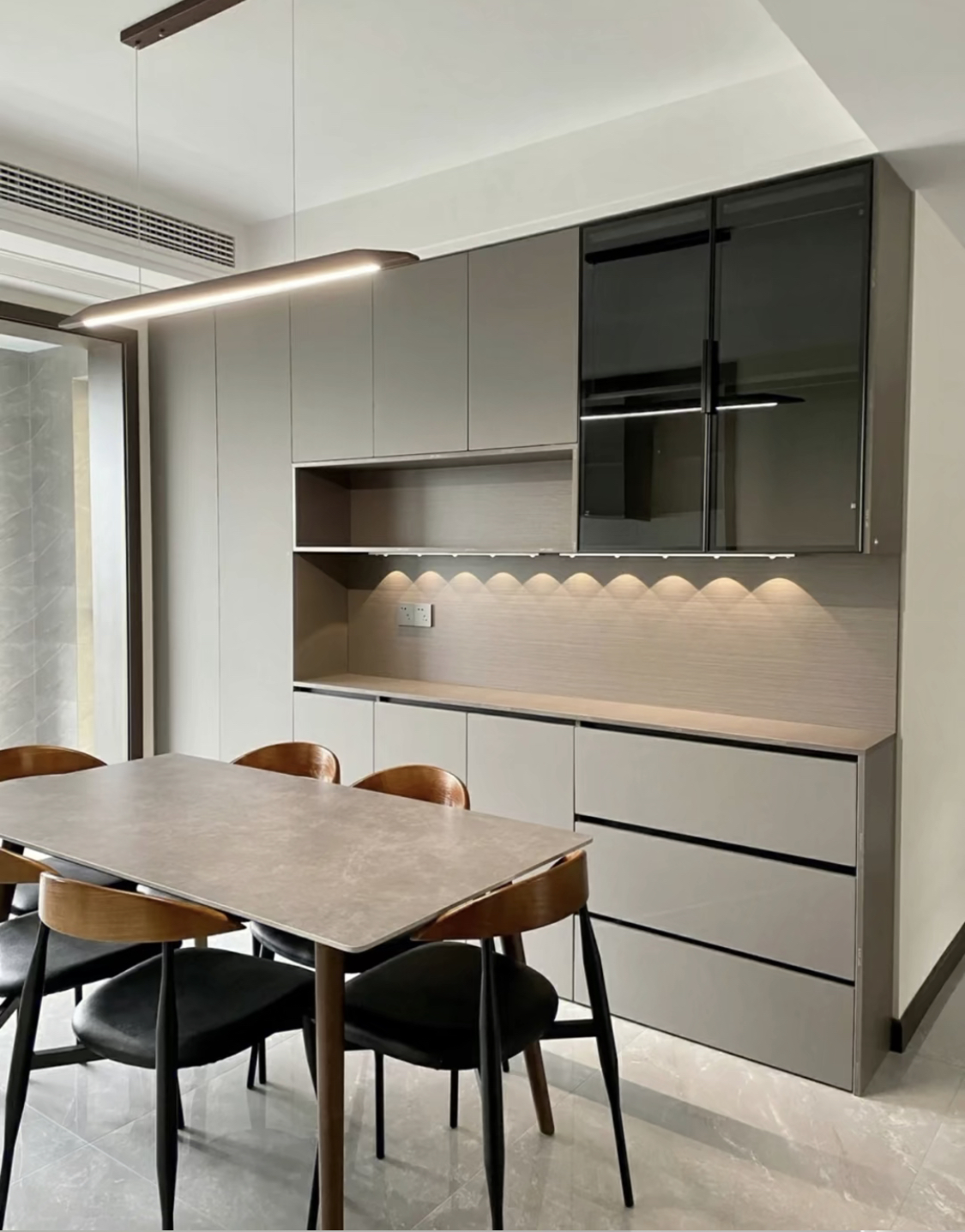
-
4. Aesthetic Design & Integration with Space
Built-in wine cabinets should blend with your existing decor, enhancing the overall look of your space rather than standing out. The right design features ensure your cabinet is both functional and visually appealing.
-
Door Style & Material:
-
Glass doors: Popular for display, allowing you to showcase your collection. Opt for tinted glass (smoke, bronze, or UV-protective) to block harmful UV rays, which degrade wine over time. Clear glass is only suitable if the cabinet is placed away from direct sunlight.
-
Solid doors: Ideal for long-term storage, as they block light and improve insulation. Choose a door material that matches your cabinetry (e.g., wood, stainless steel, or panel-ready doors that can be customized to match existing kitchen doors).
-
-
Lighting: Integrated LED lighting adds ambiance and highlights your collection without generating heat (which damages wine). Look for dimmable lights or motion-sensor lights to control brightness and save energy. Avoid incandescent bulbs, which produce heat and UV rays.
-
Finish & Details: The cabinet’s exterior finish should complement your space—stainless steel for a modern look, wood for a warm, traditional feel, or panel-ready designs for a seamless integration. Soft-close doors and hidden hinges add a premium touch while preventing slamming and heat loss.
5. Air Circulation & Ventilation: Prevent Heat Buildup
Built-in wine cabinets are enclosed in walls or cabinetry, which can trap heat from the cooling system. Proper air circulation and ventilation are essential to prevent overheating and maintain temperature stability.
-
Ventilation System: Look for cabinets with front-facing vents, which expel heat into the room (rather than behind the cabinet, where it gets trapped). This eliminates the need for extra space behind the cabinet for airflow, making installation easier. Some high-end models feature dual vents for improved heat dispersion.
-
Internal Airflow: Built-in fans circulate air inside the cabinet, ensuring consistent temperature and humidity throughout all storage areas. This prevents hot spots (common near the cooling system) and ensures every bottle is stored in optimal conditions.
6. Durability, Noise Level & Energy Efficiency
A built-in wine cabinet is a long-term investment, so durability, quiet operation, and energy efficiency are key features to consider.
-
Durable Construction: The cabinet frame should be made of sturdy materials (e.g., stainless steel or solid wood) to support the weight of bottles (a full cabinet can weigh 50kg+). Reinforced shelves and racks prevent sagging over time, while a tight-sealing door preserves temperature and humidity.
-
Noise Level: Compressor-based cooling systems produce some noise, but look for models with noise levels below 40dB (equivalent to a quiet conversation). This is especially important if the cabinet is installed in living areas, dining rooms, or bedrooms.
-
Energy Efficiency: Energy Star-certified cabinets consume less power, reducing your utility bills and environmental impact. Look for models with efficient compressors, thick insulation, and LED lighting to minimize energy use without compromising performance.
7. Additional Convenience Features
These features enhance usability and add value to your built-in wine cabinet, making it easier to manage and enjoy your collection:
-
Digital Controls & Smart Features: Touchscreen or remote controls allow you to adjust temperature and humidity easily. Some smart models connect to your phone via Wi-Fi, letting you monitor and adjust settings remotely, receive alerts for temperature fluctuations, or track your wine collection with integrated apps.
-
Locking Mechanism: A lock is essential if you have children or want to secure valuable bottles. Look for a discreet, easy-to-use lock that doesn’t detract from the cabinet’s design.
-
Drainage System: For cabinets with humidity regulators or ice compartments (for white wine), a built-in drainage system prevents water buildup and mold growth. This eliminates the need for manual water removal and keeps the cabinet interior dry.
Features to Avoid in a Built-in Wine Cabinet
To ensure you invest in a quality built-in wine cabinet, steer clear of these red flags:
-
No UV protection: Glass doors without tinting or UV filters will damage wine over time.
-
Poor insulation: Thin insulation leads to temperature fluctuations and higher energy bills.
-
Non-adjustable racks: Limits flexibility for different bottle sizes and collection growth.
-
Rear-facing vents: Requires extra installation space and traps heat behind the cabinet.
-
Analog thermostats: Lack precision, leading to inconsistent storage conditions.
Conclusion
Choosing a built-in wine cabinet requires prioritizing features that protect your wine, fit your space, and align with your aesthetic. The key features to look for—precise temperature and humidity control, proper size and storage configuration, seamless design integration, ventilation, and durability—ensure your cabinet preserves your collection while enhancing your home’s style.
Whether you’re a casual collector or a wine enthusiast, investing in a built-in wine cabinet with these features will pay off in the long run, keeping your wine in optimal condition for years to come. By avoiding low-quality features and focusing on performance and functionality, you’ll find a cabinet that meets your needs and elevates your space.
Recommended for you
How to Make Traditional Kitchen Cabinets Look Modern
Complete Guide to Sourcing Wholesale Kitchen Cabinets and Bathroom Vanities
Wholesale Custom Furniture Lines: Precision Manufacturing for Every Space

How to Streamline B2B Custom Furniture Procurement: A Step-by-Step Industry Guide
Prdoucts Categories
FAQ
FAQ
What's MOQ for our kitchen cabinets, wardrobe cabinets or bathroom cabinets?
1 set.
What's lead time for furniture cabinets?
It's about 20 - 30 days.
What information are needed for getting a quote for our furniture cabinets?
Your size infomation or room drawings.
What's the payment terms of all our products?
T/T (30% inadvance, the balance shall be paid off before delivery), Western Union or L/C.
Can we produce products according to customer's room size?
Yes. All our cabinets are custom size.
You may also like
T-shaped invisible door MA10
Flush panel door MA11
Siyun double wooden door MA12A
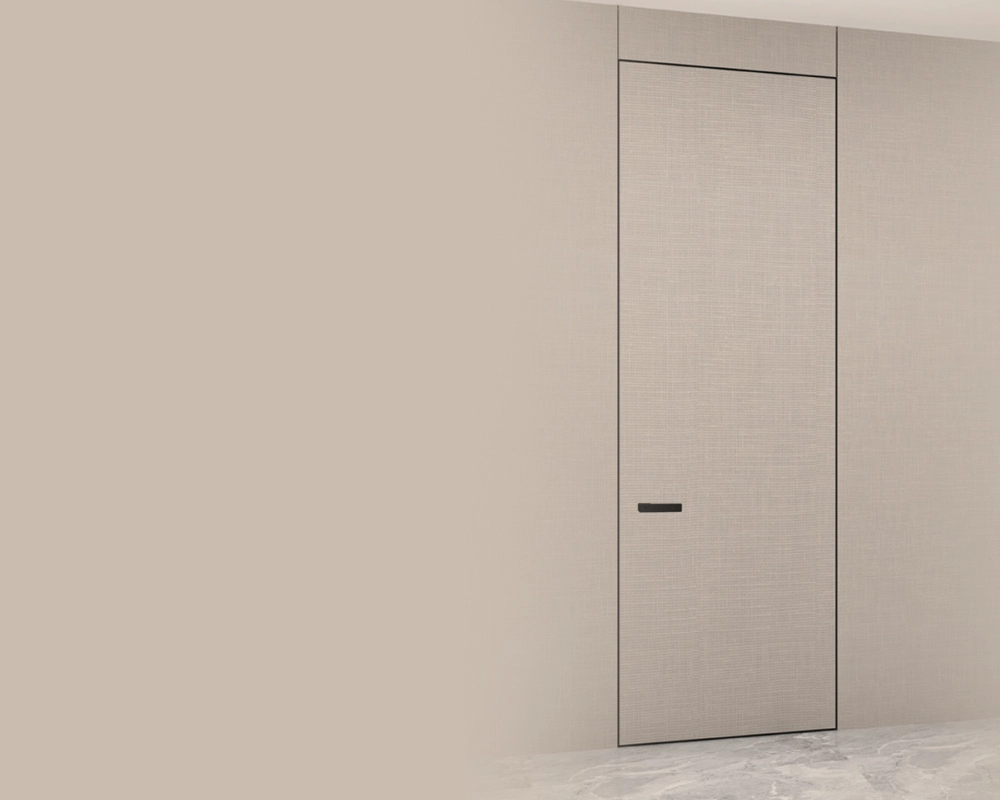
External flush right inward opening door MA13
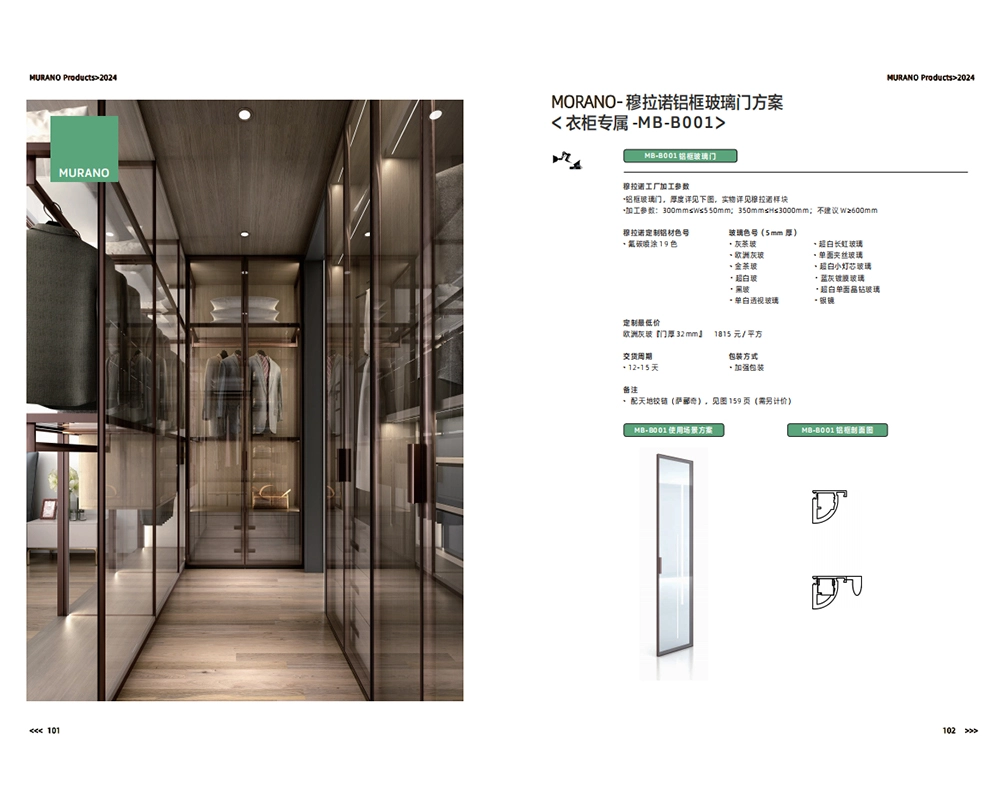
Aluminum Frame Glass Hinged Door - MBB001
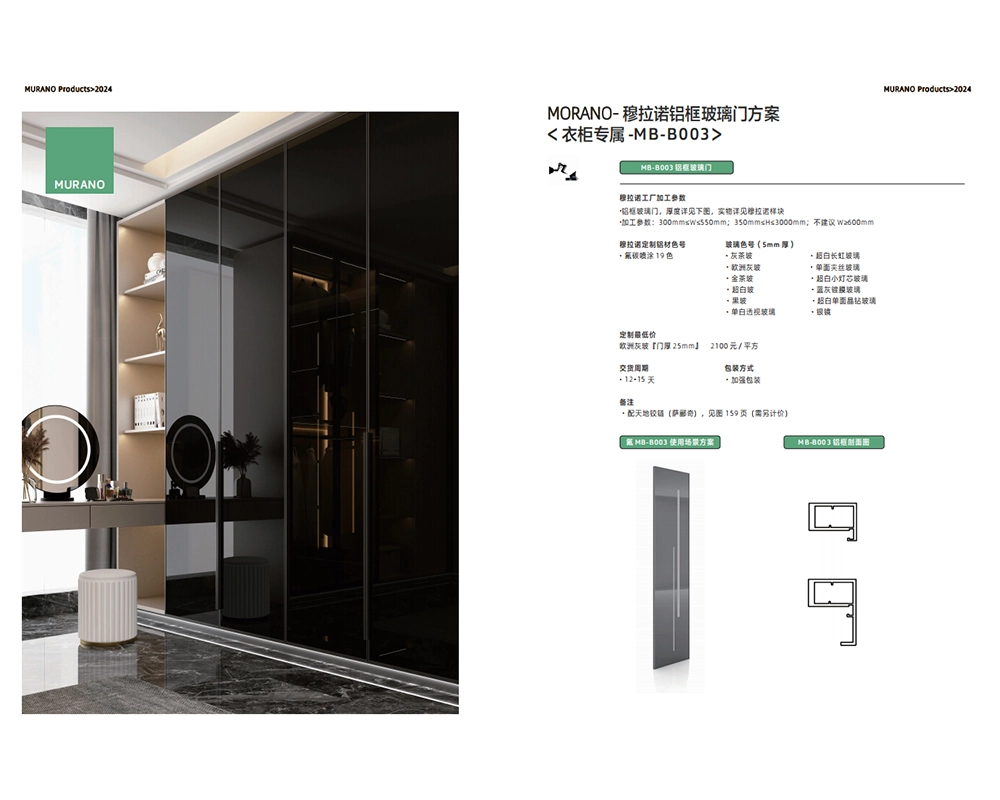
Aluminum Frame Glass Hinged Door - MBB003
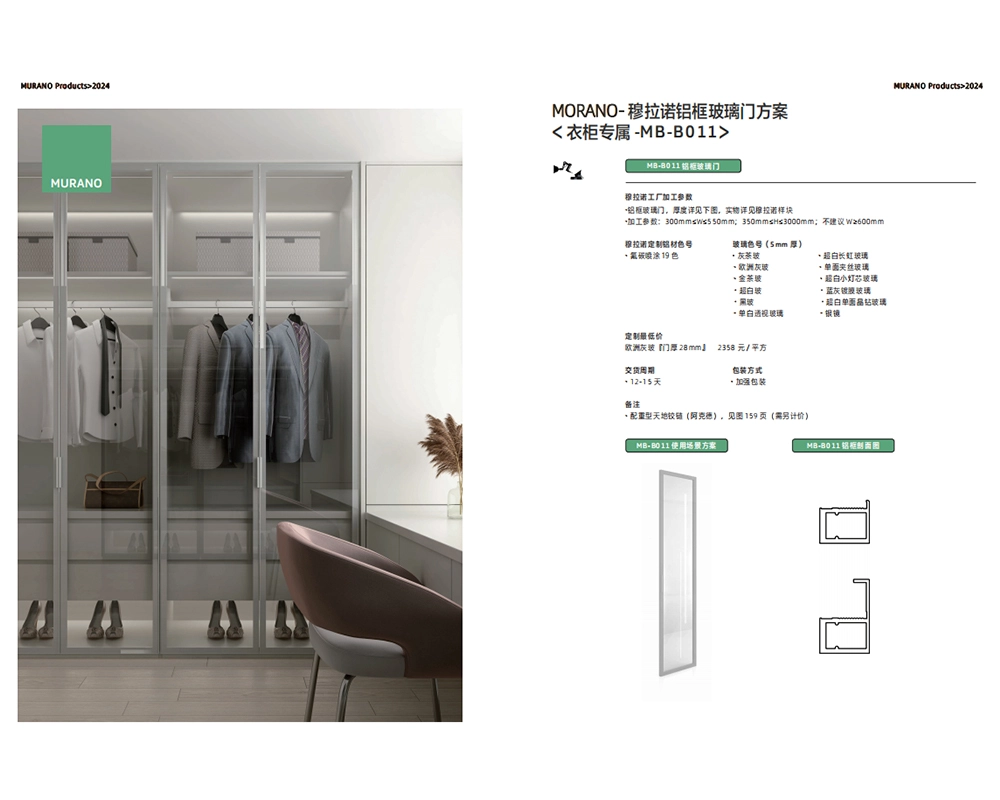
Aluminum Frame Glass Hinged Door - MBB011
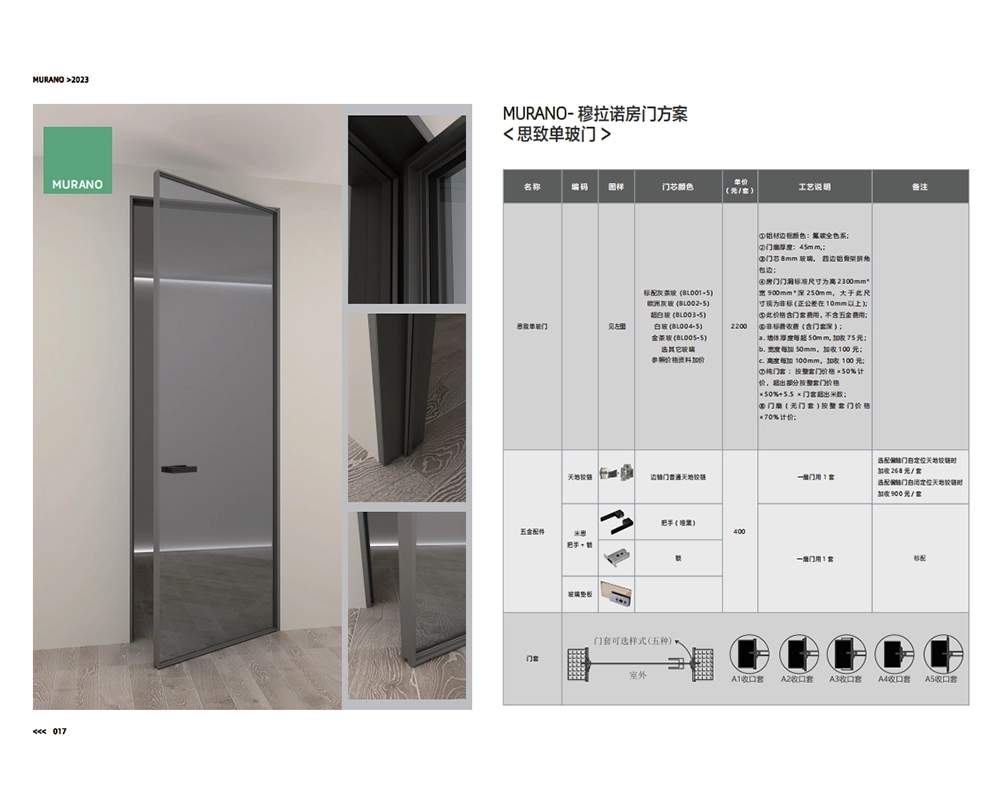
SZ Single side glass interior door
Request a Free Consultation And Price Estimate
Get in touch with Murano today for a personalized consultation, and let us bring your vision to life. Fill out the form below or contact Murano directly to start your journey toward a beautifully tailored home!"

 Scan QR Code
FoshanMuranoCabinet
foshanmuranocabinet
Whatsapp: +8618814138020
Scan QR Code