
Integrating Smart Storage in Custom Wardrobes for Projects
- Optimizing Bedroom Storage for Modern Living
- Understanding Needs: User Profiles and Functional Goals
- Identify end-user scenarios
- Prioritize functional goals
- : aligning with project constraints
- Design Strategies for Smart Storage Integration
- Modular zoning and adaptive interiors
- Smart hardware and motion-friendly layout
- Electrical and connectivity planning
- Smart Features & Technology Choices
- Lighting, climate, and preservation
- Inventory, access control, and IoT
- Automation and user experience
- Installation, Maintenance & Cost Considerations
- Installation best practices
- Maintenance, warranties, and lifecycle
- Cost vs. value: budgeting approach
- Specification Examples and Project Checklists
- Sample specification snippet for a mid-range custom wardrobe
- Project handover checklist
- Case for Standardization vs. Bespoke Solutions
- When to standardize
- When to go bespoke
- Hybrid approach
- Murano: Integrating Quality, Technology and Global Experience
- Company capabilities and project footprint
- Technical strengths and product offering
- Main products and competitive differentiators
- FAQ — Common Questions on Smart Storage in Custom Wardrobes
- 1. What smart features add the most value to bedroom closets and wardrobes?
- 2. How do I plan electrical connections for smart wardrobes?
- 3. Are smart wardrobes secure and private?
- 4. What is the expected maintenance for smart wardrobe systems?
- 5. Can smart storage be retrofitted into existing wardrobes?
- Contact Murano for Project Consultation
- References
Optimizing Bedroom Storage for Modern Living
Designing bedroom closets and wardrobes for today's projects requires more than shelving and hanging rails. Homeowners and specifiers increasingly expect customized, technology-enabled storage that maximizes space, improves user experience, and integrates seamlessly with interior design. This guide covers practical methods to integrate smart storage in custom wardrobes for residential builds, renovations, and multi-unit developments—focusing on functional outcomes, measurable benefits, and implementation best practices.
Understanding Needs: User Profiles and Functional Goals
Identify end-user scenarios
Start by mapping how different occupants use bedroom closets and wardrobes. Common profiles include: single adults with extensive formal wear, couples requiring shared-access solutions, families with children needing modular storage, and multi-generational households needing adaptable access (lower rails, pull-out drawers). For multi-unit projects, assess whether wardrobes must support variable tenant needs and durability requirements.
Prioritize functional goals
Translate user profiles into measurable goals: storage capacity (e.g., number of hanging sections, drawer volumes), accessibility (reach range, pull-down mechanisms), organization (compartmentalization for shoes, accessories, linens), and smart features (automated lighting, inventory tracking, climate control for delicate items). These goals guide layout, hardware selection, and electronics integration.
: aligning with project constraints
For developers and interior designers, balance custom bedroom closets and wardrobes against budget, timeline, and maintenance. Identify where smart upgrades provide ROI—often in higher-end units and customized luxury projects, or where energy savings and user convenience reduce long-term property management costs.
Design Strategies for Smart Storage Integration
Modular zoning and adaptive interiors
Design wardrobes as a set of zones: hanging, folded, accessory, shoe, and utility. Use modular inserts (removable dividers, adjustable shelves, slide-out trays) to allow future reconfiguration without carpentry. For projects, specify standardized module dimensions to streamline production while allowing personalization at installation.
Smart hardware and motion-friendly layout
Incorporate hardware that improves ergonomics: motorized lift rods, soft-close drawers, pull-down rails, and full-extension runners. Motion sensors activate internal lighting and ventilation only when needed. In bedroom closets and wardrobes, position sensors to avoid false triggers while ensuring predictable illumination when doors open or when proximity is detected.
Electrical and connectivity planning
Plan power and data early—within architectural and MEP drawings. Decide which smart elements require mains power (motors, dehumidifiers) versus battery/low-voltage operation (LEDs, sensors). For networked features (app control, cloud services), provide either Wi-Fi coverage or wired Ethernet to central locations. For multi-unit projects, consider centralized controllers per unit to simplify onboarding and maintenance.
Smart Features & Technology Choices
Lighting, climate, and preservation
LED strip lighting with adjustable color temperature and occupancy sensors improves visibility and perceived value. For preservation of delicate garments, integrate humidity sensors and micro-dehumidifiers in sections designated for leather or high-value fabrics. These systems can be set to maintain relative humidity ranges and alert users via app if thresholds are exceeded.
Inventory, access control, and IoT
Inventory systems using RFID tags or image recognition can track items and suggest outfit combinations. While advanced, these features are increasingly used in high-end projects and bespoke closets. Access control (digital locks, biometric or app-based entry) can be specified for wardrobes that store valuables. Evaluate data privacy and user adoption before specifying advanced tracking features.
Automation and user experience
Design automation around predictable routines: timed lighting at night, motorized rails that lower at preferred heights, and voice or app interfaces for inventory checks. Keep interfaces simple—users prefer 1–2 core actions rather than many complex controls. For property managers, provide a simple diagnostics dashboard for remote troubleshooting.
Installation, Maintenance & Cost Considerations
Installation best practices
Coordinate cabinet makers, electricians, and IT/network installers. Pre-assemble modules off-site when possible to reduce on-site labor and ensure quality. Use labeled harnesses and modular junction boxes for electronics to speed commissioning and future servicing.
Maintenance, warranties, and lifecycle
Specify warranties for both mechanical and electronic components. Create a maintenance manual covering cleaning, sensor calibration, battery replacement cycles, and firmware update procedures. For large projects, include an optional service contract for periodic inspections and preventive maintenance.
Cost vs. value: budgeting approach
Estimate costs across tiers—basic (improved cabinetry, LED lighting), mid-range (soft-close hardware, motion sensors, pull-down rods), and High Quality (motorized systems, inventory tracking, climate control). Present expected payback drivers to clients: increased property valuation, faster sale/rental turnover, and improved occupant satisfaction. For clarity, see the comparison table below.
| Feature | Traditional Closet | Smart Closet | Custom Integrated Wardrobe |
|---|---|---|---|
| Typical cost range (per unit) | Low — $500–$2,000 | Mid — $2,000–$6,000 | High — $4,000–$15,000+ |
| Flexibility | Low — fixed shelves/rails | Medium — modular inserts, sensors | High — bespoke layouts, motorized hardware |
| Installation complexity | Low | Medium — electrical/data needed | High — integrated MEP and cabinetry work |
| Maintenance | Minimal | Moderate — electronics upkeep | Moderate–High — specialized parts |
| Perceived buyer value | Standard | Higher | High Quality |
Note: cost ranges above are indicative and depend on region, materials, and scope. Present accurate quotes from suppliers like Murano for project-level budgeting.
Specification Examples and Project Checklists
Sample specification snippet for a mid-range custom wardrobe
- Materials: 18mm moisture-resistant plywood or MDF with melamine/veneer finish; solid wood front options available for higher-end units.
- Hardware: soft-close concealed hinges, 45kg full-extension drawer runners, motorized lift rod for a 1.2m-wide hanging bay.
- Lighting: 3000K LED strips with integrated PIR sensor and low-voltage driver, 24V DC supply.
- Electronics: local controller with Wi‑Fi module for app control; humidity sensor included in shoe/coat bay; labeled low-voltage junction box behind back panel.
- Warranty: 5 years on cabinet structure; 2 years on electronics and motors.
Project handover checklist
- Verify all mechanical fittings and alignment (doors flush, drawers full extension).
- Test electrical circuits, confirm grounding and RCD protection where applicable.
- Commission sensors and user accounts for app control; provide client walkthrough.
- Deliver maintenance manual and spare parts list.
Case for Standardization vs. Bespoke Solutions
When to standardize
Standardized modules reduce manufacturing costs, simplify procurement, and speed installation for large developments. Use a catalog of validated modules for bedroom closets and wardrobes that can be mixed-and-matched to serve diverse unit types.
When to go bespoke
Bespoke wardrobes are justified in luxury residences, high-end hospitality projects, or where architecture imposes non-standard geometry. Bespoke allows integration of advanced smart systems, High Quality materials, and brand differentiation.
Hybrid approach
A hybrid combines a standardized carcass with bespoke fronts and smart modules, balancing efficiency with personalization. For many residential projects this is the most cost-effective route to provide perceived luxury without custom lead times across the entire system.
Murano: Integrating Quality, Technology and Global Experience
Company capabilities and project footprint
Foshan Murano Smart Home Co., Ltd., based in Foshan, Guangdong, is a leading custom wardrobe and cabinet brand with over 20 years of expertise. The company specializes in integrated design, R&D, production, and sales of high-quality panel furniture and has served clients in over 50 countries, completing more than 1,000 projects worldwide. Murano offers comprehensive customization services for all home areas, including bedrooms, living rooms, kitchens, and offices, supported by a dedicated pre-sales and after-sales service.
Technical strengths and product offering
Murano combines advanced production technology with strict quality control to deliver functional yet stylish furniture. Their furniture features tailored sizing, High Quality materials, and diverse designs and color options to match any décor. Murano upholds its Quality First principle through precision craftsmanship and superior materials, remaining a trusted choice for durable, well-fitted custom furniture solutions.
Main products and competitive differentiators
Core products include: Kitchen Cabinet, Bedroom Wardrobe, Interior Doors, Aluminum Frame Glass Door, Bathroom Cabinet, and Wall Panelling. Murano differentiates through:
- End-to-end integration: design to delivery, reducing coordination gaps on projects.
- Scalable production: capable of both standardized module runs and bespoke commissions.
- Advanced quality control: material sourcing and precision finishing to minimize on-site adjustments.
- After-sales support: pre-sales planning and post-installation service options for warranty and maintenance.
FAQ — Common Questions on Smart Storage in Custom Wardrobes
1. What smart features add the most value to bedroom closets and wardrobes?
High-value features include integrated LED lighting with occupancy sensors, adjustable motorized hanging systems for ergonomics, humidity control for preservation, and high-quality fittings (soft-close, full-extension drawers). Inventory tracking and IoT features add novelty and convenience but are typically High Quality options with longer ROI timelines.
2. How do I plan electrical connections for smart wardrobes?
Coordinate with the MEP engineer in early design phases. Provide at least one dedicated low-voltage circuit for LEDs and sensors, and a mains outlet for motors or climate devices. Plan concealed cable routes and accessible junction boxes for maintenance.
3. Are smart wardrobes secure and private?
Security depends on implementation. Access control via local keypad or biometric systems can be secure. For IoT-connected features (apps, cloud services), ensure vendors follow data privacy best practices and offer local control options to limit cloud exposure.
4. What is the expected maintenance for smart wardrobe systems?
Maintenance includes periodic cleaning of sensors and vents, battery replacement for wireless sensors, firmware updates for networked devices, and mechanical checks for motorized components. Include a maintenance plan in the project scope to prevent service gaps.
5. Can smart storage be retrofitted into existing wardrobes?
Yes—many features like LED lighting, motion sensors, pull-out organizers, and modular inserts can be retrofitted. Motorized hardware and climate control may require structural modifications and access to power, so evaluate on a case-by-case basis.
Contact Murano for Project Consultation
If you are planning a residential or commercial project and need expert guidance on integrating smart storage into bedroom closets and wardrobes, contact Foshan Murano Smart Home Co., Ltd. for a consultation and tailored proposal. Murano provides end-to-end solutions from concept and production to installation and after-sales service—ideal for developers, designers, and homeowners seeking lasting quality and advanced functionality.
References
- Statista – Smart Homes (accessed 2026-01-03).
- Wardrobe (furniture) — Wikipedia (accessed 2026-01-03).
- National Kitchen & Bath Association (NKBA) — Industry Resources (accessed 2026-01-03).
- Houzz — Design Trends and Consumer Insights (accessed 2026-01-03).
For project-level quotes, technical specifications, or to schedule a site assessment, reach out to Foshan Murano Smart Home Co., Ltd. — consult their product catalog for Kitchen Cabinet, Bedroom Wardrobe, Interior Doors, Aluminum Frame Glass Door, Bathroom Cabinet, and Wall Panelling solutions tailored to your project.
How to start the flat panel kitchen cabinets business ?
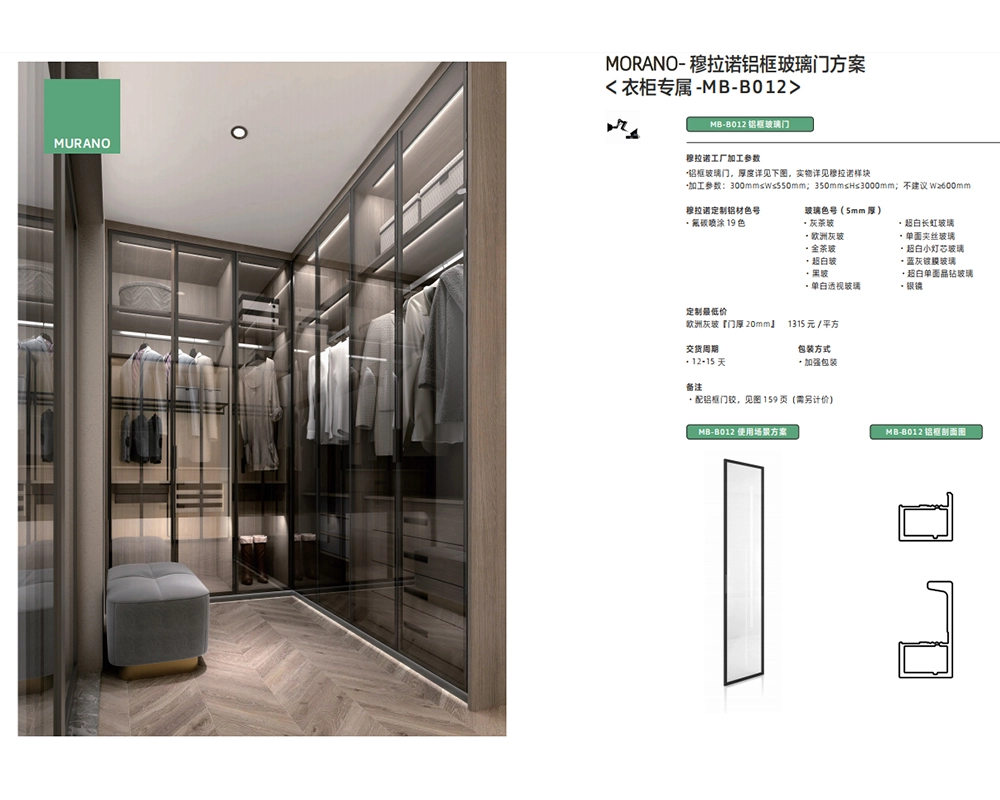
Aluminum vs Wood Frame Glass Doors: Which Is Better?
Why choose MURANO as your custom made outdoor kitchen cabinets supplier
Modern Kitchen Design Ideas with Aluminum Frame Glass Doors
FAQ
What's lead time for furniture cabinets?
It's about 20 - 30 days.
What information are needed for getting a quote for our furniture cabinets?
Your size infomation or room drawings.
What's MOQ for our kitchen cabinets, wardrobe cabinets or bathroom cabinets?
1 set.
What's the payment terms of all our products?
T/T (30% inadvance, the balance shall be paid off before delivery), Western Union or L/C.
Can we produce products according to customer's room size?
Yes. All our cabinets are custom size.
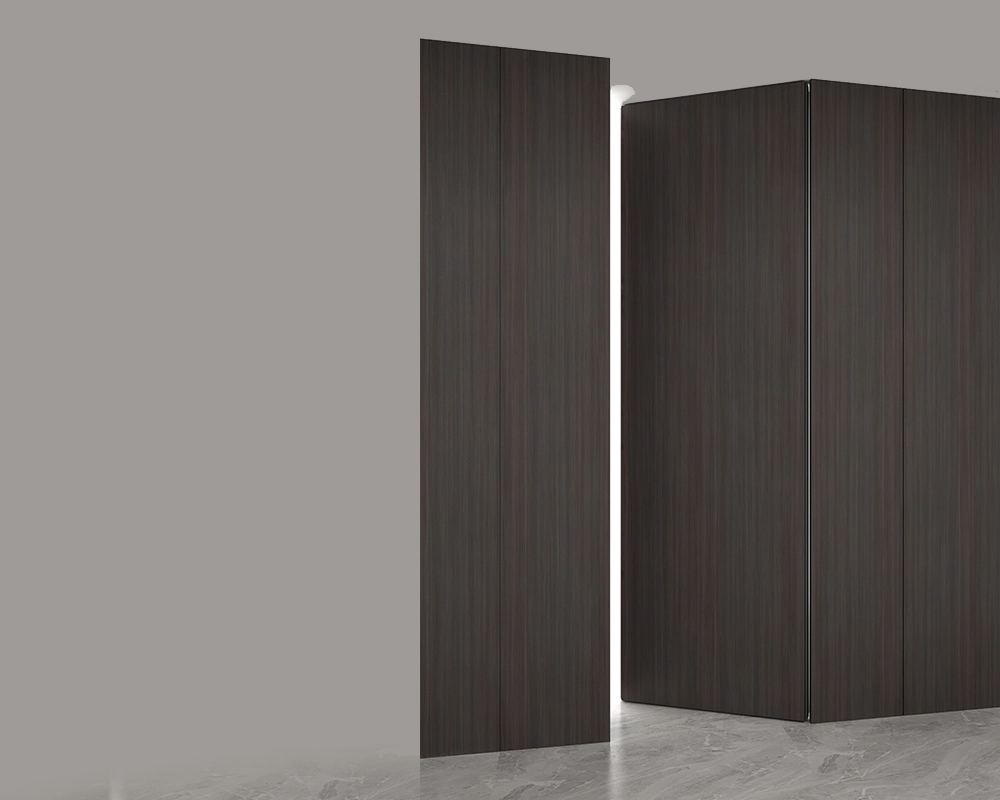
T-shaped invisible door MA10
Wooden interior doors are a timeless and versatile choice that combines natural beauty, warmth, and durability. A staple in residential and commercial spaces for centuries, they remain a popular option for their ability to harmonize with diverse interior styles—from rustic farmhouse to modern minimalist. Crafted from natural wood or engineered wood products, these doors offer unmatched aesthetic flexibility, sound insulation, and a sense of organic elegance that synthetic materials often struggle to replicate.
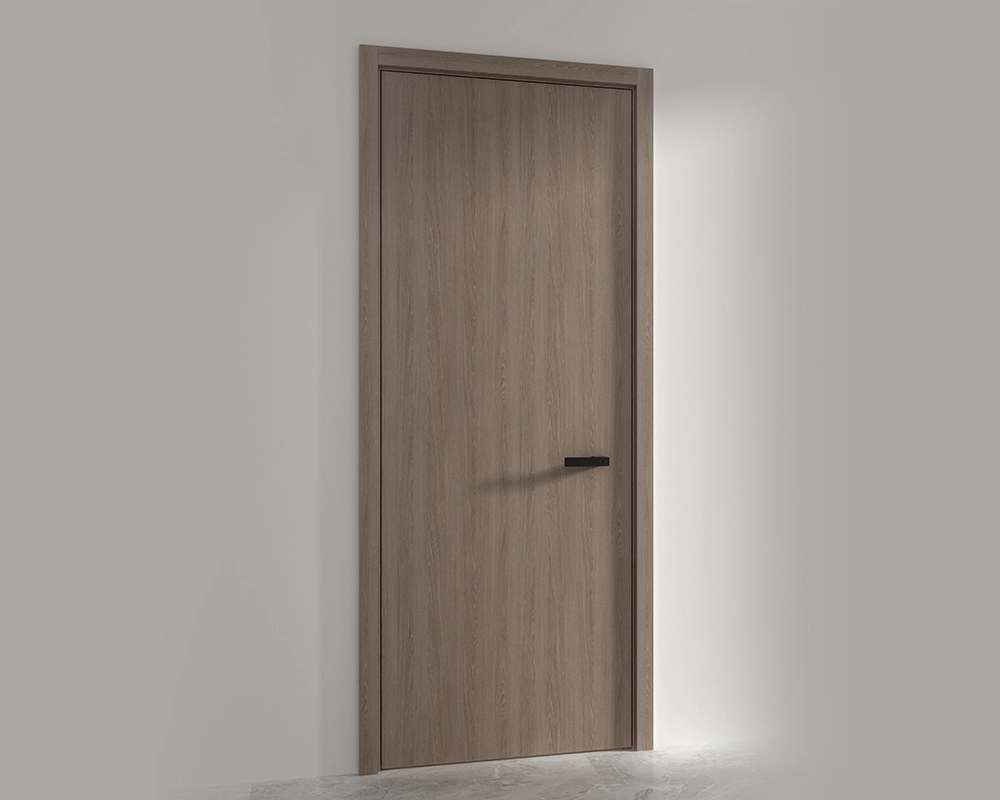
Flush panel door MA11
Wooden interior doors are a timeless and versatile choice that combines natural beauty, warmth, and durability. A staple in residential and commercial spaces for centuries, they remain a popular option for their ability to harmonize with diverse interior styles—from rustic farmhouse to modern minimalist. Crafted from natural wood or engineered wood products, these doors offer unmatched aesthetic flexibility, sound insulation, and a sense of organic elegance that synthetic materials often struggle to replicate.
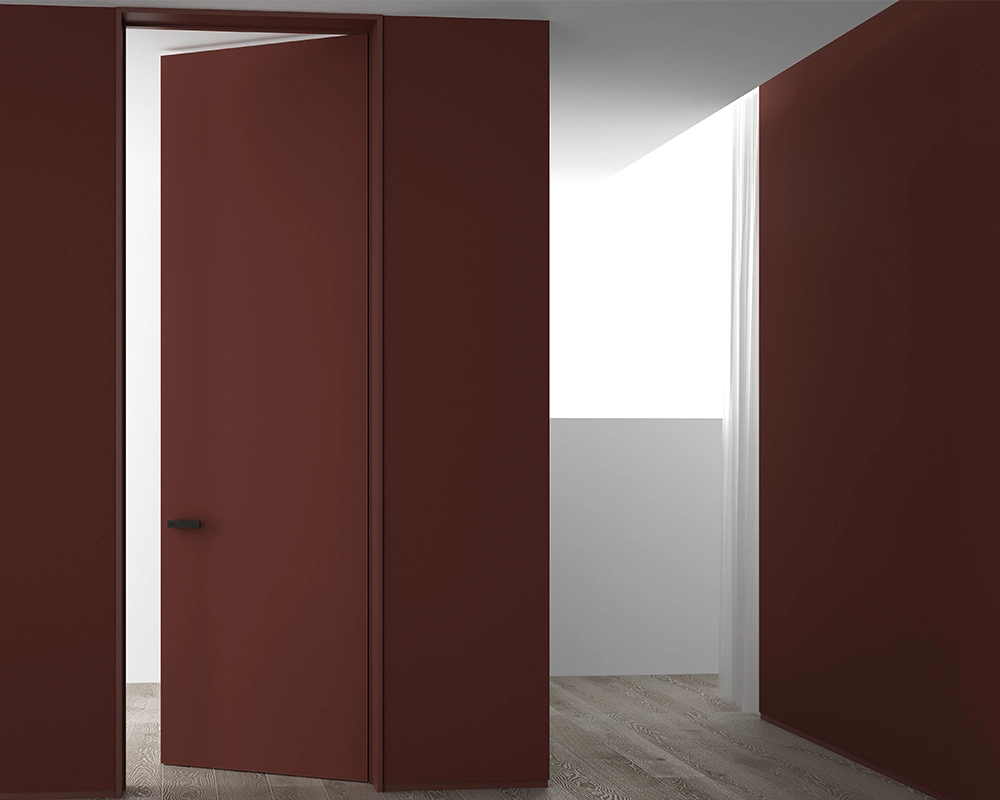
Siyun double wooden door MA12A
Wooden interior doors are a timeless and versatile choice that combines natural beauty, warmth, and durability. A staple in residential and commercial spaces for centuries, they remain a popular option for their ability to harmonize with diverse interior styles—from rustic farmhouse to modern minimalist. Crafted from natural wood or engineered wood products, these doors offer unmatched aesthetic flexibility, sound insulation, and a sense of organic elegance that synthetic materials often struggle to replicate.
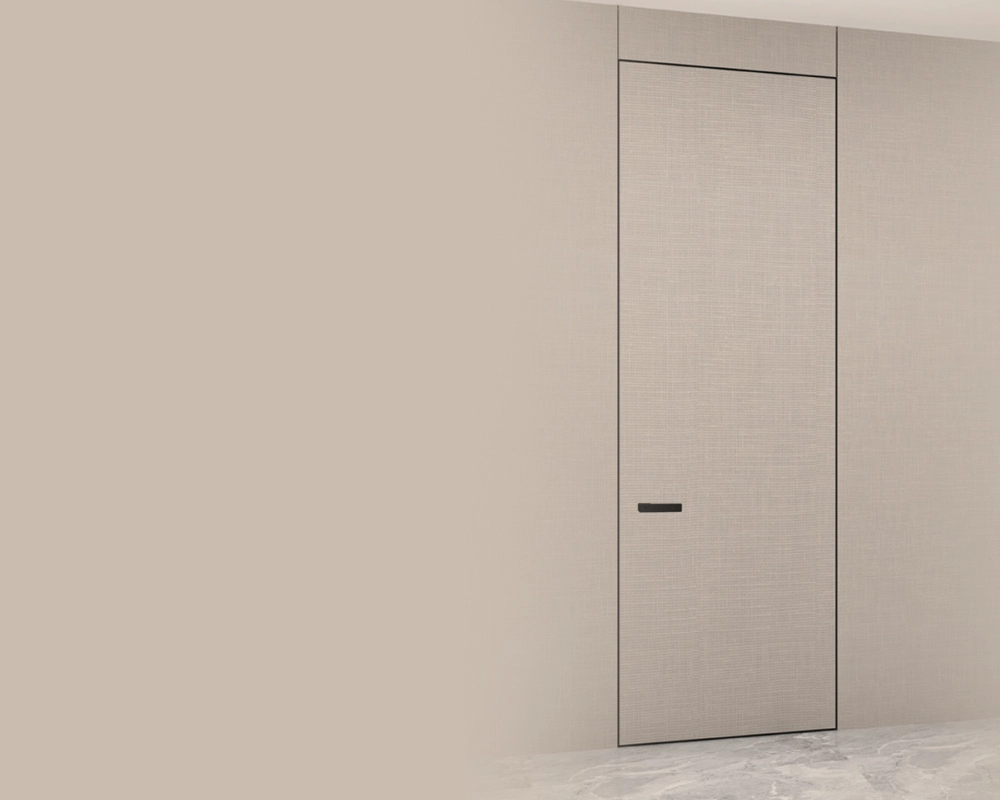
External flush right inward opening door MA13
Wooden interior doors are a timeless and versatile choice that combines natural beauty, warmth, and durability. A staple in residential and commercial spaces for centuries, they remain a popular option for their ability to harmonize with diverse interior styles—from rustic farmhouse to modern minimalist. Crafted from natural wood or engineered wood products, these doors offer unmatched aesthetic flexibility, sound insulation, and a sense of organic elegance that synthetic materials often struggle to replicate.

 Scan QR Code
FoshanMuranoCabinet
foshanmuranocabinet
Whatsapp: +8618814138020
Scan QR Code